Artwork
Eddystone Lighthouse
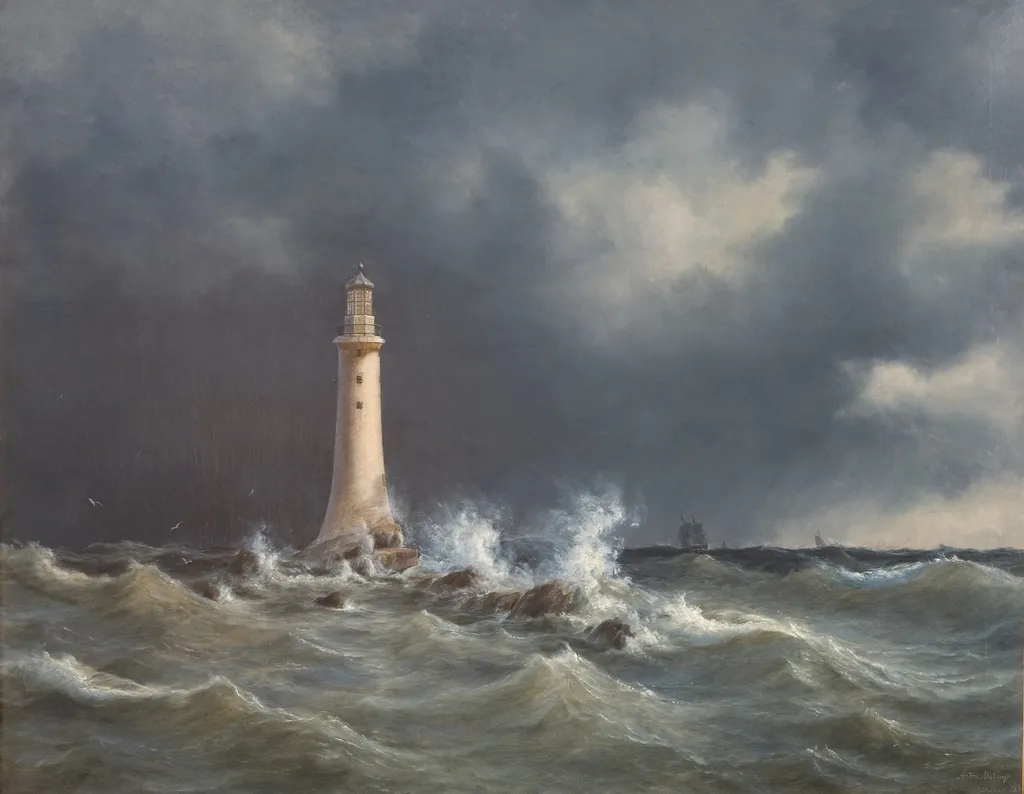
Eddystone Lighthouse is an oil painting by Anton Melbye. It dates from 1846 and is held in the collection of the Statens Museum for Kunst.
About this work
Overview
Anton Melbye’s 1846 oil painting captures the Eddystone Lighthouse, a stone structure rising from the rocky waters off Cornwall’s coast.
Anton Melbye’s 1846 oil painting captures the Eddystone Lighthouse, a stone structure rising from the rocky waters off Cornwall’s coast. Executed with careful attention to atmospheric conditions, the work reflects Melbye’s focus on maritime themes. As a Danish artist trained in the tradition of Nordic marine painting, he rendered coastal landmarks with both precision and emotional gravity, aligning his practice with broader 19th-century interests in the sea’s power and human resilience.
Subject & Meaning
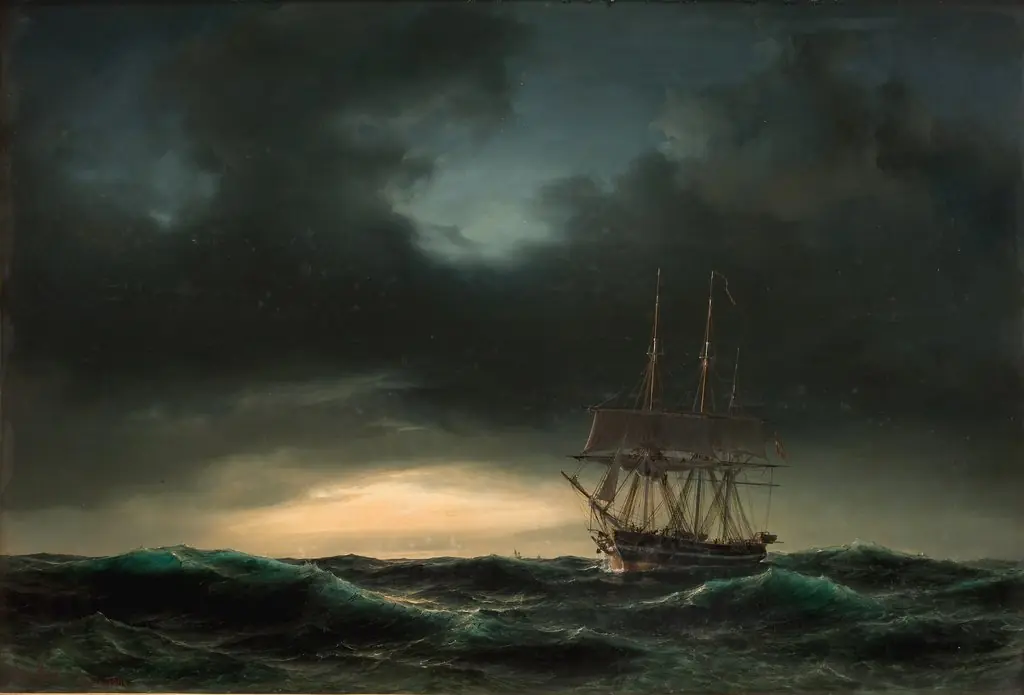
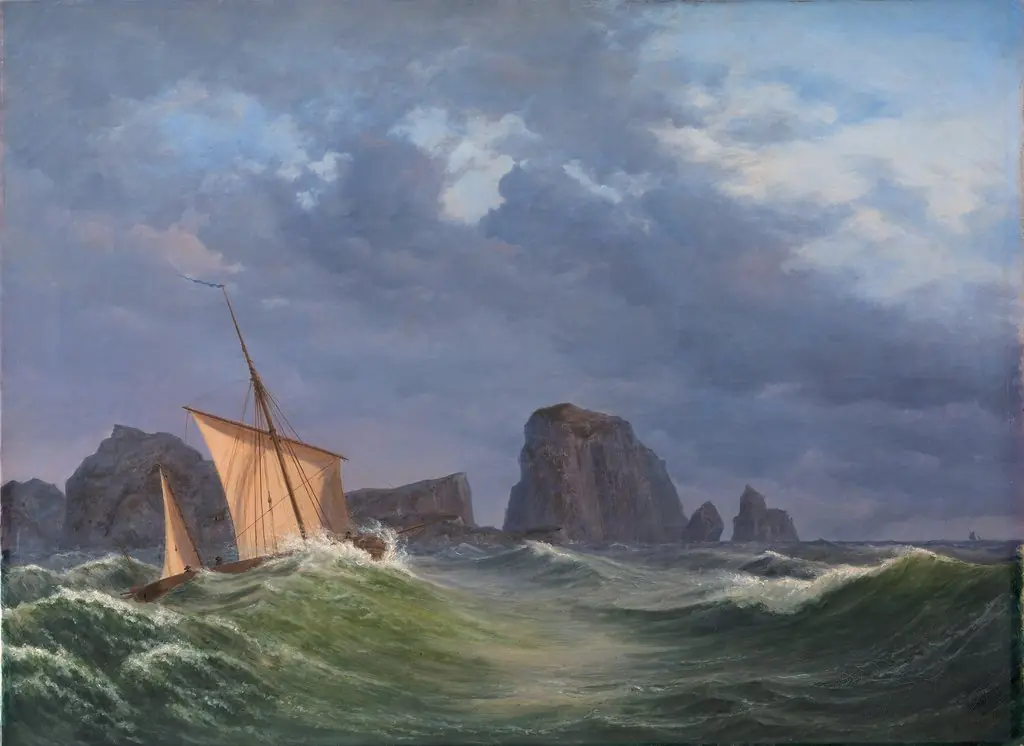
The lighthouse stands as a solitary sentinel against a churning sea and overcast sky. A distant vessel battles the waves, emphasizing the peril of navigation in these waters. The structure’s solidity contrasts with the chaos surrounding it, suggesting themes of endurance and guidance. Melbye does not idealize the scene; instead, he presents nature’s force and human ingenuity in quiet tension, without overt symbolism.
Technique & Style
Melbye employs chiaroscuro to define form and mood, using deep shadows in the waves and sky to heighten the lighthouse’s illuminated surface. Brushwork varies between loose, energetic strokes for the sea and tighter, controlled marks for the stone tower. The palette is muted—grays, blues, and off-whites—reinforcing the storm’s severity. Light is not romanticized but used to clarify spatial depth and emotional weight.
History & Provenance
Painted in 1846, the work entered the collection of Statens Museum for Kunst in Copenhagen, where it remains today. Melbye, part of a family of Danish artists, traveled extensively along European coasts, sketching and painting maritime subjects. This painting likely resulted from direct observation during a voyage, consistent with his practice of grounding his compositions in firsthand experience rather than studio invention.
Context
In mid-19th-century Europe, lighthouses symbolized progress in maritime safety and national infrastructure. Artists across Scandinavia and Britain documented these structures as both functional objects and poetic motifs. Melbye’s work fits within this trend, reflecting a cultural fascination with the sea’s dangers and the engineering meant to mitigate them, without glorifying technological triumph.
Legacy
Melbye’s *Eddystone Lighthouse* contributes to a documented tradition of Nordic marine realism. While not widely exhibited beyond Denmark, it exemplifies his disciplined approach to natural phenomena and his commitment to depicting the sea with psychological nuance. The painting endures as a quiet testament to the era’s engagement with coastal life, neither sentimental nor heroic, but observant and restrained.
Own this work as a print
Artist & collection
Artist
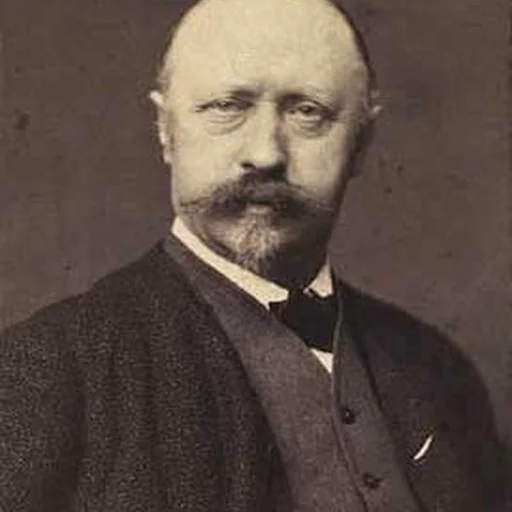
Daniel Herman Anton Melbye (13 February 1818 – 10 January 1875) was a Danish painter and photographer who specialised in marine art. He was the brother of fellow painters Vilhelm and Fritz Melbye.