Artwork
Kaiser Joseph II. (1741-1790) with a Statue of Mars
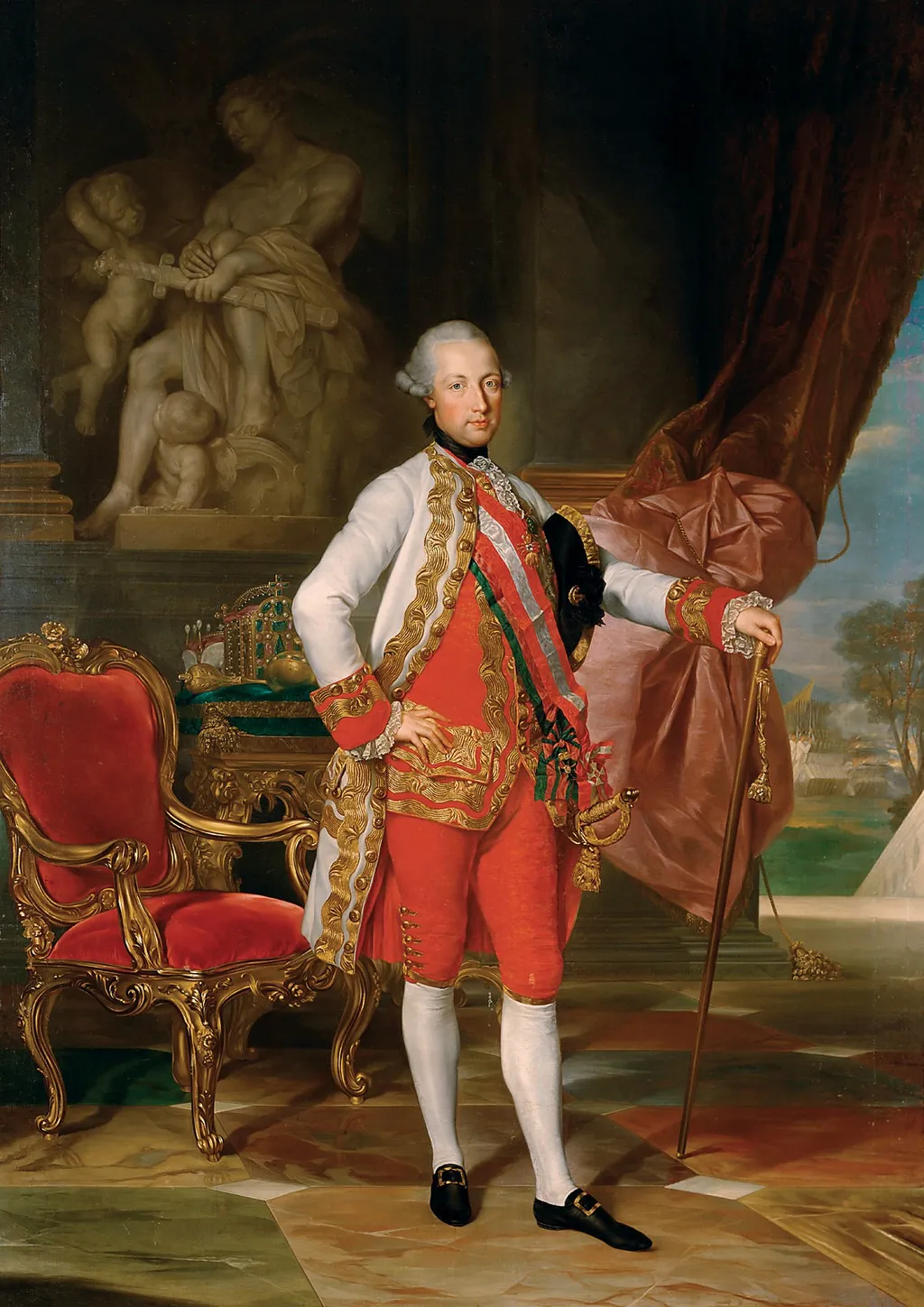
Kaiser Joseph II. (1741-1790) with a Statue of Mars is an oil painting by the Neoclassicist artist Anton von Maron. It dates from 1775 and is held in the collection of the Kunsthistorisches Museum.
About this work
Overview
It presents the emperor not as a ruler in ceremonial robes, but as a commander, surrounded by symbols of martial authority and imperial grandeur.
Painted in 1775 by Anton von Maron, this oil portrait depicts Holy Roman Emperor Joseph II in full military regalia. The work is part of the Kunsthistorisches Museum’s collection in Vienna. It presents the emperor not as a ruler in ceremonial robes, but as a commander, surrounded by symbols of martial authority and imperial grandeur. The composition balances realism with allegorical elements to convey political presence.
Subject & Meaning
Joseph II is shown standing beside a marble statue of Mars, the Roman god of war, reinforcing his role as a sovereign invested with military leadership. The inclusion of the statue, along with his uniform and the distant landscape suggesting dominion over territory, frames him as both a modern monarch and a classical ideal. A figure in a brown robe, possibly an advisor or court official, observes from the side, adding depth to the scene’s hierarchy.
Technique & Style
Maron employs a refined, polished technique characteristic of late 18th-century portraiture. Light falls deliberately on the emperor’s red uniform and gold embroidery, drawing attention to his form. The textures of velvet, marble, and fabric are rendered with precision, while the background recedes softly into a hazy landscape. The pose is static yet commanding, avoiding theatricality in favor of dignified presence.
History & Provenance
Commissioned during Joseph II’s reign, the painting was likely intended for imperial display, possibly in a palace or administrative space. It entered the Kunsthistorisches Museum’s holdings after the dissolution of the Habsburg collections in the 19th century. Its preservation reflects its significance as a document of Habsburg self-representation during the Enlightenment era.
Context
Created amid Enlightenment reforms, the portrait aligns with Joseph II’s efforts to modernize the empire while maintaining traditional symbols of power. The use of classical imagery—Mars, architectural grandeur—was common among rulers seeking to link their authority to ancient ideals. Maron, an Austrian artist trained in Rome, brought a neoclassical sensibility to imperial portraiture, bridging Italian and Central European styles.
Legacy
The painting remains a key example of how Enlightenment monarchs used visual culture to project legitimacy. While Joseph II’s policies were often radical, this image presents continuity with older dynastic traditions. Maron’s work influenced later court painters in the Habsburg territories, embedding classical allegory into official portraiture well into the 19th century.
Artist & collection

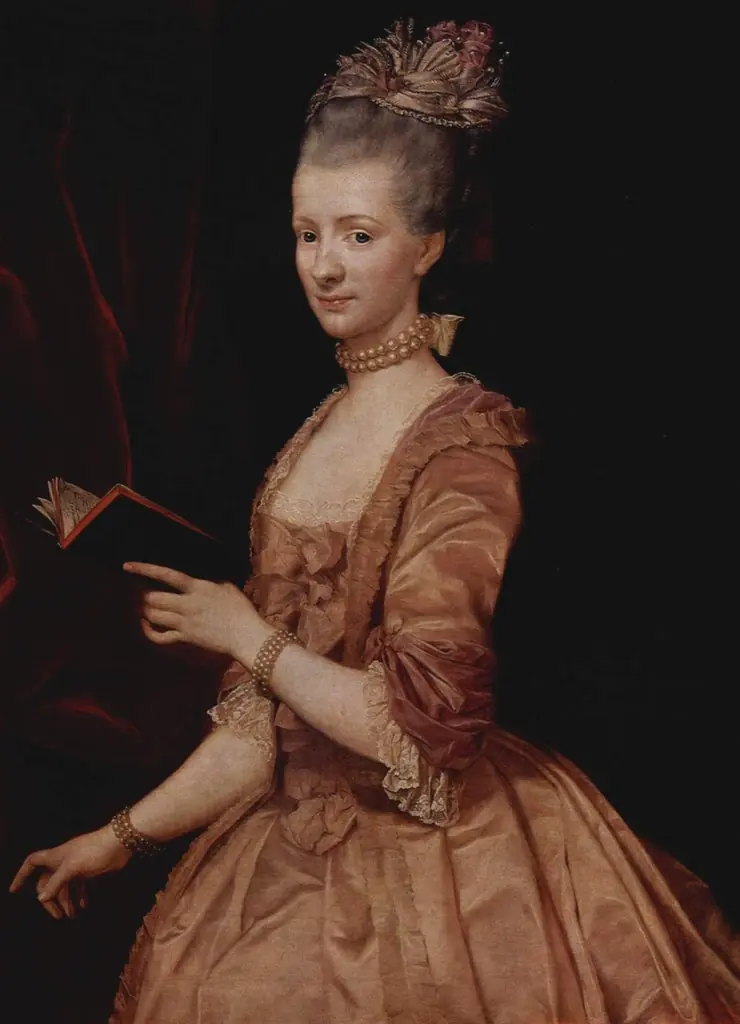 Portrait of a Woman
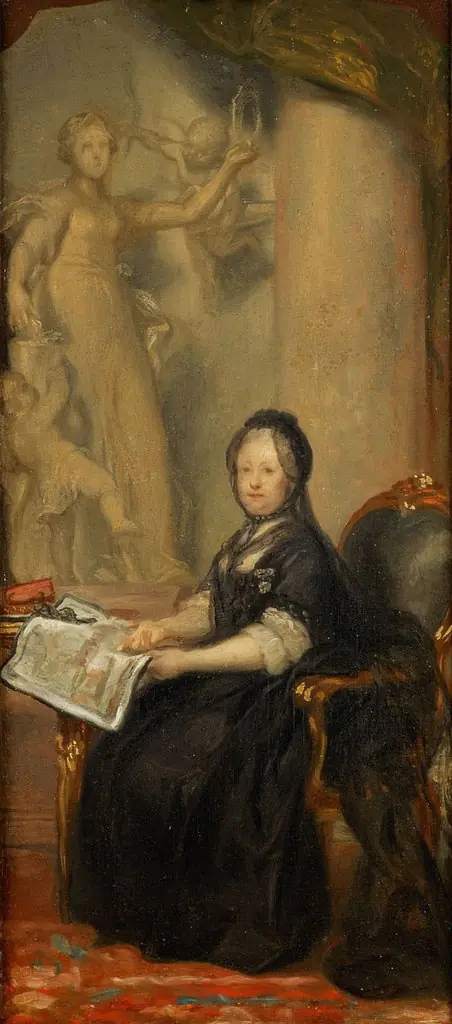 Kaiserin Maria Theresia (1717-1780) with the Statue of the Friedens
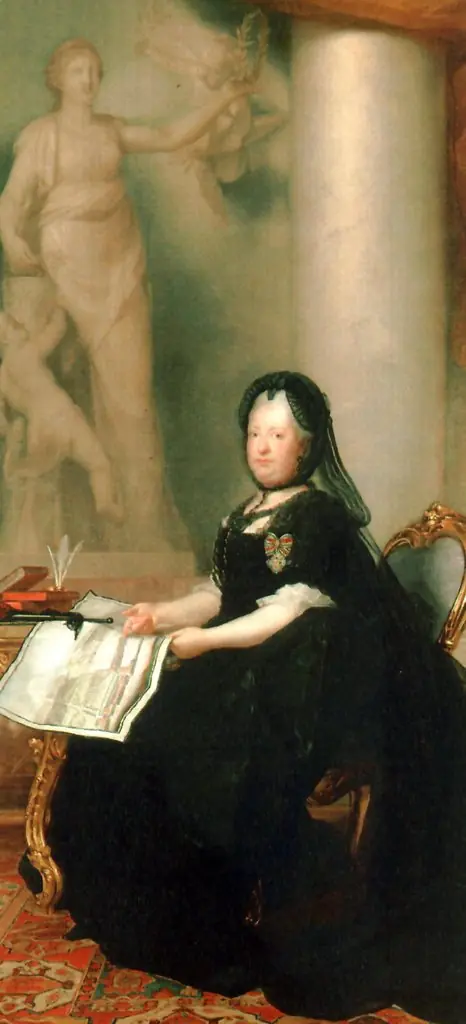 Portrait of Maria Theresa of Austria
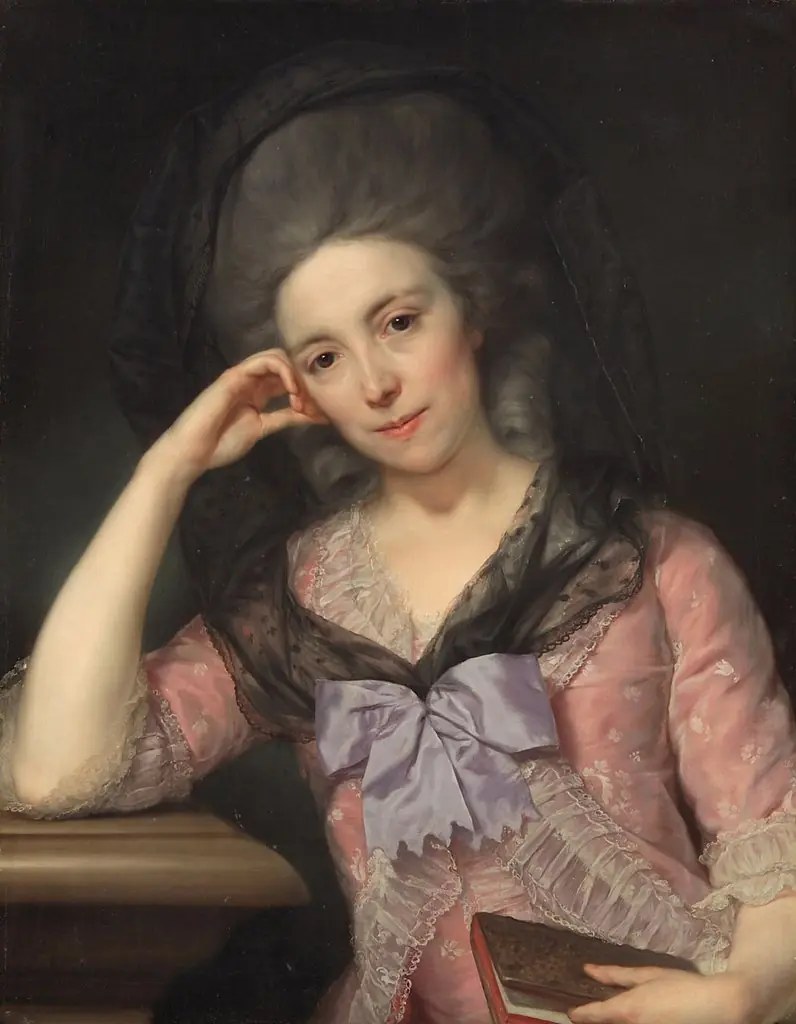 Portrait of Elisabeth Hervey, Countess of Bristol (1733-1800)
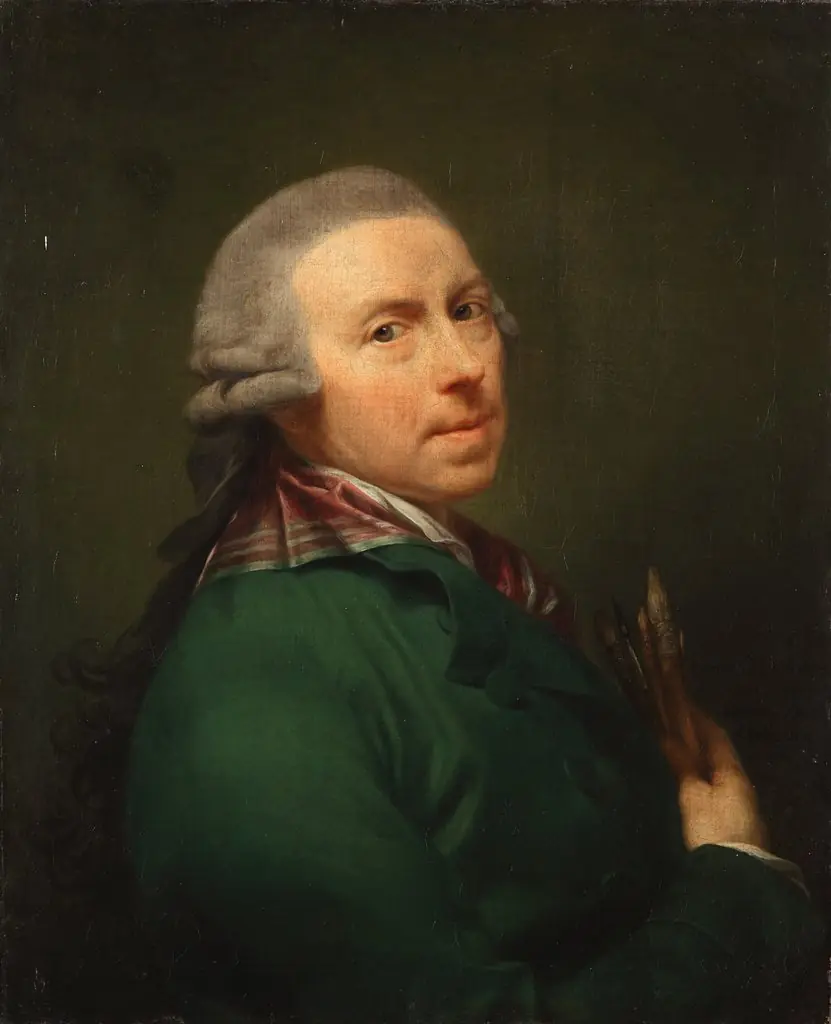 Self-Portrait
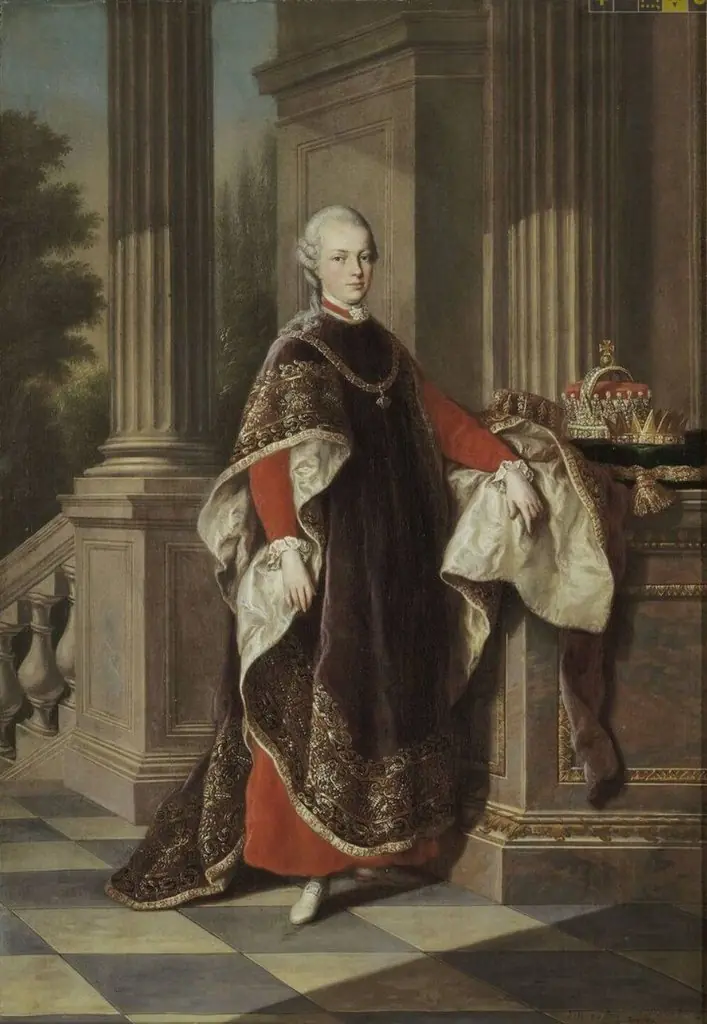 Kaiser Leopold II in Kleidung des Ritterordens vom Goldenen Vlies
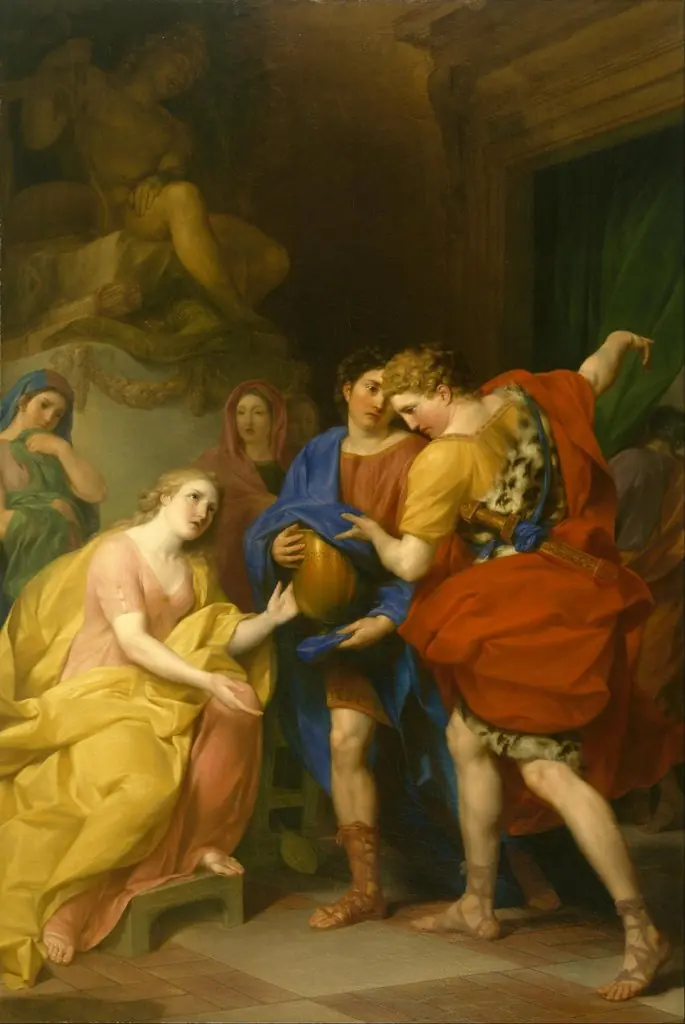 The Return of Orestes
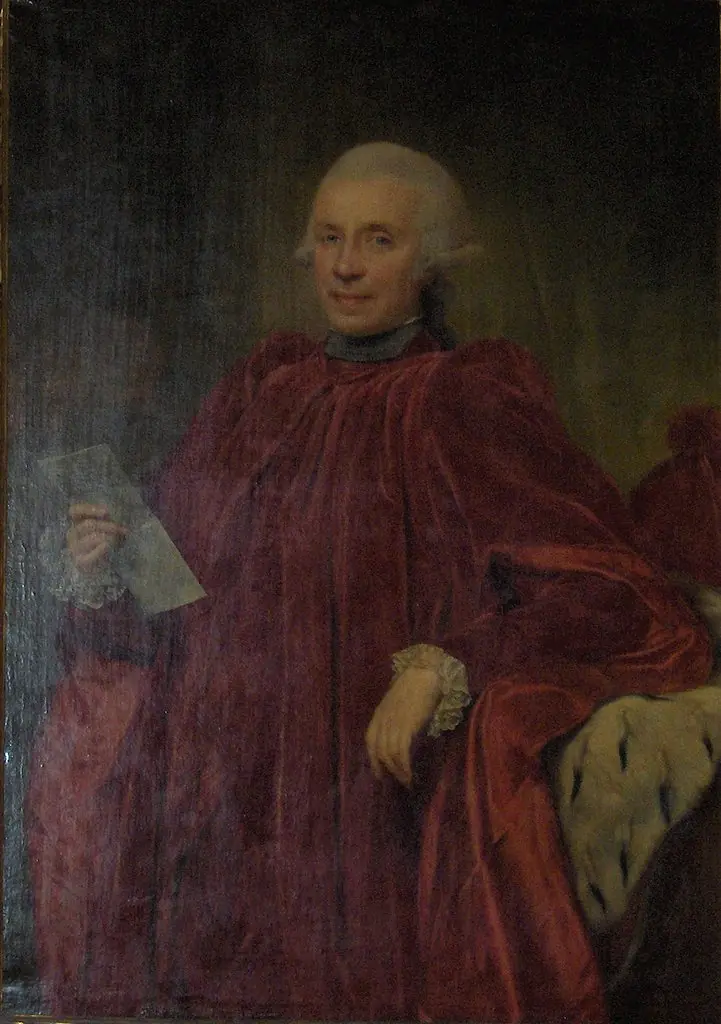 Portret van Michel-Angelo Cambiaso (1738-1813), Doge of Genoa
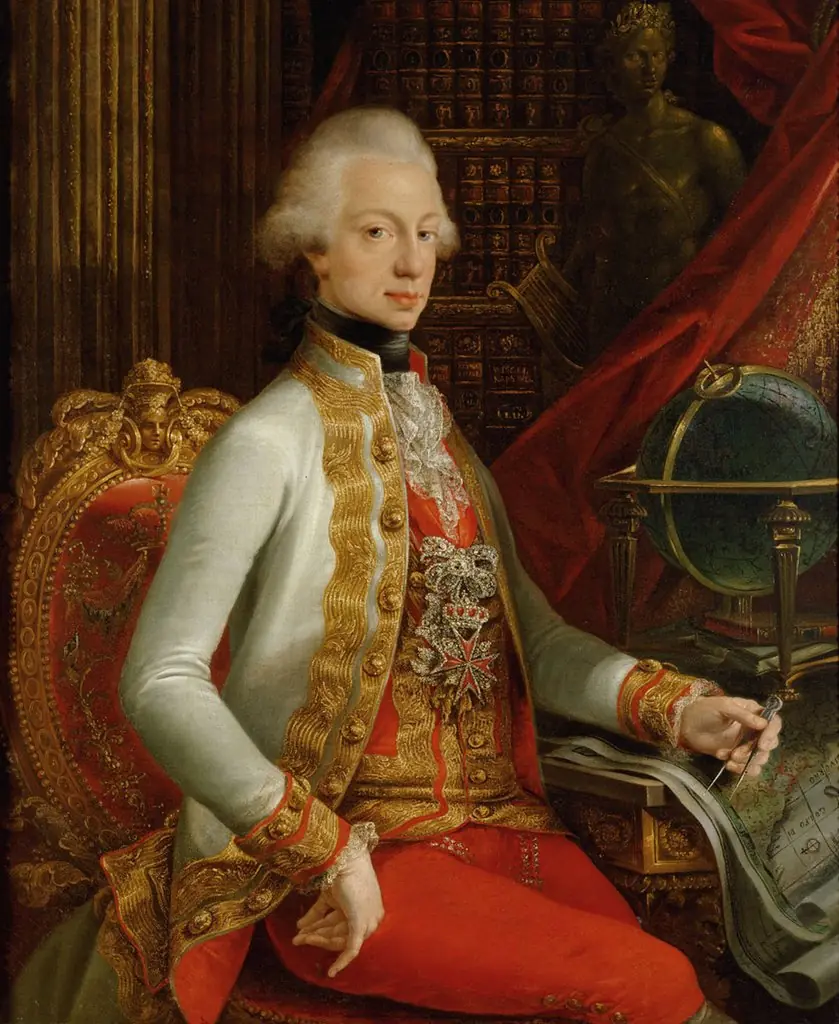 Portrait of Ferdinand III, Archduke of Austria and Grand Duke of Tuscany (1769-1824) sitting in his library
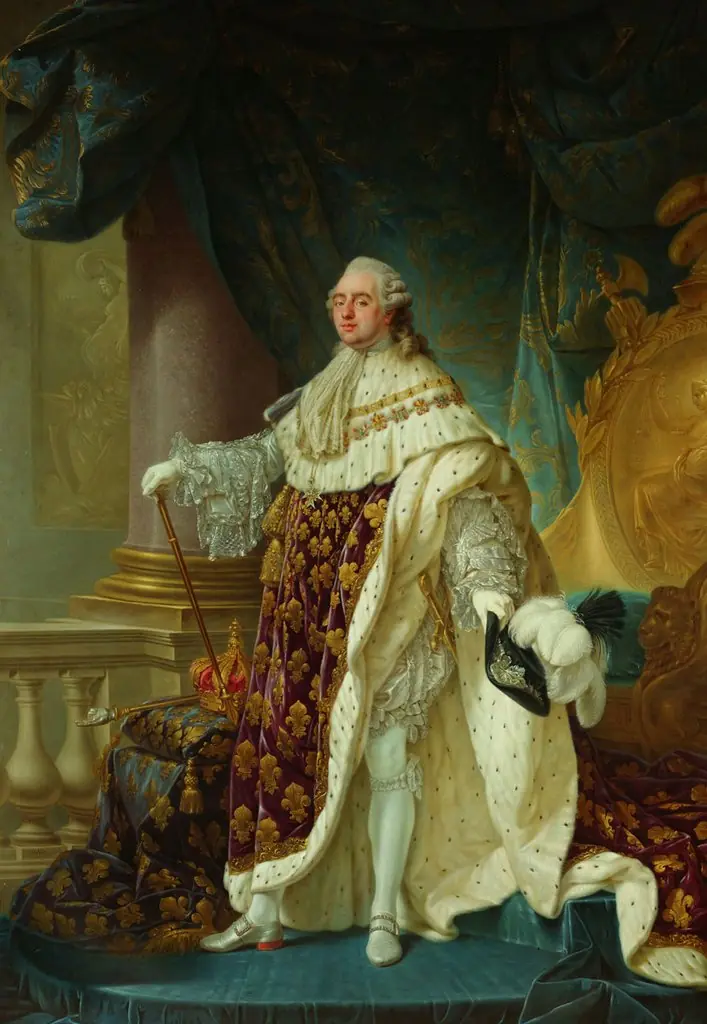 Portrait of Louis XVI of France
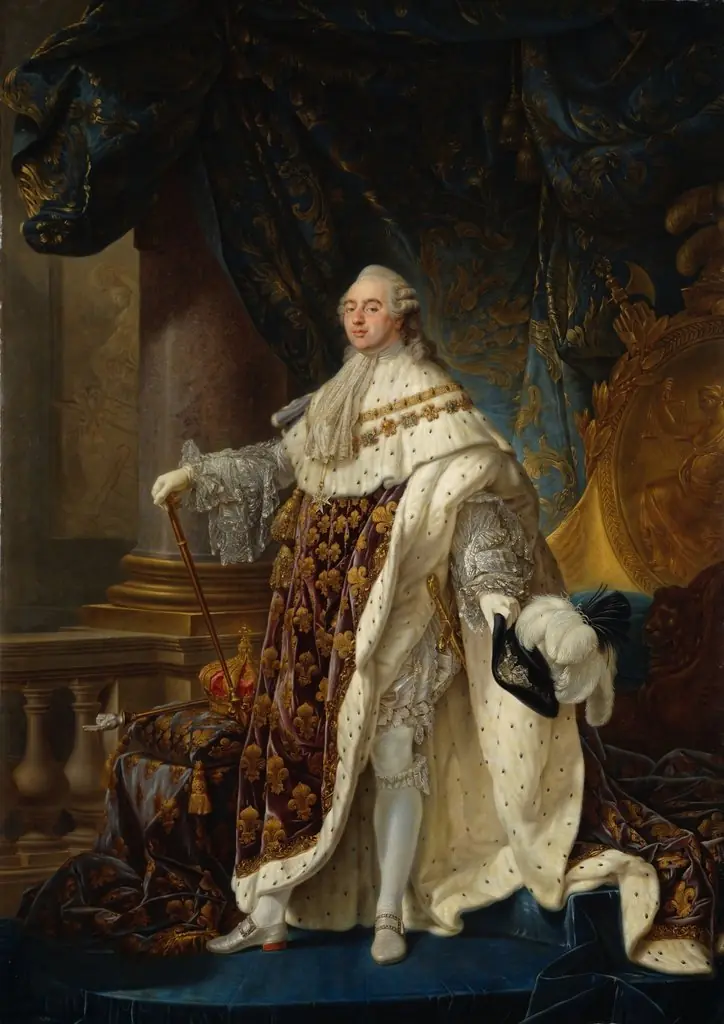 Louis XVI
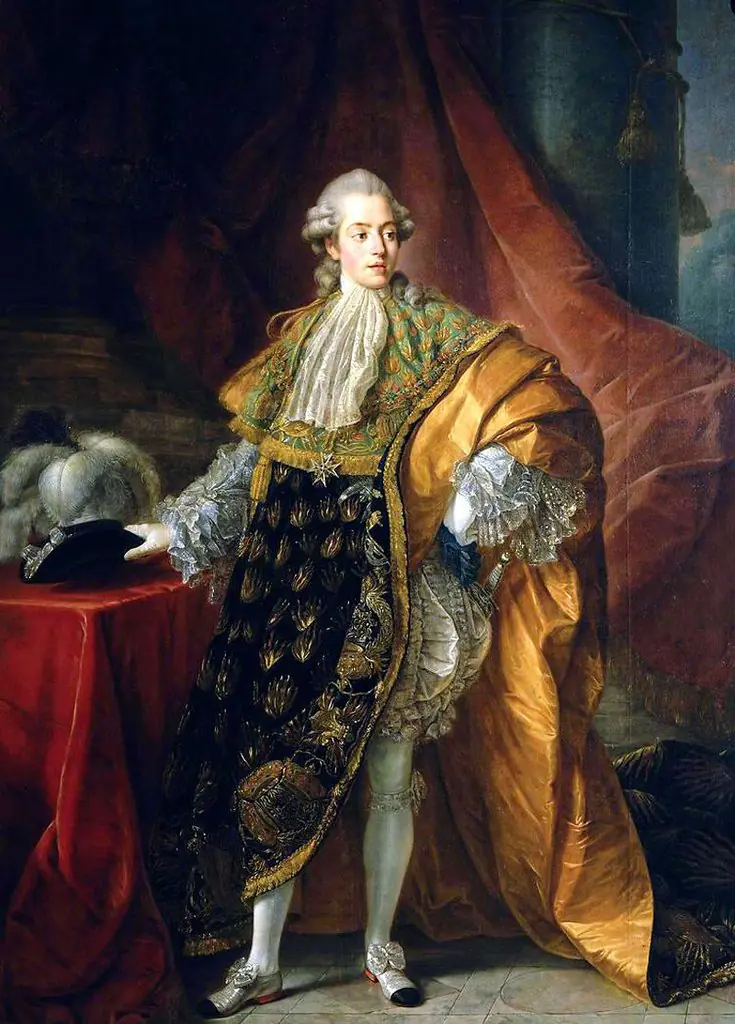 Philippe of France, Count of Artois (1757-1836)
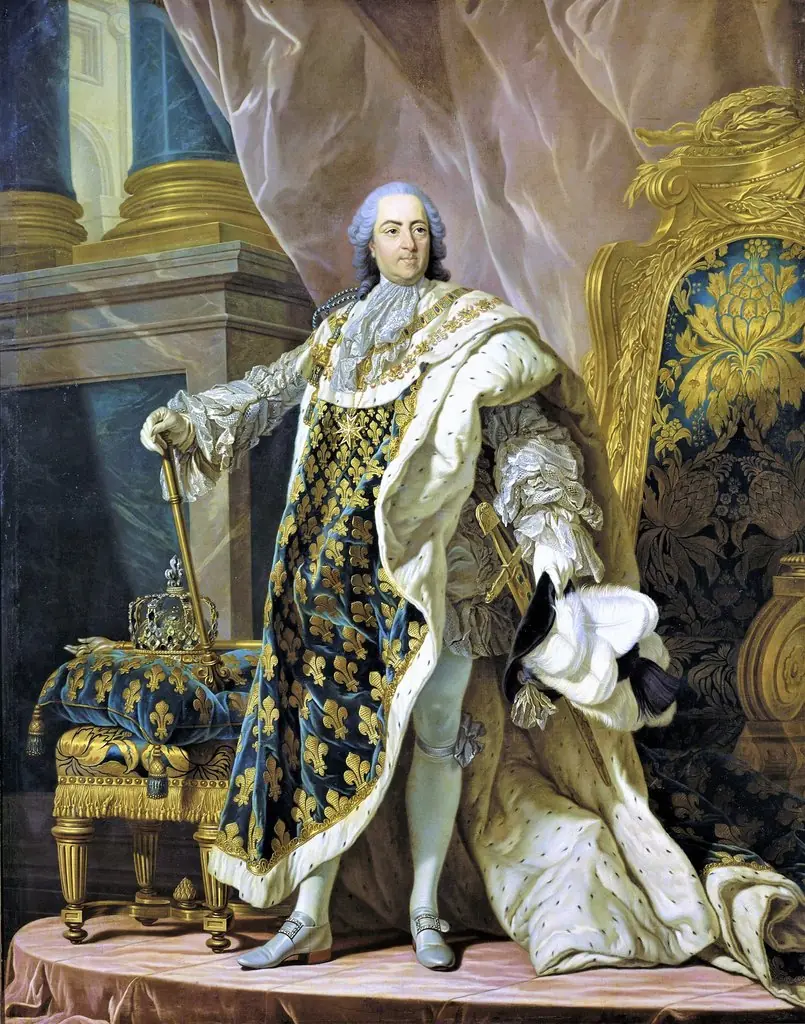 Portrait of Louis XV of France (1710-1774)
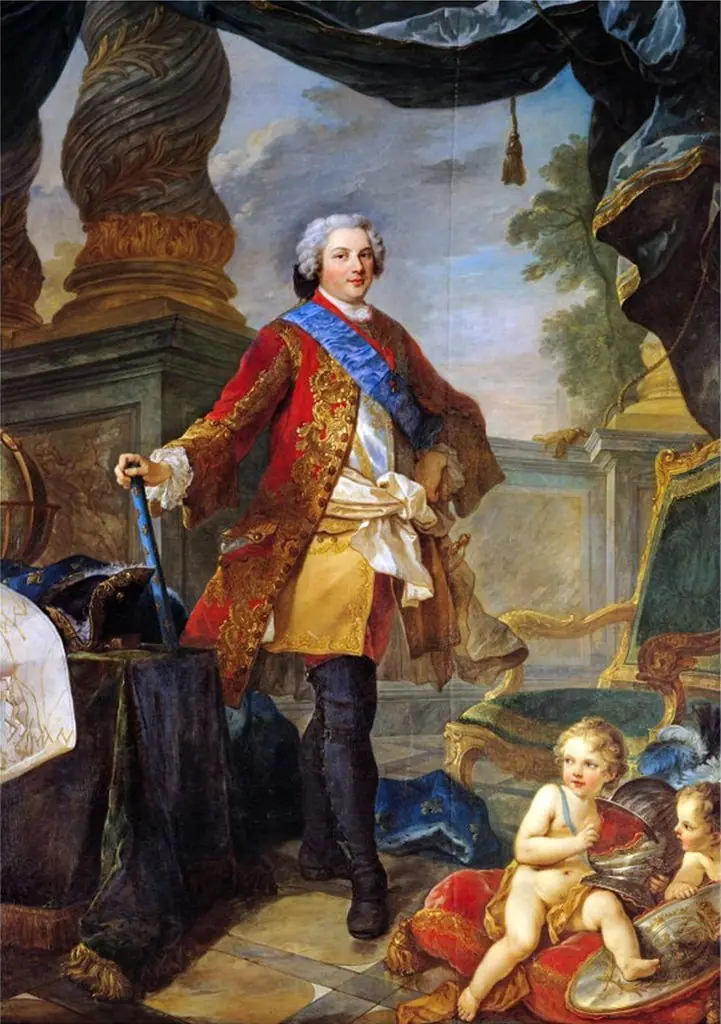 Portrait of Louis Dauphin of France with a Plan of the Siege of Tournai