Artwork
Portret van Michel-Angelo Cambiaso (1738-1813), Doge of Genoa
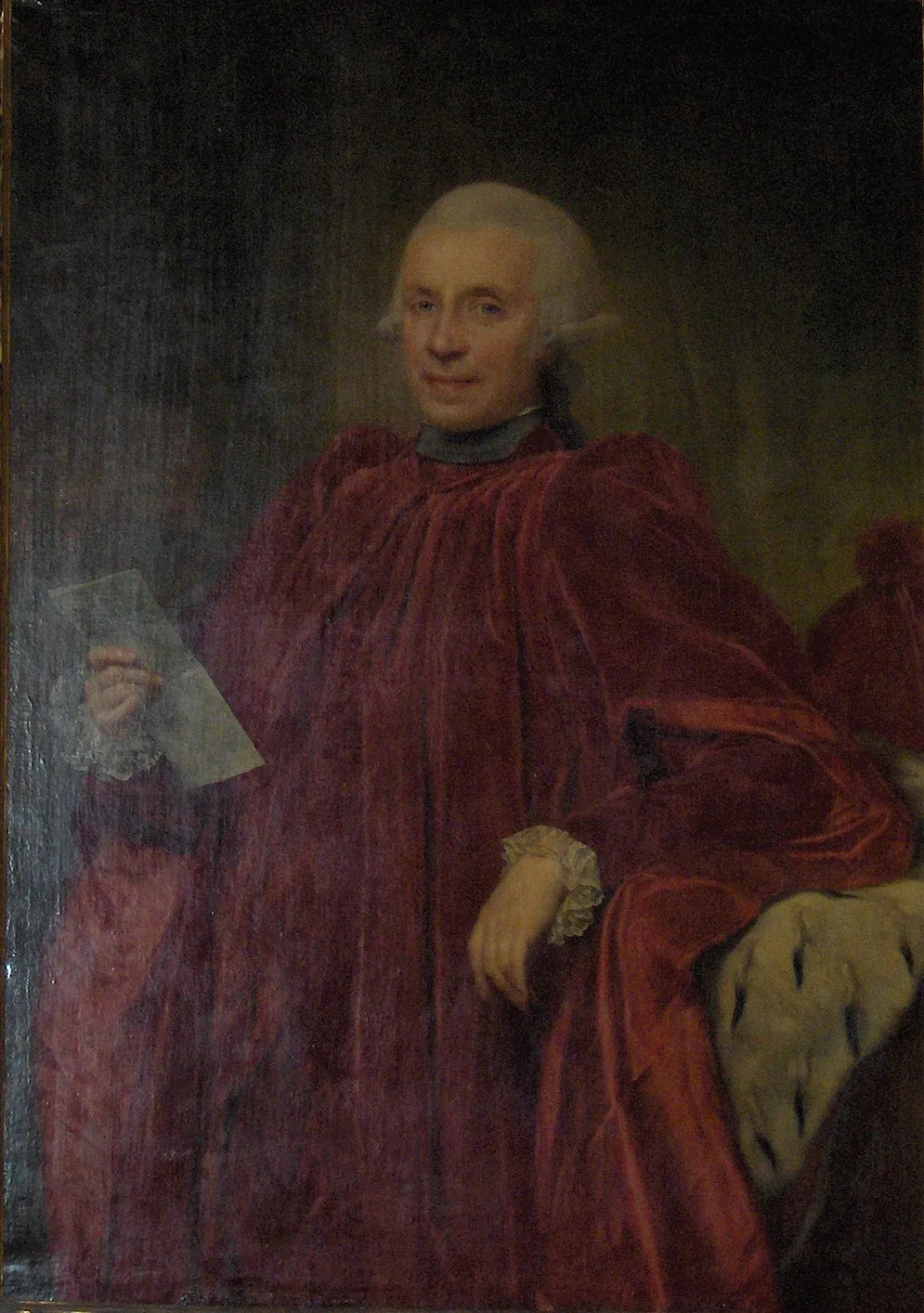
Portret van Michel-Angelo Cambiaso (1738-1813), Doge of Genoa is an oil painting by the Rococo painting artist Anton von Maron. It dates from 1750 and is held in the collection of the Royal Museums of Fine Arts of Belgium. Created around 1750, this oil portrait shows Michelangelo Cambiaso, who served as Doge of Genoa from 1738 to 1813.
About this work
The use of oil paint and the attention to detail in the subject's clothing and accessories are notable features of the artwork.
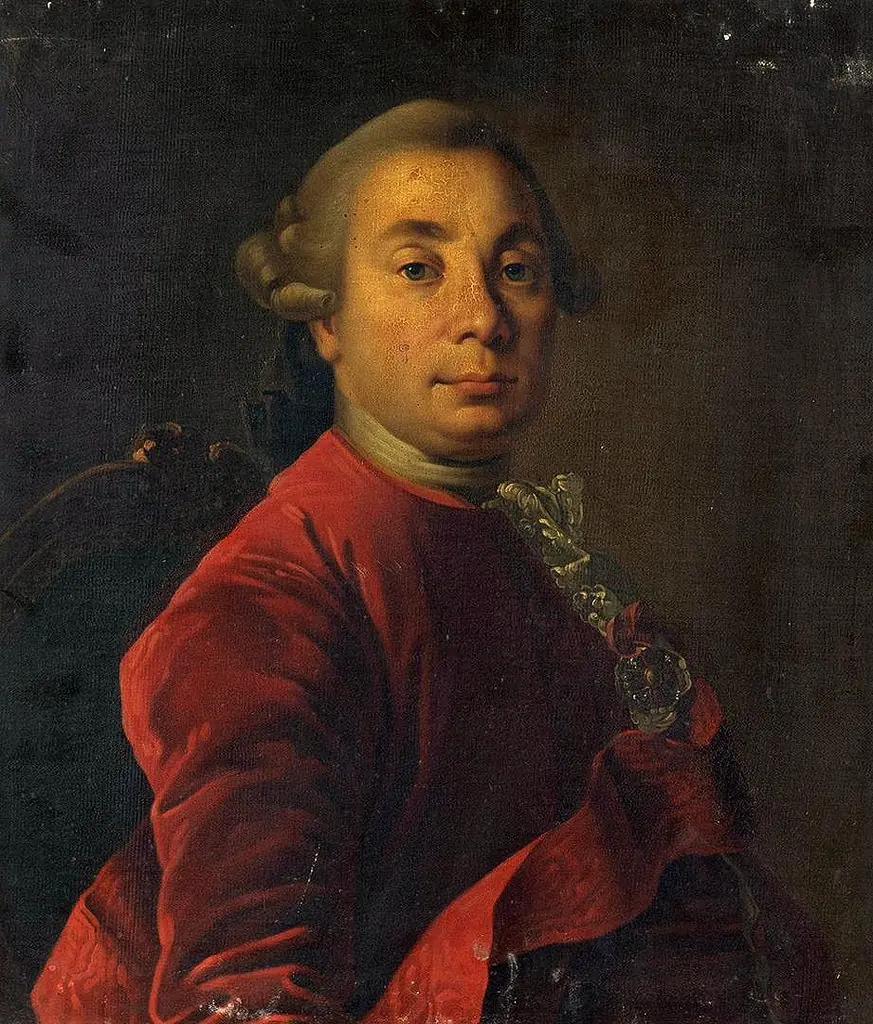
The painting depicts a man in a red robe, holding a piece of paper in his right hand. He is seated, with his left arm resting on a white cloth draped over the back of a chair. The background is dark, with a subtle gradient of colors.
The man's attire and the style of the painting suggest a formal portrait from the 18th century. The use of oil paint and the attention to detail in the subject's clothing and accessories are notable features of the artwork.
For more information on the artist behind this portrait, explore the works of Anton von Maron.
Overview
Created around 1750, this oil portrait shows Michelangelo Cambiaso, who served as Doge of Genoa from 1738 to 1813. The work is attributed to the Austrian painter Anton von Maron and is part of the collection of the Royal Museums of Fine Arts of Belgium.
Subject & Meaning
The sitter is presented in formal attire, a red robe that signifies his high civic rank, while his left arm rests on a white drapery. He holds a document in his right hand, a conventional symbol of authority and governance in 18th‑century portraiture.
Technique & Style
Executed in oil on canvas, the painting displays the meticulous handling of fabric and texture typical of mid‑century European portraiture. A dark, subtly graded background isolates the figure, allowing the luminous reds and whites of his clothing to dominate the visual field.
History & Provenance
After its completion, the portrait entered the collection of the Royal Museums of Fine Arts of Belgium, where it remains on display. Its attribution to Anton von Maron, an artist active in the mid‑1700s, is based on stylistic analysis and archival records linking the work to his oeuvre.
Artist & collection

Museum
Royal Museums of Fine Arts of Belgium
Continue through works from the same source collection.
 Portrait of a Woman
 Kaiserin Maria Theresia (1717-1780) with the Statue of the Friedens
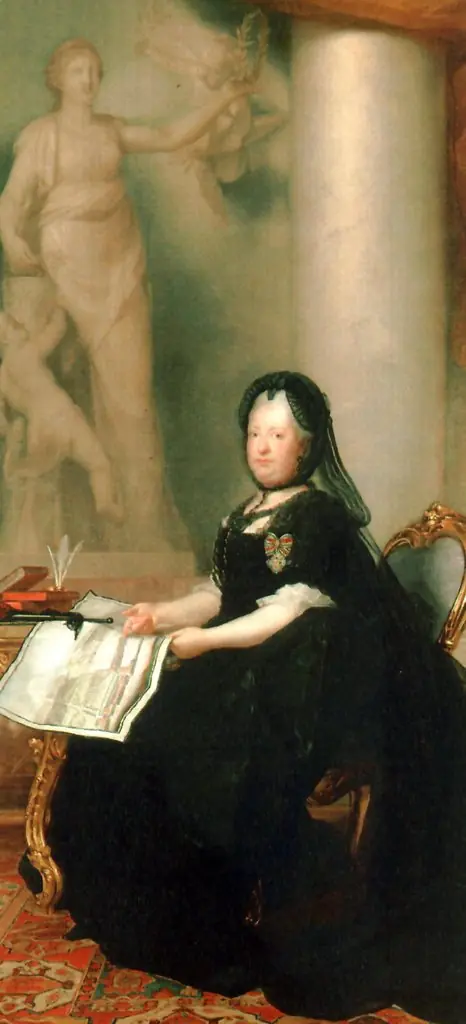 Portrait of Maria Theresa of Austria
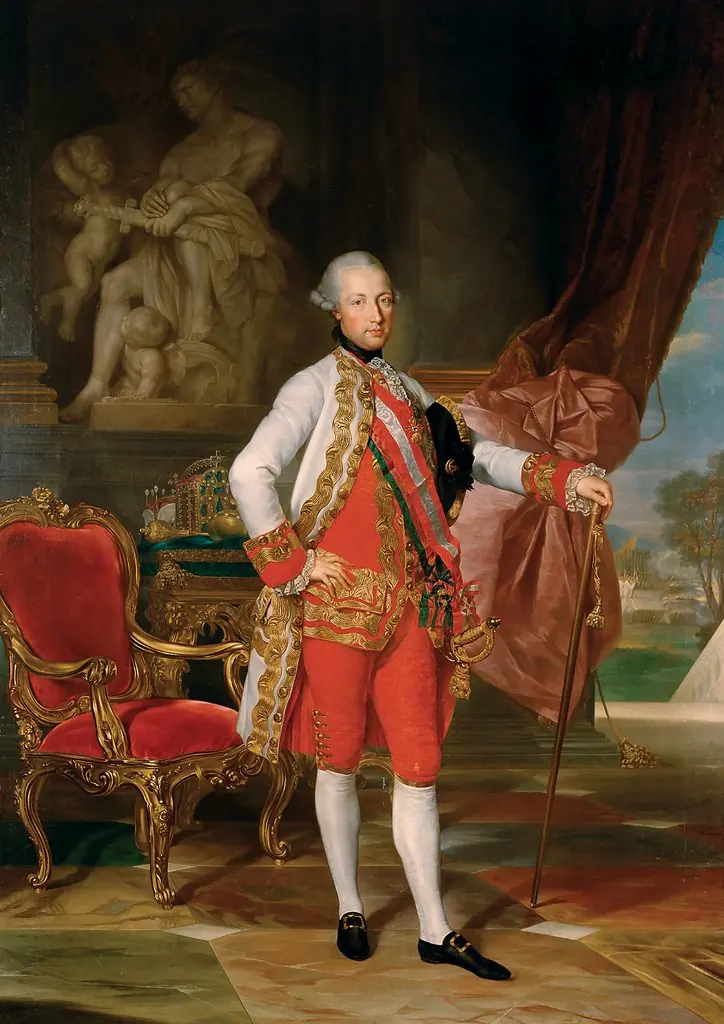 Kaiser Joseph II. (1741-1790) with a Statue of Mars
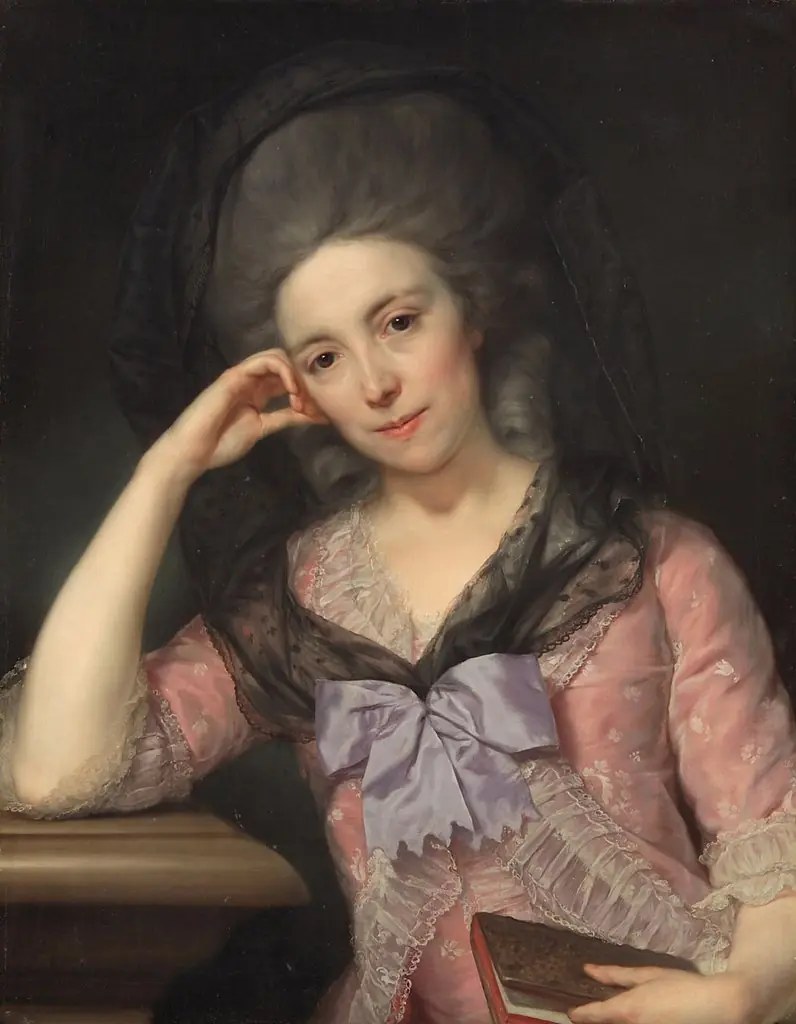 Portrait of Elisabeth Hervey, Countess of Bristol (1733-1800)
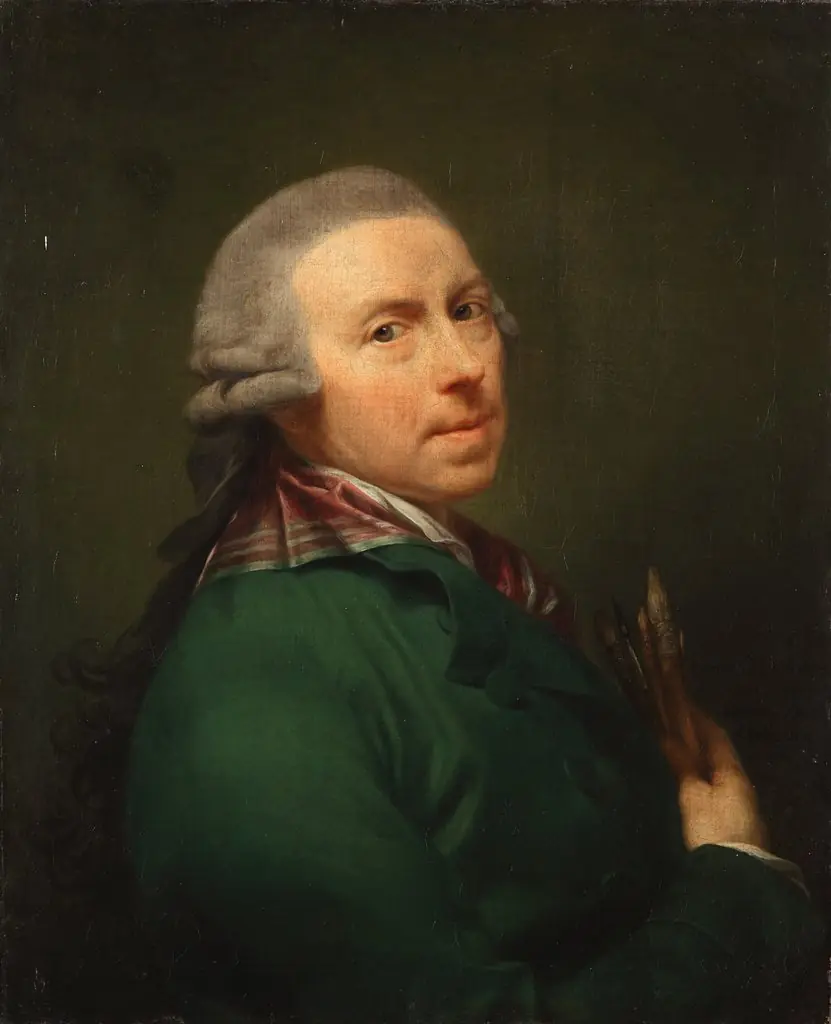 Self-Portrait
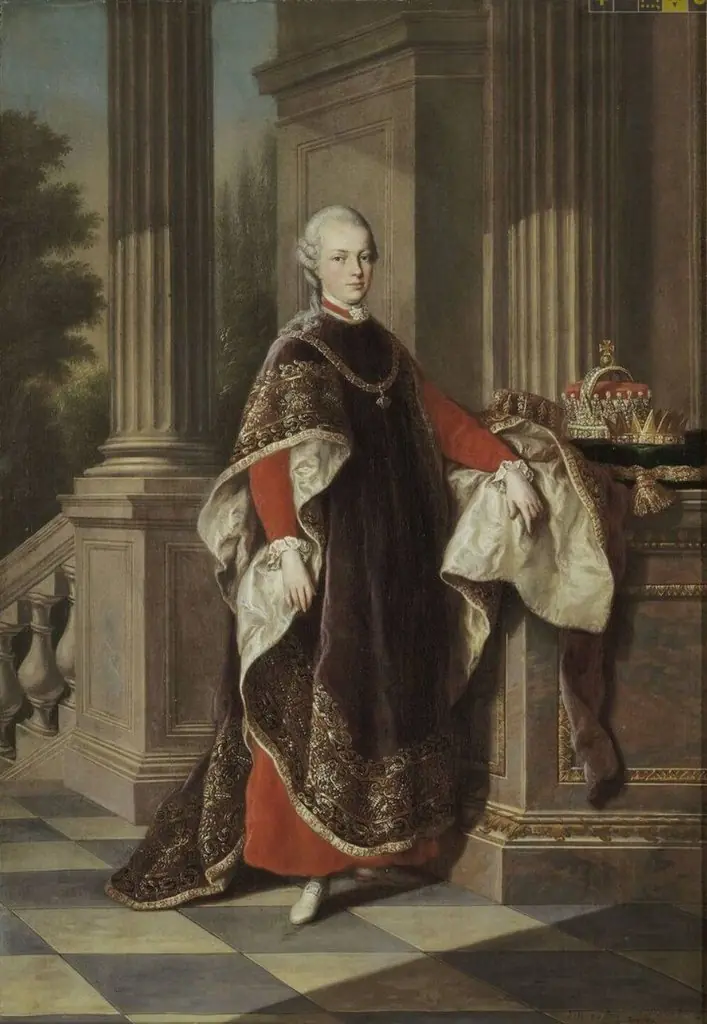 Kaiser Leopold II in Kleidung des Ritterordens vom Goldenen Vlies
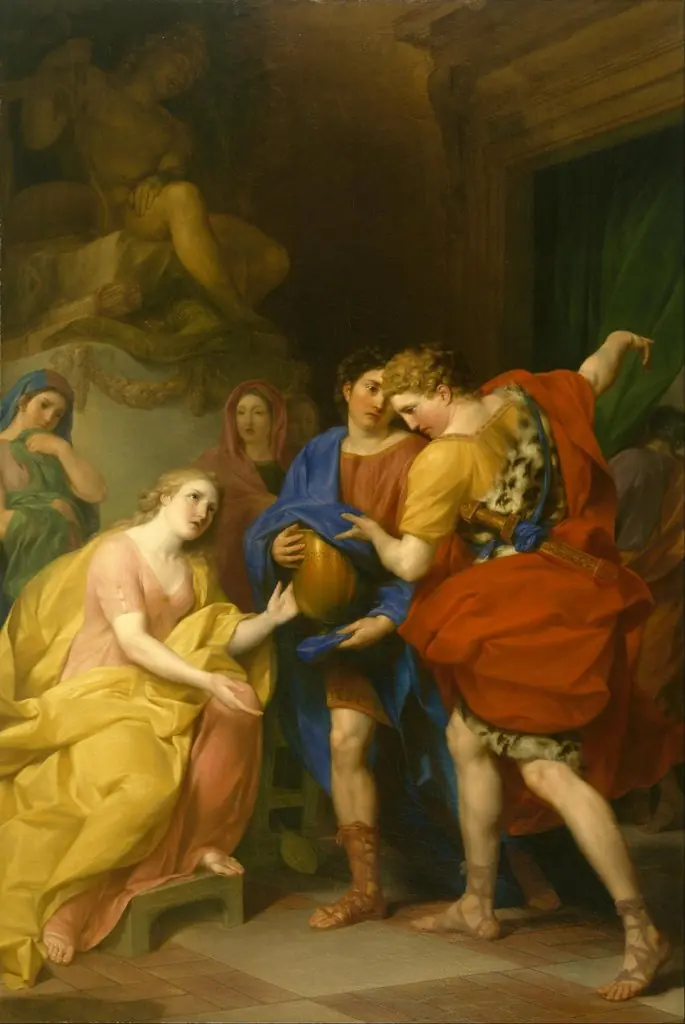 The Return of Orestes
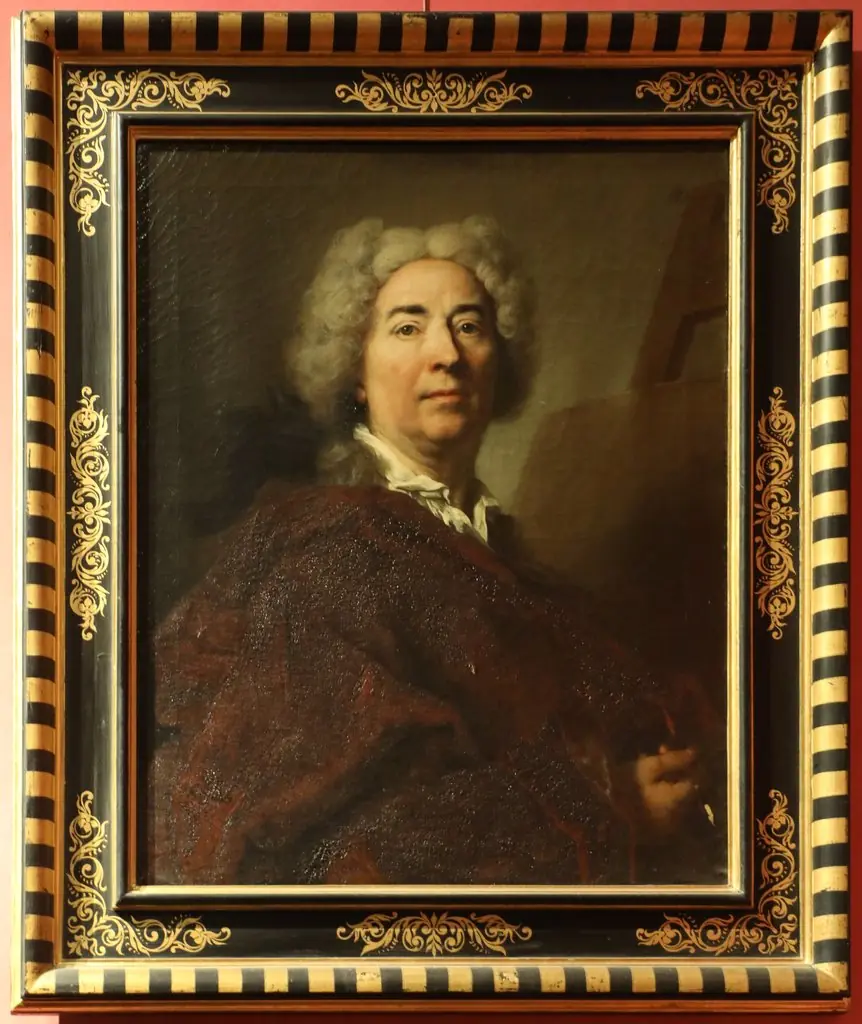 Autoportrait
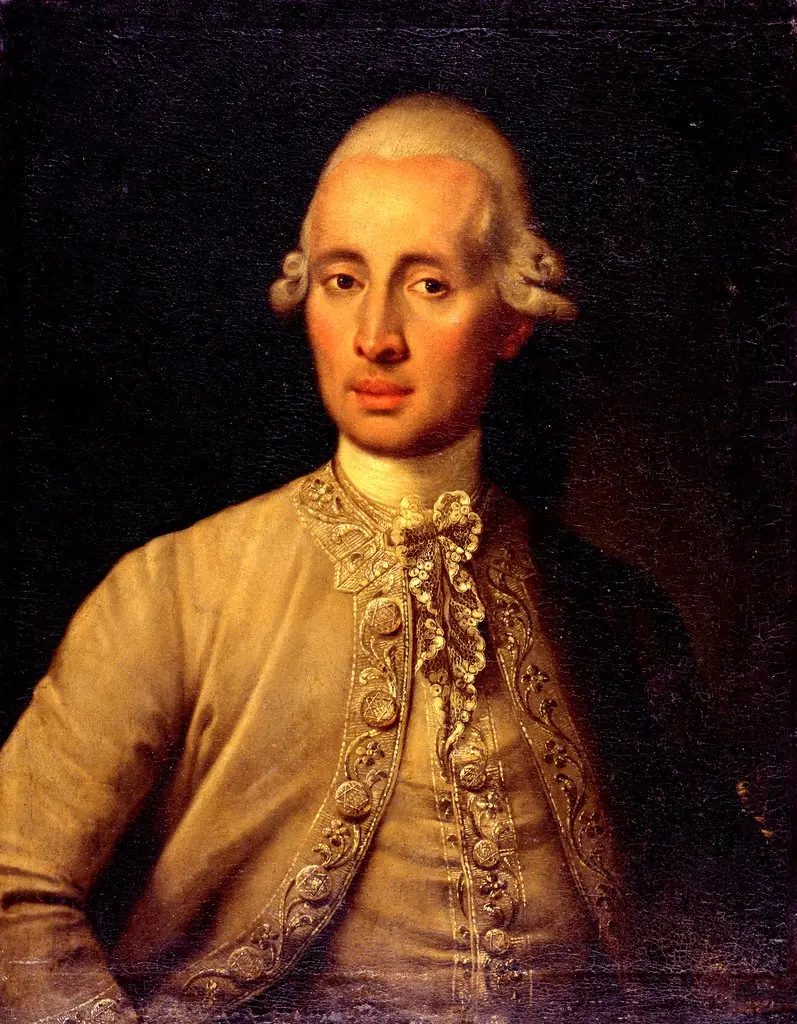 Giovanni Domenico Tiepolo (1727-1804)
 Bildnis des Johann Friedrich von Uffenbach
 Portrait of the Engraver Pasqual Pere Moles, first director of the Escola de Llotja
 André Hercules, Cardinal de Fleury
 Kuningas Adolf Fredrik
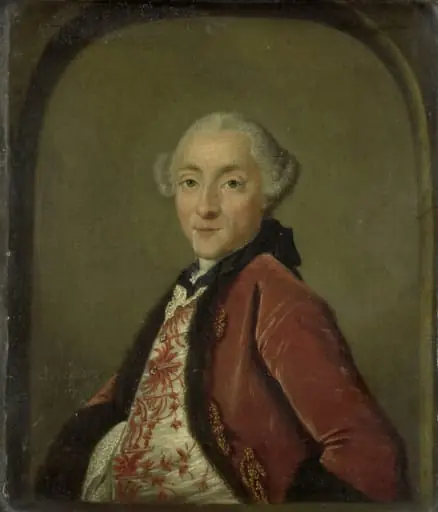 Portrait of Pieter Nicolaas Rendorp, Amsterdam Brewer
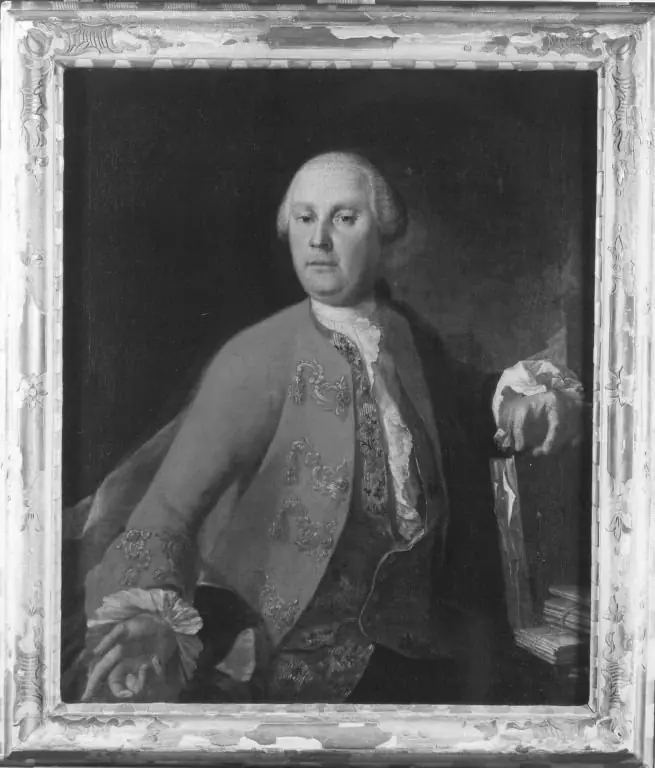 Carl Anton Adam Freiherr von Hagn
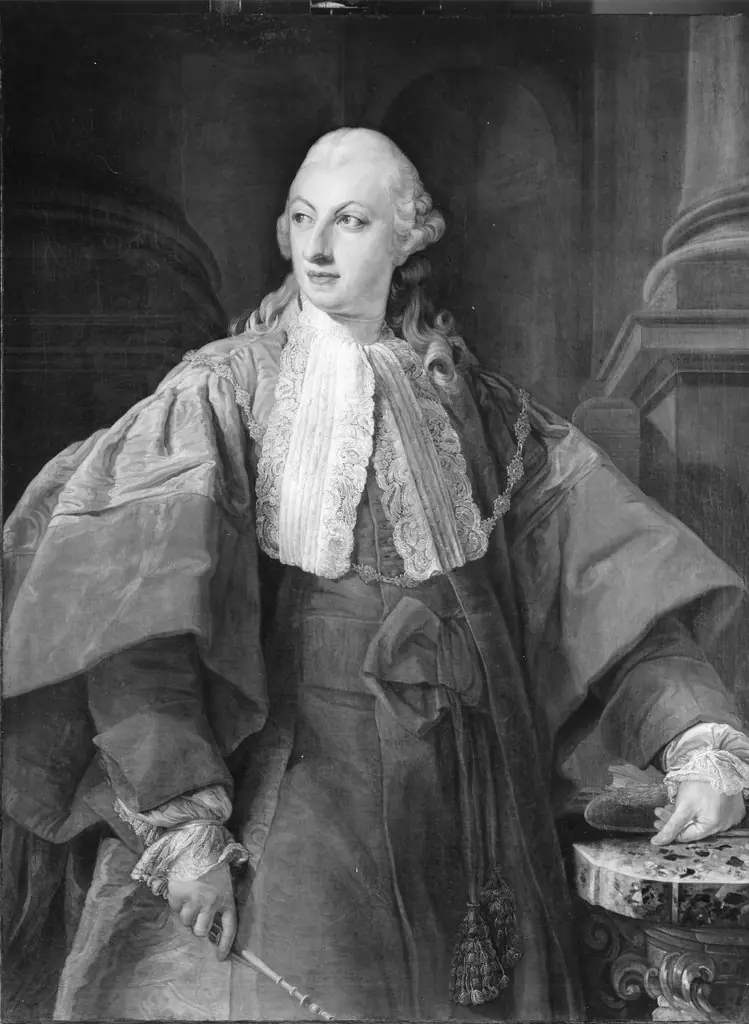 Portrait of Prince Abbondio Rezzonico as Senator of Rome
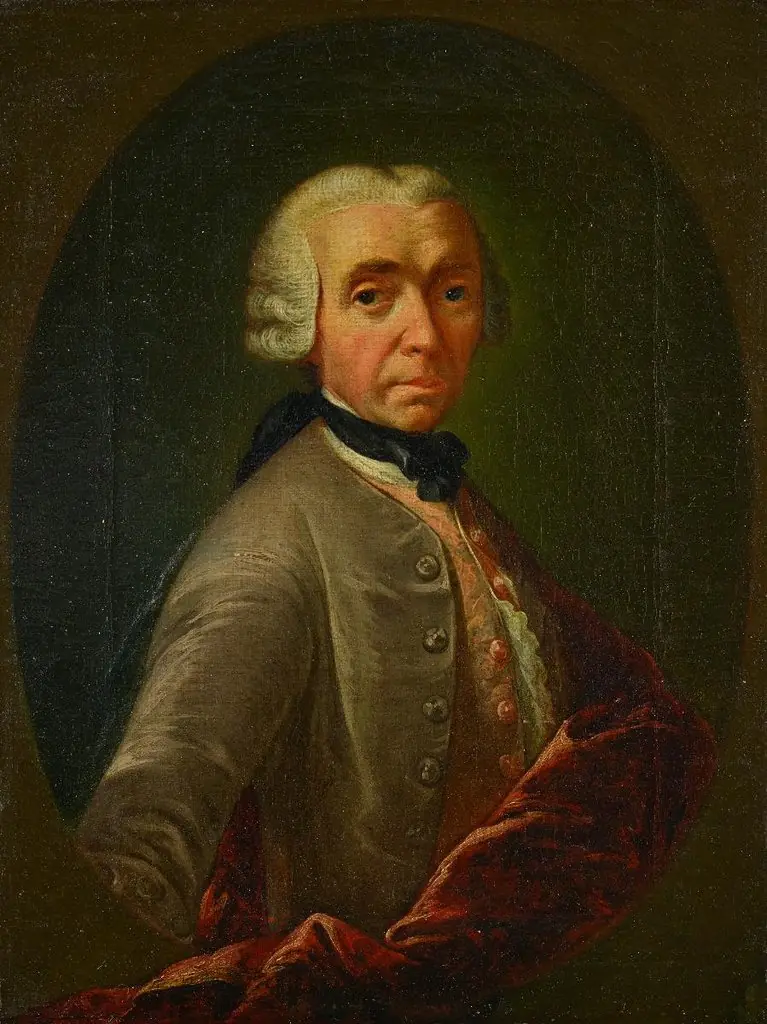 Selbstbildnis
 Clemens Franz de Paula, Sohn des Prinzen Ferdinand Maria Innocenz
 Portrait of G. Teplov