Artwork
Virgin Annunciate
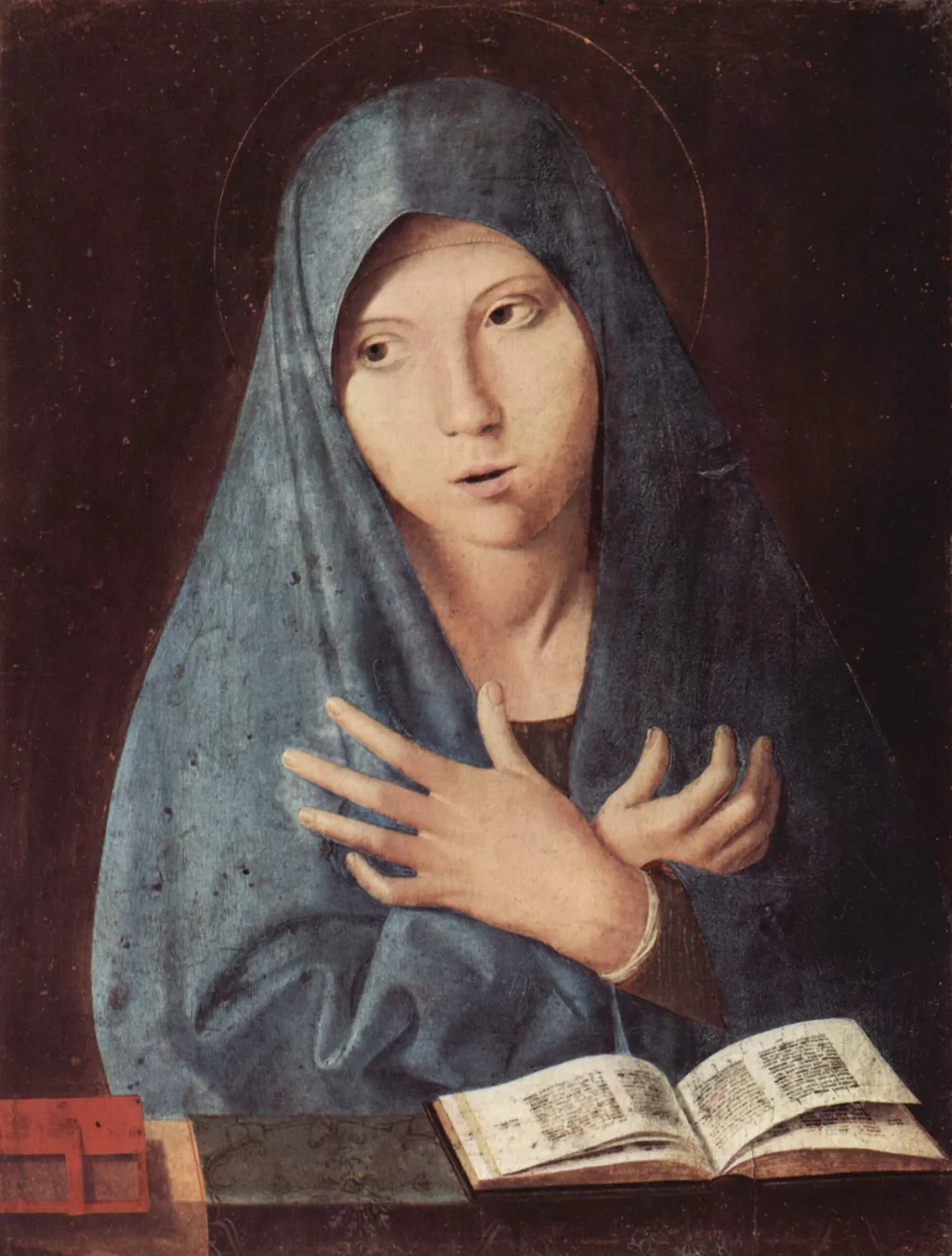
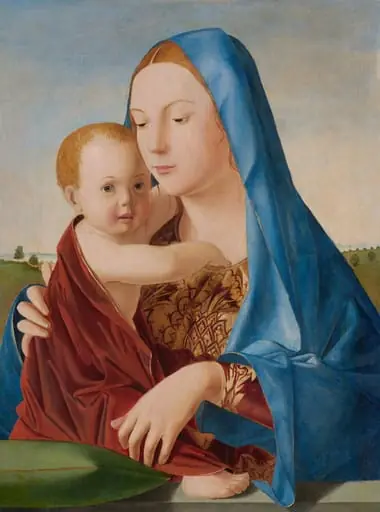
Virgin Annunciate is an oil painting by the Early Renaissance artist Antonello da Messina. It dates from 1473 and is held in the collection of the Bavarian State Painting Collections. Created in 1473, this oil painting on a wooden panel measures roughly 45 by 35 centimeters.
About this work
This painting shows Mary at the moment the angel tells her she’ll give birth to Jesus.
This painting shows Mary at the moment the angel tells her she’ll give birth to Jesus. Antonello da Messina made it in 1473 with oil on wood. The scene freezes Mary mid-reading, caught by surprise.
It’s one of two known versions done by the same artist. Both show the same quiet drama and careful light. The wood panel was cut small, just 45 by 35 centimeters.
Look next at the artist Antonello da Messina.
Overview
Created in 1473, this oil painting on a wooden panel measures roughly 45 by 35 centimeters. It is one of two surviving depictions by the Sicilian Renaissance painter Antonello da Messina that treat the Annunciation, the moment the Angel Gabriel informs the Virgin Mary of her future role.
Subject & Meaning
The composition captures Mary at the instant she is interrupted while reading, as the angel delivers the news of the forthcoming birth of Jesus. The figure’s poised yet startled expression conveys a quiet, contemplative response to the divine announcement, emphasizing personal revelation over theatrical spectacle.
Technique & Style
Antonello employs a restrained palette and meticulous handling of light to model the figures, achieving a subtle three‑dimensionality on the flat wood support. The smooth oil layers allow fine detail in the textures of fabric and the delicate rendering of the angel’s wings, reflecting the artist’s interest in Northern European oil techniques.
History & Provenance
The work, often referred to as the Munich Virgin Annunciate, resides in a German collection, distinguishing it from the larger Palermo version. Both panels share a similar composition and intimate atmosphere, suggesting they were produced as companion pieces or as variations on a single theme for different patrons.
Own this work as a print
Artist & collection