Artwork
Tulip Fields
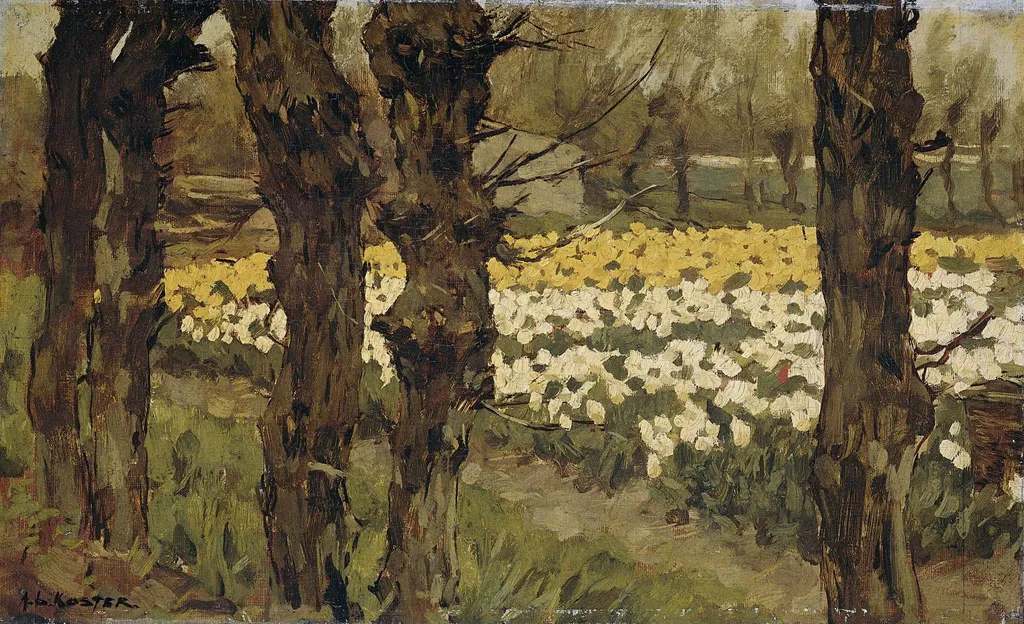
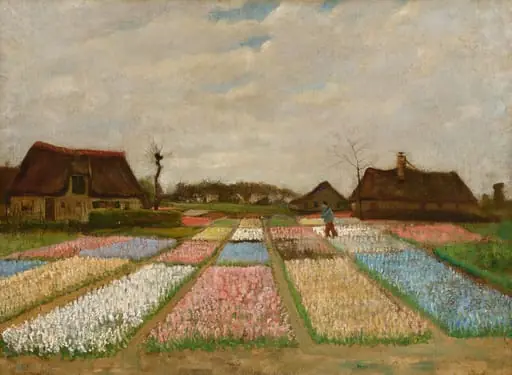
Tulip Fields is an oil painting by the Impressionist artist Antonie Louis Koster. It dates from 1908 and is held in the collection of the Rijksmuseum.
About this work
Overview
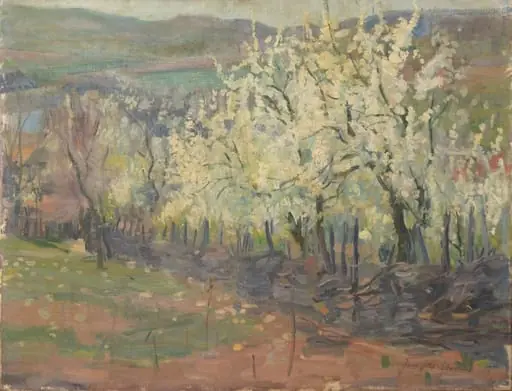
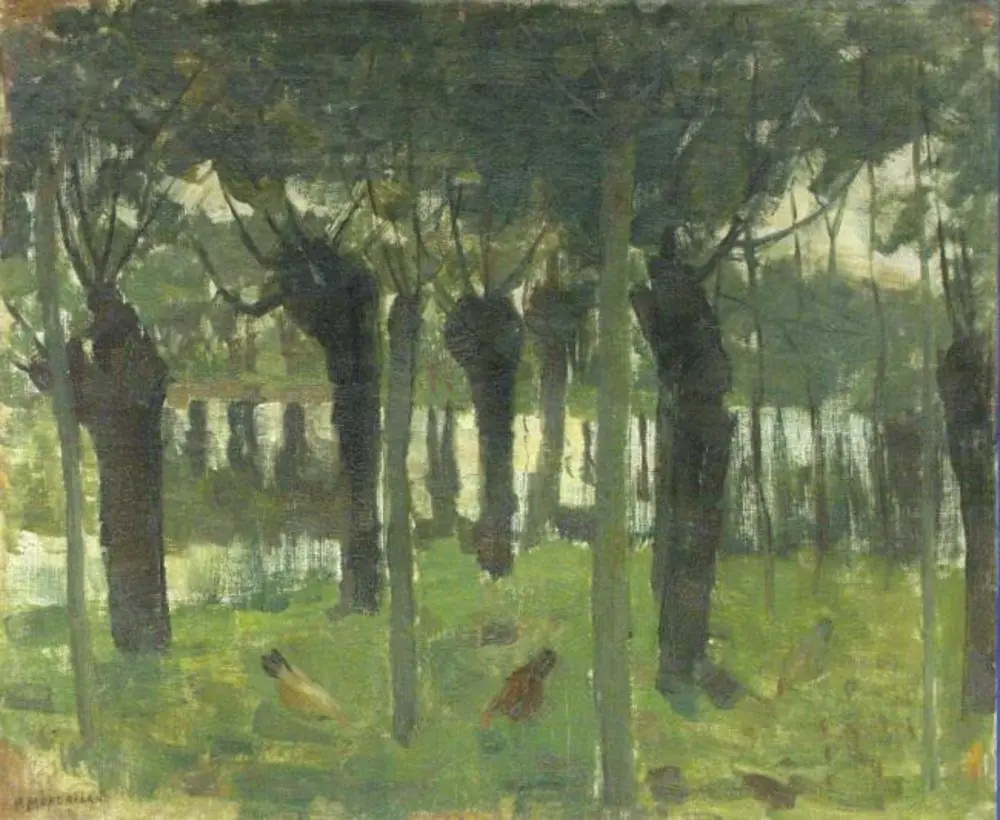
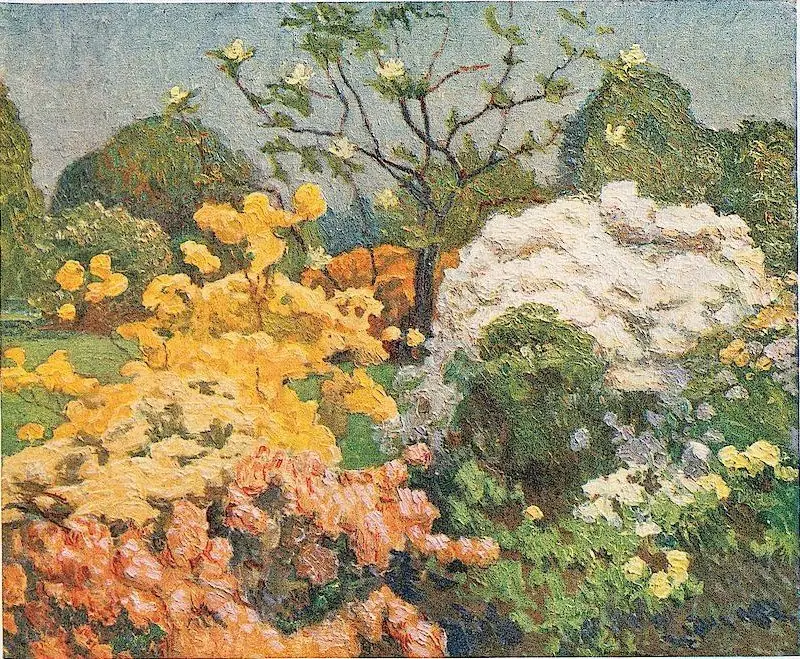
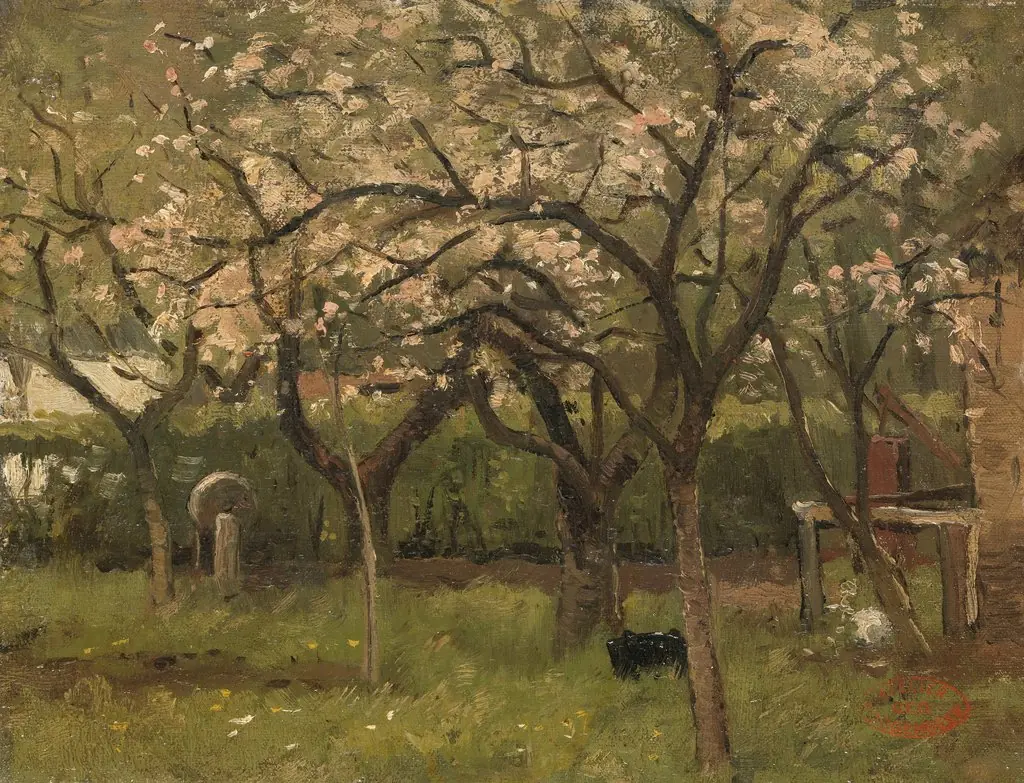
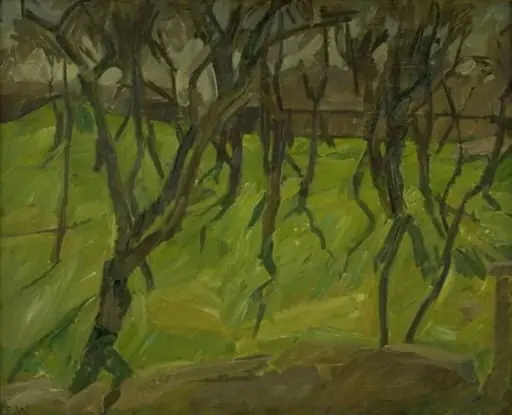
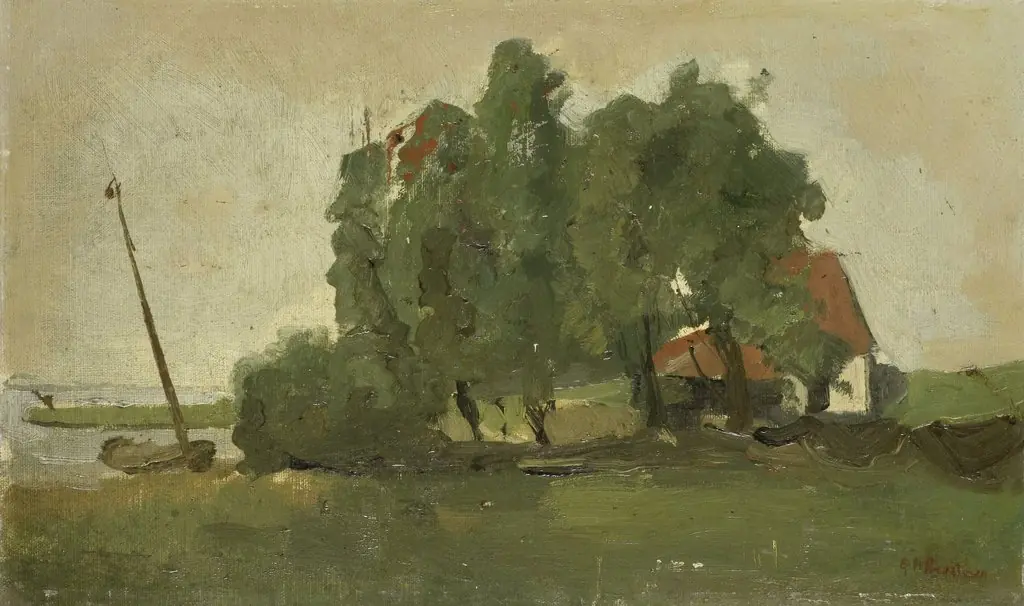
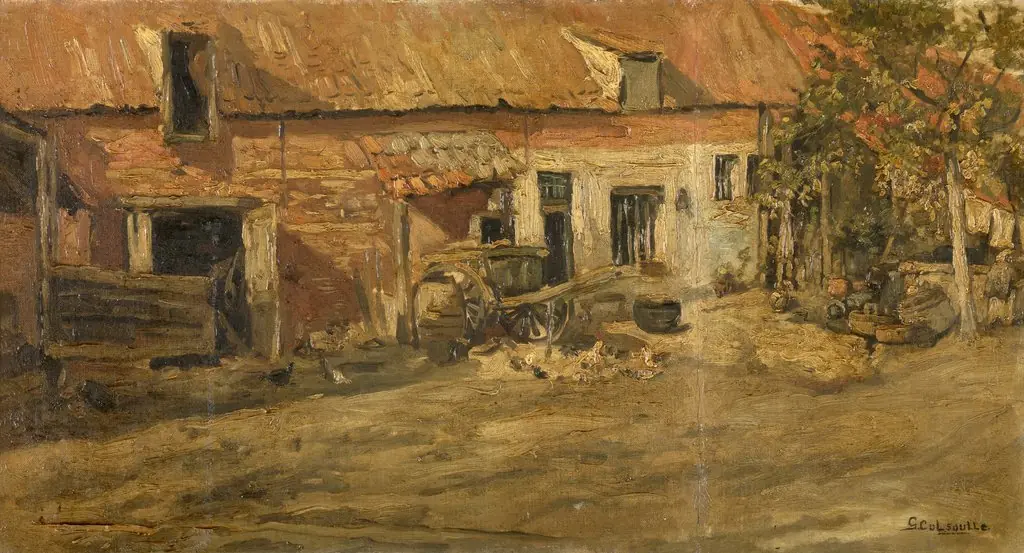
Anton Louis Koster’s oil on canvas, Tulip Fields, dates from 1908 and is part of the Rijksmuseum’s collection. The work presents a broad expanse of white tulips set before a line of tall, dark‑barked trees, rendered with a vigorous, tactile approach that emphasizes surface texture over fine detail.
Subject & Meaning
The composition juxtaposes the delicate, uniform blossoms of the tulips with the imposing, shadowy trunks, suggesting a dialogue between cultivated beauty and the surrounding natural environment. The stark white of the flowers against the muted background draws attention to the fleeting vitality of spring’s bloom.
Technique & Style
Koster employs a heavy impasto application, laying down thick, uneven layers of pigment that create a rough, almost sculptural surface. Visible, rapid brushstrokes and occasional scraped‑away paint give the tree trunks and grass a rugged quality, while the tulips emerge in smoother, more defined strokes that make them stand out.
History & Provenance
Completed in the early twentieth century, Tulip Fields entered the Rijksmuseum’s holdings through acquisition in the mid‑20th century, though exact details of its purchase remain modestly recorded. The painting has since been displayed in the museum’s Dutch landscape section, illustrating Koster’s contribution to the period’s regional genre.
Context
Created at a time when Dutch artists were revisiting rural motifs, the work reflects contemporary interests in plein‑air observation and the expressive potential of oil paint. Koster’s handling aligns with broader European trends toward texture‑rich, painterly surfaces that prefigure later modernist explorations.
Own this work as a print
Artist & collection