Artwork
Tomasa de Aliaga, widow of Manuel Pablo Salcedo
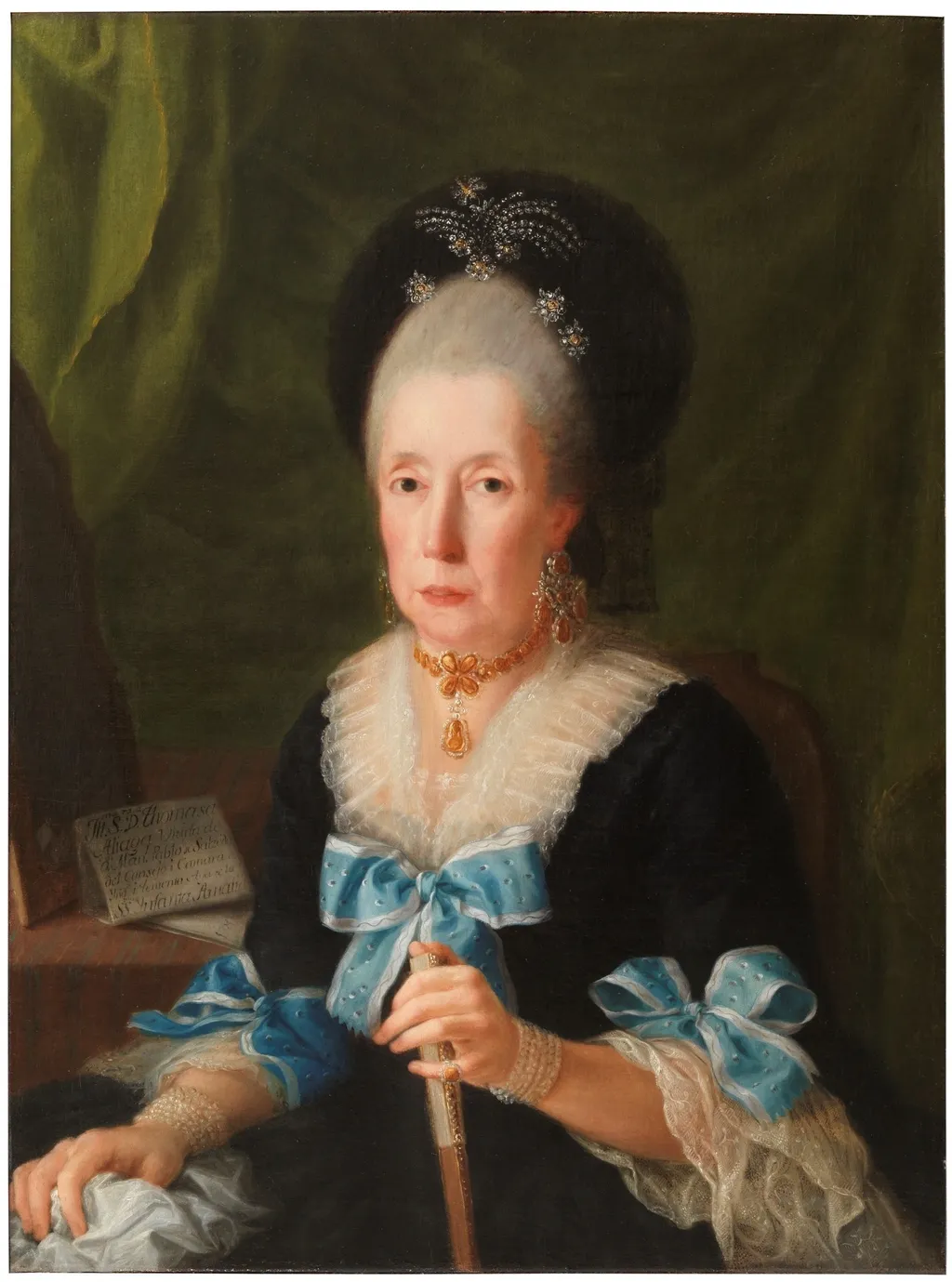
Tomasa de Aliaga, widow of Manuel Pablo Salcedo is an oil painting by the Rococo painting artist Antonio Carnicero. It dates from 1794 and is held in the collection of the Museo del Prado.
About this work
Overview
Tomasa de Aliaga, widow of Manuel Pablo Salcedo, is the subject of an 18th-century oil portrait. Created in 1794, the painting showcases the sitters elegance and refinement against a subtle green curtain backdrop.
Subject & Meaning
The portrait captures Tomasa de Aliaga in 18th-century attire, conveying her social status through meticulous details: a dark dress with white lace collar, blue-sleeve bows, a jeweled black hat, and accessories including a fan and cane.
Technique & Style
Executed in a style blending Neoclassical precision with Rococo sensibilities, the painting employs chiaroscuro to achieve depth and dimensionality, highlighting the artists skill in manipulating light and shadow.
History & Provenance
Painted by Spanish artist Antonio Carnicero (active 1748-1814), the work is part of the Museo del Prado's collection, reflecting Carniceros occasional incorporation of Rococo elements in his portraiture.
Context
As a portrait from the late 18th century, it reflects the artistic transition between Rococo and Neoclassical styles prevalent in Europe during this period, with the subject's attire and pose echoing contemporary aristocratic norms.
Legacy
While specific impact on the art historical canon is not detailed, the portrait remains a characteristic example of late 18th-century Spanish portraiture, offering insights into the era's aesthetics and social conventions.
Own this work as a print
Artist & collection
Artist
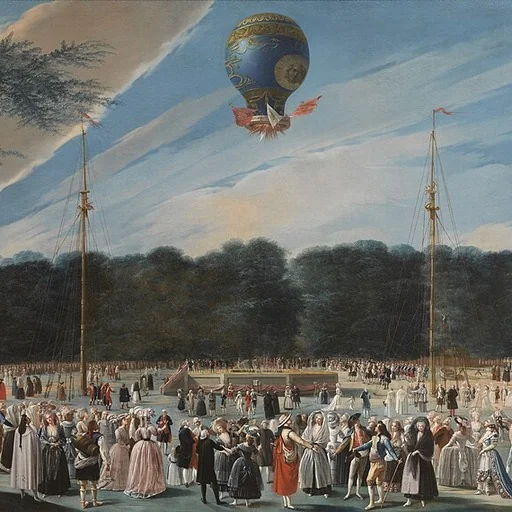
Antonio Carnicero (1748–1814) was a Spanish painter of the Neoclassical style. In addition to his paintings, over the course of his career he also produced prints and engravings as well as creating theatrical decorations.
