Artwork
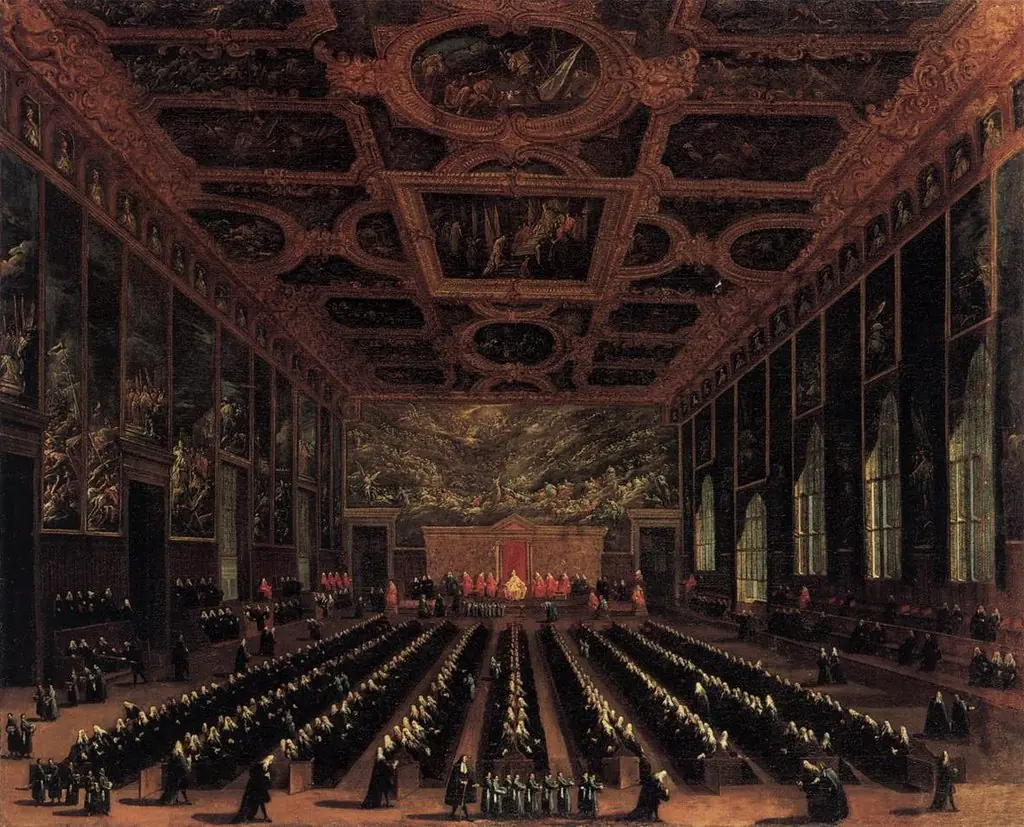
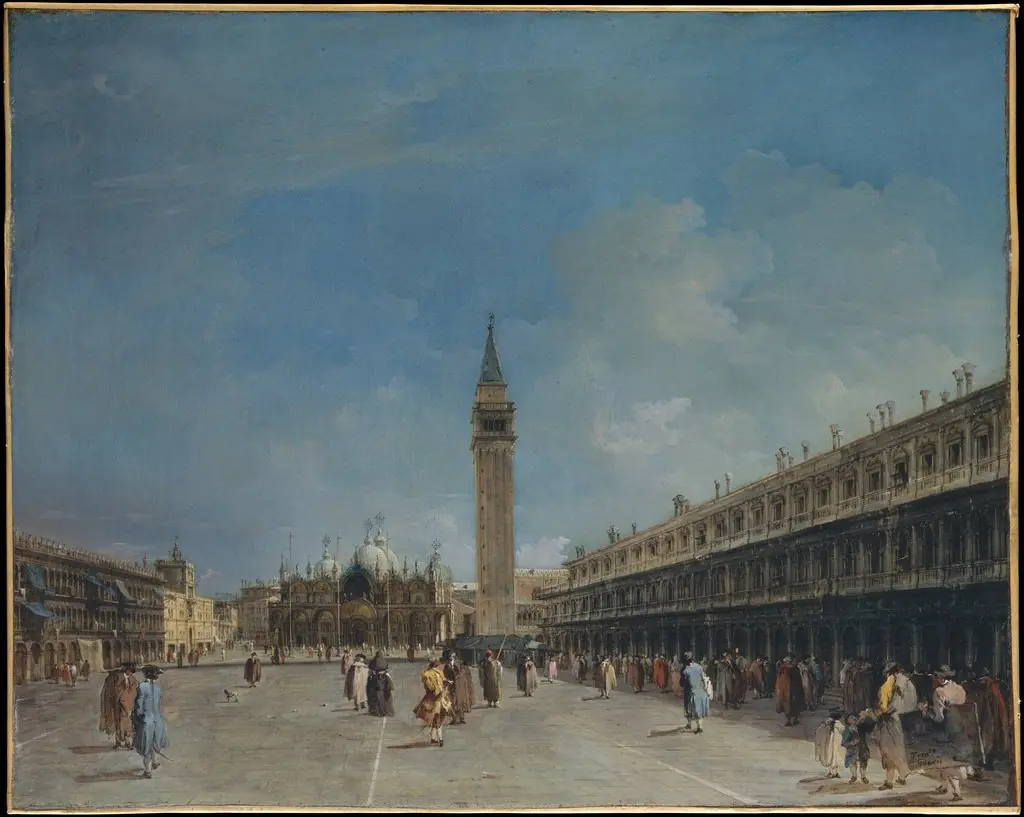
Feast of Corpus Christi Procession, Piazza di San Marco
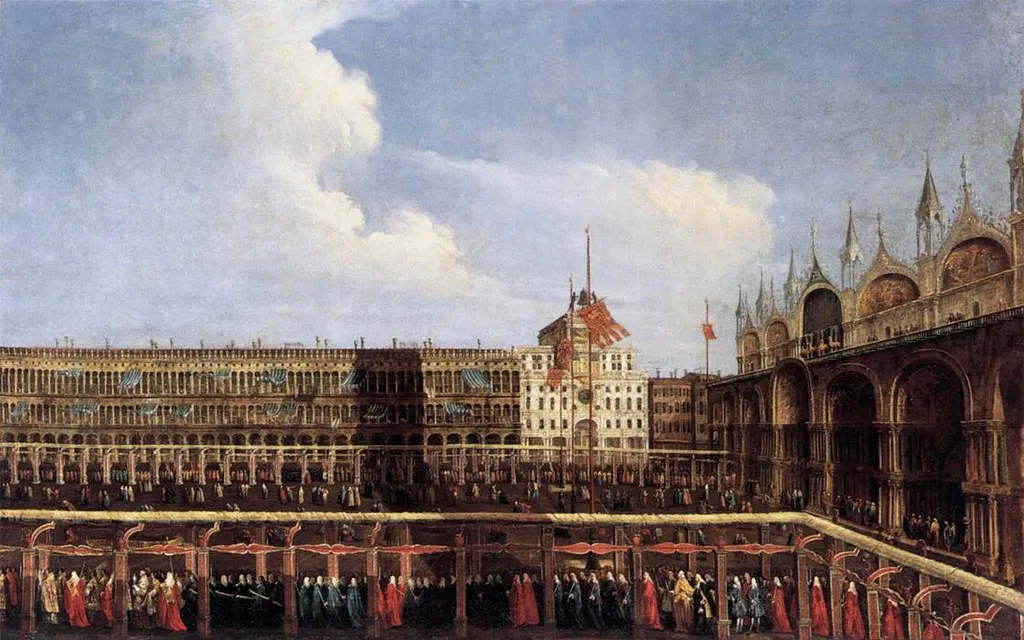
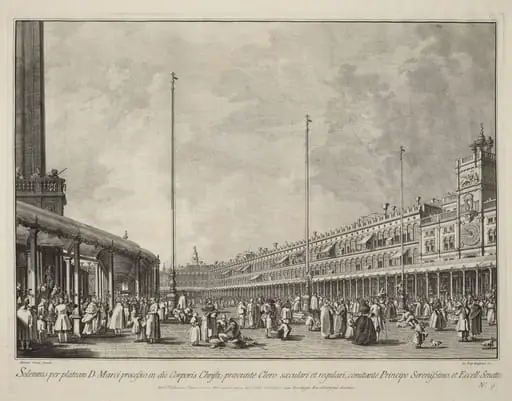
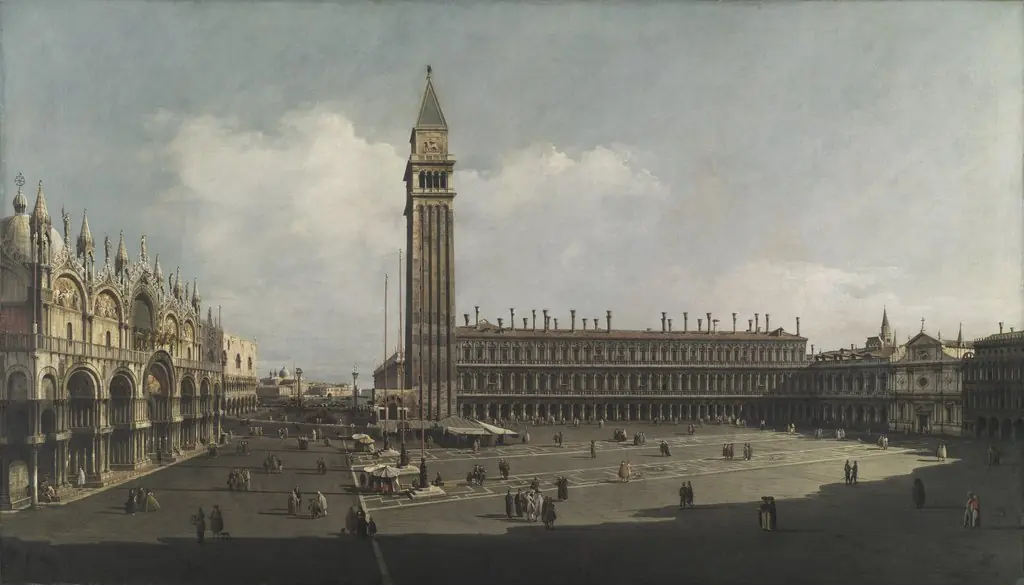
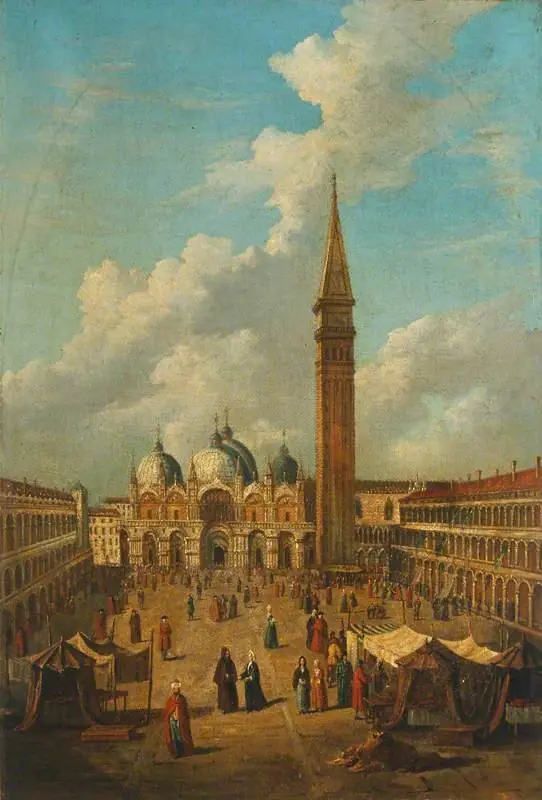
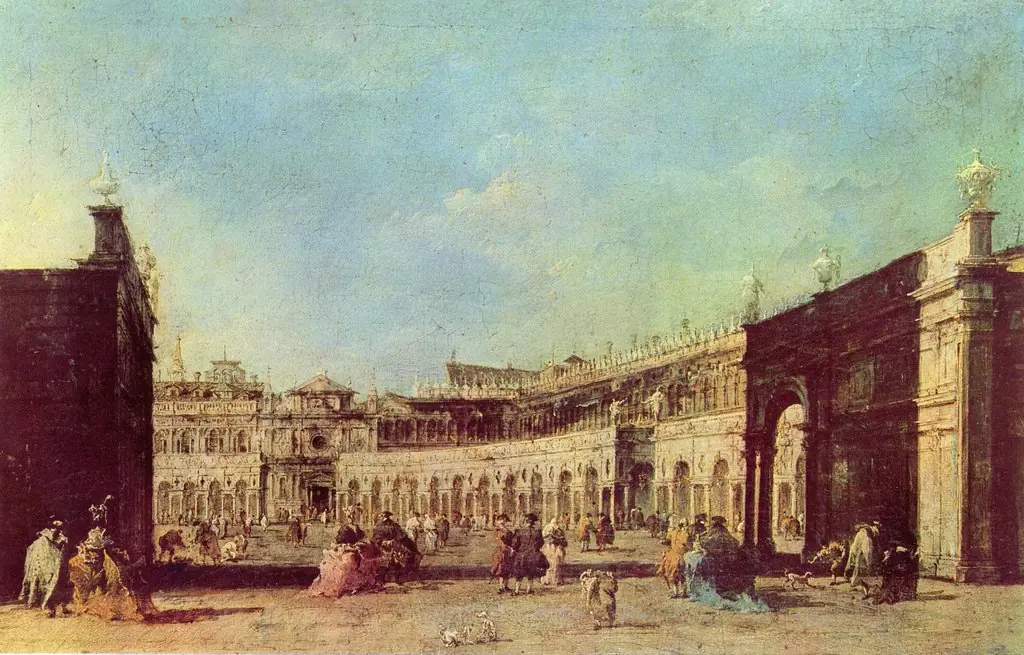
Feast of Corpus Christi Procession, Piazza di San Marco is an oil painting by the Rococo painting artist Antonio Diziani. It dates from 1760 and is held in the collection of the Gemäldegalerie Berlin.
About this work
Overview
Executed in oil, the work belongs to the veduta tradition—precise depictions of urban landscapes—that flourished in 18th-century Venice.
Painted in 1760, Antonio Diziani’s *Feast of Corpus Christi Procession, Piazza di San Marco* captures a religious ceremony in Venice’s most prominent public space. Executed in oil, the work belongs to the veduta tradition—precise depictions of urban landscapes—that flourished in 18th-century Venice. Diziani, though trained in a family of painters, developed a style distinct from his father’s, aligning more closely with contemporaries who emphasized topographical accuracy and atmospheric detail.
Subject & Meaning
The painting illustrates the annual Corpus Christi procession, a solemn Catholic rite honoring the Eucharist. Participants in richly colored vestments carry liturgical banners through the square, while spectators line the edges, observing in quiet reverence. The scene blends religious devotion with civic pride, reflecting Venice’s identity as both a spiritual and political center. The orderly movement of the procession underscores ritual structure amid the bustling urban environment.
Technique & Style
Diziani employs soft, luminous brushwork to render the play of light across stone facades and fabric, enhancing the sense of depth and airiness. Architectural elements—columns, arches, and the campanile—are rendered with measured precision, while figures are delicately scaled to maintain spatial harmony. His palette favors muted golds and earth tones, avoiding theatrical intensity in favor of restrained elegance, a hallmark of his departure from overt Rococo flourish.
History & Provenance
Created during Venice’s late Baroque period, the painting reflects the city’s enduring cultural rituals despite political decline. Diziani, active in Venice’s artistic circles, gained recognition for his vedute and was admitted to the Accademia di Belle Arti in 1774. While the painting’s early ownership is undocumented, its survival suggests it was commissioned or collected by a local patron with ties to religious or civic institutions.
Context
In mid-18th-century Venice, vedute paintings served as both souvenirs and civic records, appealing to tourists and residents alike. Diziani worked alongside Canaletto and Guardi, sharing their interest in documenting the city’s architecture and public life. Unlike the dramatic lighting of some contemporaries, his approach favored clarity and quiet observation, aligning with a broader trend toward empirical representation in Venetian art.
Legacy
Diziani’s work contributes to a visual archive of Venice’s ceremonial life, preserving details of dress, architecture, and public behavior that might otherwise be lost. Though less celebrated than Canaletto, his paintings offer a more intimate, less idealized view of the city. His membership in the Accademia underscores his role in institutionalizing the veduta tradition, influencing later generations of topographical painters.
Artist & collection
Artist
Antonio Diziani (9 February 1737 – 23 June 1797) was an Italian painter of the 18th century, active mainly in painting vedute or landscapes and vistas of Venice.