Artwork
The Piazza San Marco, Venice
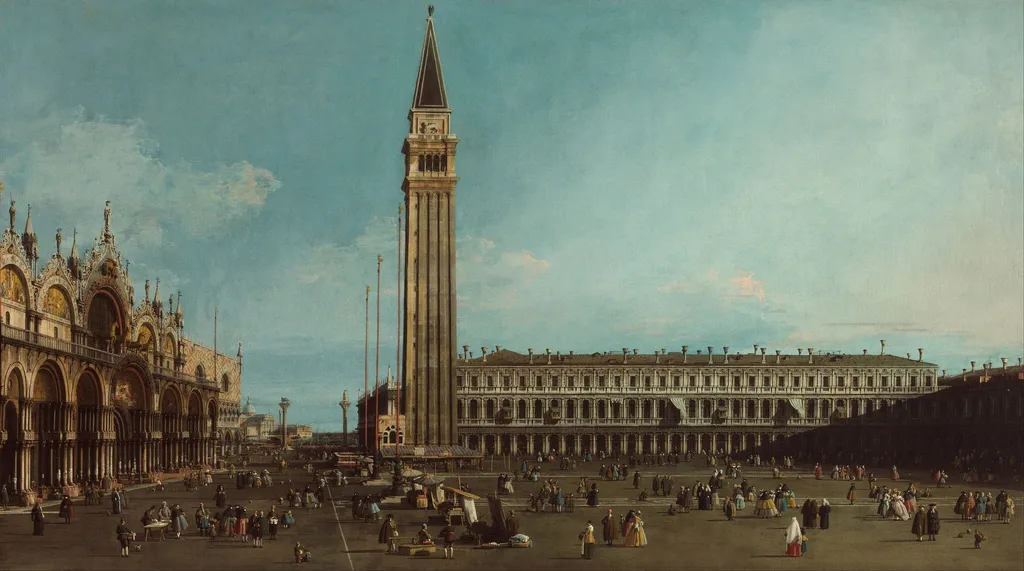
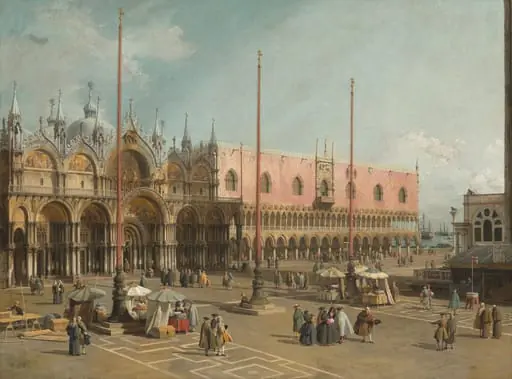
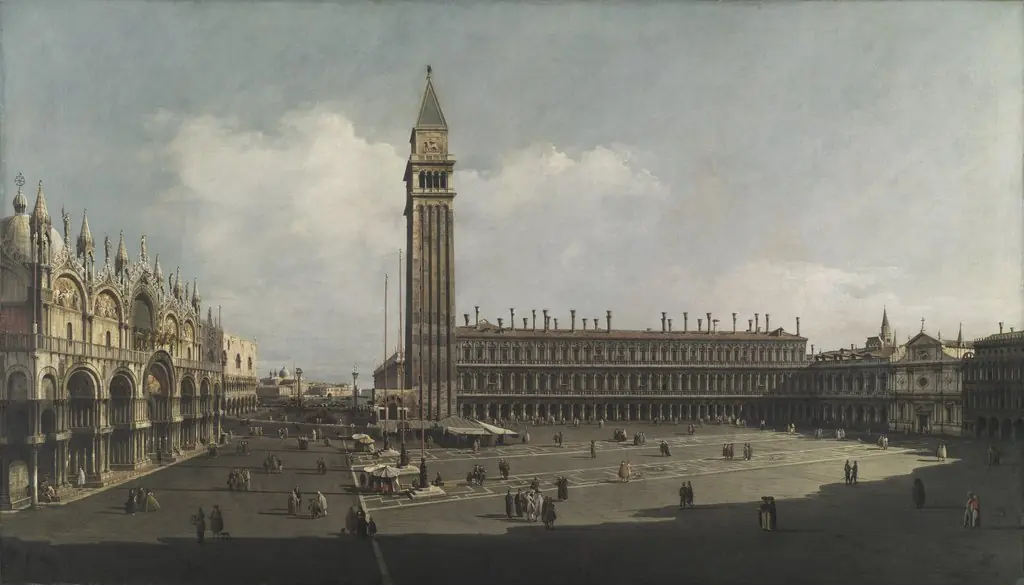
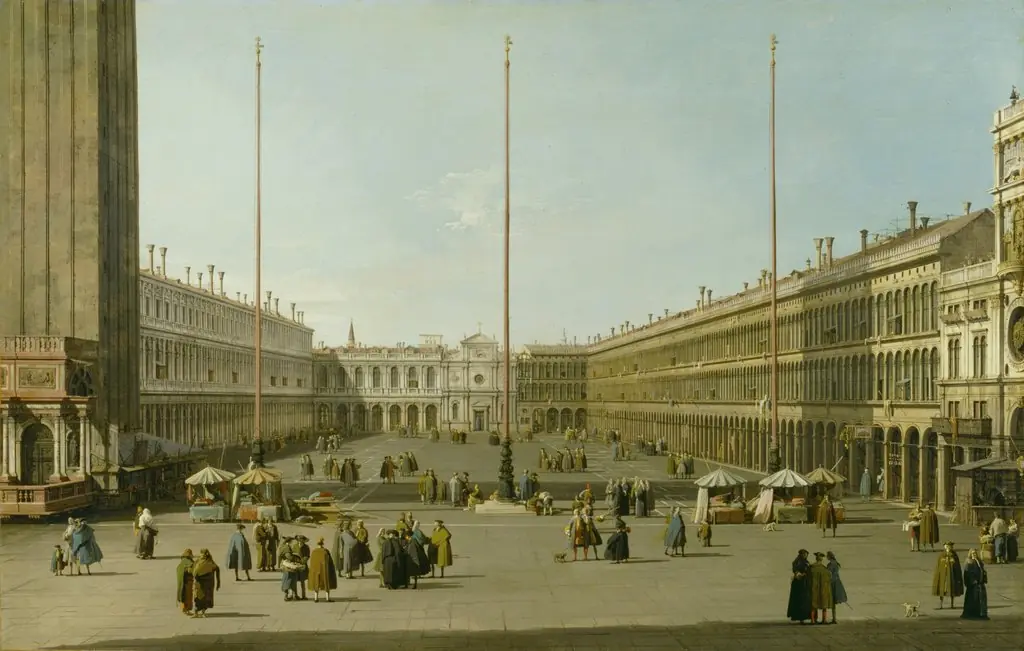
The Piazza San Marco, Venice is an oil painting by the Rococo painting artist Canaletto. It dates from 1742 and is held in the collection of the Art Gallery of New South Wales.
About this work
Overview
Painted in 1742 by Giovanni Antonio Canal, known as Canaletto, this oil on canvas depicts the Piazza San Marco in Venice. A defining example of 18th-century veduta painting, it captures the square’s architectural grandeur and daily life with precision. The work is part of the Art Gallery of New South Wales collection, reflecting Canaletto’s reputation for topographically accurate urban scenes.
Subject & Meaning
The composition suggests Venice as a stage for social interaction, where architecture and human presence coexist in quiet harmony.
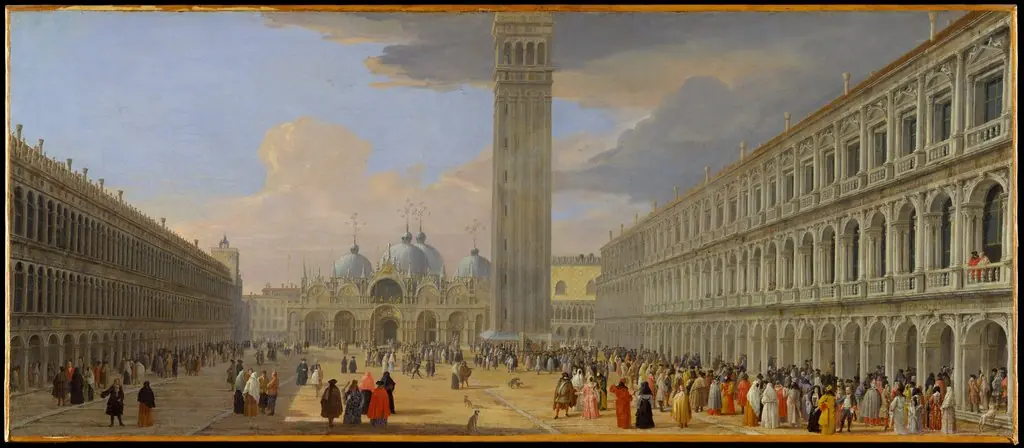
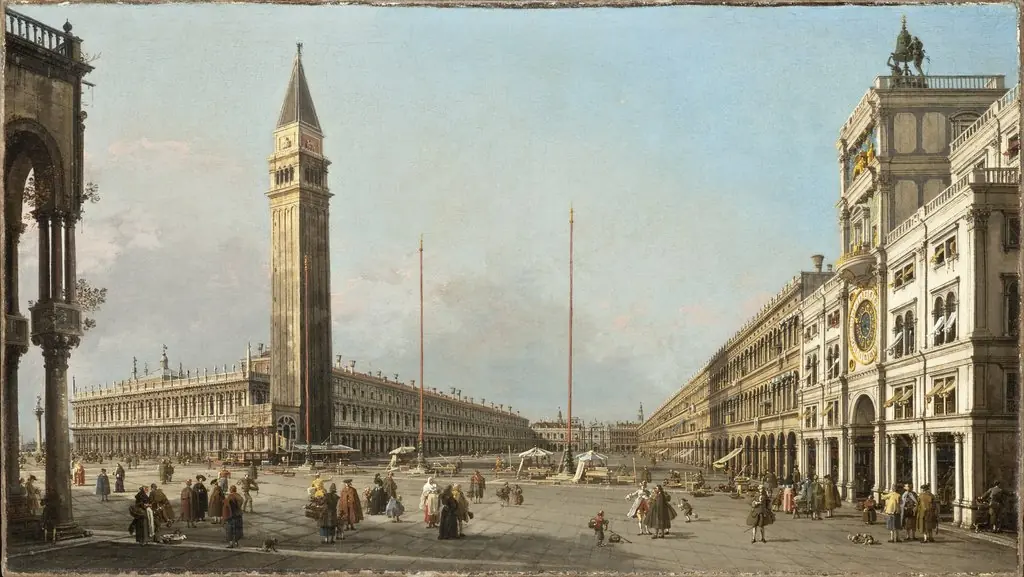
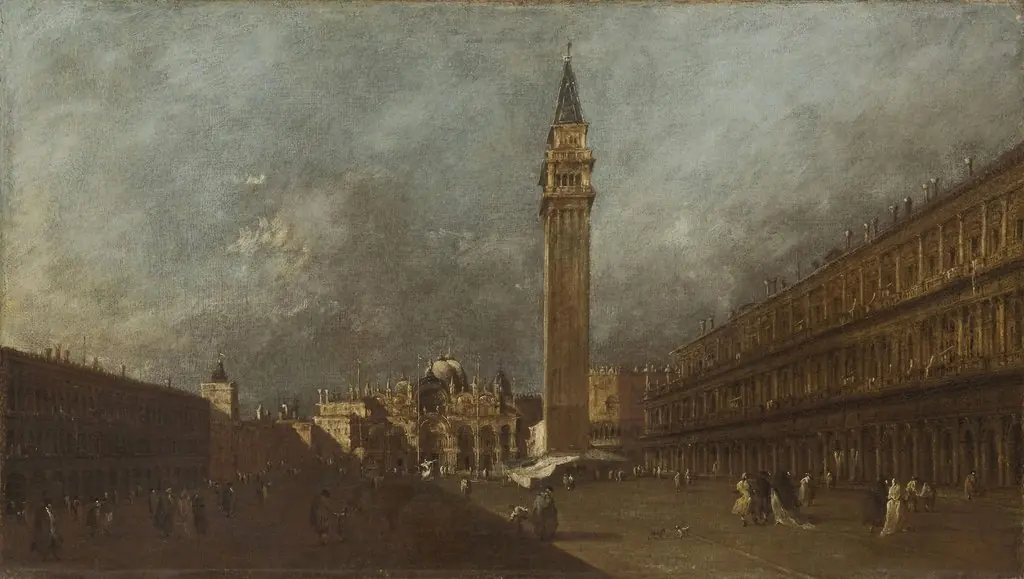
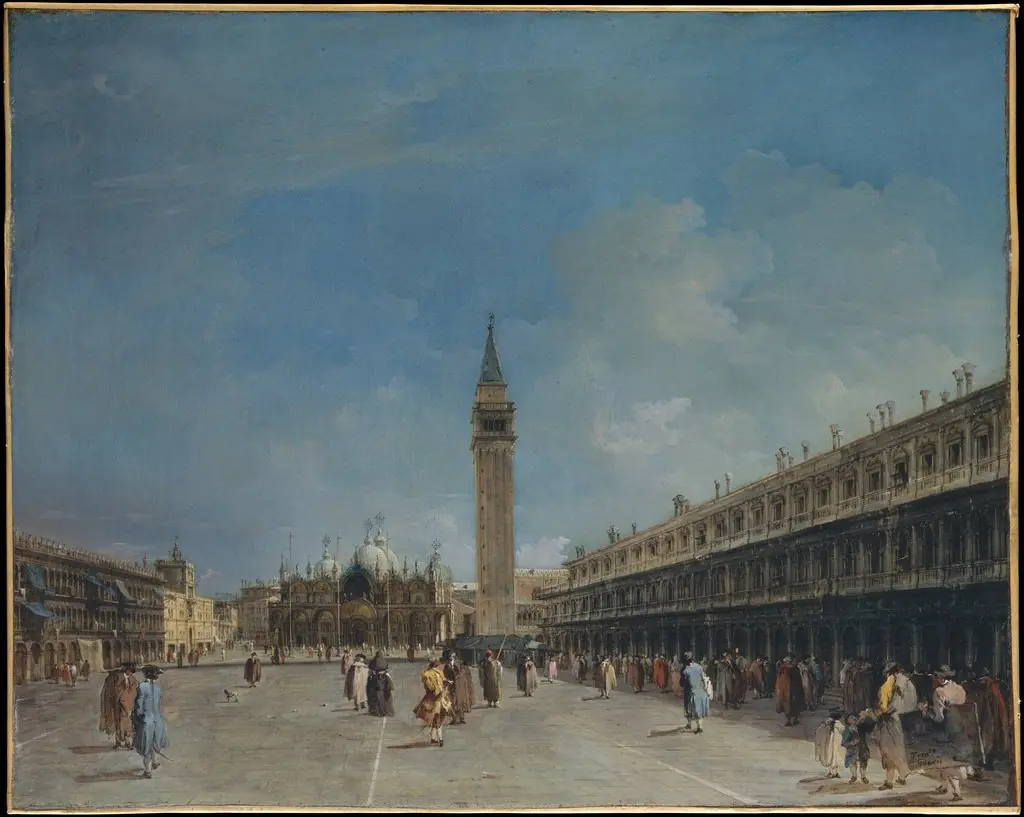
The painting presents the Piazza San Marco as a vibrant public space, alive with Venetians and visitors engaged in ordinary activities—strolling, conversing, resting. St Mark’s Basilica and its bell tower dominate the background, anchoring the scene in the city’s civic and religious identity. The composition suggests Venice as a stage for social interaction, where architecture and human presence coexist in quiet harmony.
Technique & Style
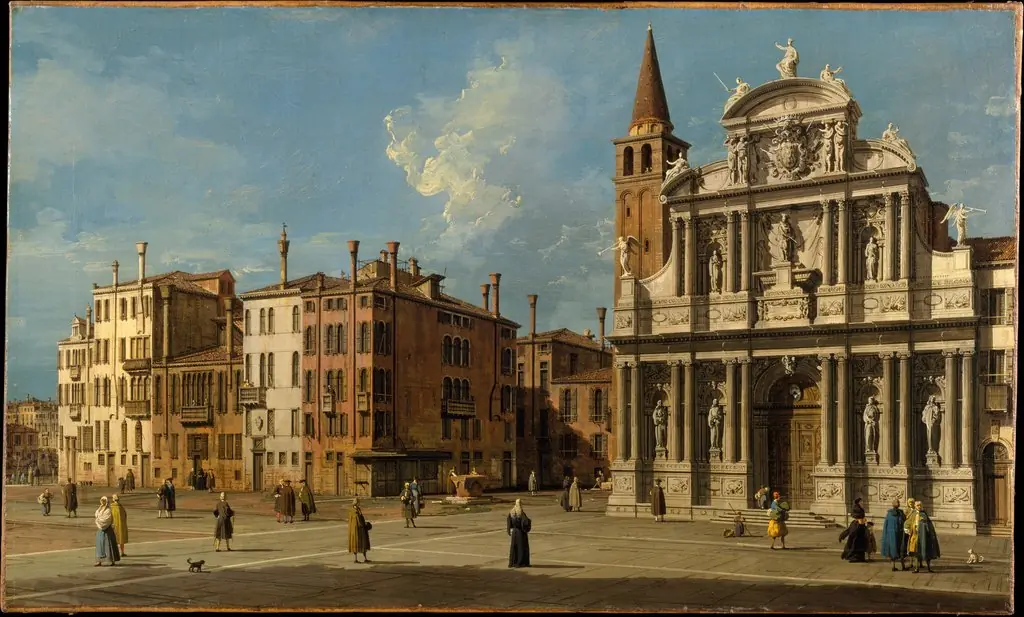
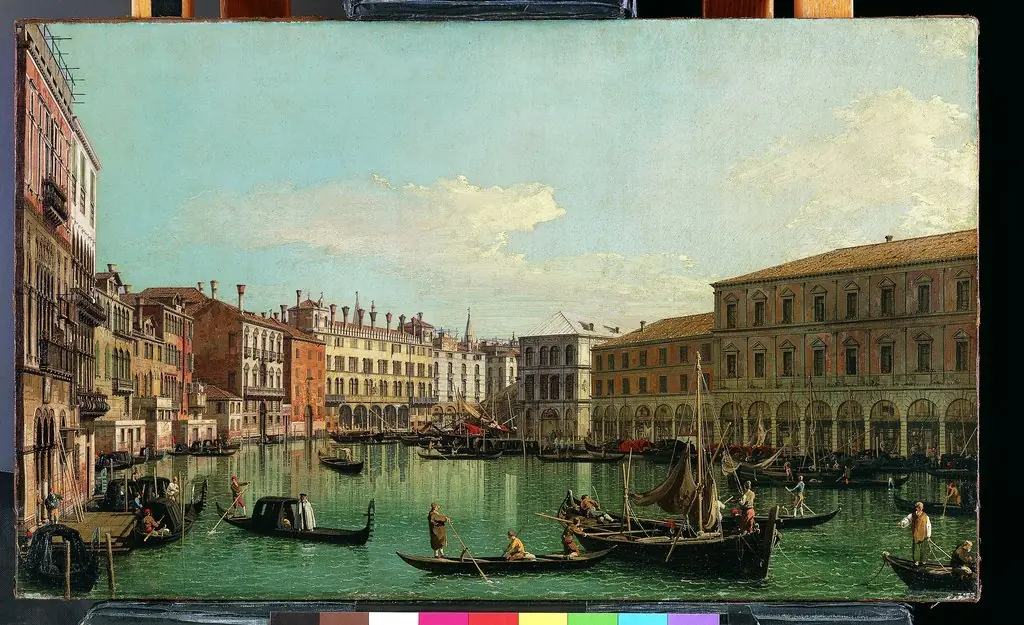
Canaletto employed fine brushwork and careful perspective to render the square’s buildings with architectural clarity. His use of light, particularly the cool sky contrasting with warm stone facades, enhances spatial depth. Figures are rendered with subtle detail, not as individuals but as elements of urban rhythm, contributing to the scene’s lifelike atmosphere without overt drama.
History & Provenance
Commissioned by Grand Tour travelers and European collectors, Canaletto’s vedute were prized for their documentary quality. This painting entered the Art Gallery of New South Wales’ collection in the 20th century, following a trajectory common to Venetian views that circulated widely across Britain and beyond after their creation in mid-18th-century Venice.
Context
In the 1740s, Venice remained a cultural hub despite political decline. Canaletto’s paintings catered to foreign patrons seeking idealized yet accurate records of the city’s landmarks. His work aligned with Enlightenment interests in observation and order, offering viewers a visual confirmation of Venice’s enduring elegance through its built environment.
Legacy
Canaletto’s approach influenced later topographical painters and shaped European perceptions of Venice for generations. His precise rendering of architecture and light became a model for urban depiction, bridging the gap between artistic expression and cartographic fidelity. The enduring presence of his works in public collections underscores their role as historical records of place.
Artist & collection
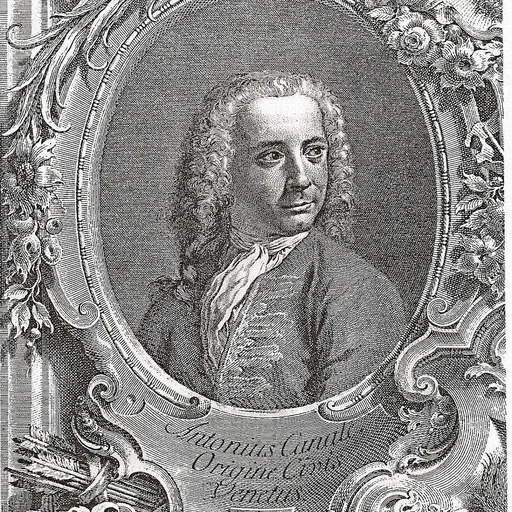
Artist
Giovanni Antonio Canal (18 October 1697 – 19 April 1768), commonly known as Canaletto (Italian: ), was an Italian painter from the Republic of Venice, considered an important member of the 18th-century Venetian school.