Artwork
The Birth of the Virgin
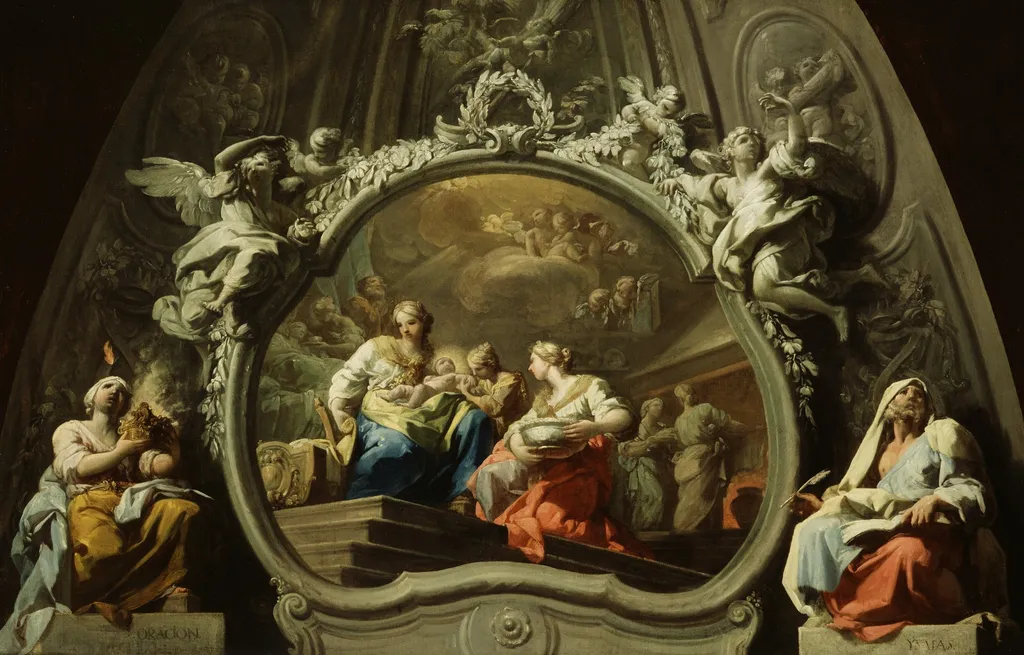
The Birth of the Virgin is an oil painting by the Rococo painting artist Antonio González Velázquez. It dates from 1755 and is held in the collection of the Detroit Institute of Arts.
About this work
Overview
Painted in 1755 by Antonio González Velázquez, this oil on canvas work depicts the birth of the Virgin Mary. It is part of the collection at the Detroit Institute of Arts. The composition is contained within an elaborate, carved wooden frame that frames the central scene, enhancing its devotional character. The muted palette of browns and grays contributes to a subdued, reverent atmosphere.
Subject & Meaning
The setting, rich in domestic detail, transforms a theological moment into a tender, human event grounded in everyday life.
The scene portrays the Virgin Mary’s infancy, with her mother, Saint Anne, reclining on a bed, cradling the newborn. Surrounding figures—likely attendants or midwives—offer quiet assistance, holding linens and vessels. The absence of dramatic action emphasizes humility and sacred intimacy. The setting, rich in domestic detail, transforms a theological moment into a tender, human event grounded in everyday life.
Technique & Style
Velázquez employs a restrained chiaroscuro to model forms subtly, avoiding stark contrasts in favor of soft transitions between light and shadow. The brushwork is precise yet unobtrusive, favoring texture over flourish. The muted tones and controlled lighting reflect the influence of Spanish Baroque traditions, prioritizing spiritual quietude over theatricality, aligning with Counter-Reformation ideals of modest devotion.
History & Provenance
Commissioned for a religious context, likely a Spanish convent or chapel, the painting entered the Detroit Institute of Arts’ collection in the 20th century. Its ornate frame, original to the piece, suggests it was intended for private or liturgical veneration. Documentation of its early history is limited, but its preservation indicates continued reverence within ecclesiastical circles before its transfer to the museum.
Context
Created during Spain’s late Baroque period, the painting reflects the Church’s emphasis on accessible, emotionally grounded religious imagery. While Italian and Flemish art of the time often favored grandeur, Spanish religious painting leaned toward intimacy and restraint. This work aligns with a broader trend of depicting sacred figures within domestic spaces to foster personal devotion among the faithful.
Legacy
Though not widely known outside academic or regional circles, the painting exemplifies the quiet elegance of 18th-century Spanish devotional art. Its preservation with the original frame offers insight into how religious imagery was physically and symbolically framed in its time. It remains a quiet testament to the period’s preference for contemplative spirituality over spectacle.
Artist & collection
Artist
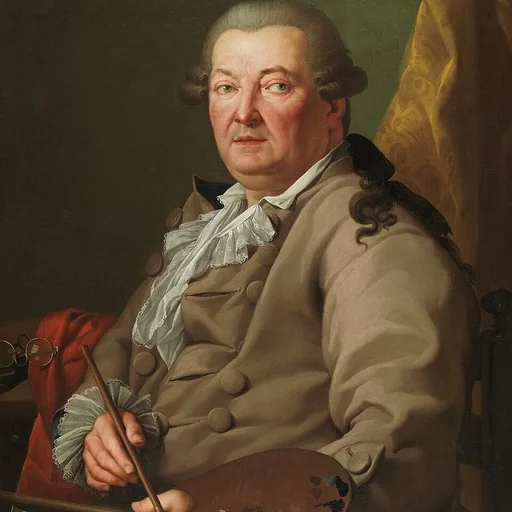
Antonio González Velázquez (1723–1793) was an artist, born in Madrid.

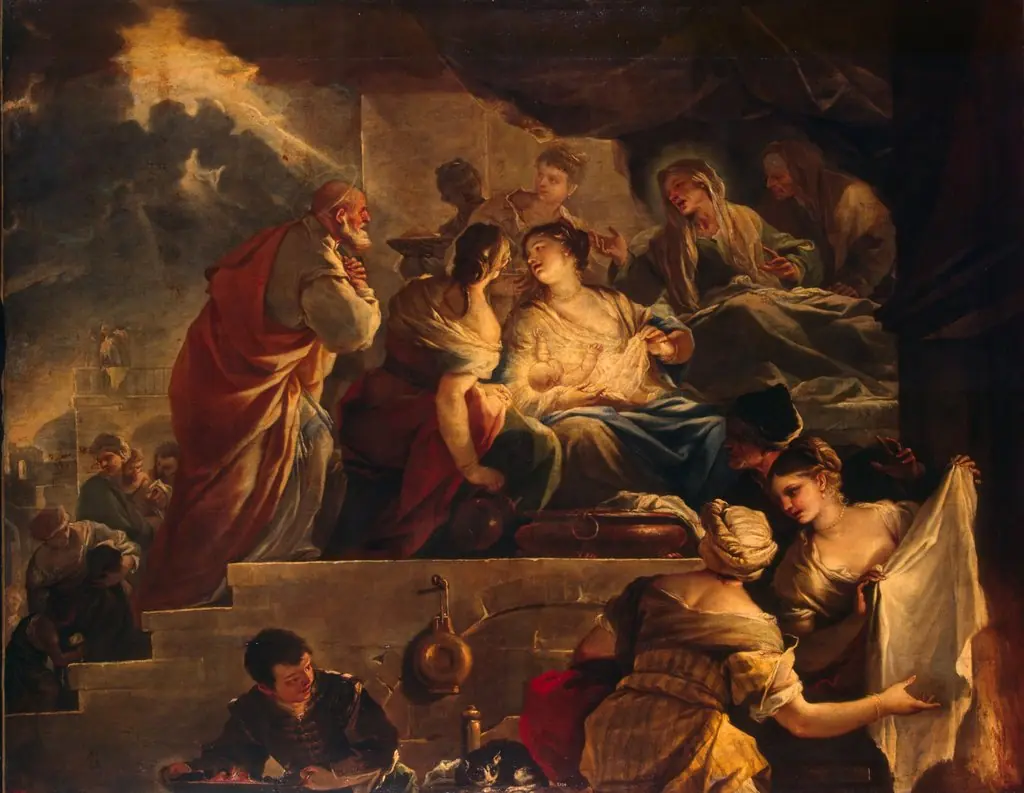 Birth of St John the Baptist
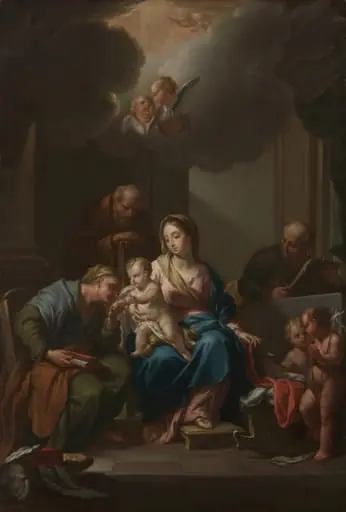 Presentation Sketch for "The Holy Family with Saints Anne, Joachim, and John the Baptist" (for Santa Maria in Via Lata, Roma)
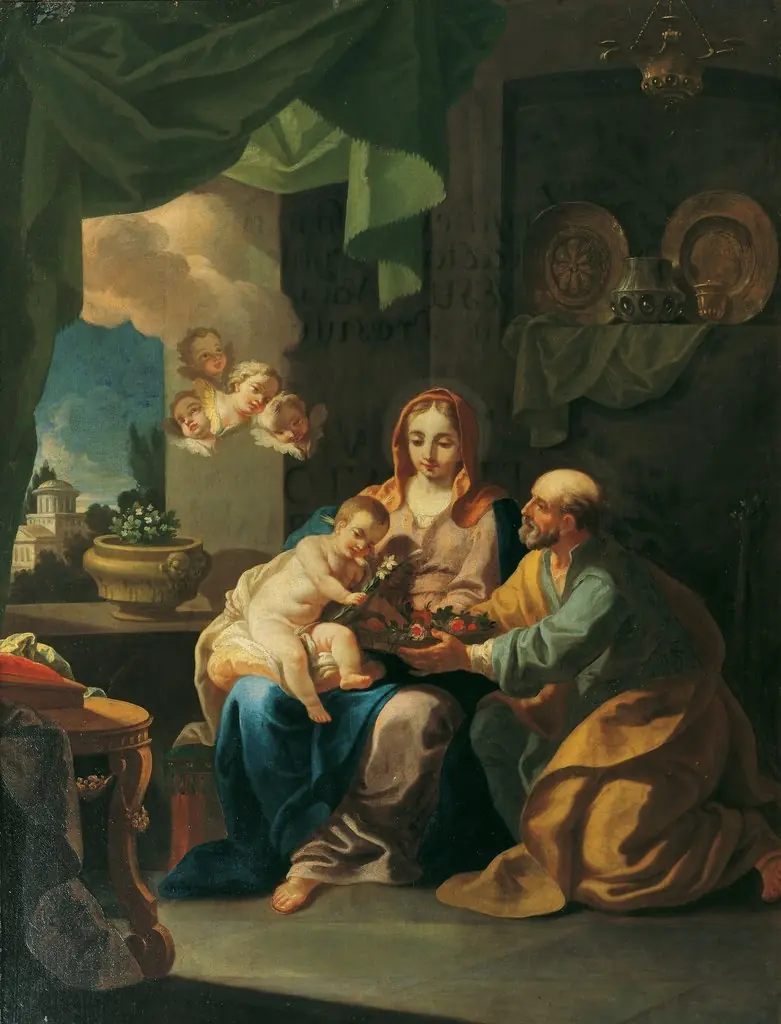 Die Heilige Familie
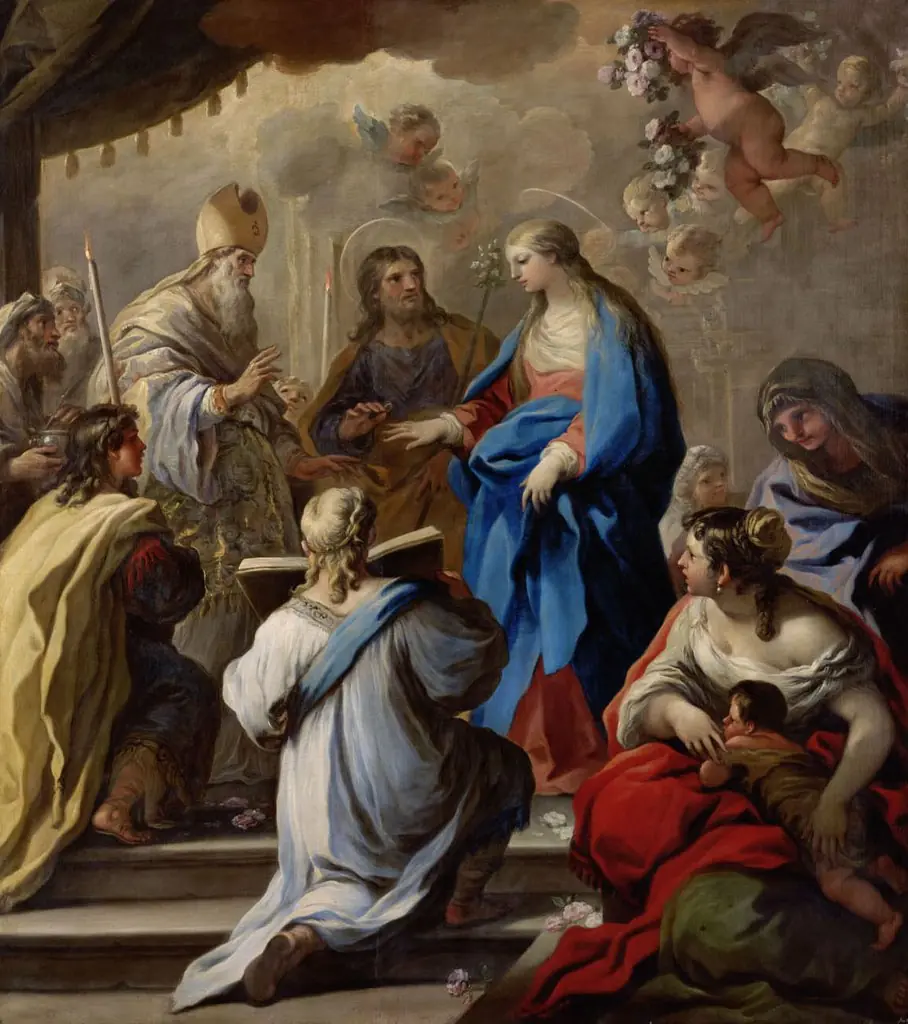 Vermählung Mariae
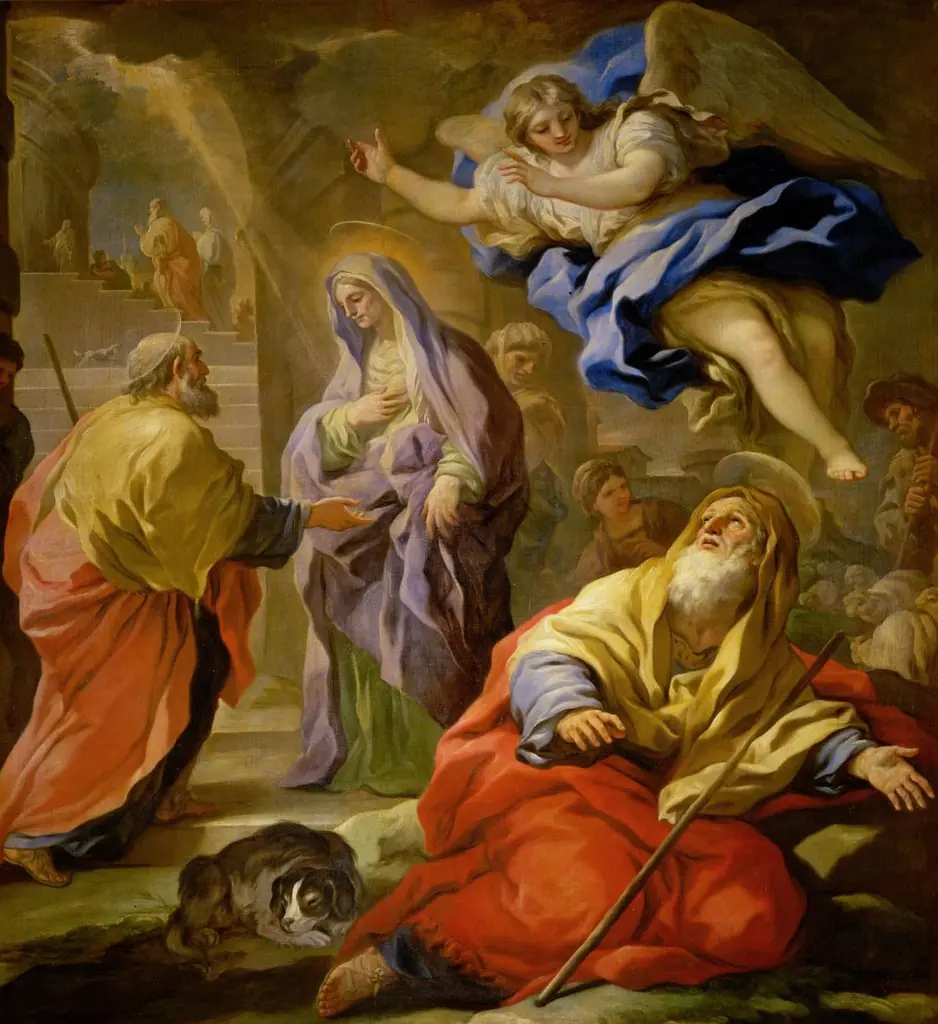 Verheißung an Joachim und Begegnung von Joachim und Anna an der Goldenen Pforte
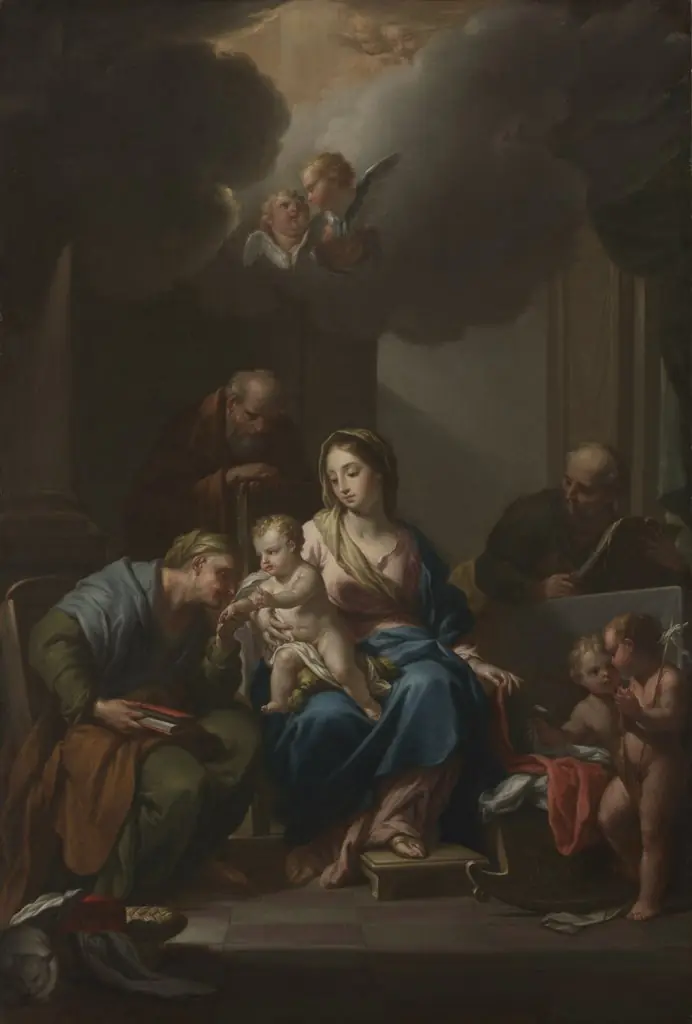 Presentation Sketch for "The Holy Family with Saints Anne, Joachim, and John the Baptist" (for Santa Maria in Via Lata, Roma)
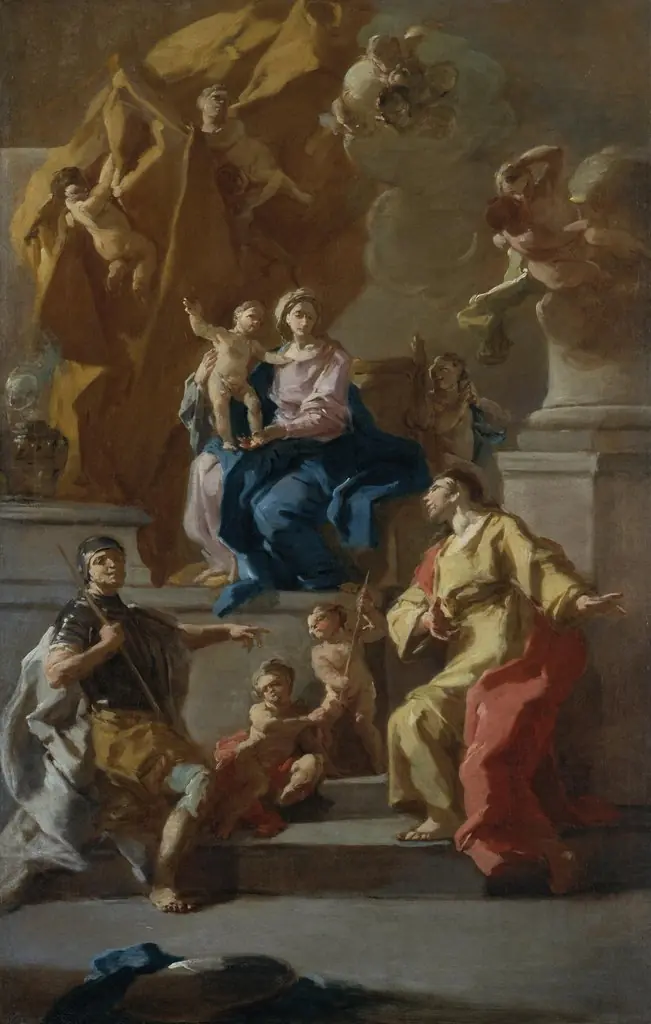 The Virgin and Child Enthroned, with Angels and Two Saints
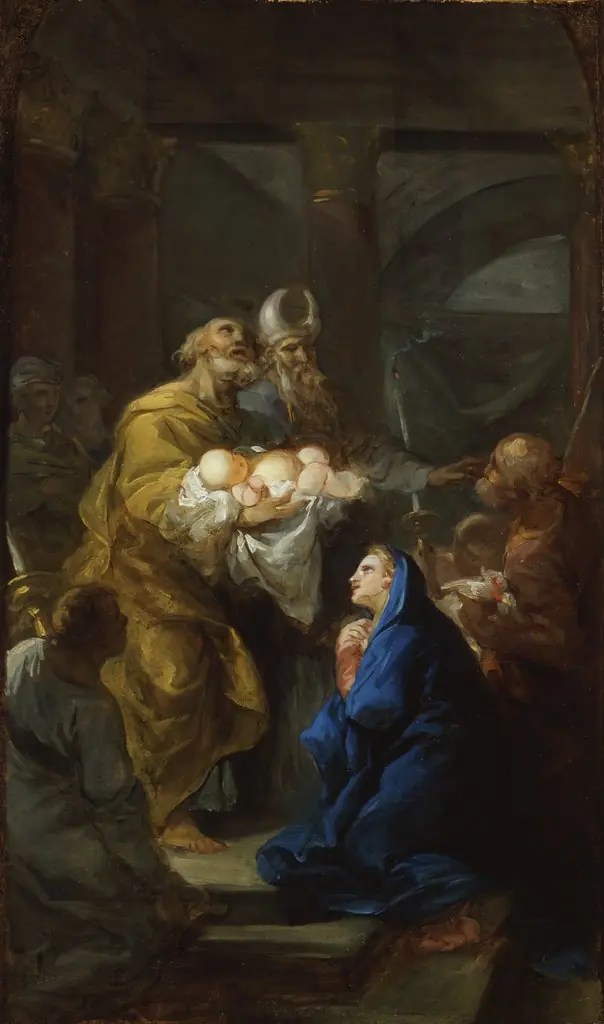 Presentation of Christ in the Temple
 Monument to Mignard