Artwork
Saints Ippolito, Taurino, and Ercolano
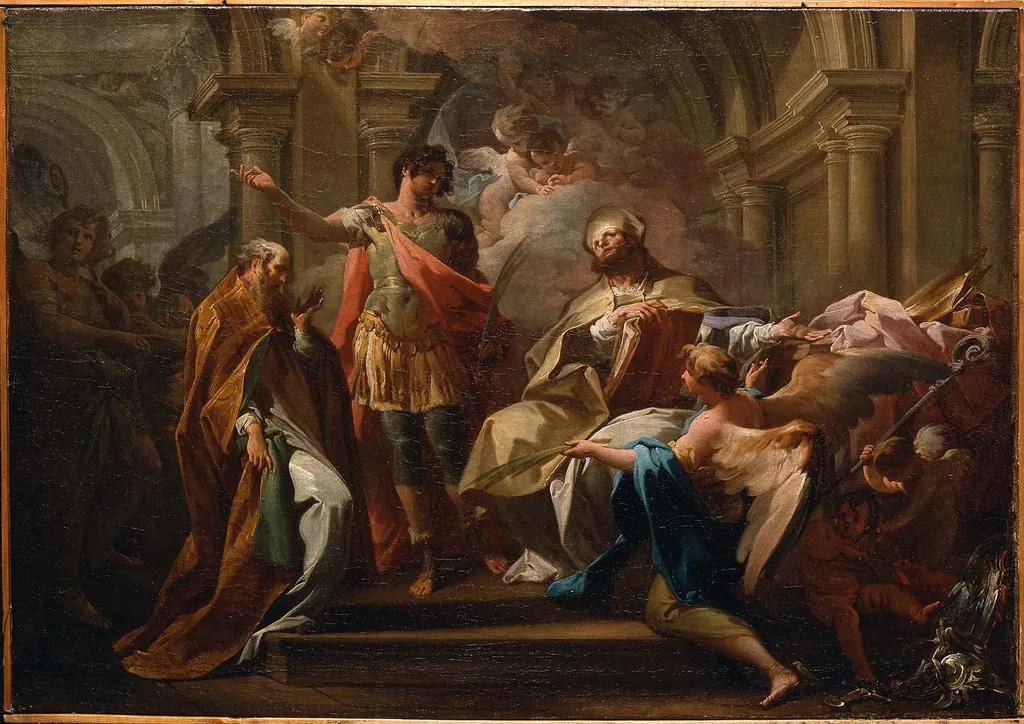
Saints Ippolito, Taurino, and Ercolano is an oil painting by the Rococo painting artist Antonio González Velázquez. It dates from 1741 and is held in the collection of the Museum of Fine Arts Boston.
About this work
Overview
The work resides in the Museum of Fine Arts, Boston, and exemplifies the Spanish Baroque tradition of religious narrative painting.
Painted in 1741 by Antonio González Velázquez, this oil on canvas depicts three Christian saints—Ippolito, Taurino, and Ercolano—in a solemn, theatrical setting. The work resides in the Museum of Fine Arts, Boston, and exemplifies the Spanish Baroque tradition of religious narrative painting. Its composition emphasizes spiritual intensity through dynamic figures and controlled lighting, reflecting the Counter-Reformation emphasis on emotional engagement with sacred subjects.
Subject & Meaning
The painting portrays Saints Ippolito, Taurino, and Ercolano as witnesses to divine revelation. The central figure, likely Saint Ippolito, gestures toward heaven, signaling divine intervention. To his right, a bearded saint holds a scroll, symbolizing sacred text or martyrdom; a kneeling woman, possibly a devotee, reaches toward him in supplication. On the left, an elder figure observes, anchoring the scene in human witness. Angels above reinforce the celestial presence, framing the moment as one of spiritual affirmation.
Technique & Style
Velázquez employs chiaroscuro to heighten the drama, using deep shadows to isolate illuminated figures against a dim interior. The red and gold garments of the central saint catch the light, contrasting with the muted tones of surrounding robes and architecture. Brushwork is precise yet expressive, particularly in the rendering of fabric folds and angelic forms. The architectural backdrop, with its arched columns, lends spatial depth and a sense of sacred enclosure, typical of Baroque religious scenes.
History & Provenance
Commissioned for a Spanish religious institution, the painting entered the Museum of Fine Arts, Boston, in the early 20th century through a private collection. Its journey from Spain to New England reflects broader patterns of European art dispersal during the 19th and early 20th centuries. While its early provenance is documented in ecclesiastical records, details of its original placement and patron remain partially obscured by time.
Context
Created during the height of the Spanish Baroque, the work aligns with the Catholic Church’s efforts to inspire devotion through emotionally charged imagery. Artists like Velázquez responded to the Council of Trent’s call for clarity and piety in religious art. The scene’s theatricality and focus on martyrdom reflect contemporary devotional practices, where saints served as intercessors and models of faith for the faithful.
Legacy
Though not widely known outside specialist circles, the painting exemplifies the technical and spiritual aims of 18th-century Spanish religious art. It contributes to the understanding of how regional schools adapted Baroque conventions to local devotional needs. Its preservation in Boston allows ongoing study of Spanish painting’s influence beyond Iberia and its reception in American collections.
Artist & collection
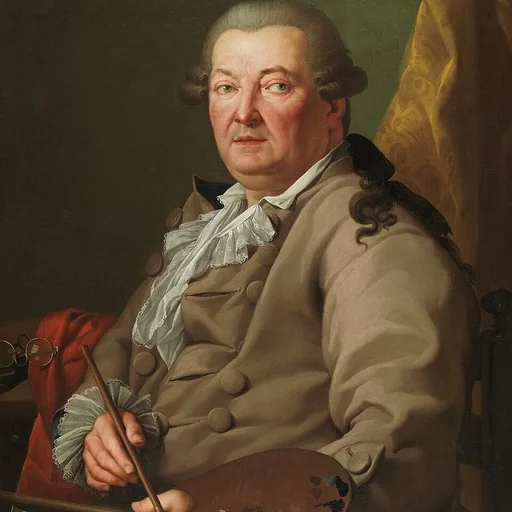
Artist
Antonio González Velázquez (1723–1793) was an artist, born in Madrid.

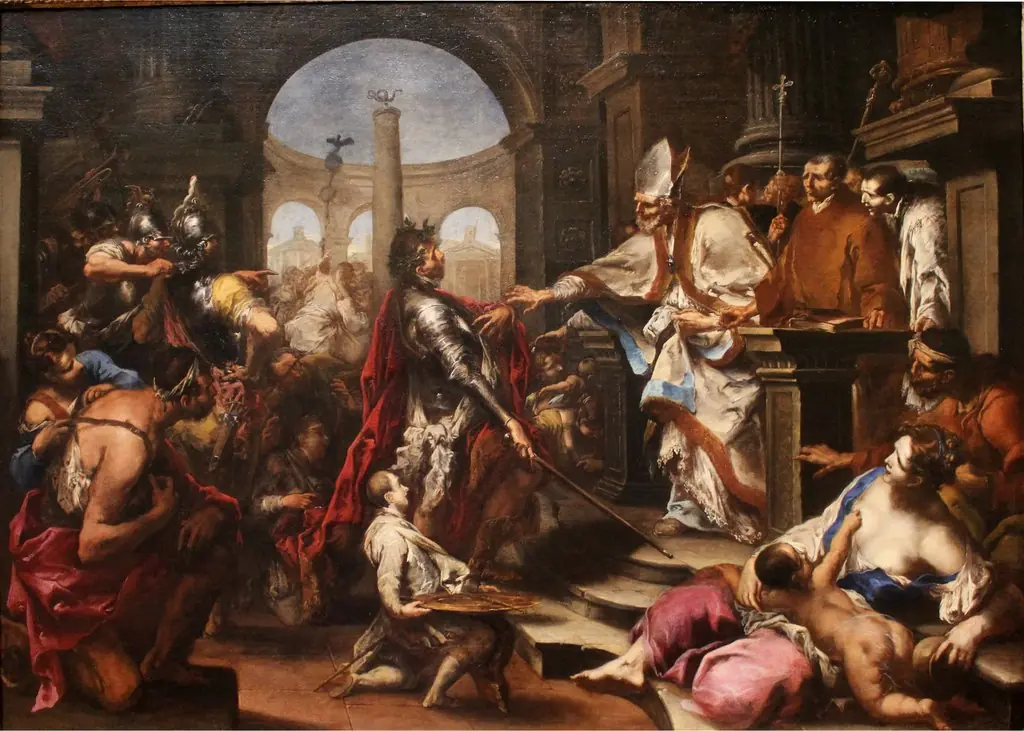 Theodosius Repulsed from the Church by Saint Ambrose
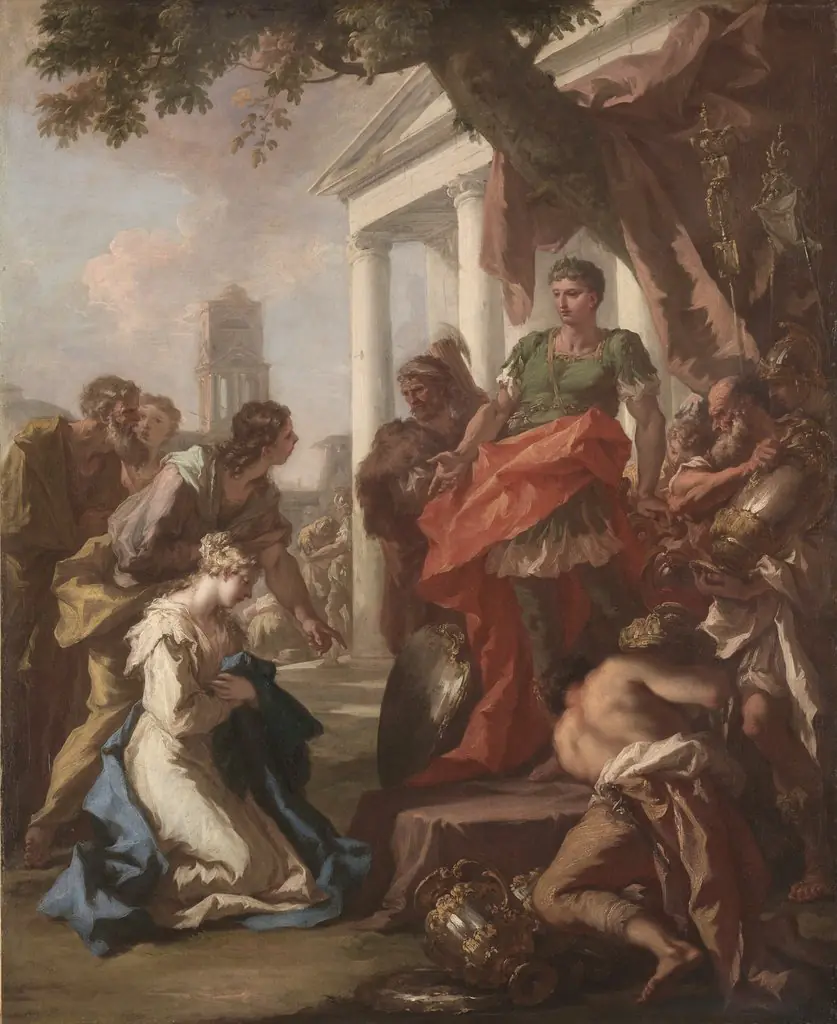 The Continence of Scipio
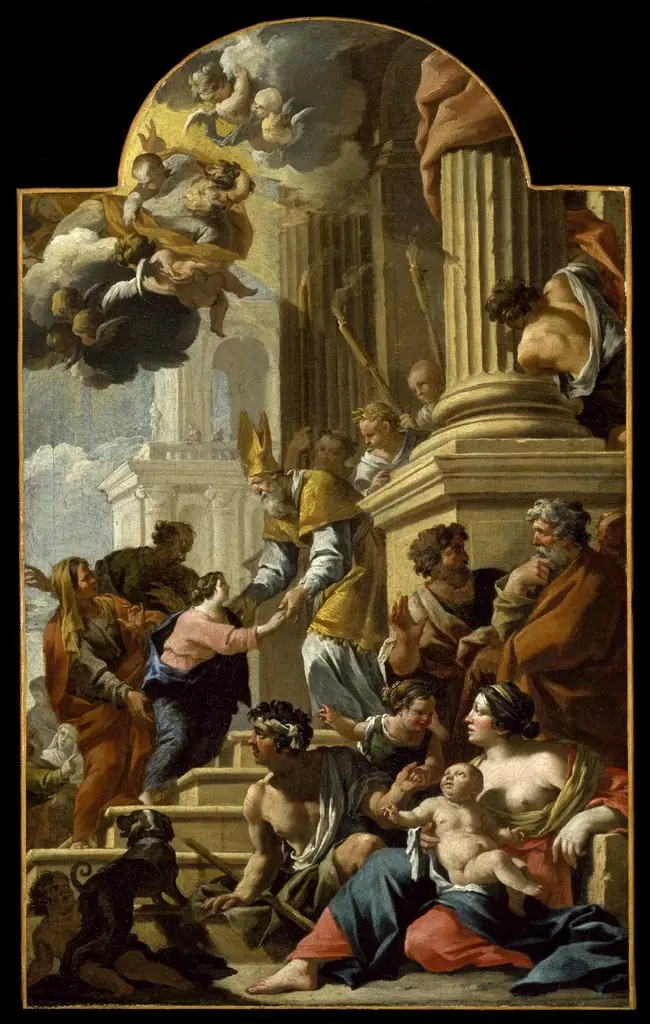 The Presentation of the Virgin in the Temple
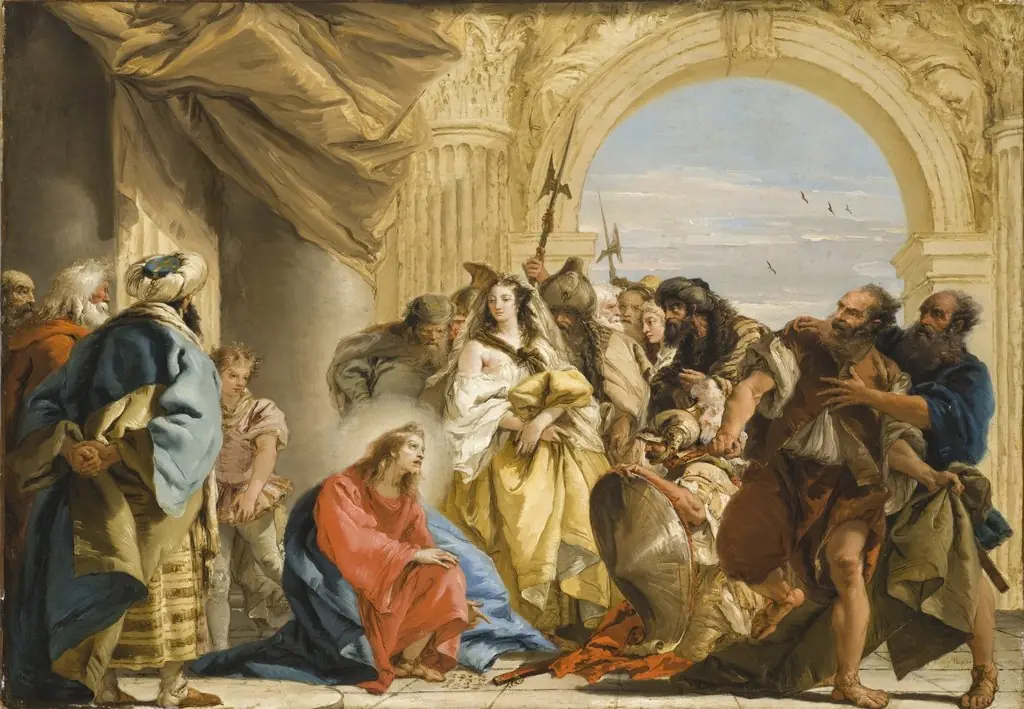 Christ and the Woman Taken in Adultery
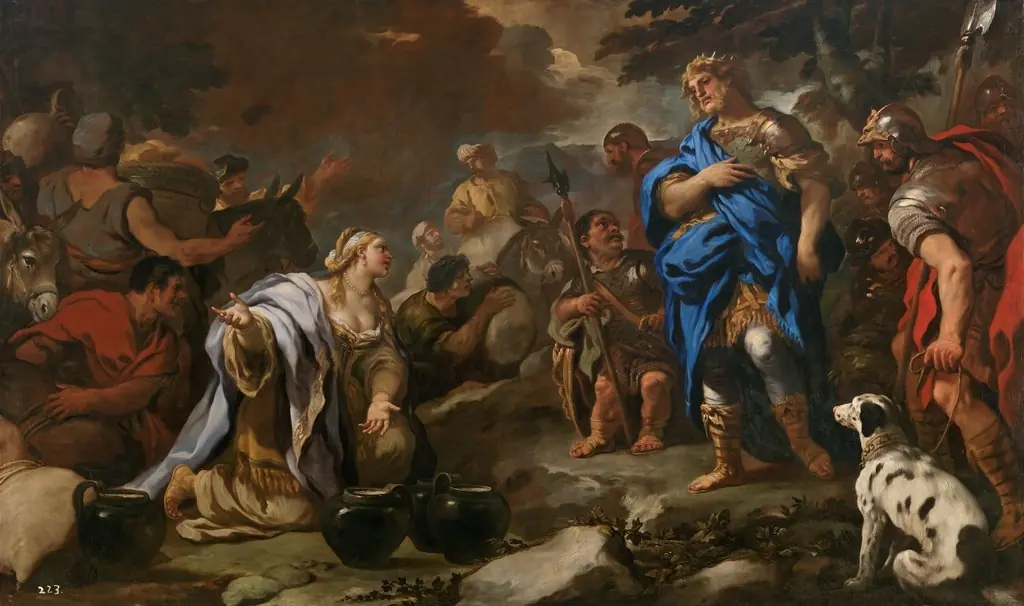 La prudente Abigail
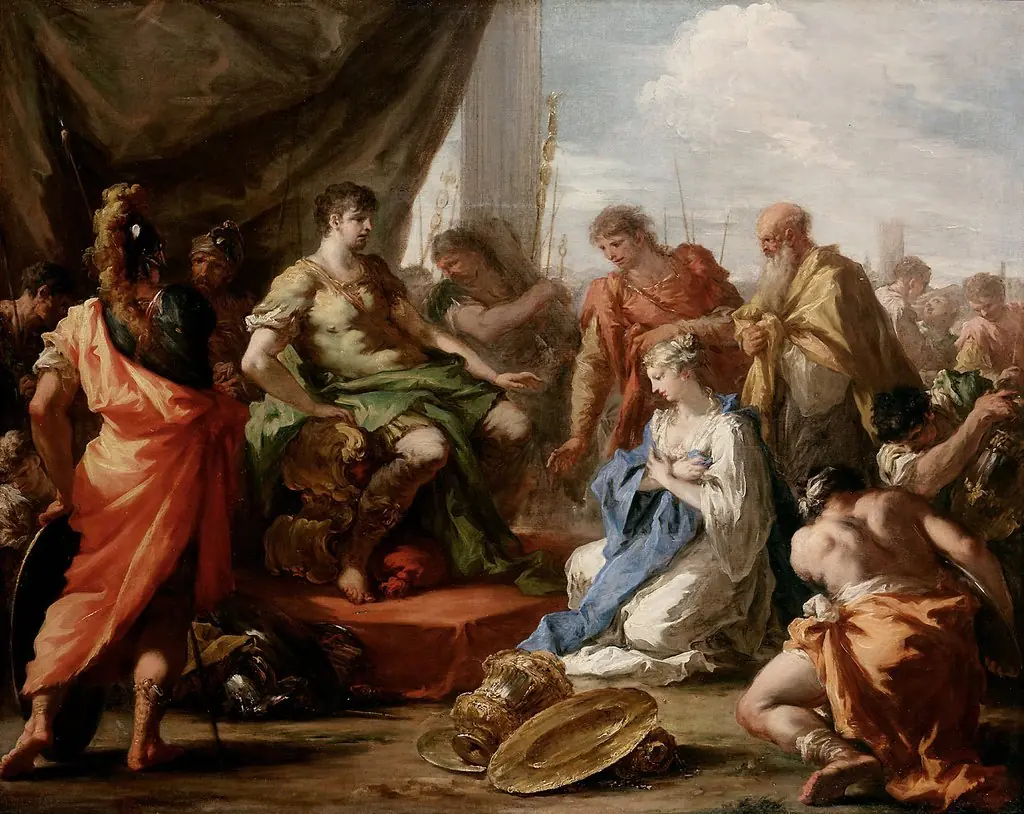 Enthaltsamkeit des Scipio
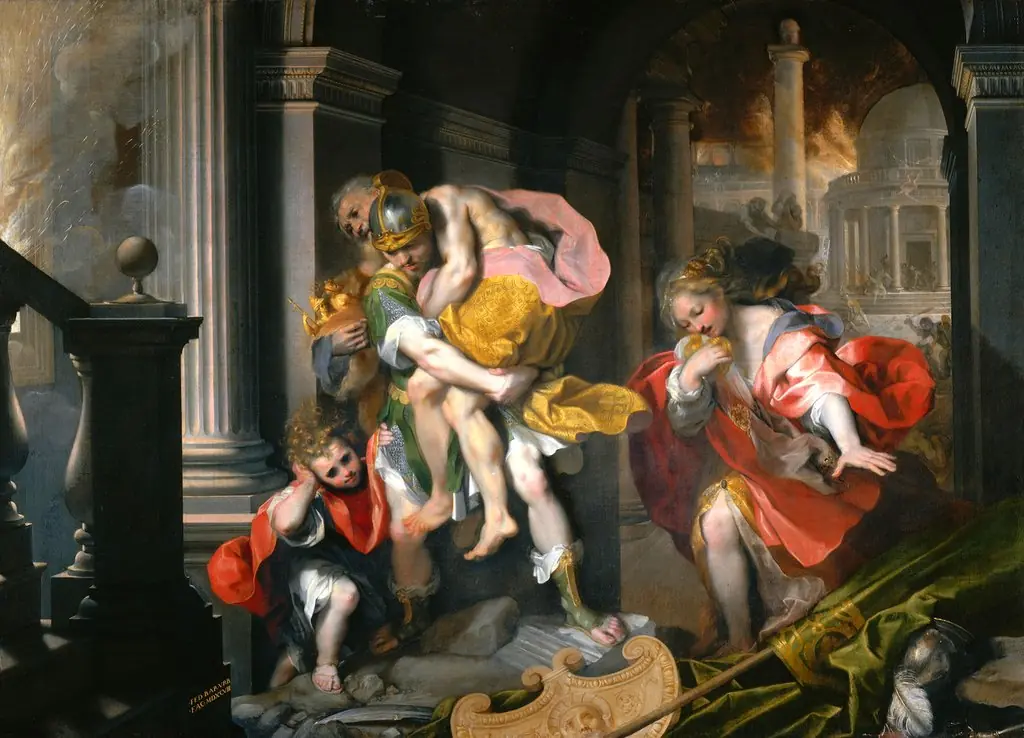 Escape of Aeneas from Troy
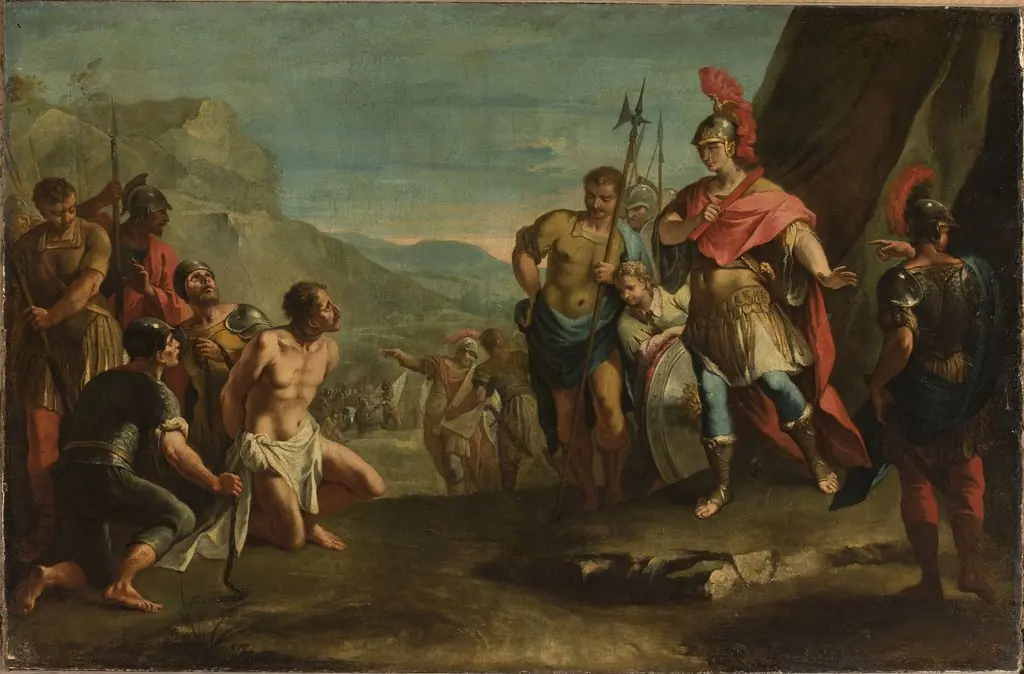 Killer of Darius before Alexander (King Porus and Alexander the Great)
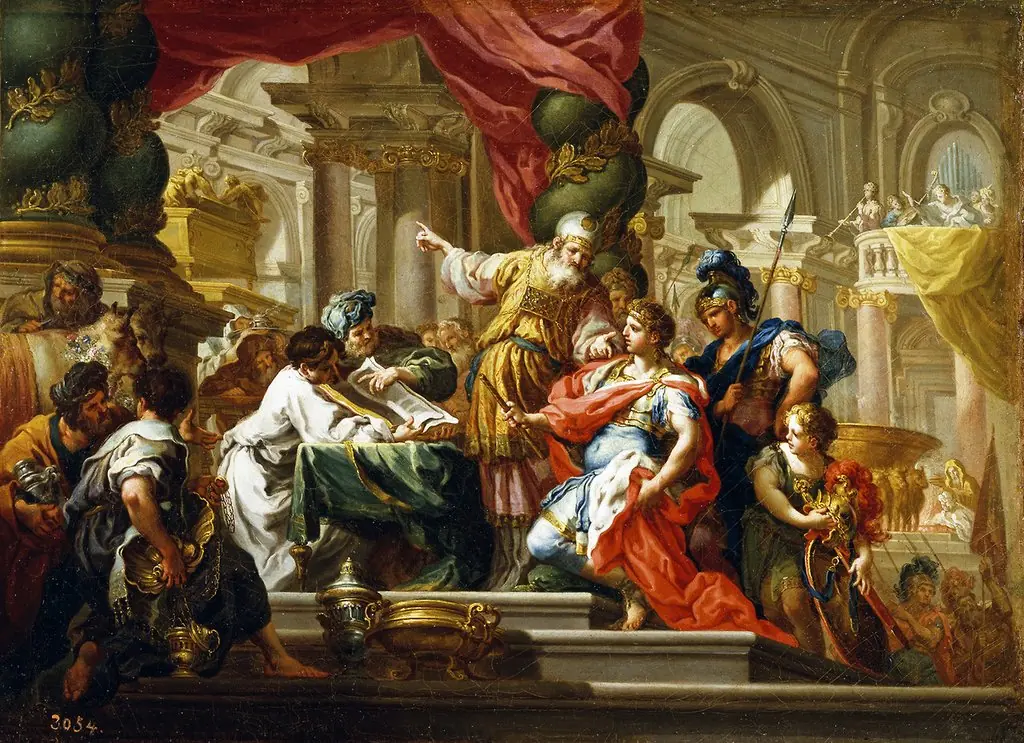 Alexander the Great in the Temple of Jerusalem
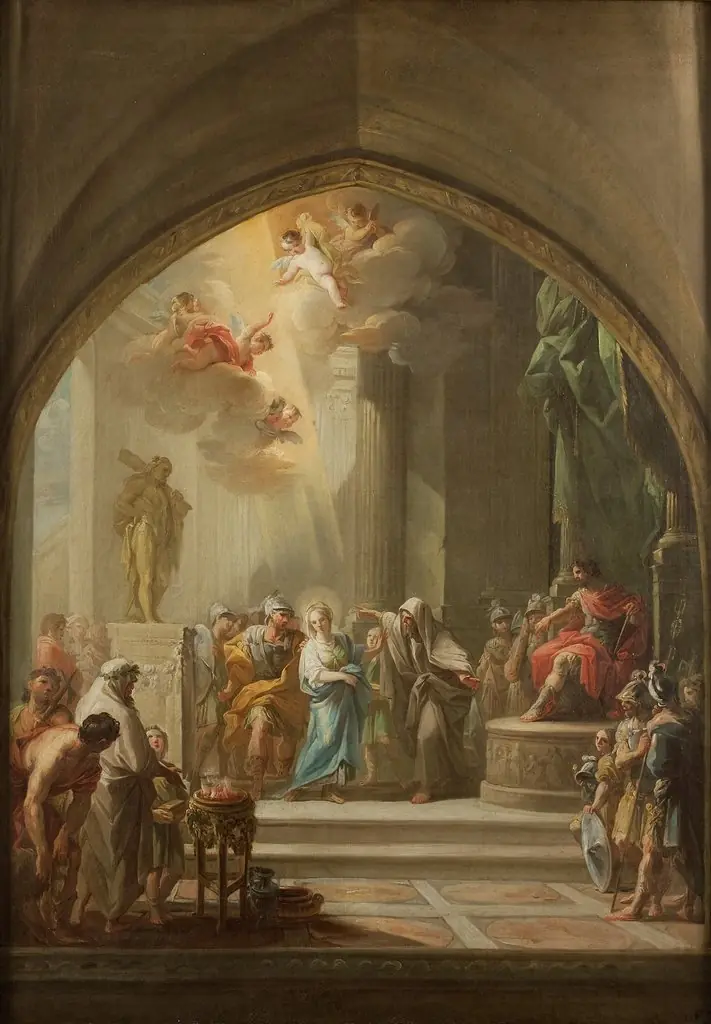 Saint Leocadia before the Praetor
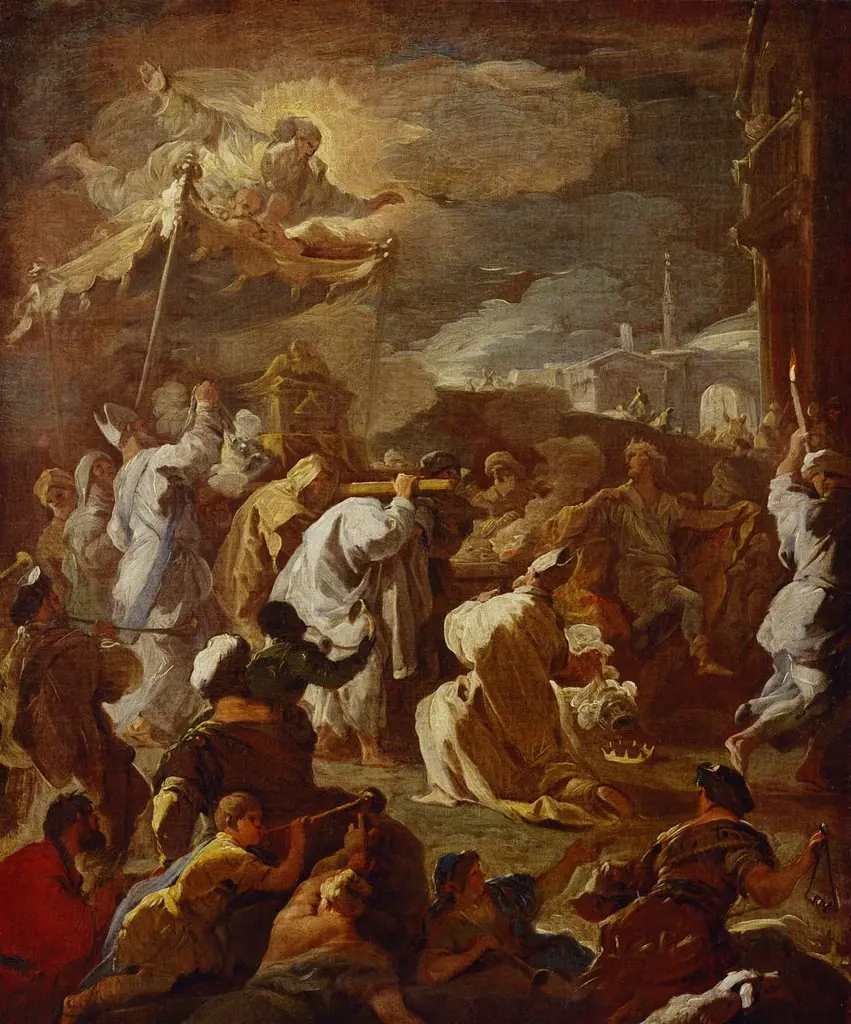 Transfer of the Ark of the Covenant by David
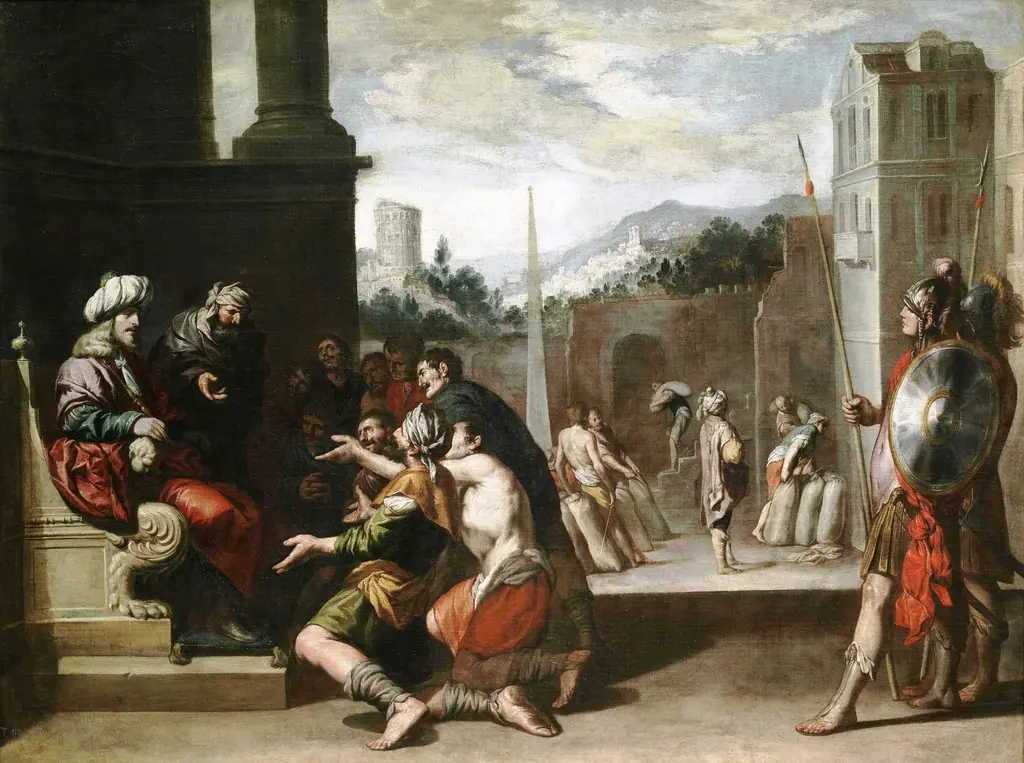 Joseph orders Simeon’s Imprisonment