Artwork
santi giovanni battista e giacomo maggiore
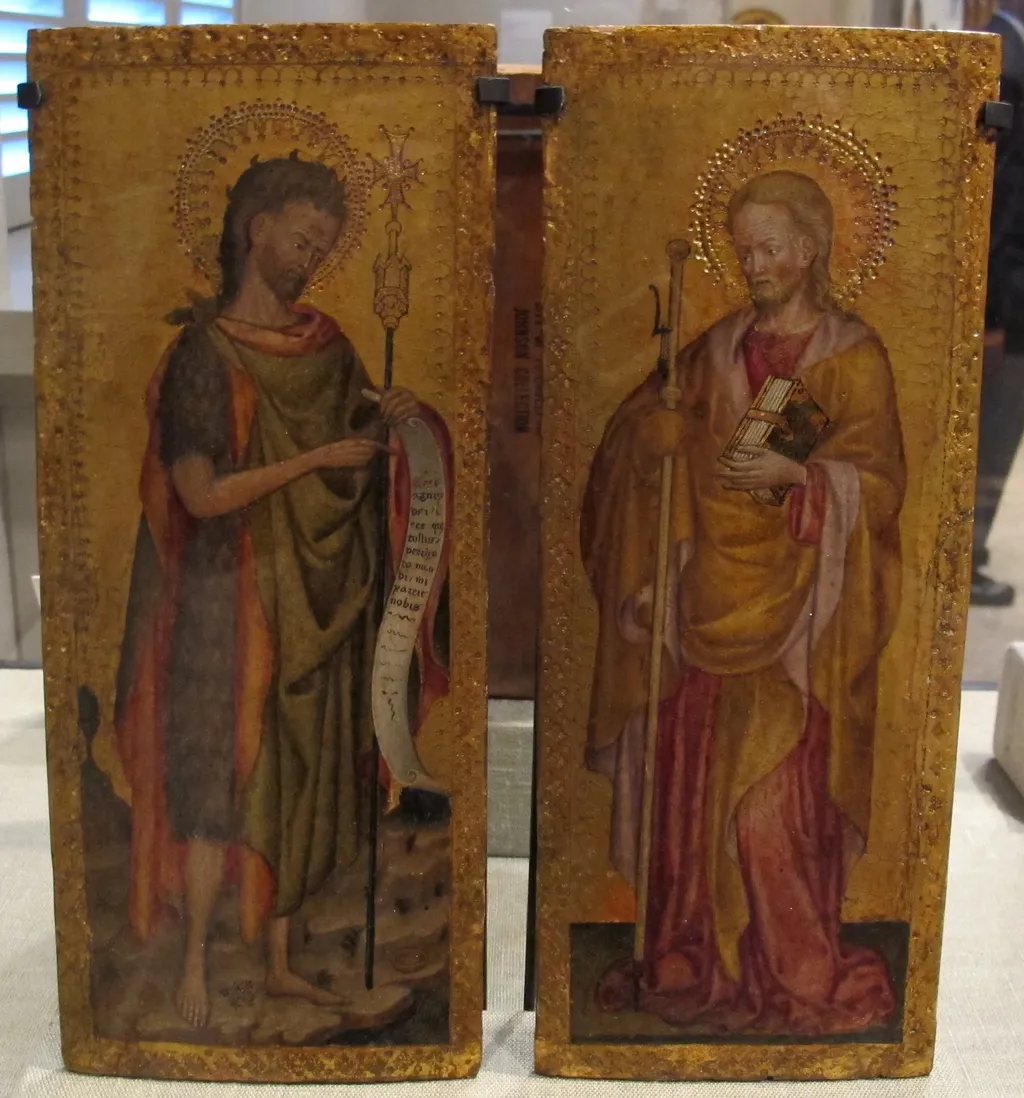
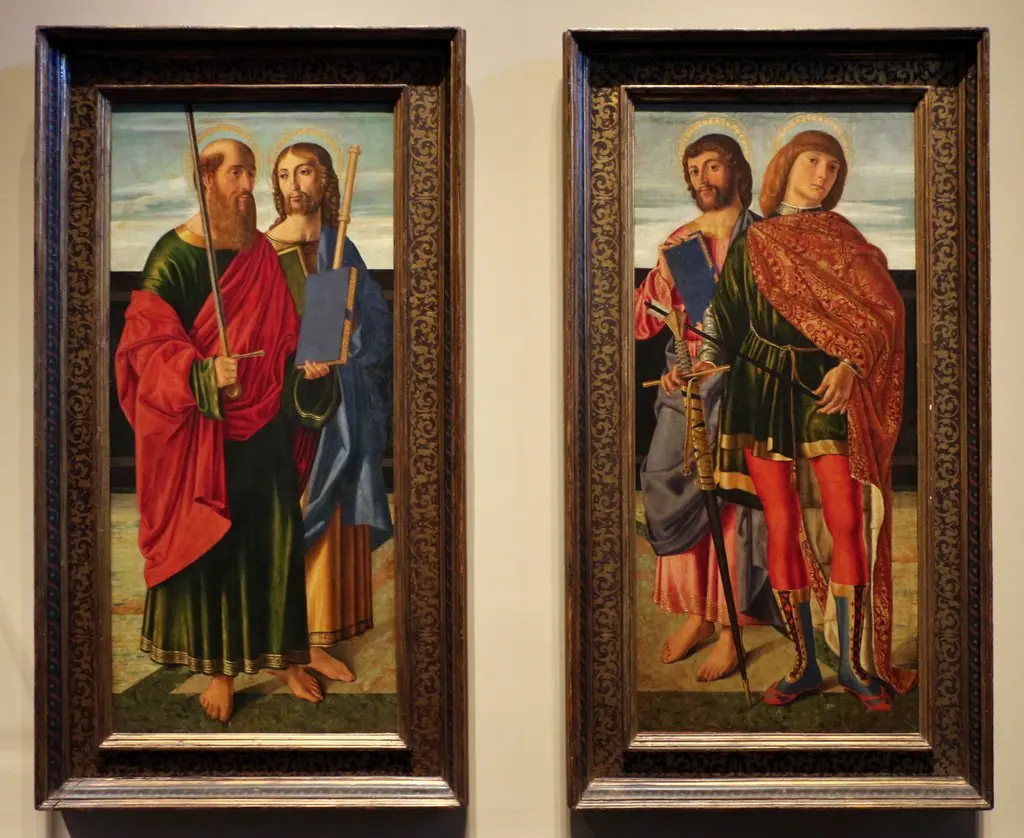
santi giovanni battista e giacomo maggiore is an unspecified painting by the Early Renaissance artist Antonio Orsini. It dates from 1425 and is held in the collection of the Philadelphia Museum of Art.
About this work
Overview
This panel painting, dated to around 1425, is attributed to Antonio Orsini, an Italian artist active in the early Renaissance.
This panel painting, dated to around 1425, is attributed to Antonio Orsini, an Italian artist active in the early Renaissance. It portrays two Christian saints side by side against a gold-leaf background, typical of devotional works from the period. The composition is formal and symmetrical, emphasizing the sacred presence of the figures. The work is currently held in the collection of the Philadelphia Museum of Art.
Subject & Meaning
The painting depicts John the Baptist, identifiable by his staff with a cross, and Saint James the Elder, shown with a pilgrim’s staff and a book, likely a Gospel. Both are venerated as apostles and martyrs in Christian tradition. Their placement together suggests a devotional purpose, possibly for private prayer or altar use. The inclusion of symbolic objects underscores their roles as precursors and witnesses to divine truth.
Technique & Style
The figures are rendered with careful attention to drapery, with folds in their robes modeled to suggest volume and movement. Rich pigments—especially the deep reds and greens—are applied with precision, while the gold background reflects light to enhance spiritual presence. The style blends late Gothic refinement with emerging naturalism, showing a transition toward more lifelike representation without abandoning symbolic conventions.
History & Provenance
The painting’s early history is undocumented, but its style and materials align with early 15th-century Italian panel production, likely from central Italy. It entered the Philadelphia Museum of Art’s collection in the 20th century, though its path from creation to acquisition remains unclear. No records of its original commission or location have been confirmed.
Context
Created during a period when religious imagery dominated Italian art, this work reflects the enduring influence of Byzantine traditions, particularly in its use of gold and frontal poses. Yet, the detailed rendering of fabric and facial features shows the impact of emerging humanist ideals. Such panels were often part of altarpieces or private devotional sets, serving both liturgical and personal spiritual functions.
Legacy
While Antonio Orsini is not among the most widely studied artists of the era, this painting contributes to understanding the diversity of regional styles in early Renaissance Italy. It exemplifies how smaller workshops sustained devotional traditions even as major centers like Florence advanced new techniques. The work remains a quiet testament to the persistence of sacred imagery in everyday religious life.
Artist & collection
Artist

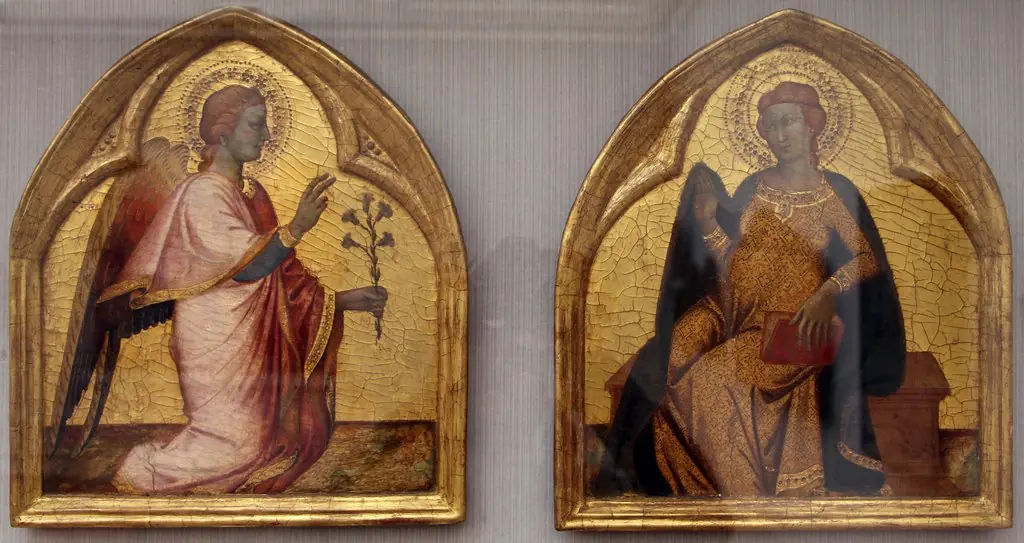 Mary of the Annunciation
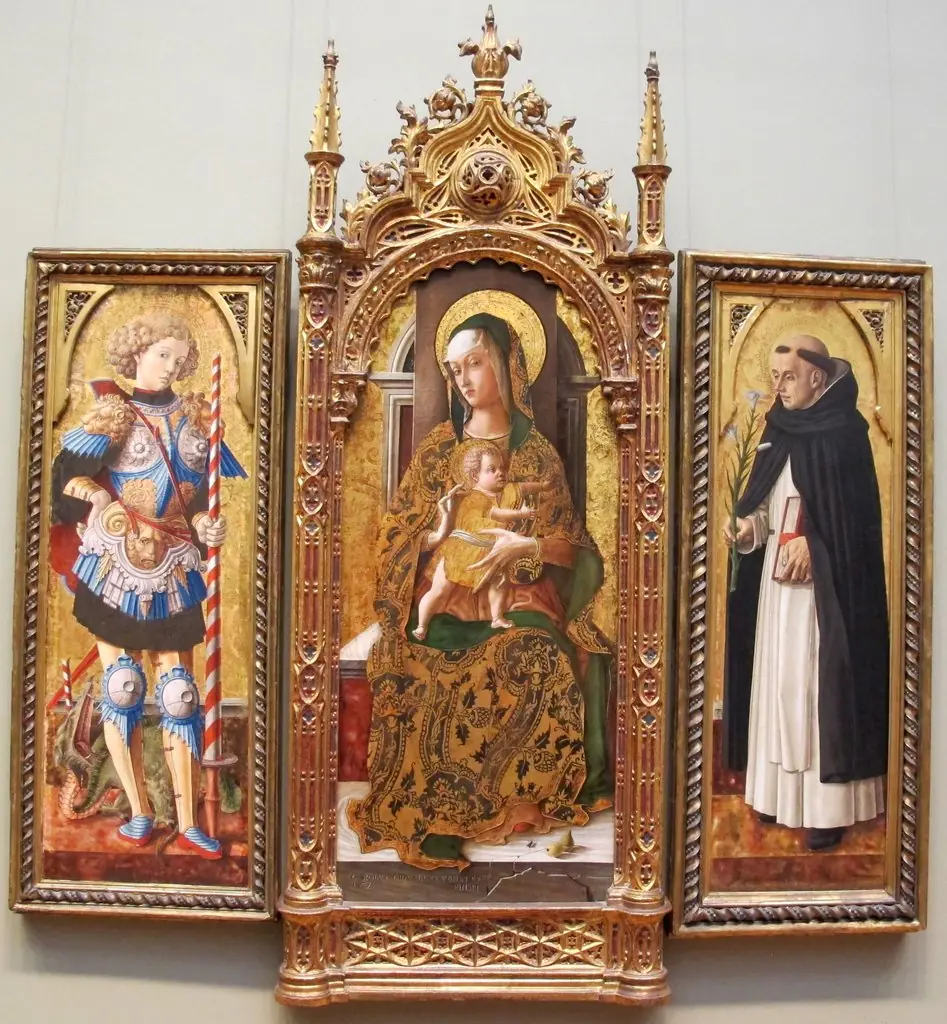 Madonna and Child Enthroned
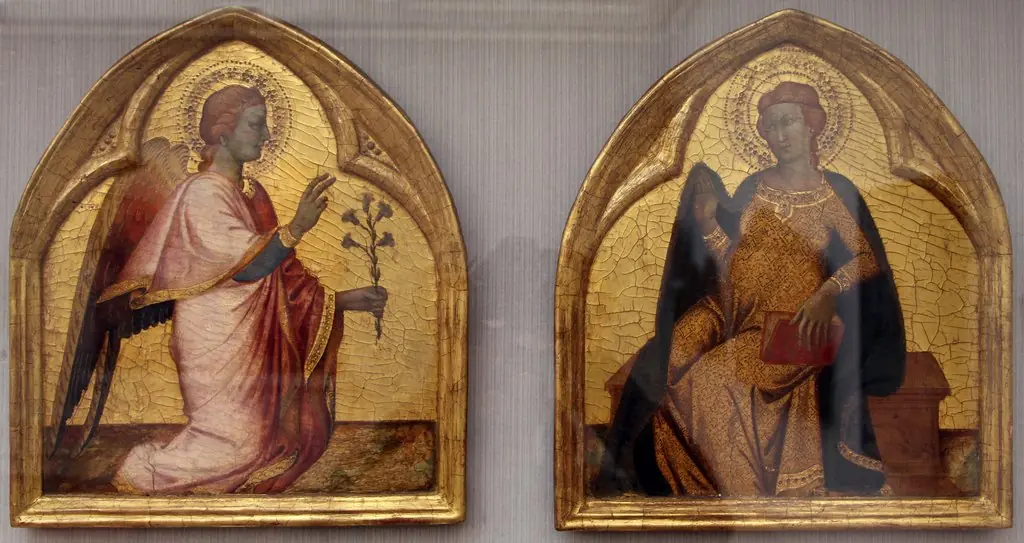 Angel of the Annunciation
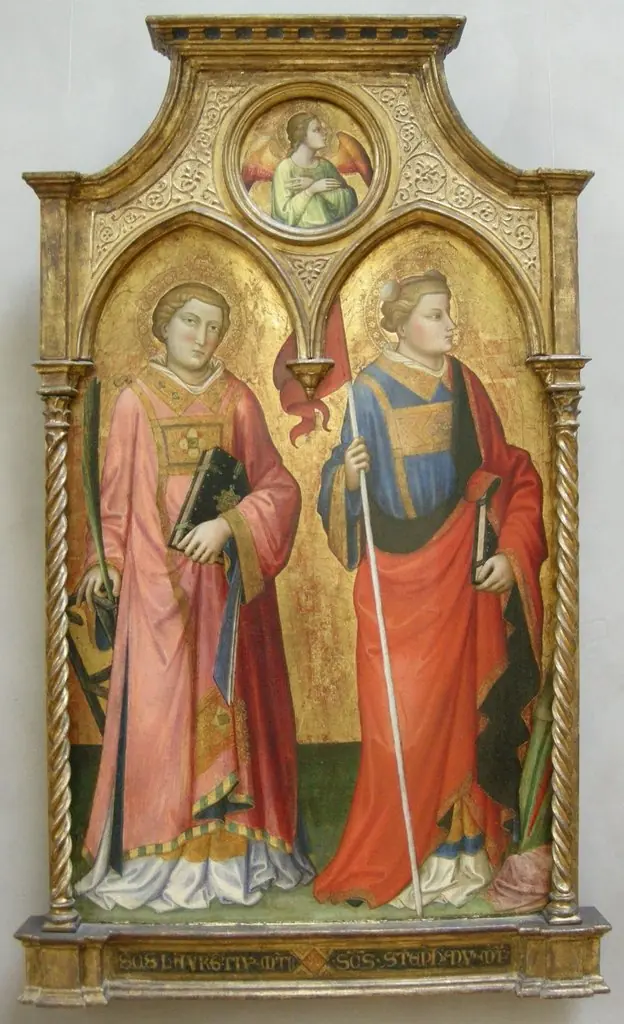 Saints Lawrence and Stephen
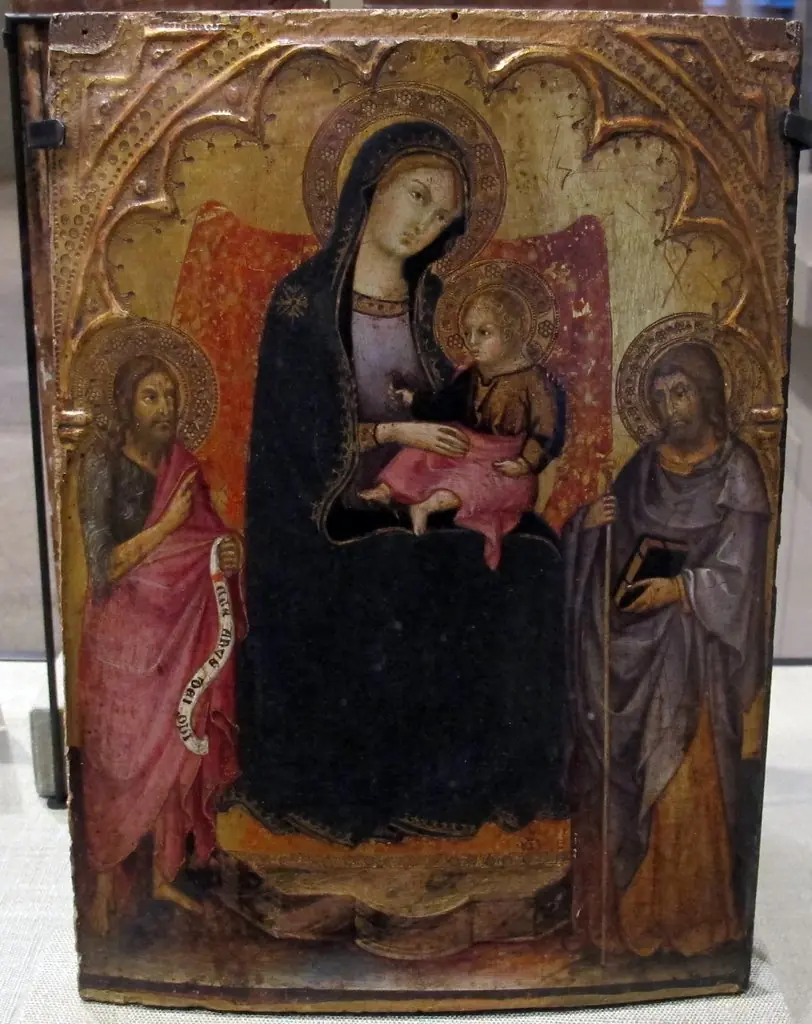 maestà coi santi g.battista e jacopo
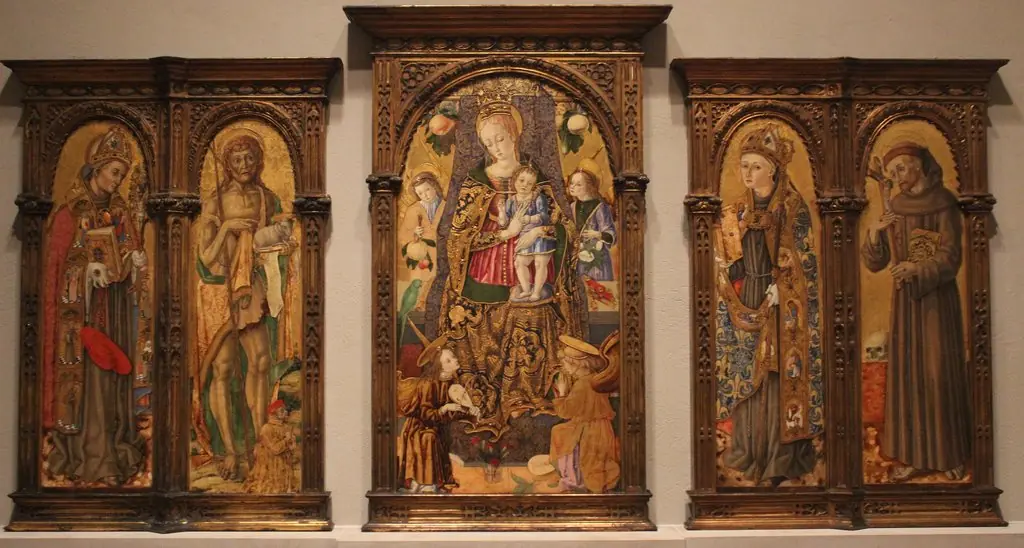 Enthroned Virgin and Child, with Angels and Saints Bonaventure, John the Baptist, Louis of Toulouse, and Francis of Assisi
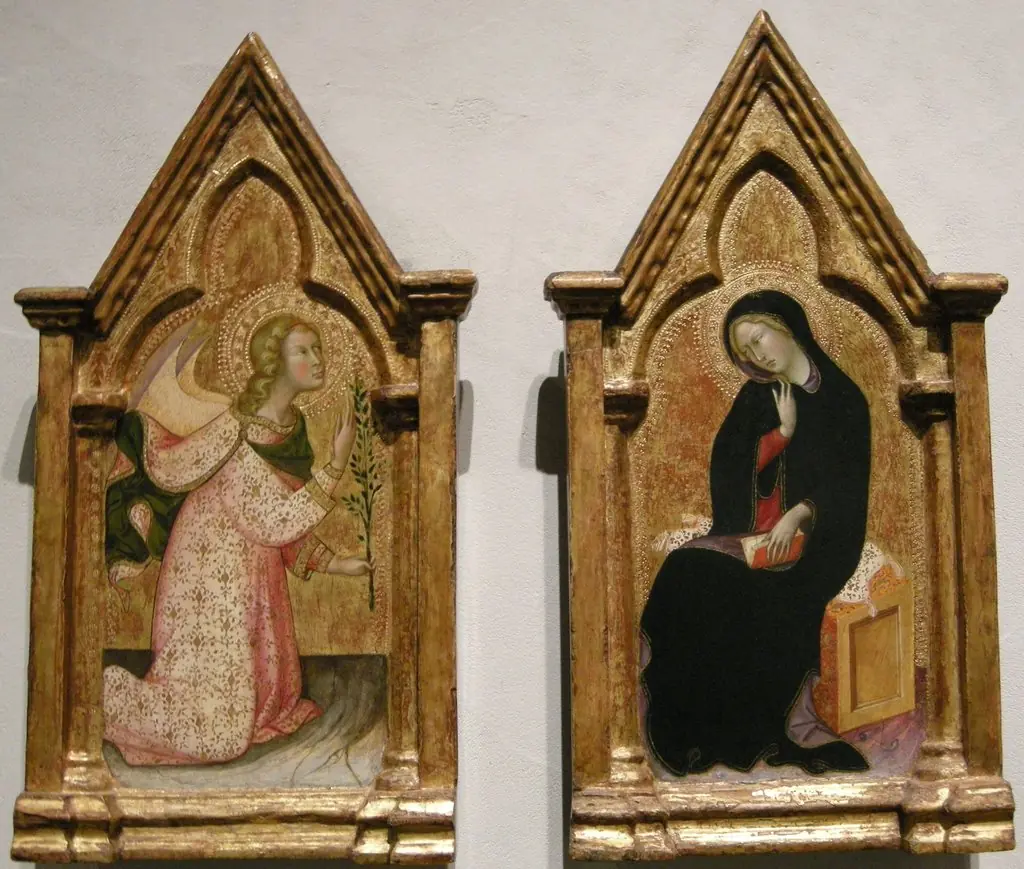 Untitled
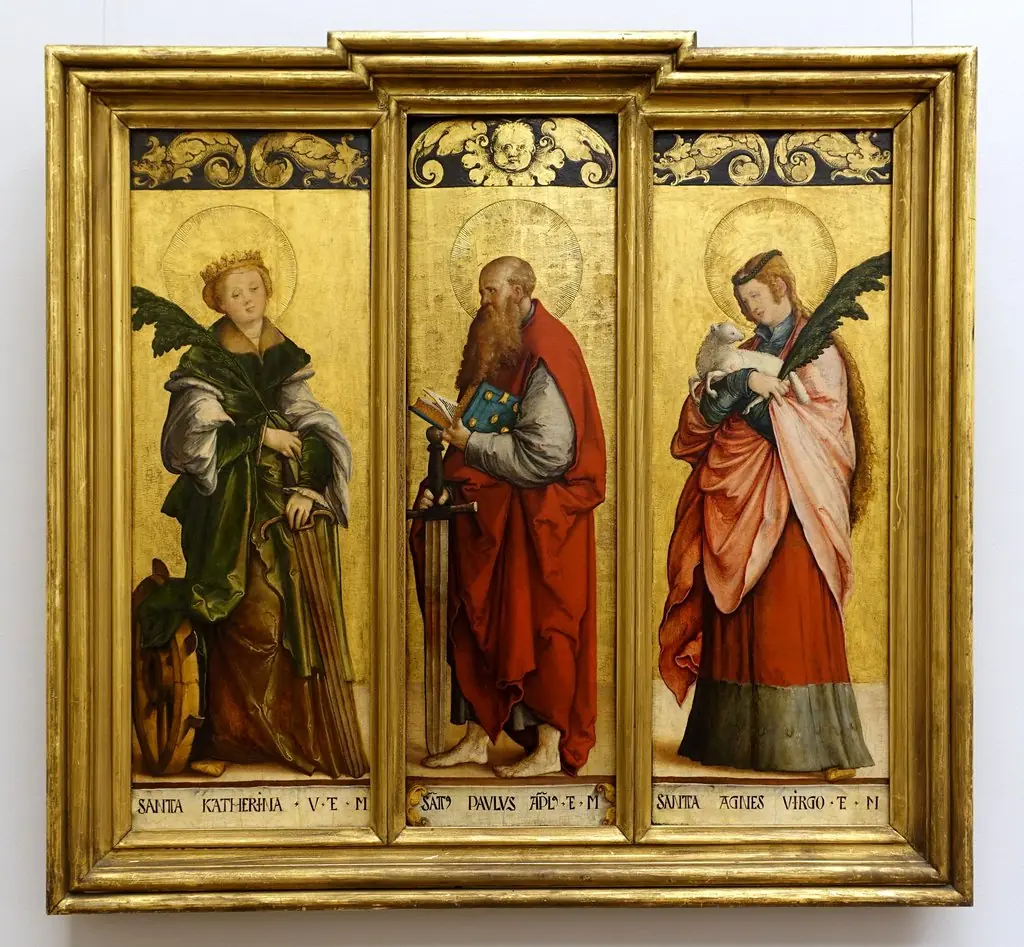 Die Heiligen Katharina
 Polittico di Cornalba
![Annunciate Angel, the Apostle Andrew, a Bishop Saint (Savinus?), and Saints Dominic and Francis of Assisi [left]; Virgin Annunciate and Saints Bartholomew, Lawrence, Lucy, and Agatha [right], by Bartolomeo Bulgarini](https://artifactworldgallery.com/img/bartolomeo-bulgarini--annunciate-angel-the-apostle-andrew-a-bishop-saint-savinus-a--941c87c7443f3f1e-w320.webp) Annunciate Angel, the Apostle Andrew, a Bishop Saint (Savinus?), and Saints Dominic and Francis of Assisi [left]; Virgin Annunciate and Saints Bartholomew, Lawrence, Lucy, and Agatha [right]
Annunciate Angel, the Apostle Andrew, a Bishop Saint (Savinus?), and Saints Dominic and Francis of Assisi [left]; Virgin Annunciate and Saints Bartholomew, Lawrence, Lucy, and Agatha [right]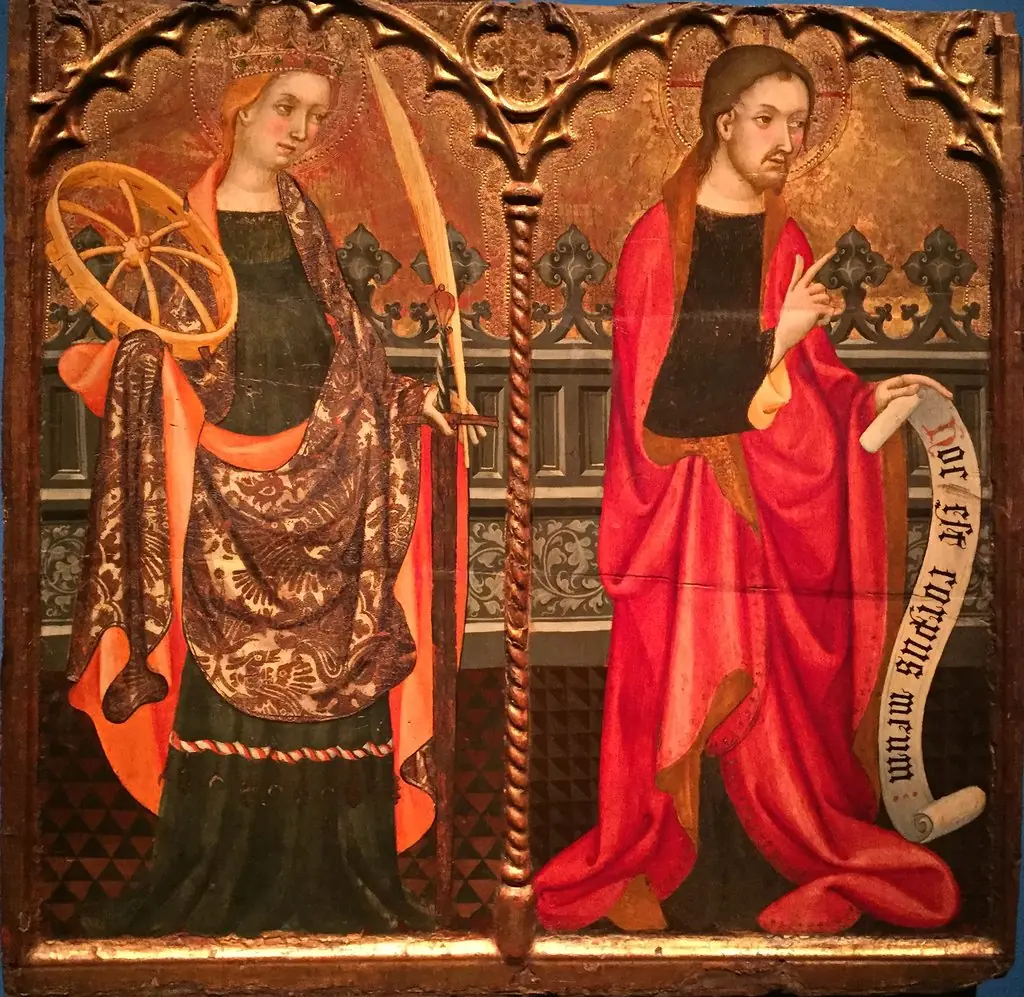 Santa Caterina d'Alexandria i Jesucrist
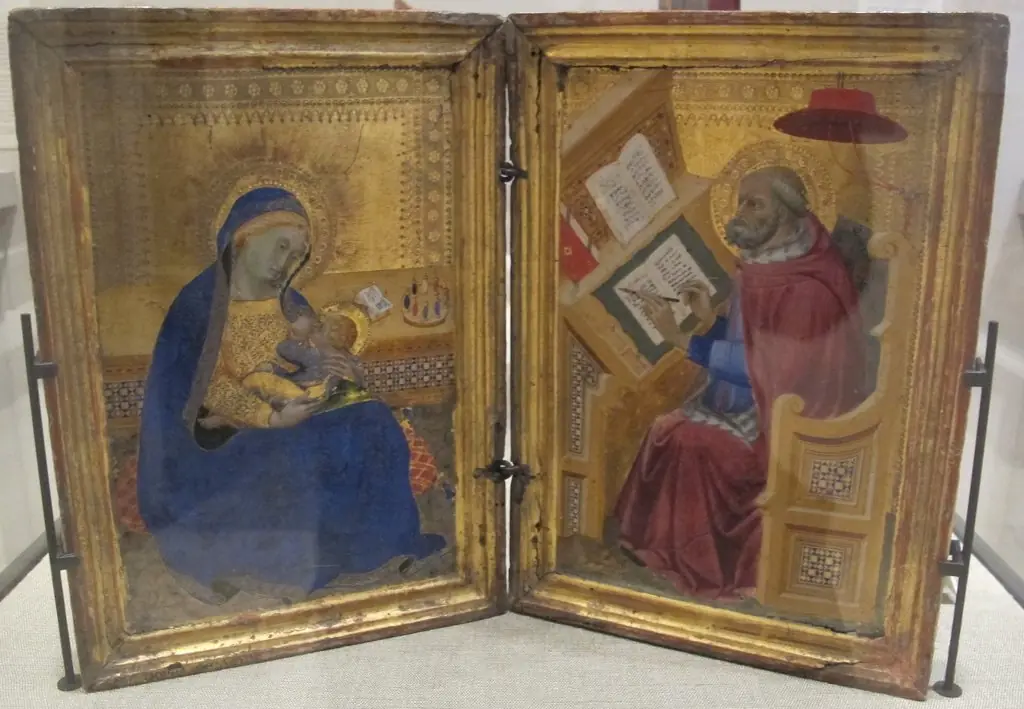 madonna dell'umità e san girolamo nello studio