Artwork
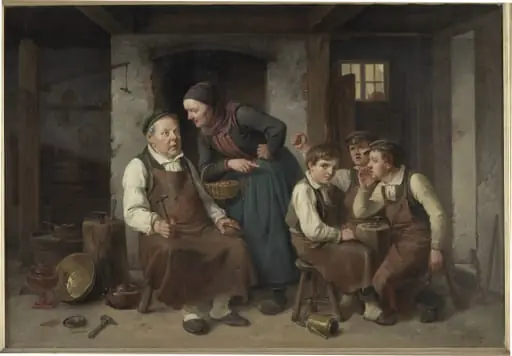
The Hopeless Case
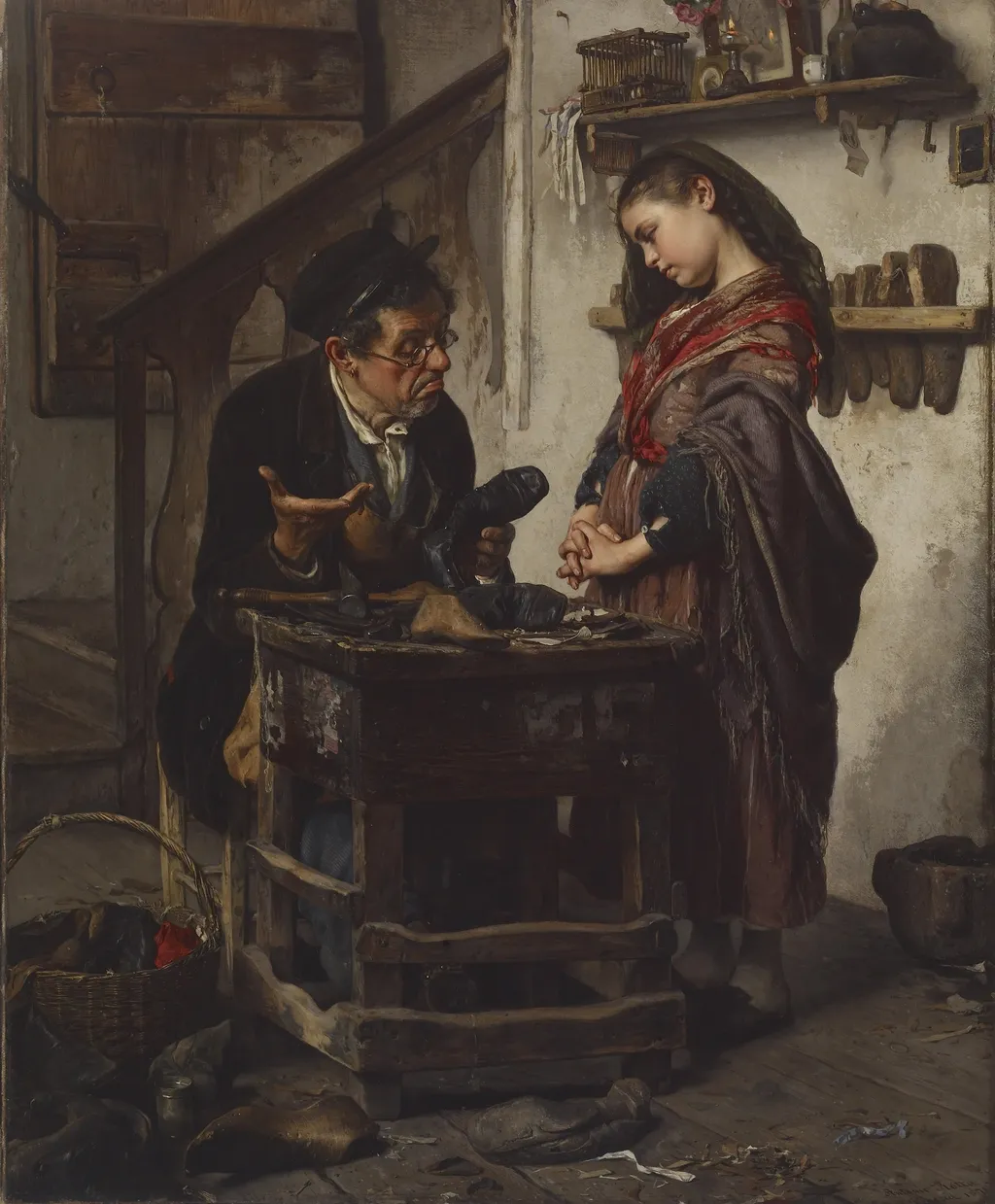
The Hopeless Case is an unspecified painting by the Post-Impressionist artist Antonio Rotta. It dates from 1871 and is held in the collection of the Walters Art Museum.
About this work
Overview
The work is part of the Walters Art Museum’s collection and reflects the 19th-century Italian interest in everyday life rendered with emotional restraint.
Painted in 1871 by Antonio Rotta, The Hopeless Case is a genre scene depicting a quiet, intimate moment between two figures in a modest interior. The work is part of the Walters Art Museum’s collection and reflects the 19th-century Italian interest in everyday life rendered with emotional restraint. Its subdued palette and careful composition invite quiet observation rather than dramatic narrative.
Subject & Meaning
A man in dark attire sits at a wooden table, his hands moving as if in explanation or reprimand, while a young girl in a brown dress and red shawl stands before him, hands clasped and gaze lowered. The tension between them suggests an unspoken conflict—perhaps disciplinary, emotional, or social. The cluttered floor and bare walls amplify the sense of isolation, hinting at vulnerability without overt sentiment.
Technique & Style
Rotta employs a restrained palette dominated by earth tones and muted light, enhancing the somber mood. The figures are rendered with careful attention to texture—fabric folds, worn wood, and the girl’s shawl are rendered with subtle brushwork. The composition directs attention to the interaction between the two figures, while the dimly lit room and background staircase suggest depth without distraction.
History & Provenance
The painting was completed in 1871 and entered the Walters Art Museum’s collection in the early 20th century, likely through the acquisition of the Henry Walters collection. Its provenance before that is not well documented, but its subject and style align with Venetian genre painting traditions of the period, suggesting it was produced in northern Italy.
Context
In the decades following Italian unification, artists like Rotta turned to domestic scenes to explore social dynamics beyond grand historical or religious themes. The Hopeless Case reflects this shift, capturing a moment of quiet authority and submission within the home—a reflection of contemporary concerns about class, gender, and familial structure in post-unification Italy.
Legacy
Though not widely exhibited outside institutional collections, The Hopeless Case remains a representative example of late 19th-century Italian genre painting. Its understated emotional power and attention to everyday detail have influenced later scholars studying the intersection of domestic life and social hierarchy in Italian visual culture.
Own this work as a print
Artist & collection

 Children Bandaging a Finger
 Untitled
 No One Knows Where the Shoe Pinches But Him Who Wears It
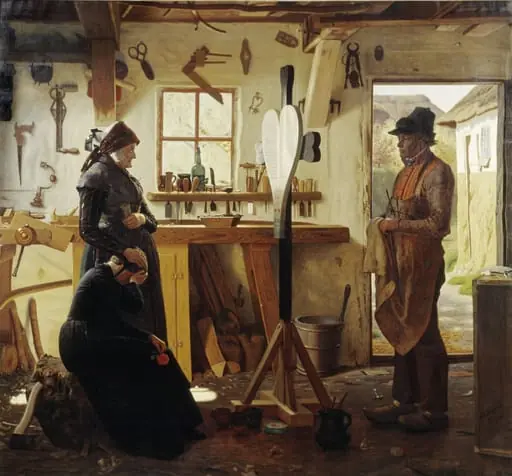 To kvinder besøger landsbykunstneren for at se det bestilte gravkors
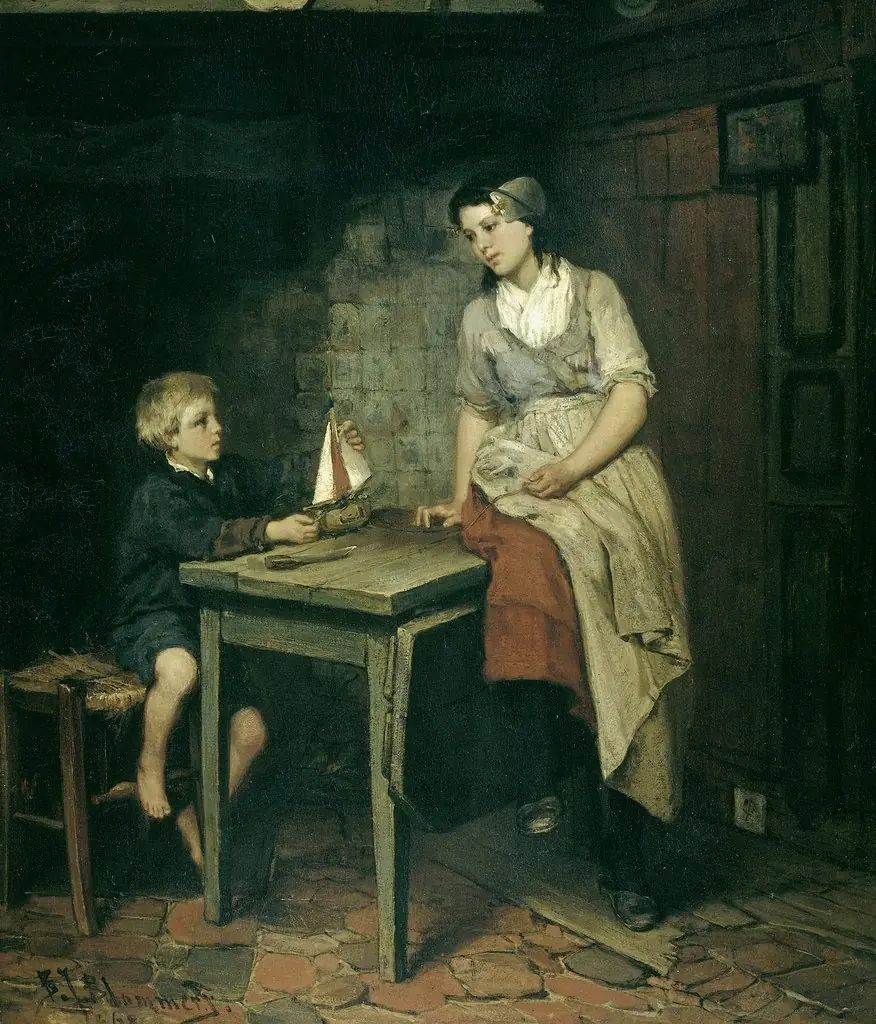 The Fisherman's Children
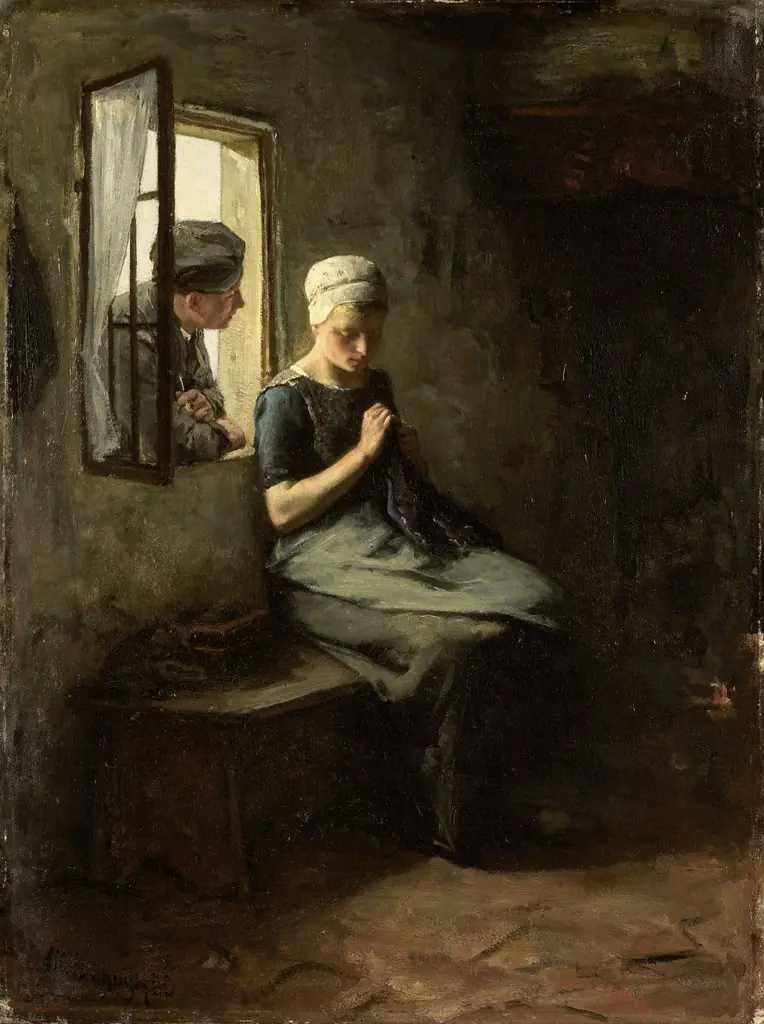 Fisher's courtship
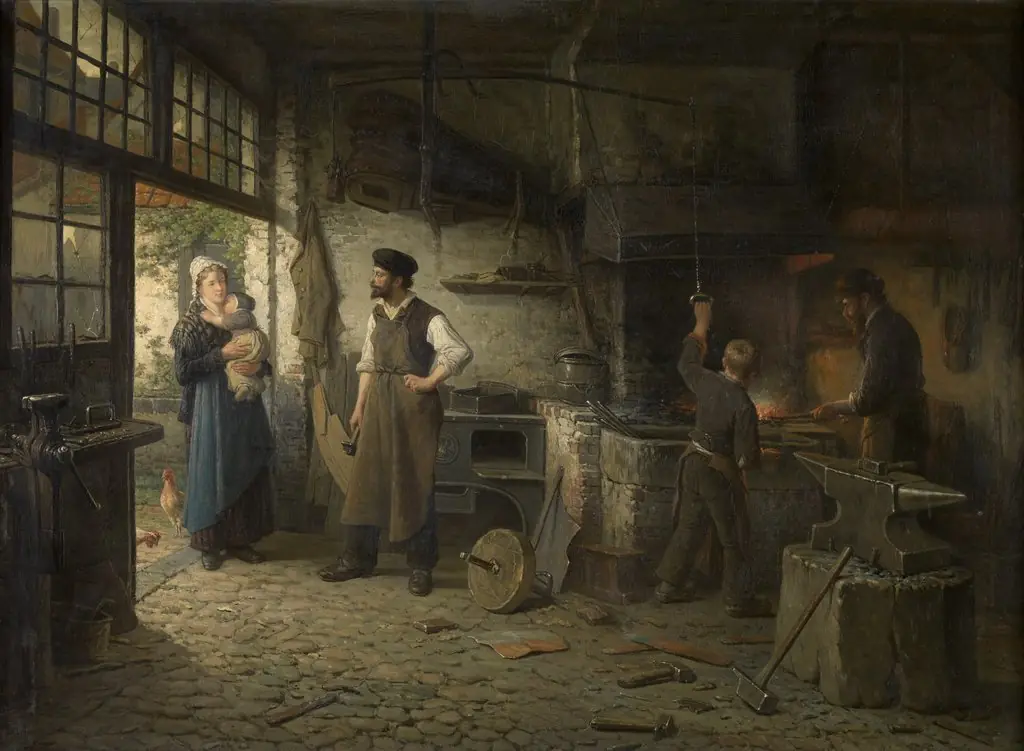 The Shoeing-Smith
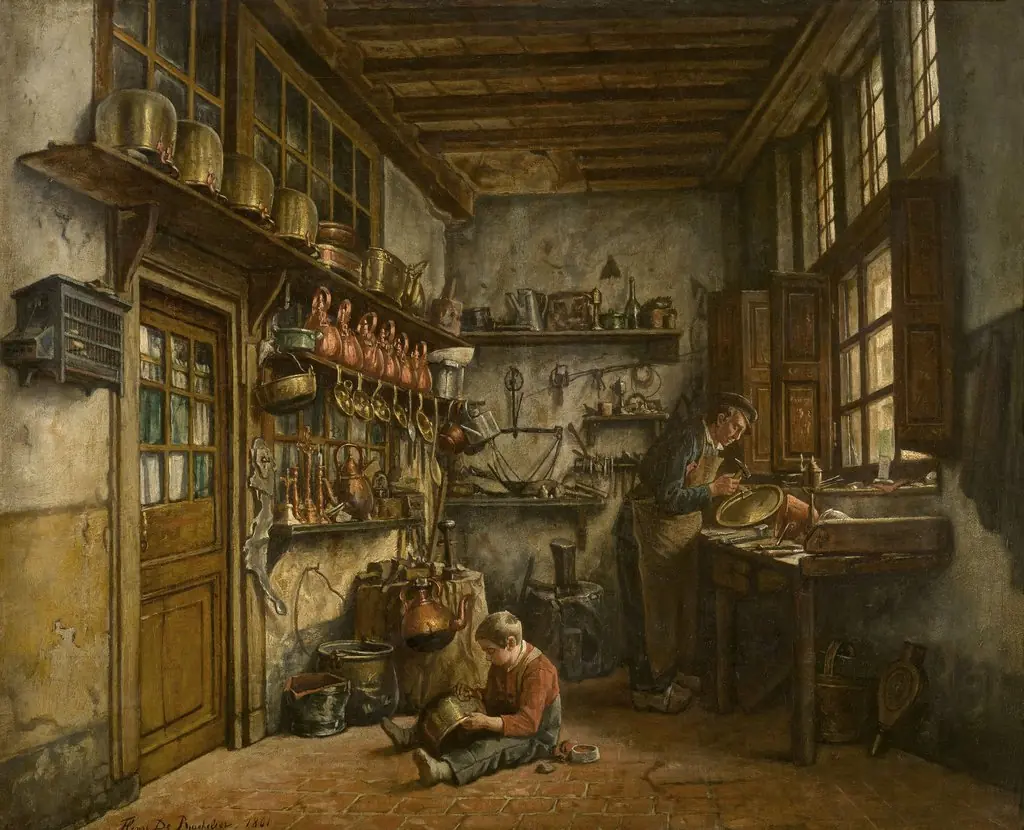 The Tinker
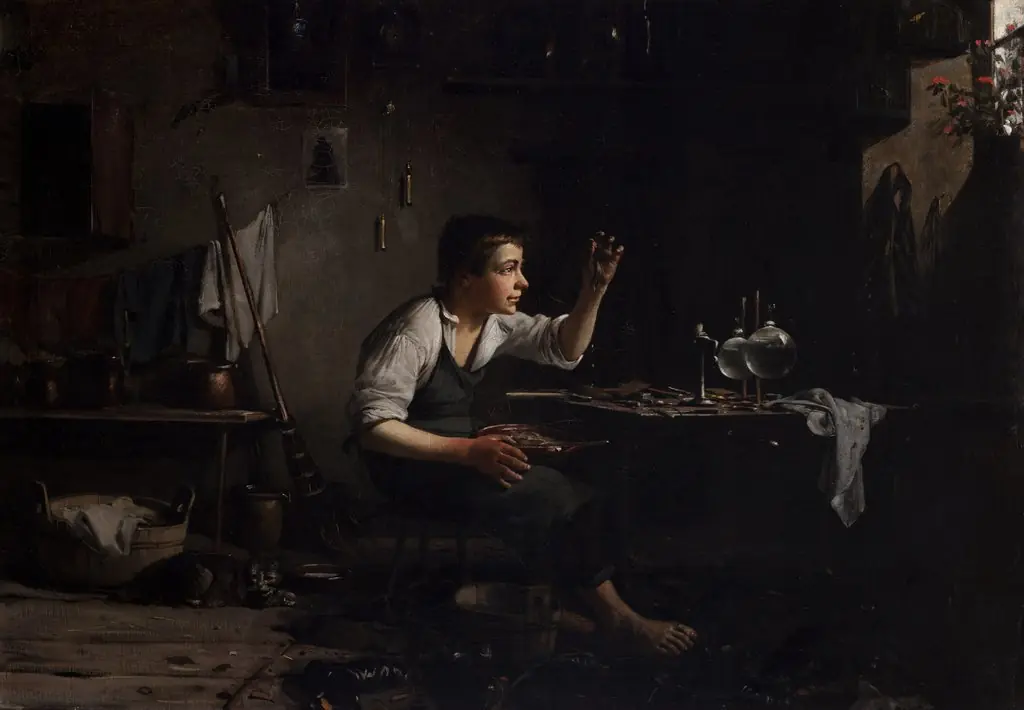 At the Shoemaker's
 Boerengezelschap binnenshuis
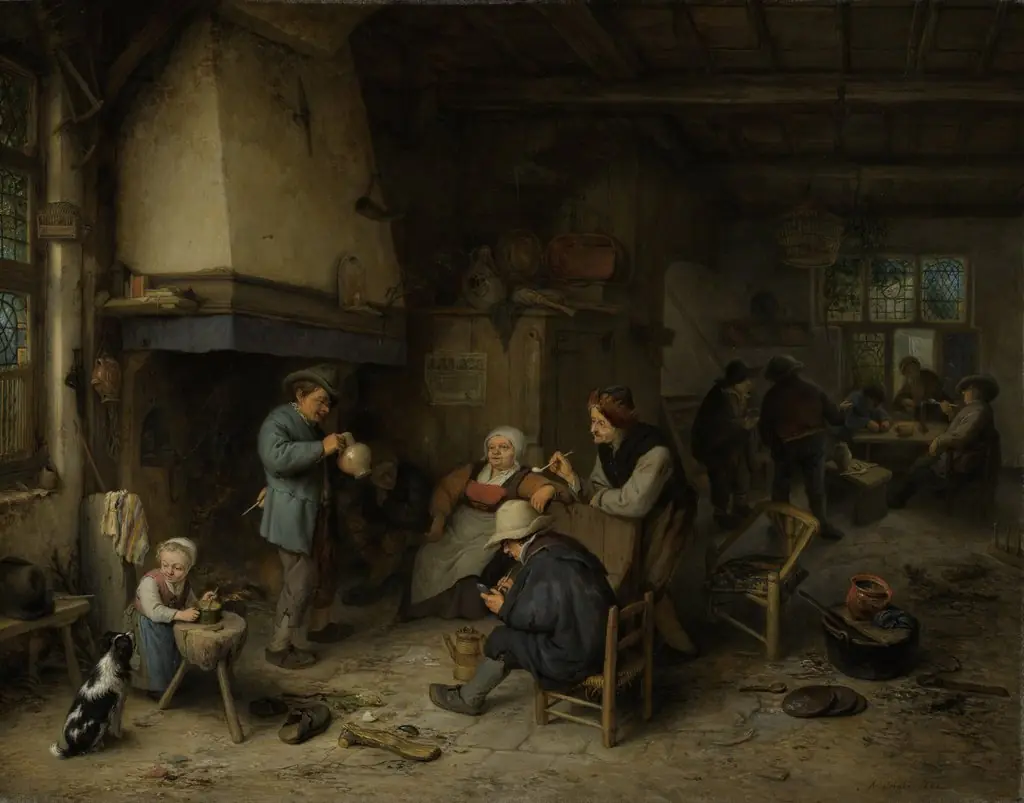 Peasants in an Interior
 I en kobbersmeds værksted