Artwork
The Adoration of the Kings
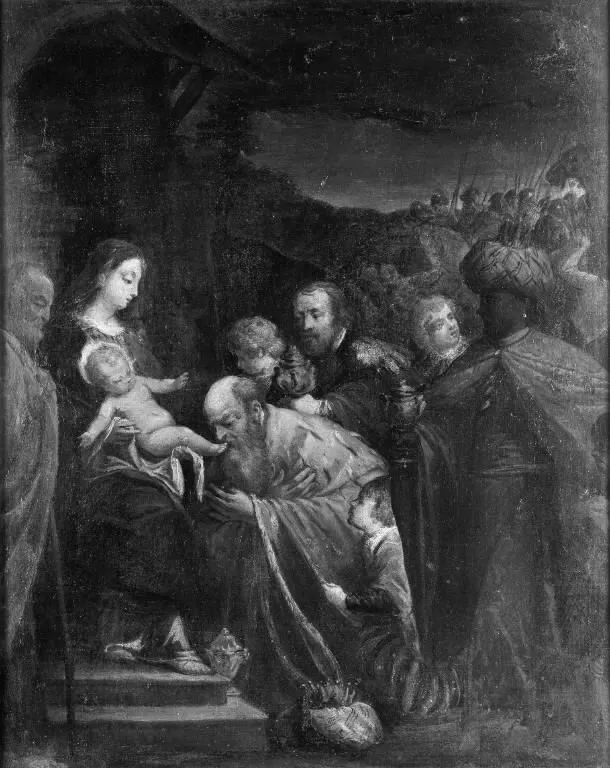
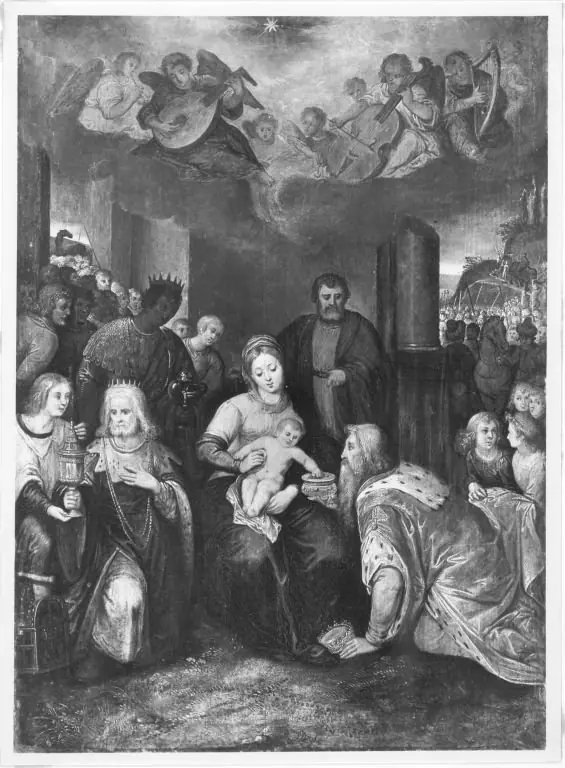
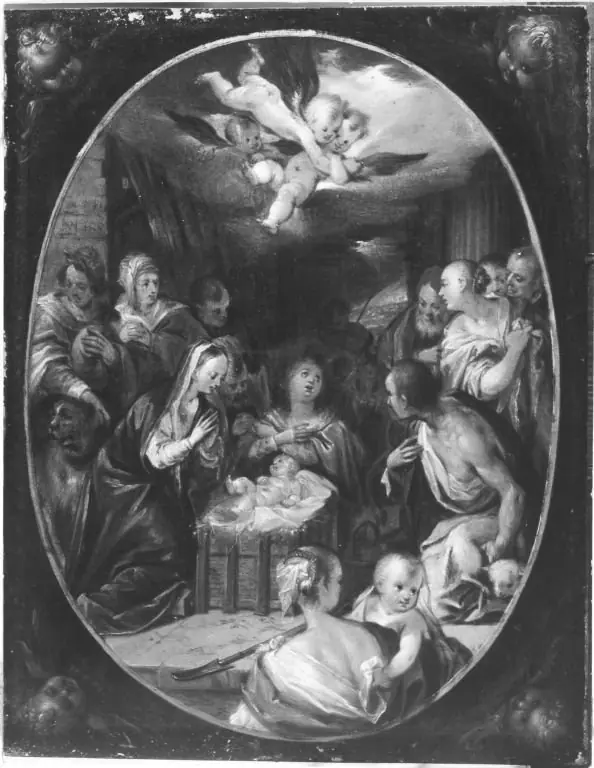
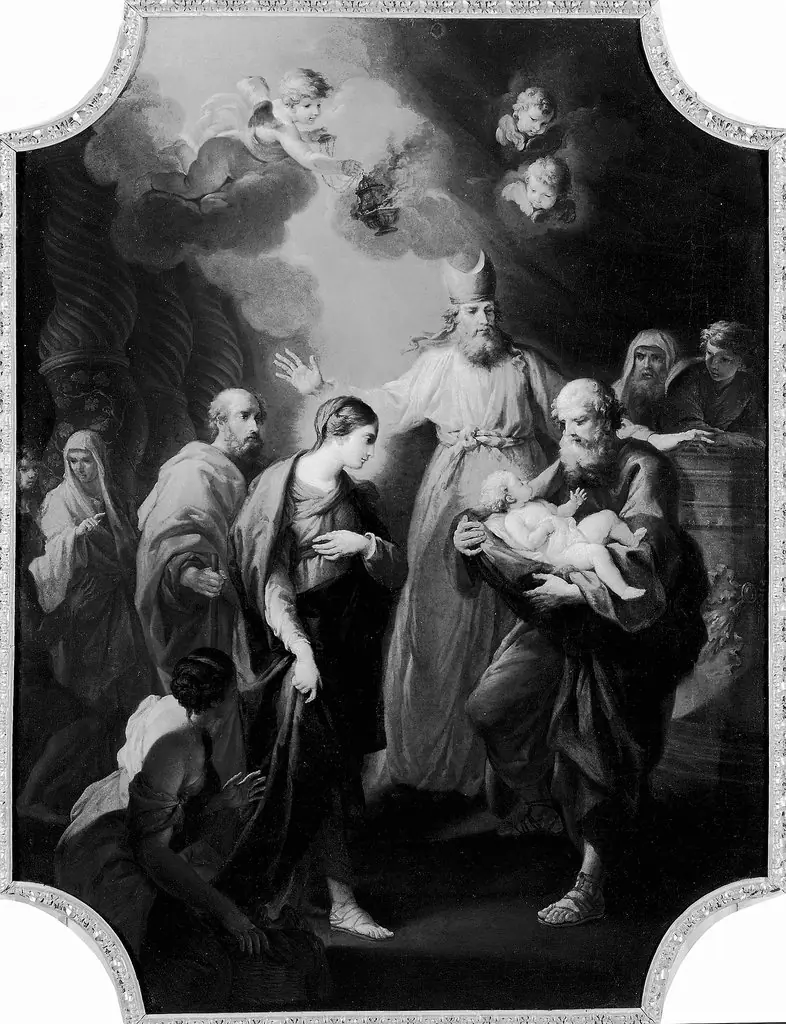
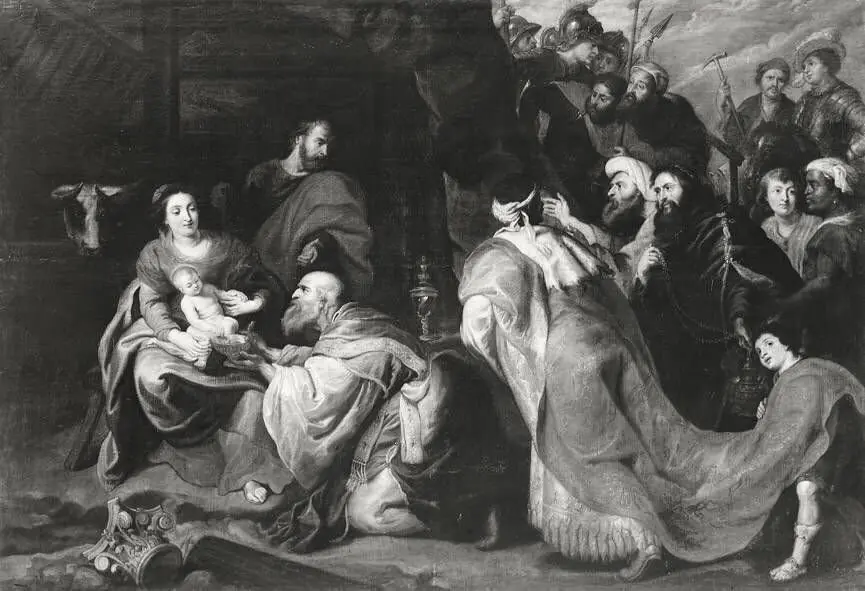
The Adoration of the Kings is an oil painting by the Rococo painting artist Antonio Visentini. It dates from 1721 and is held in the collection of the Statens Museum for Kunst.
About this work
Overview
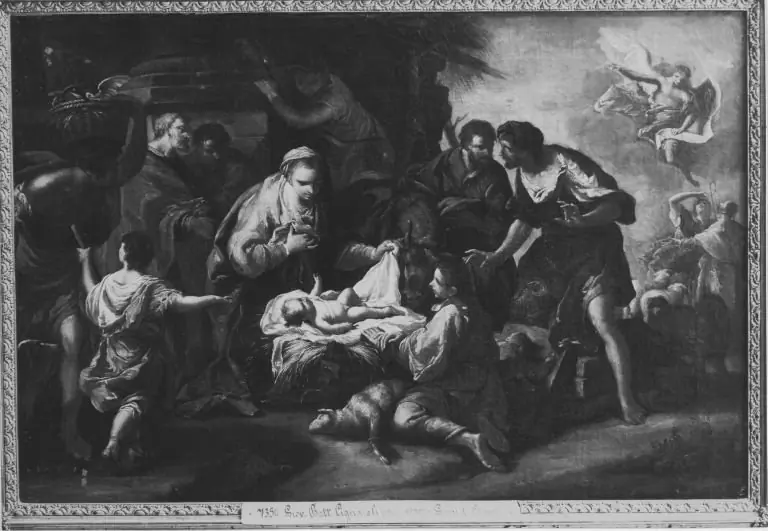
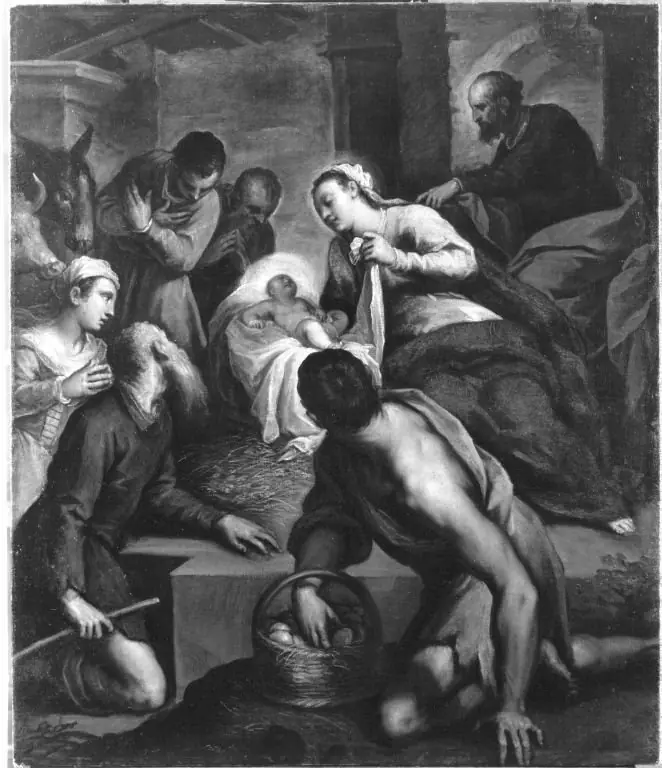
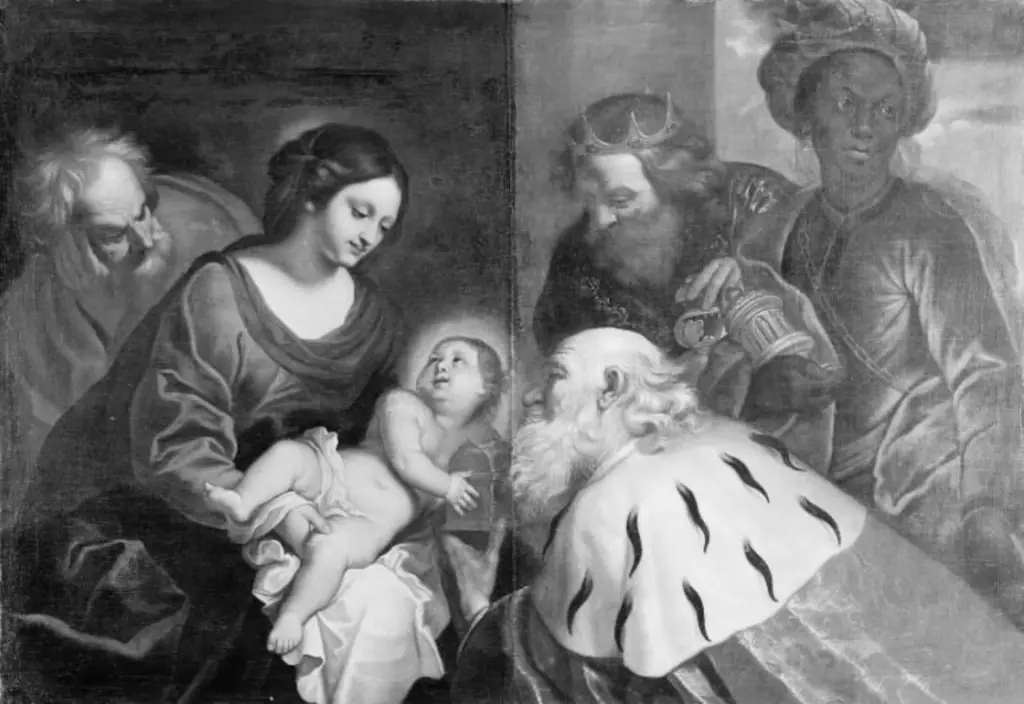
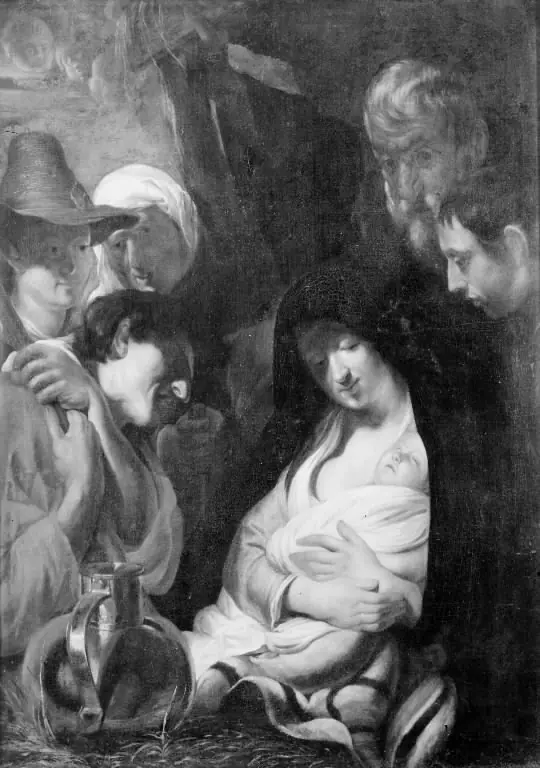
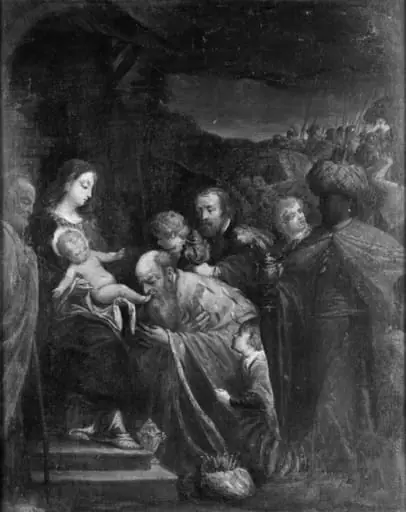
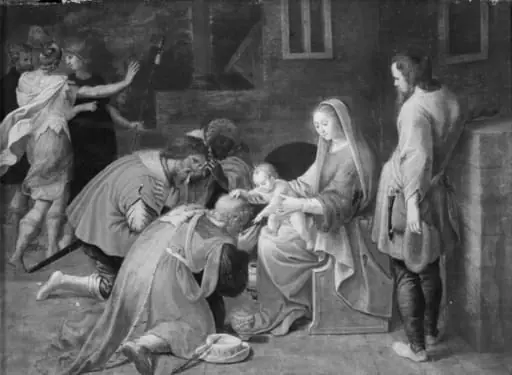
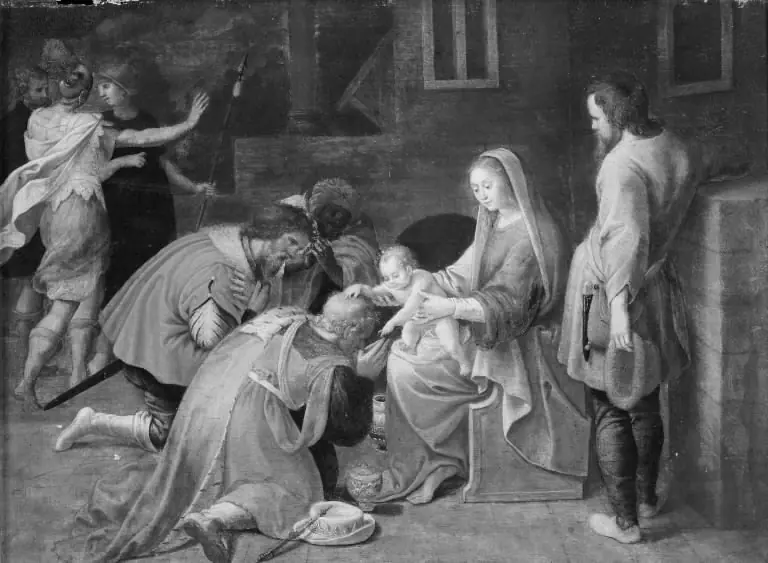
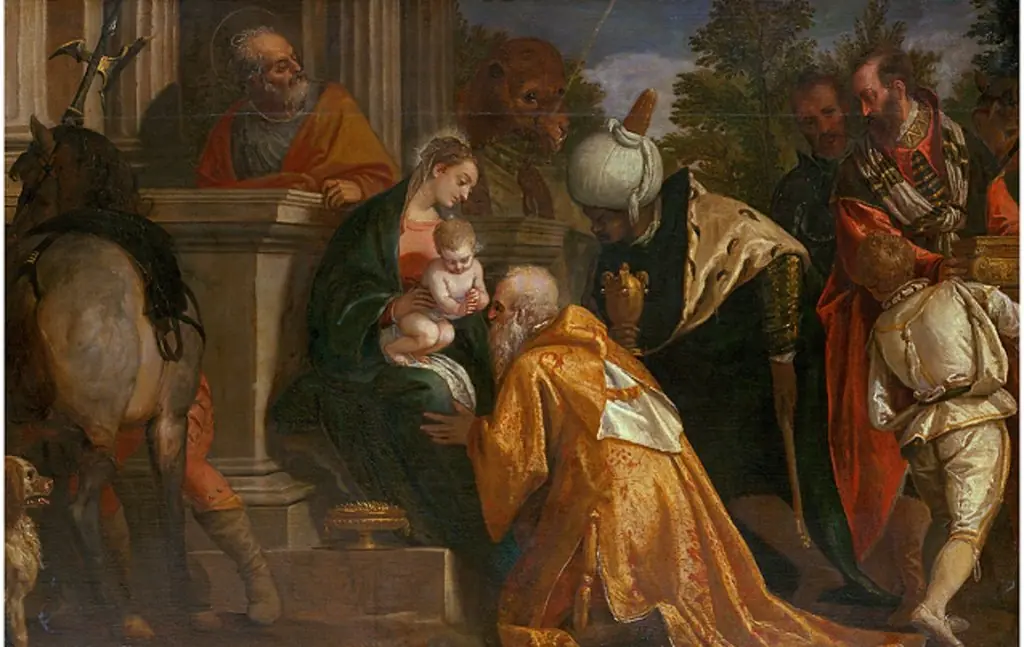
Antonio Visentini’s 1721 oil on canvas, titled *The Adoration of the Kings*, is part of the collection at Denmark’s Statens Museum for Kunst. The work presents a nocturnal interior where a group of figures surrounds a newborn Christ, who lies naked on a woman’s lap. The composition conveys a solemn atmosphere of reverence within a dimly lit, vaulted space.
Subject & Meaning
The central focus is the infant Jesus, attended by a woman—traditionally identified as the Virgin Mary—and a gathering of onlookers whose attire suggests early‑modern dress. Their attentive gazes and gestures emphasize the theological theme of homage to the newborn Messiah, a motif common in Christian art that underscores the recognition of his divine status by earthly witnesses.
Technique & Style
Visentini employs a restrained palette of deep shadows contrasted with illuminated figures, creating a chiaroscuro effect that heightens the drama of the scene. The brushwork is smooth, typical of early‑18th‑century Venetian painting, and the rendering of textures—from the fabric of the robes to the delicate flesh of the child—demonstrates the artist’s skill in handling oil medium.
History & Provenance
Executed in 1721, the painting entered the Statens Museum for Kunst’s holdings at an unspecified later date, where it remains on display. Its provenance prior to acquisition is not extensively documented, but the work reflects Visentini’s activity as a Venetian painter and engraver who traveled widely, contributing to the diffusion of Italian Baroque aesthetics.
Context
Created during a period when devotional subjects were popular among private collectors, *The Adoration of the Kings* aligns with the Counter‑Reformation’s emphasis on intimate, emotionally resonant religious scenes. Visentini’s choice of a confined interior, rather than an expansive landscape, mirrors contemporary trends that favored personal contemplation of sacred events.
Artist & collection
Artist
Antonio Visentini painted dramatic religious scenes in oil, working in Venice during the early 1700s.