Artwork
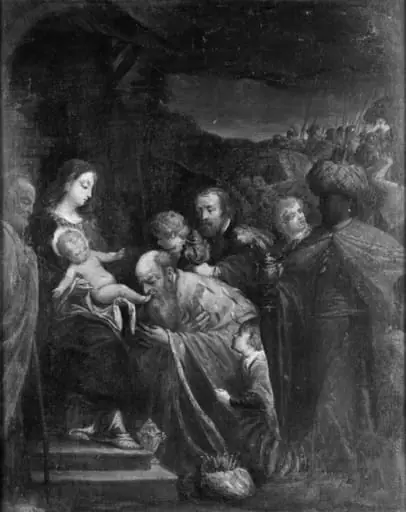
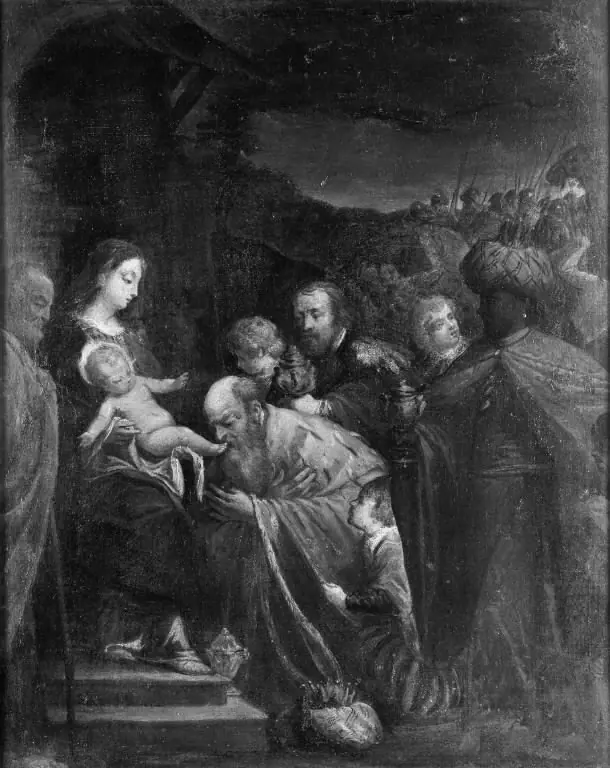
The Presentation in the Temple
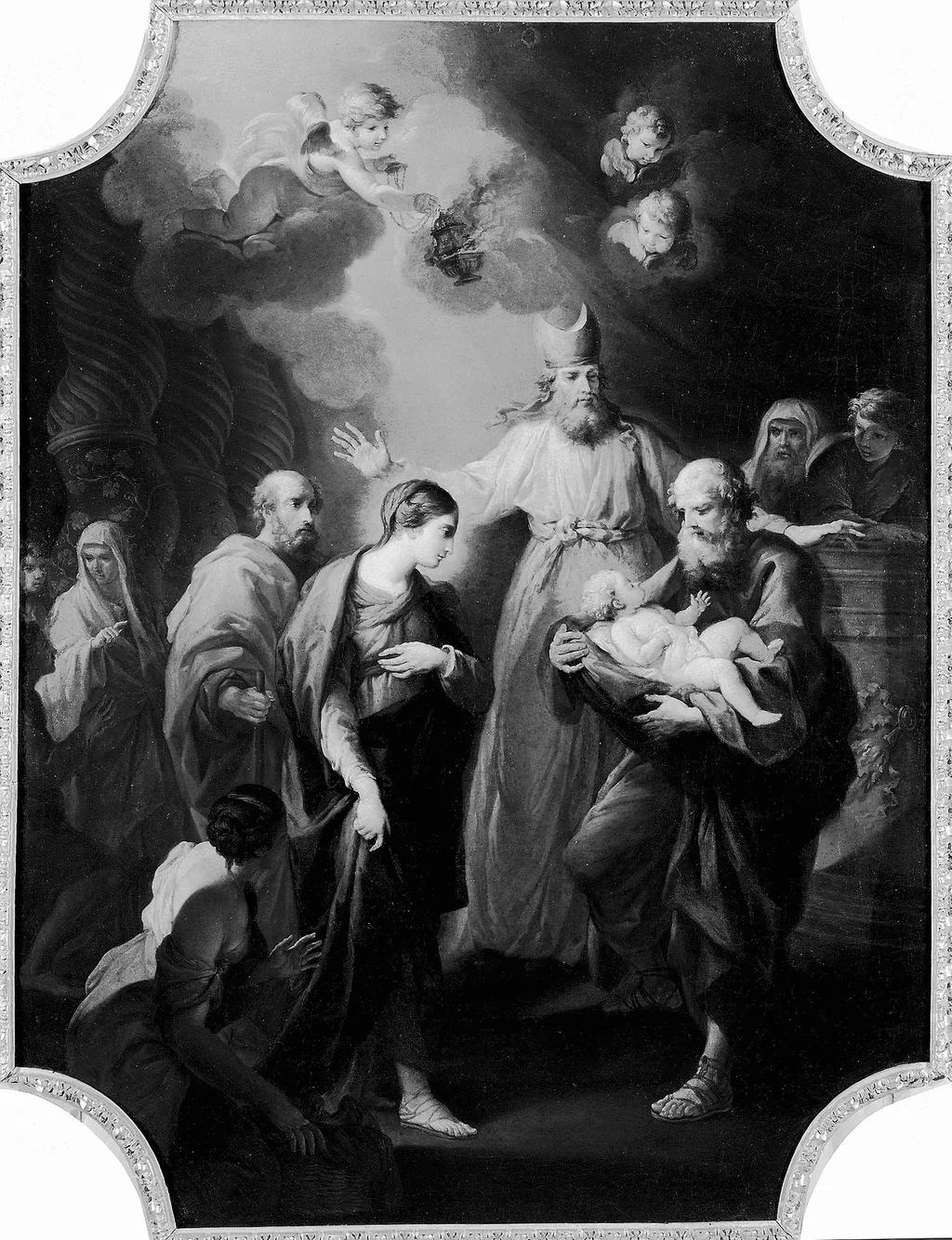
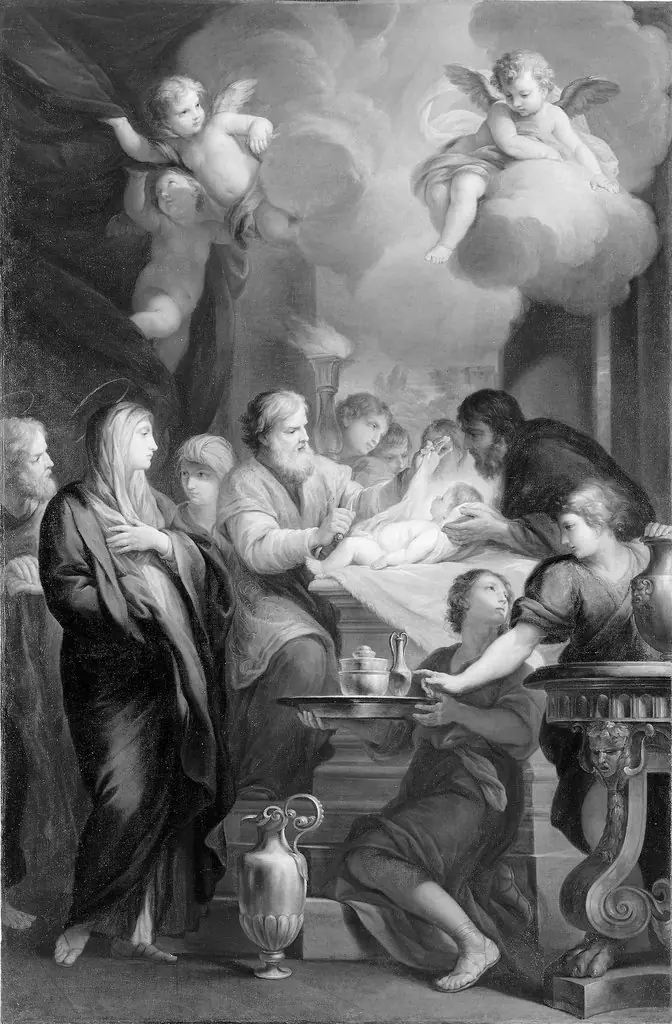
The Presentation in the Temple is an oil painting by the Rococo painting artist Stefano Pozzi. It dates from 1737 and is held in the collection of the Art Institute of Chicago.
About this work
Overview
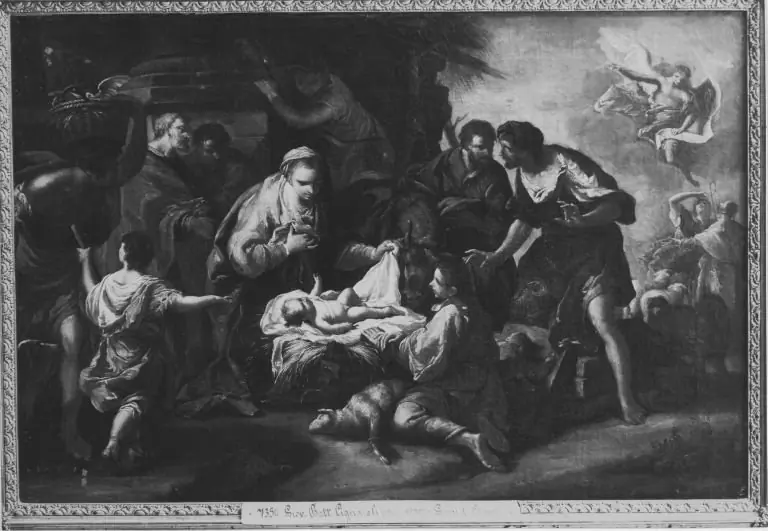
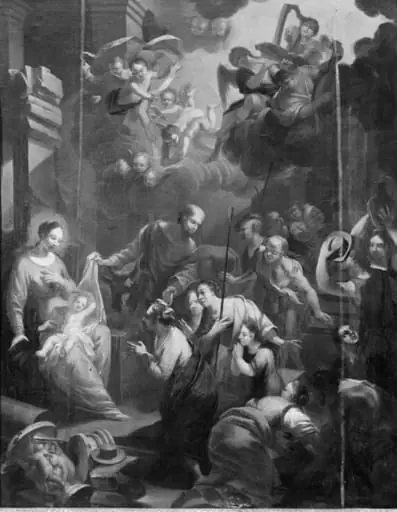
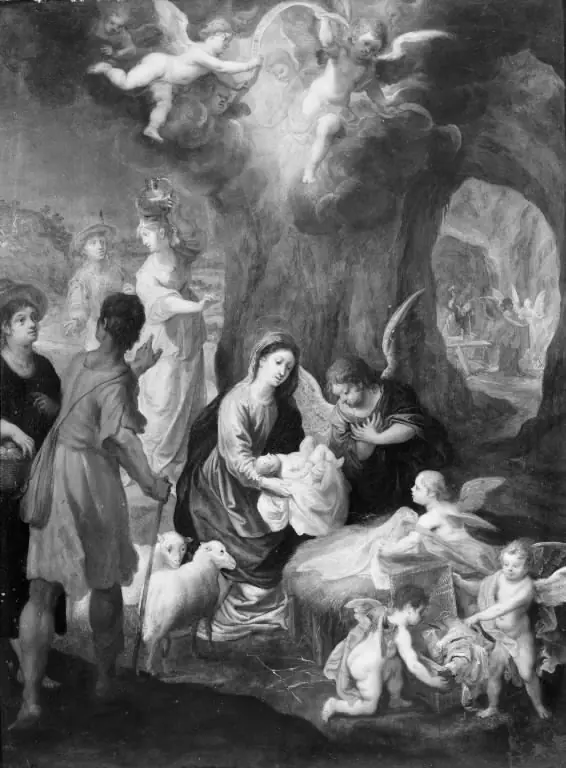
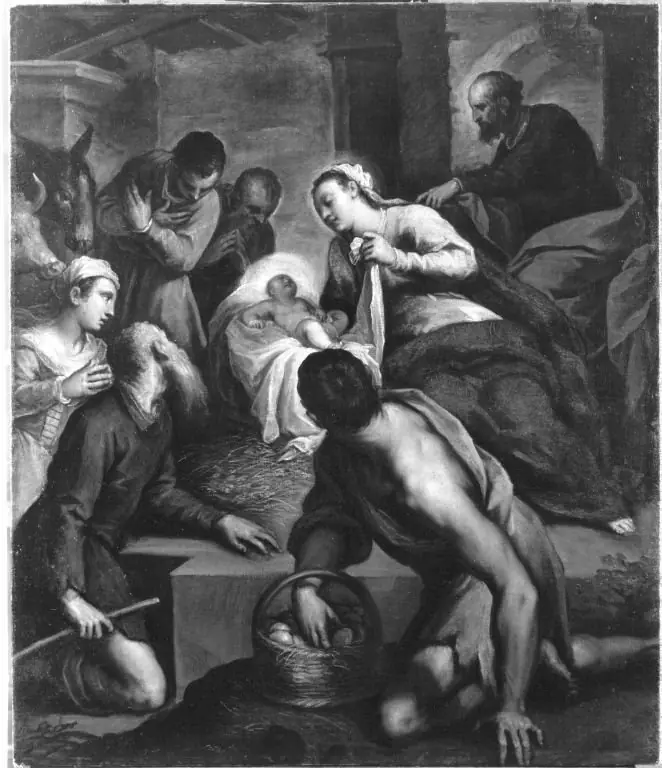
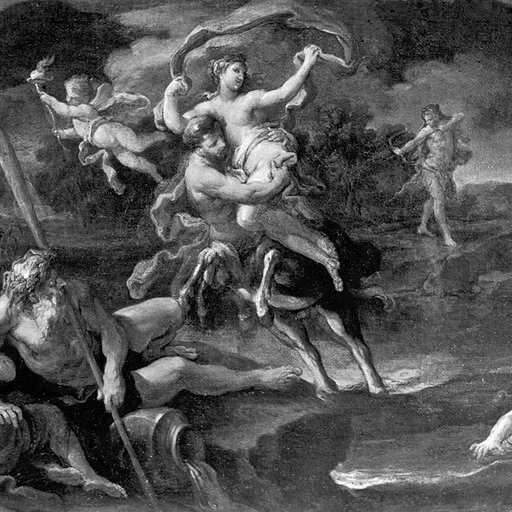
Painted in 1737 by Stefano Pozzi, this oil on canvas work depicts the biblical moment when Mary and Joseph present the infant Jesus at the Temple in Jerusalem.
Painted in 1737 by Stefano Pozzi, this oil on canvas work depicts the biblical moment when Mary and Joseph present the infant Jesus at the Temple in Jerusalem. The painting is part of the permanent collection at the Art Institute of Chicago. Its composition centers on a quiet, reverent gathering, rendered with restrained color and deliberate lighting to emphasize spiritual significance over dramatic action.
Subject & Meaning
The scene illustrates the ritual presentation of Jesus as described in the Gospel of Luke, where the child is offered to God and recognized by the prophet Simeon. Figures surrounding the central group observe in stillness, their gazes fixed on the infant. Above, faint winged forms suggest divine presence, reinforcing the sacred nature of the moment without overt supernatural spectacle.
Technique & Style
Pozzi employs chiaroscuro to model forms with subtle gradations of light and shadow, drawing focus to the infant and the hands reaching toward him. The palette is dominated by deep browns and muted tones, with selective highlights guiding the viewer’s eye. The background dissolves into shadow, isolating the figures and enhancing the intimacy of the moment.
History & Provenance
Commissioned for a religious context, the painting entered the Art Institute of Chicago’s collection in the early 20th century. Its journey from 18th-century Rome to a major American museum reflects broader patterns of European religious art entering public collections during periods of secularization and institutional growth in the United States.
Context
Created during the late Baroque period, the work aligns with Roman ecclesiastical painting traditions that favored emotional restraint and devotional clarity. While contemporaries often favored theatricality, Pozzi’s approach reflects a quieter, more contemplative strain of religious art, suited to private devotion and liturgical reflection.
Legacy
Though not widely reproduced, the painting exemplifies the transition from high Baroque drama to a more introspective religious aesthetic. It remains a quiet testament to the enduring power of understated composition in conveying sacred narrative, influencing later artists who prioritized spiritual atmosphere over spectacle.
Artist & collection
Artist
Stefano Pozzi was an Italian painter, designer, draughtsman, and decorator whose career was spent largely in Rome.