Artwork
Catherine of Hapsburg, the Wife of King John III of Portugal
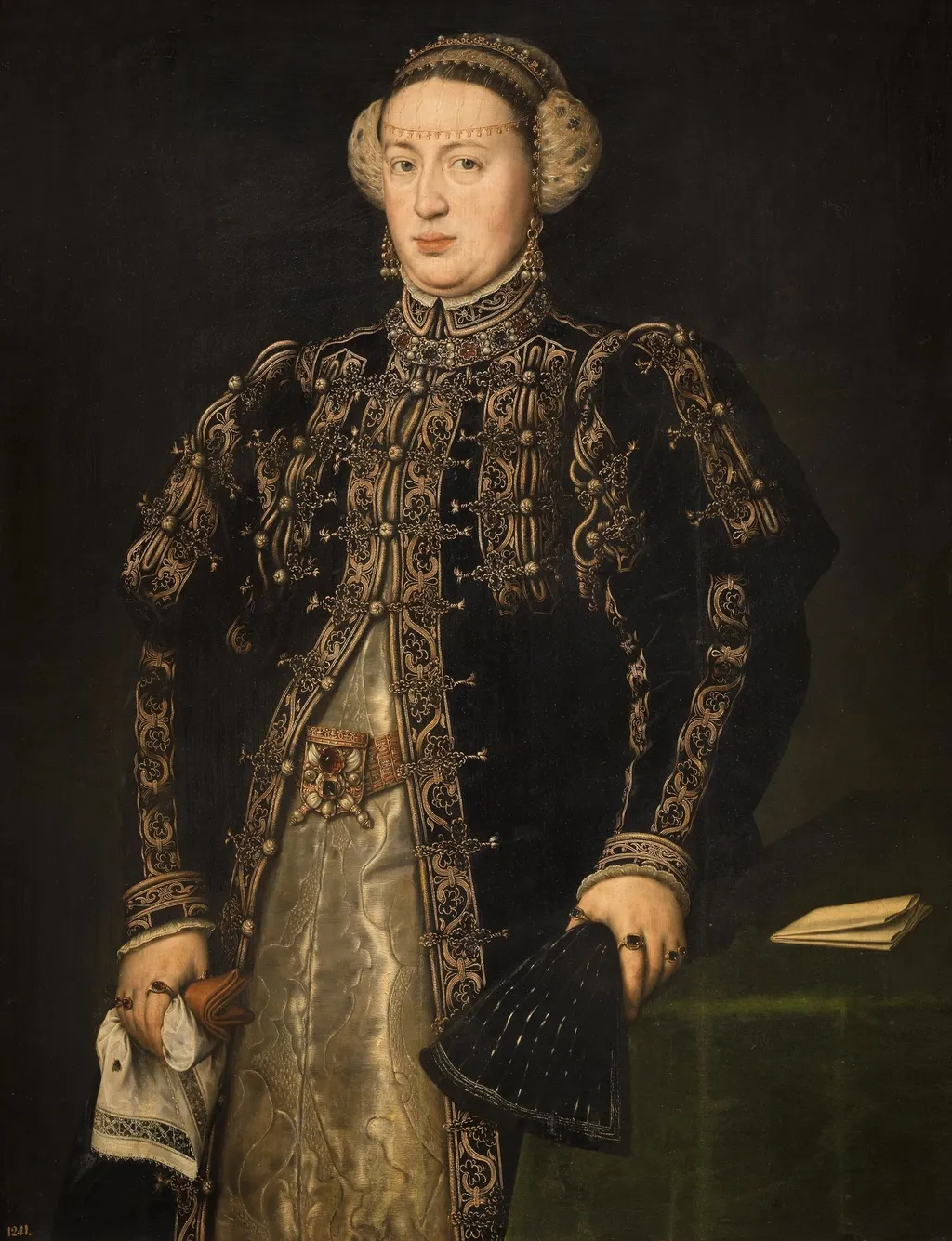
Catherine of Hapsburg, the Wife of King John III of Portugal is an oil painting by the Flemish Baroque painting artist Antonis Mor. It dates from 1552 and is held in the collection of the Museo del Prado.
About this work
Overview
In 1552 Antonis Mor created an oil painting on panel portraying Catherine of Austria, the consort of King John III of Portugal. The work, now part of the Museo del Prado collection, exemplifies the formal court portraiture typical of Mor’s output during the mid‑16th century. Its composition centers the queen in a dark setting, accompanied by a young child and a closed book.
Subject & Meaning
The portrait presents Catherine dressed in an elaborate black gown trimmed with gold thread, a high ruff, and a jeweled accessory that signals her royal status. A small child in a plain white dress holds her hand, suggesting maternal duty or dynastic continuity, while the book may allude to piety or education, reinforcing the queen’s cultivated image.
Technique & Style
Mor employs a restrained palette and careful modelling of light, creating a subtle chiaroscuro that highlights the sheen of the gold embroidery against the sombre fabric. The rendering of textures—silk, metal, and skin—demonstrates the Flemish Baroque attention to detail, while the overall compositional balance reflects the influence of Titian’s court portrait conventions.
History & Provenance
Originally commissioned for the Portuguese court, the painting entered the Spanish royal collection before being transferred to the Prado Museum, where it remains on display. Its attribution to Mor, a Netherlandish artist who worked for numerous European monarchs, underscores the cross‑court exchange of artistic talent during the Renaissance.
Context
Mor’s career spanned the courts of Spain, Portugal, and the Holy Roman Empire, and his portrait style became a model for Iberian painters. The work reflects the political alliance between the Habsburgs and Portugal, illustrating how visual art served diplomatic and dynastic purposes in the mid‑16th century.
Own this work as a print
Artist & collection
Artist
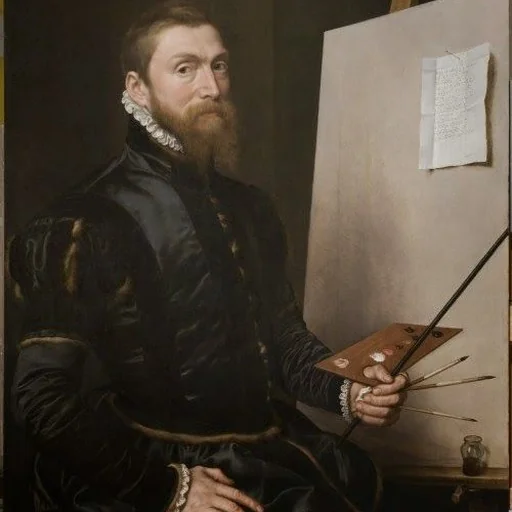
Anthonis Mor, also known as Anthonis Mor van Dashorst and Antonio Moro (c. 1517 – 1577), was a Netherlandish portrait painter, much in demand by the courts of Europe. He has also been referred to as Antoon, Anthonius,…

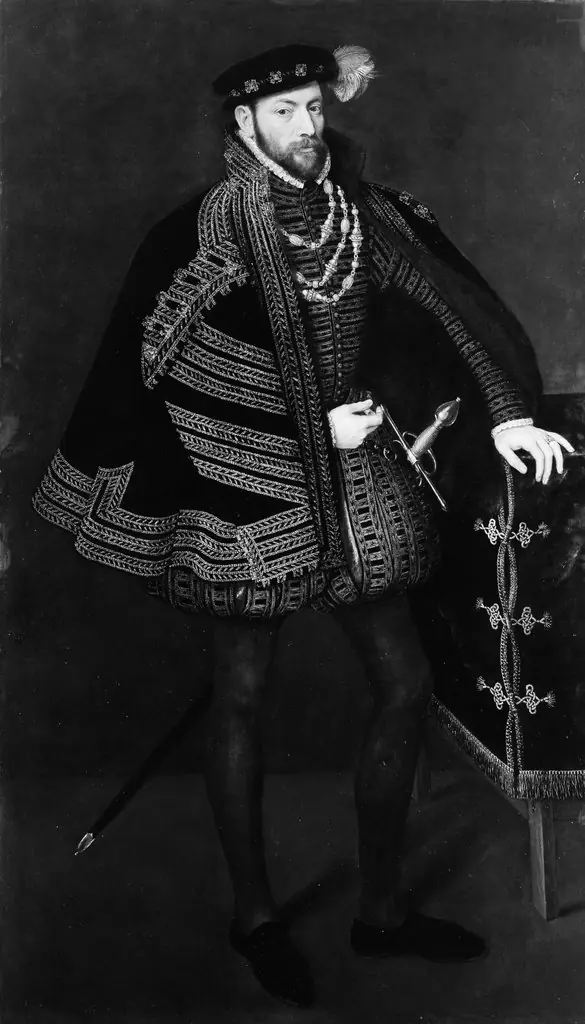 Portrait of a Man, Possibly Ottavio Farnese (1524–1586), Duke of Parma and Piacenza
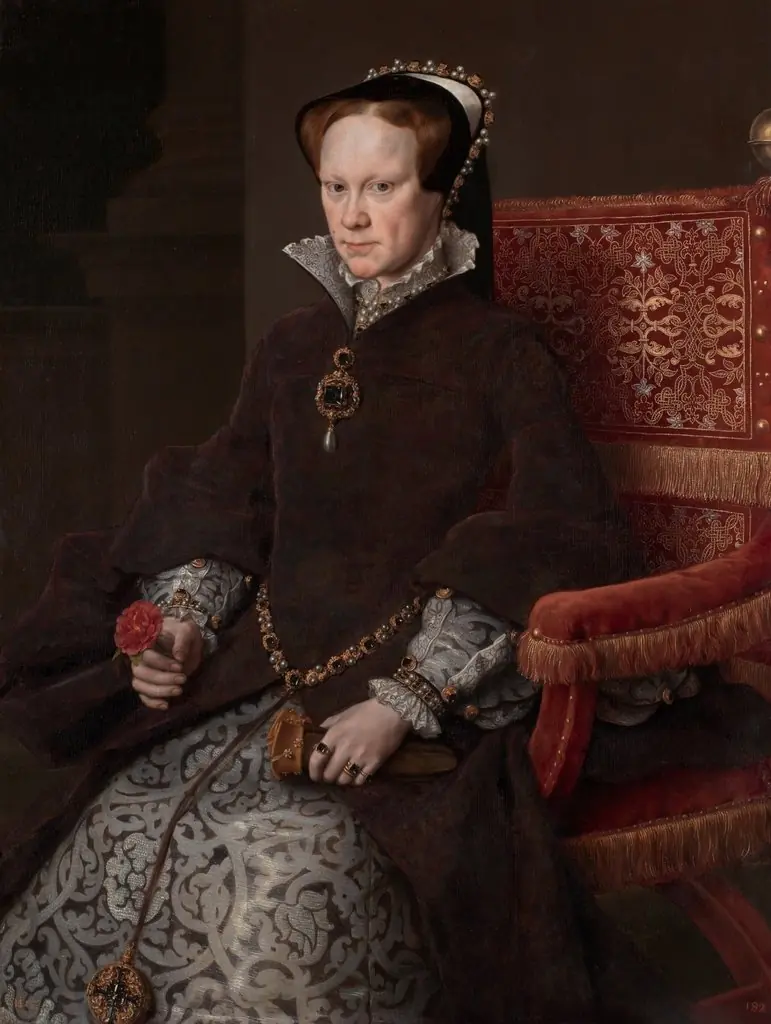 Portrait of Mary Tudor
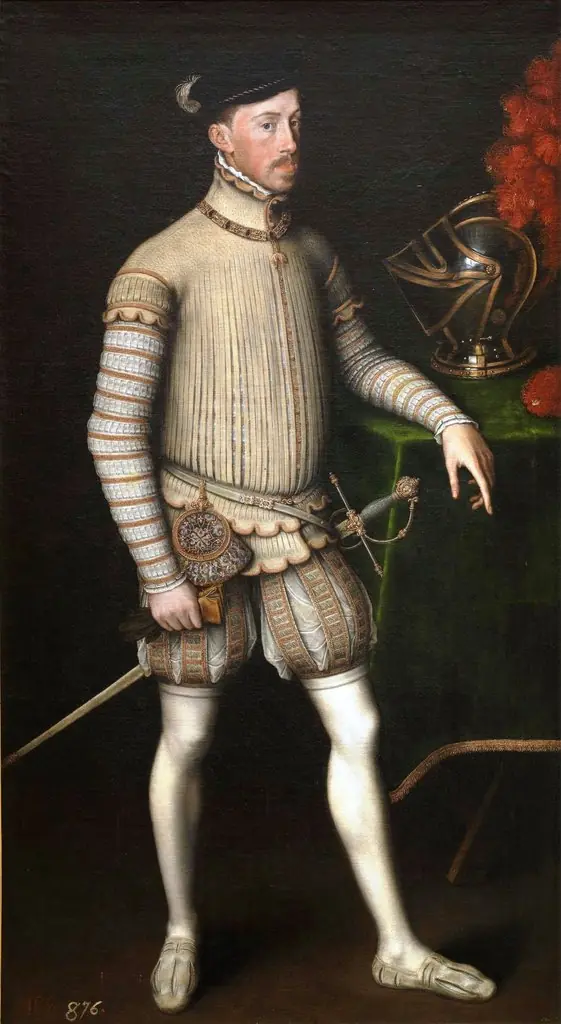 Emperor Maximilian II
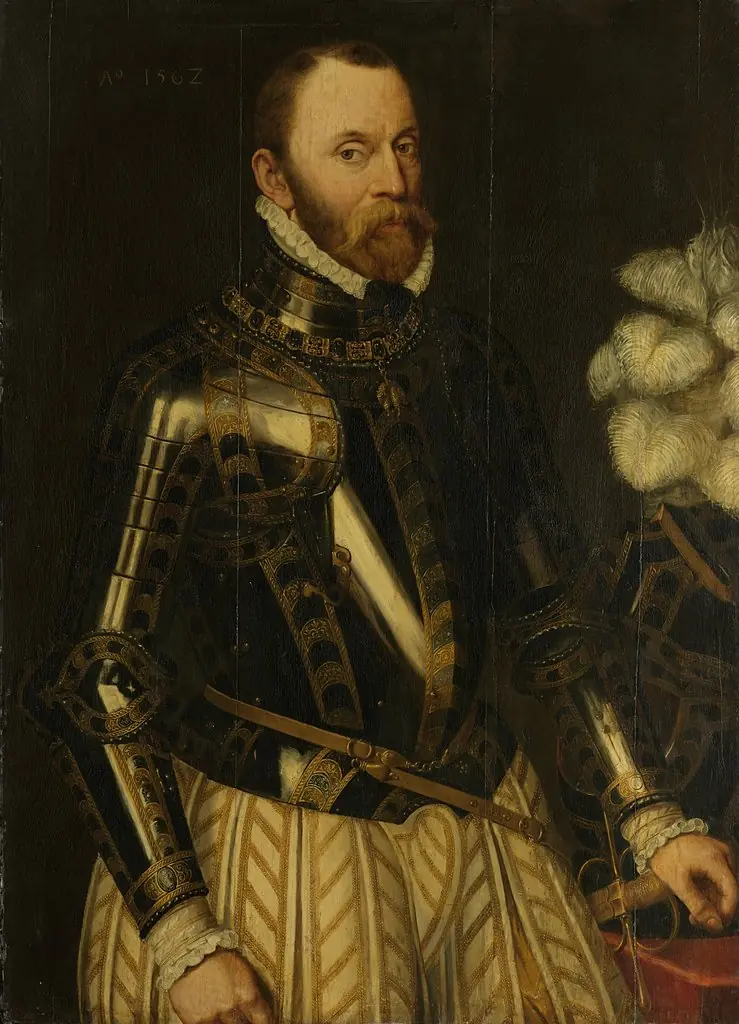 Philippe de Montmorency
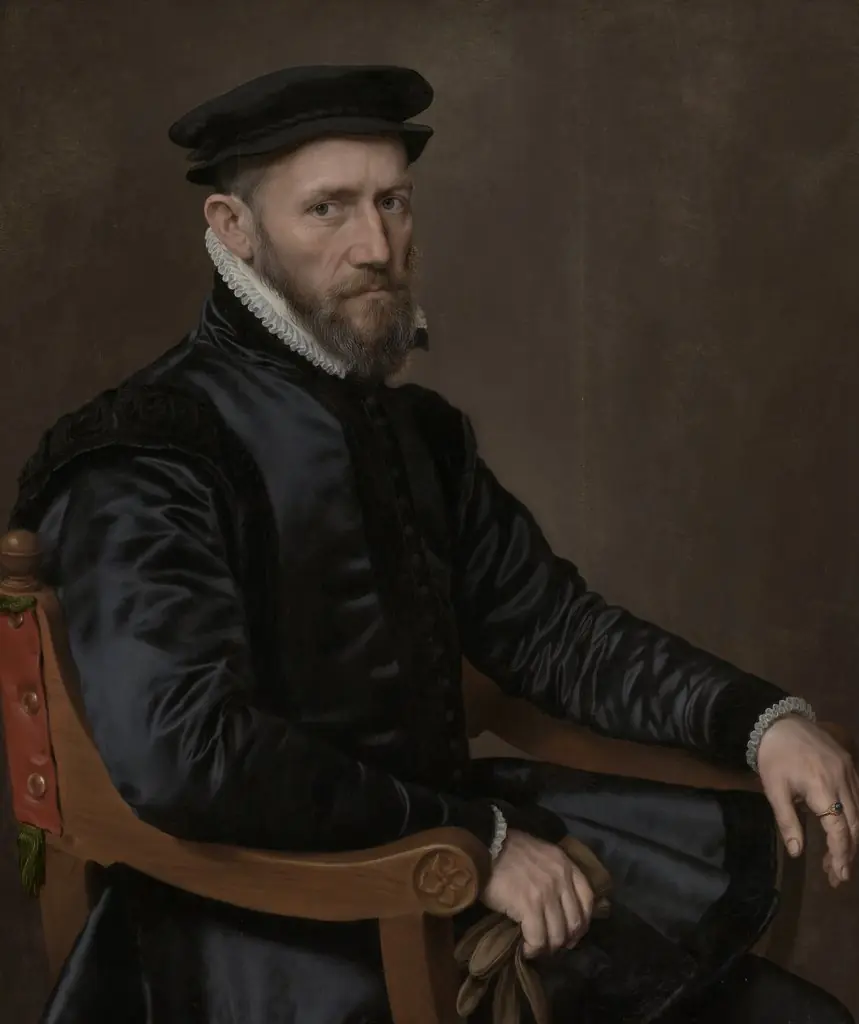 Portrait of Sir Thomas Gresham, pendant to portrait of Anne Fernely
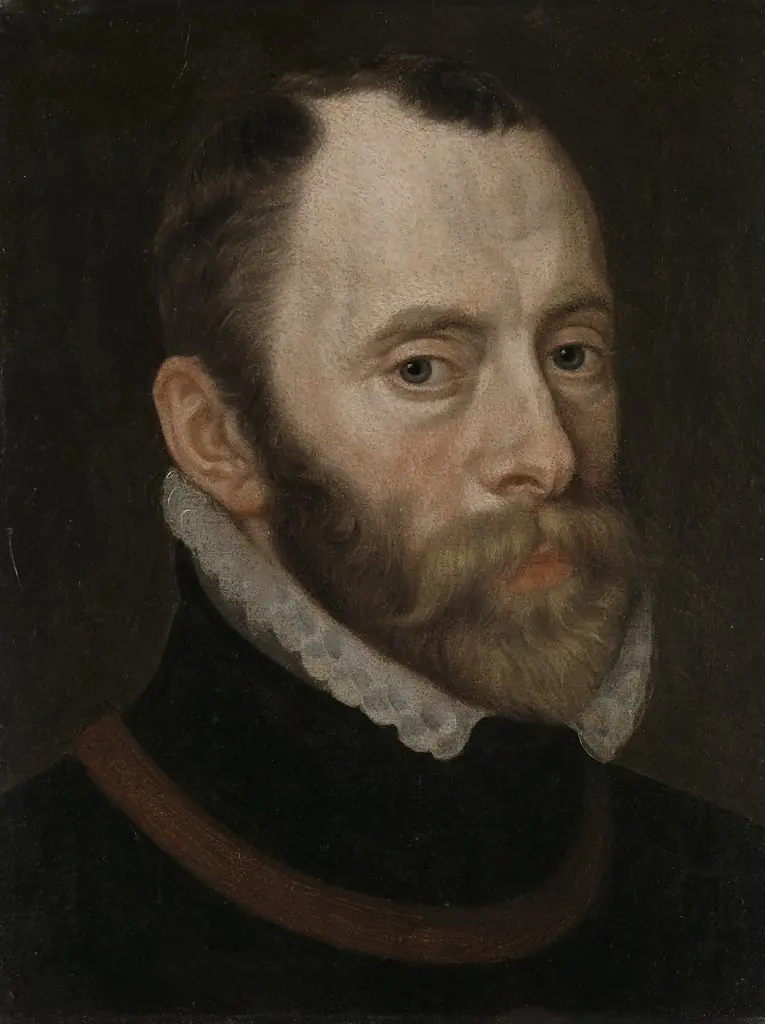 Portrait of Philippe de Montmorency, Count of Hoorne, Admiral of the Netherlands, Member of the Council of State
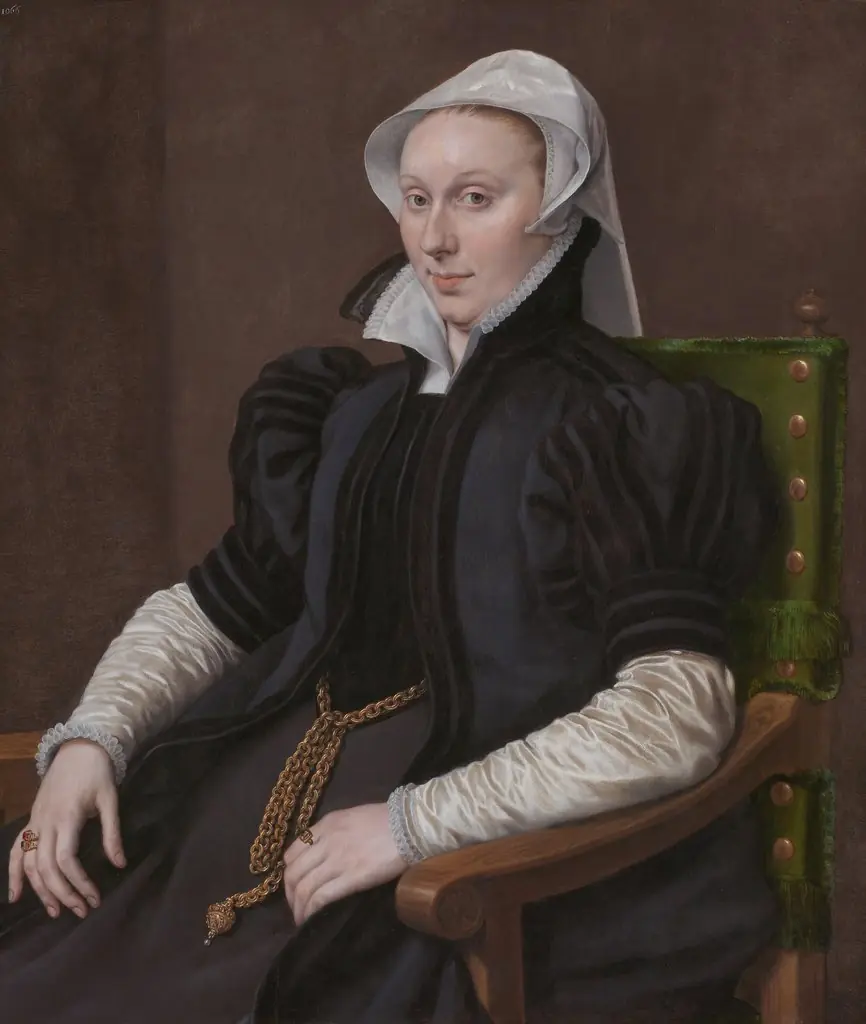 Portrait of Anne Fernely, pendant to Sir Thomas Gresham
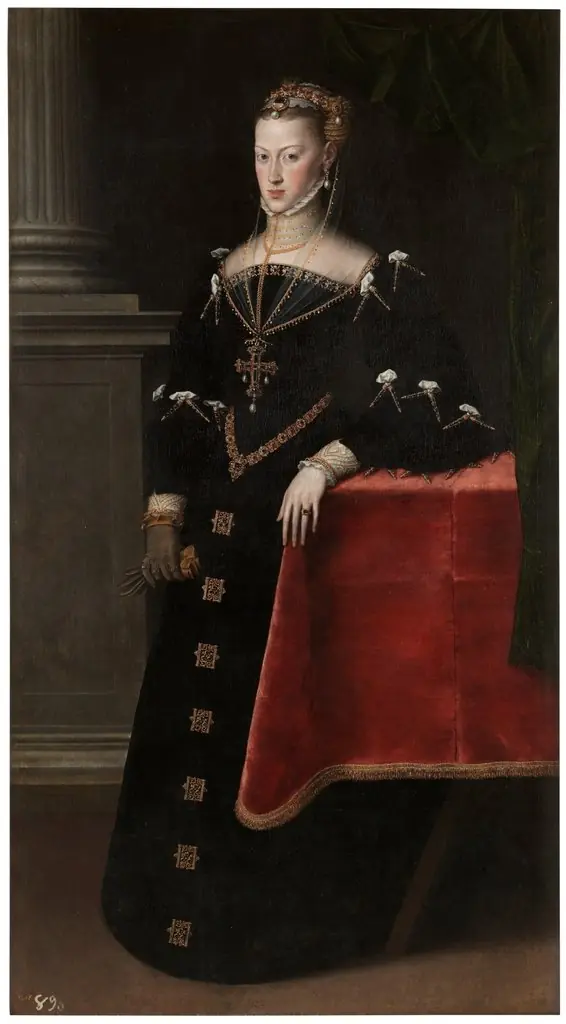 Empress Maria of Austria, Wife of Maximilian II
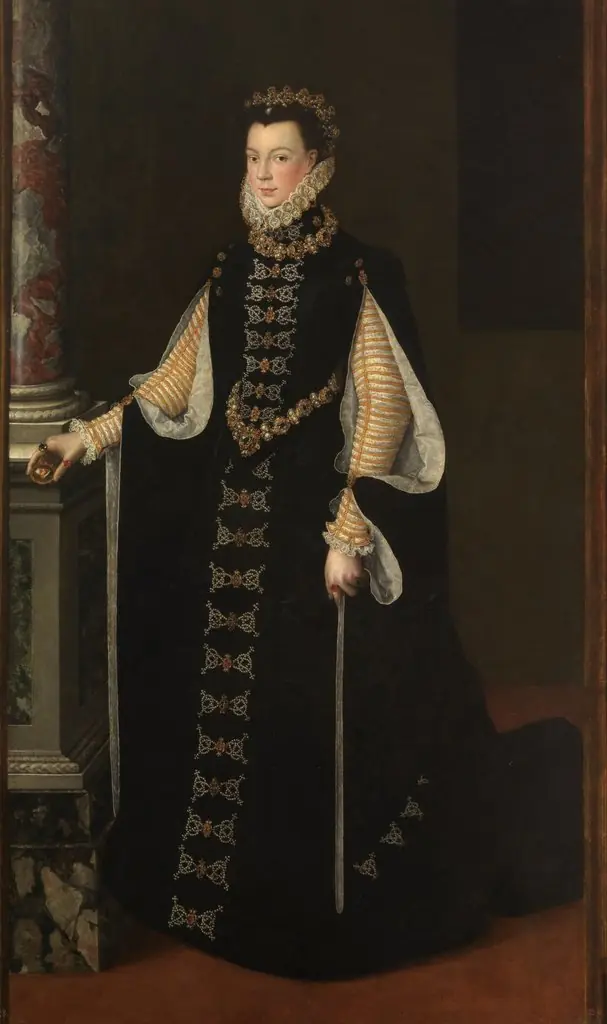 Portrait of Elisabeth of Valois
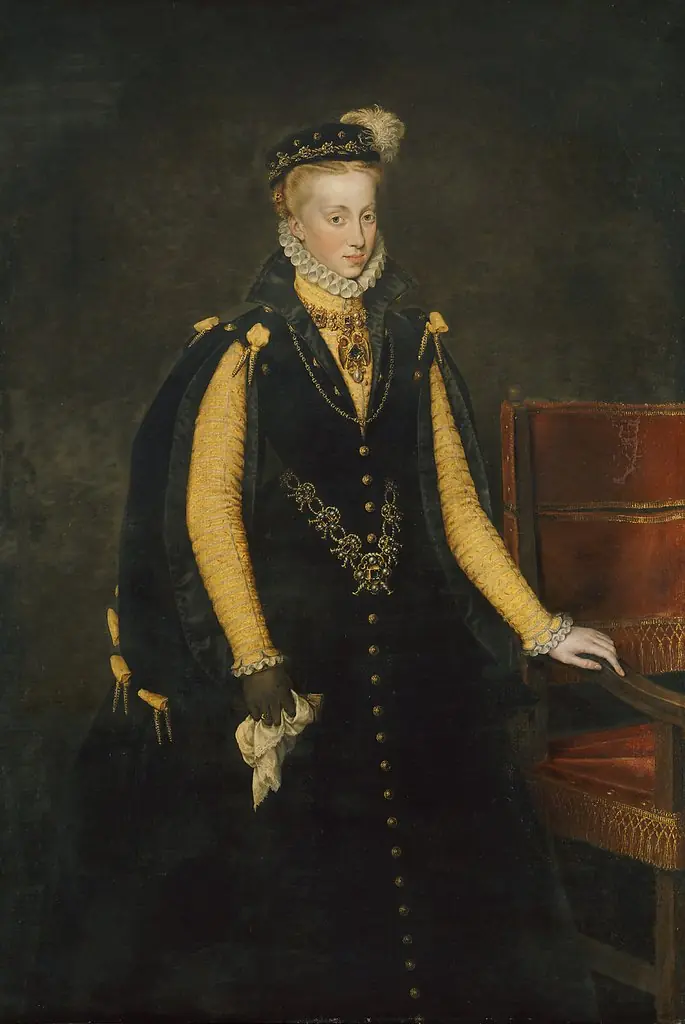 Anna von Österreich, Königin von Spanien
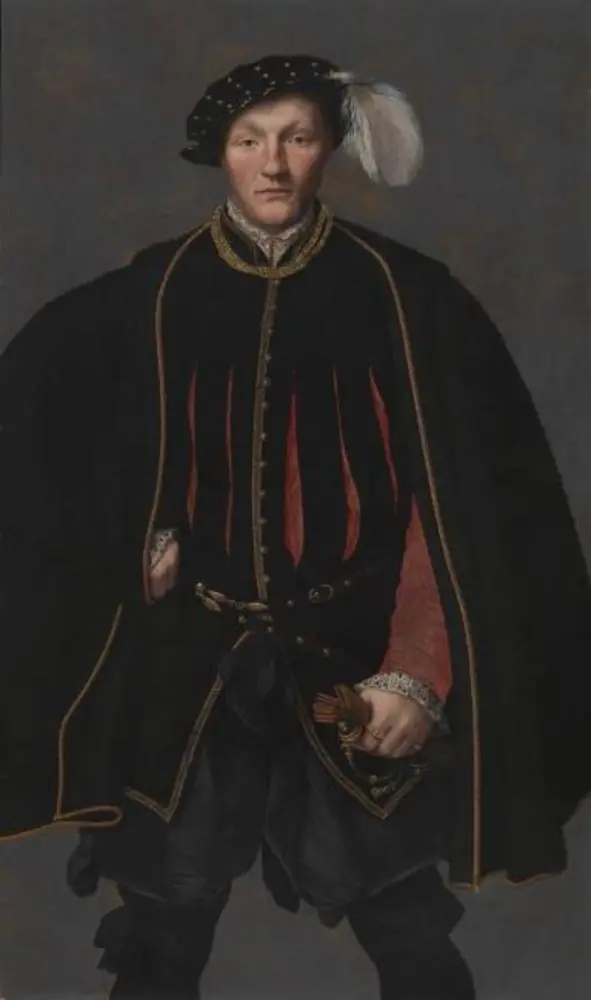 Portrait of a Gentleman, probably of the West Family
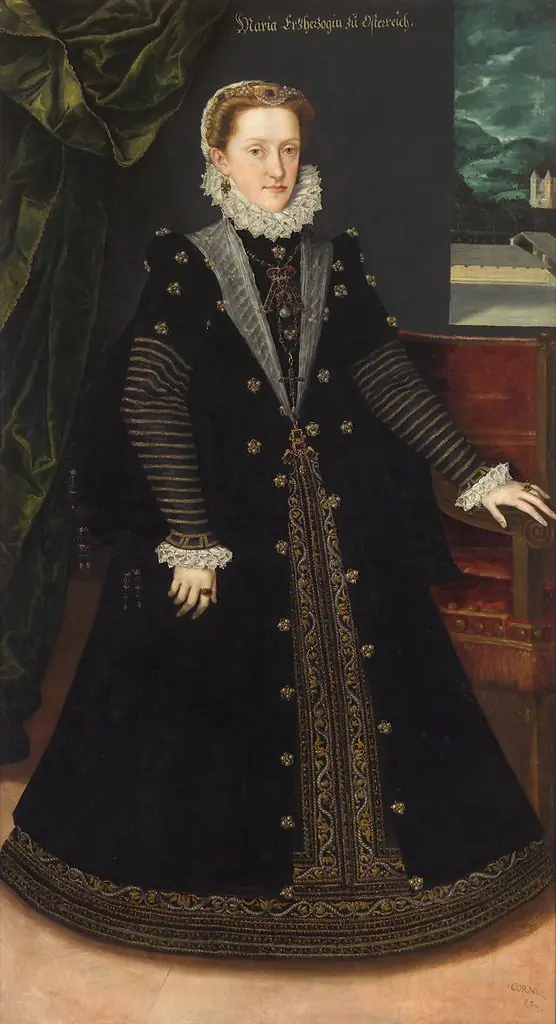 Portrait of Archduchess Mary Anna of Bavaria
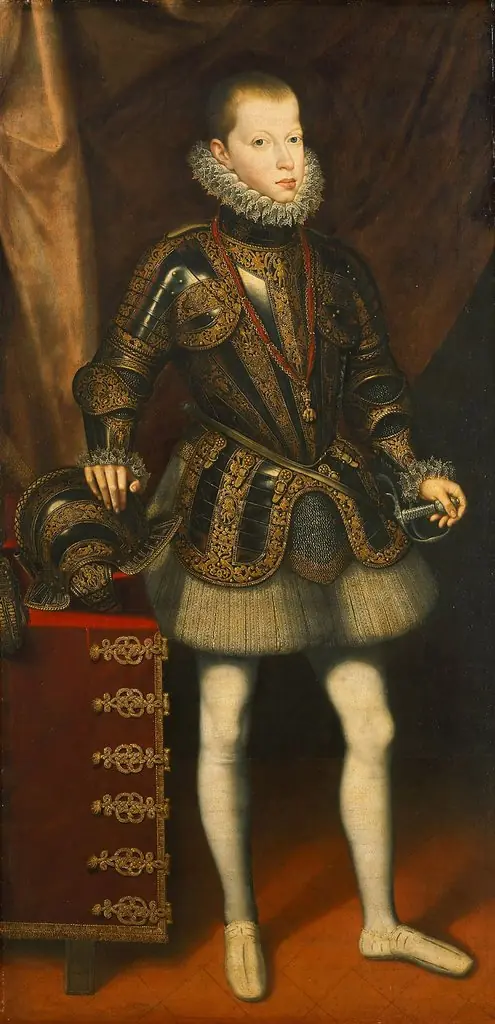 Infant Philipp in einem Harnisch
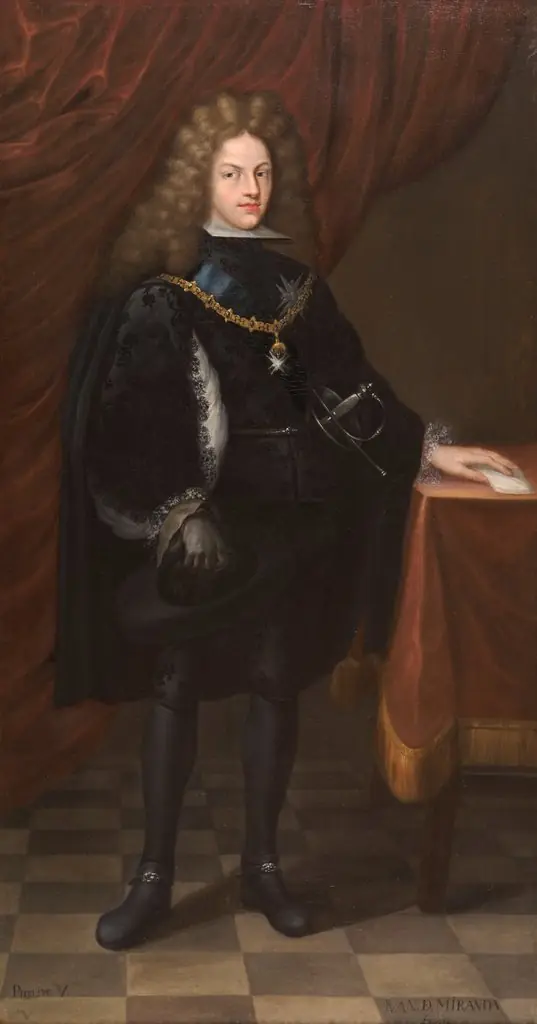 Philip V of Spain
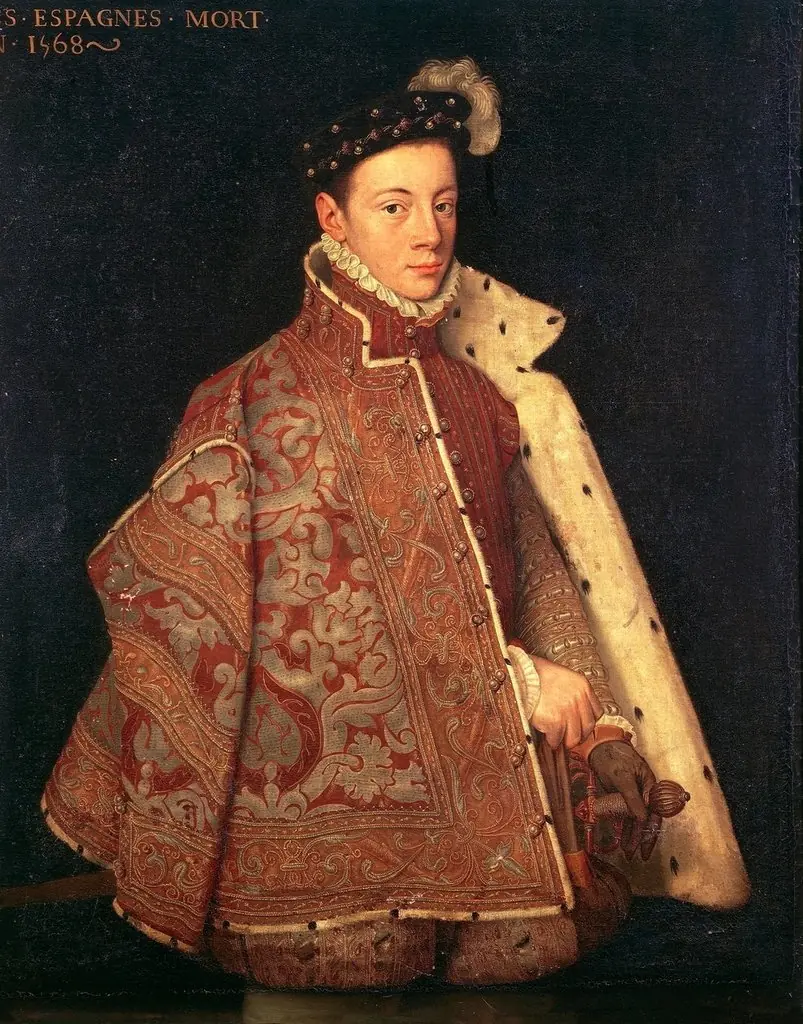 Portrait of Alessandro Farnese
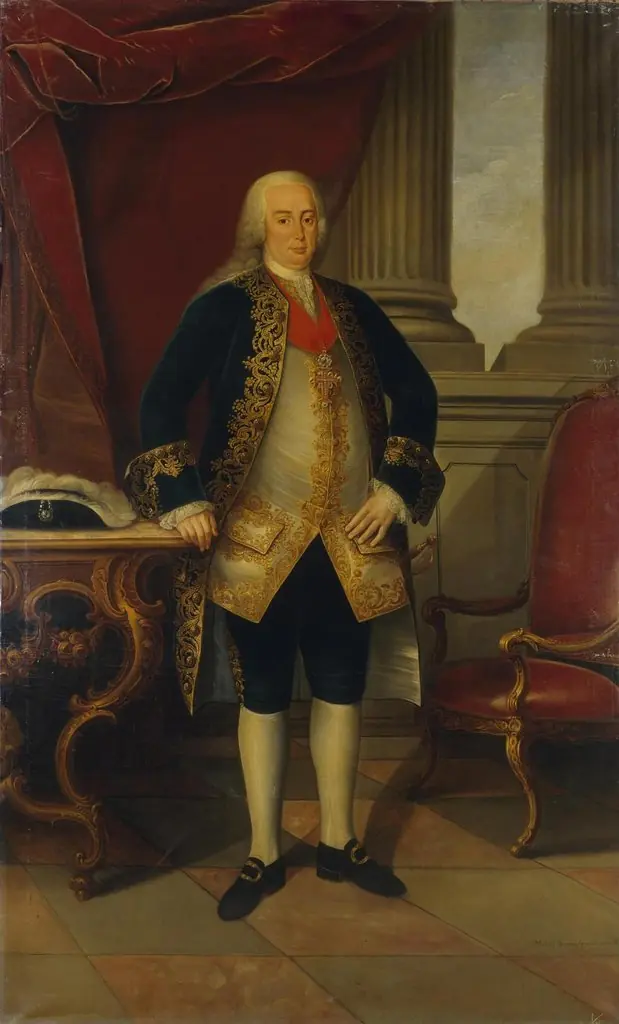 Portrait of Pedro, Prince of Brazil (1717-1786)
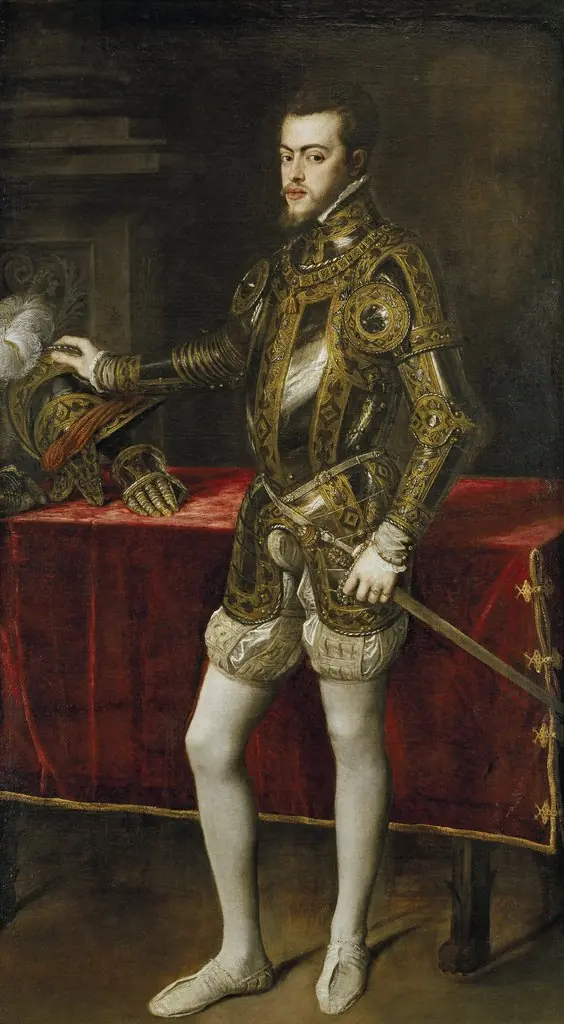 Philip II in Armour
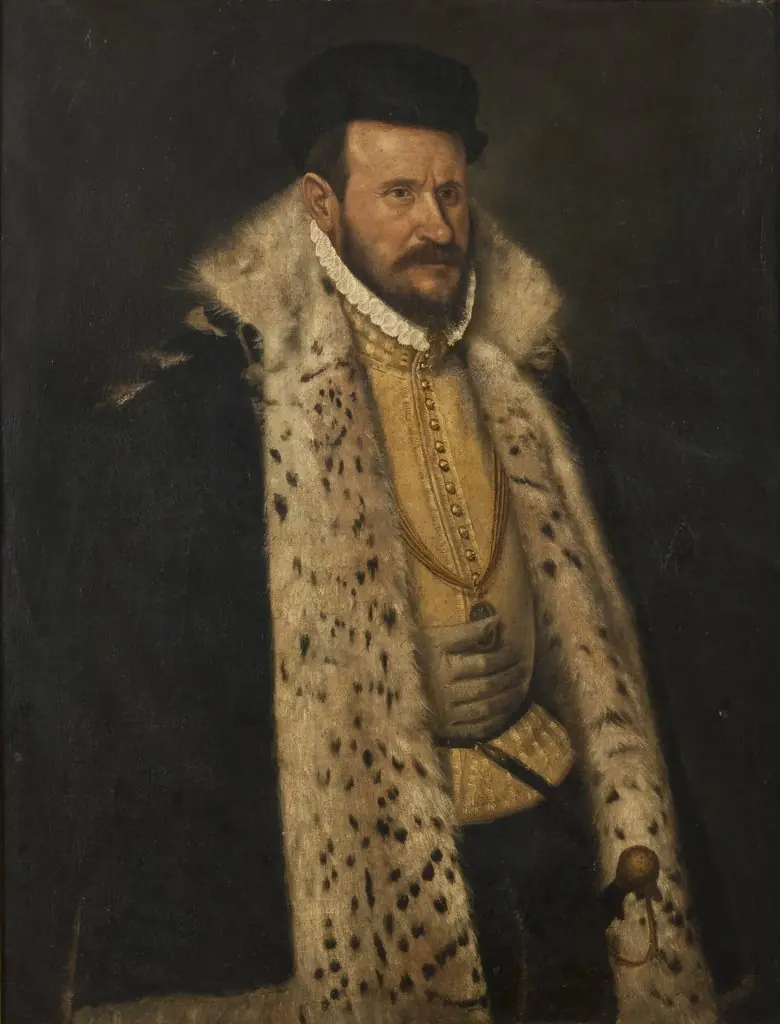 Portrait of a Man in a Furlined Coat
 Portrait of Infanta María of Habsburg (1606-1646)
 Anna Maria, 1549-1580, ärkehertiginna