Artwork
Hercules temple Pompeii
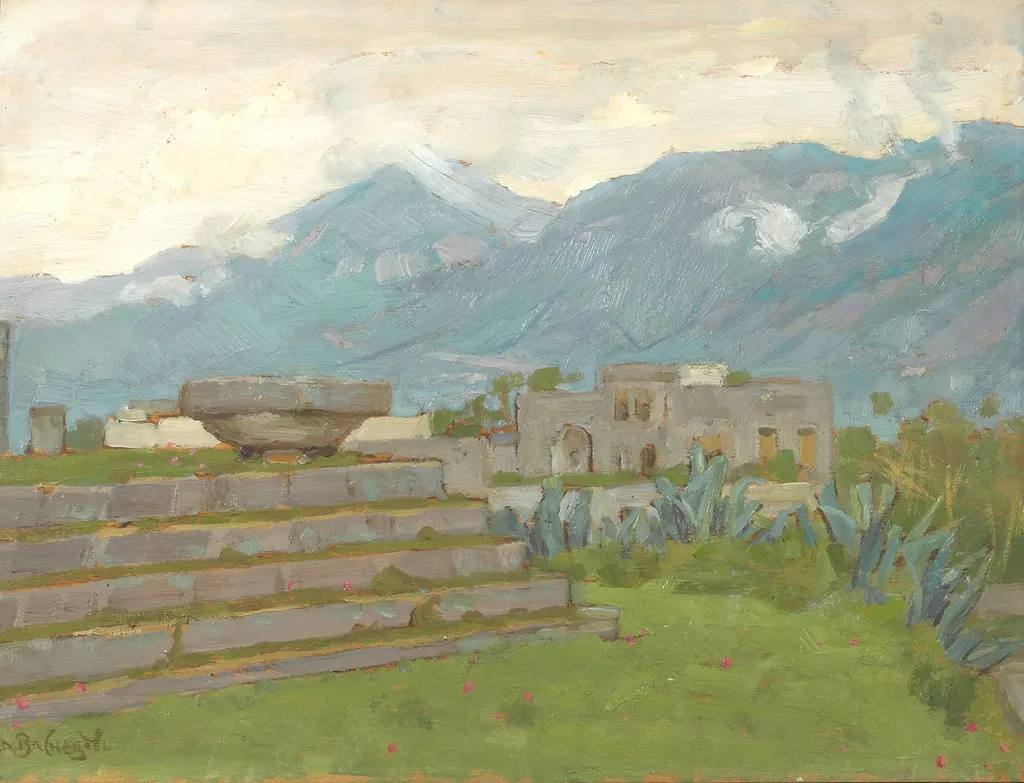
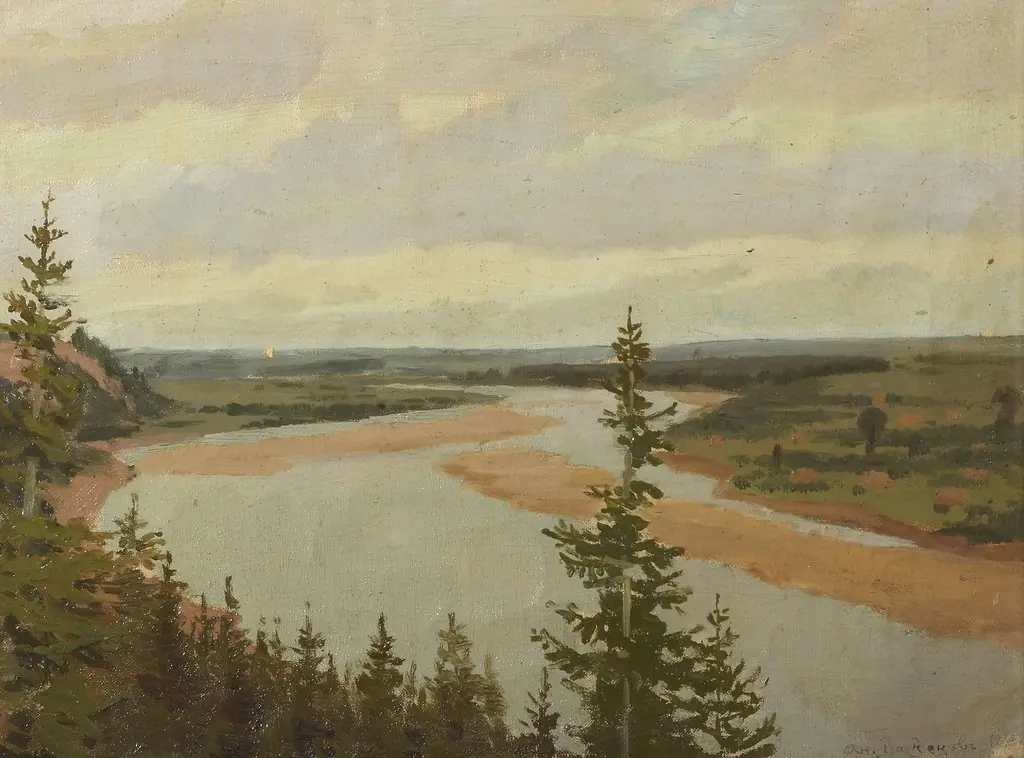
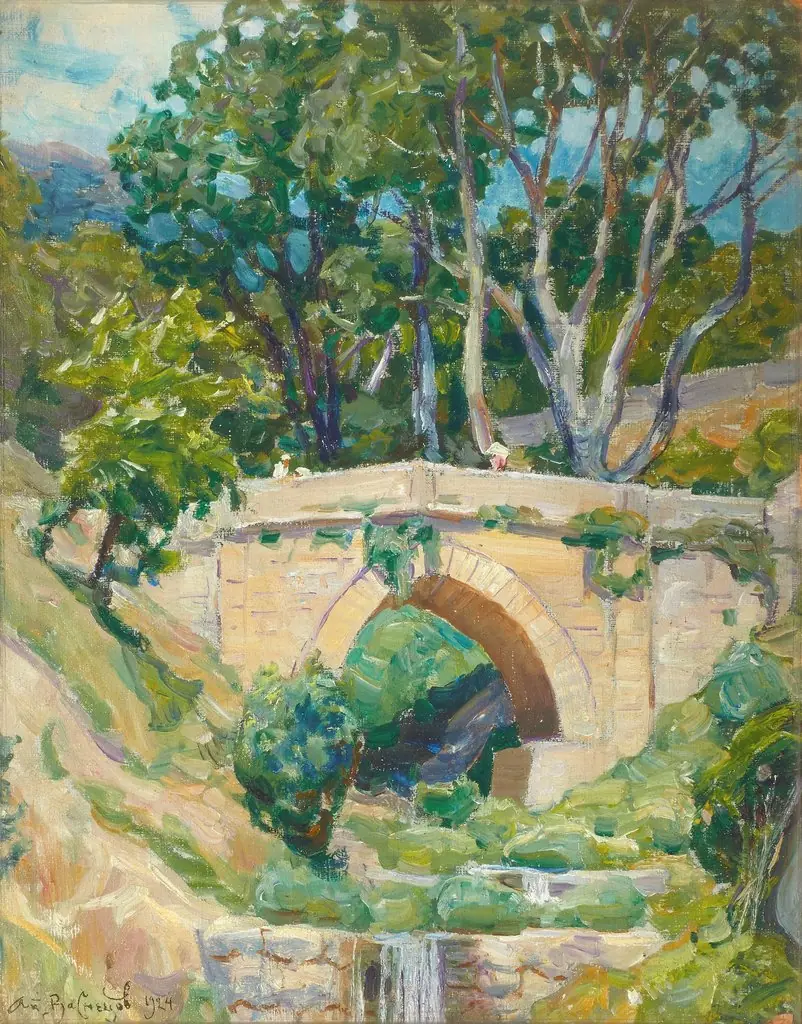
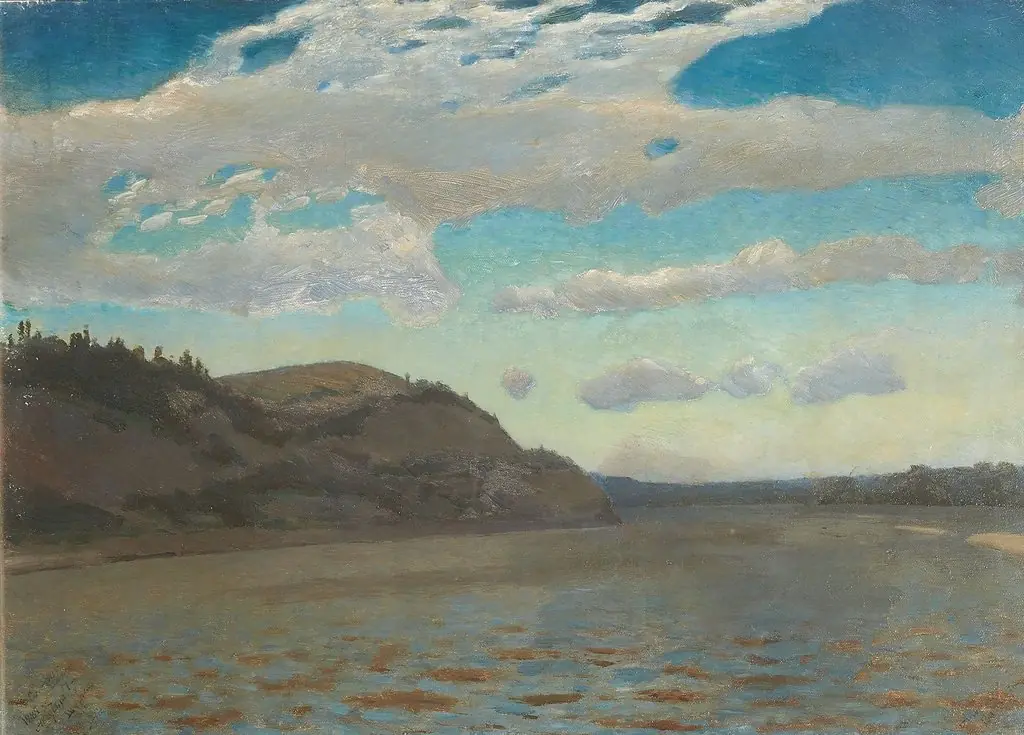
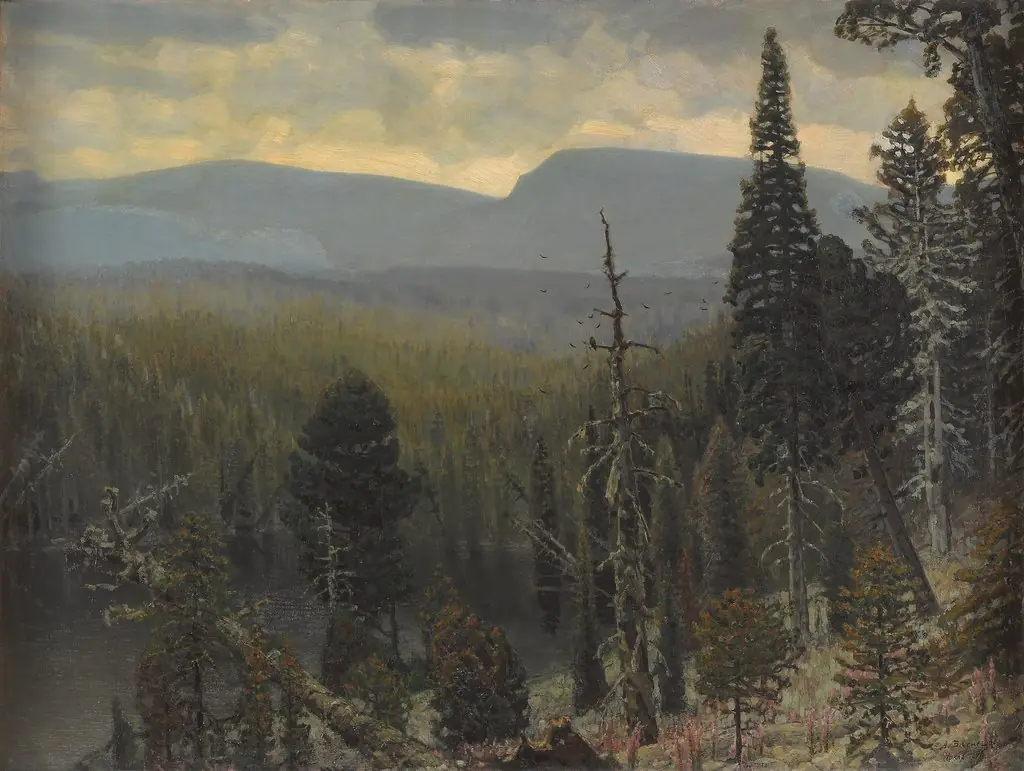
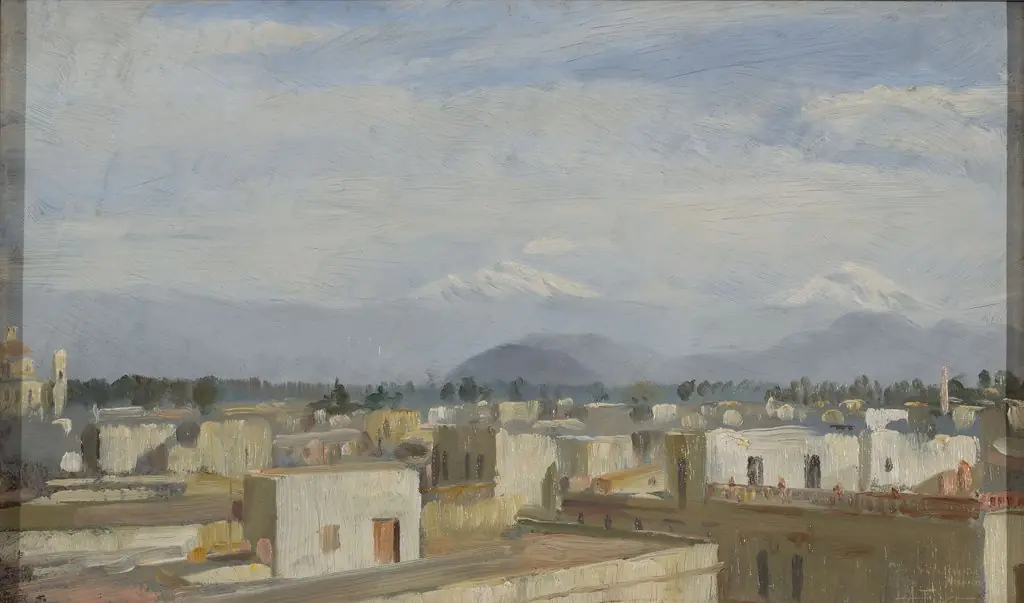
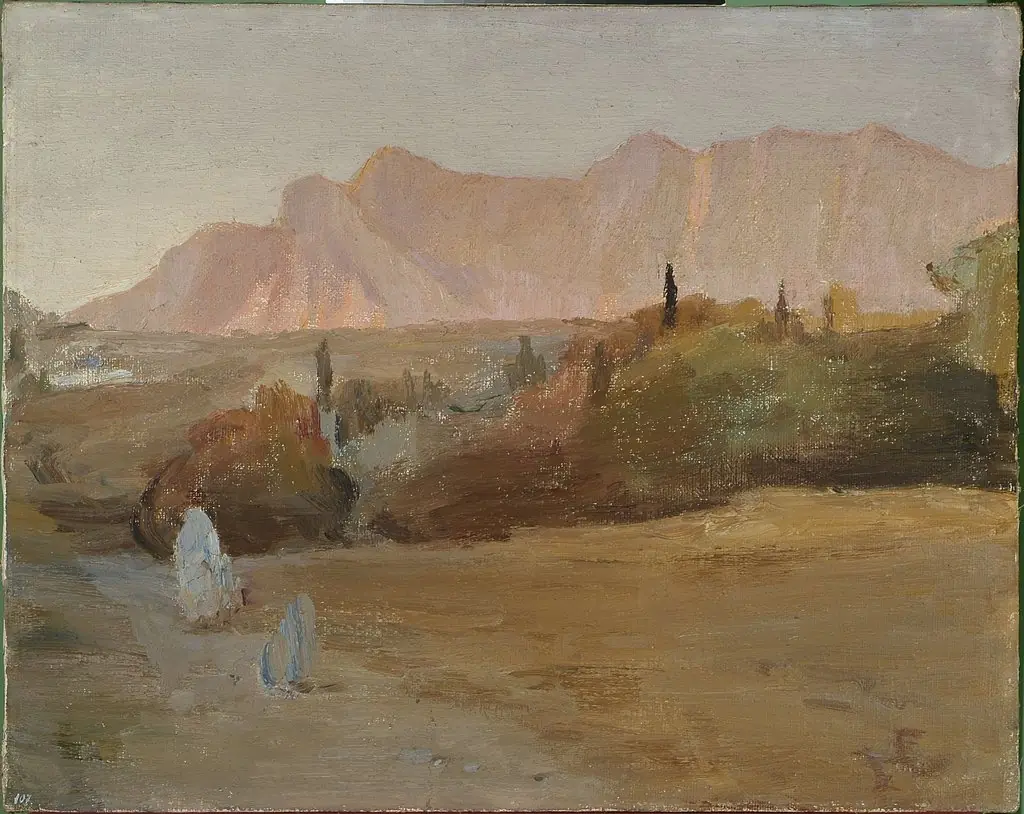
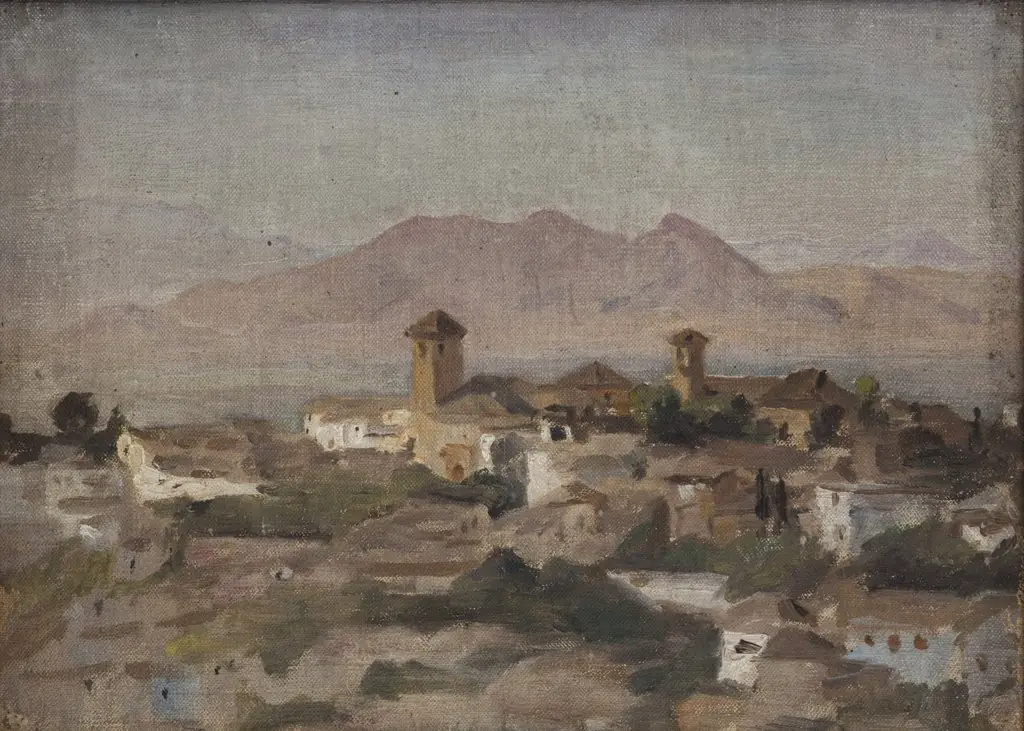
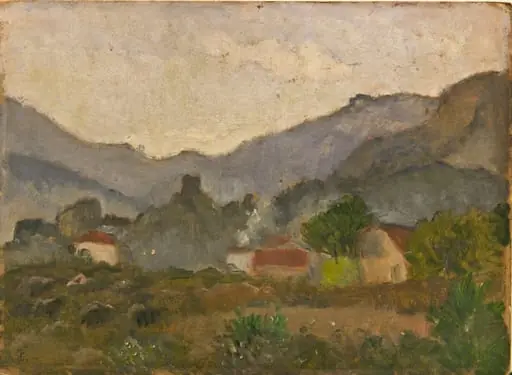
Hercules temple Pompeii is an oil painting by the Post-Impressionist artist Apollinary Vasnetsov. It dates from 1900 and is held in the collection of the Tretyakov Gallery.
About this work
Overview
The painting is part of the Tretyakov Gallery’s collection in Moscow, where it stands as an example of his engagement with non-Russian historical subjects.
Painted in 1900 by Apollinary Vasnetsov, *Hercules Temple Pompeii* is an oil-on-canvas work that captures the ruins of an ancient Roman structure. Though Vasnetsov is better known for his reconstructions of medieval Russian landscapes, this piece reflects his interest in classical antiquity. The painting is part of the Tretyakov Gallery’s collection in Moscow, where it stands as an example of his engagement with non-Russian historical subjects.
Subject & Meaning
The painting depicts the remains of a temple traditionally associated with Hercules in Pompeii, though no definitive archaeological link exists. Vasnetsov does not illustrate a mythic scene but instead focuses on the architectural presence of the ruin, evoking a quiet reverence for the past. The empty structure, framed by distant mountains, suggests the passage of time and the endurance of monumental forms beyond human narratives.
Technique & Style
Vasnetsov employed a detailed, realistic approach with careful attention to texture and atmospheric perspective. Layers of oil paint build up the stone surfaces of the temple, while soft, cool tones in the background mountains create depth. The foreground includes subtle hints of vegetation, grounding the ruin in a living landscape. His brushwork avoids Impressionist looseness, favoring clarity and structural precision.
History & Provenance
Created during a period when Vasnetsov was exploring historical architecture beyond Russia, the painting was completed in 1900 and entered the Tretyakov Gallery’s collection shortly thereafter. It reflects his broader interest in reconstructing lost worlds, informed by travel and study. Unlike his more famous medieval works, this piece stems from direct engagement with Italian antiquities, though no record of his visit to Pompeii survives.
Context
In late 19th-century Russia, there was growing fascination with classical antiquity as a counterpoint to national identity. Vasnetsov, though rooted in Slavic themes, participated in this trend through works like this. His choice of Pompeii—a site recently excavated and widely publicized—aligns with European intellectual currents that saw ancient ruins as vessels of cultural memory.
Legacy
While not among Vasnetsov’s most widely exhibited works, *Hercules Temple Pompeii* illustrates his versatility and intellectual curiosity. It remains a quiet testament to his ability to translate archaeological interest into painterly contemplation. The painting contributes to understanding how Russian artists engaged with Mediterranean antiquity outside the dominant academic traditions of their time.
Own this work as a print
Artist & collection
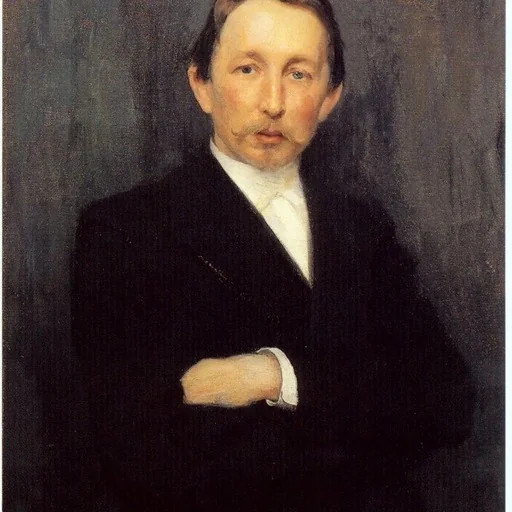
Artist
Apollinary Mikhaylovich Vasnetsov (Russian: Аполлина́рий Миха́йлович Васнецо́в; 6 August 1856 – 23 January 1933) was a Russian painter and graphic artist.