Artwork
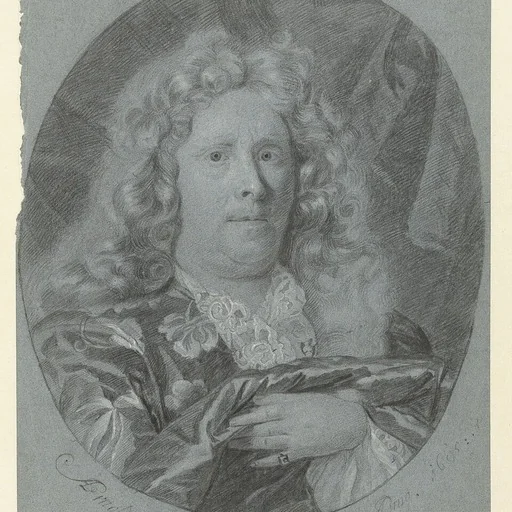
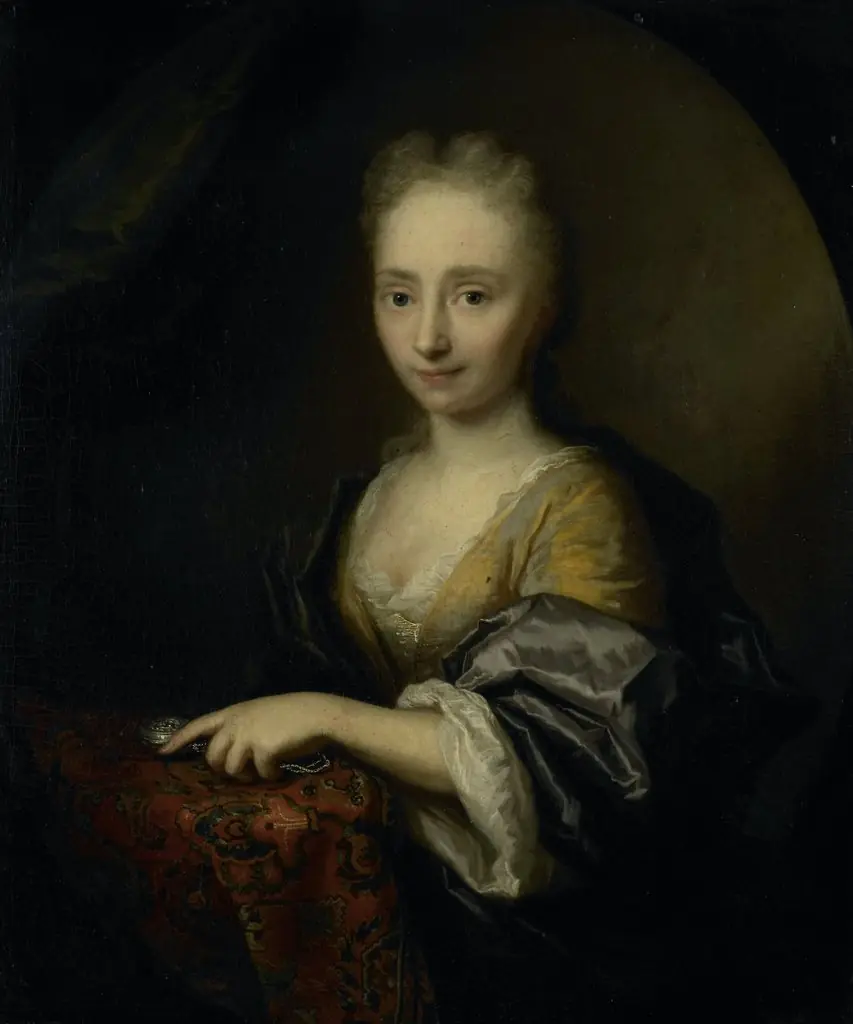
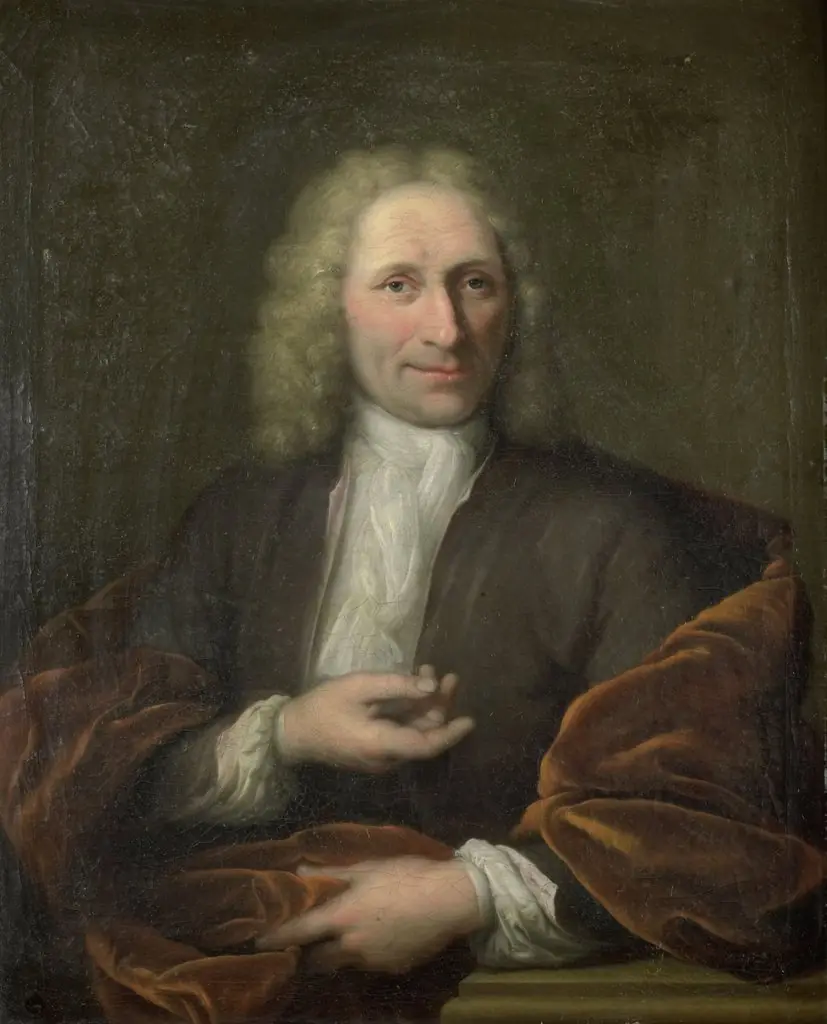
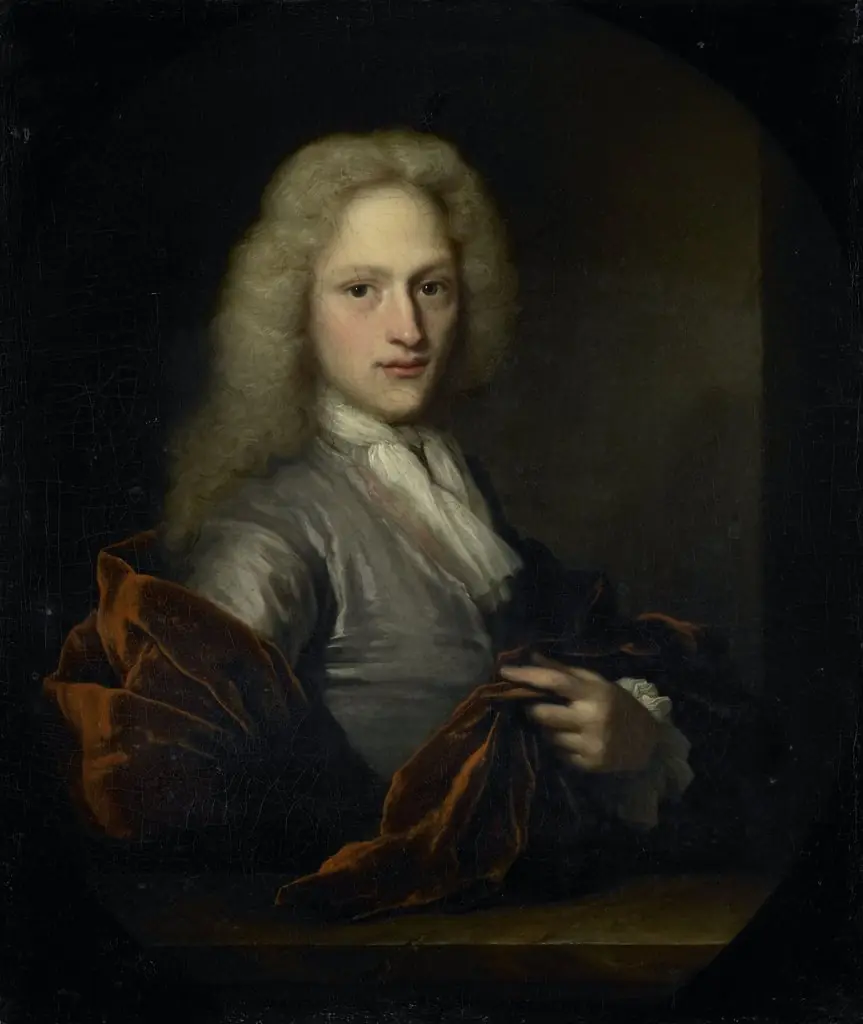
Portrait of Jan van Huysum
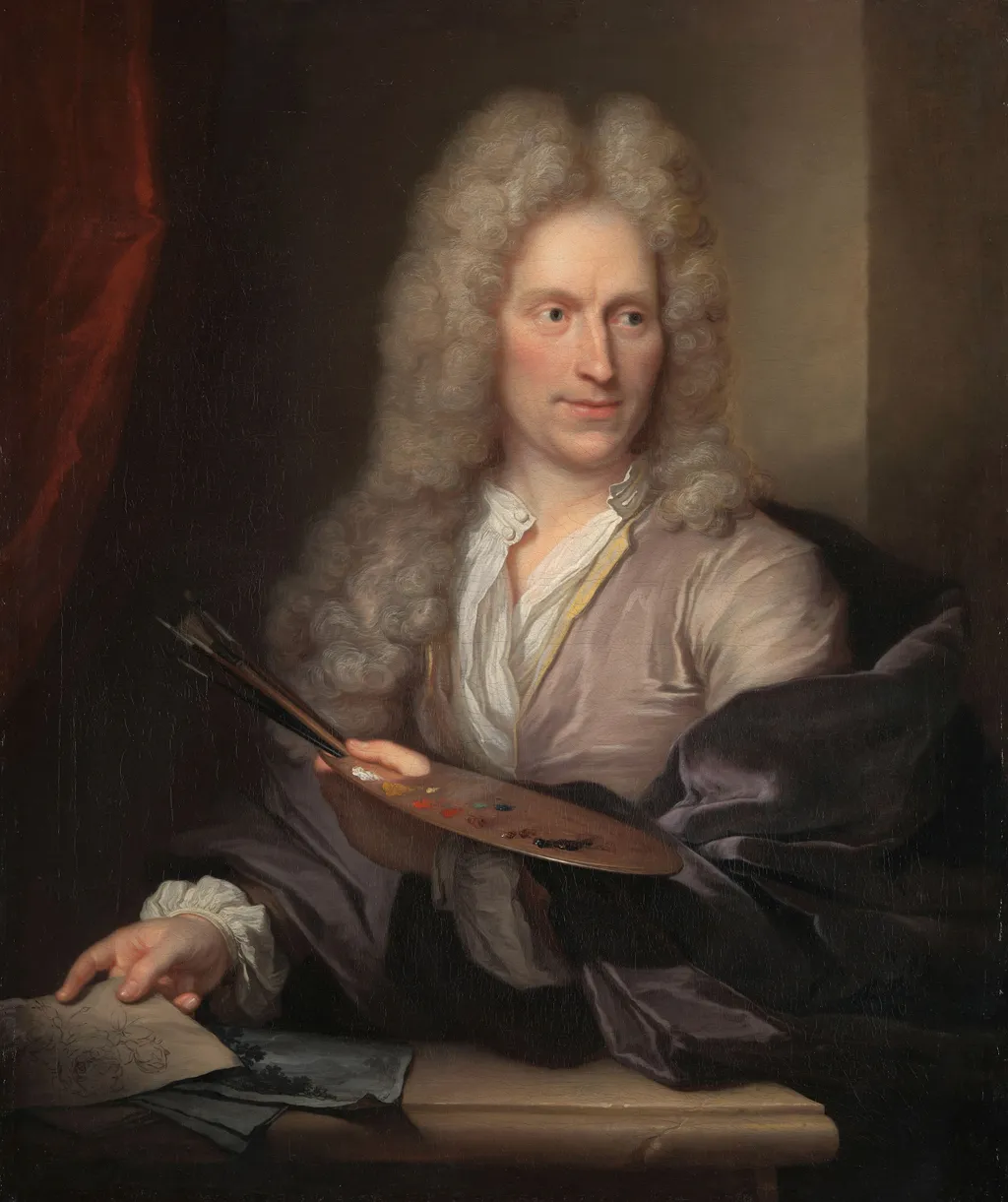
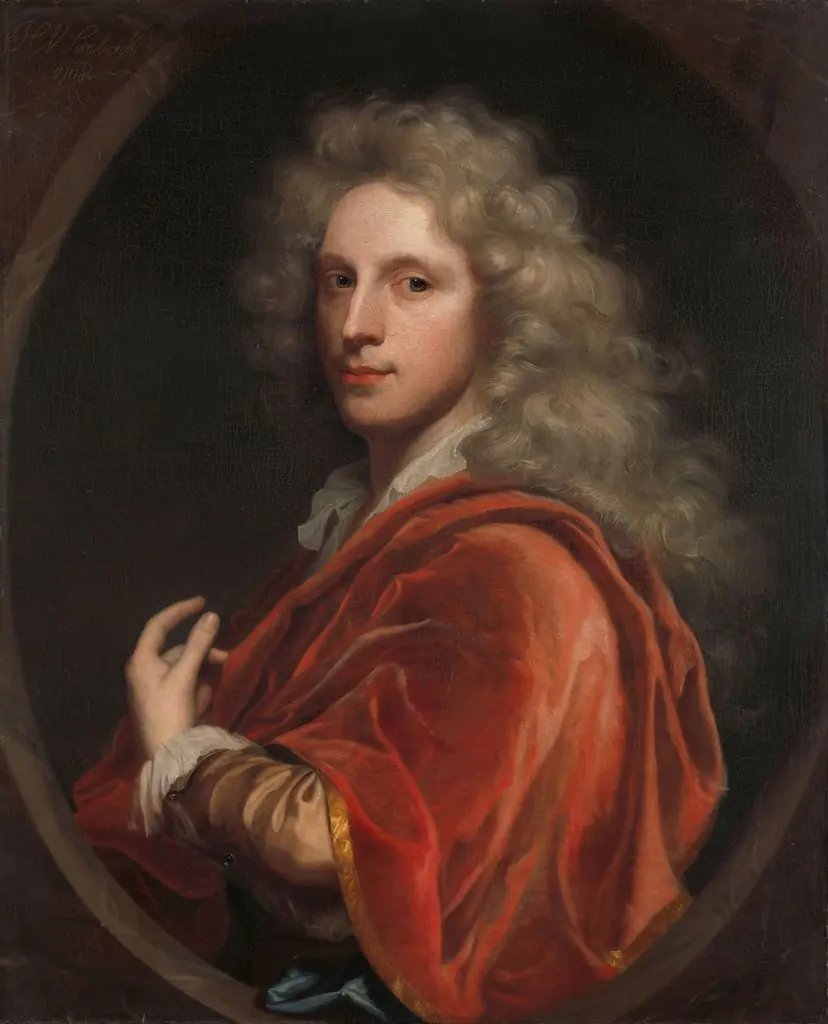
Portrait of Jan van Huysum is an oil painting by the Rococo painting artist Arnold Boonen. It dates from 1720 and is held in the collection of the Rijksmuseum.
About this work
Overview
Arnold Boonen’s oil portrait, executed in 1720, presents the Dutch flower painter Jan van Huysum. The work is part of the Rijksmuseum’s collection and measures a modest size typical of early‑18th‑century portraiture. Boonen captures the sitter in a formal pose, emphasizing his professional identity through the inclusion of artistic tools.
Subject & Meaning
The figure is shown wearing an elaborate wig and a richly textured costume that signals his social standing. In his right hand he holds a paintbrush, while his left grasps a small palette, underscoring his vocation as a painter. A sketchbook and loose sheets rest on the table before him, suggesting a moment of contemplation or preparation.
Technique & Style
Boonen employs a subdued chiaroscuro, allowing a dark background to frame the illuminated face and garments. The lighting is rendered with a smooth gradation, giving the flesh tones a gentle glow and the fabrics a subtle sheen. Brushwork is refined, with fine details in the wig and accessories contrasting with broader, softer passages in the shadows.
History & Provenance
Created shortly after van Huysum’s rise to prominence, the portrait likely served to commemorate his artistic achievements. The painting entered the Rijksmuseum’s holdings through a 19th‑century acquisition, where it has remained on display as a representative example of Boonen’s portraiture and of the Dutch artistic network of the period.
Own this work as a print
Artist & collection