Artwork
Self portrait
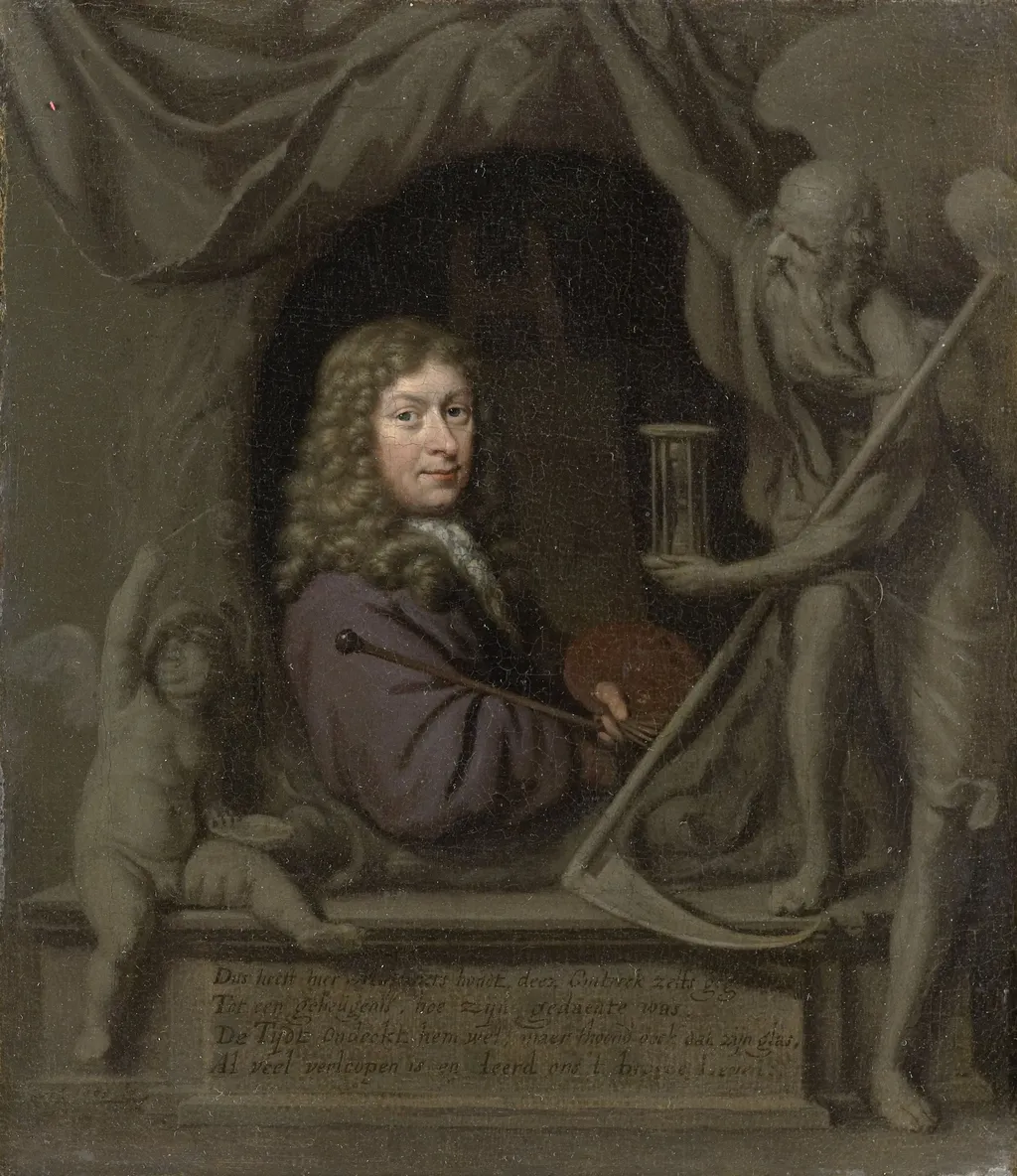
Self portrait is an oil painting by the Dutch Golden Age artist Michiel van Musscher. It dates from 1693 and is held in the collection of the Rijksmuseum.
About this work
Overview
This work reflects van Musscher's mastery of the Dutch Golden Age tradition, where self-portraits often served to assert the artist's skill and social standing.
Michiel van Musscher's 1693 self-portrait presents the Dutch artist in a half-length format against a somber, dark background, emphasizing his status as a professional painter. The composition centers on the artist seated, clad in a rich purple robe that contrasts with the muted tones surrounding him. He holds a palette and brushes, traditional attributes of the trade, directly engaging the viewer with a calm, confident gaze. To the left, a small cherub supports a plate, while to the right, an elderly figure holds a book, likely symbolizing the intellectual and allegorical dimensions of the art. This work reflects van Musscher's mastery of the Dutch Golden Age tradition, where self-portraits often served to assert the artist's skill and social standing. Created late in his career, the painting demonstrates his refined technique in rendering textures, from the softness of the fabric to the intricate details of the accompanying figures. The inclusion of allegorical elements suggests a deliberate effort to elevate the status of painting beyond mere craft, aligning with contemporary humanist ideals. The work remains a significant example of 17th-century Dutch portraiture, showcasing van Musscher's ability to blend realism with symbolic depth.
Subject & Meaning
The central figure is van Musscher himself, his long, curled hair and solemn gaze drawing immediate attention. The inclusion of a cherub and an older scholar may allude to the dual aspects of artistic inspiration and learned tradition, suggesting the painter’s contemplation of his craft within a broader cultural lineage.
Technique & Style
Rendered with a restrained palette, the painting employs chiaroscuro to model the sitter’s features against the deep background, creating a sense of three‑dimensionality. Fine brushwork delineates the textures of the robe and the objects, while the soft illumination highlights the artist’s face, reinforcing the introspective mood.
History & Provenance
Created in the late 17th century, the portrait remained in private hands before entering the Rijksmuseum’s holdings, where it is displayed as part of the Dutch Golden Age collection. Its acquisition reflects the museum’s focus on documenting the work of prominent Dutch portraitists.
Artist & collection
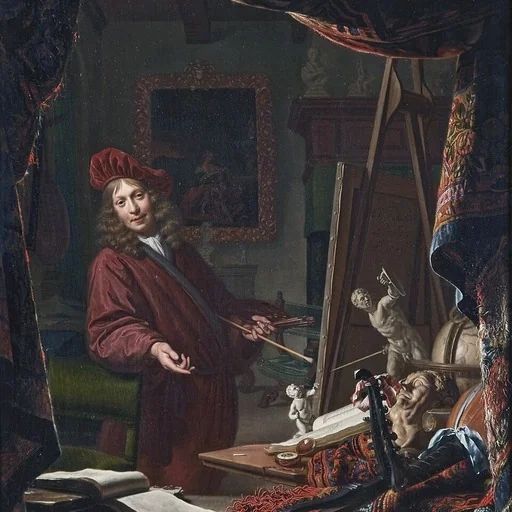

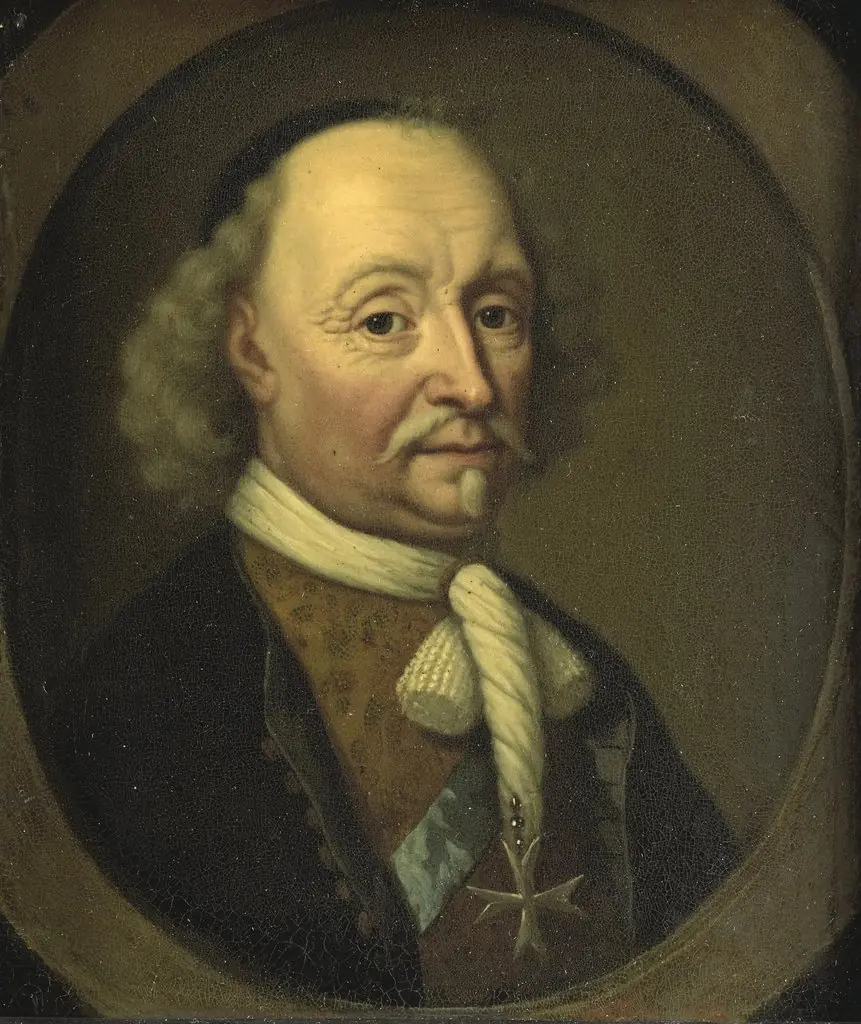 Portrait of Johan Maurits (1604-79), count of Nassau-Siegen and governor of Brazil
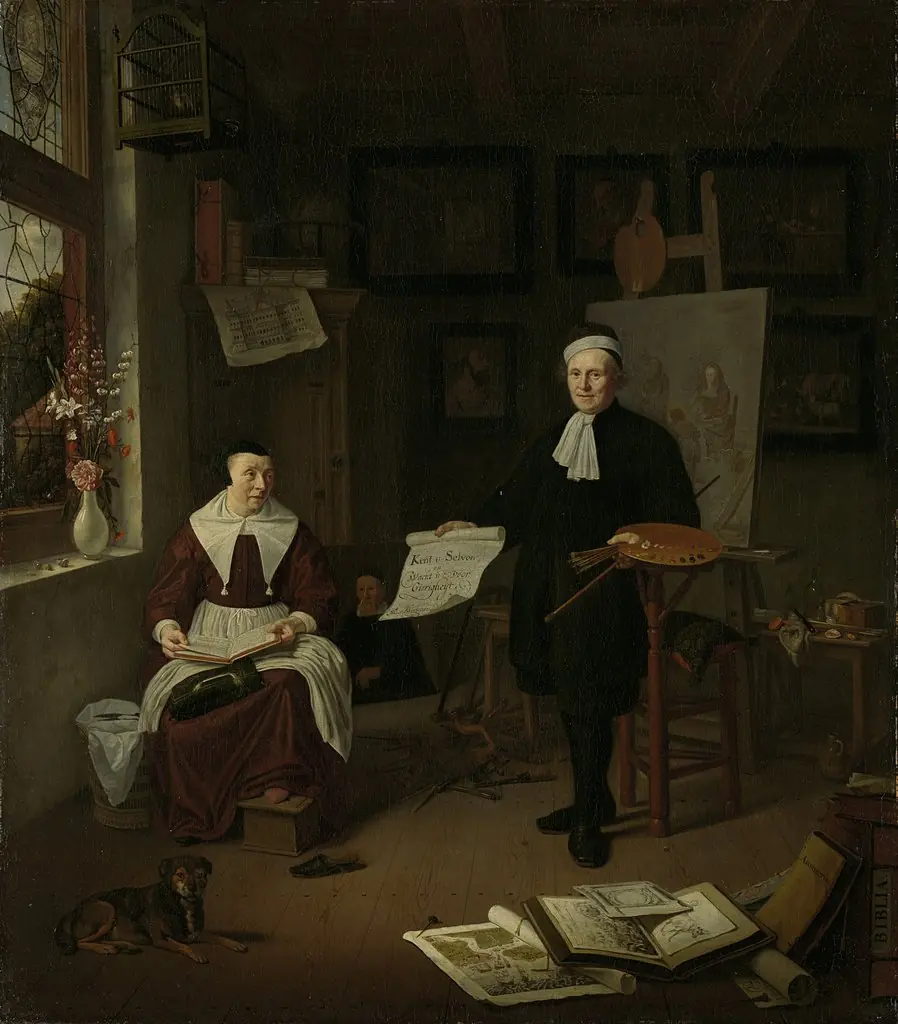 Portrait of Michiel Comans (d. 1687), calligrapher, etcher, painter and schoolmaster, with his third wife Elisabeth van der Mersche
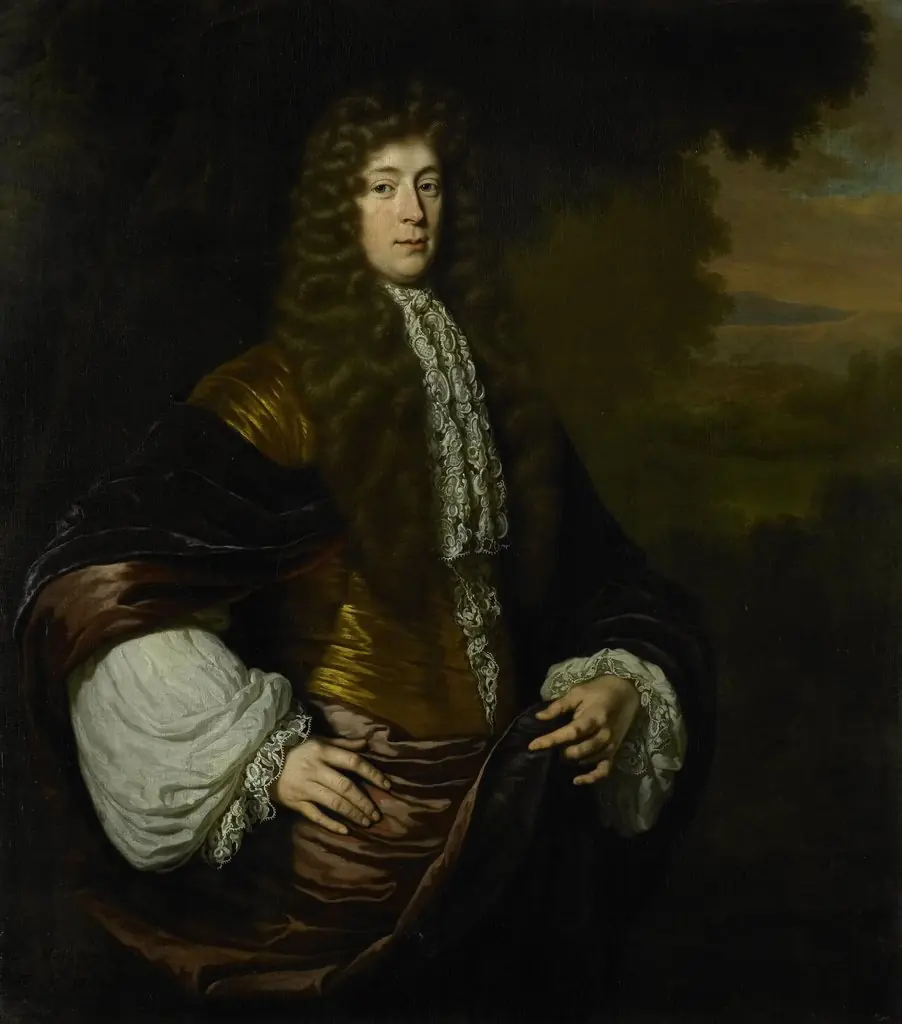 Portrait of Hendrick Bicker (1649 - 1718), burgomaster of Amsterdam
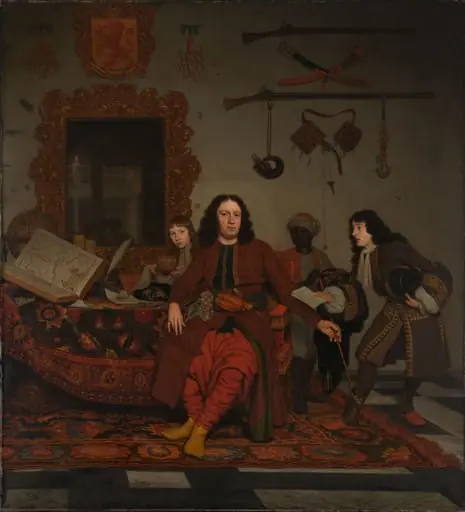 Thomas Hees and his Servant Thomas and Nephews Jan and Andries Hees
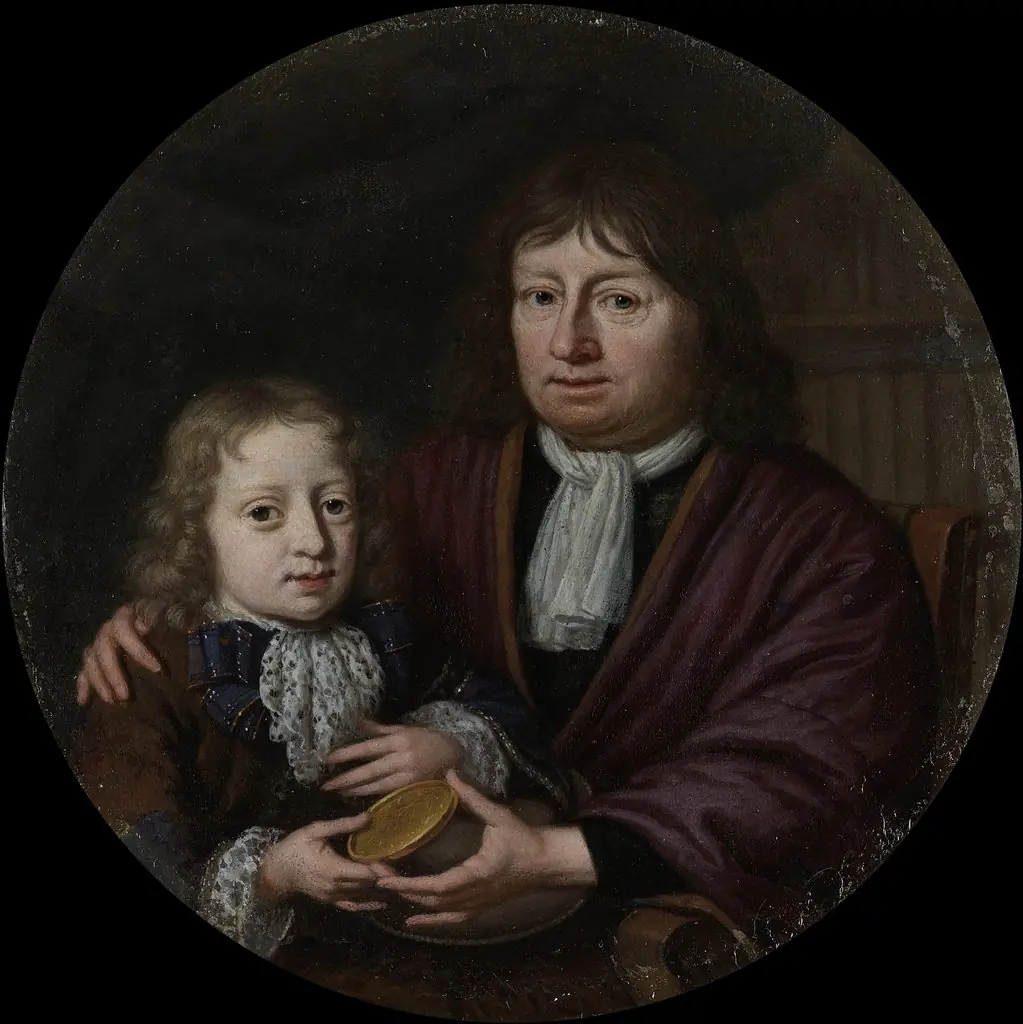 Isaac Pontanus Giving a Gold Medal to his Grandson Hendrik van Beek
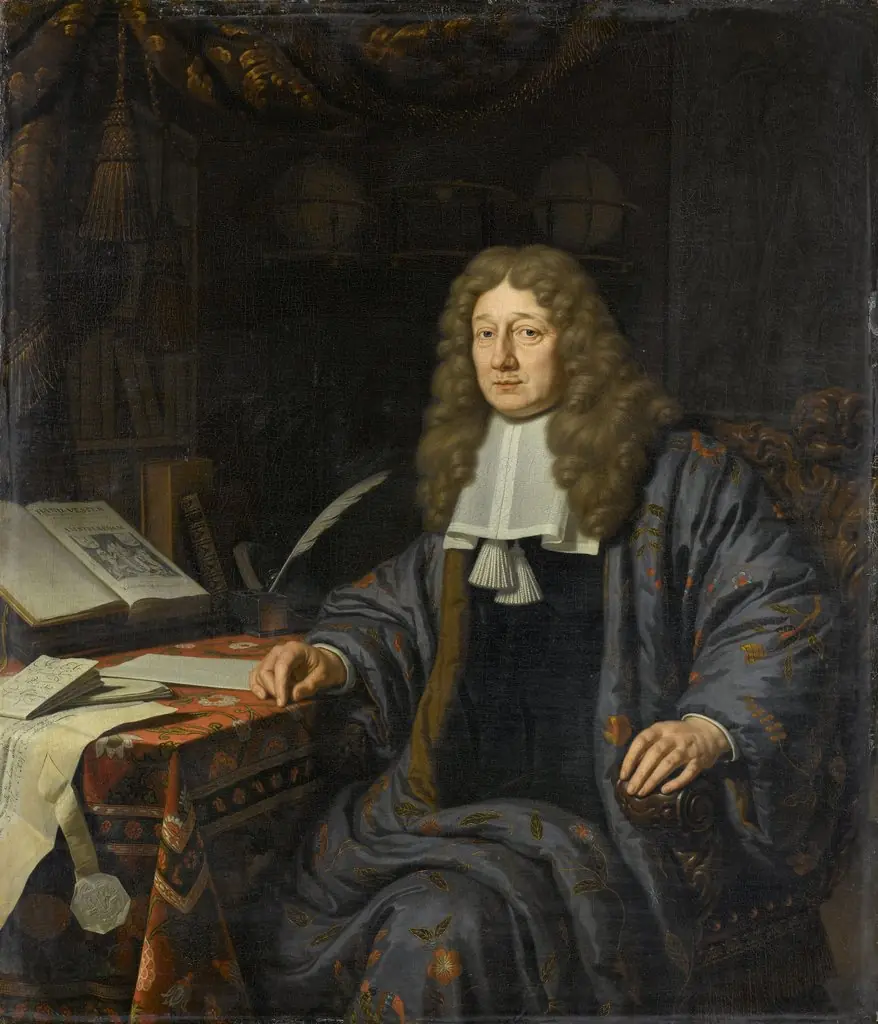 Portrait of Johannes Hudde (1628-1704), burgomaster of Amsterdam
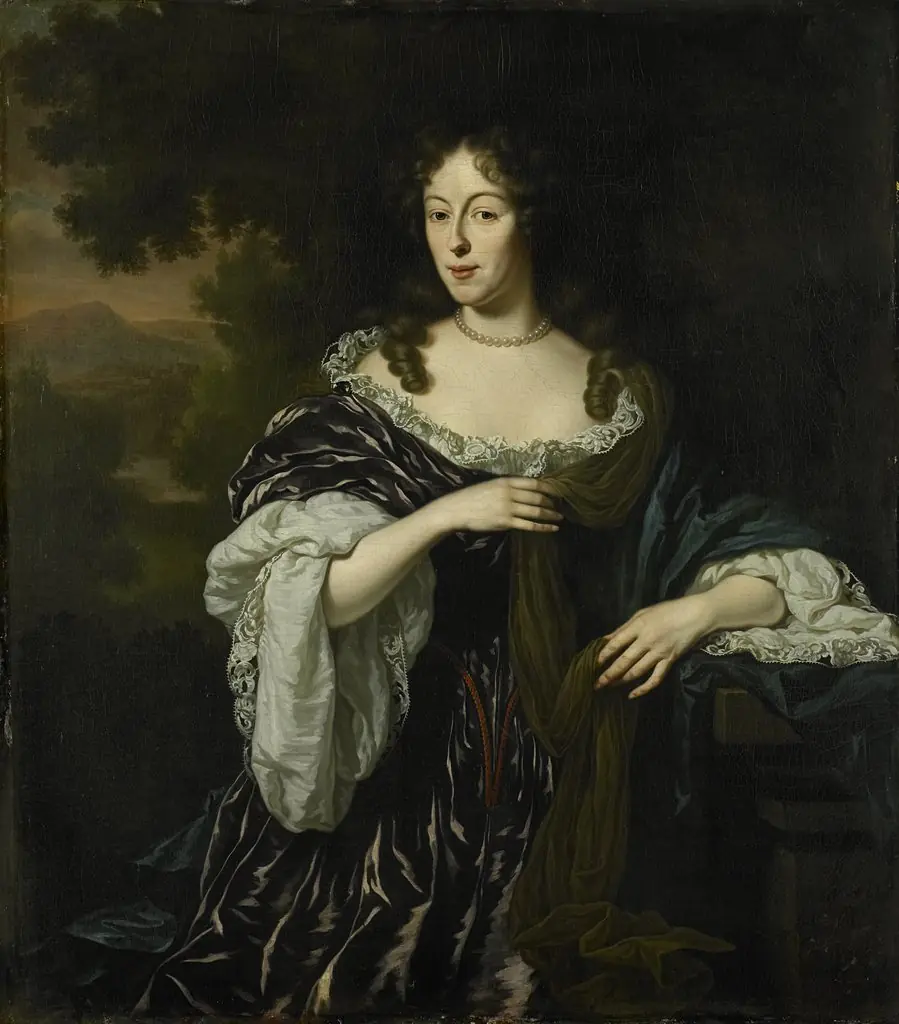 Portrait of Maria Schaep (1658-1725), wife of Hendrick Bicker
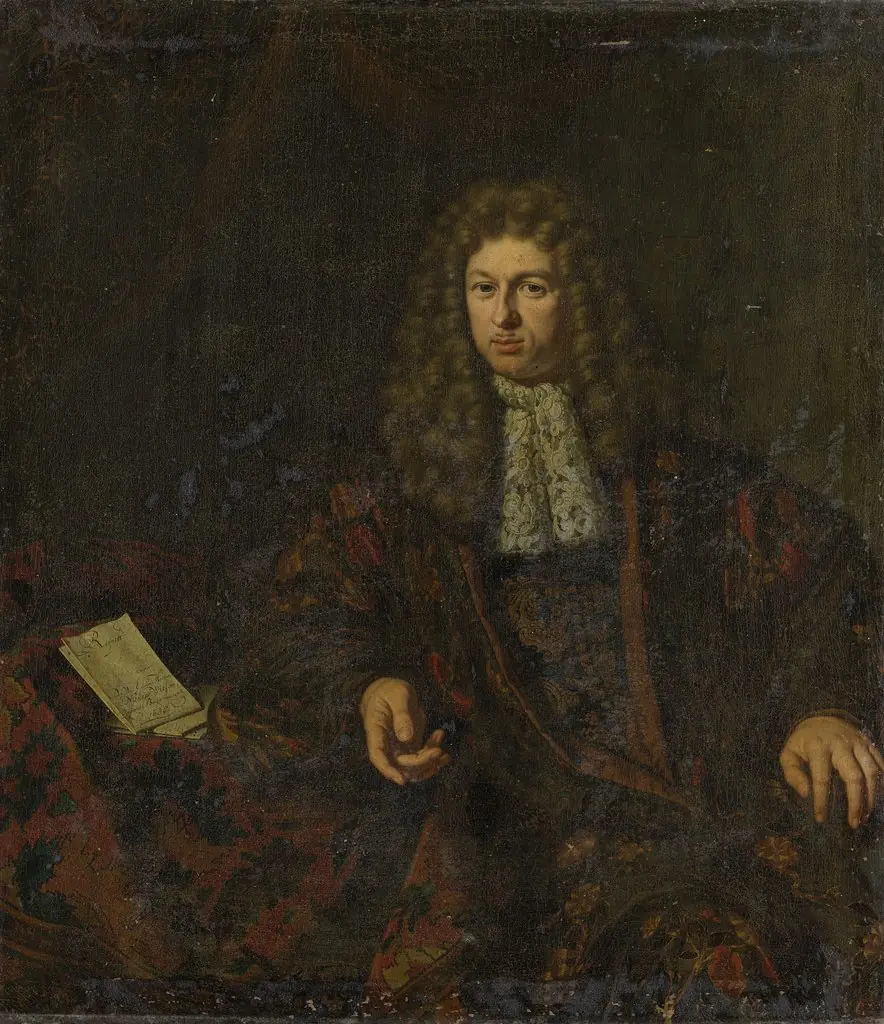 Portret van Nicolaes Witsen (1641-1717)
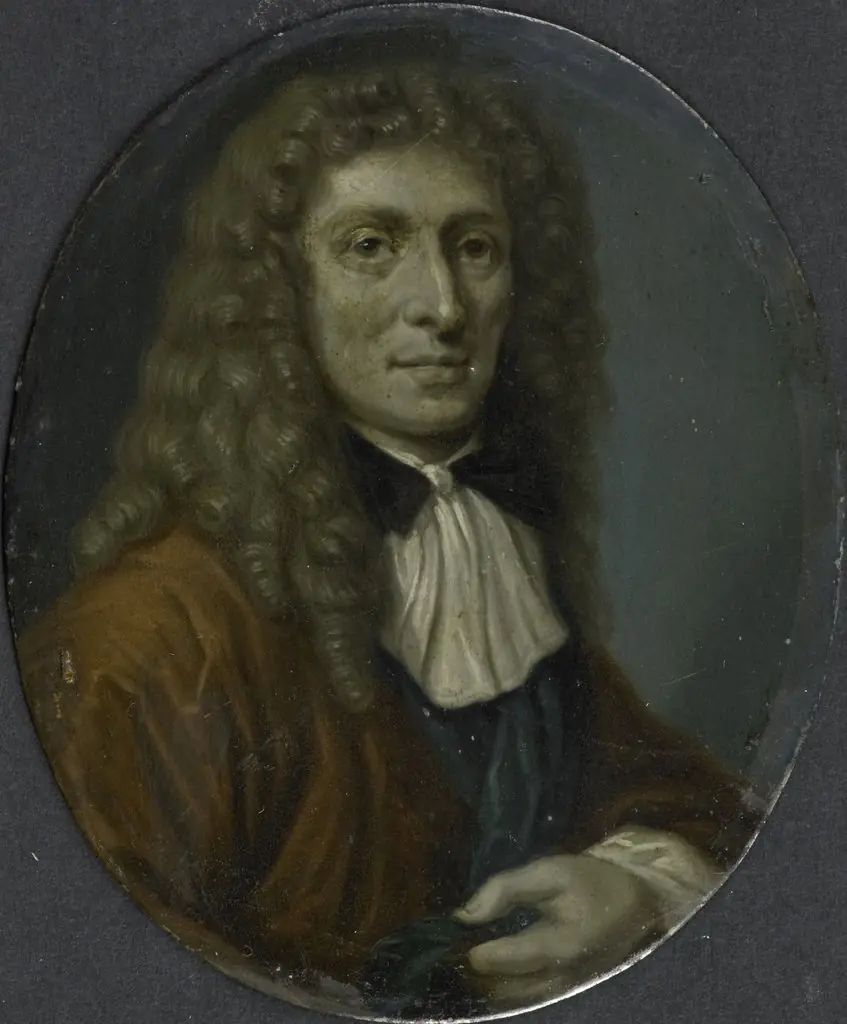 Portrait of Govert Bidloo
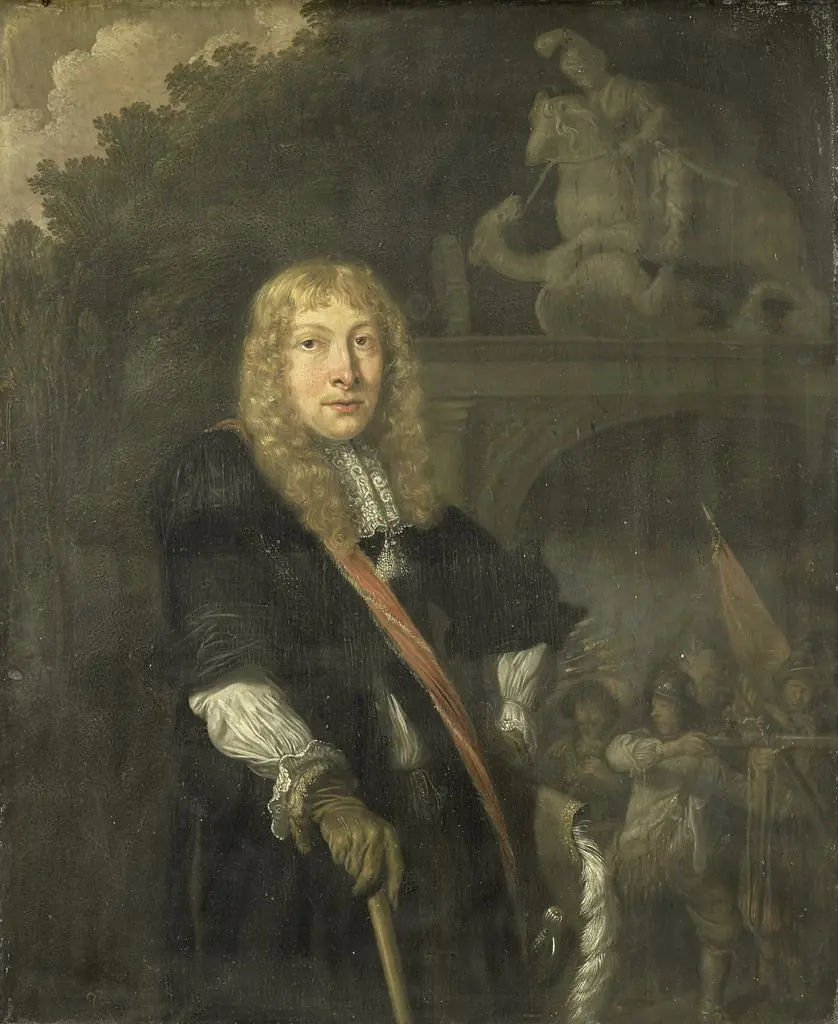 Portrait of an officer of the Leiden civic guard in front of the gate of the headquarters of the St. George guards
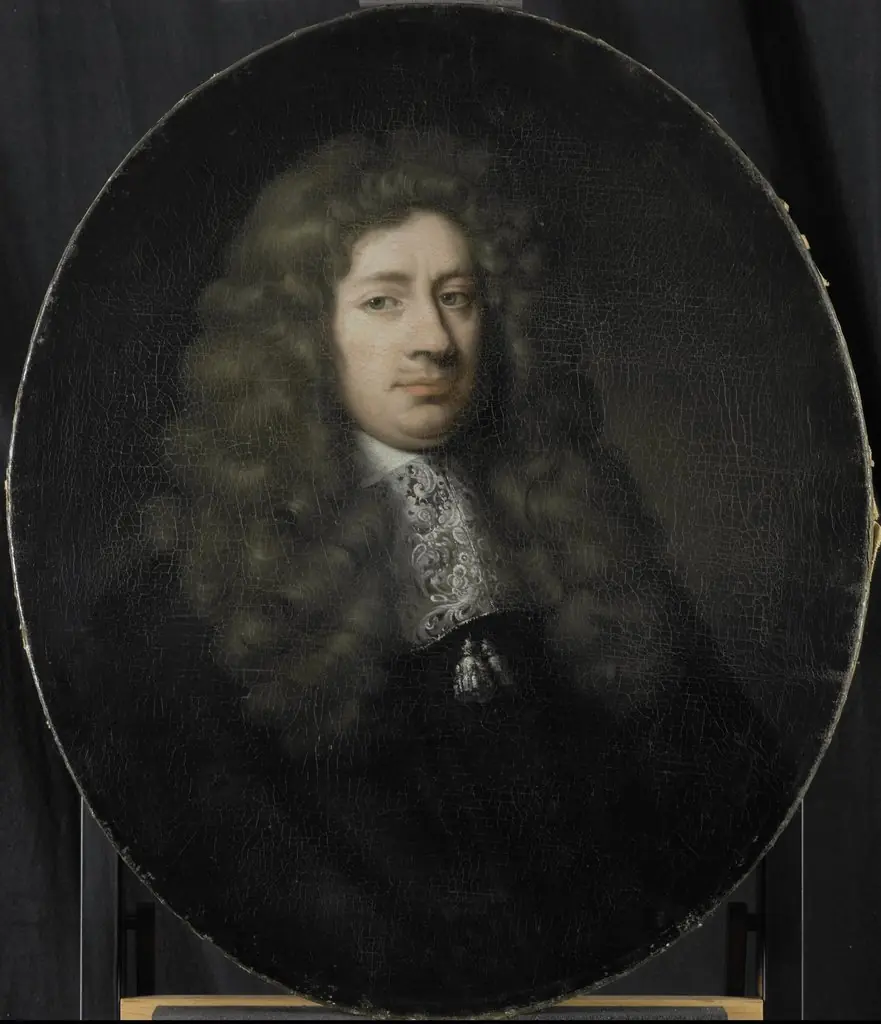 Portrait of Dominicus Rosmale, Director of the Rotterdam Chamber of the Dutch East India Company, elected 1677
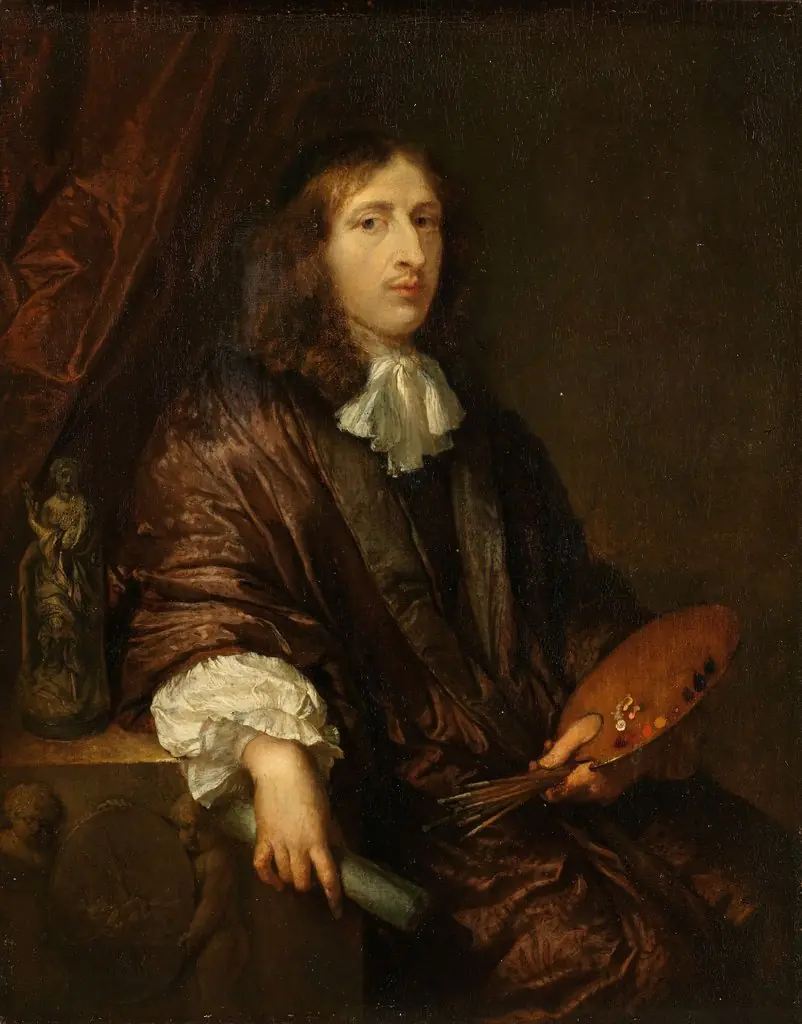 Self portrait
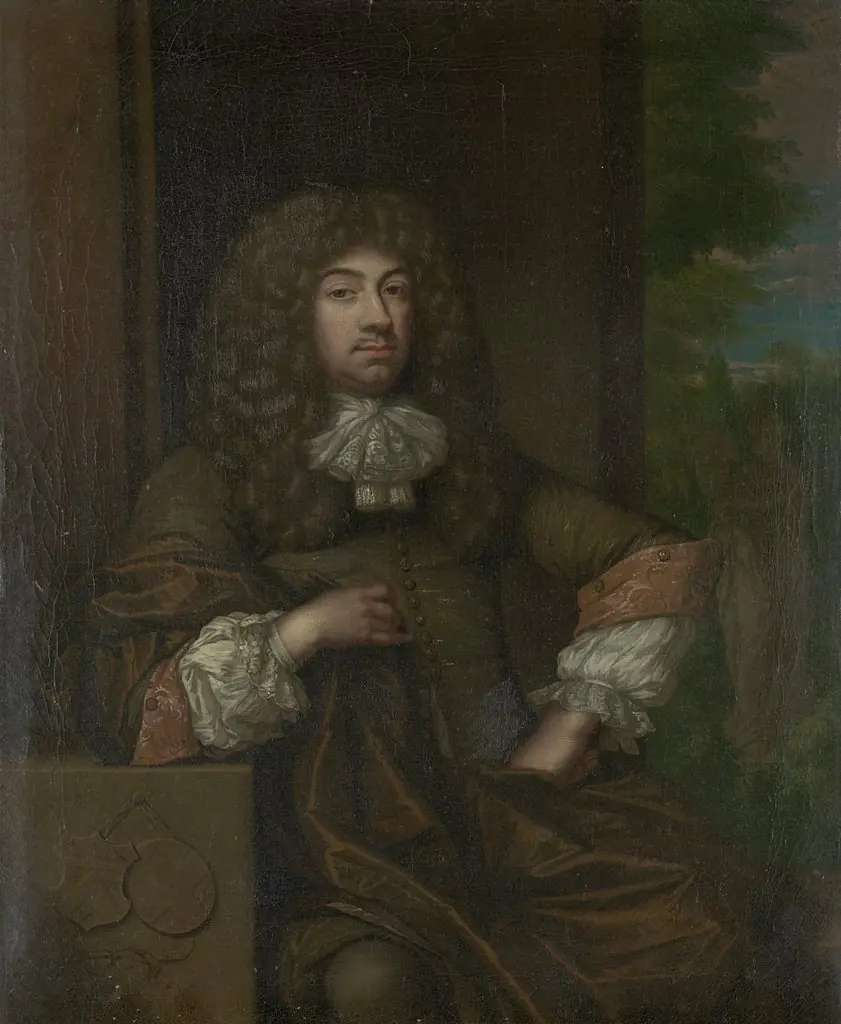 Portrait of Jan Boudaen Courten (1635-1716), lord of St. Laurens, Schellach and Popkensburg, Judge and alderman of Middelburg