Artwork
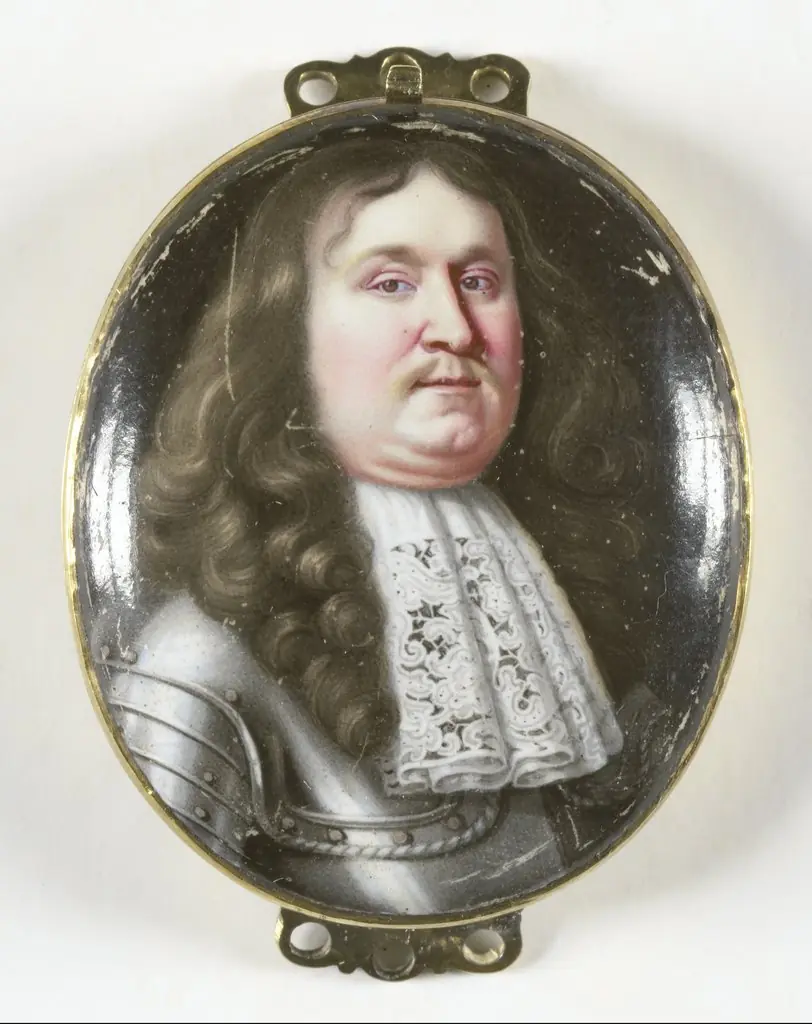
Portrait of Joannes Cools (born 1611), Jurist, Historian and Latin Poet in Hoorn
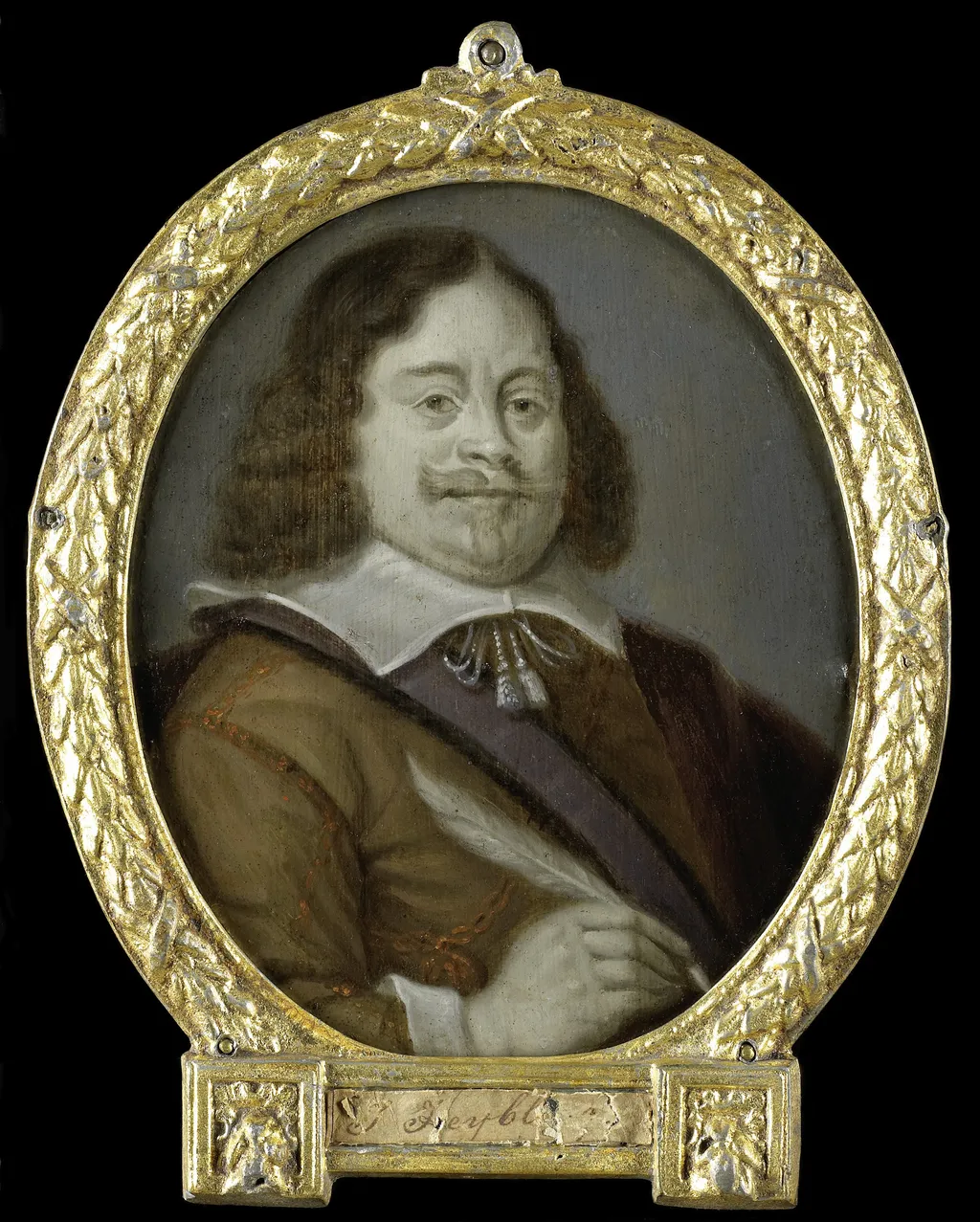
Portrait of Joannes Cools (born 1611), Jurist, Historian and Latin Poet in Hoorn is an oil painting by the Rococo painting artist Arnoud van Halen. It dates from 1716 and is held in the collection of the Rijksmuseum.
About this work
Overview
Arnoud van Halen's 1716 portrait of Joannes Cools, a multifaceted figure known for his work in law, history, and Latin poetry, is a distinctive oval tin painting housed at the Rijksmuseum.
Subject & Meaning
The portrait depicts Cools with a serious demeanor, characterized by a mustache and short curly hair. His attire, a dark velvet jacket over a white shirt with a high collar, conveys a sense of professionalism and sobriety. The composition focuses attention on the subject, with his left hand resting on a white cloth against a plain, dark background.
Technique & Style
Notably executed on tin rather than the more common canvas, the portrait utilizes chiaroscuro, a technique emphasizing contrasts of light and dark to sculpturally define Cools' facial features and imbue the image with depth.
History & Provenance
Created in 1716 by Arnoud van Halen, the portrait is now part of the Rijksmuseum's collection. Its original gold frame, though old and ornate, includes a plaque with faded inscription, hinting at the artwork's history.
Context
The use of tin as a medium for portraiture was unusual during this period, setting the work apart from contemporaneous pieces typically painted on canvas.
Artist & collection
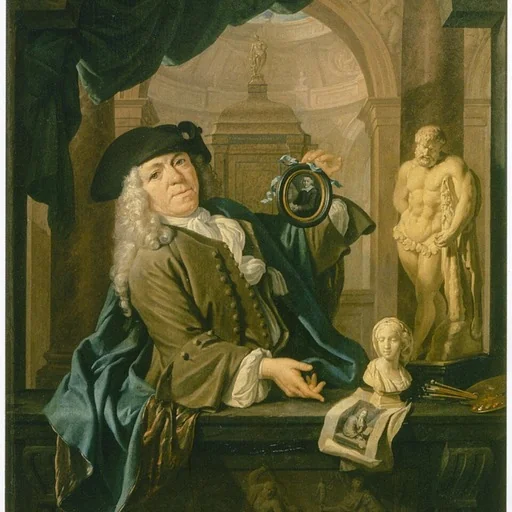

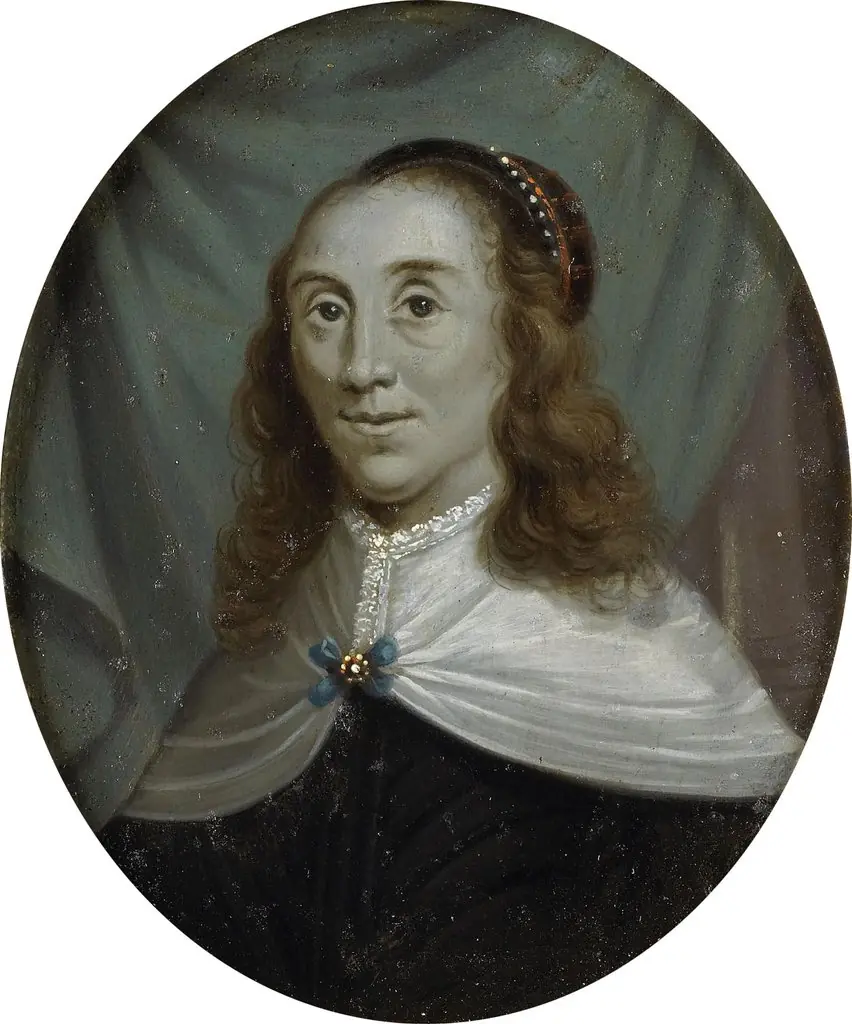 Portrait of Sibylle van Griethuysen (ca.1620-na 1662)
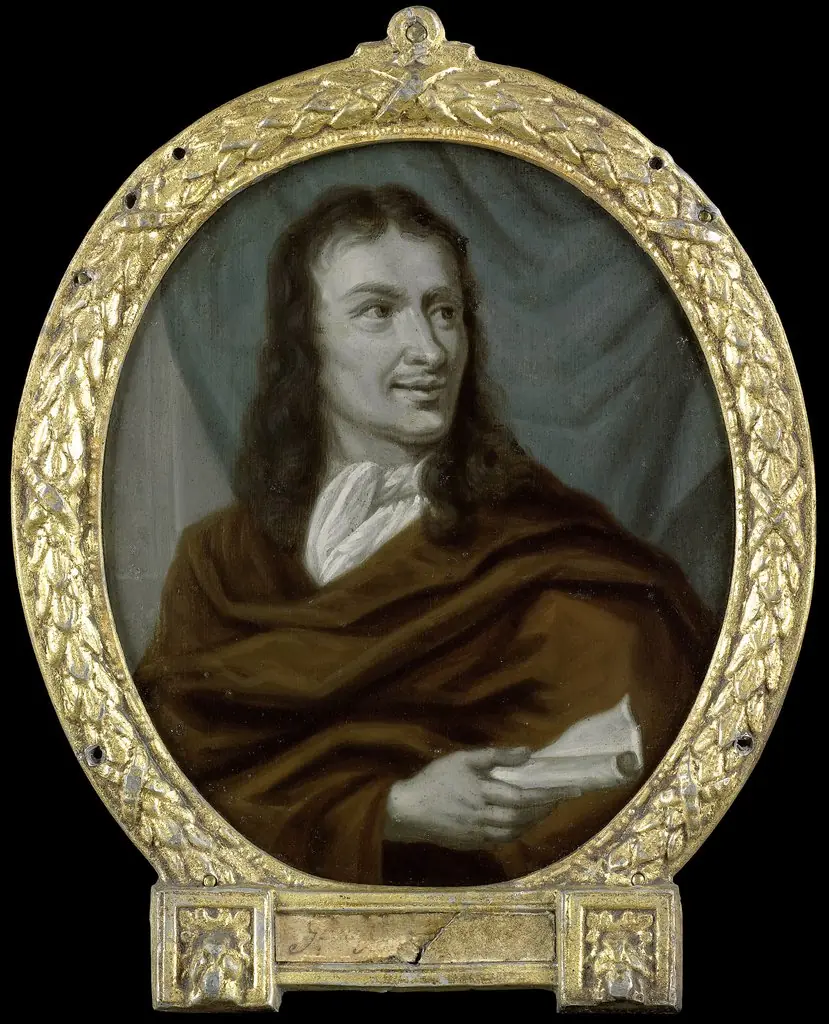 Portrait of Pieter Verhoek (1633-1702)
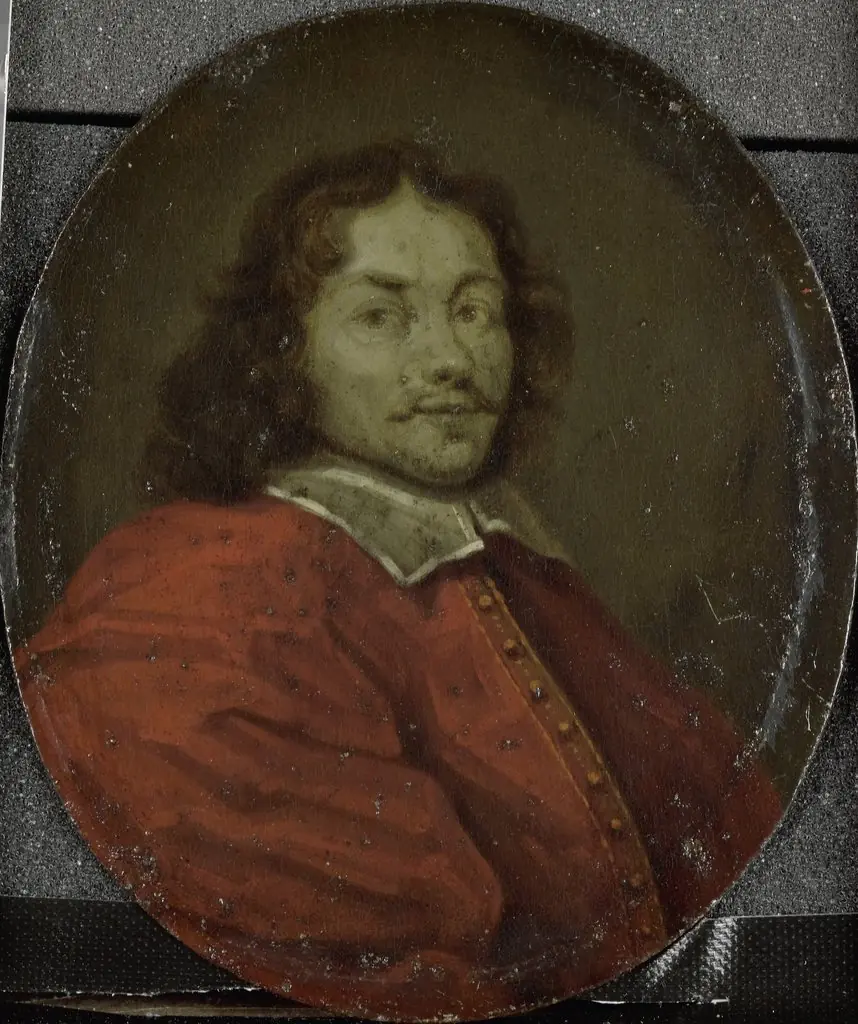 Portrait of Matthijs Gansneb, called Tengnagel, Poet in Amsterdam
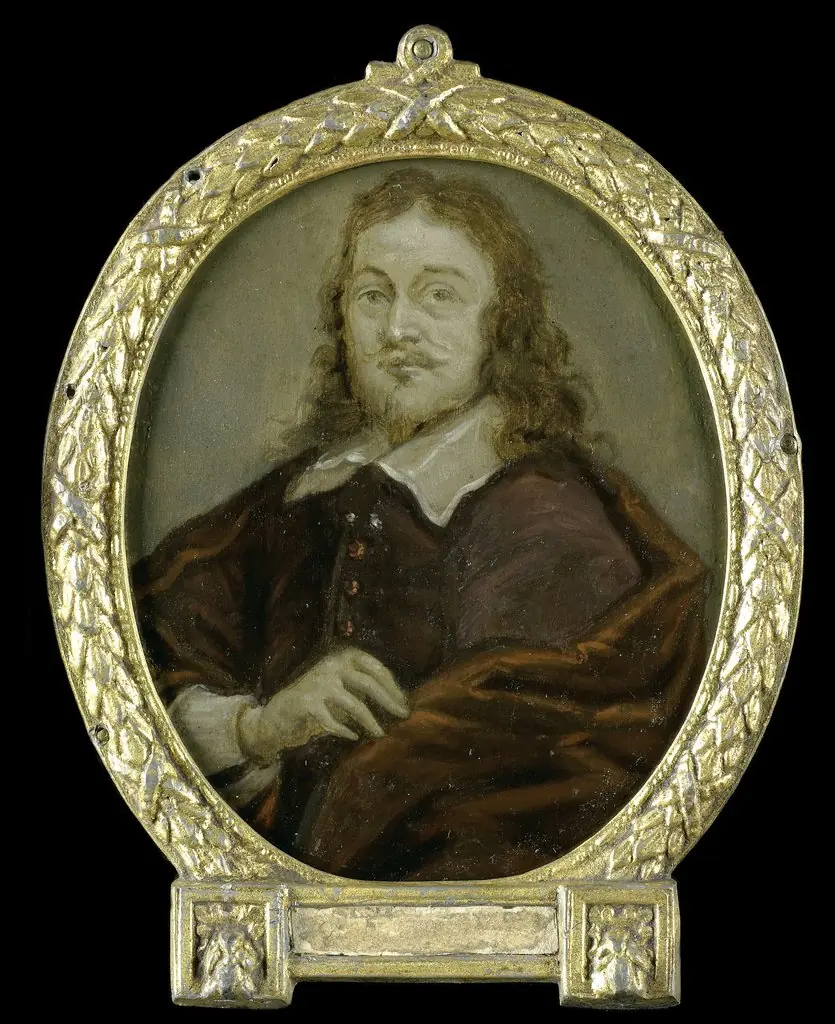 Portrait of the painter Bonaventura Peeters I (1614-52)
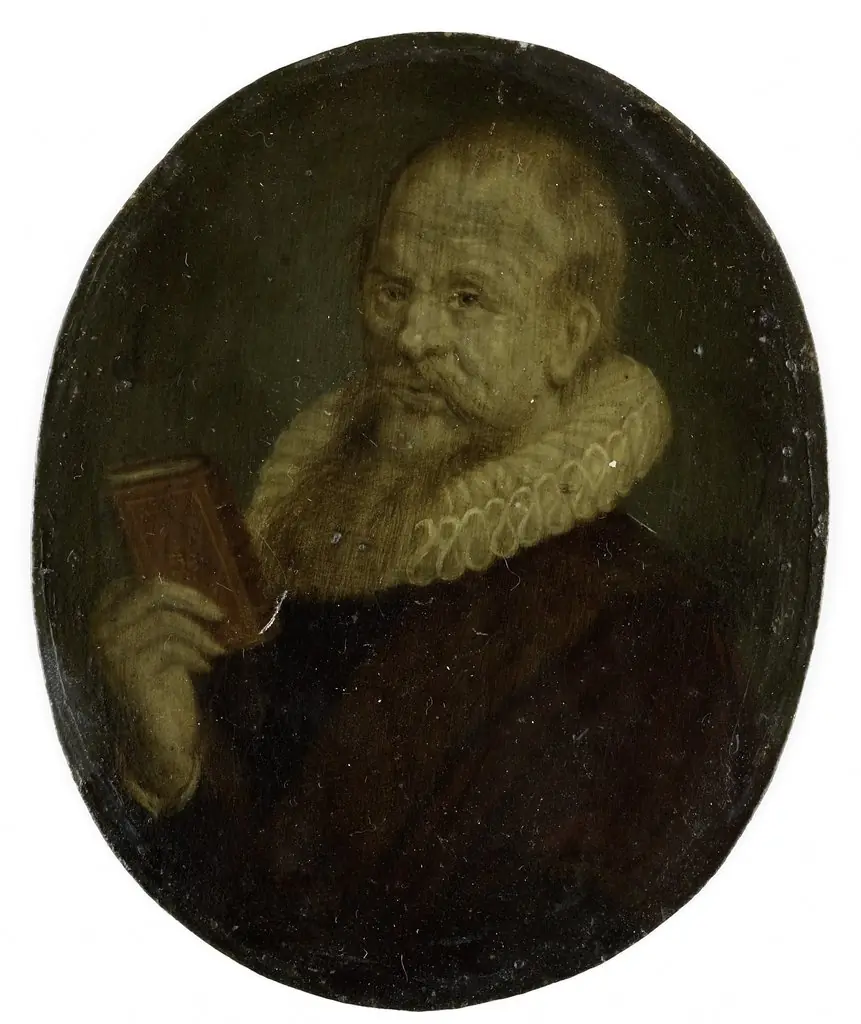 Portrait of Theodorus Schrevelius (1572-1653)
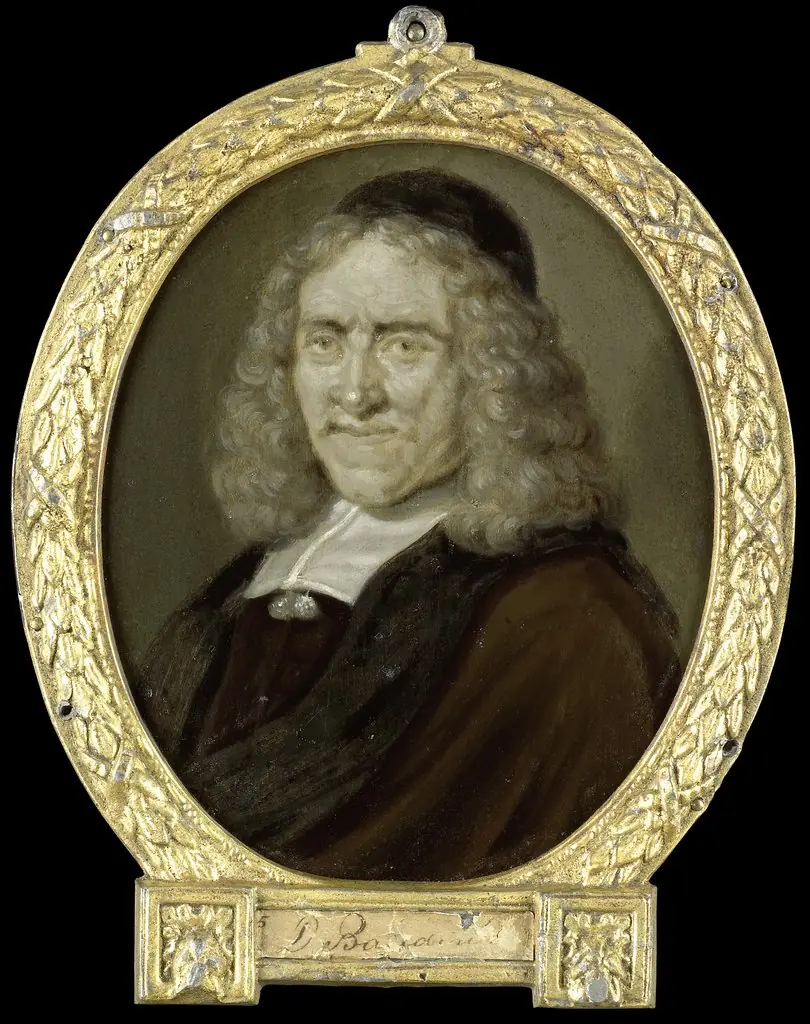 Portrait of Willem Jacobsz van Heemskerck, Poet and Engraver on Glass
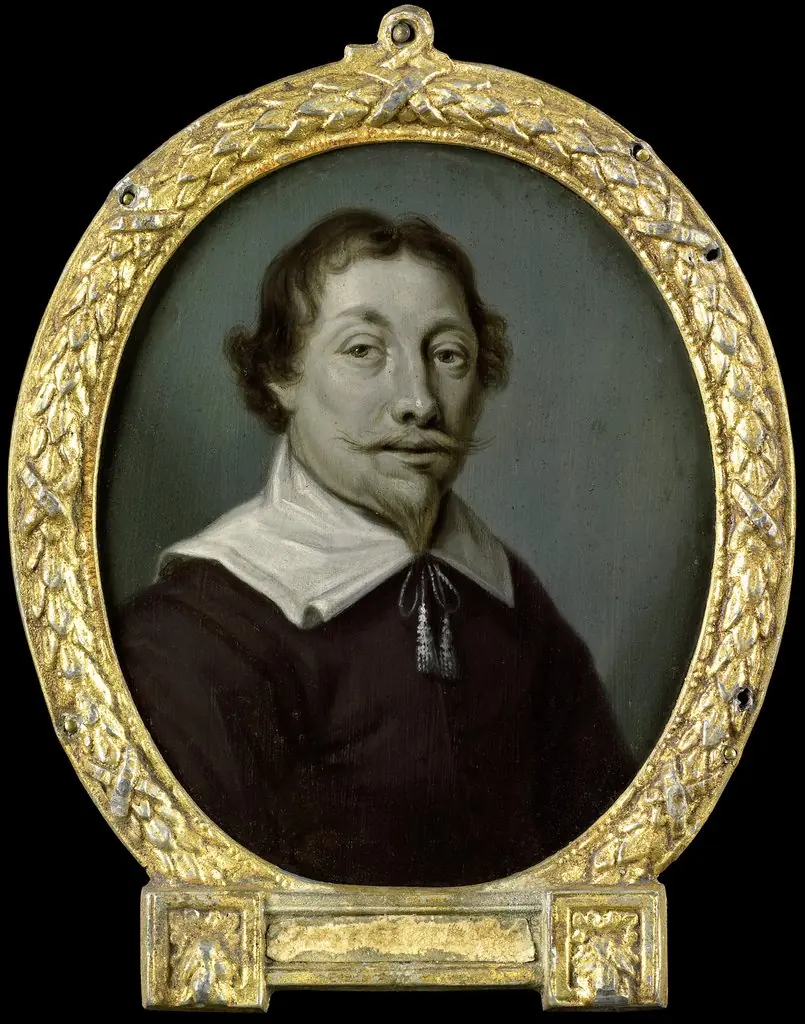 Portrait of Jan van der Veen, Pharmacist and Poet in Deventer
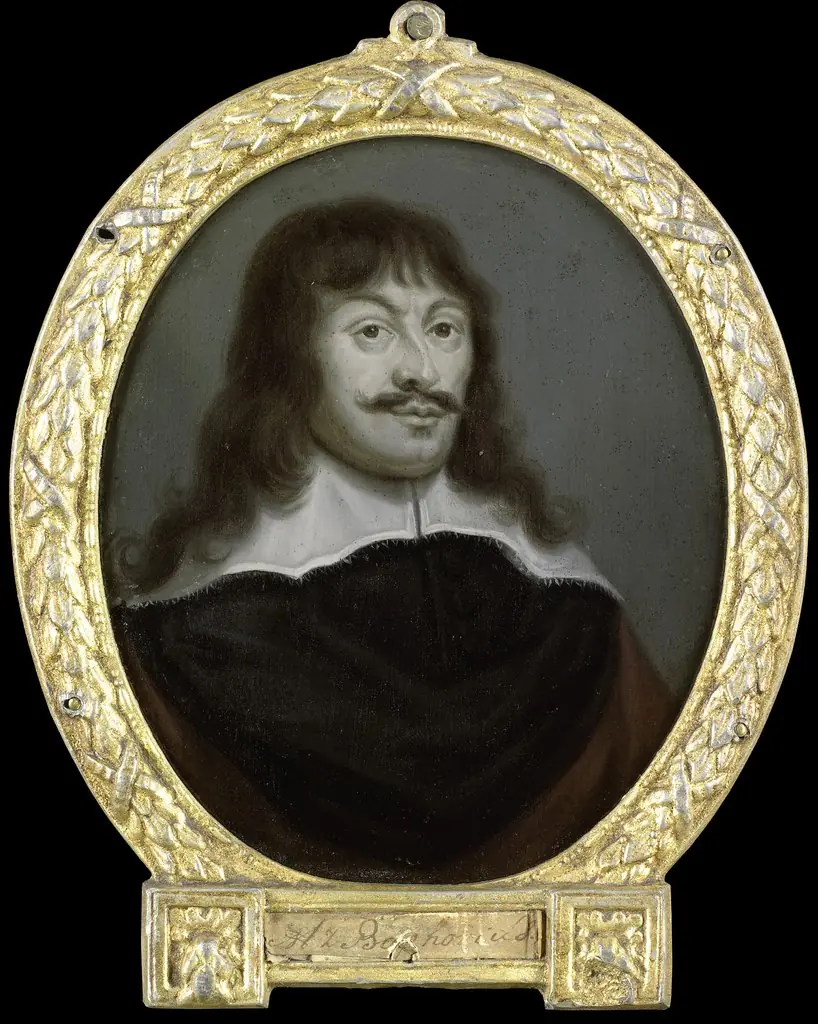 Portrait of Marcus Zuërius van Boxhorn, Historian and Professor at Leiden
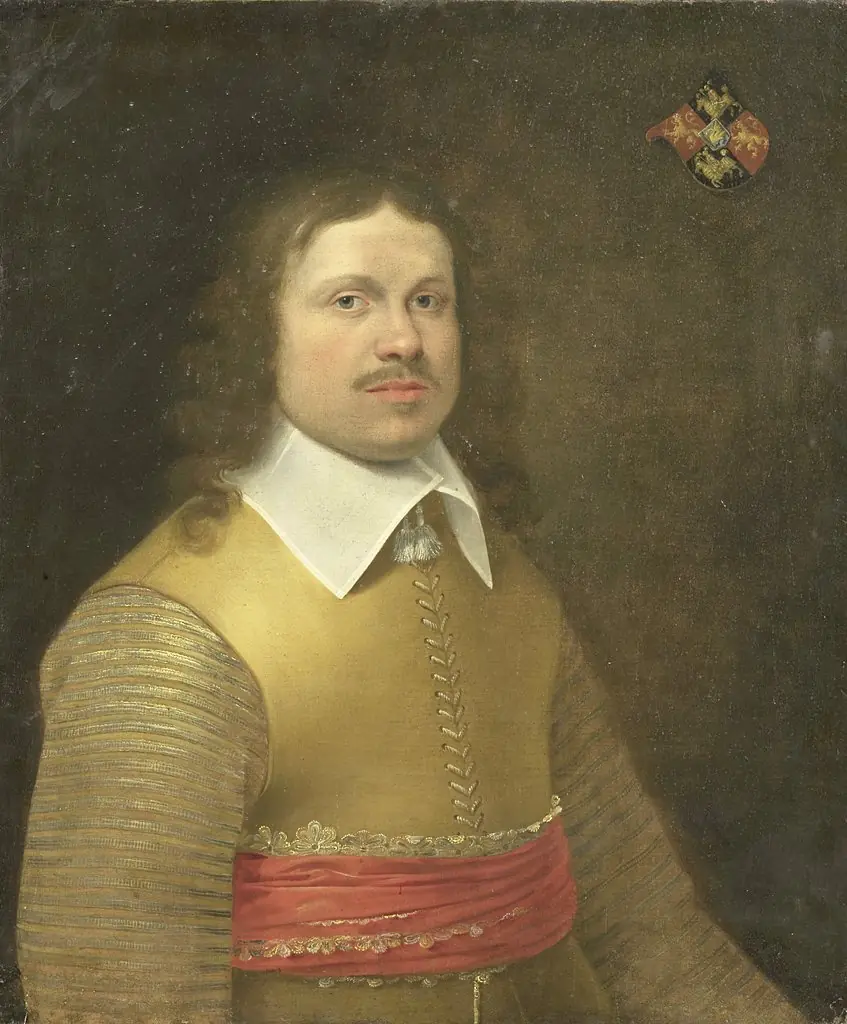 Portrait of Herman van der Hem van Nederstein (Herman Gysbert van der Hemm van Niederstein) (died 1671)
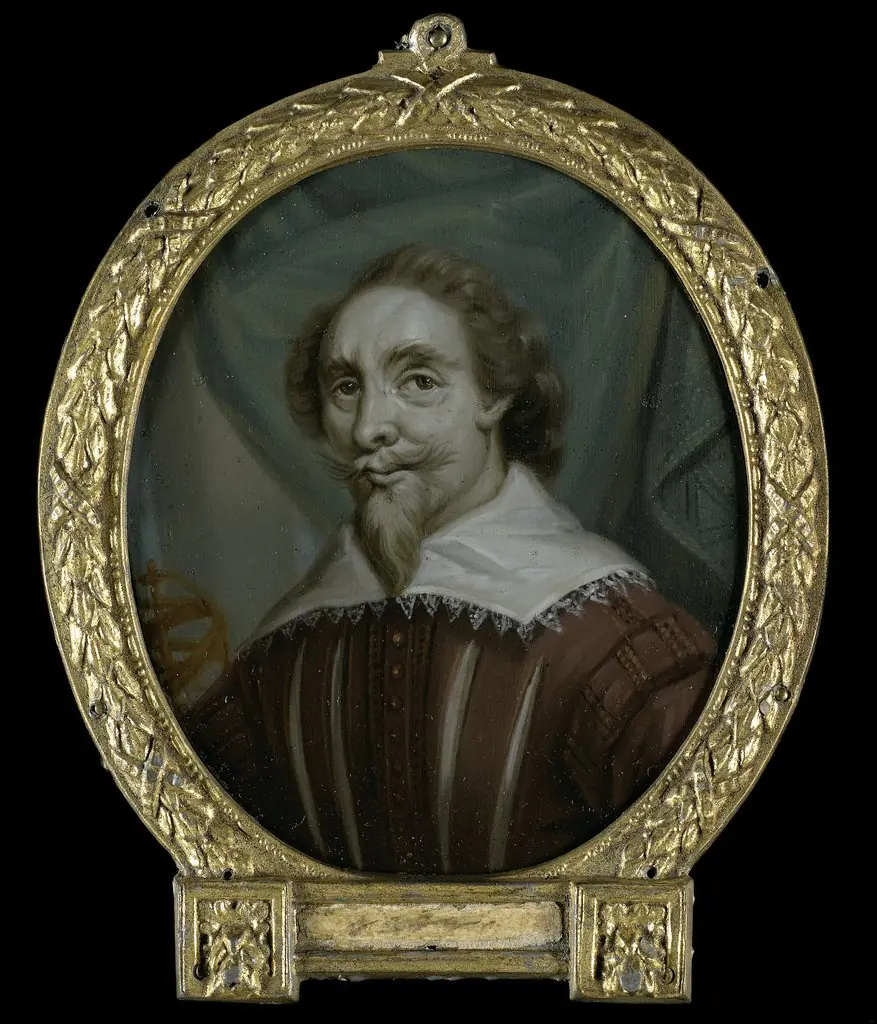 Portrait of Petrus Baard, Physician and Poet from Leeuwarden
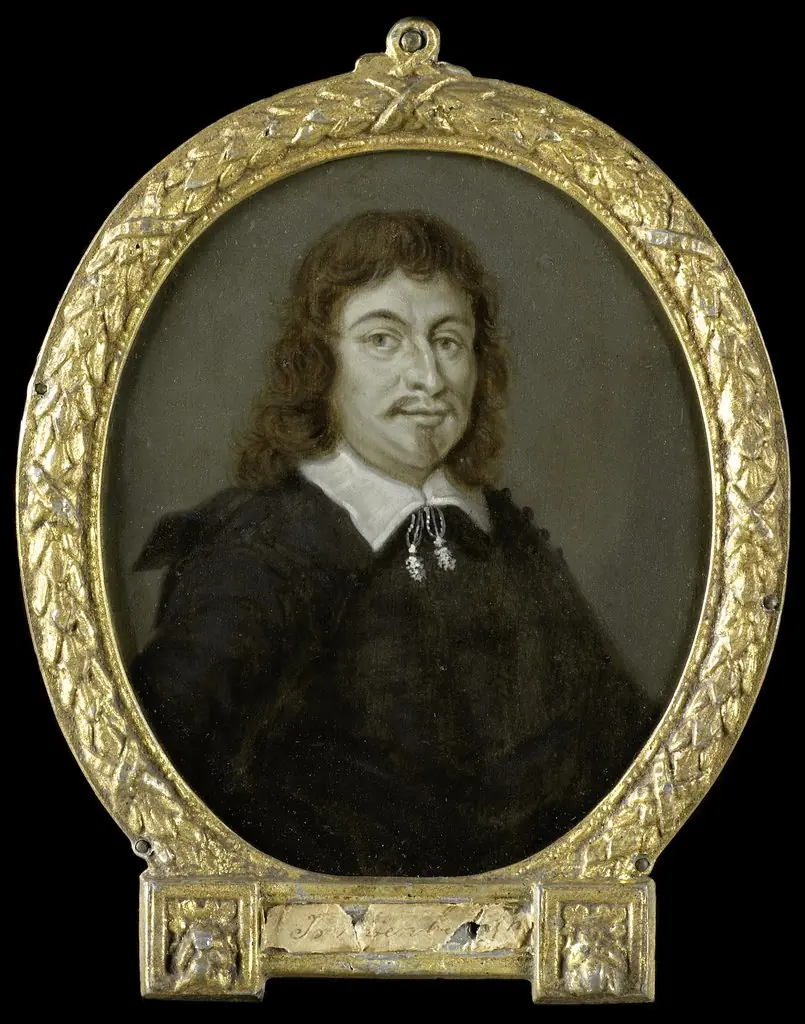 Portrait of Johan van Nijenborgh, Poet in Groningen
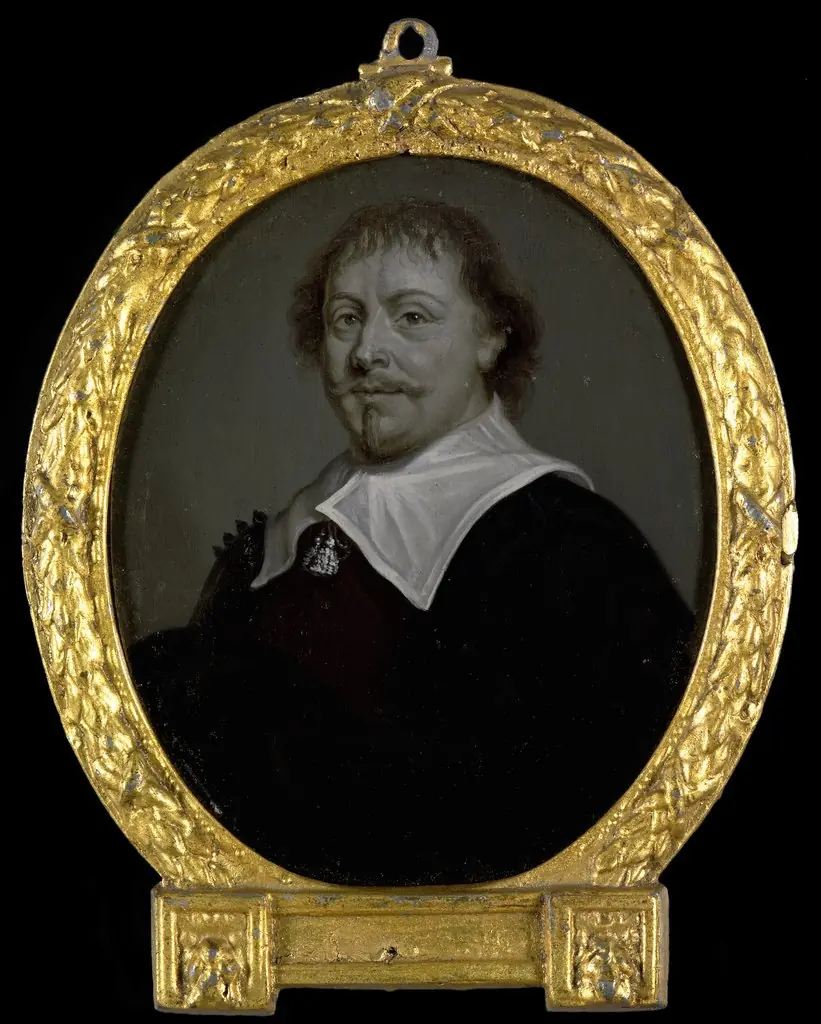 Portrait of Franciscus Planté, Clergyman at Zevenbergen and in Brazil
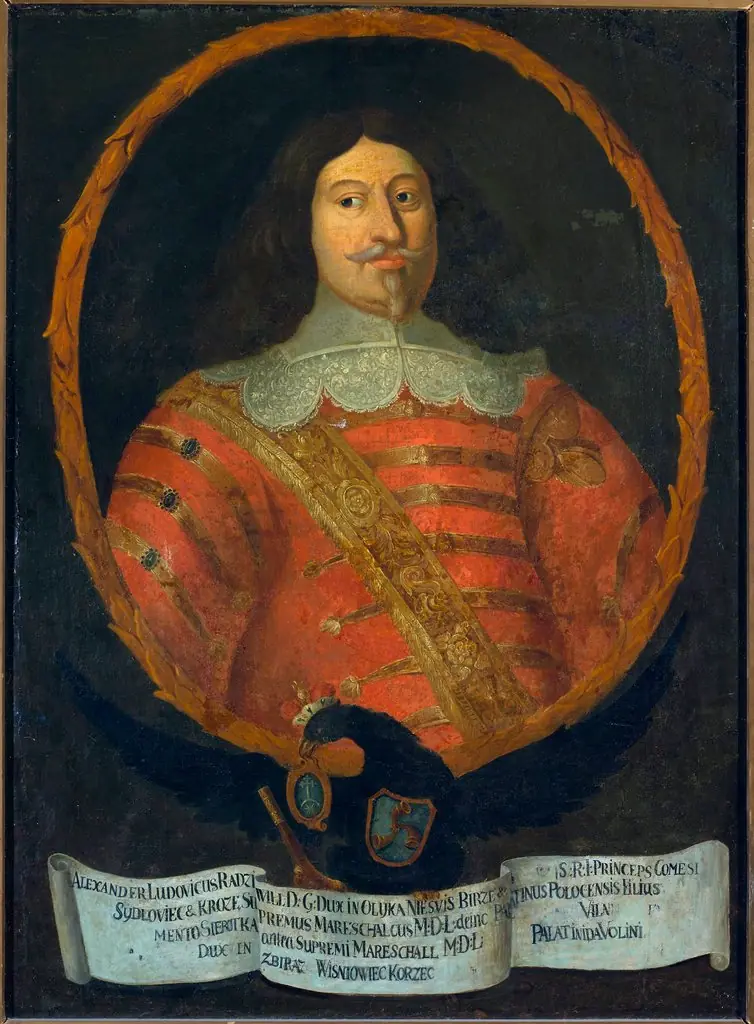 Portrait of Aleksander Ludwik Radziwiłł (1594–1654)
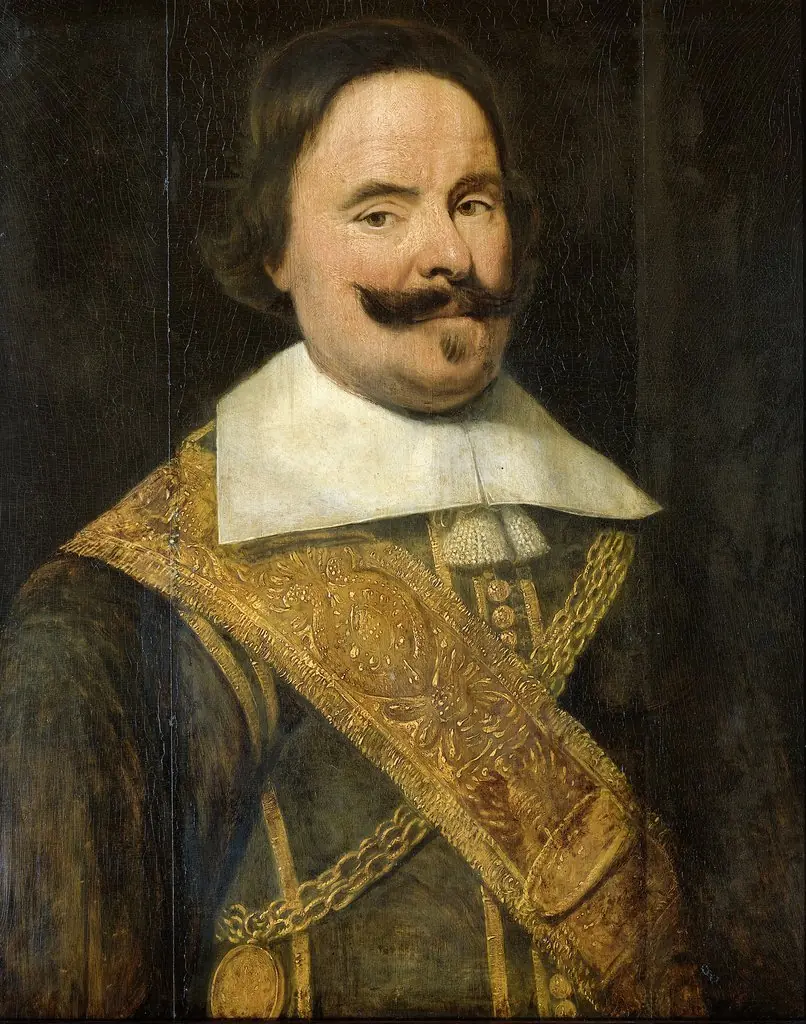 Michiel Adriaensz de Ruyter (1607-1676). Vice Admiral
 Adolf, Count of Nassau-Dillenburg-Schaumburg (1629-76)