Artwork
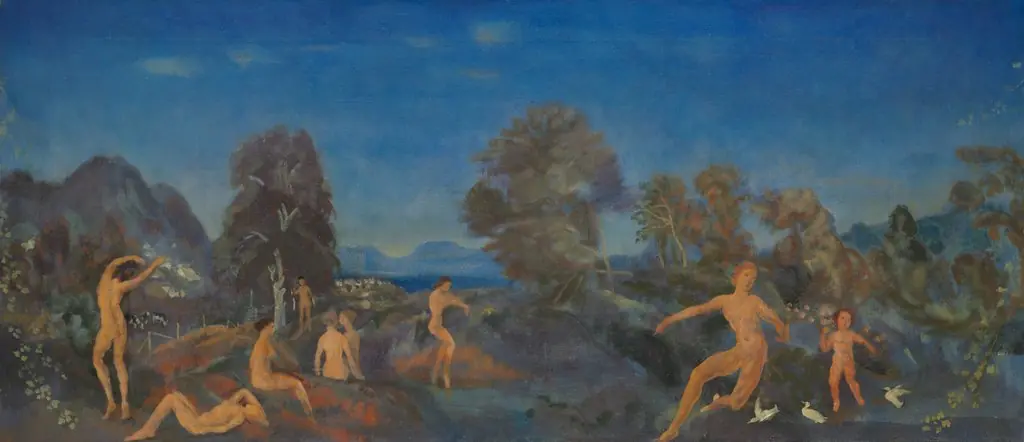
Hermes and the Infant Dionysus
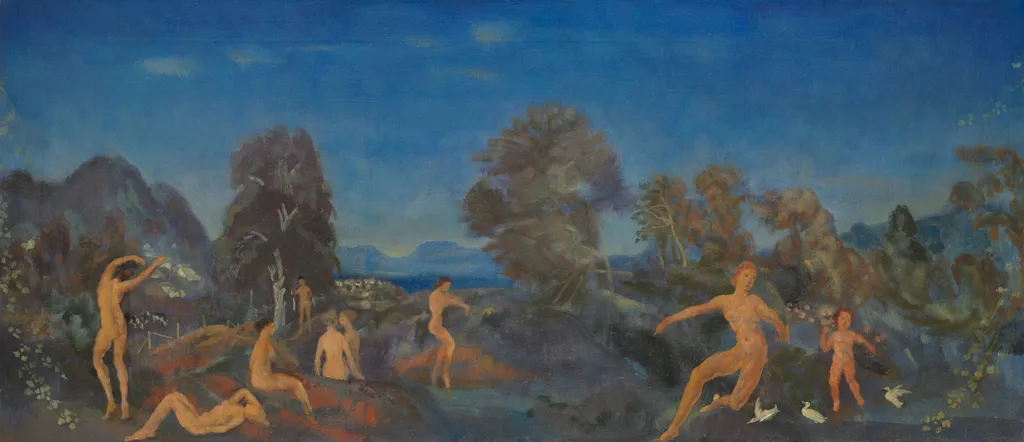
Hermes and the Infant Dionysus is an unspecified painting by the American Impressionist artist Arthur Bowen Davies. It dates from 1908 and is held in the collection of the Cleveland Museum of Art.
About this work
Overview
Hermes and the Infant Dionysus is a 1908 painting by Arthur B. Davies, executed within the American Impressionist movement. The work features a classical mythological scene set in a serene, dreamy forest landscape.
Subject & Meaning
The painting depicts a mythological tableau with Hermes, a tall figure on a rock pointing upwards, a dancing woman with the infant Dionysus, and other lounging figures. The peaceful, ethereal atmosphere evokes an ancient, timeless narrative.
Technique & Style
Characterized by soft, luminous brushwork and blended colors with warm orange and peach tones against a deep blue sky, the painting exemplifies American Impressionist techniques. Soft edges blur the figures into the landscape, enhancing the dreamy effect.
History & Provenance
Created in 1908 by Arthur B. Davies, a prominent avant-garde artist and promoter of modern art in the U.S., the painting is now part of The Cleveland Museum of Art's collection.
Context
Part of the American Impressionist movement, the work reflects Davies' engagement with classical subjects through the lens of contemporary artistic innovations, emphasizing light and color.
Legacy
While specific legacy details of *Hermes and the Infant Dionysus* are not highlighted, as a work by Davies, it contributes to the broader legacy of American Impressionism and the introduction of modern art principles in the early 20th-century U.S. art scene.
Artist & collection
Artist
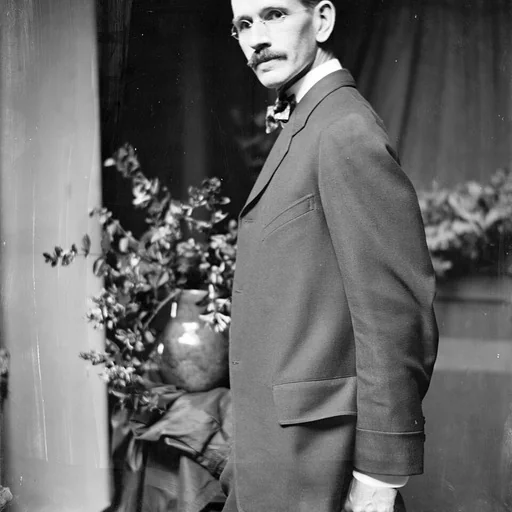
Arthur Bowen Davies (September 26, 1862 – October 24, 1928) was an avant-garde American artist and influential advocate of modern art in the United States c. 1910–1928.

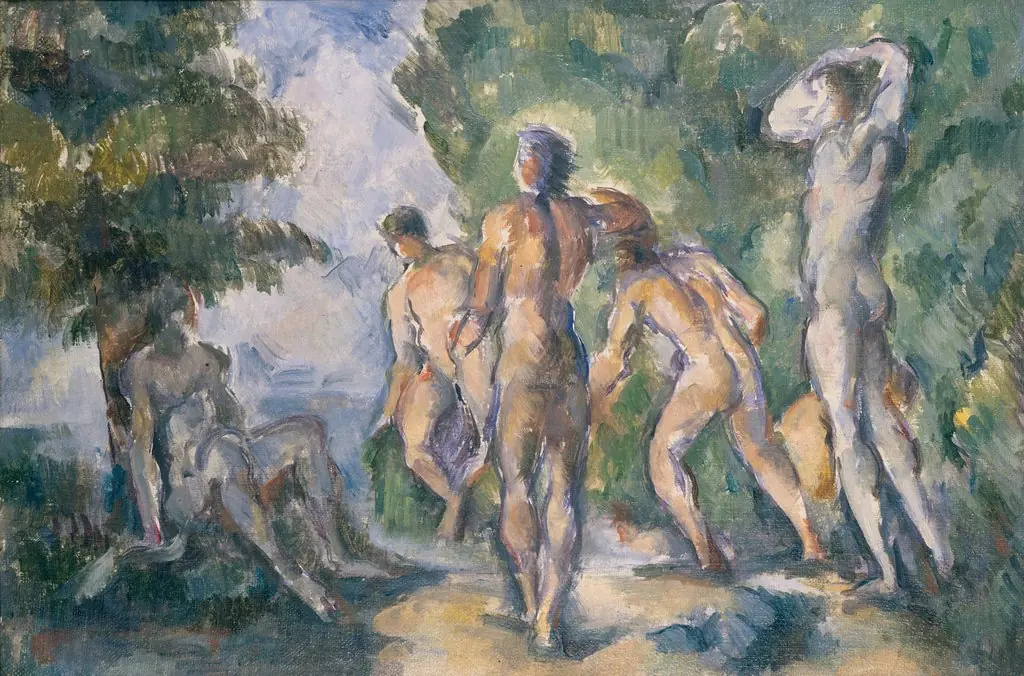 Baigneurs (Bathers)
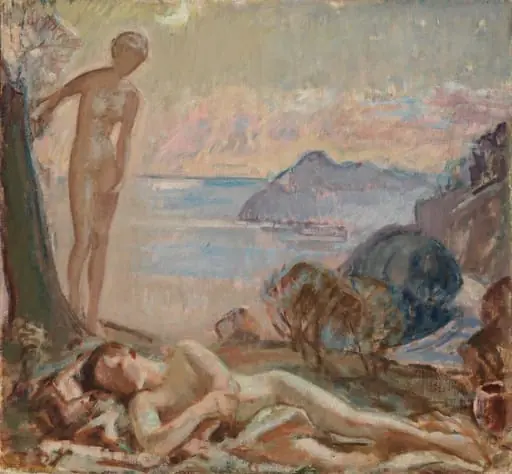 Diana ja Endymion I
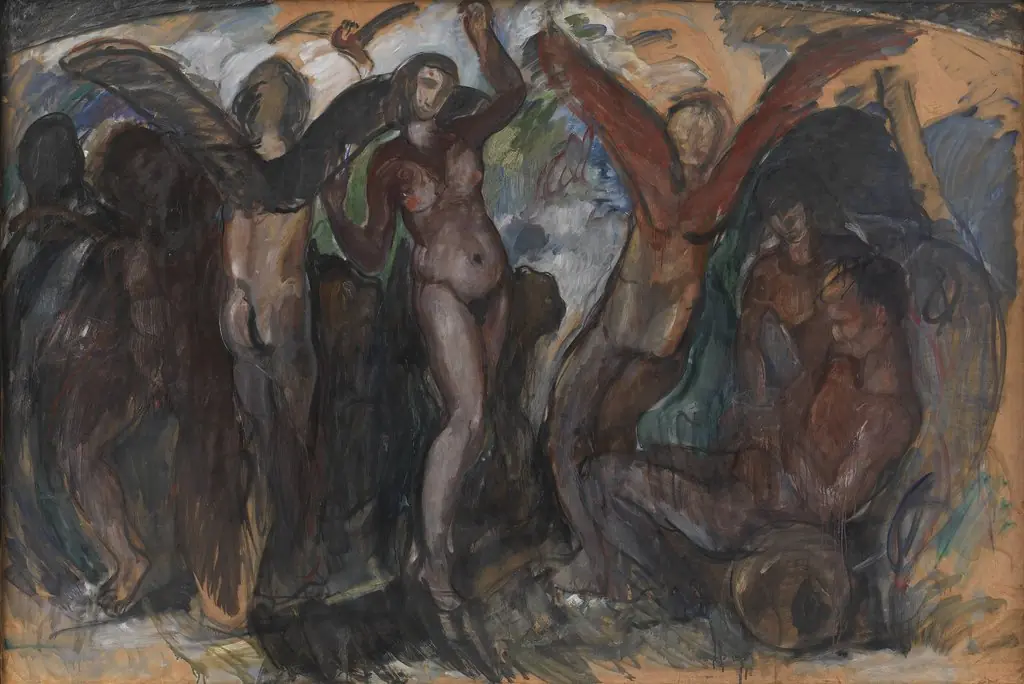 Figure Composition with Bacchants
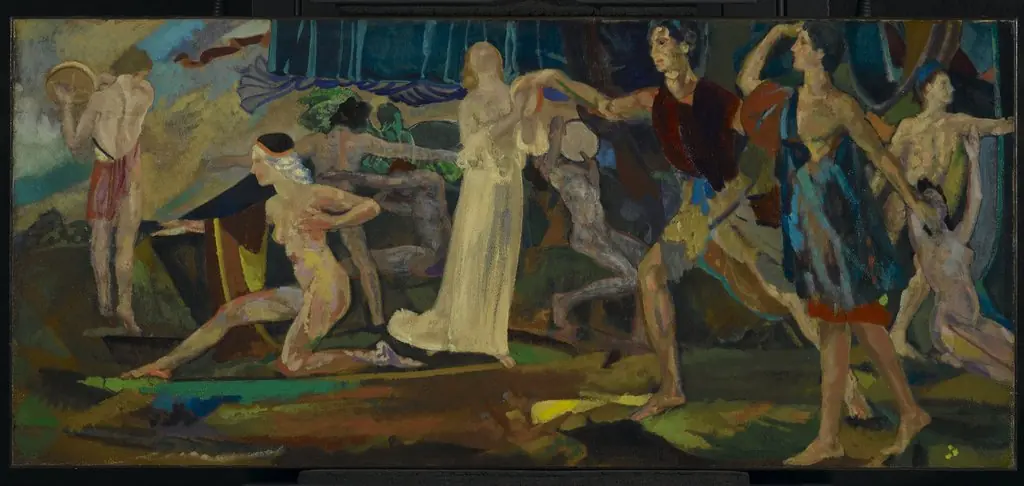 Freshness of the Wounded
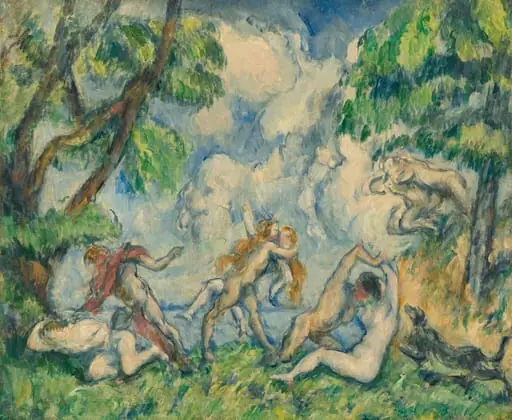 The Battle of Love
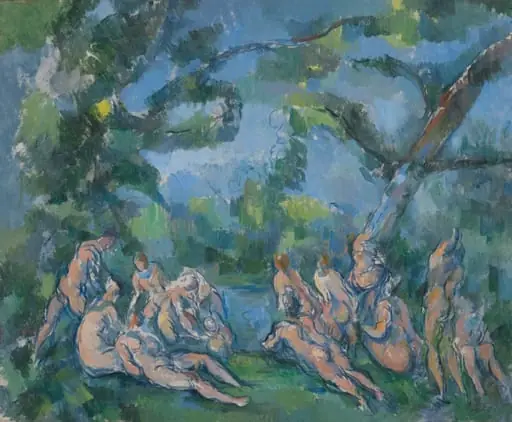 The Bathers
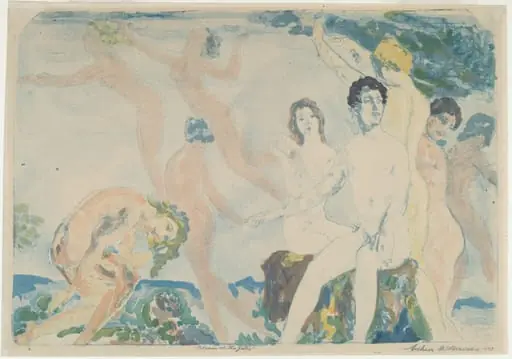 Release at the Gates
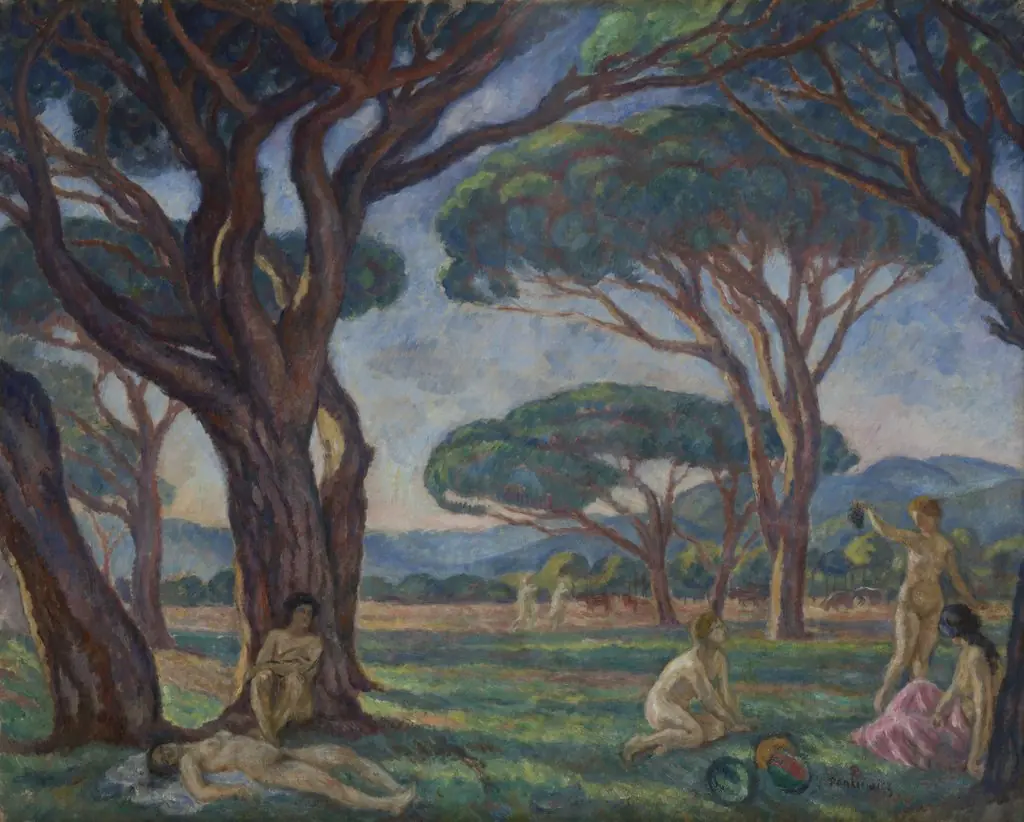 Landscape from Provence with Idyllic Scenes
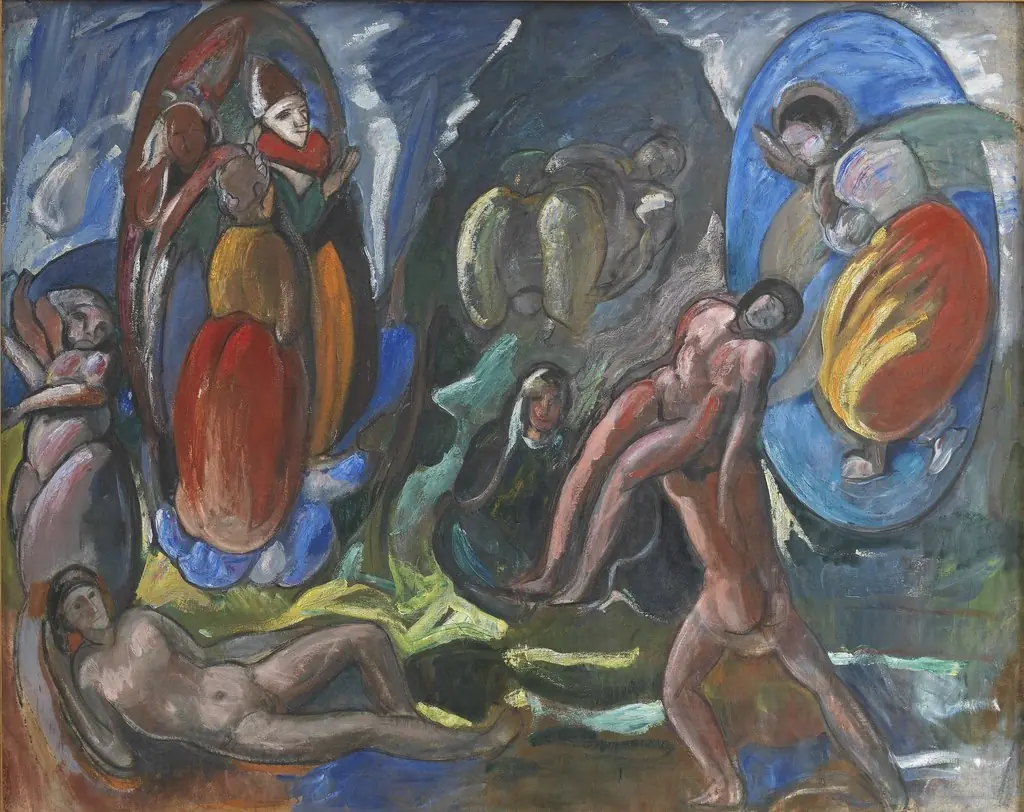 The Creation of Eve. Composition. Opus II
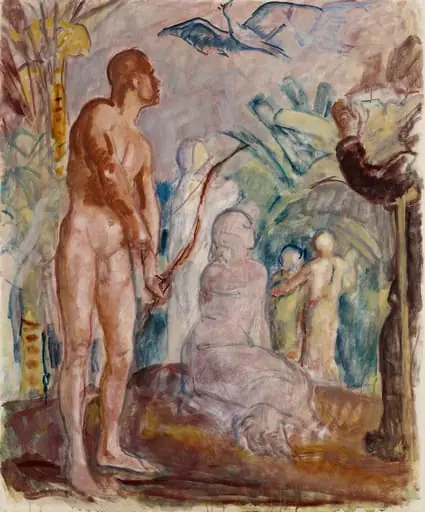 Paratiisilintu, luonnos
 Hermes and the Infant Dionysus
 Te Pape Nave Nave (Delectable Waters)