Artwork
Portrait of a Lady
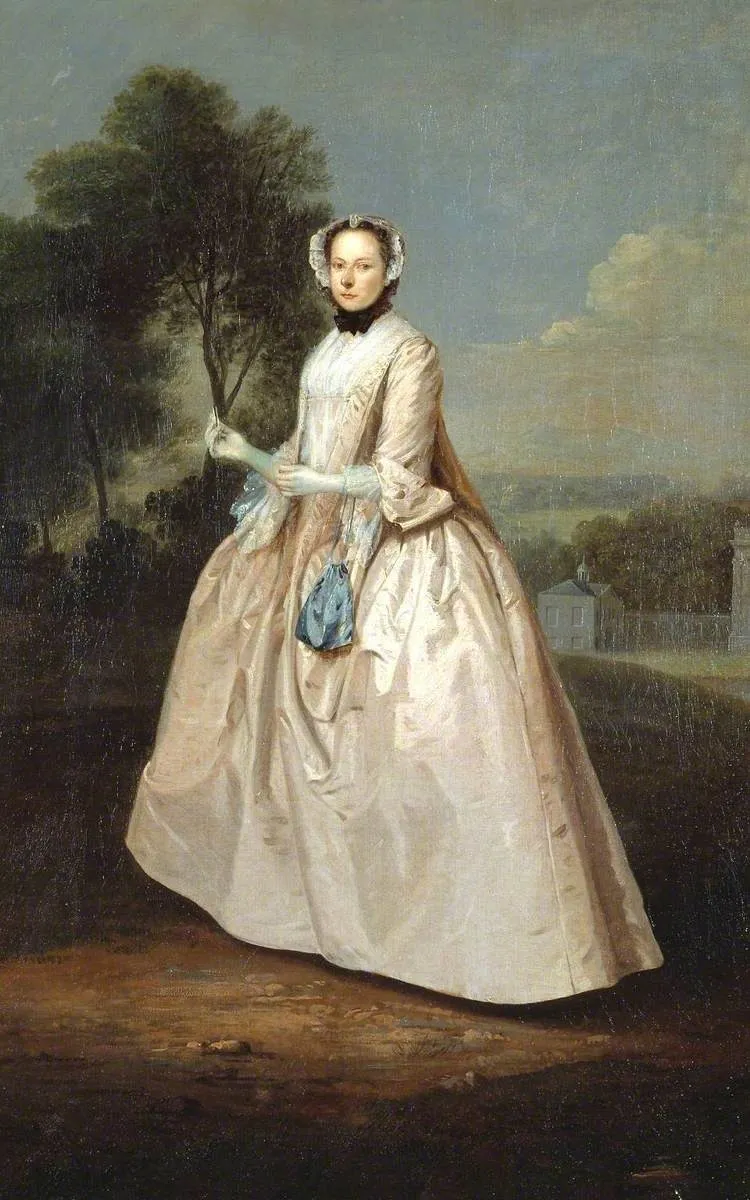
Portrait of a Lady is an oil painting by the Rococo painting artist Arthur Devis. It dates from 1750 and is held in the collection of the National Gallery.
About this work
Overview
Painted around 1750, this oil-on-canvas portrait is attributed to Arthur Devis, an English artist known for domestic and social scenes.
Painted around 1750, this oil-on-canvas portrait is attributed to Arthur Devis, an English artist known for domestic and social scenes. Though the sitter’s identity remains unknown, the work reflects Devis’s shift from topographical painting to portraiture after early training under a Flemish artist. It resides in the Tate Britain collection, representing a quiet moment in 18th-century British life.
Subject & Meaning
The portrait captures a woman in a composed, idle stance, suggesting leisure and social refinement. Her white bonnet, light dress, and delicate fan imply modest elegance, while the blue purse at her waist hints at personal possession and status. The tranquil setting—tree, distant building, and open sky—frames her as part of a cultivated, private world, typical of genteel portraiture of the period.
Technique & Style
Devis employs soft modeling and restrained chiaroscuro to render the woman’s form against a luminous background. The dress and sky, rendered in pale tones, contrast with subtle shadows in the foliage and architecture, creating depth without drama. Brushwork is precise yet unobtrusive, favoring clarity over flourish, aligning with the restrained aesthetic of mid-18th-century English portraiture.
History & Provenance
The painting entered the Tate Britain collection through established institutional acquisitions, though its earlier ownership is undocumented. It has remained in public hands since at least the 20th century, with no record of significant exhibition or controversy. Its preservation reflects its role as a representative example of Devis’s portraiture rather than a celebrated outlier.
Context
Created during the height of Rococo influence in Britain, the work diverges from continental ornamentation, favoring understated naturalism. Devis’s focus on individual presence within domestic landscapes aligns with the rising middle class’s interest in personal identity and propriety. Unlike grand aristocratic portraits, this image emphasizes quiet dignity over display.
Legacy
While not widely known outside specialist circles, the portrait contributes to the understanding of English portraiture beyond formal aristocratic commissions. It exemplifies how artists like Devis documented everyday gentility, offering insight into the visual culture of provincial and urban elites. Its endurance in Tate’s collection underscores its value as a historical document.
Artist & collection
Artist
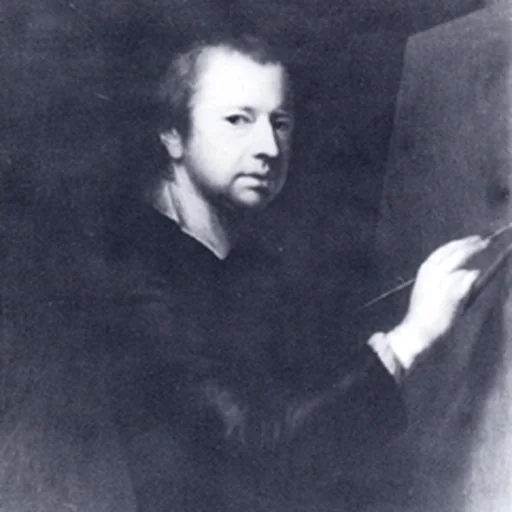
Arthur Devis (19 February 1712 – 25 July 1787) was an English painter whose father, Anthony, was progenitor of what became a family dynasty of painters and writers.

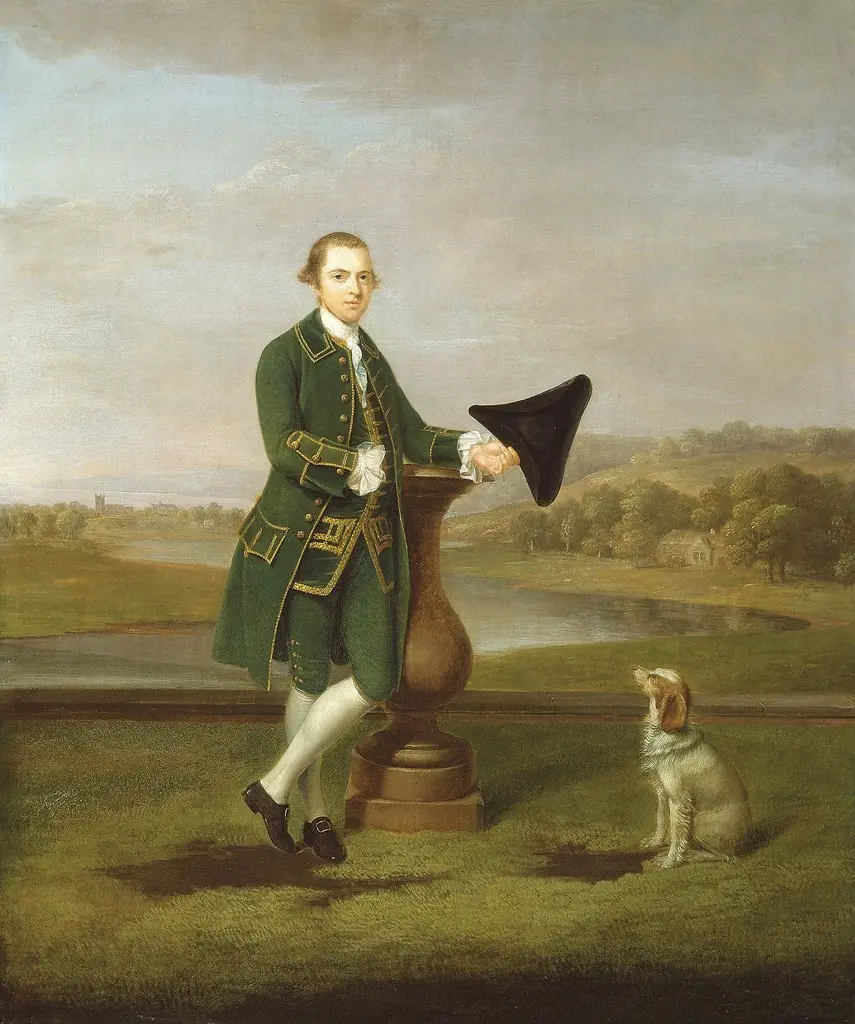 Portrait of a Man
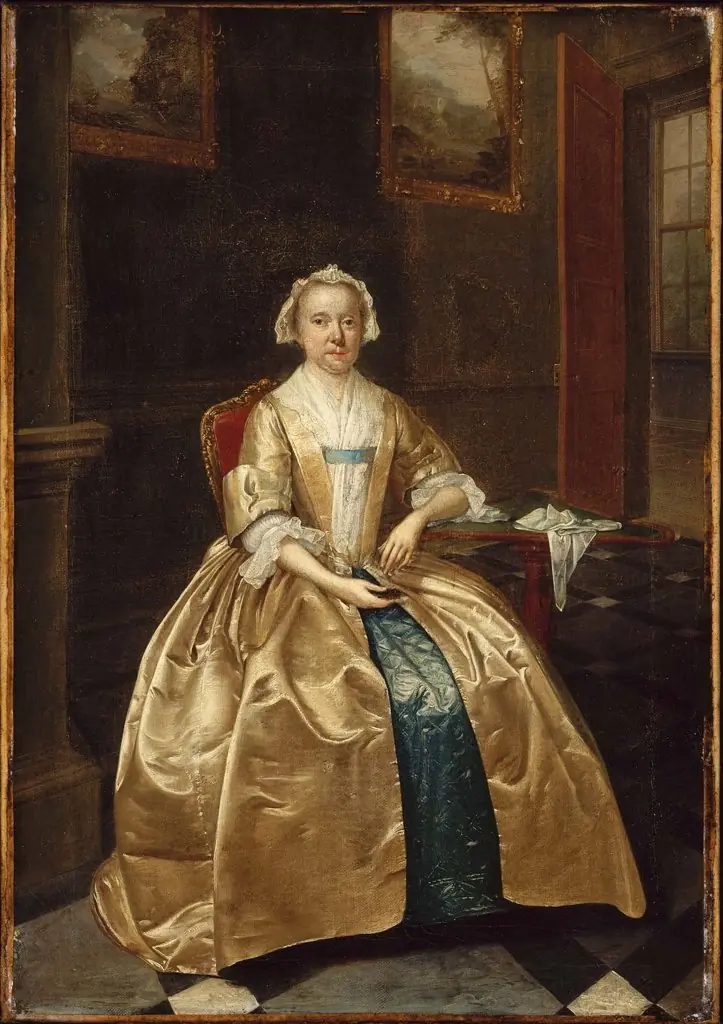 Portrait of a Woman Seated beside a Table
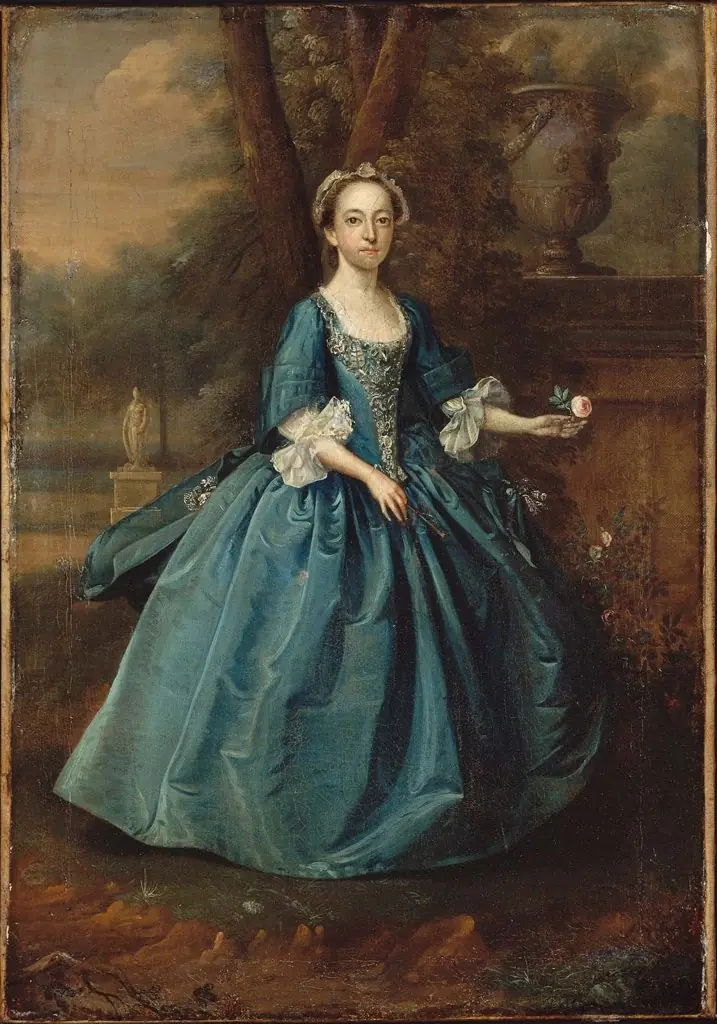 Portrait of a Woman Standing in a Garden
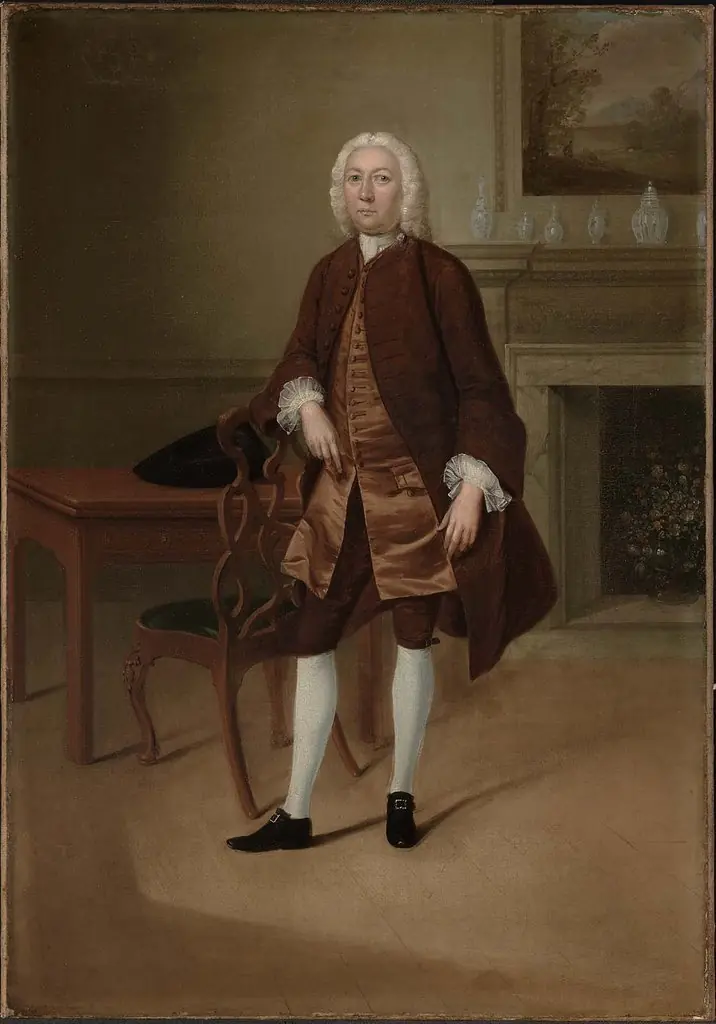 Portrait of a Man Standing Beside a Table
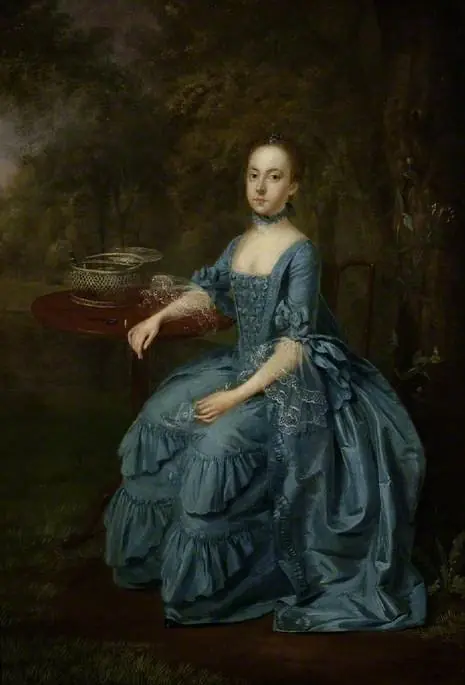 Lady Milner (née Miss Mordaunt)
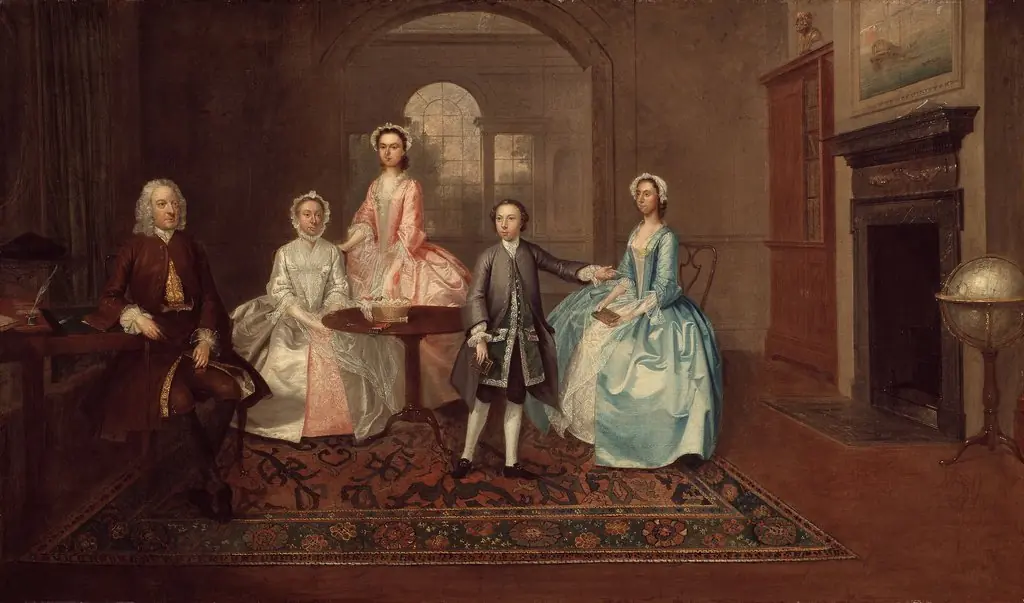 John Thomlinson and His Family
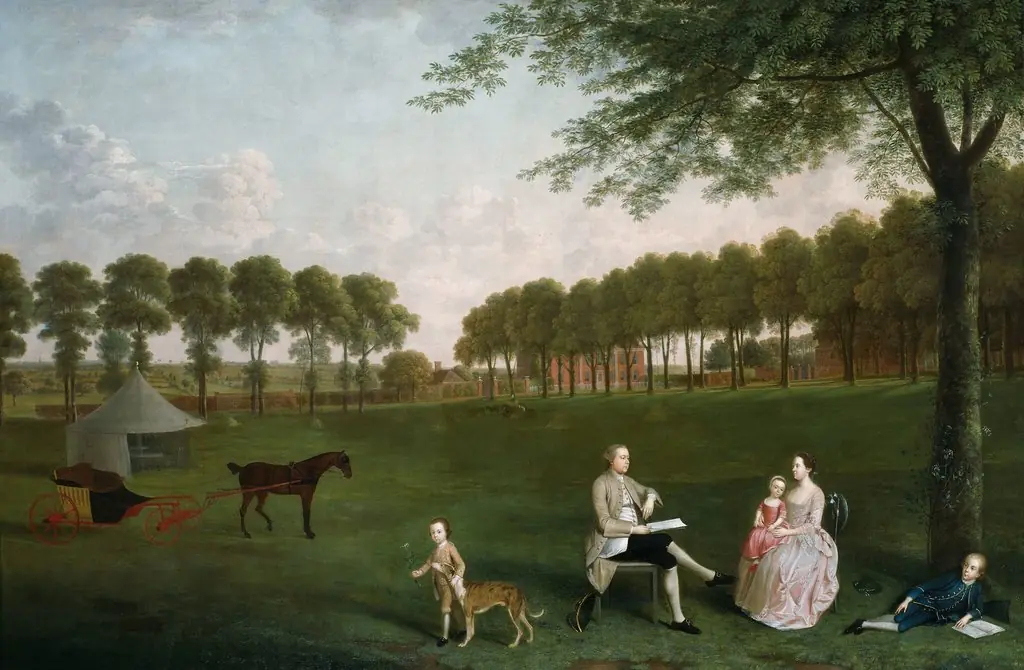 Sir John Shaw and his Family in the Park at Eltham Lodge, Kent
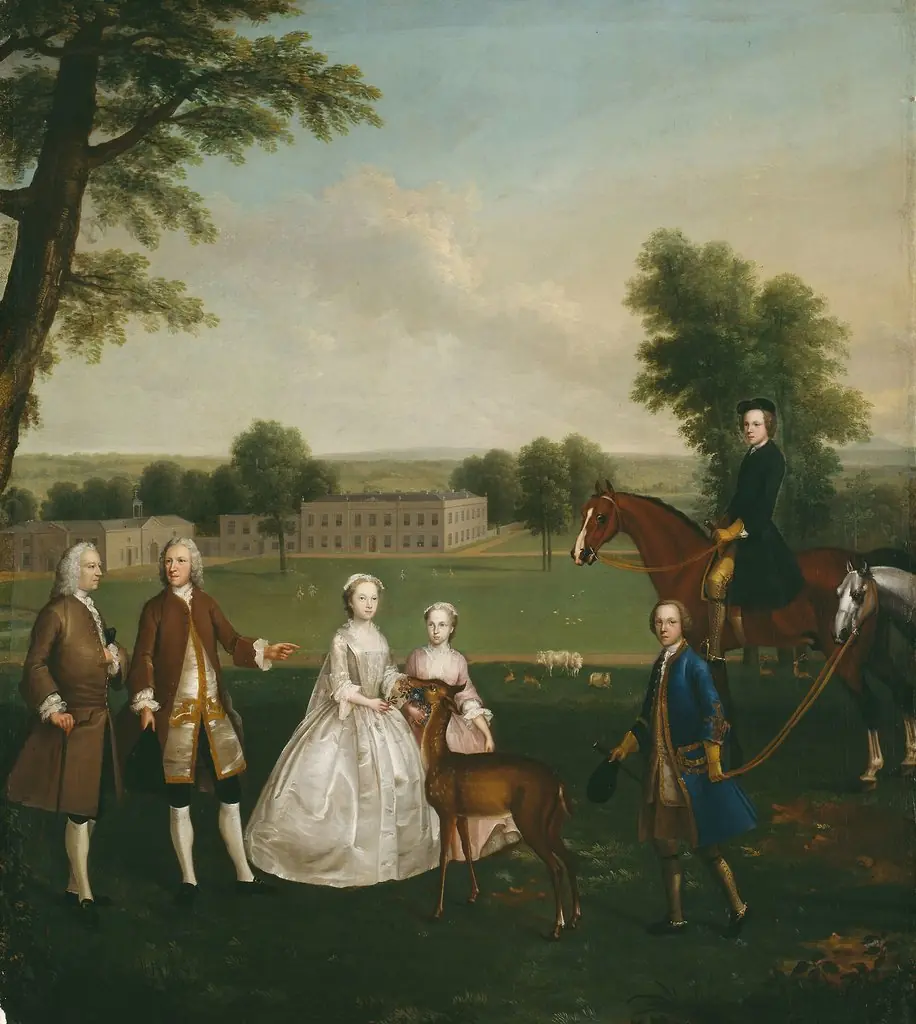 Thomas Lister and Family at Gisburne Park
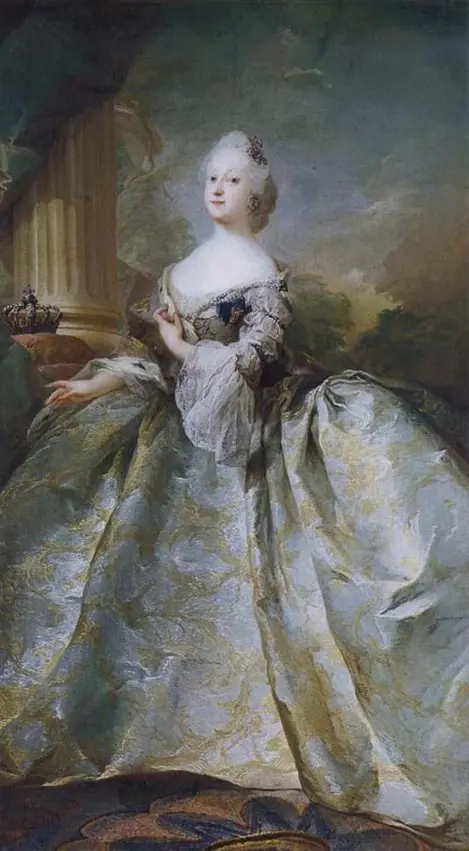 Portræt af Louise, Frederik V's første dronning
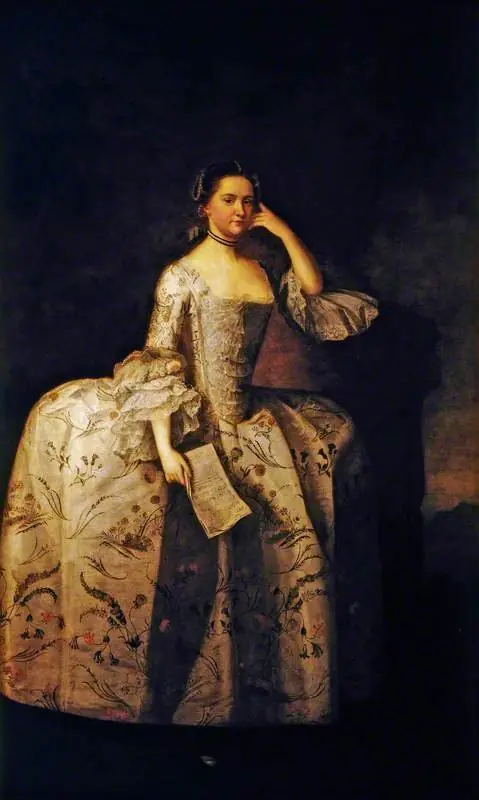 Portrait of a Lady of the Arcedeckne Family
 Portrait of Diana, Countess of Mountrath (1696-1766), Wife of the 6th Earl
 Portrait of a Lady in a Landscape
 Portrait of a Woman
 Portrait of Charlotte Beatrix Strick van Linschoten
 Jean Duff (1746–1805), Lady Grant
 Portrait of Magdalena van Citters, Wife of Adriaen Isaac Hurgronje
 Mrs. Samuel Cutts
 Henrietta Diana (1728–1761), Dowager Countess of Stafford