Artwork
Sir John Shaw and his Family in the Park at Eltham Lodge, Kent
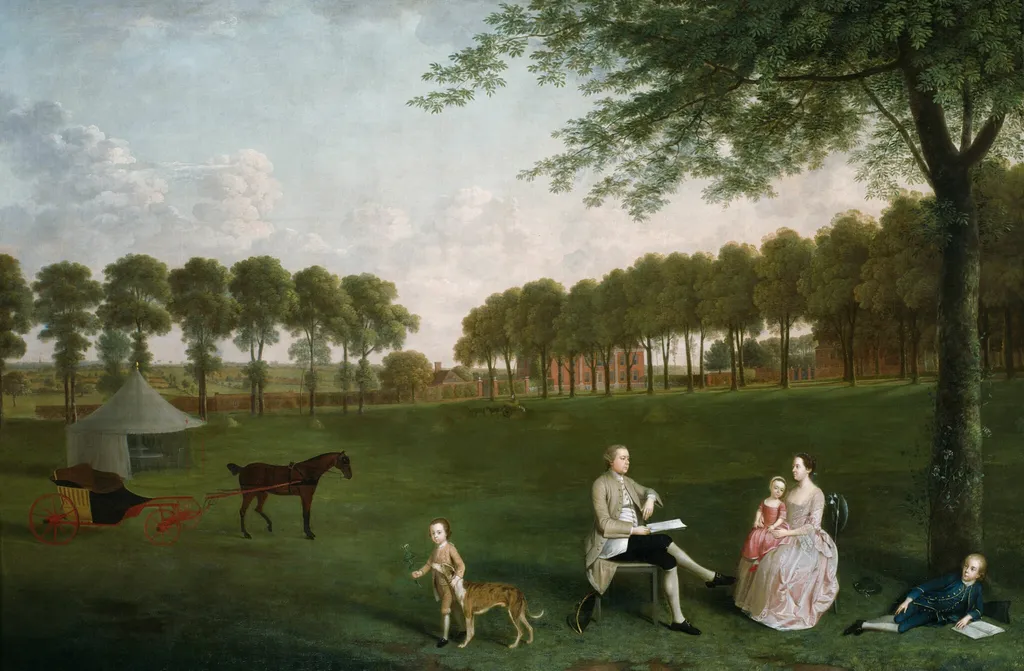
Sir John Shaw and his Family in the Park at Eltham Lodge, Kent is an oil painting by the Rococo painting artist Arthur Devis. It dates from 1761 and is held in the collection of the Art Institute of Chicago.
About this work
Overview
Painted in 1761 by Arthur Devis, this oil on canvas portrait captures Sir John Shaw and his family in the landscaped grounds of Eltham Lodge, Kent. Devis, known for his genteel family portraits, rendered the scene with careful attention to social posture and naturalistic setting, reflecting the tastes of the British gentry during the mid-eighteenth century.
Subject & Meaning
The painting presents Sir John Shaw, his wife, and their children in a relaxed yet formal outdoor setting, emphasizing familial unity and social standing.
The painting presents Sir John Shaw, his wife, and their children in a relaxed yet formal outdoor setting, emphasizing familial unity and social standing. Their attire, though elegant, avoids theatricality, while the presence of dogs suggests leisure and cultivated domesticity. The composition conveys quiet authority rather than ostentation, aligning with the values of landed prosperity in Georgian England.
Technique & Style
Devis employed glazing techniques to achieve subtle tonal transitions and luminous fabric textures, characteristic of his refined approach to portraiture. The figures are arranged with deliberate asymmetry against a softly rendered parkland, blending naturalism with compositional order. His brushwork balances precision in facial features with looser handling of foliage and sky, typical of rococo-inflected British portraiture.
History & Provenance
Commissioned by the Shaw family, the painting remained in private hands for generations before entering public collection. Devis, trained under a Flemish topographical artist, built his reputation on such domestic scenes before his popularity waned in the 1770s. The work is among his most intact examples, preserving the original setting and familial narrative without later alterations.
Context
In mid-eighteenth-century England, family portraits in garden settings became markers of landed identity, merging aristocratic tradition with emerging ideals of natural leisure. Devis’s work responded to this trend, offering clients a vision of refined domesticity. Unlike grand historical or mythological scenes, his paintings affirmed status through everyday elegance, reflecting broader cultural shifts in self-representation.
Legacy
Though Devis’s later career declined as neoclassical tastes rose, this painting endures as a representative example of Georgian family portraiture. It documents the visual language of provincial gentry, preserving details of dress, landscape, and social ritual. Art historians value it for its unembellished insight into the private lives of the era’s upwardly mobile elite.
Own this work as a print
Artist & collection
Artist
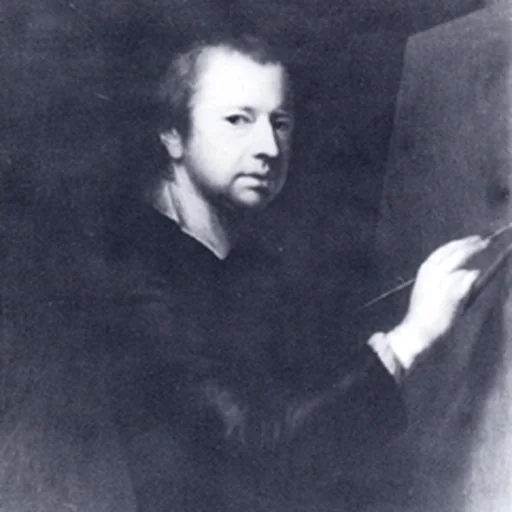
Arthur Devis (19 February 1712 – 25 July 1787) was an English painter whose father, Anthony, was progenitor of what became a family dynasty of painters and writers.

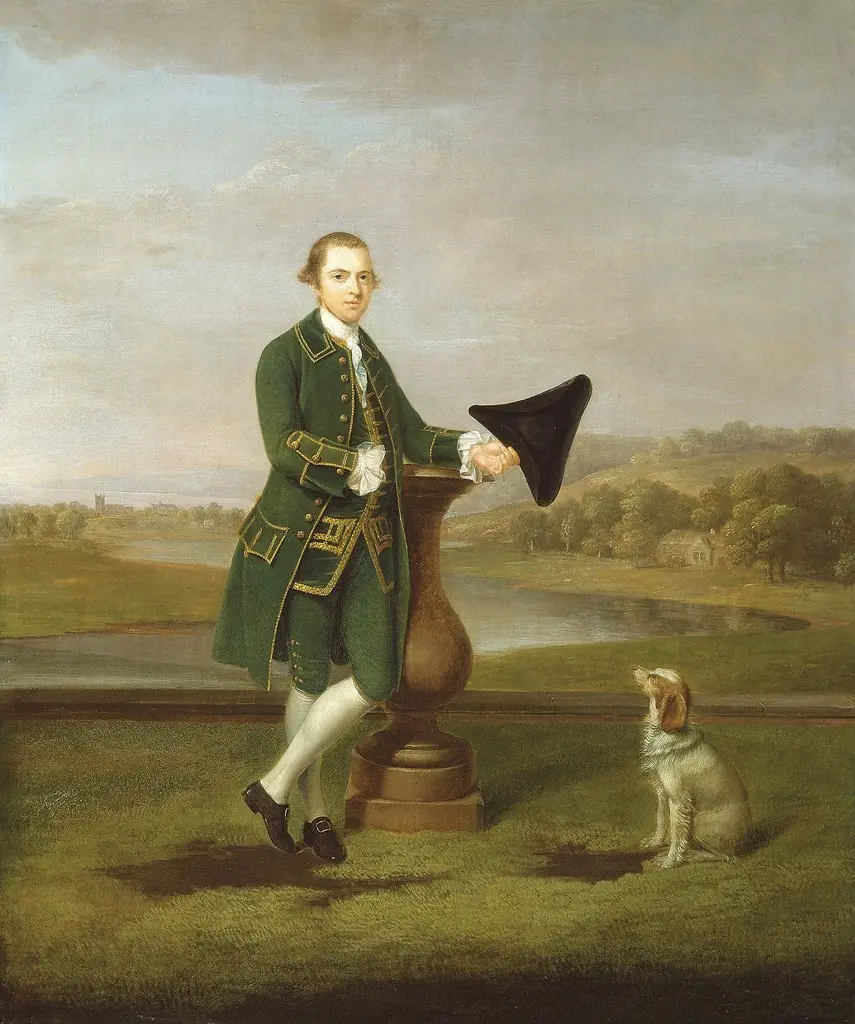 Portrait of a Man
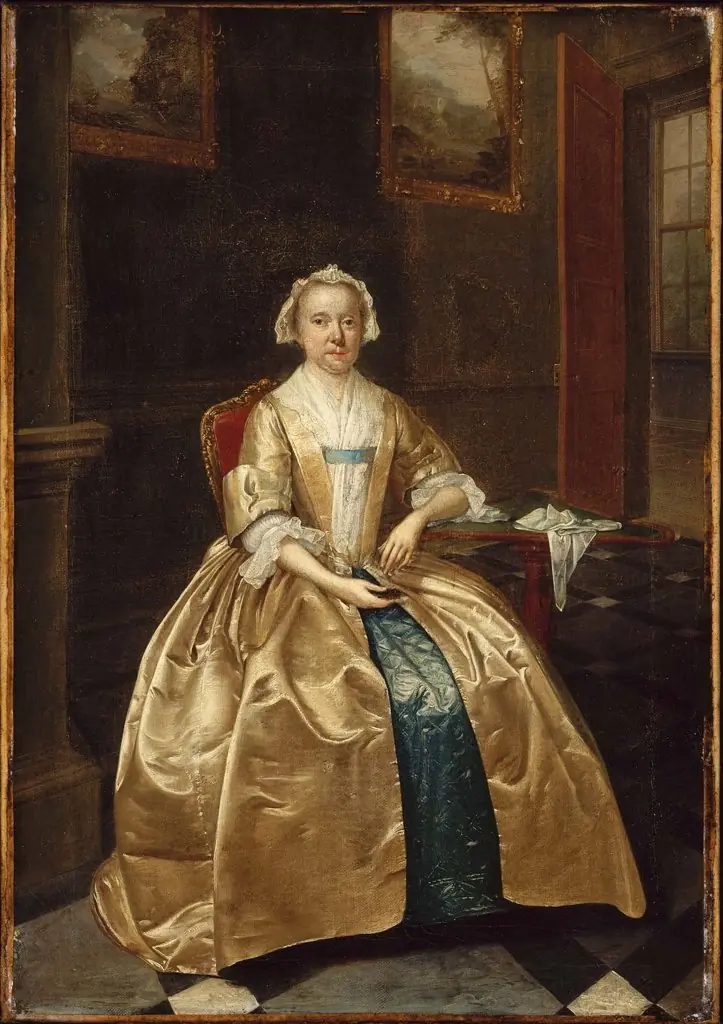 Portrait of a Woman Seated beside a Table
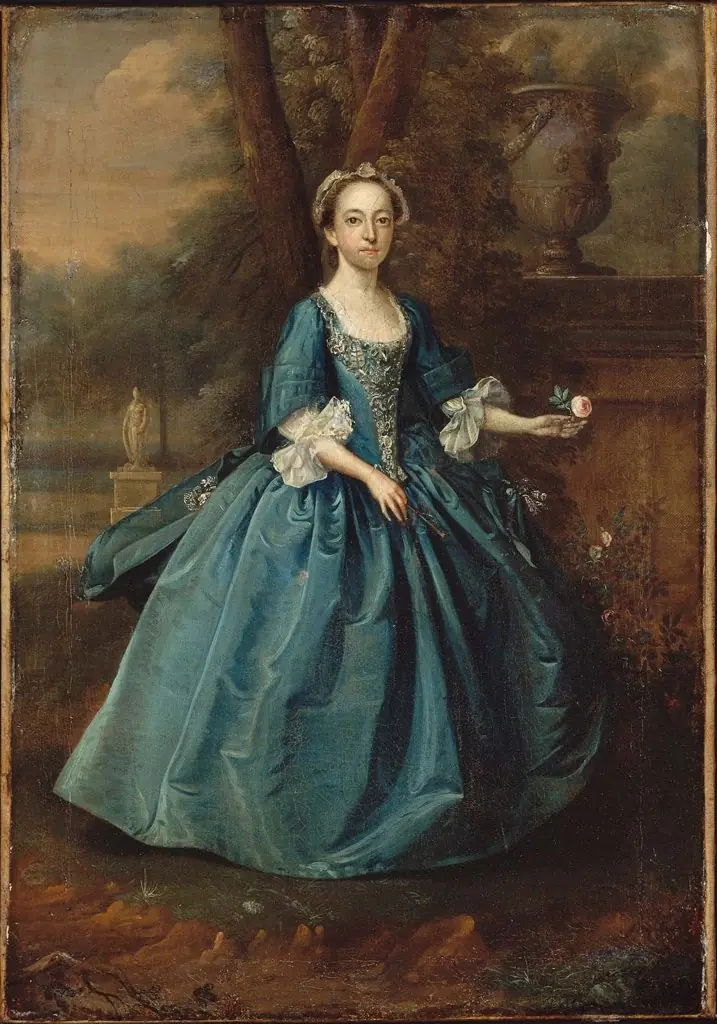 Portrait of a Woman Standing in a Garden
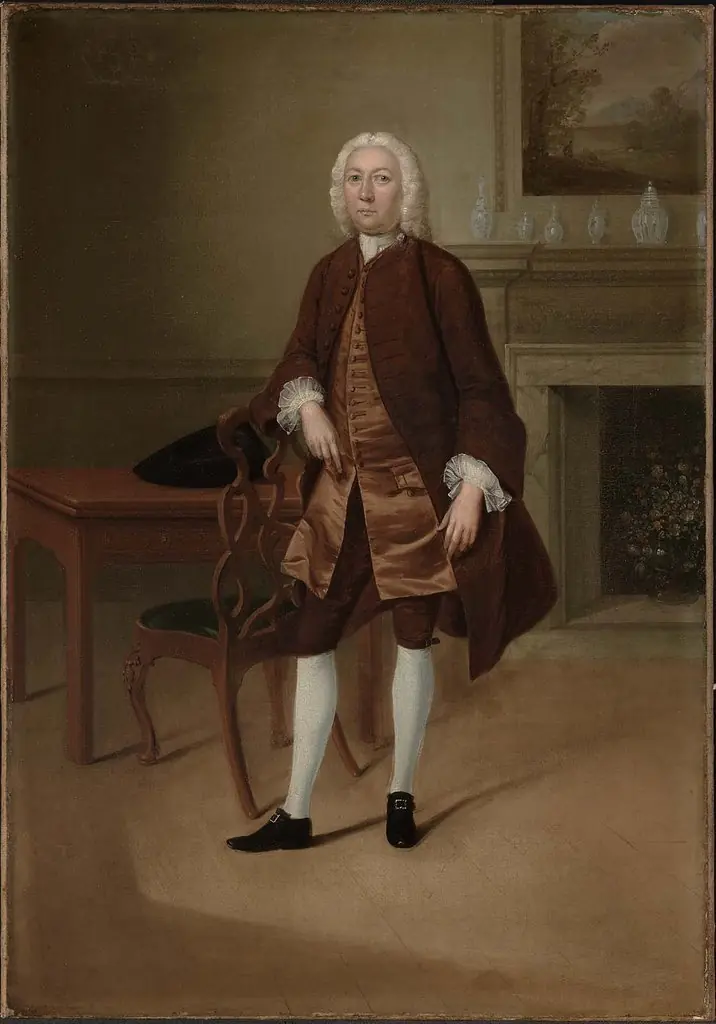 Portrait of a Man Standing Beside a Table
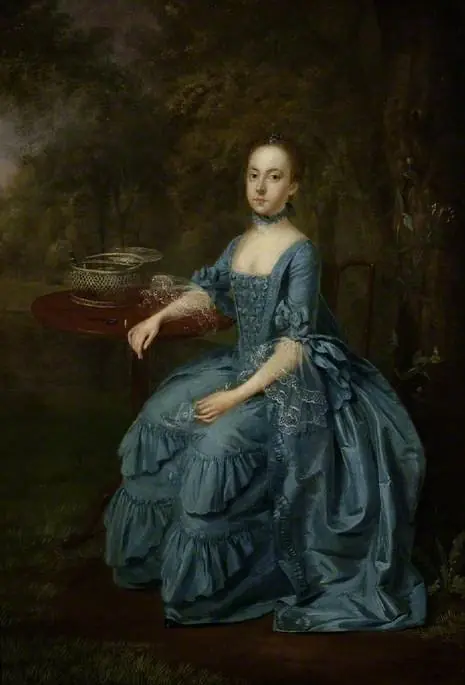 Lady Milner (née Miss Mordaunt)
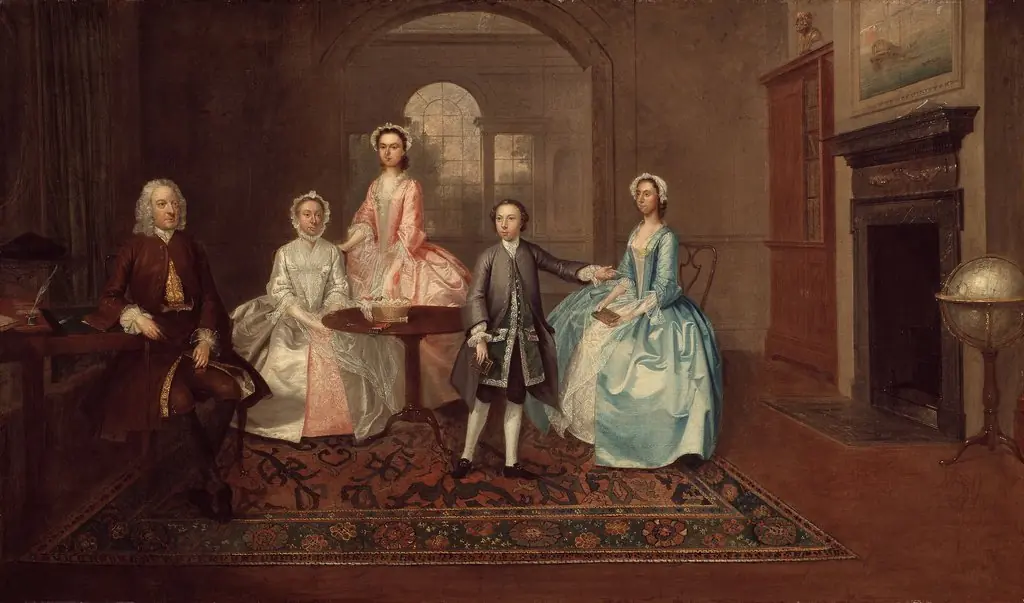 John Thomlinson and His Family
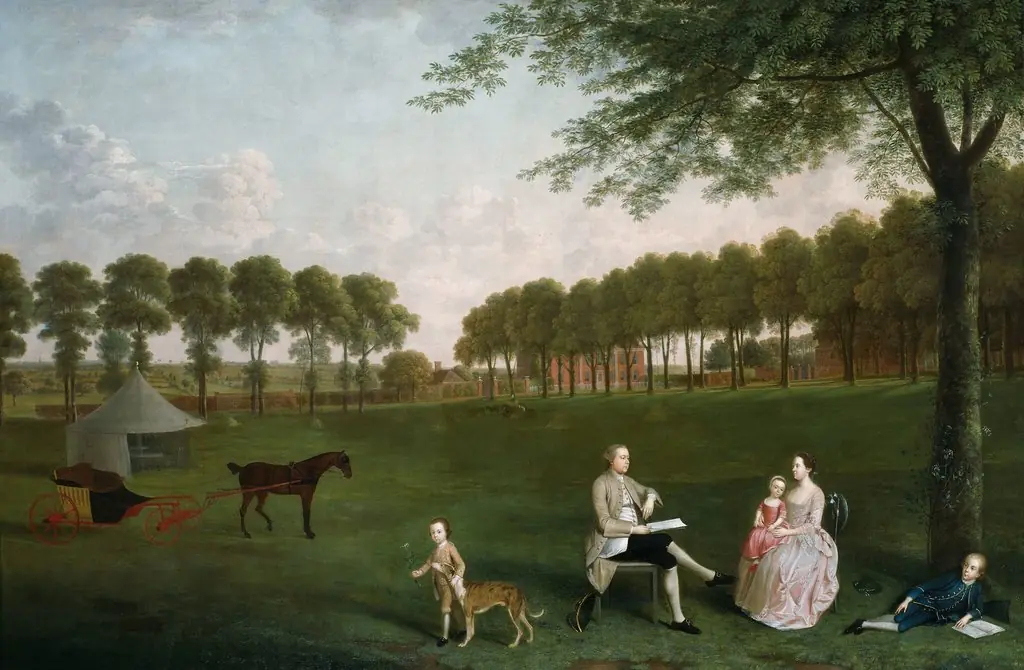 Sir John Shaw and his Family in the Park at Eltham Lodge, Kent
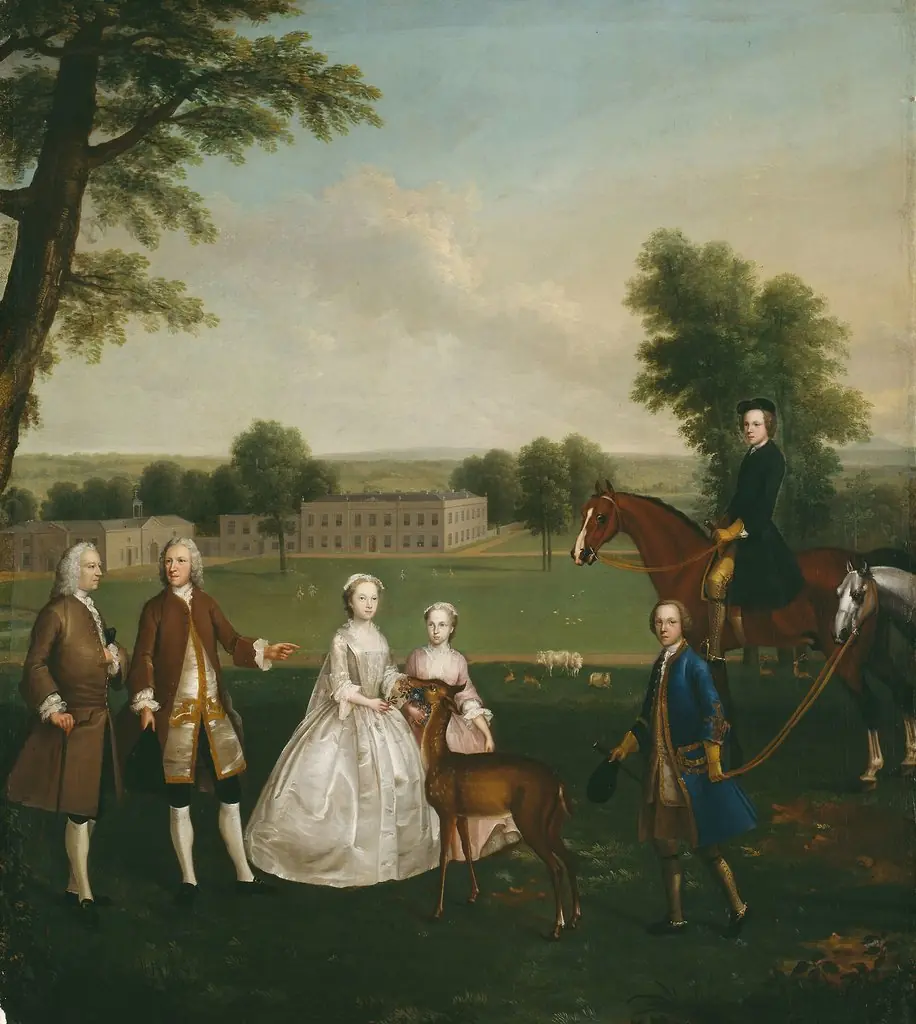 Thomas Lister and Family at Gisburne Park
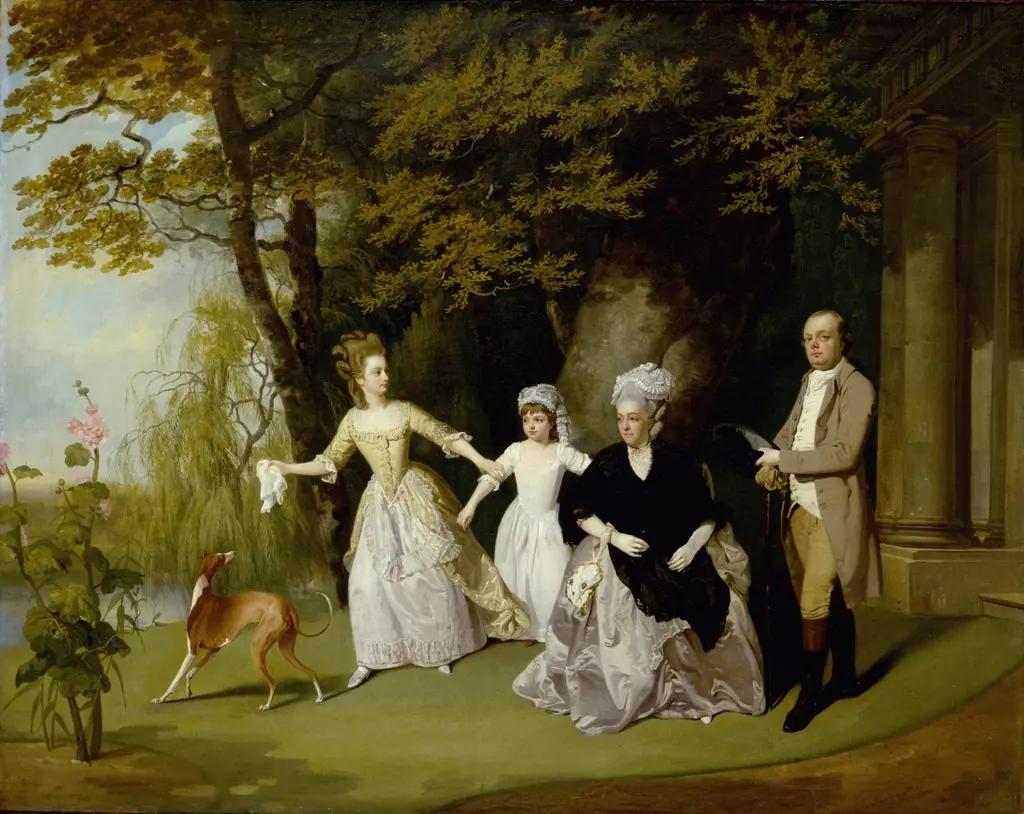 The Wilkinson Family
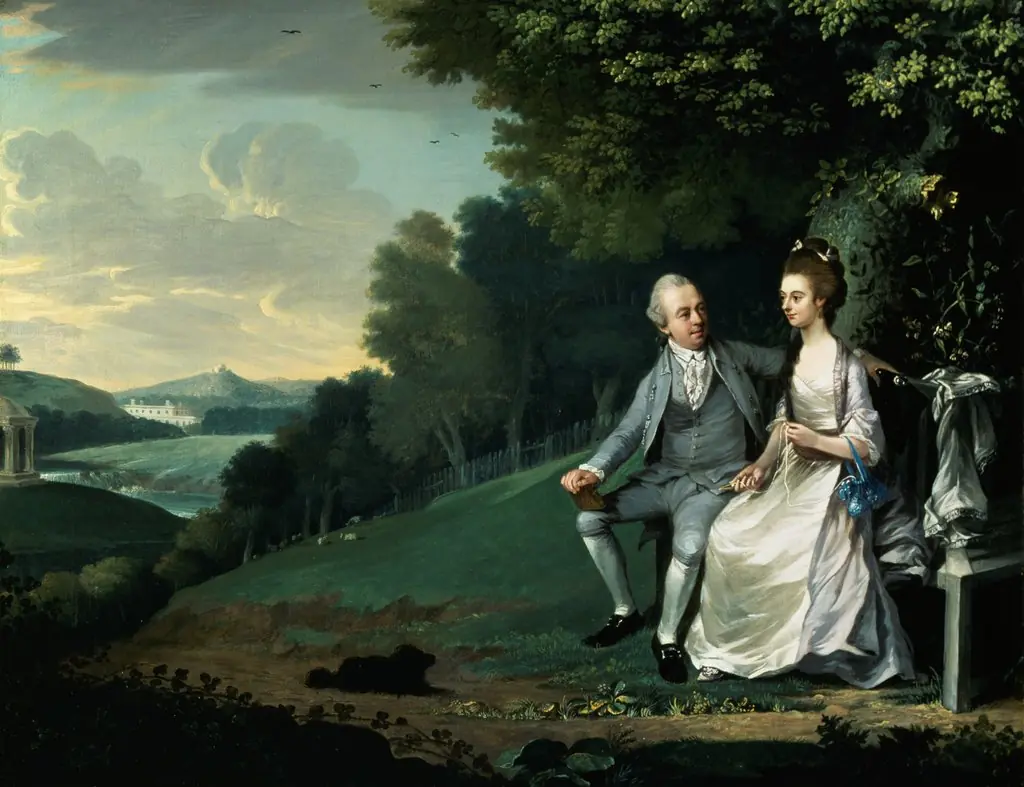 Portrait of a Couple, said to be Sir Francis and Lady Dashwood at Wycombe Park
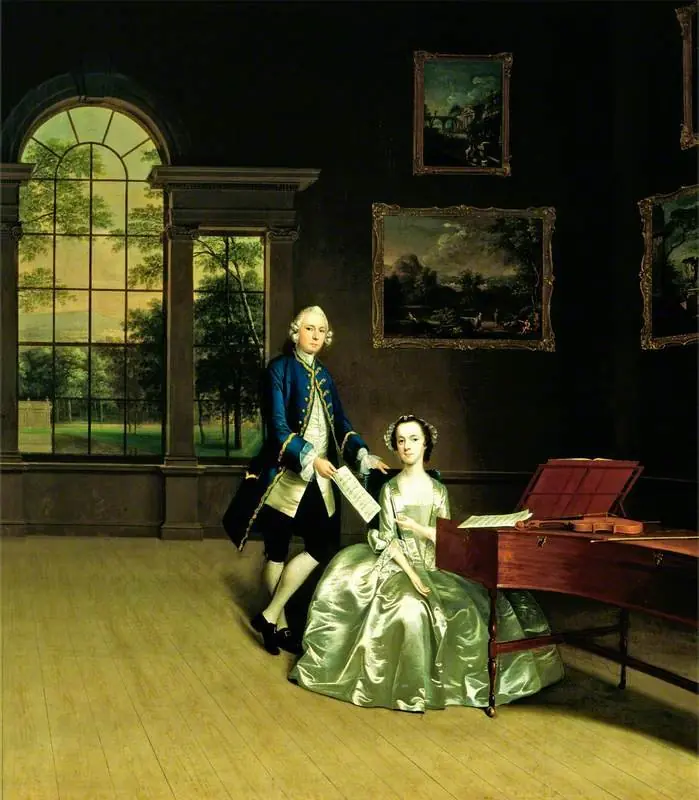 The Duet
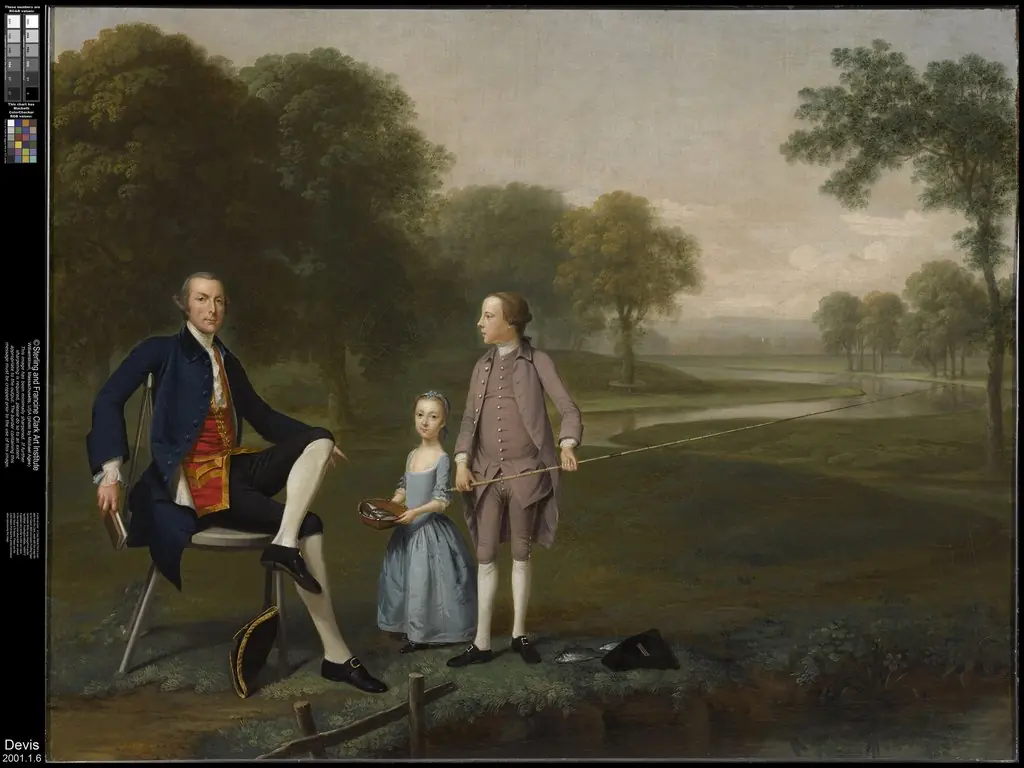 Richard Moreton, Esq. of Tackley with His Nephew and Niece John and Susanna Weyland
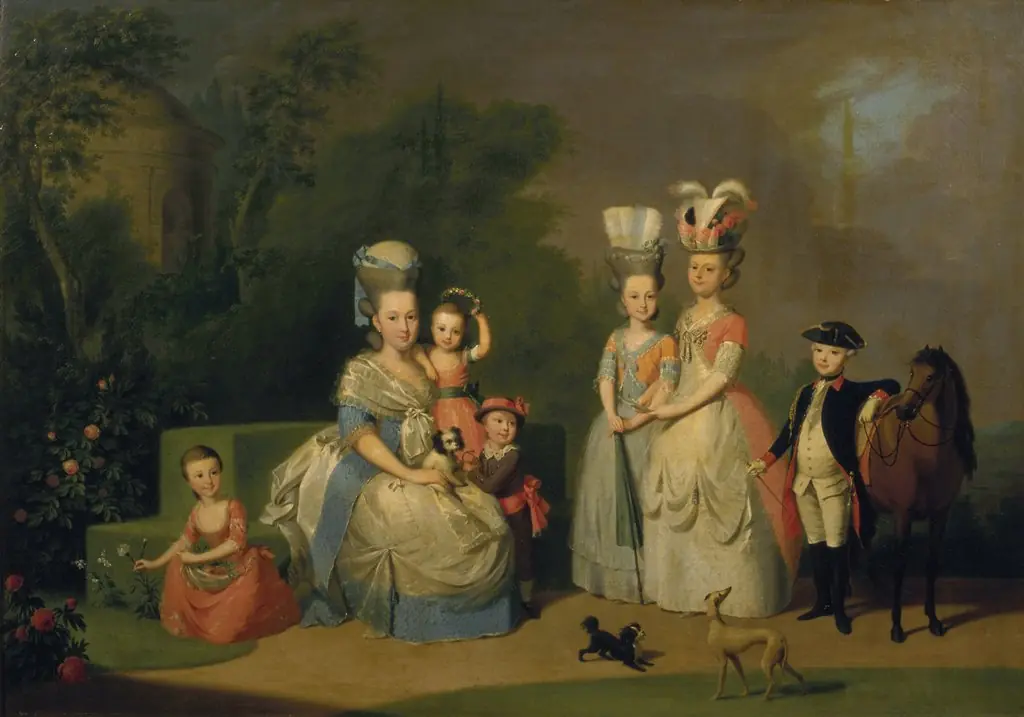 Portrait of Carolina Wilhelmina of Orange (1743-1787) and her Children
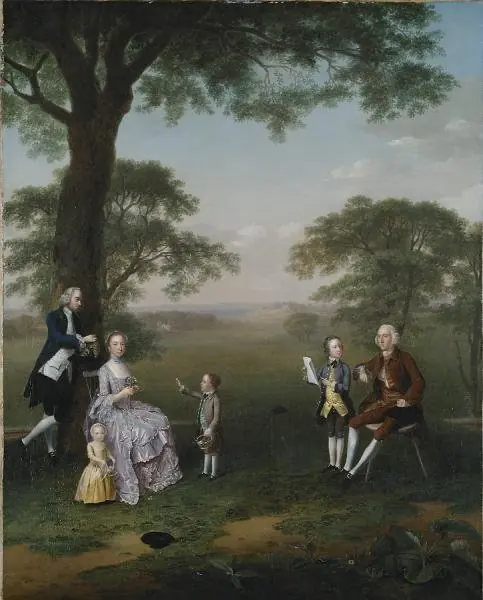 The Clavey family in their garden at Hampstead
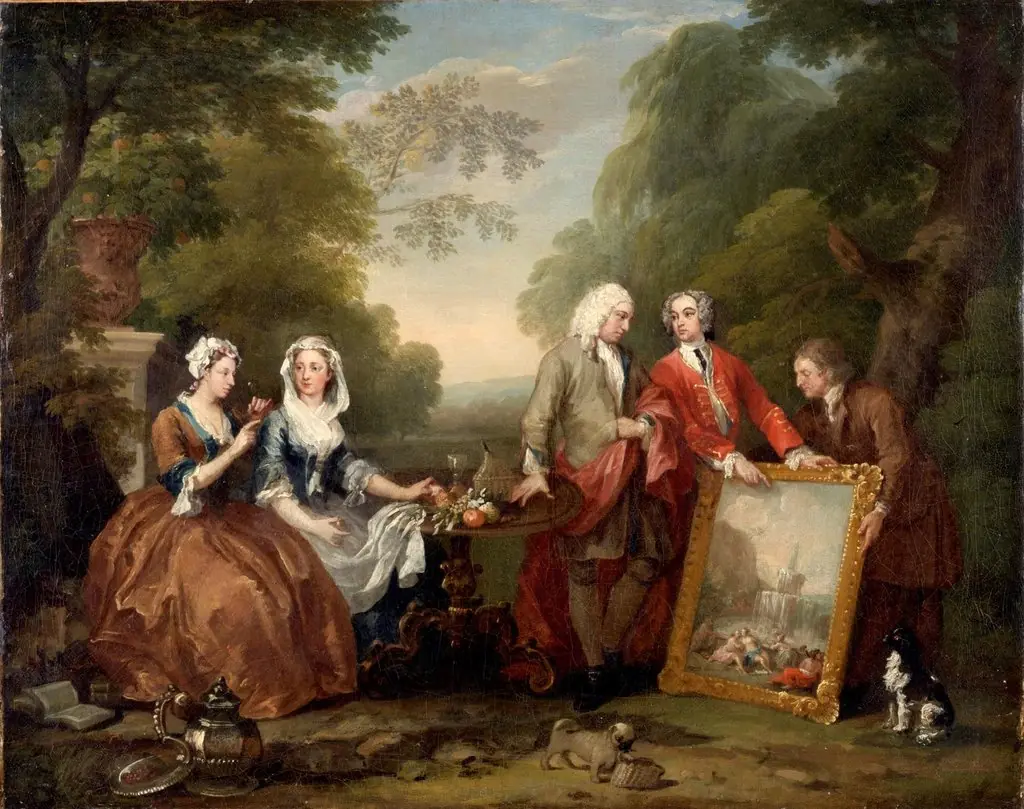 Conversation Piece (Portrait of Sir Andrew Fountaine with Other Men and Women)
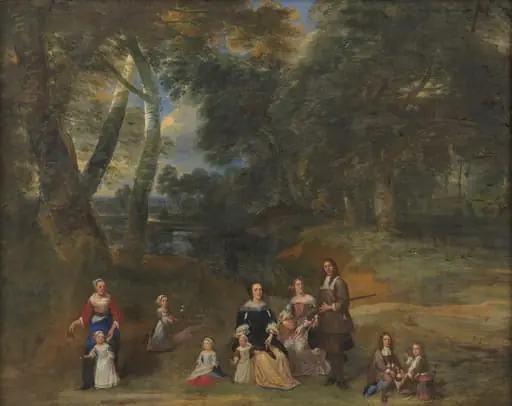 Family Group in a Landscape