Artwork
Long Island
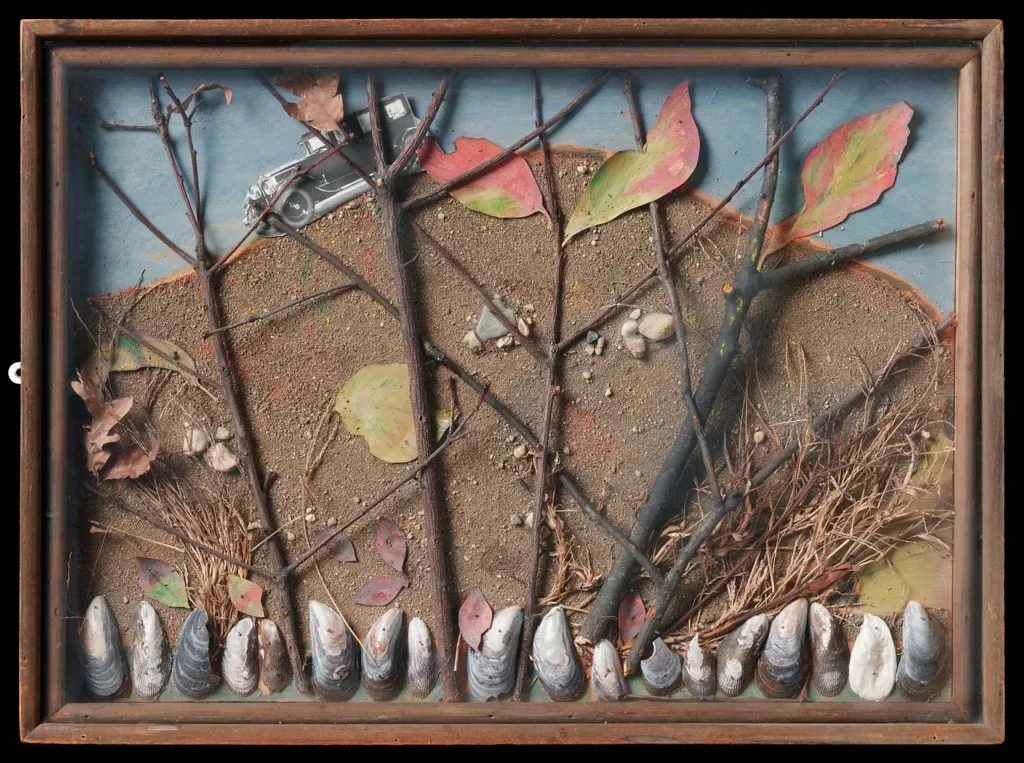
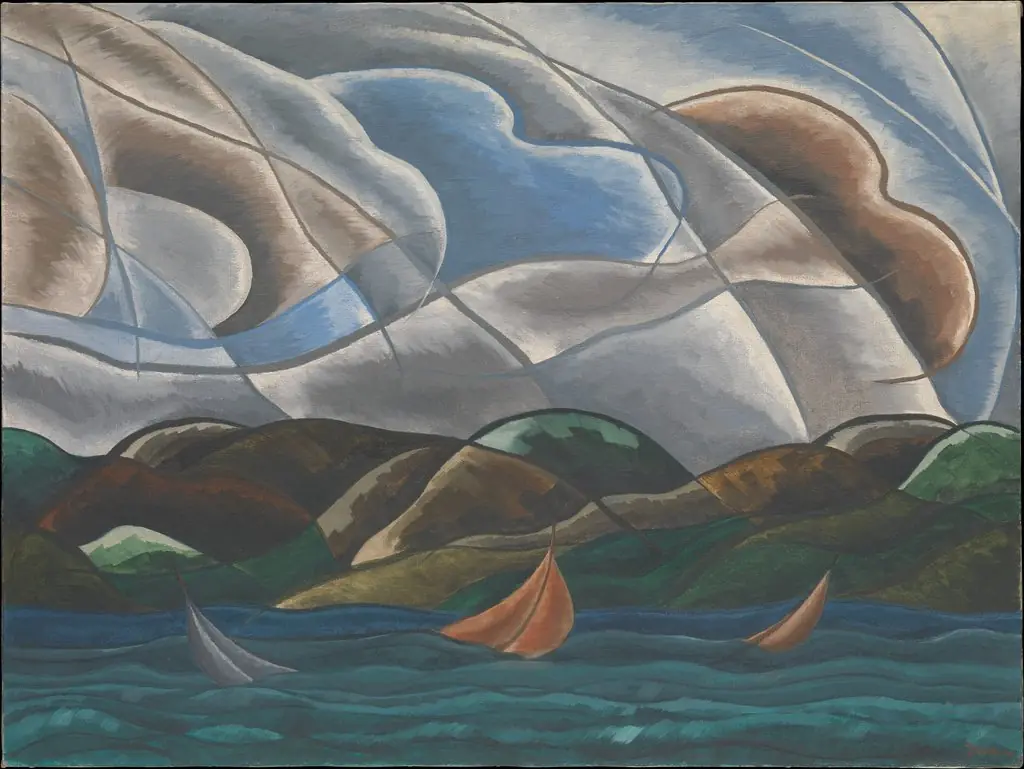
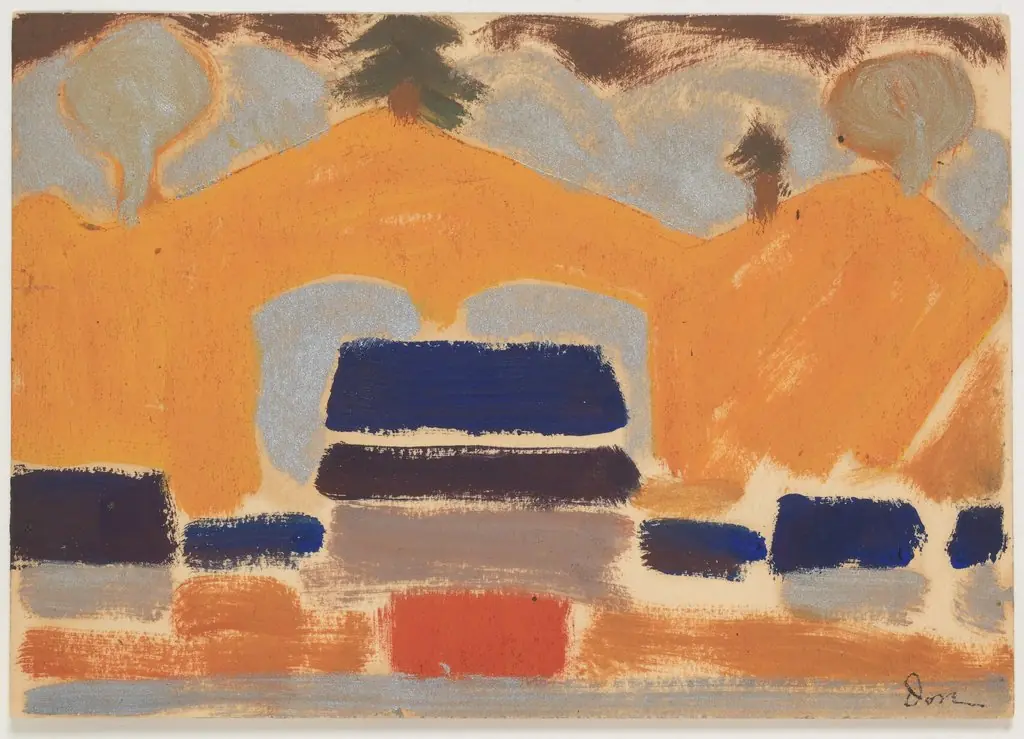
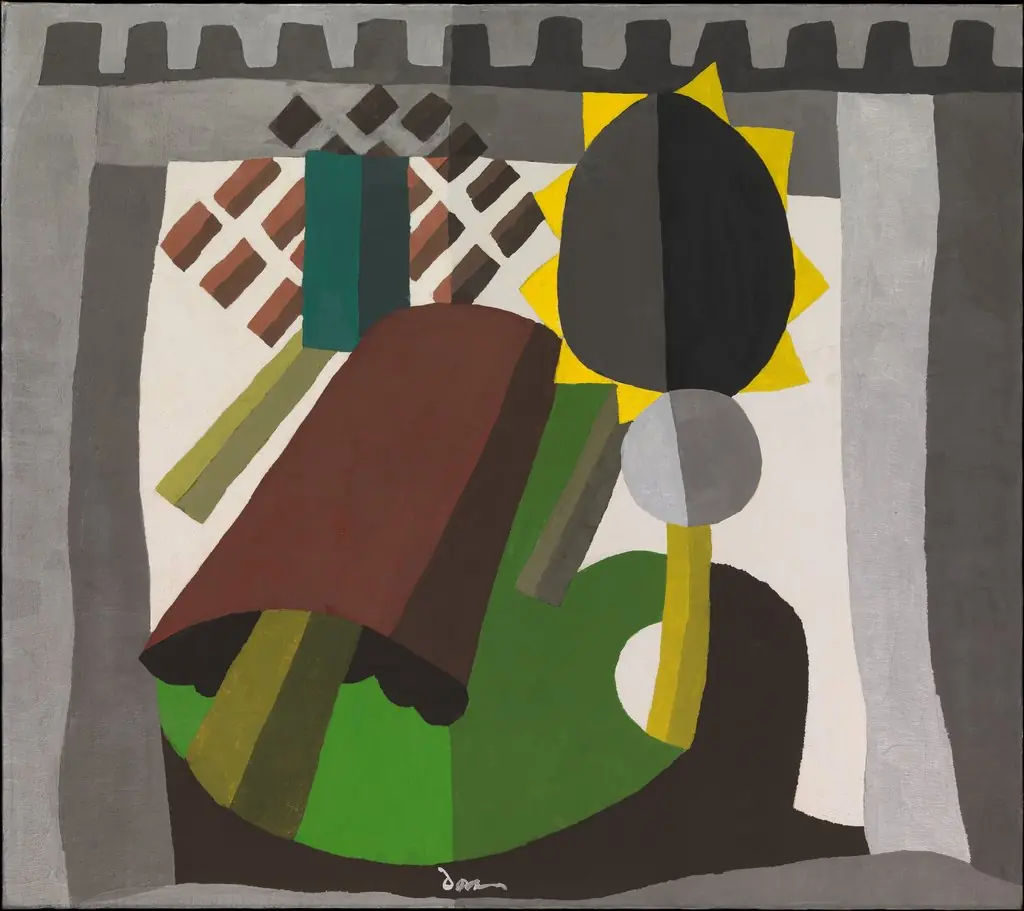
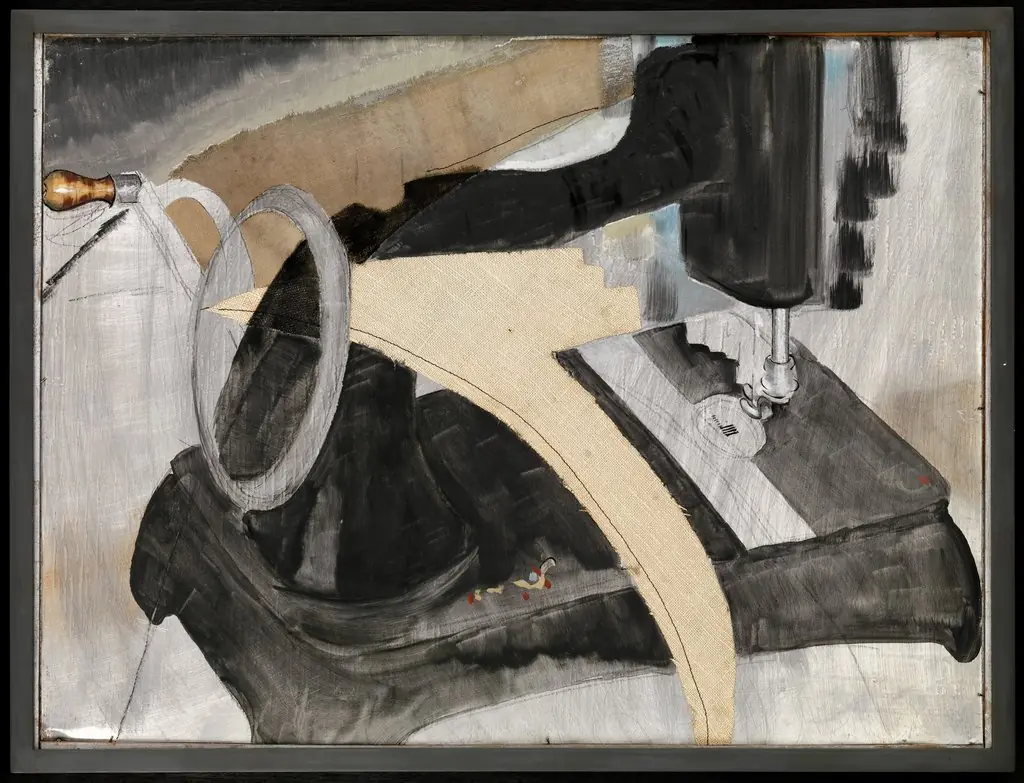
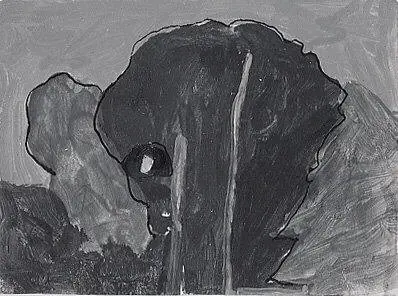
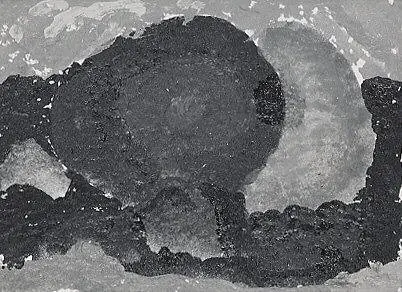
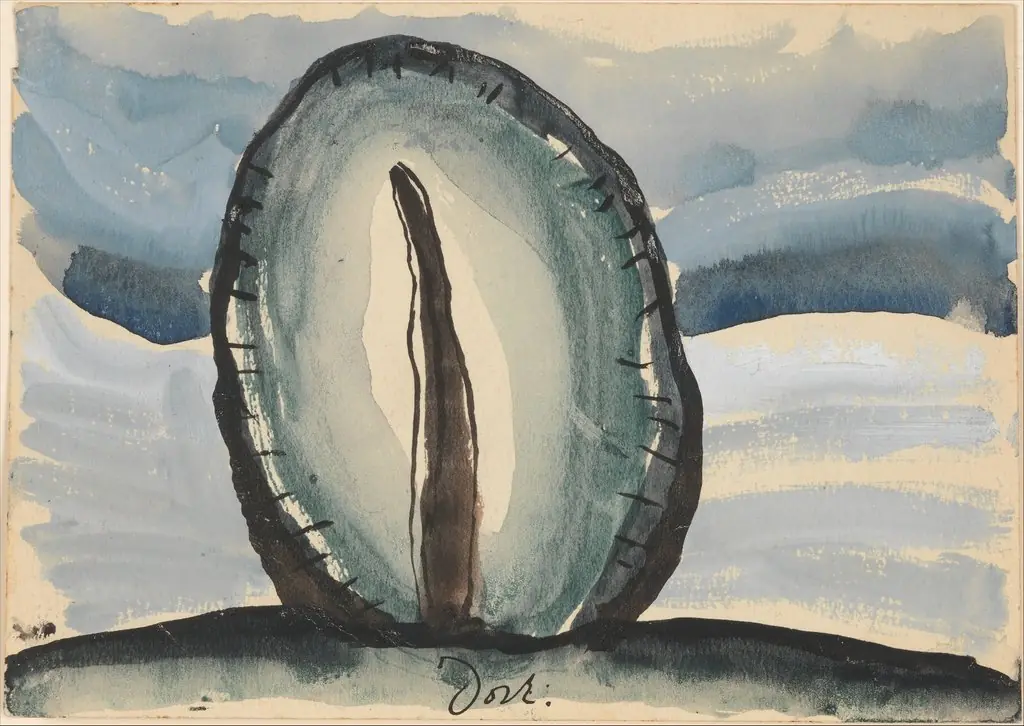
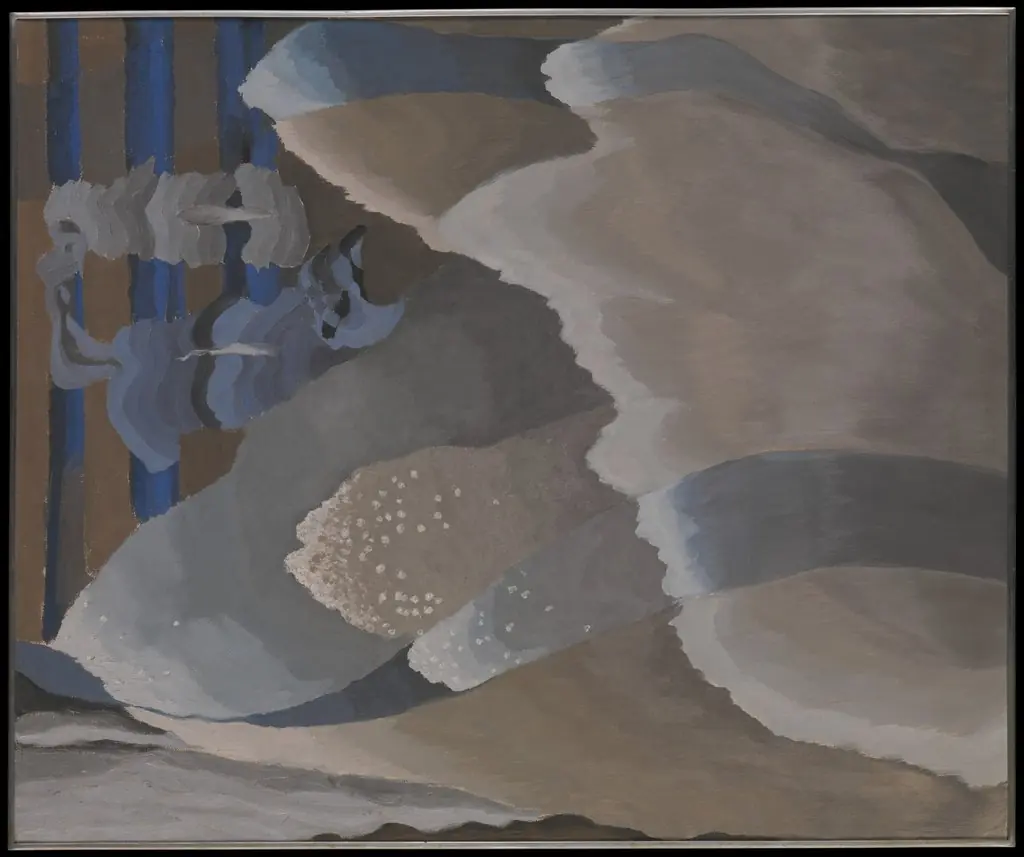
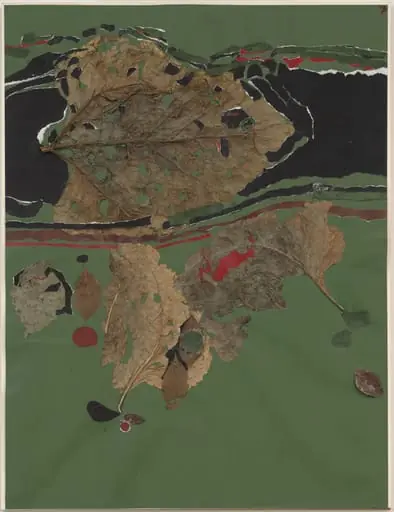
Long Island is an unspecified painting by the American Impressionist artist Arthur Dove. It dates from 1925 and is held in the collection of the Museum of Fine Arts Boston.
About this work
Overview
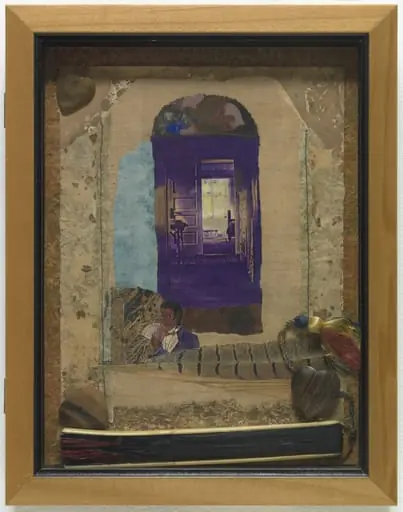
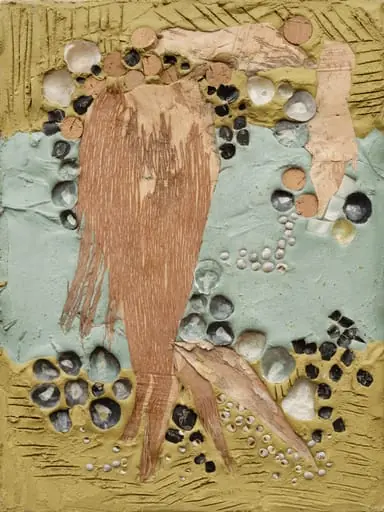
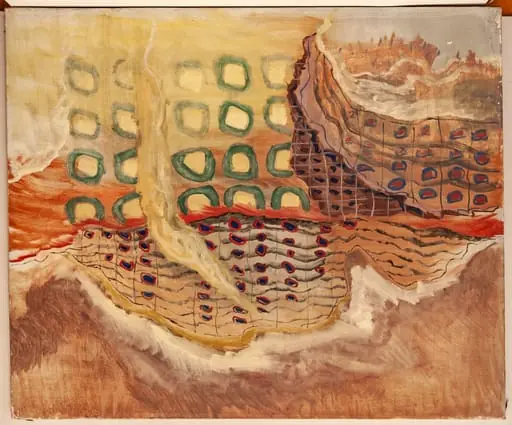
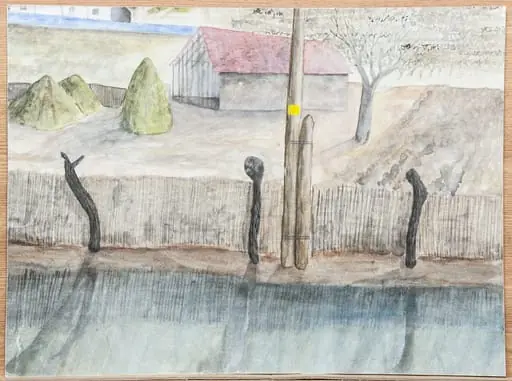
Arthur Dove’s *Long Island* (1925) is a mixed-media painting that merges painted surfaces with physical natural elements.
Arthur Dove’s *Long Island* (1925) is a mixed-media painting that merges painted surfaces with physical natural elements. Unlike traditional canvases, it incorporates twigs, leaves, and shells embedded into the surface, blurring the boundary between representation and material reality. Dove’s approach defies conventional painting, positioning him as a pioneer in American modernism who sought to translate environmental experience into tactile form.
Subject & Meaning
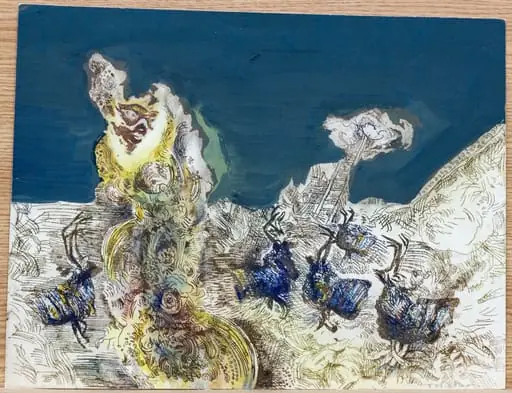
The work evokes the coastal landscape of Long Island without depicting it literally. The arranged organic materials suggest wind-swept vegetation and tidal debris, hinting at the island’s ecology rather than its topography. Dove’s intent was not to reproduce nature but to capture its rhythms and energies, transforming observed phenomena into abstract, sensory impressions rooted in place.
Technique & Style
Dove combined hand-mixed oils and tempera with collaged natural objects to build layered textures. The soft blue background provides a quiet contrast to the dense, irregular arrangements of twigs and shells. His technique prioritized tactile immediacy over illusionistic depth, using physical materials to generate movement and spatial tension, a hallmark of his experimental modernist practice.
History & Provenance
Created in 1925 during a period of intense innovation, *Long Island* reflects Dove’s engagement with the American modernist circle, including Alfred Stieglitz and Georgia O’Keeffe. It was likely exhibited in Stieglitz’s 291 gallery, where Dove’s abstract works first gained recognition. The painting’s survival with its original materials intact is rare, underscoring its significance as an early example of material-based abstraction in U.S. art.
Context
In the 1920s, American artists were redefining art beyond European traditions. Dove’s use of found natural objects aligned with broader modernist interests in direct experience and non-representational form. While European artists explored abstraction through pure geometry, Dove grounded his work in the physicality of the American landscape, offering a distinctly local path toward abstraction.
Legacy
Dove’s integration of natural materials into painting anticipated later movements such as Arte Povera and environmental art. *Long Island* remains a key reference in discussions of early American abstraction, demonstrating how perception of nature could be translated into non-literal, materially rich compositions. His work expanded the definition of painting, influencing generations of artists seeking to merge art with the physical world.
Artist & collection
Artist
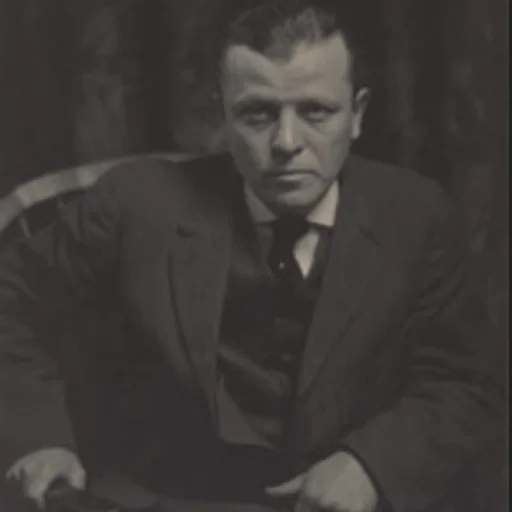
Arthur Garfield Dove (August 2, 1880 – November 23, 1946) was an American artist.