Artwork
The Lonesome Bay
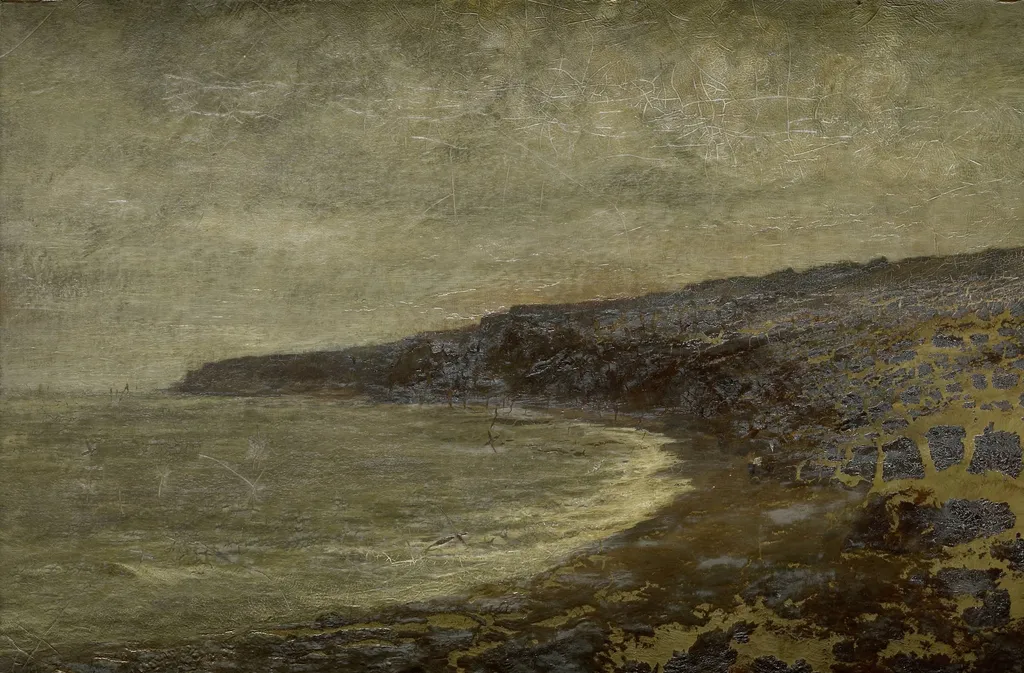
The Lonesome Bay is an unspecified painting by the Realist artist Arthur Hawksley. It dates from 1886 and is held in the collection of the Rijksmuseum.
About this work
If you like this quiet mood, look up *sfumato*—a way of blending colors so softly you barely see the edges.
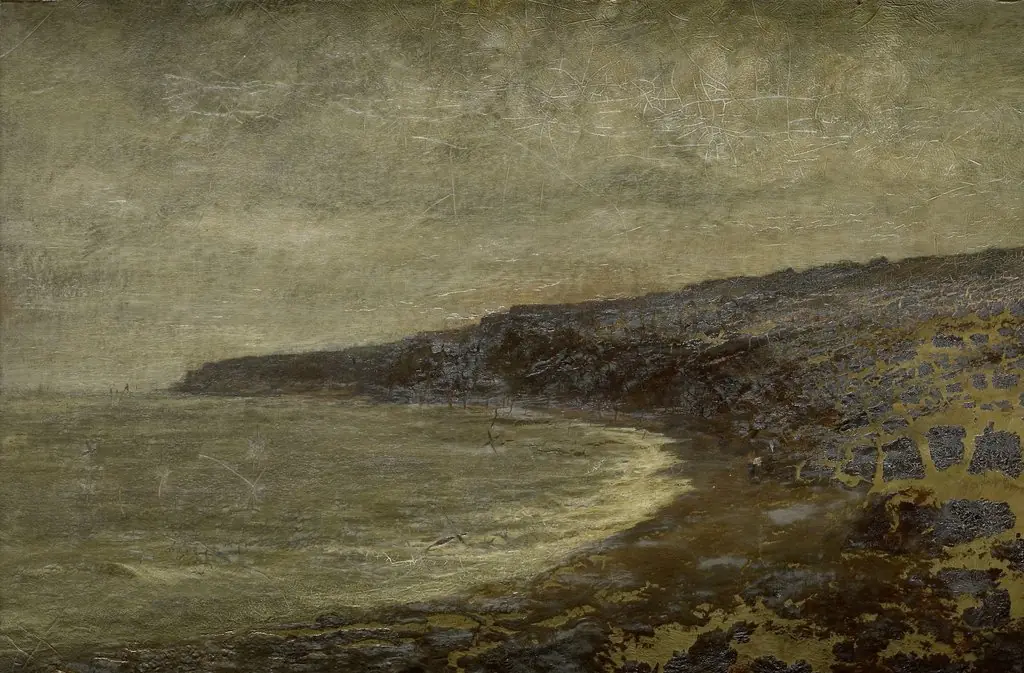
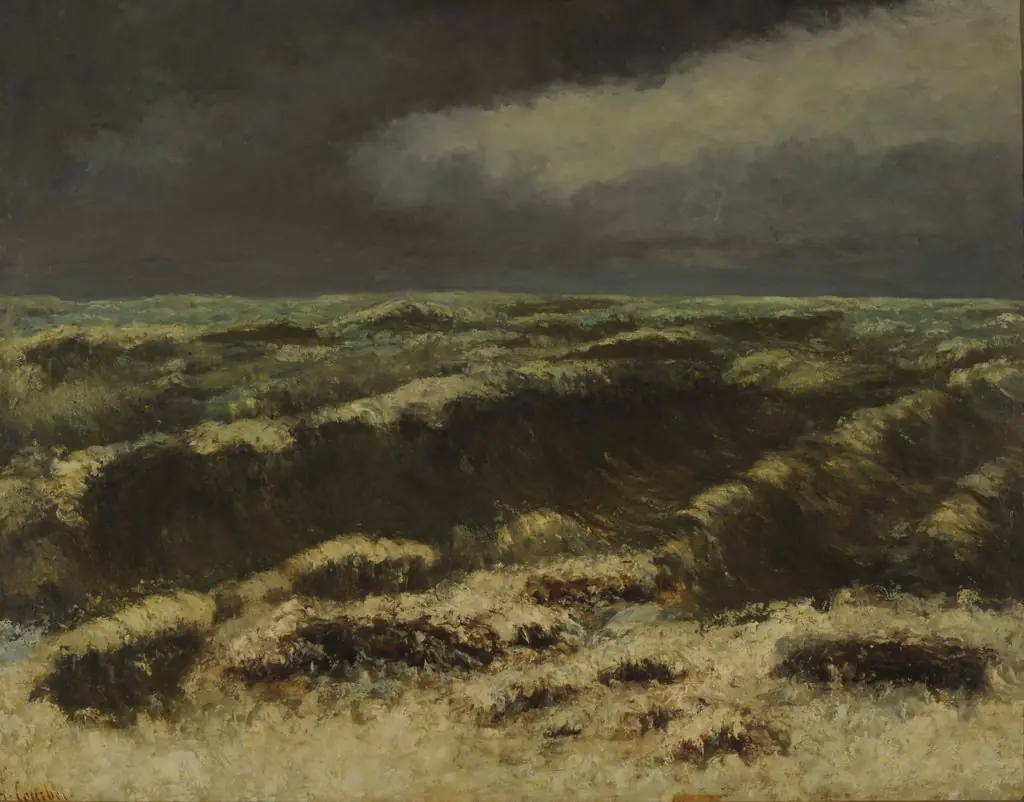
You see a quiet bay at dusk: dark water on the left, pale sand and jagged rocks on the right.
The sky is almost blank—just a faint pink glow. That emptiness makes the scene feel still, like time stopped. No people, no boats, just the land and sea waiting. The artist never signed it, so we don’t know who stood here in 1886, watching the same light fade.
If you like this quiet mood, look up *sfumato*—a way of blending colors so softly you barely see the edges.
Overview
The work titled *The Lonesome Bay* is an unsigned oil painting dated to 1886. It presents a tranquil coastal scene at twilight, with a dark expanse of water occupying the left side and a stretch of pale sand interspersed with rugged rocks on the right. A faint pink wash colors the near‑empty sky, emphasizing the stillness of the moment.
Subject & Meaning
The composition isolates a solitary bay, devoid of human activity or vessels, inviting contemplation of nature’s quiet presence. The contrast between the deep water and the light‑toned shoreline, together with the subdued sky, creates a sense of temporal suspension, suggesting an introspective pause in the natural cycle.
Technique & Style
The painter employs a soft, gradual blending of tones reminiscent of the sfumato approach, where edges dissolve into one another and forms emerge through subtle shifts in color. This method yields a hazy atmosphere, allowing the pink horizon and the muted landforms to merge gently with the surrounding sea.
History & Provenance
Created in 1886, the canvas remains unsigned, leaving the artist’s identity unknown. Its provenance traces back to a private collection acquired in the early twentieth century, after which it entered the museum’s holdings through donation. The lack of a signature has prompted scholarly interest in attributing the piece to regional landscape painters of the period.
Artist & collection