Artwork
Lone Bay
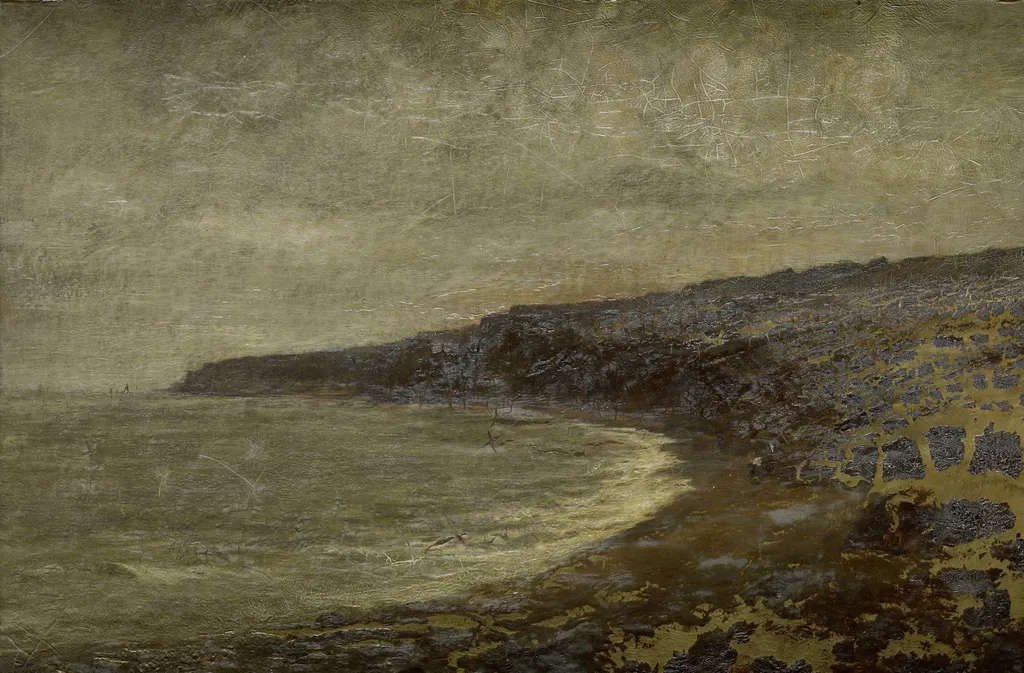
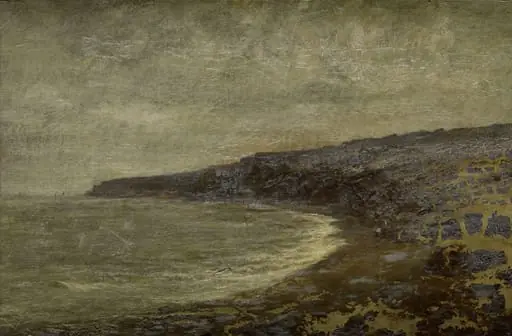
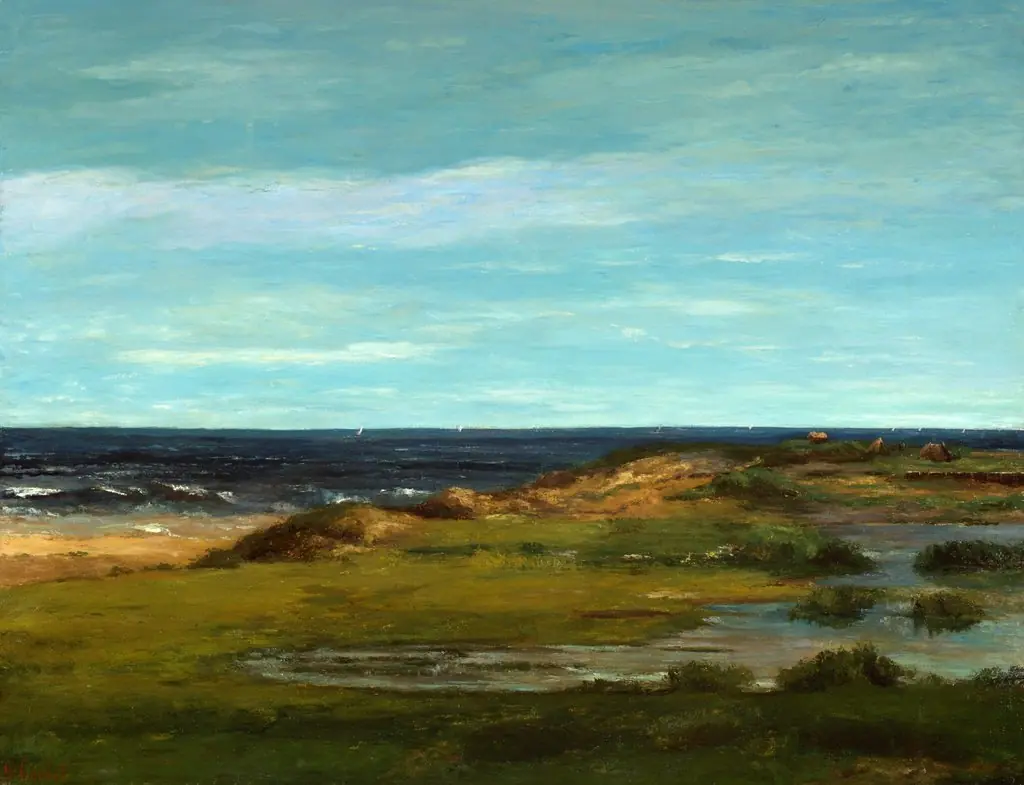
Lone Bay is an oil painting by the Impressionist artist Arthur Hawksley. It dates from 1894 and is held in the collection of the Rijksmuseum.
About this work
Overview
Subtle tonal shifts and restrained color create a meditative mood, avoiding dramatic contrasts in favor of quiet observation.
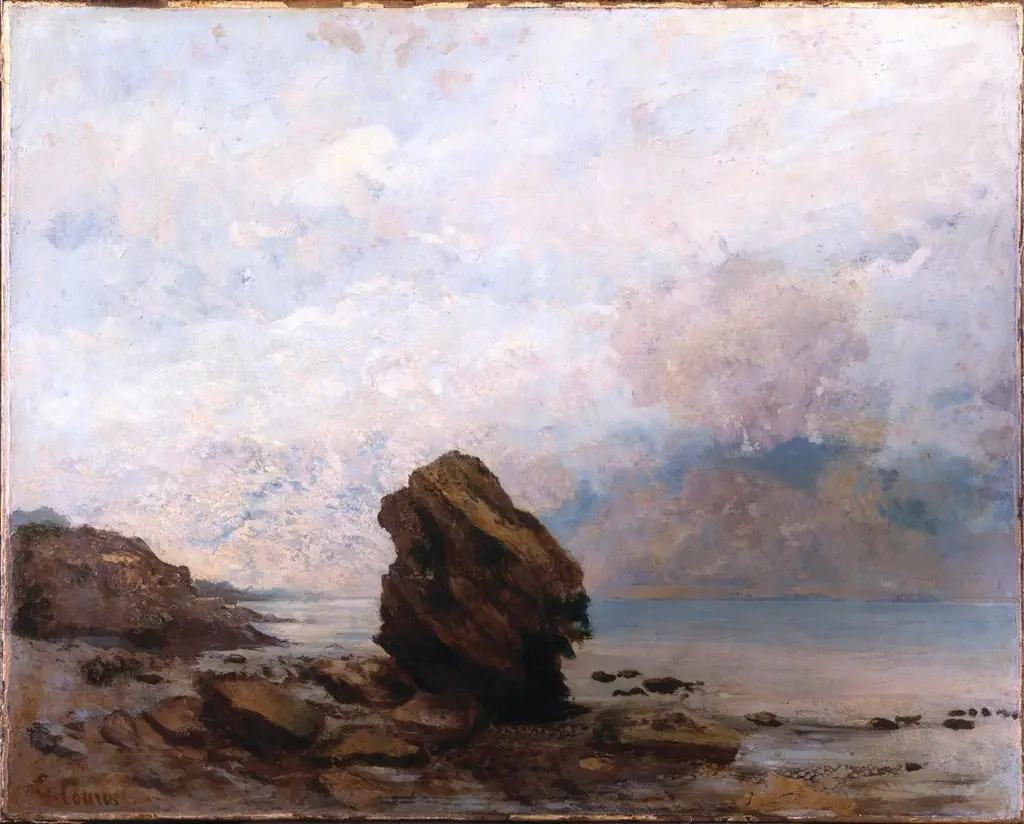
Lone Bay, painted in 1894 by Arthur Hawksley, is an oil-on-canvas work currently in the collection of the Rijksmuseum. It presents a tranquil coastal scene marked by stillness and atmospheric ambiguity. The composition centers on a quiet stretch of water meeting a muted sky, with a rugged shoreline anchoring the foreground. Subtle tonal shifts and restrained color create a meditative mood, avoiding dramatic contrasts in favor of quiet observation.
Subject & Meaning
The painting depicts an unpopulated bay at dawn or dusk, where land, sea, and sky merge in soft focus. No human figures or vessels appear, emphasizing solitude and the quiet passage of time. The absence of narrative detail invites contemplation of nature’s stillness, suggesting a moment suspended between day and night. The mood is introspective, evoking a sense of isolation without melancholy.
Technique & Style
Hawksley employed thick, textured brushwork—particularly along the rocky shore—to suggest weight and surface irregularity. Layers of translucent and opaque paint build subtle gradations of light, with pale yellows and cool grays dominating the palette. The impasto technique enhances tactile presence where the rocks meet the water, while the sky and sea remain softly blended, reinforcing the hazy, atmospheric quality of the scene.
History & Provenance
Created in 1894, the painting entered the Rijksmuseum’s collection shortly after its completion. Its acquisition reflects the museum’s interest in late 19th-century British landscape painting, though Hawksley remains a lesser-known figure compared to his contemporaries. No significant exhibition history or private ownership records are widely documented, suggesting the work was primarily appreciated within institutional contexts.
Context
Lone Bay emerged during a period when British artists increasingly turned to quiet, observational landscapes, moving away from romanticized vistas. Hawksley’s approach aligns with the broader trend of tonalism, emphasizing mood over detail. The painting’s subdued palette and lack of narrative reflect a shift toward introspective naturalism, influenced by both European and English precedents in landscape painting.
Legacy
Though not widely reproduced or studied, Lone Bay remains a representative example of late Victorian British landscape painting’s quieter impulses. Its preservation in the Rijksmuseum ensures continued access for scholars interested in understated naturalism. The work contributes to a broader understanding of how light, texture, and restraint were used to convey emotional resonance without overt drama.
Artist & collection