Artwork
Compoziție
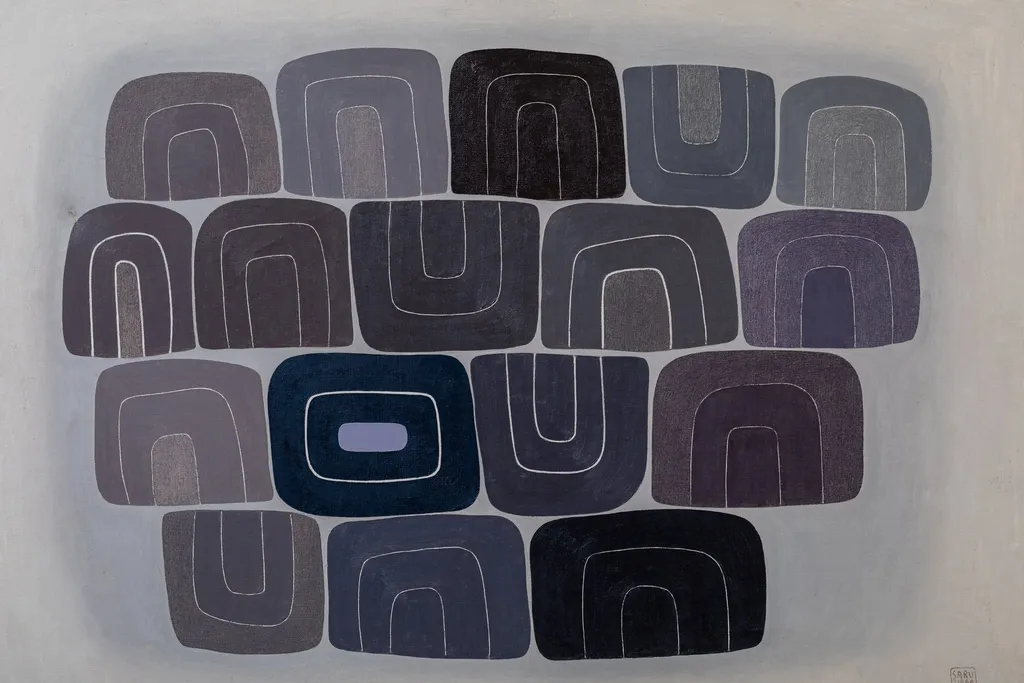
Compoziție is a print by Șaru Gheorghe. It dates from 1969 and is held in the collection of the Moldova National Museum Complex.
About this work
Overview
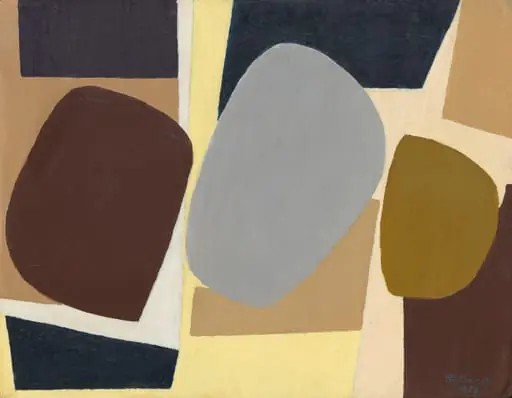
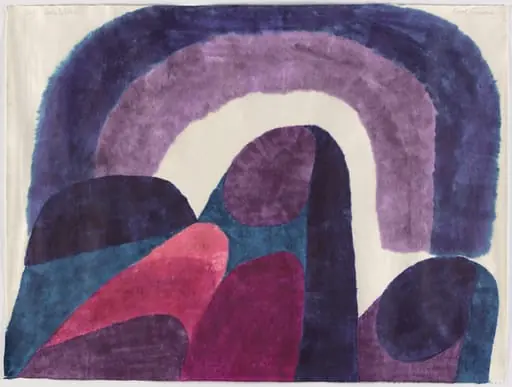
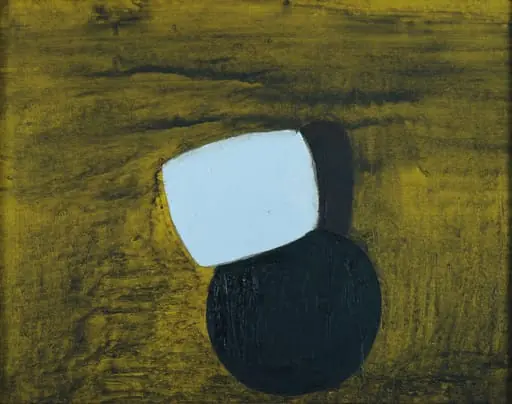
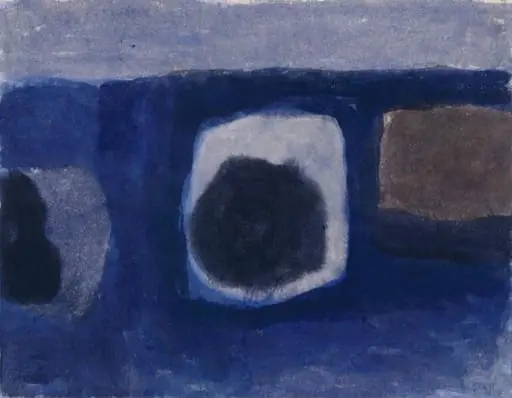
Created in 1969 by Șaru Gheorghe, this abstract composition presents a structured yet irregular arrangement of oval forms.
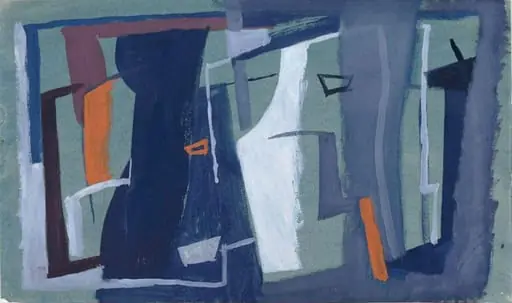
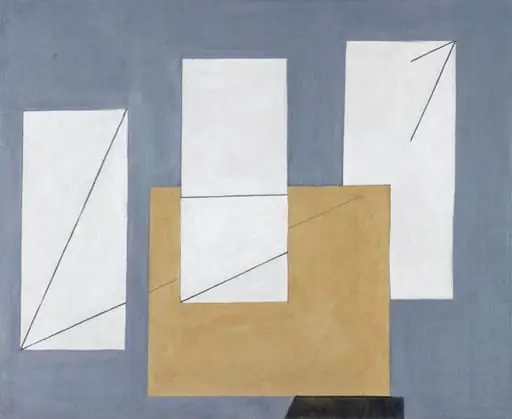
Created in 1969 by Șaru Gheorghe, this abstract composition presents a structured yet irregular arrangement of oval forms. The palette is restrained, dominated by deep blues, purples, and blacks, with no high-contrast highlights. The shapes vary in opacity and edge definition, creating a sense of depth without traditional perspective. The overall effect is quiet and meditative, emphasizing tonal relationships over narrative content.
Subject & Meaning
The work avoids figurative reference, instead focusing on the interplay of form and tone. The central oval, subtly lighter than its neighbors, acts as a visual anchor without implying a specific object or symbol. Its muted glow suggests internal luminosity rather than external light, inviting contemplation of absence and presence within a restrained visual field. The composition resists clear interpretation, favoring emotional resonance over literal meaning.
Technique & Style
The artist applied paint in flat, even layers, minimizing texture and brushwork. Edges of the ovals range from crisp to blurred, creating a sense of spatial ambiguity. Some shapes appear to recede by fading into the ground, while others are defined by faint, lighter outlines. This deliberate variation in contrast and opacity suggests a controlled experimentation with visual weight and perception, rooted in abstraction rather than representation.
History & Provenance
The work was produced during a period of state-regulated artistic expression in Romania, when abstract tendencies were often marginalized. Despite these constraints, Șaru Gheorghe pursued non-representational forms, aligning with broader European modernist currents. The painting remained in private collections within Romania until its later recognition in institutional exhibitions, reflecting a gradual reevaluation of non-conformist art from the era.
Context
Emerging in late 1960s Romania, the piece exists alongside a generation of artists who subtly resisted socialist realism through formal experimentation. While public discourse favored figurative propaganda, Șaru’s work engaged with international abstraction—particularly the tonal investigations of artists like Mark Rothko or Ad Reinhardt—without direct citation. Its restraint reflects both aesthetic choice and the political necessity of ambiguity.
Legacy
Though not widely exhibited during its time, the work has since become a reference point in Romanian modernist studies for its disciplined use of tone and form. It exemplifies how artists navigated ideological limits by focusing on internal visual logic rather than overt political messaging. Contemporary curators cite it as an early example of Romanian abstraction that prioritized quiet intensity over spectacle.
Artist & collection
Artist
Georghe Șaru lived in Romania and made prints and paintings in the 1970s and 1980s.