Artwork
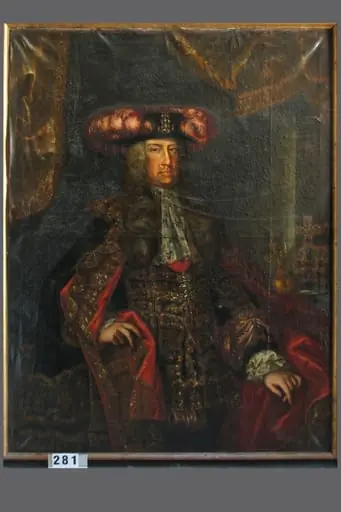
Împăratul Carol al VI-lea
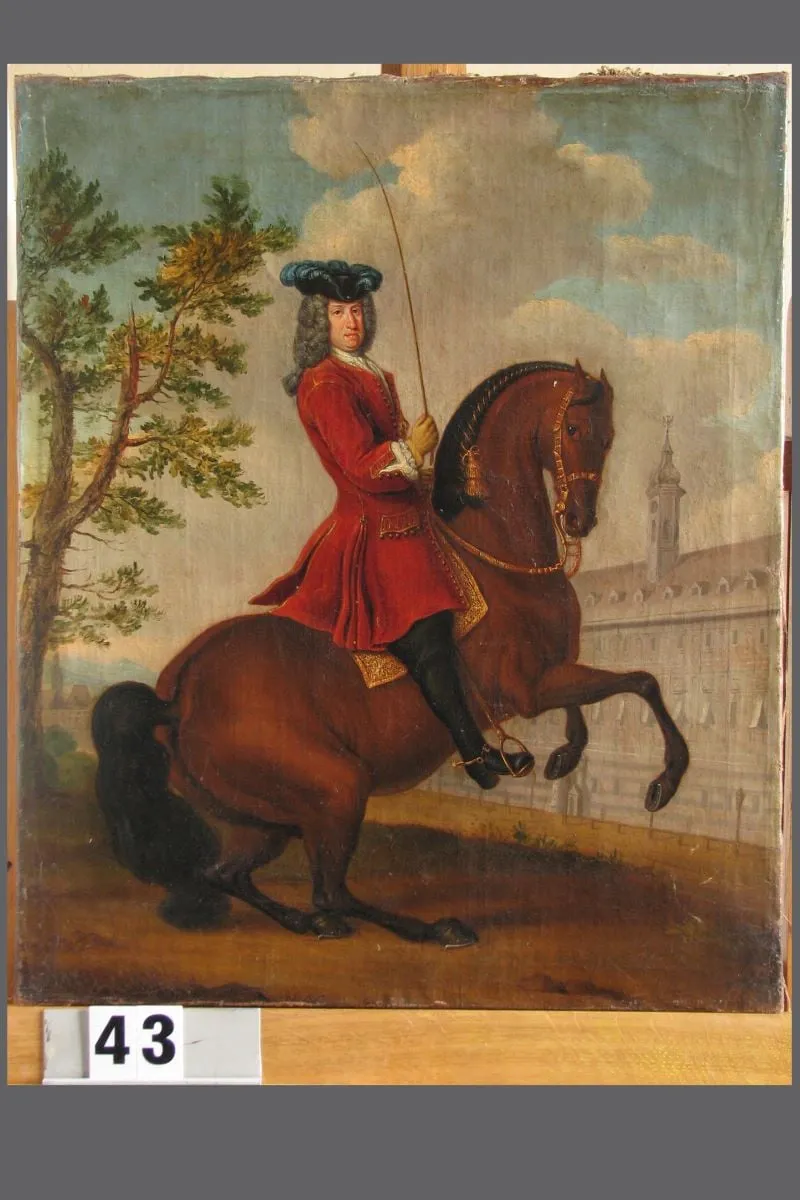
Împăratul Carol al VI-lea is an unspecified painting by the Baroque artist Johann Gottfried și Hamilton, Johann Georg de Auerbach. It is held in the collection of the Brukenthal National Museum.
About this work
Overview
This portrait depicts Carol VI, Holy Roman Emperor, mounted on a rearing horse against a backdrop of a distant building with a clock tower and a tree.
This portrait depicts Carol VI, Holy Roman Emperor, mounted on a rearing horse against a backdrop of a distant building with a clock tower and a tree. The composition emphasizes imperial authority through dynamic movement and elaborate dress. The rider’s crimson coat and curled wig reflect 18th-century courtly fashion, while the horse’s muscular form is rendered with attention to anatomical precision.
Subject & Meaning
Carol VI is portrayed not as a static ruler but as an active, commanding figure in motion, suggesting control over chaos. The rearing horse symbolizes power and dominance, while the formal attire and setting reinforce his status as monarch. The scene avoids overt allegory, instead conveying legitimacy through visual grandeur and physical presence.
Technique & Style
The artist employs chiaroscuro to model the horse’s musculature and the folds of the emperor’s coat, creating depth and volume. Brushwork is precise yet fluid, particularly in rendering the texture of fabric and animal hide. The background is simplified, directing focus to the central figures and enhancing the dramatic tension of the moment.
History & Provenance
The painting likely originated in the Habsburg court during Carol VI’s reign (1711–1740), possibly commissioned to affirm imperial authority across Europe. Its provenance traces to royal collections, though specific patrons or studios remain undocumented. It was likely displayed in a palace or administrative center to project dynastic strength.
Context
Portraits of rulers on horseback were common in early modern Europe, drawing from Renaissance traditions that linked monarchy with martial virtue. Carol VI’s image aligns with this convention, even as his reign faced political instability. The painting reflects a desire to project continuity and control amid territorial and succession challenges.
Legacy
The work contributes to a broader visual language of imperial representation in Central Europe. While not widely reproduced, it exemplifies how equestrian portraiture sustained political symbolism into the 18th century. Its stylistic choices influenced later court artists seeking to merge realism with ceremonial grandeur.
Artist & collection
Artist
Johann Gottfried și Hamilton, Johann Georg de Auerbach
These painters from the 18th century made big, formal portraits of rulers and nobles in rich clothes.

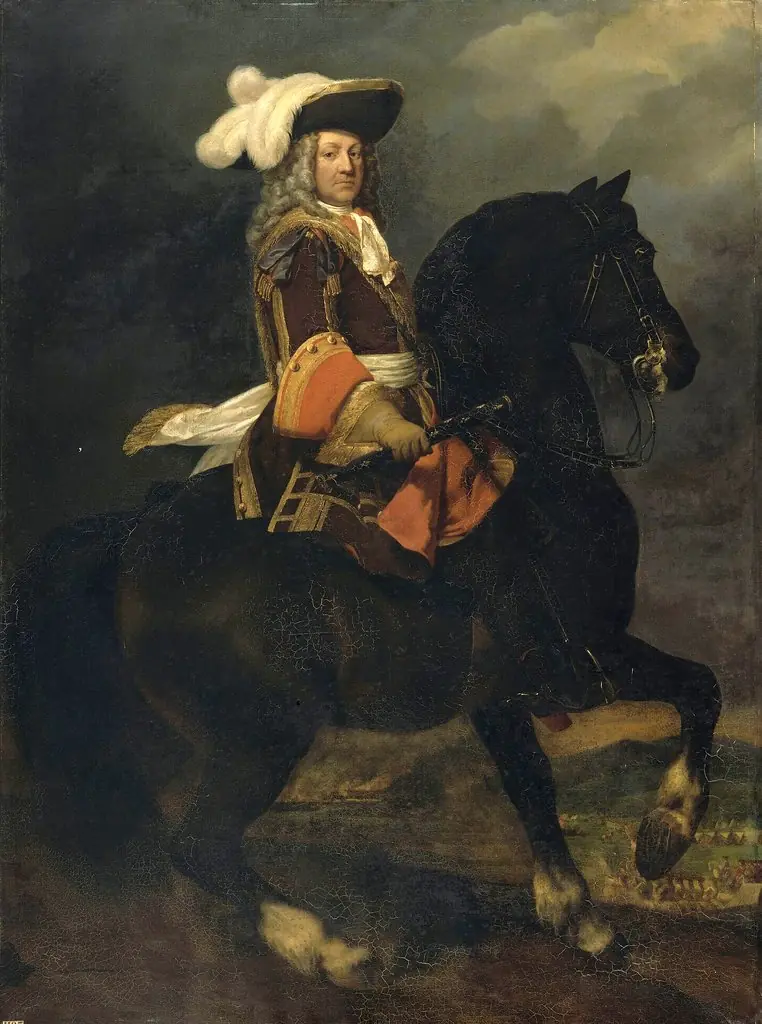 Louis-Joseph, Duke of Vendôme, Marshal of France
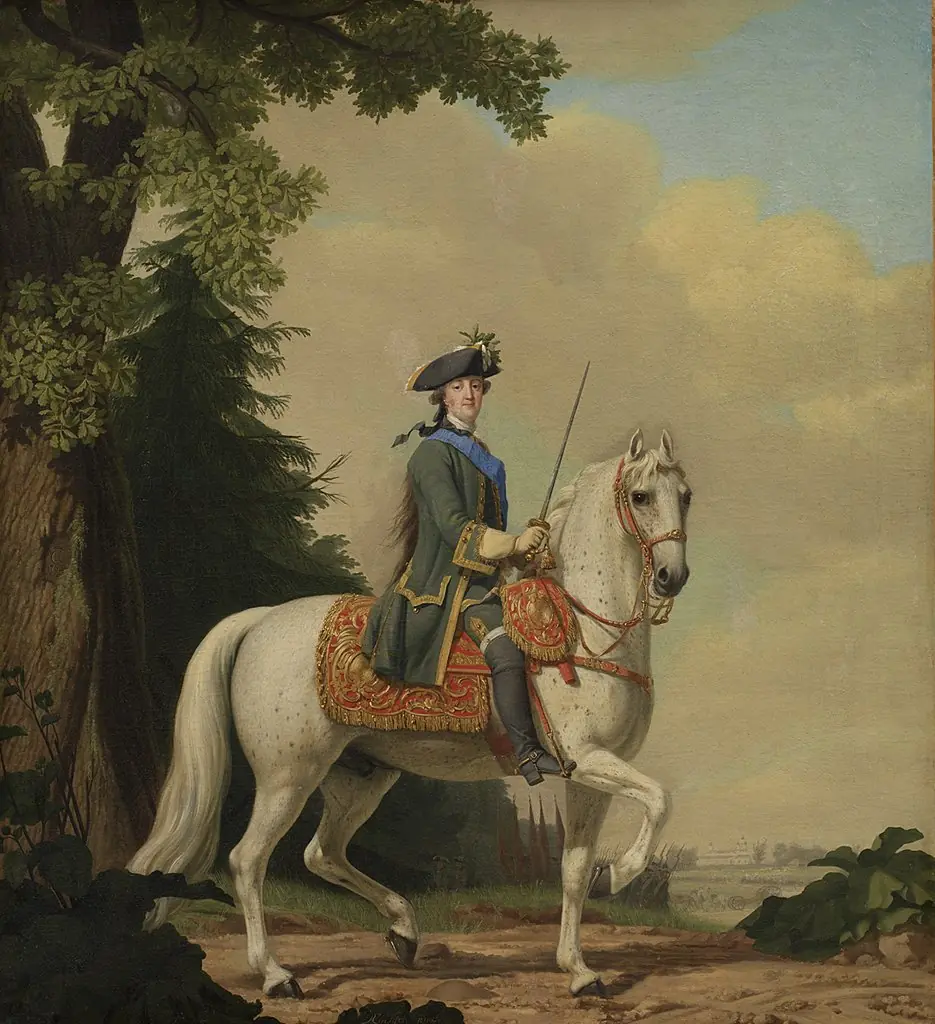 Catharina II of Russia and her stallion Brillante
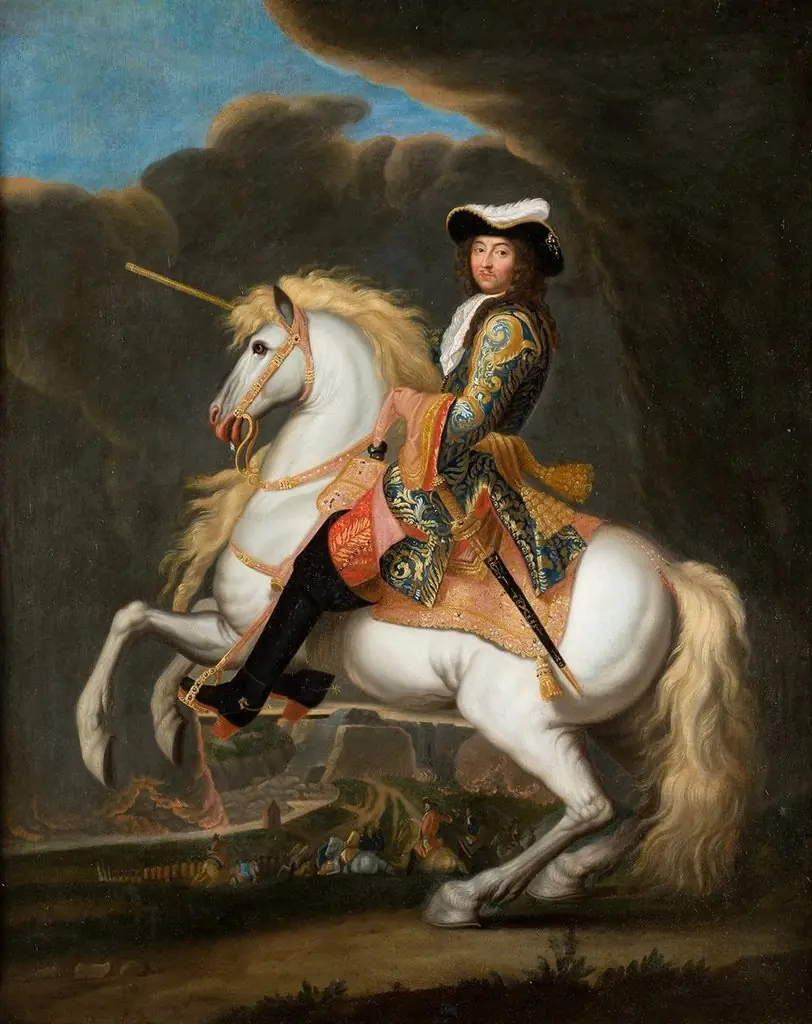 Retrato equestre de Luís XIV
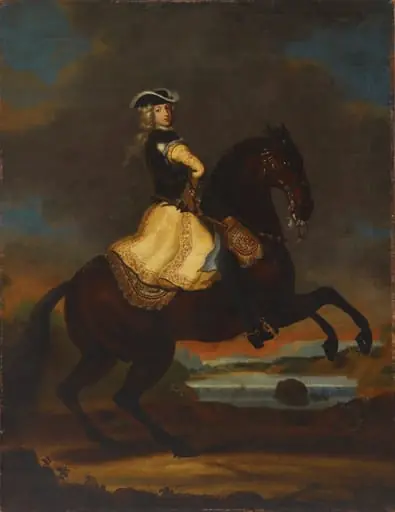 Kuningas Kaarle XII
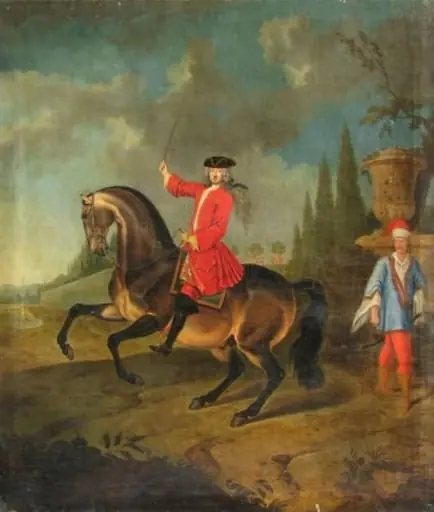 Călăreț cu cravașa ridicată
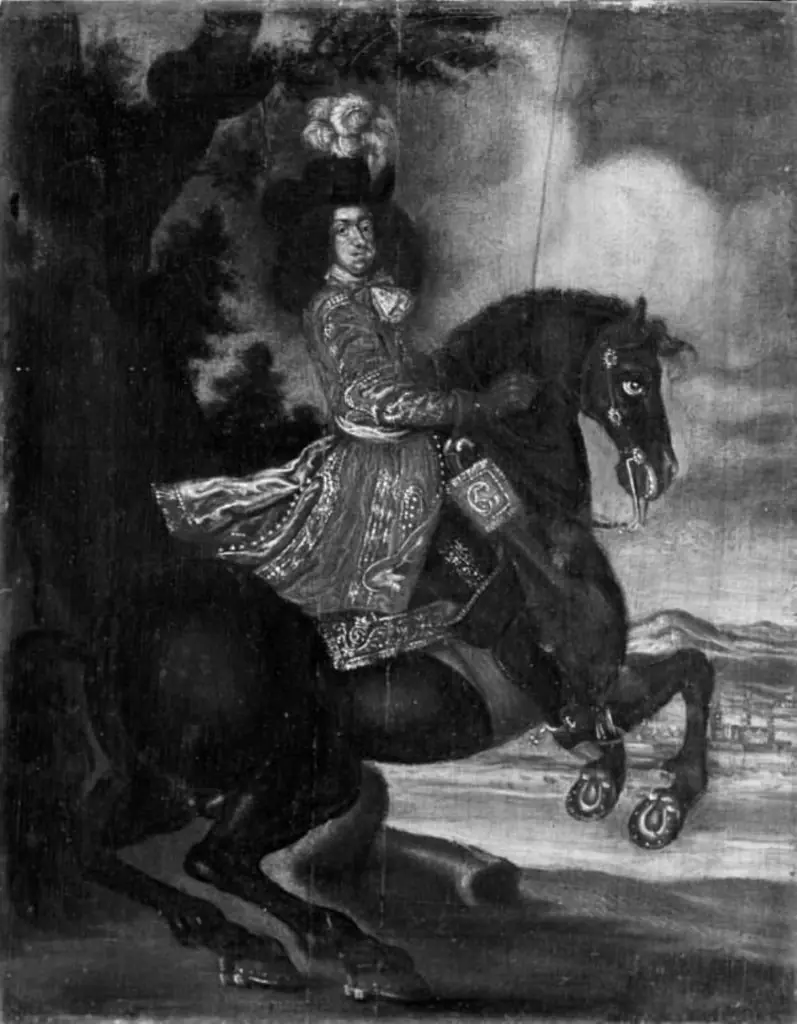 Christian V til hest
 Christian V til hest
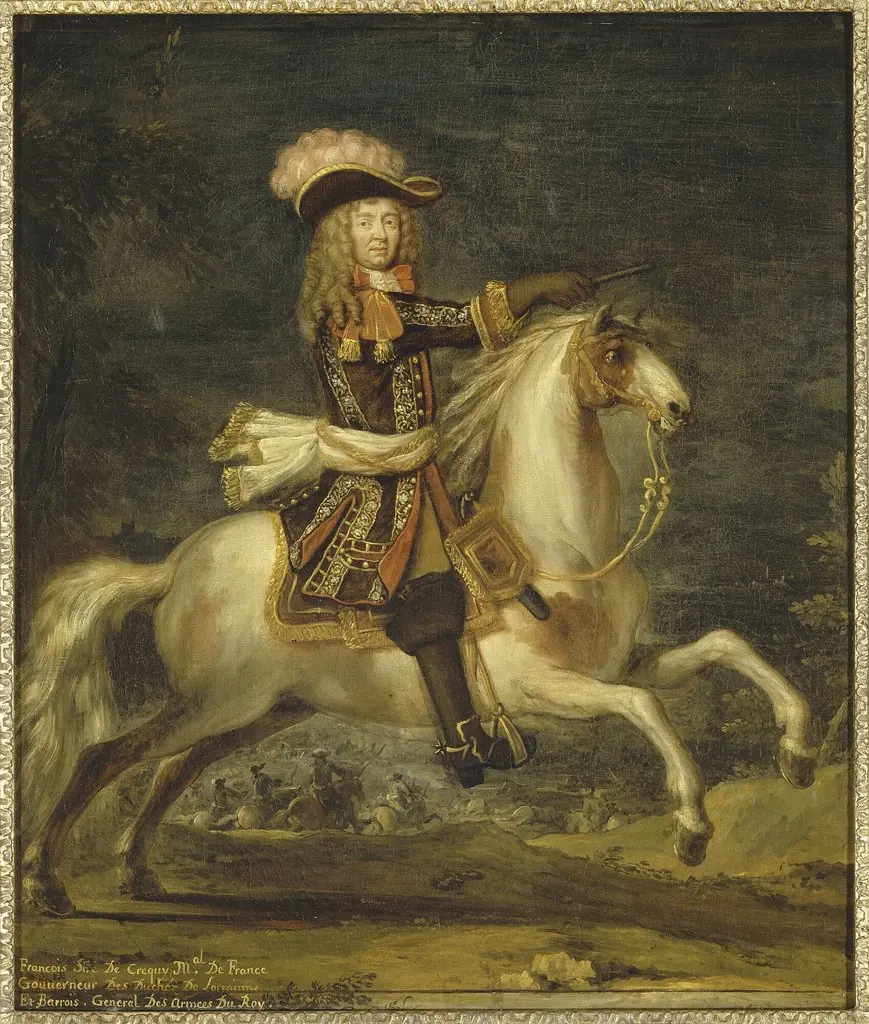 François de Blanchefort, Marquis de Créquy, Marshal of France
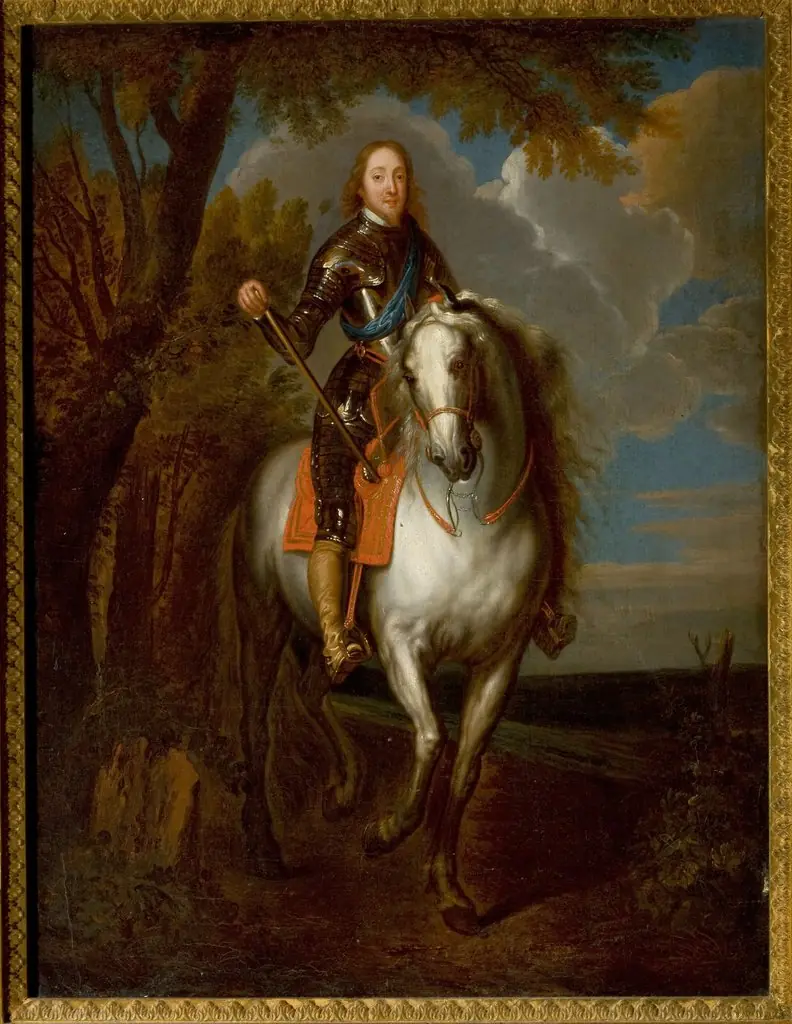 Equestrian Portrait of a Man in Armour
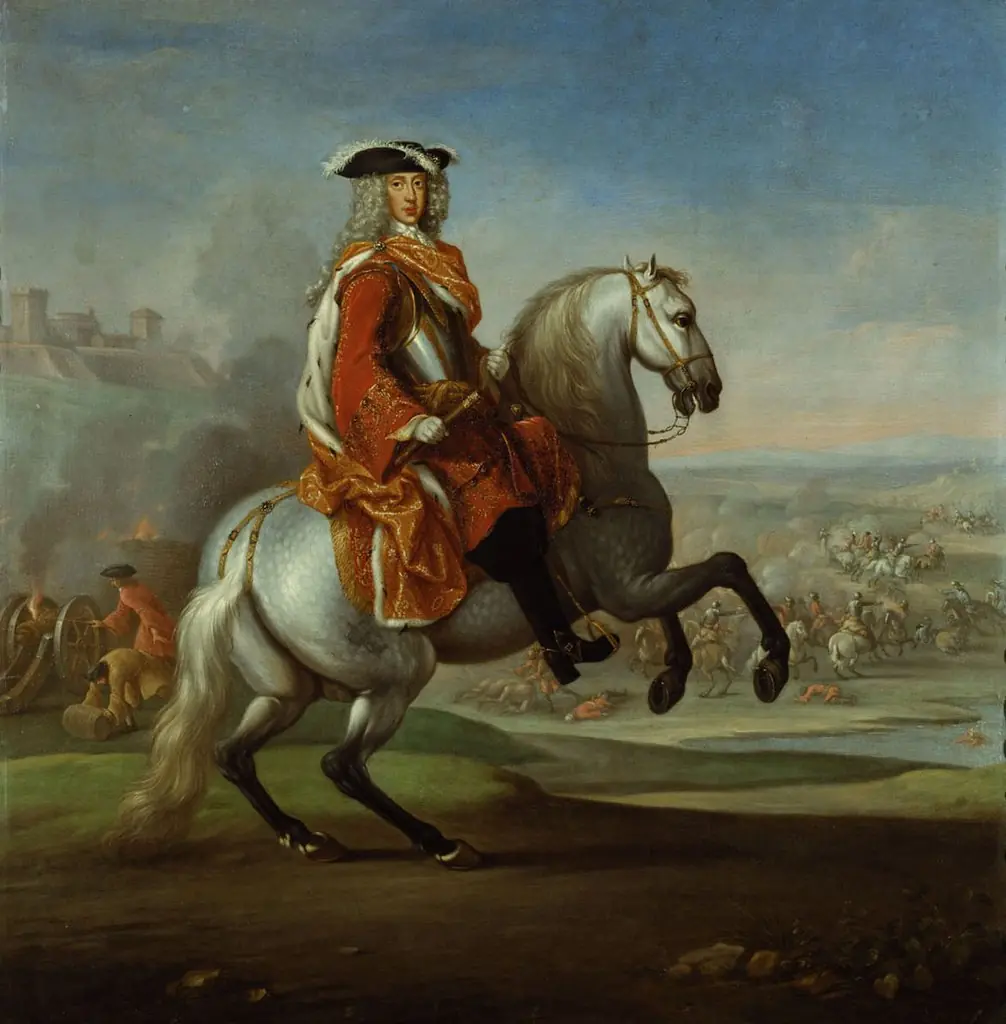 Herzog Karl V. von Lothringen (1643-1690) als Feldherr zu Pferd
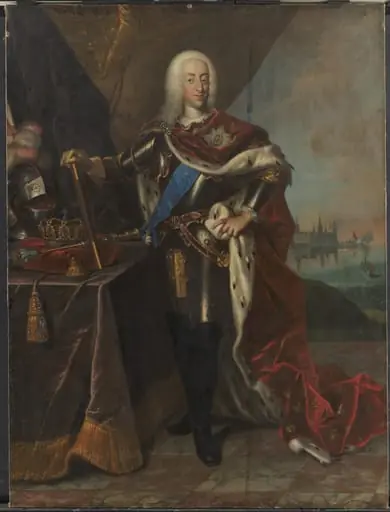 Christian VI
 Împăratul Carol al VI-lea