Artwork
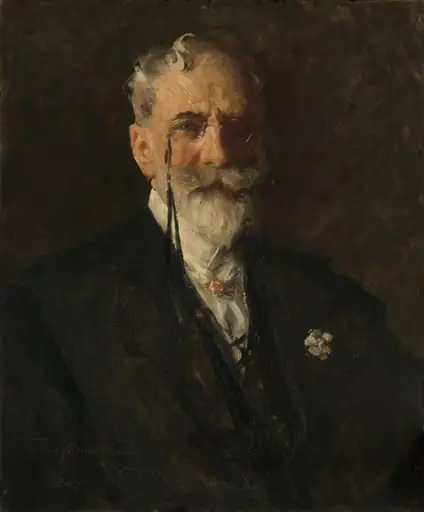
Portrait of Edmond Picard
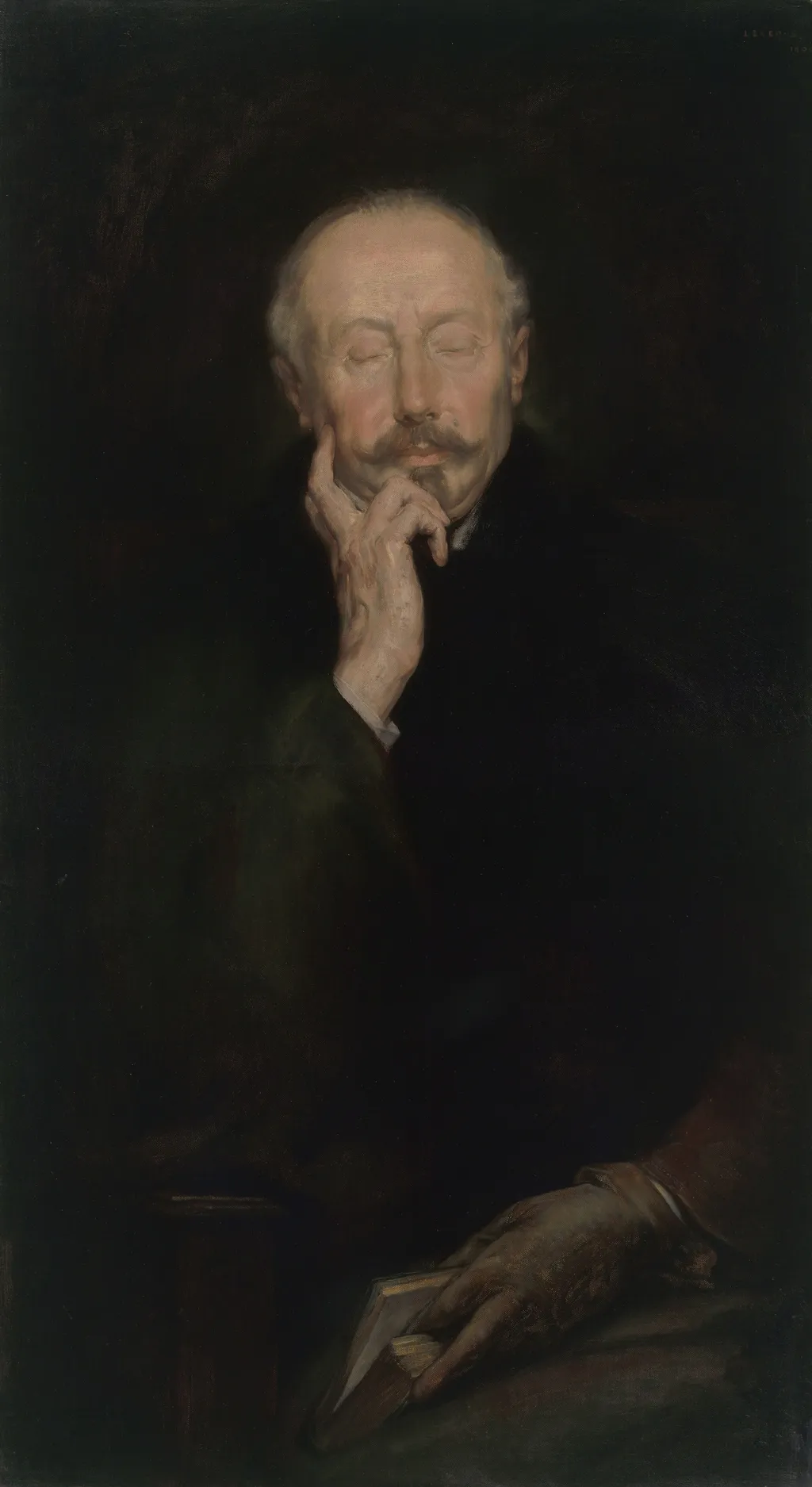
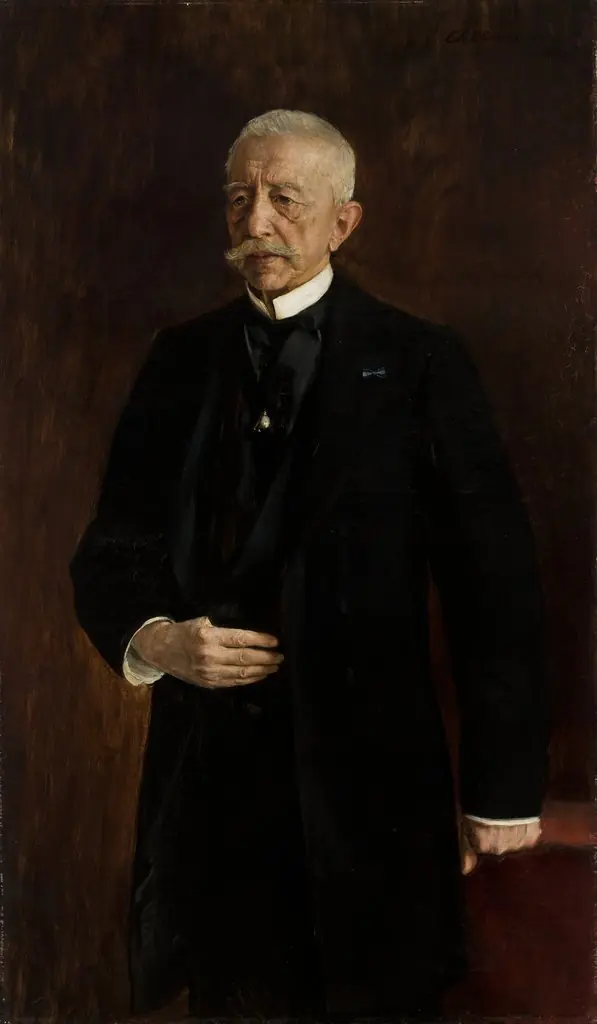
Portrait of Edmond Picard is an oil painting by Auguste Levêque. It dates from 1900 and is held in the collection of the Royal Museum of Fine Arts Antwerp.
About this work
Overview
Painted in 1900 by Belgian artist Auguste Levêque, this oil portrait depicts Edmond Picard, a prominent legal scholar and cultural figure.
Painted in 1900 by Belgian artist Auguste Levêque, this oil portrait depicts Edmond Picard, a prominent legal scholar and cultural figure. Executed in a restrained, introspective style, the work reflects Levêque’s engagement with both realism and symbolic expression. It resides in the collection of the Royal Museum of Fine Arts Antwerp, where it stands as an example of late 19th-century Belgian portraiture infused with psychological nuance.
Subject & Meaning
Edmond Picard, a jurist and writer known for his intellectual rigor, is portrayed in quiet contemplation. His hand resting on a book suggests scholarly engagement, while his fingers cradling his chin implies deep thought. The downward gaze and stillness convey an inner life rather than outward display. The composition avoids theatricality, emphasizing introspection as the core of the subject’s identity.
Technique & Style
Levêque employs chiaroscuro to model the figure with subtle gradations of light and shadow, lending volume and presence to Picard’s form against a dark, undefined background. The brushwork is precise yet unobtrusive, favoring tonal harmony over decorative detail. The dark suit and white shirt create a quiet contrast, focusing attention on the face and hands—elements central to conveying the sitter’s demeanor and intellectual character.
History & Provenance
The portrait was completed in 1900 and entered the collection of the Royal Museum of Fine Arts Antwerp shortly thereafter. Levêque, a multifaceted figure active in Brussels’s artistic circles, maintained ties with the Salon d'Art Idéaliste, a group exploring spiritual and symbolic themes. While the painting’s early ownership is not fully documented, its institutional acquisition reflects its recognition within Belgian artistic circles of the era.
Context
Levêque worked during a period when Belgian art was navigating between academic tradition and emerging modernist currents. Though trained in realism, he engaged with Symbolist ideals through his association with the Salon d'Art Idéaliste. This portrait aligns with a broader trend in Belgian portraiture that sought to reveal inner states rather than social status, distinguishing it from more formal, aristocratic depictions of the time.
Legacy
Though Levêque is less widely known today, this portrait endures as a quiet testament to his ability to merge technical precision with psychological depth. It contributes to the understanding of Belgian portraiture beyond its more celebrated contemporaries, illustrating how intellectual figures were visualized in an era transitioning from realism toward symbolic expression.
Own this work as a print
Artist & collection
Artist
Auguste Levêque (1866–1921) was a Belgian painter influenced both by realism and symbolism.

 Portrait of Antoni Kamieński (1860/1861–1933), painter
 Portrait of Franklin H. Delano
 Portrait of Wiktor Osławski
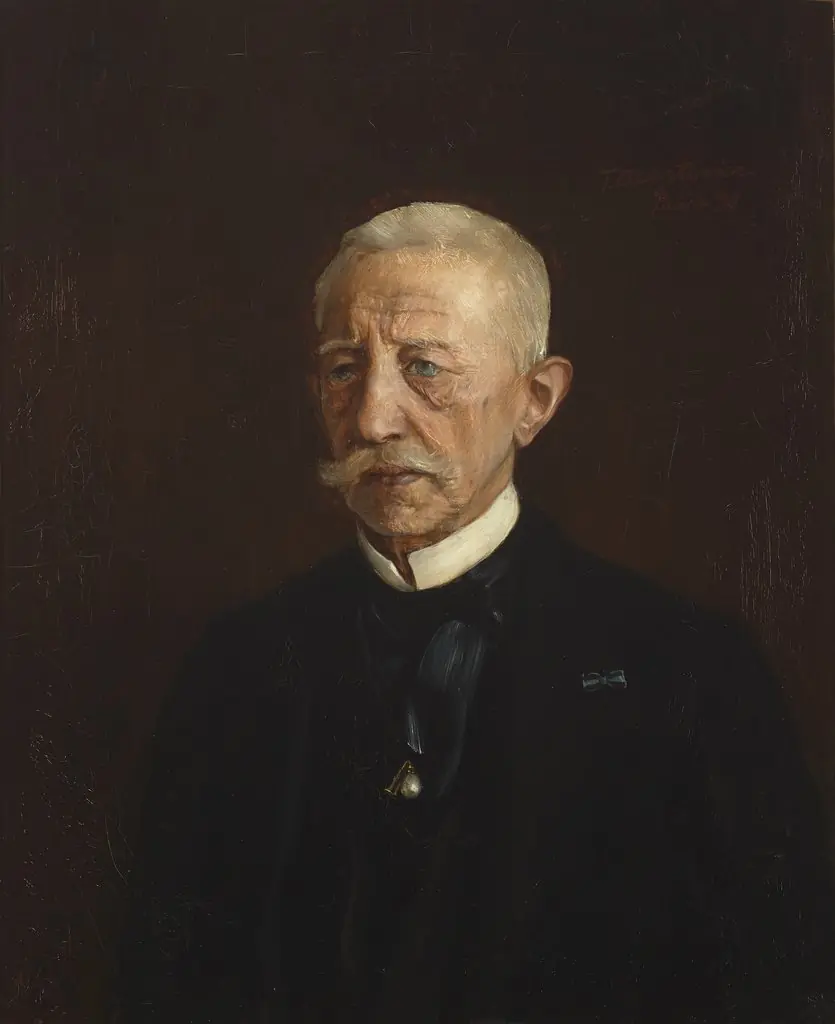 Portrait of Wiktor Osławski
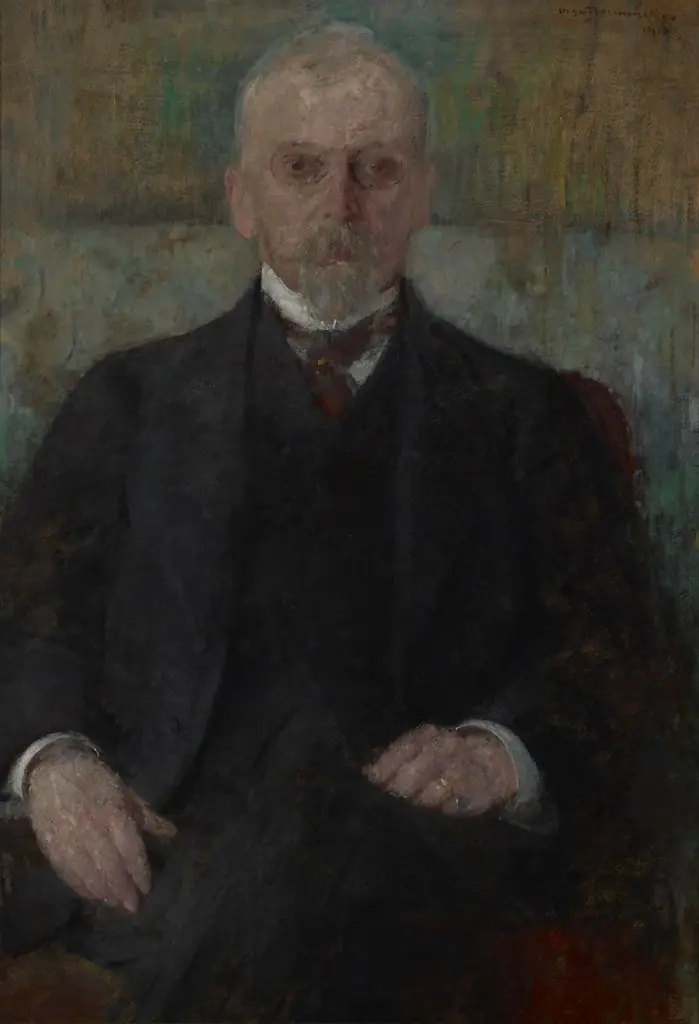 Portrait of Henryk Sienkiewicz
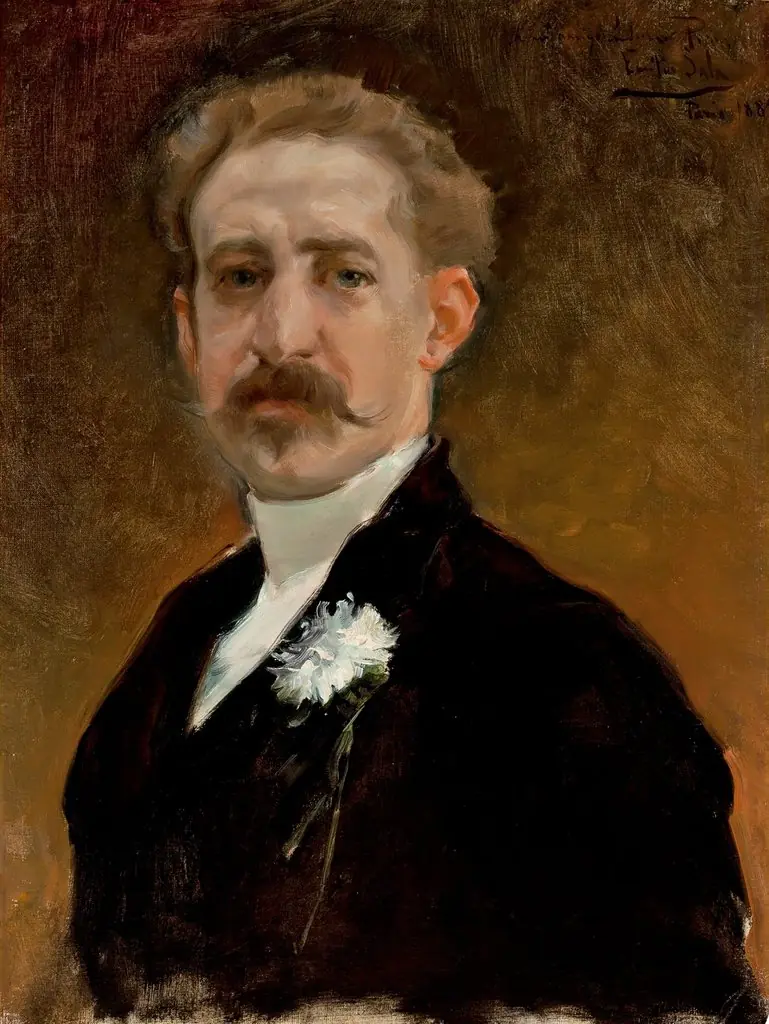 Jacinto Octavio Picón
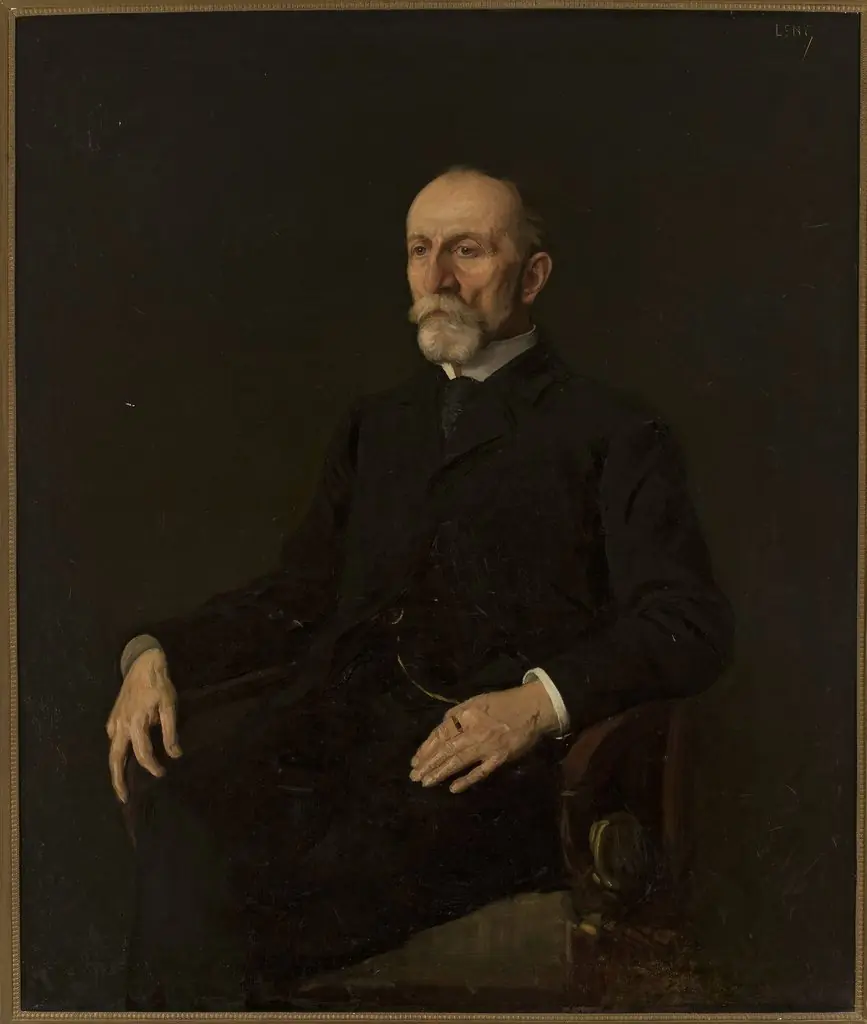 Portrait of Władysław Bogusławski
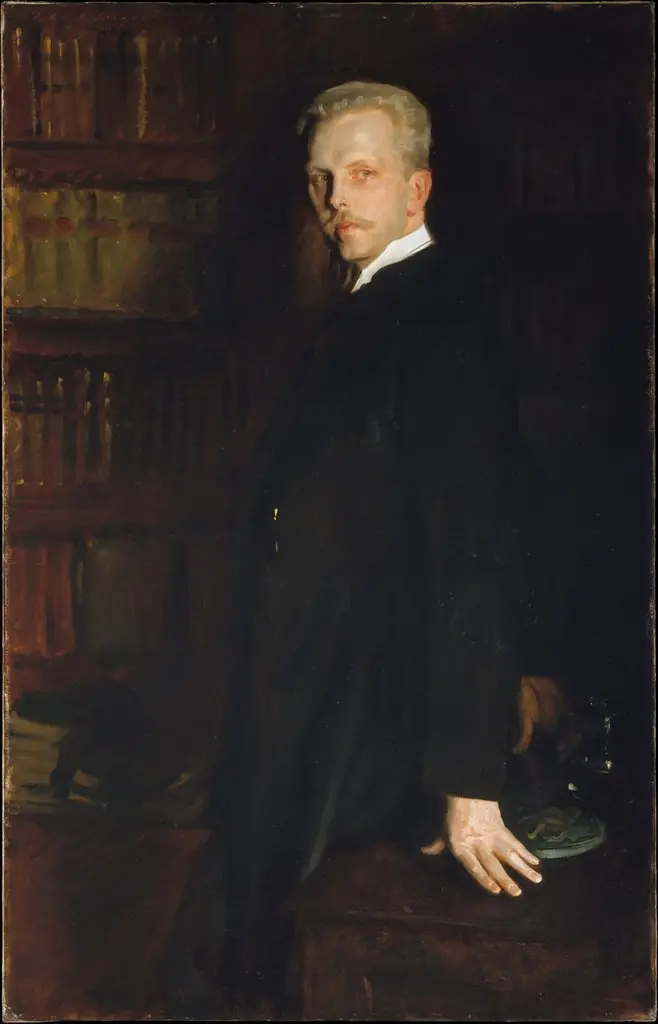 Edward Robinson
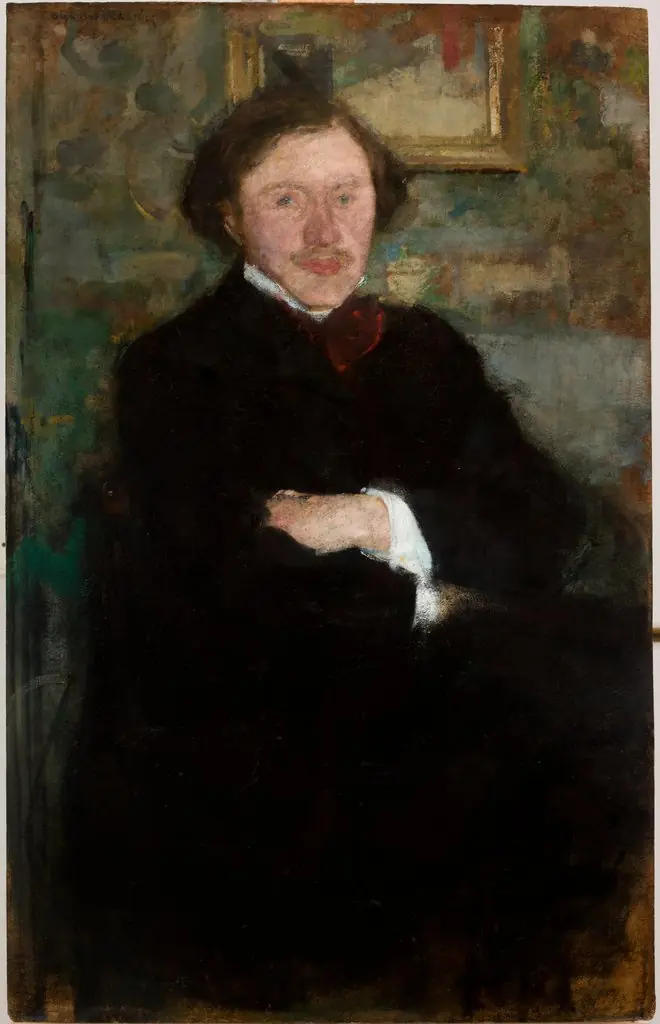 Portrait of the Pianist Prof. Antoni Dieth
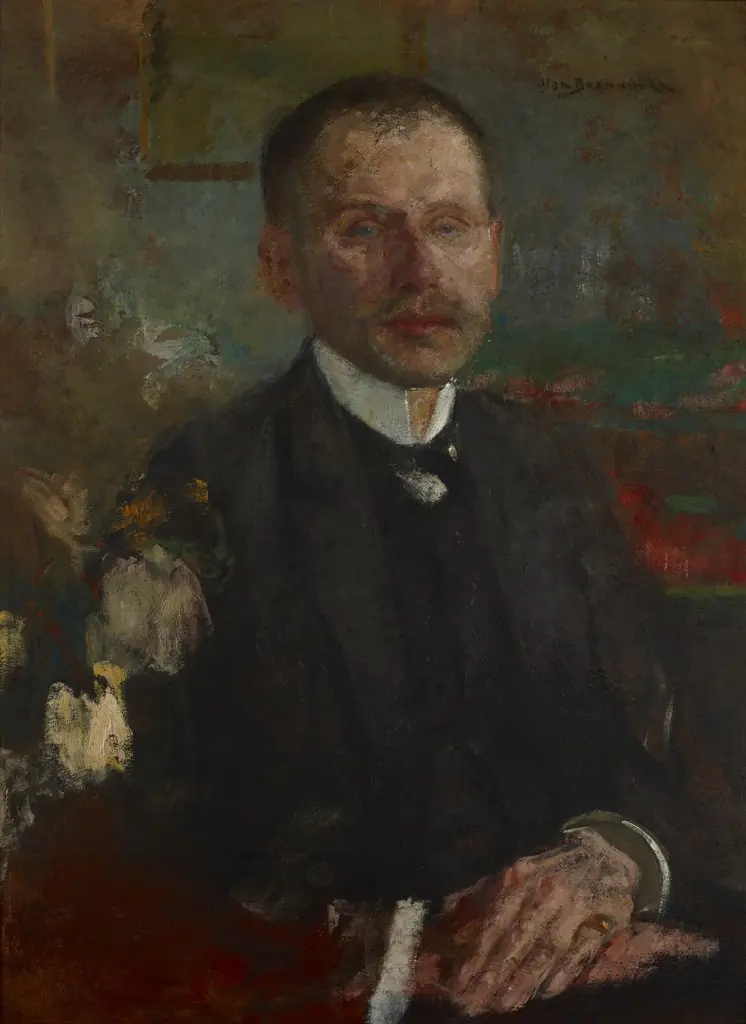 Portrait of Bogdan Faleński – two-sided painting
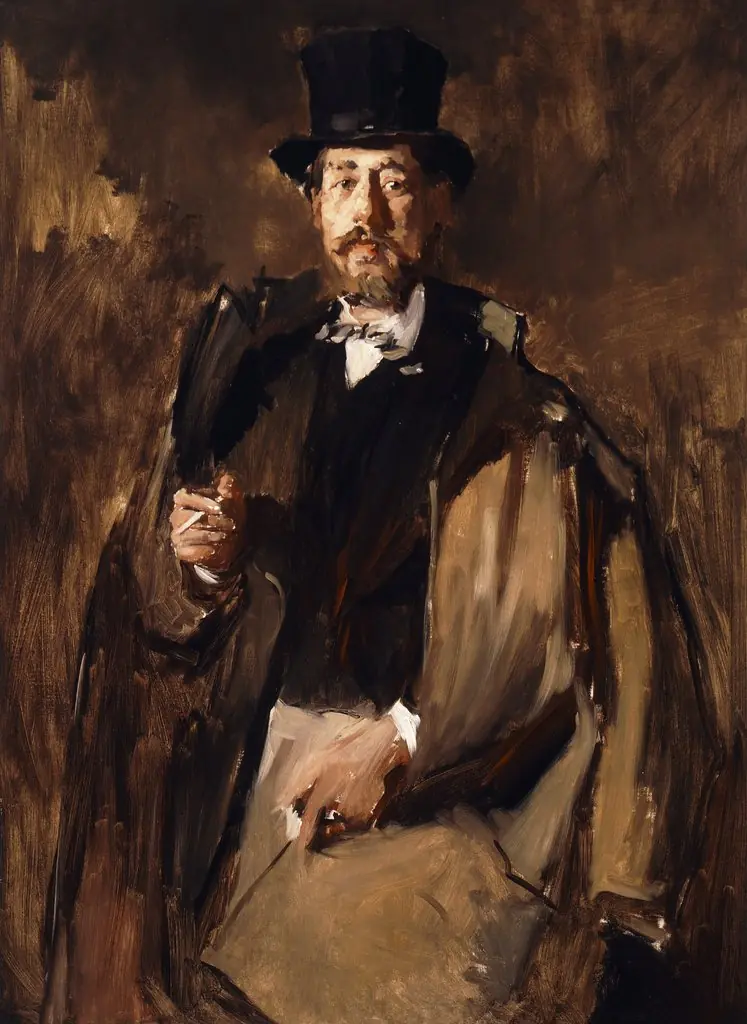 Portrait of Pál Szinyei Merse
 Self-Portrait