Artwork
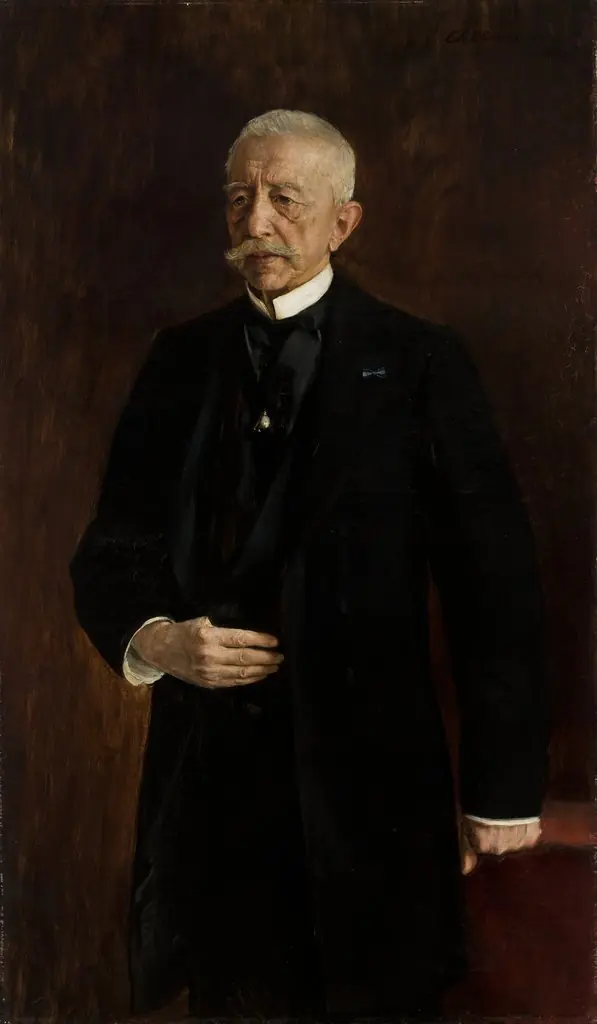
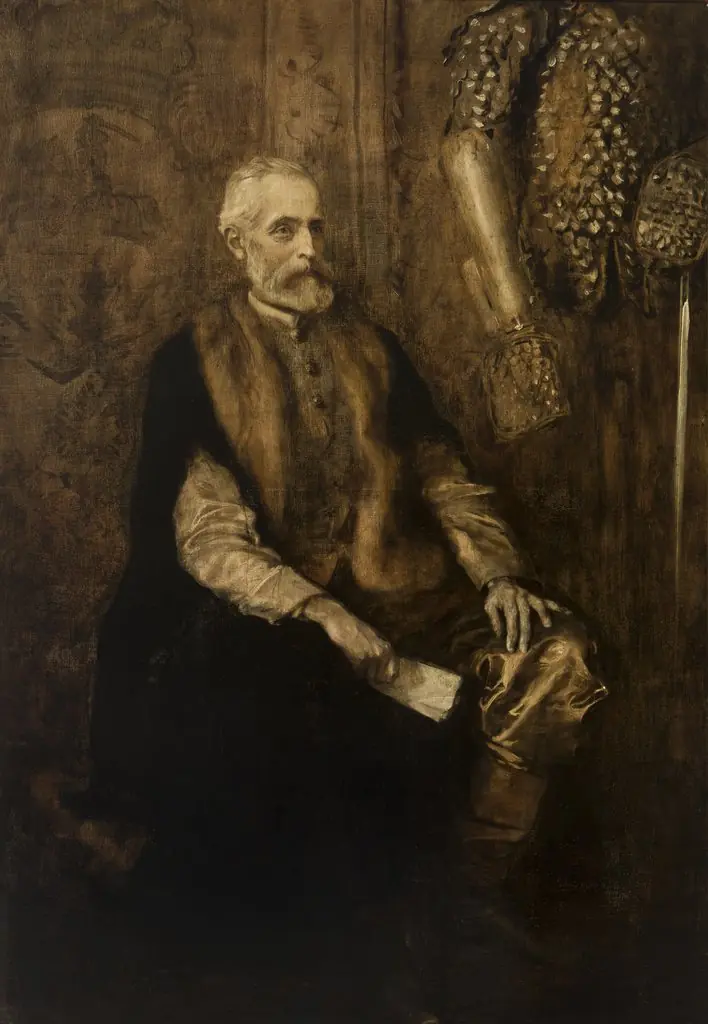
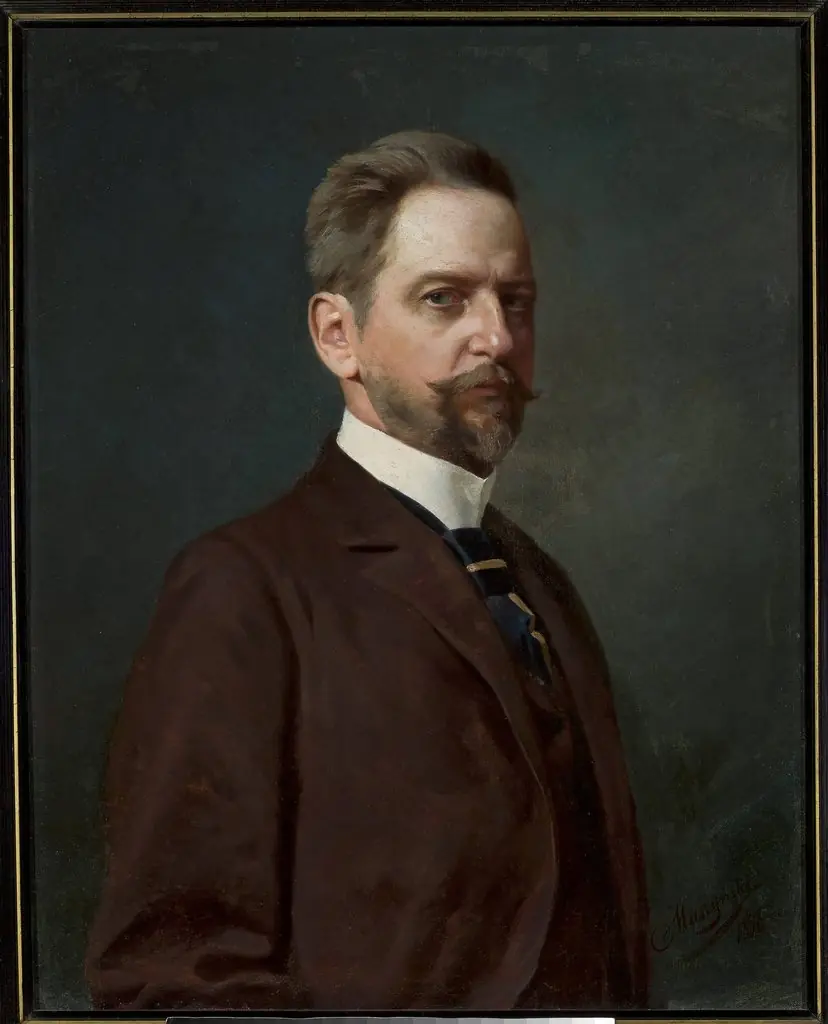
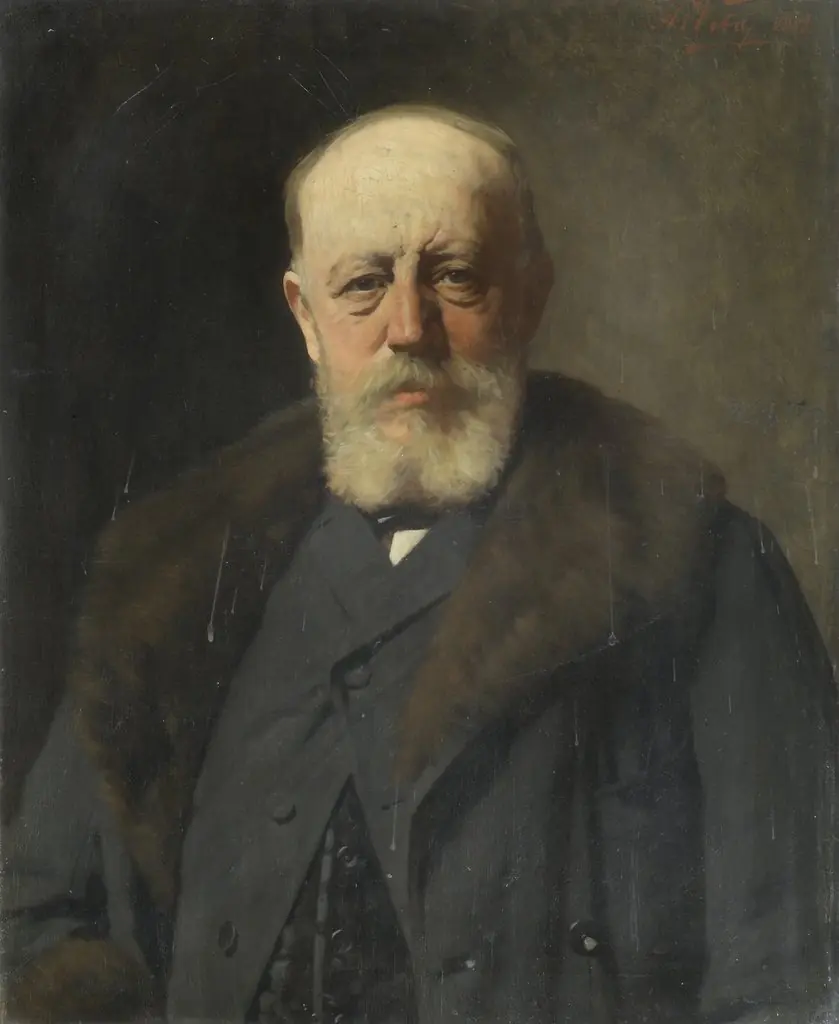
Portrait of Wiktor Osławski
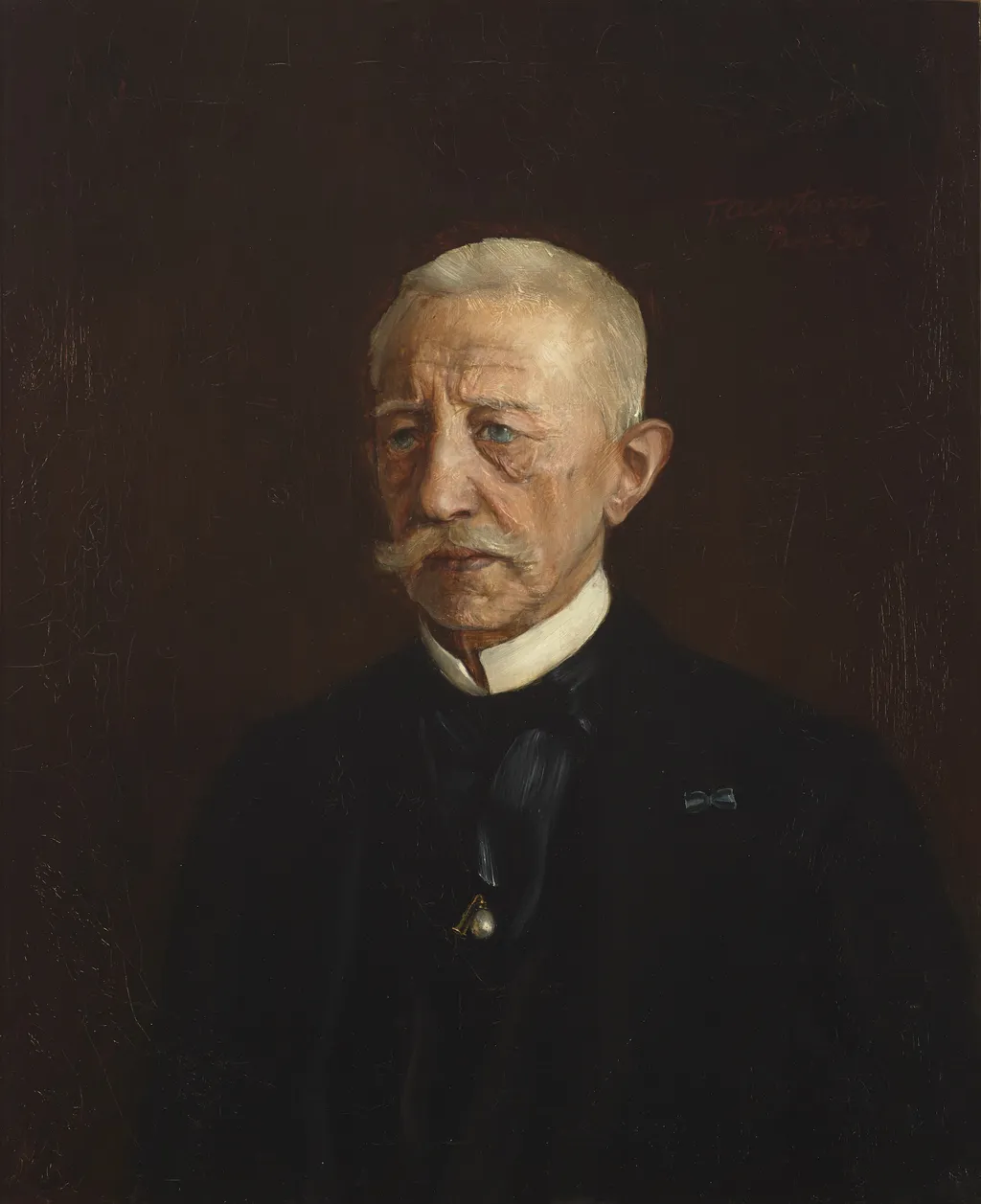
Portrait of Wiktor Osławski is an oil painting by the Post-Impressionist artist Teodor Axentowicz. It dates from 1896 and is held in the collection of the National Museum in Kraków.
About this work
Overview
It resides in the National Museum in Kraków, where it is part of a broader collection documenting late 19th-century Polish portraiture.
Painted in 1896 by Teodor Axentowicz, this oil portrait captures Wiktor Osławski, a Polish intellectual and cultural figure. Executed in a restrained, observational manner, the work reflects the artist’s engagement with post-impressionist tendencies, emphasizing psychological presence over decorative flourish. It resides in the National Museum in Kraków, where it is part of a broader collection documenting late 19th-century Polish portraiture.
Subject & Meaning
The sitter, Wiktor Osławski, is portrayed with solemn dignity, his aged features and composed gaze suggesting a life of reflection and quiet authority. Dressed in formal dark attire with a crisp white collar, his appearance conveys intellectual gravitas rather than social status. The direct eye contact with the viewer invites an intimate, unmediated encounter, reinforcing the portrait’s focus on inner character over external ornament.
Technique & Style
Axentowicz employed thick, deliberate brushwork to model the face, particularly around the eyes and mouth, where subtle shifts in tone convey texture and emotion. The background is muted and indistinct, drawing attention to the figure’s silhouette and facial expression. While not overtly impressionistic, the painting’s emphasis on light and form aligns with post-impressionist concerns for psychological depth and structural clarity.
History & Provenance
The portrait was completed during Axentowicz’s tenure at the Kraków Academy of Fine Arts, where he taught and later served as rector. It entered the National Museum’s collection shortly after its creation, likely through direct acquisition or donation. Its continuous presence in the museum underscores its significance as a representative work of Polish academic portraiture from the fin de siècle period.
Context
In late 19th-century Poland, portraiture served as a means of affirming cultural identity amid foreign partitions. Axentowicz, of Armenian descent and trained in Vienna and Paris, synthesized European academic traditions with local sensibilities. This portrait reflects a broader trend among Polish artists to elevate individual character as a symbol of national resilience and intellectual continuity.
Legacy
Though not widely reproduced, the portrait remains a key example of Axentowicz’s mature style and his contribution to Polish visual culture. It exemplifies how academic training could be adapted to convey psychological nuance without romanticism. The work continues to inform scholarly discussions on identity, representation, and the role of portraiture in national art collections.
Own this work as a print
Artist & collection
Artist
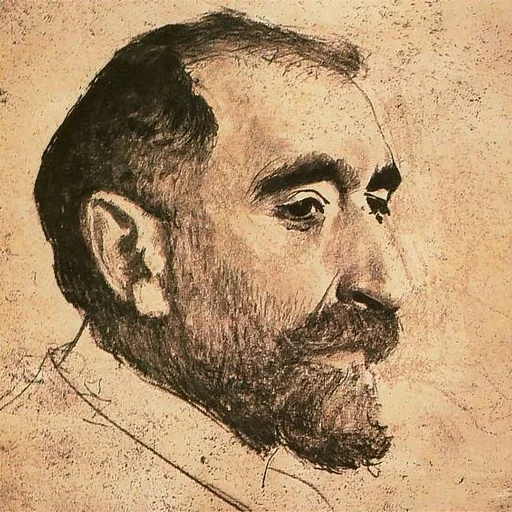
Teodor Axentowicz (Armenian: Թեոդոր Աքսենտովիչ, romanized: Tʻeodor Akʻsentovichʻ; 13 May 1859 – 26 August 1938) was a Polish-Armenian painter and university professor.