Artwork
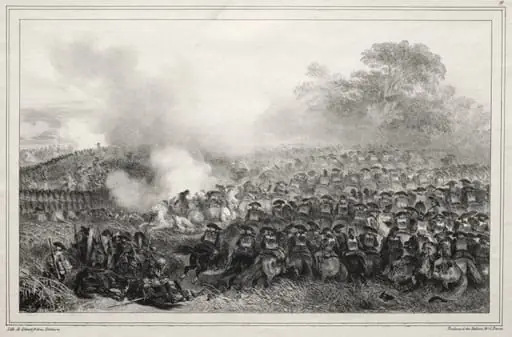
Dernière Charge des Lanciers Rouges à Waterloo
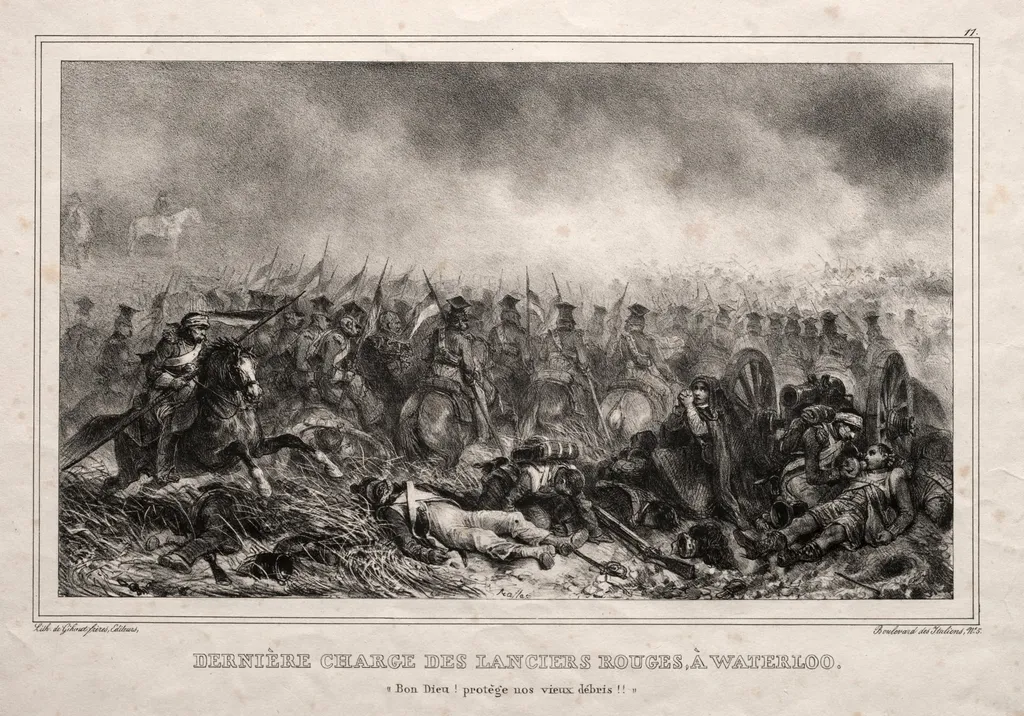
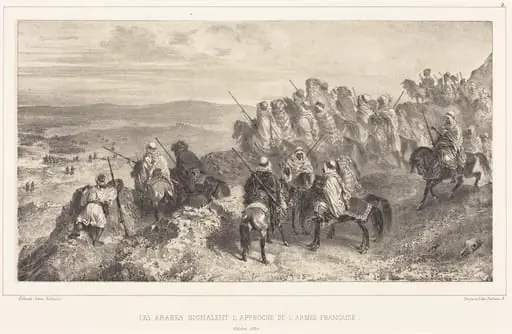
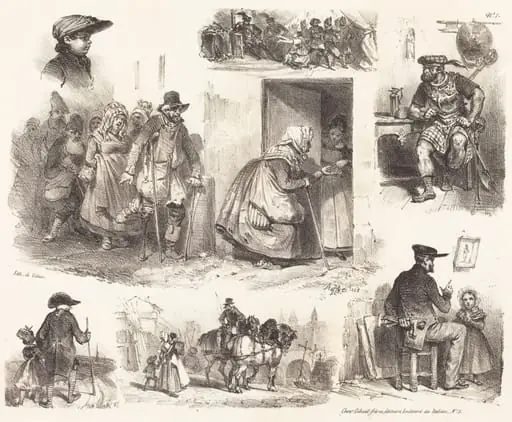
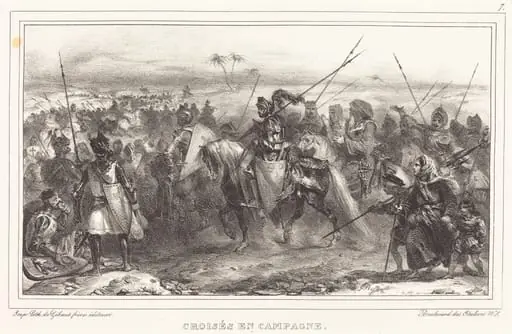
Dernière Charge des Lanciers Rouges à Waterloo is a print by the Romanticist artist Auguste Raffet. It dates from 1834 and is held in the collection of the Cleveland Museum of Art.
About this work
Overview
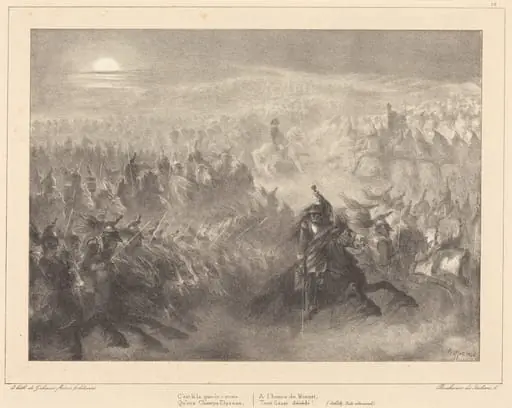
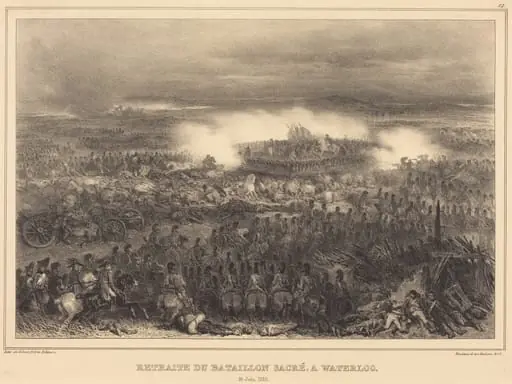
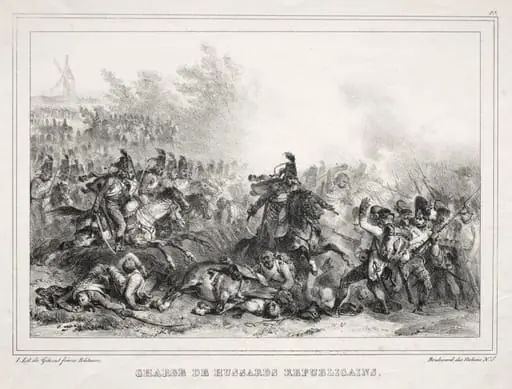
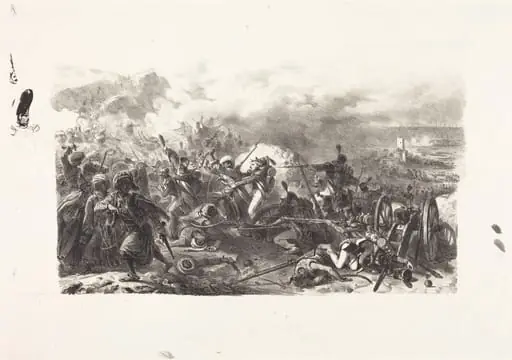
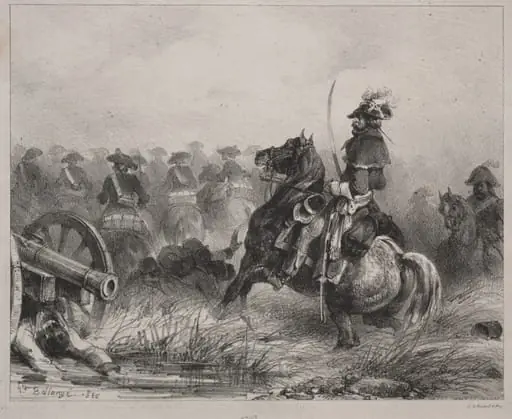
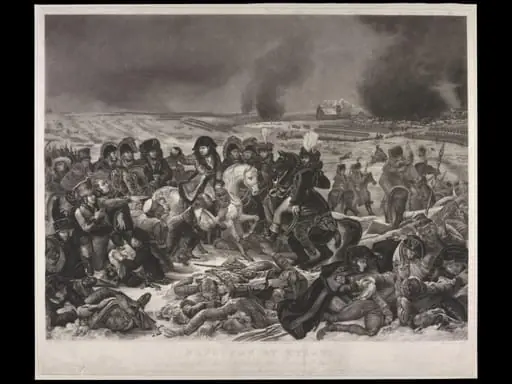
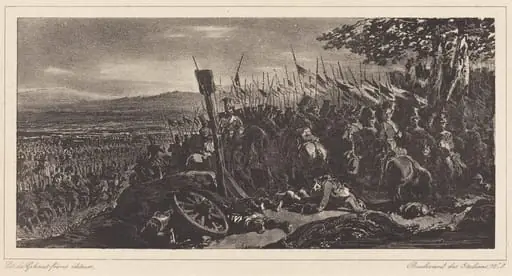
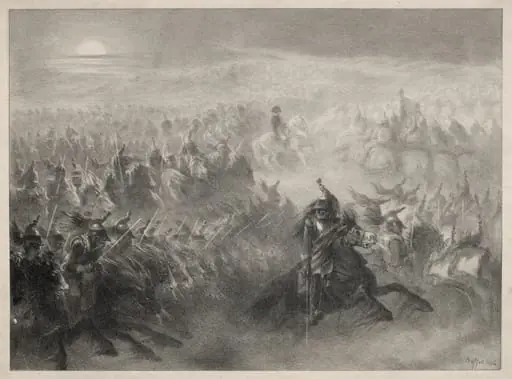
Created circa 1834, this lithograph by French artist Auguste Raffet captures the climactic moment of the Red Lancers’ last charge during the Battle of Waterloo. The composition is dominated by a tumultuous mass of cavalry, horses rearing and falling amid a smoky backdrop, conveying the ferocity of the 1815 conflict.
Subject & Meaning
The image focuses on the Red Lancers, a light cavalry regiment of the French army, as they plunge forward in a desperate assault. Fallen soldiers litter the foreground, underscoring the high cost of the charge and reflecting Raffet’s interest in portraying the human drama of Napoleonic warfare.
Technique & Style
Executed in lithographic print, the work employs a limited palette of dark tones contrasted with stark highlights, heightening the sense of movement and tension. Raffet’s line work varies from fine detailing on uniforms to broader strokes that suggest the billowing smoke and chaotic mass of horses.
History & Provenance
Raffet, a pupil of the military illustrator Nicolas‑Toussaint Charlet, built his reputation on retrospective depictions of the Napoleonic era. This particular print, produced in the early 1830s, was part of a series that circulated among collectors interested in contemporary visual histories of the recent wars.
Artist & collection
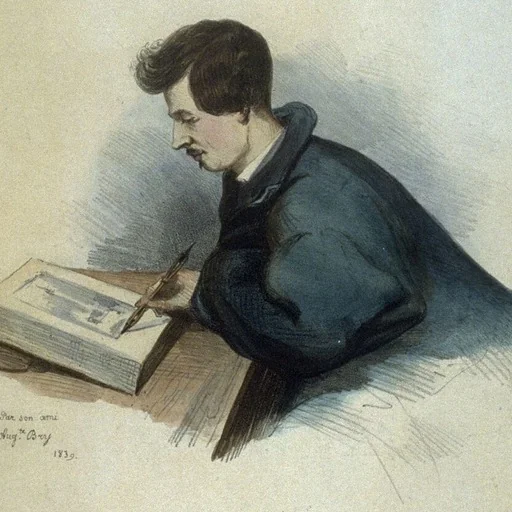
Artist
Denis Auguste Marie Raffet (2 March 1804 – 16 February 1860) was a French illustrator and lithographer. He was a student of Nicolas Toussaint Charlet, and was a retrospective painter of the Empire.