Artwork
Narcise pe fond albastru
Narcise pe fond albastru is an unspecified painting by Hrandt Avakian. It dates from 1850 and is held in the collection of the National Museum of Art of Romania.
About this work
Overview
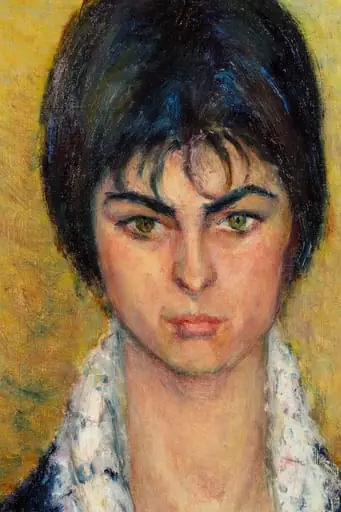
Narcise pe fond albastru is a portrait painted around 1850 by Hrandt Avakian. It depicts a single figure, rendered from the shoulders up, gazing directly at the viewer. The composition is minimal, with the figure set against a densely painted blue background. The work is held in the collection of the Museum of Ethnography, where it is noted for its quiet intensity and restrained palette.
Subject & Meaning
The subject’s identity remains unconfirmed, though the title suggests a connection to the name Narcise. The figure’s neutral expression and direct gaze convey a sense of stillness and presence rather than narrative. No accessories or contextual elements are present, focusing attention entirely on the individual’s facial features and the emotional tone of their gaze.
Technique & Style
Avakian applied pigment with visible, thick brushwork, particularly in the background, which appears layered and tactile. The face is rendered with subtle gradations of light brown, softening contours to suggest volume without sharp definition. Dark eyes and delicate features contrast with the bold blue field, creating a quiet tension between intimacy and abstraction.
History & Provenance
The painting has been in the collection of the Museum of Ethnography for much of its documented history. Its origins trace to the mid-19th century, likely from a private Armenian context, though specific commission details are lost. It entered institutional care without clear documentation of its early ownership or exhibition history.
Context
Created during a period of cultural transition in the Ottoman Armenian communities, the work reflects a personal, rather than ceremonial, approach to portraiture. While European academic styles influenced regional artists, Avakian’s focus on emotional presence over detail aligns with emerging local tendencies toward introspective representation.
Legacy
Narcise pe fond albastru stands as one of the few surviving portraits by Hrandt Avakian, offering insight into 19th-century Armenian visual culture beyond religious or communal imagery. Its preservation highlights early non-elite portraiture in the region and contributes to broader discussions of identity and representation in Ottoman-era art.
Artist & collection