Artwork
Untitled
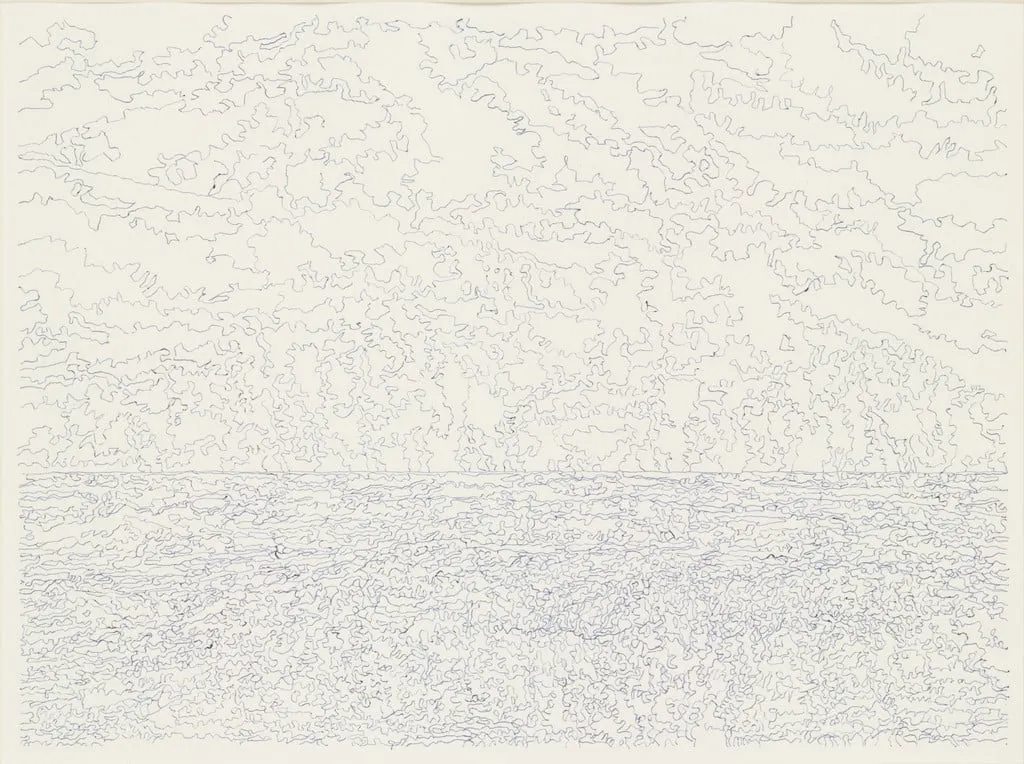
Untitled is a drawing by Axel Kasseböhmer. It dates from 1999 and is held in the collection of the Museum of Modern Art.
About this work
Overview
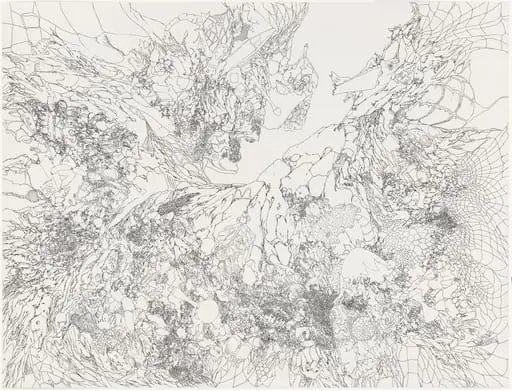
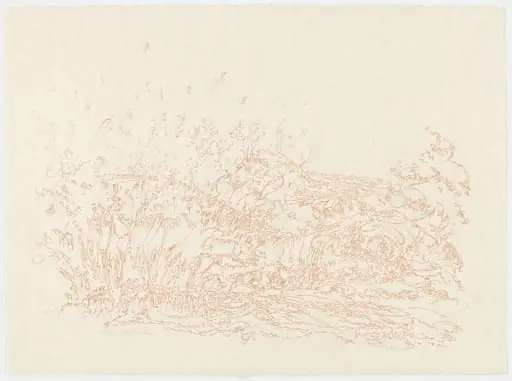
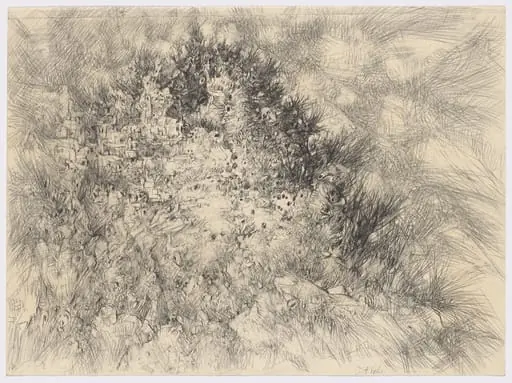
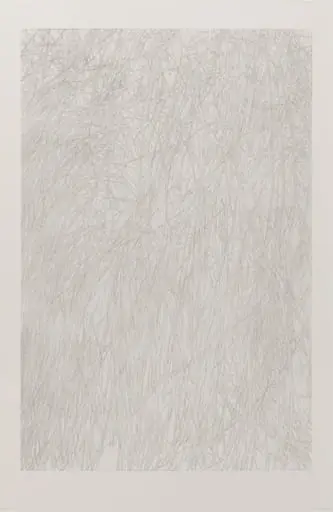
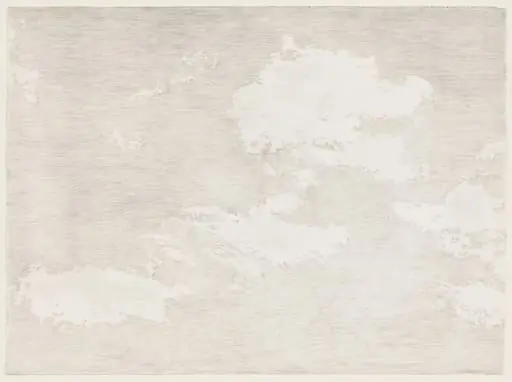
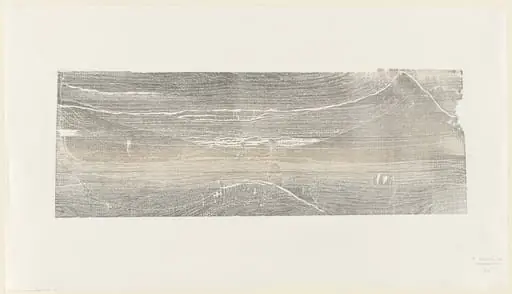
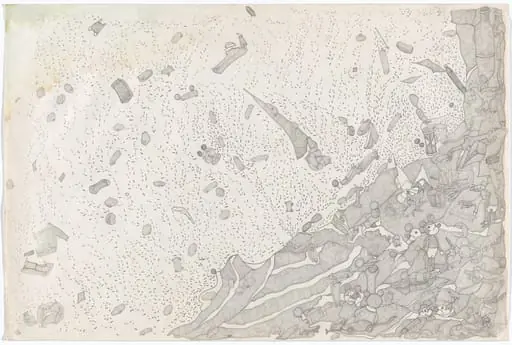
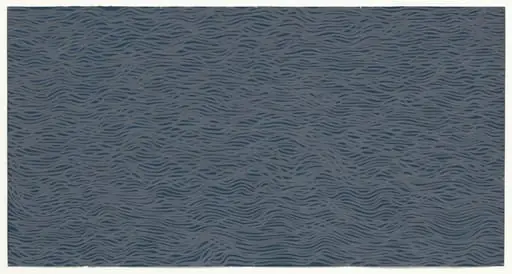
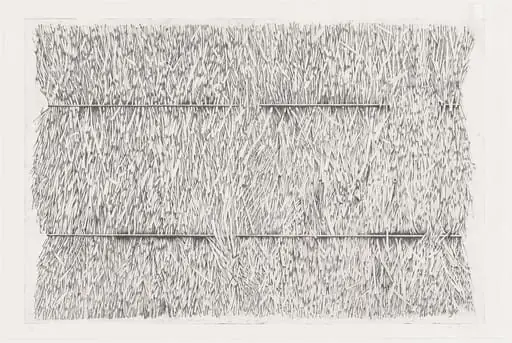
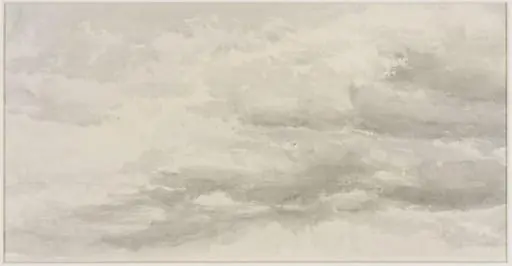
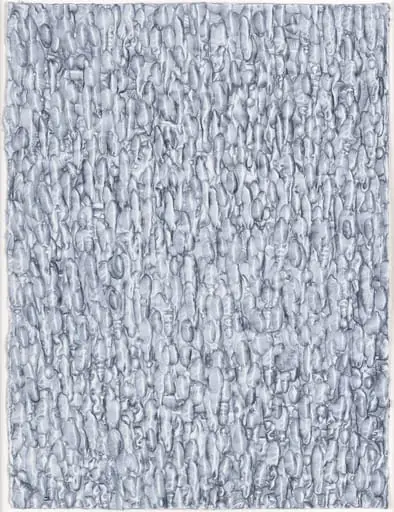
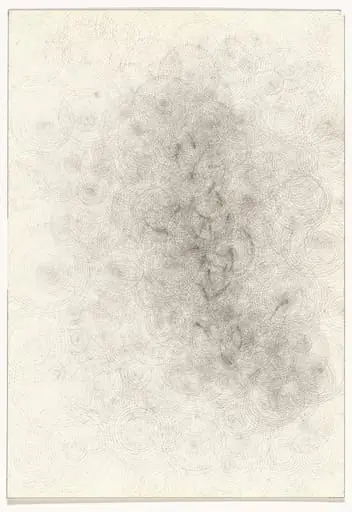
Created in 1999, this ballpoint pen drawing by Axel Kasseböhmer is part of The Museum of Modern Art’s collection. The work consists entirely of dense, repetitive marks made with a single pen, covering the entire surface of the paper without forming recognizable imagery. Its composition resists traditional representation, focusing instead on the accumulation of gesture and texture.
Subject & Meaning
The drawing does not depict a specific subject or narrative. Instead, it presents an abstract field of marks that emphasize process over representation. The absence of form invites attention to the physical act of drawing—each stroke a trace of movement, time, and repetition—suggesting a meditation on labor and presence rather than depiction.
Technique & Style
Kasseböhmer employed only a ballpoint pen, applying countless small, rapid strokes to saturate the paper. The lines overlap and layer without hierarchy, creating a uniform, fuzzy surface. No outlines, contours, or shapes emerge; the style prioritizes density and rhythm over structure, reducing drawing to its most elemental gesture.
History & Provenance
The work entered The Museum of Modern Art’s collection after its creation in 1999. It is one of several drawings by Kasseböhmer that explore non-representational mark-making. Its acquisition reflects the museum’s interest in post-minimalist and process-based practices from the late 20th century, particularly those using humble materials.
Context
This piece aligns with broader artistic trends of the 1990s that questioned the necessity of imagery in drawing. Artists increasingly turned to repetitive, non-figurative mark-making as a way to explore time, materiality, and the body’s role in creation. Kasseböhmer’s work fits within this context, distancing itself from narrative or symbolic content.
Legacy
The drawing contributes to an ongoing dialogue about the limits of drawing as a medium. By eliminating recognizable form, it challenges assumptions about what constitutes a finished work. Its presence in a major museum underscores the institutional recognition of gesture-based abstraction as a legitimate artistic pursuit.
Artist & collection