Artwork
Portretul Jeniței Irimescu
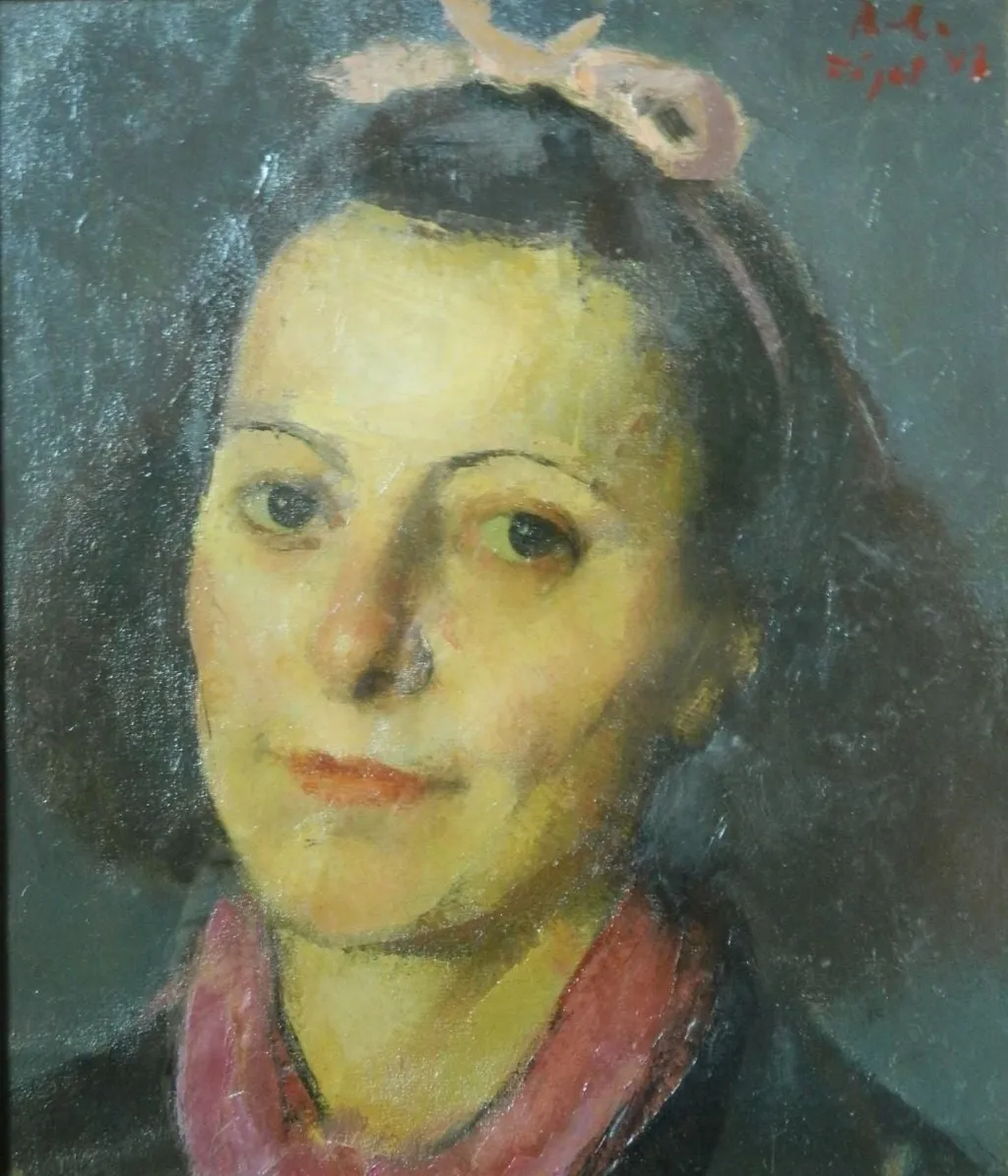
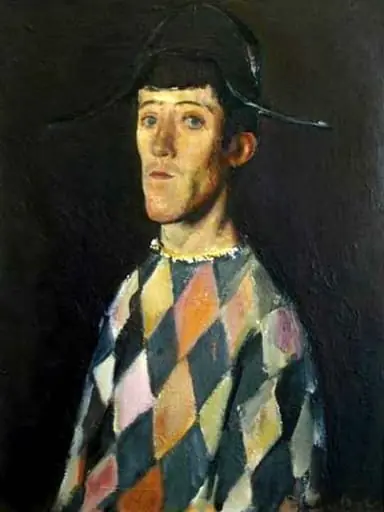
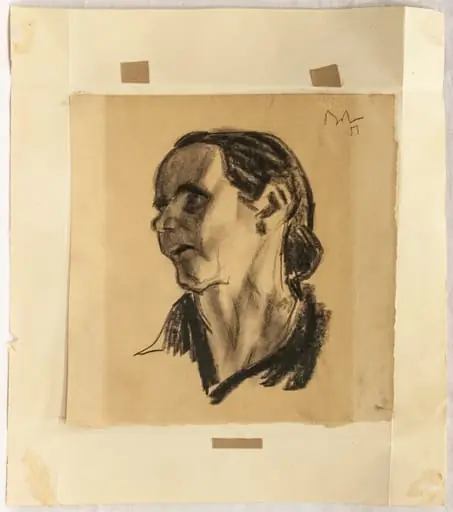
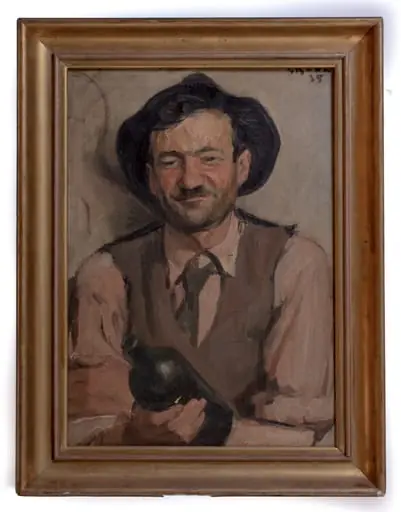
Portretul Jeniței Irimescu is a print by Corneliu Baba. It dates from 1956 and is held in the collection of the Ion Irimescu Art Museum.
About this work
Overview
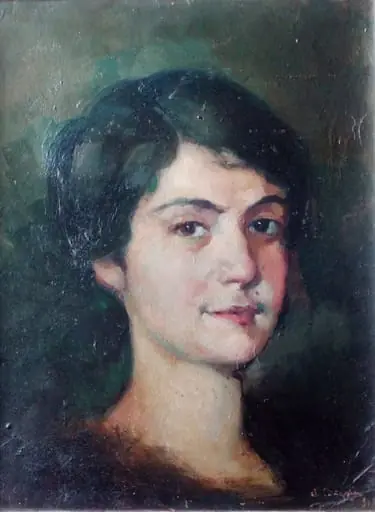
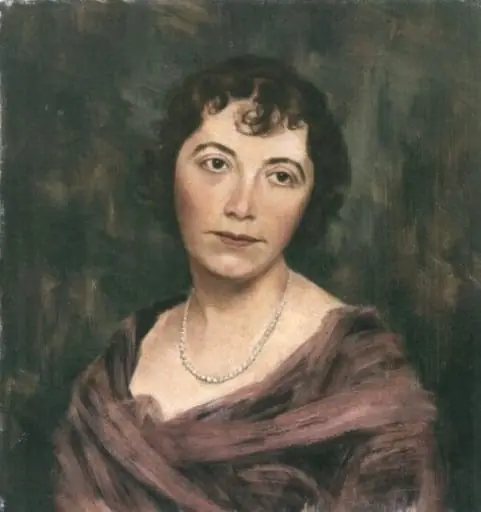
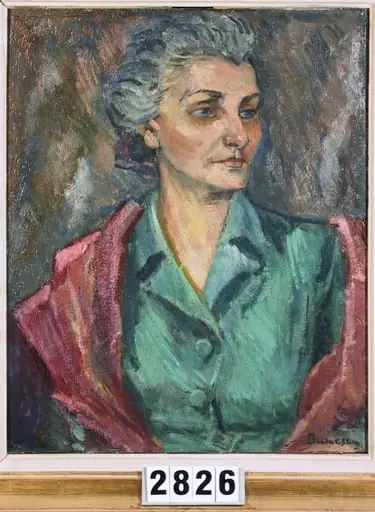
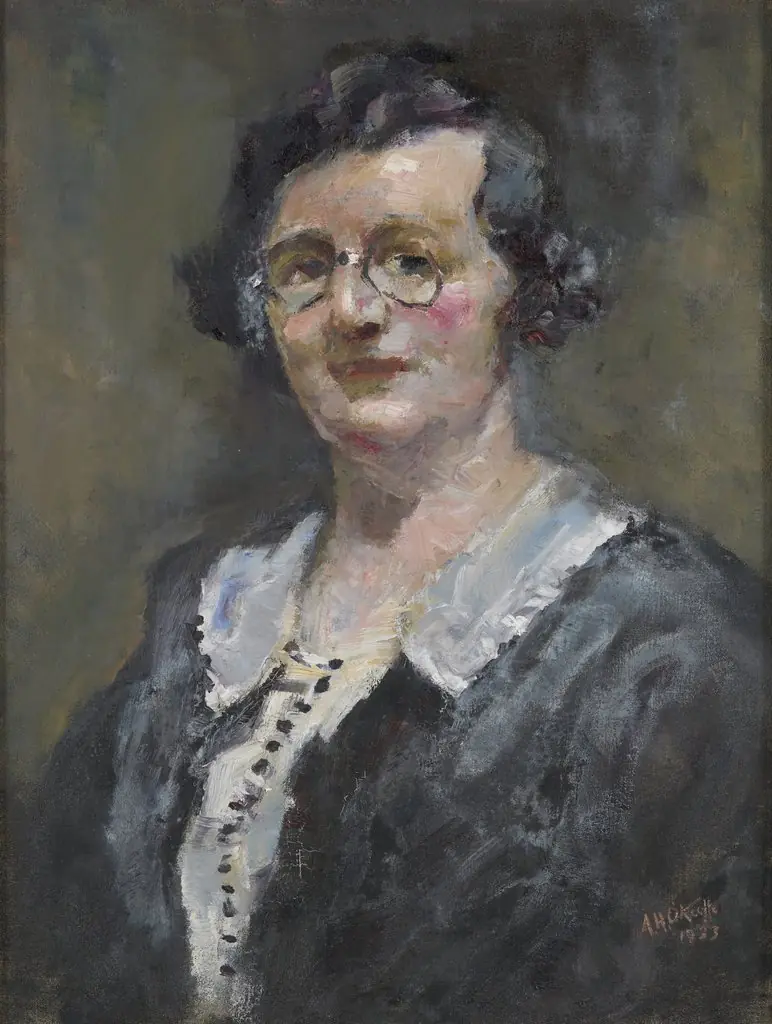
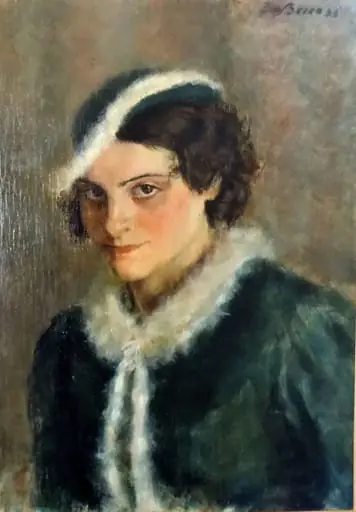
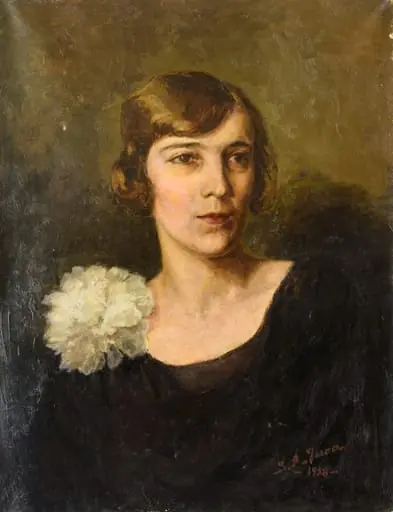
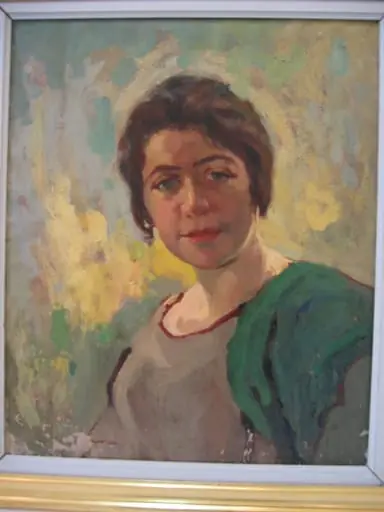
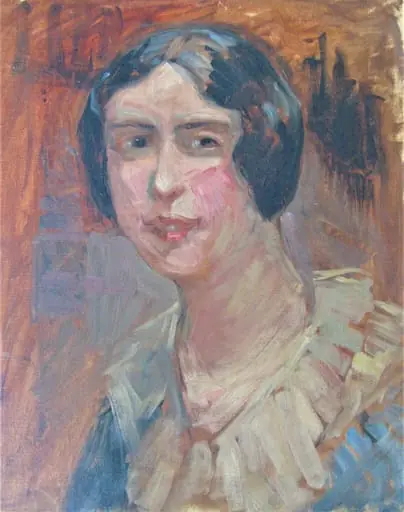
Painted around 1956 by Corneliu Baba, this portrait depicts Jenița Irimescu in a tightly framed composition focusing on her face and upper shoulders. The work resides in the Museum of Ethnography and exemplifies Baba’s distinctive approach to figuration during the mid-20th century, blending psychological depth with a deliberately raw aesthetic.
Subject & Meaning
The subject, Jenița Irimescu, is rendered with quiet intensity, her direct gaze and still posture suggesting introspection rather than performance. The absence of elaborate clothing or context shifts focus to her expression, inviting contemplation of inner life. The simplicity of her hairstyle and collar implies modesty, reinforcing an unadorned, human presence.
Technique & Style
The background, a dense, textured green, recedes aggressively, enhancing the subject’s prominence without softening the painting’s roughness.
Baba applied thick, uneven brushstrokes in a pronounced impasto technique, particularly on the face and collar, creating a tactile surface that resists smooth idealization. Warm yellows dominate the skin tones, contrasted by sharply defined dark eyes and brows. The background, a dense, textured green, recedes aggressively, enhancing the subject’s prominence without softening the painting’s roughness.
History & Provenance
The portrait entered the collection of the Museum of Ethnography shortly after its creation, likely through institutional acquisition during the period of state-supported art programs in Romania. Its preservation in this context reflects its recognition as a significant example of postwar Romanian portraiture, though its original commission or private ownership remains undocumented.
Context
Created during a time of state-enforced socialist realism, Baba’s portrait diverges from official norms by rejecting idealized harmony. Its emotional gravity and textured surface align more with expressive traditions than propagandistic clarity. This tension between personal vision and political expectation defines much of Baba’s work from the era.
Legacy
The portrait stands as a quiet testament to Baba’s commitment to psychological realism amid ideological pressures. Its unpolished surface and emotional restraint influenced later Romanian artists seeking alternatives to state-sanctioned aesthetics. It remains a key reference in discussions of non-conformist painting in Eastern Europe during the Cold War.
Artist & collection

Artist
Corneliu Baba was a Romanian painter, primarily a portraitist, but also known as a genre painter and an illustrator of books.