Artwork
Marină
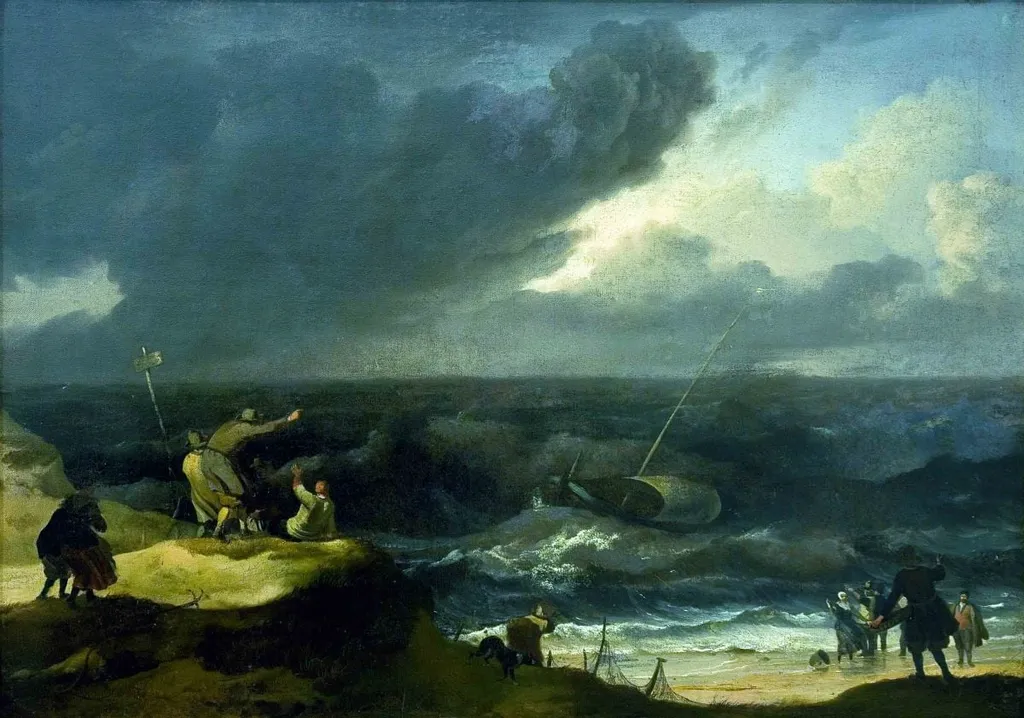
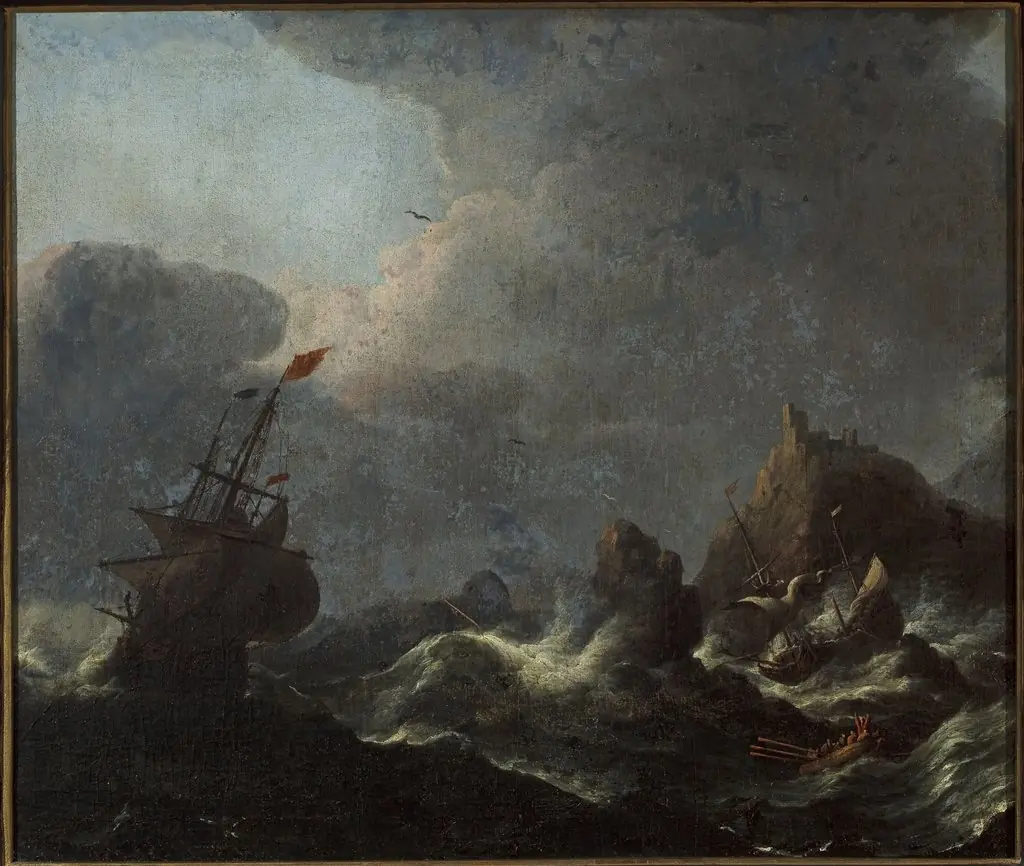
Marină is a print by Ludolf Backhuysen. It dates from 1677 and is held in the collection of the National Museum of Art of Romania.
About this work
Overview
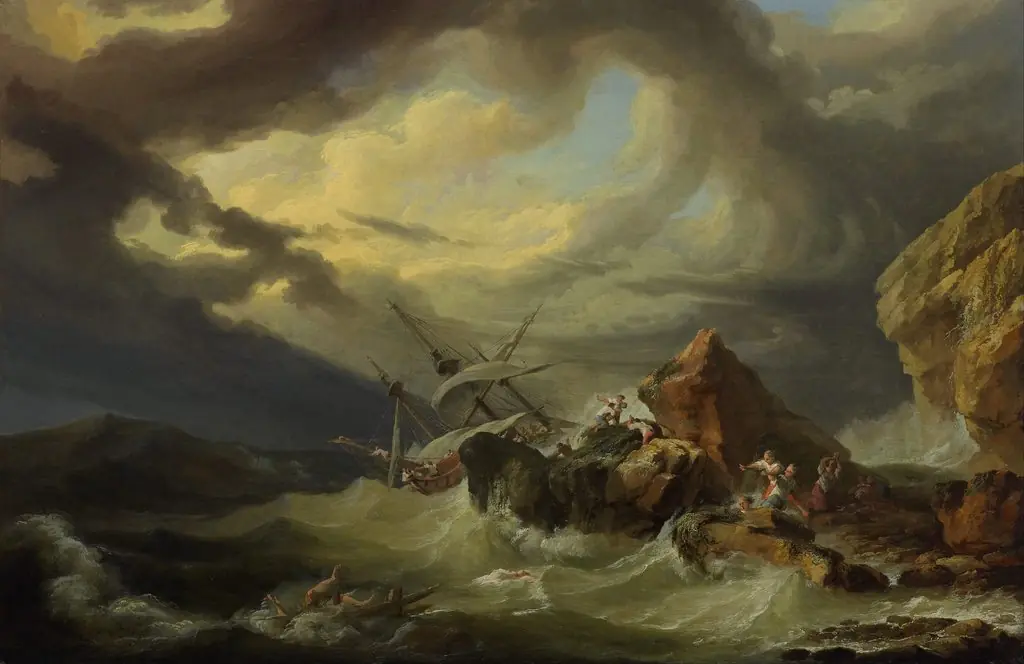
Painted around 1677 by Ludolf Backhuysen, this work captures a violent coastal storm. The composition centers on the sea’s fury, with towering waves and turbulent skies. Figures on the shore observe the danger, their stillness contrasting with the motion of the water. The scene conveys nature’s dominance over human presence without overt narrative.
Subject & Meaning
The painting depicts onlookers reacting to a vessel in distress amid a tempest. Figures on the left cliff, one gesturing toward the sea, and others huddled near the shore, express apprehension but not intervention. The focus is on human vulnerability before natural forces, reflecting a common theme in Dutch marine art of the period: respect for the sea’s unpredictability.
Technique & Style
Backhuysen employs strong chiaroscuro to heighten the storm’s drama. Dark, heavy clouds contrast with flashes of light on breaking waves and foam. Brushwork is energetic yet controlled, with thick impasto used for wave crests and finer strokes for spray and sky. The palette is muted—grays, browns, and deep blues—enhancing the atmosphere of impending danger.
History & Provenance
Created during the height of Dutch maritime painting, the work aligns with Backhuysen’s reputation for depicting naval scenes and coastal storms. It likely originated in Amsterdam, where the artist lived and worked. While its early ownership is undocumented, it reflects the period’s demand for seascapes among merchants and naval patrons.
Context
In late 17th-century Holland, maritime themes were culturally significant due to the nation’s reliance on trade and naval power. Artists like Backhuysen documented the sea’s dual role as lifeline and threat. This painting fits within a broader tradition of realistic, emotionally restrained seascapes that avoided romanticism in favor of observed truth.
Legacy
Backhuysen’s work influenced later marine painters through his precise rendering of wave dynamics and atmospheric tension. Though not widely exhibited today, his approach to depicting nature’s force without melodrama remains a reference point in the study of Dutch Golden Age seascapes and the evolution of landscape realism.
Artist & collection


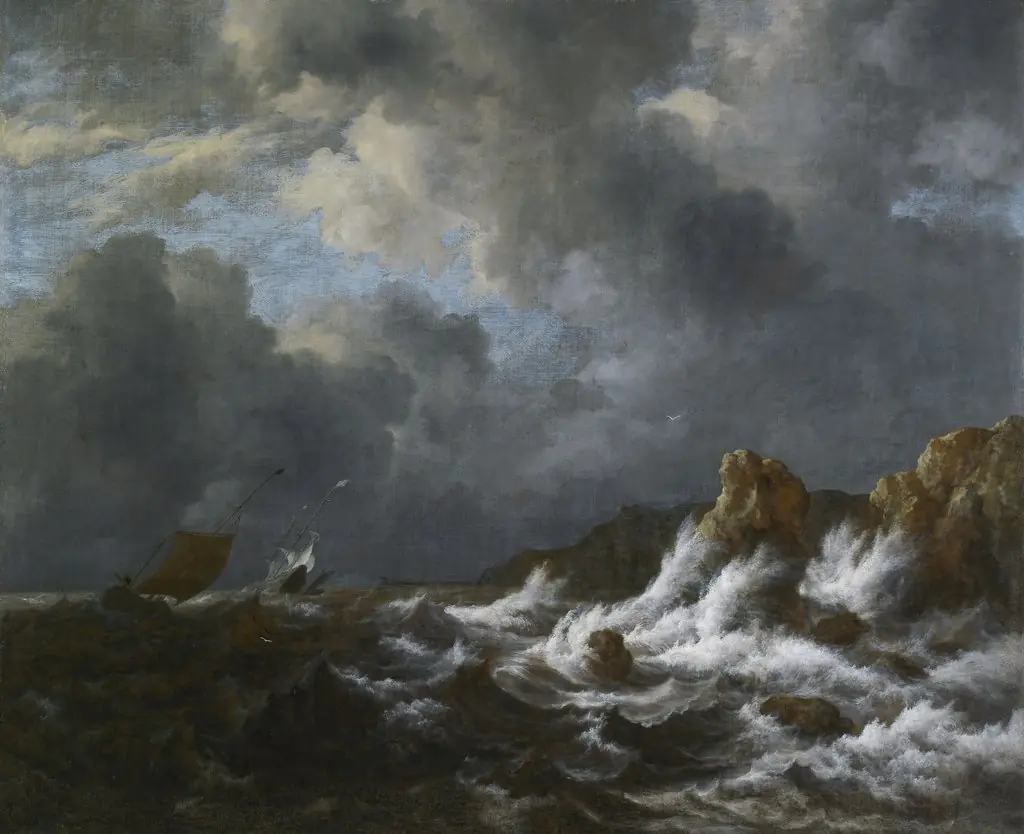 View from the Coast of Norway
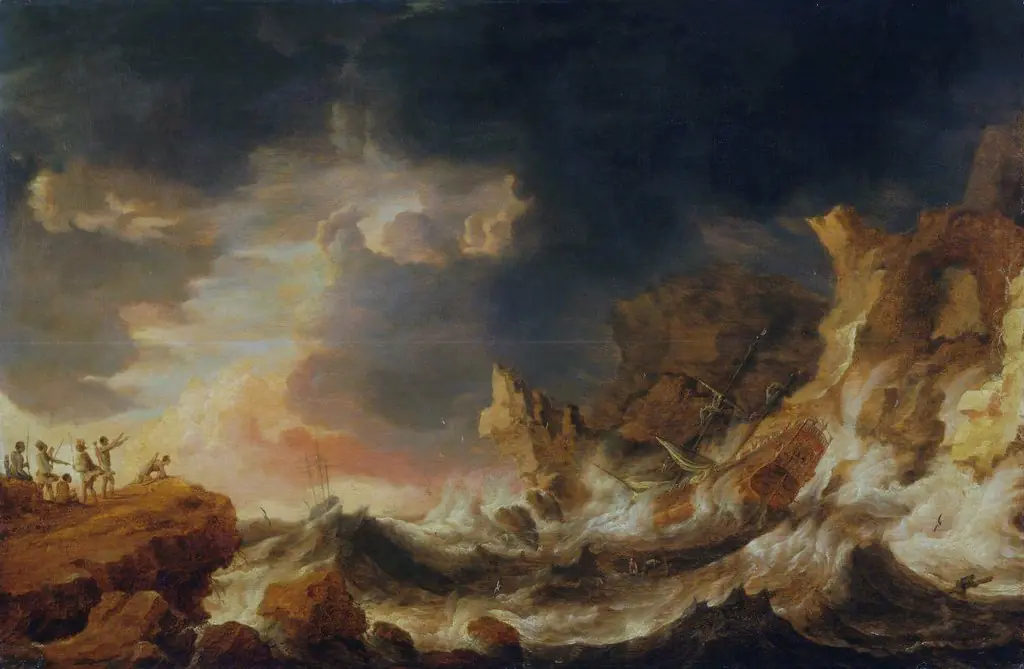 Shipwreck on a Rocky Coast
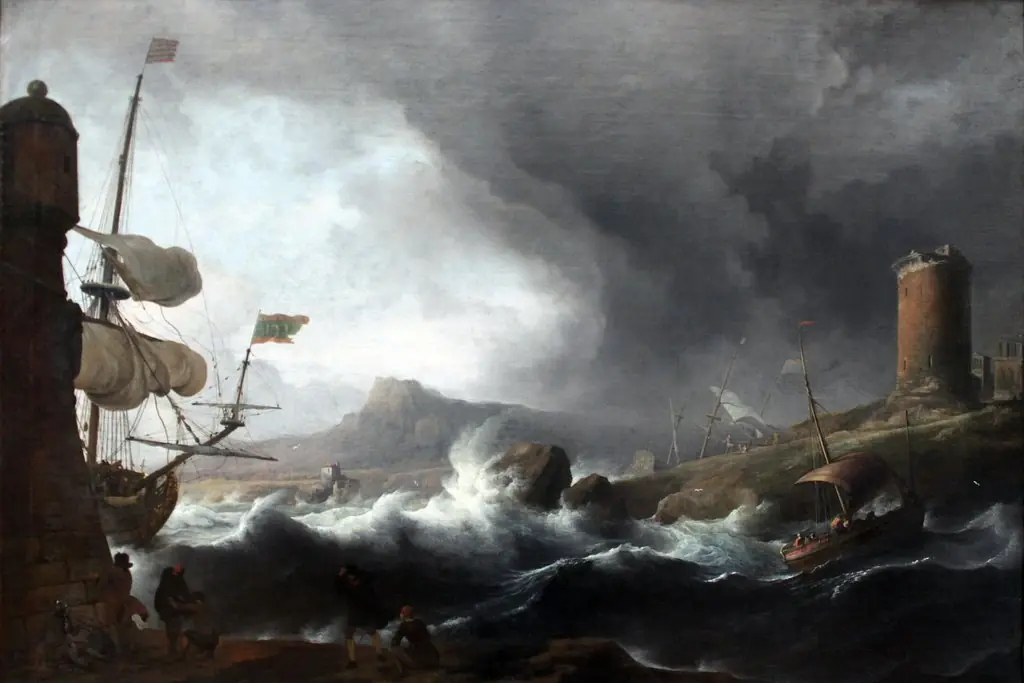 Stormy Seas on a Mountainous Coast
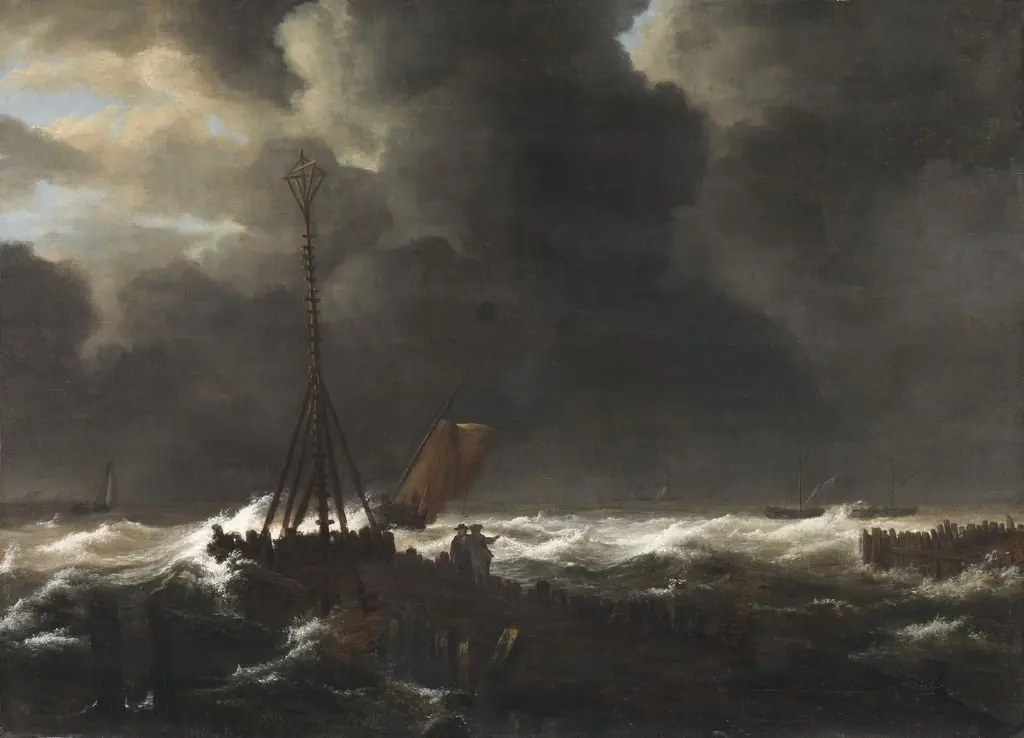 A Stormy Sea
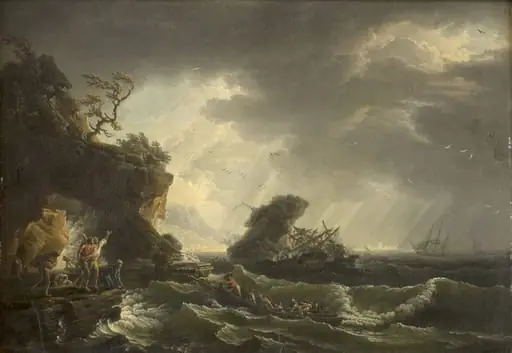 A Shipwreck
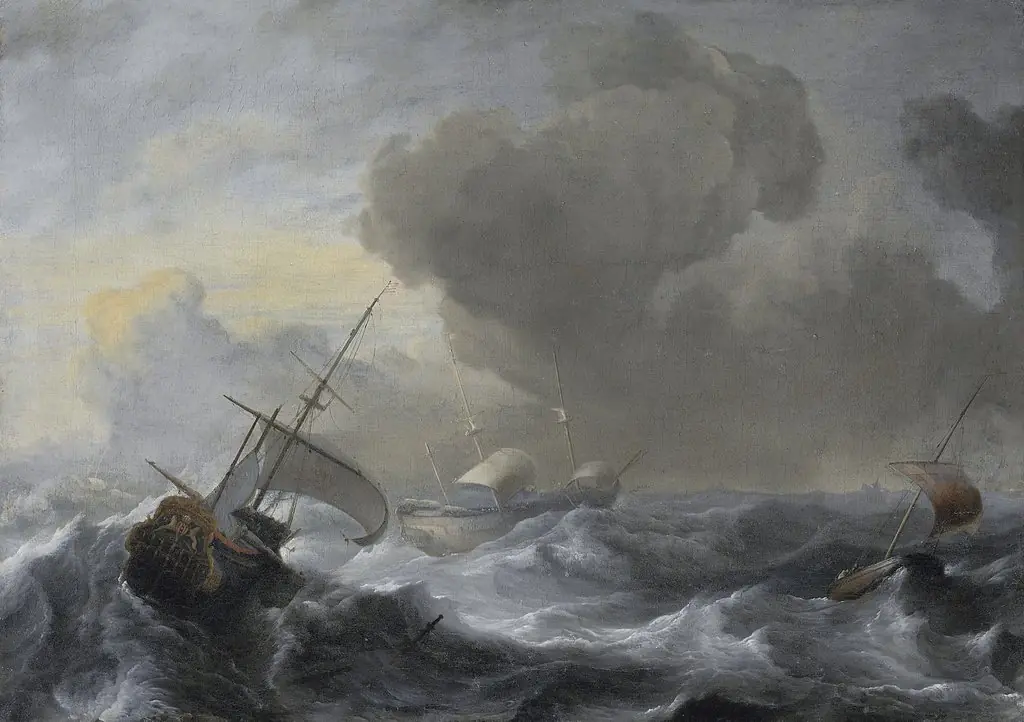 A threemaster with the Amsterdam coat-of-arms, with other vessels, in a storm
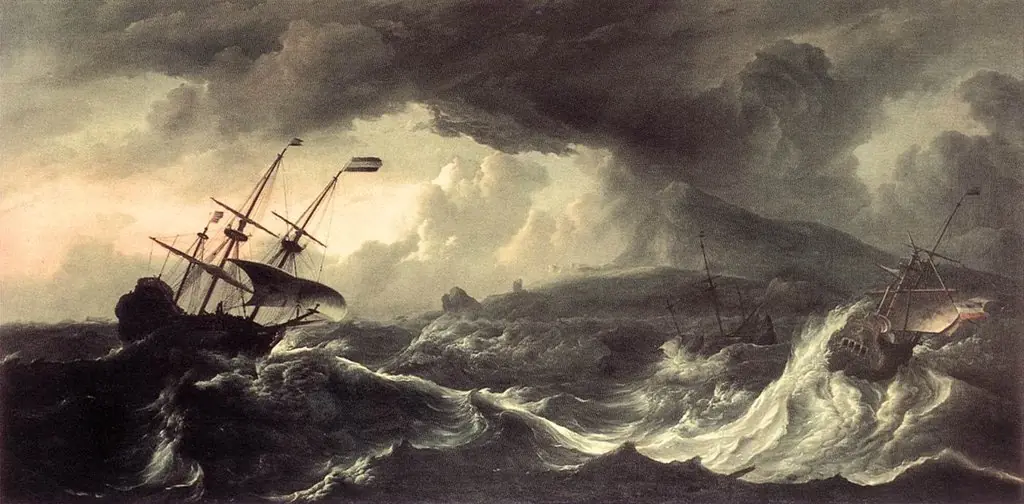 Ships in a Storm off the Norwegian Coast
 Sea storm
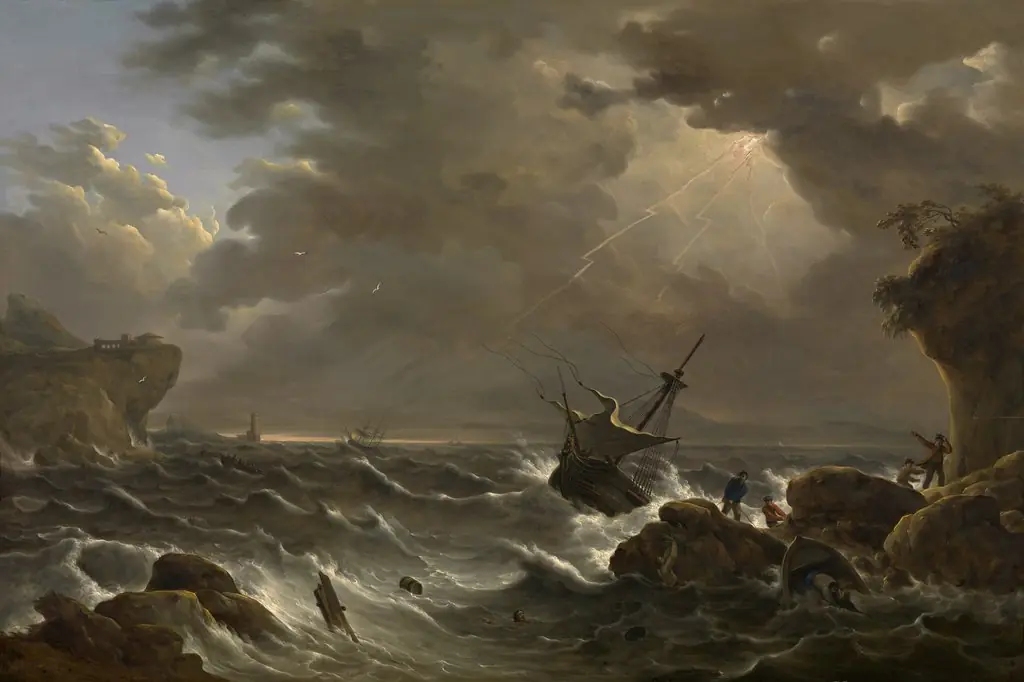 Storm at Sea
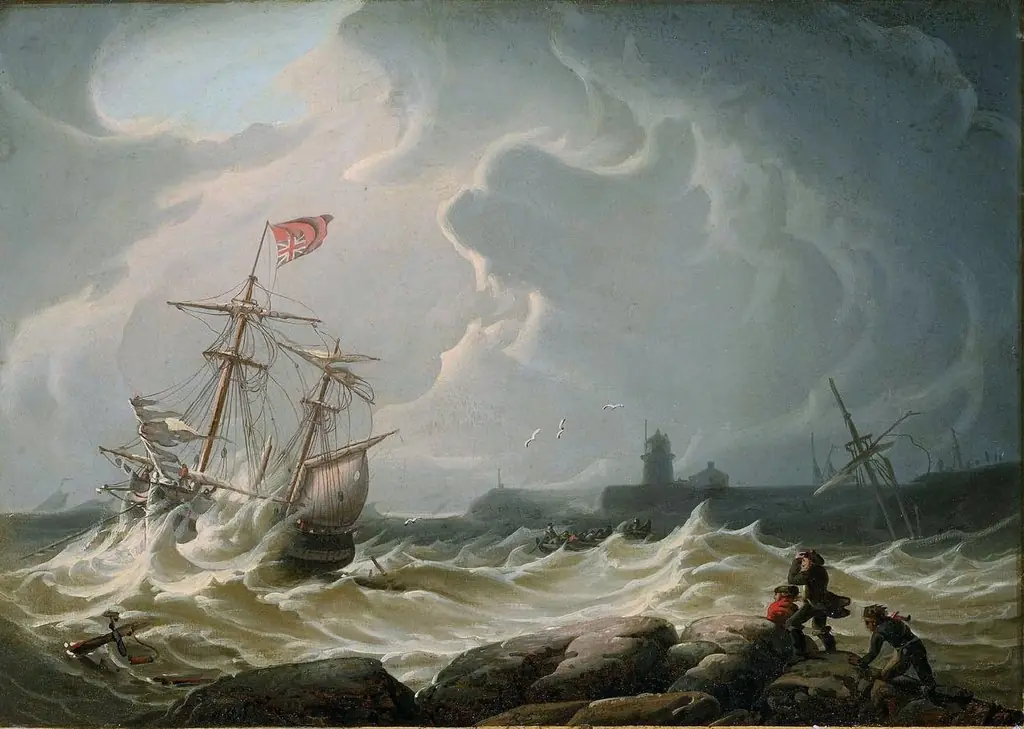 Ship in Storm
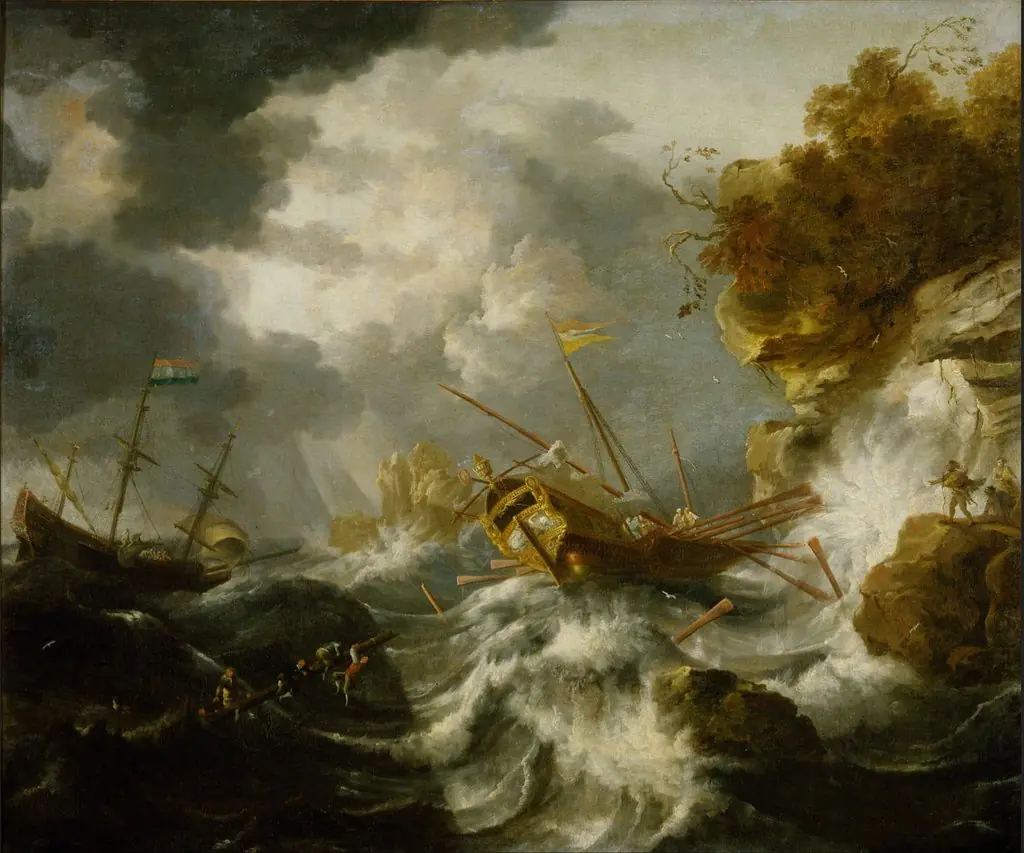 Ships in Trouble near the Coast
 A shipwreck off a rocky coast