Artwork
Saint Peter
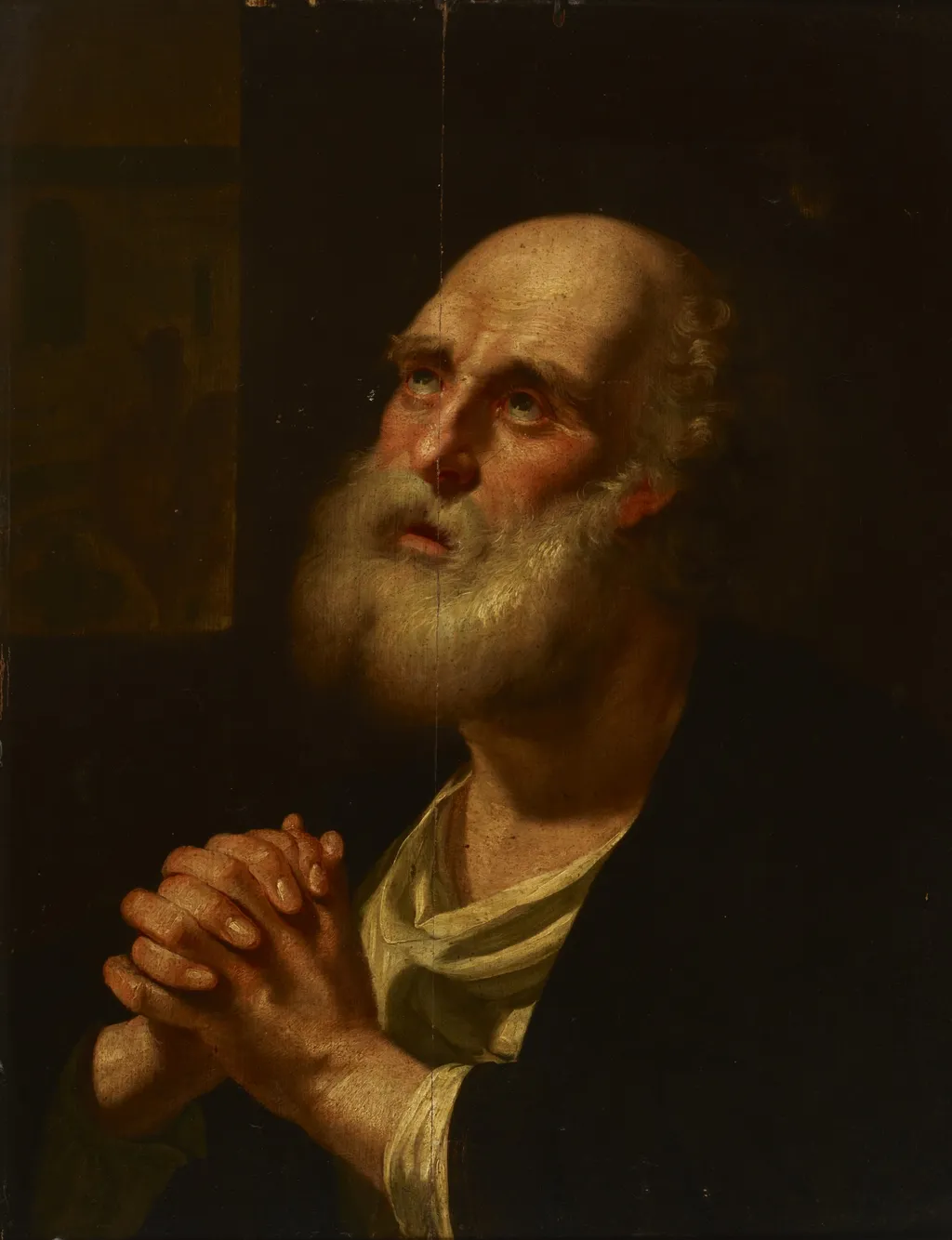
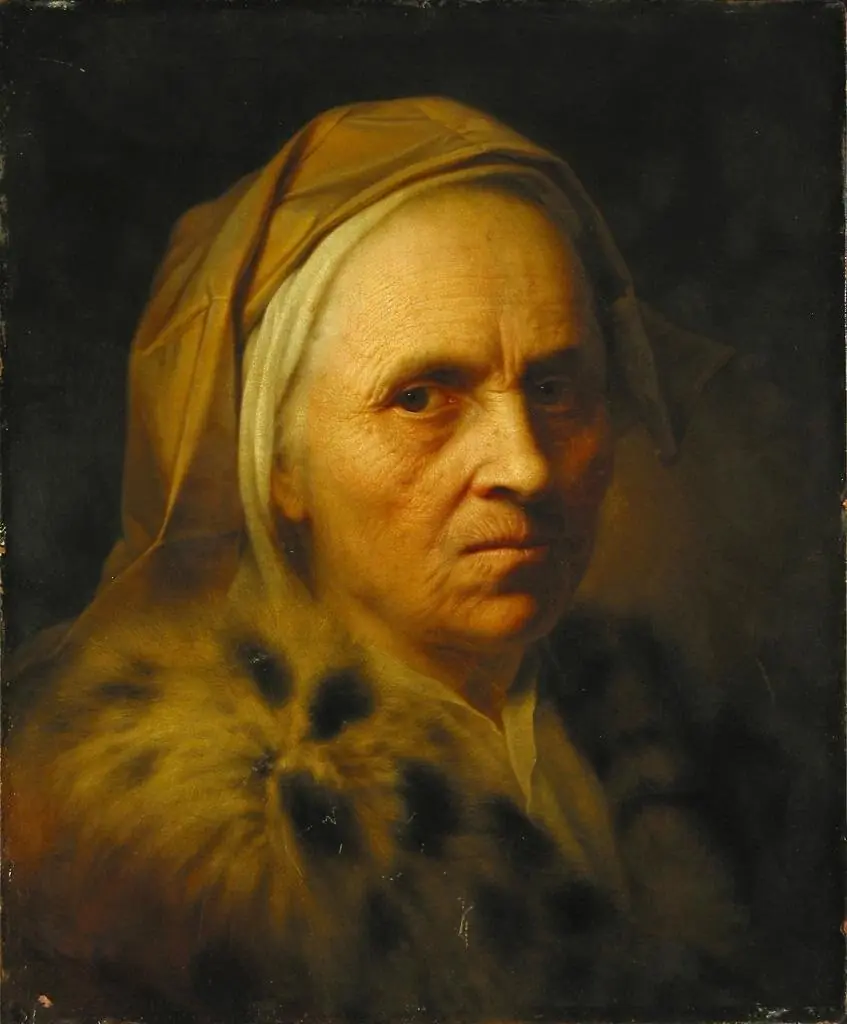
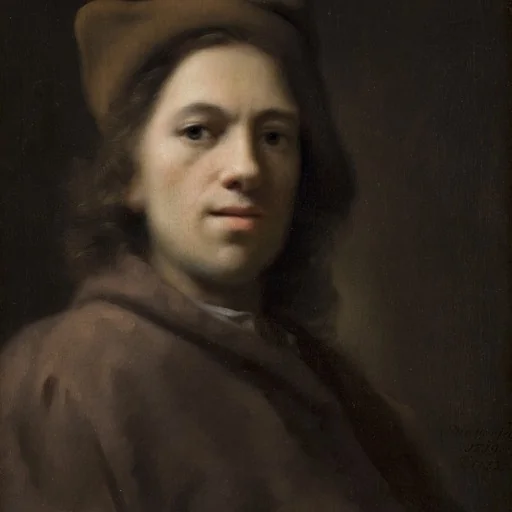
Saint Peter is an oil painting by the Rococo painting artist Balthasar Denner. It dates from 1742 and is held in the collection of the National Museum in Kraków.
About this work
Overview
The composition is tightly framed, isolating the subject against a dark, unmodulated background to heighten psychological presence.
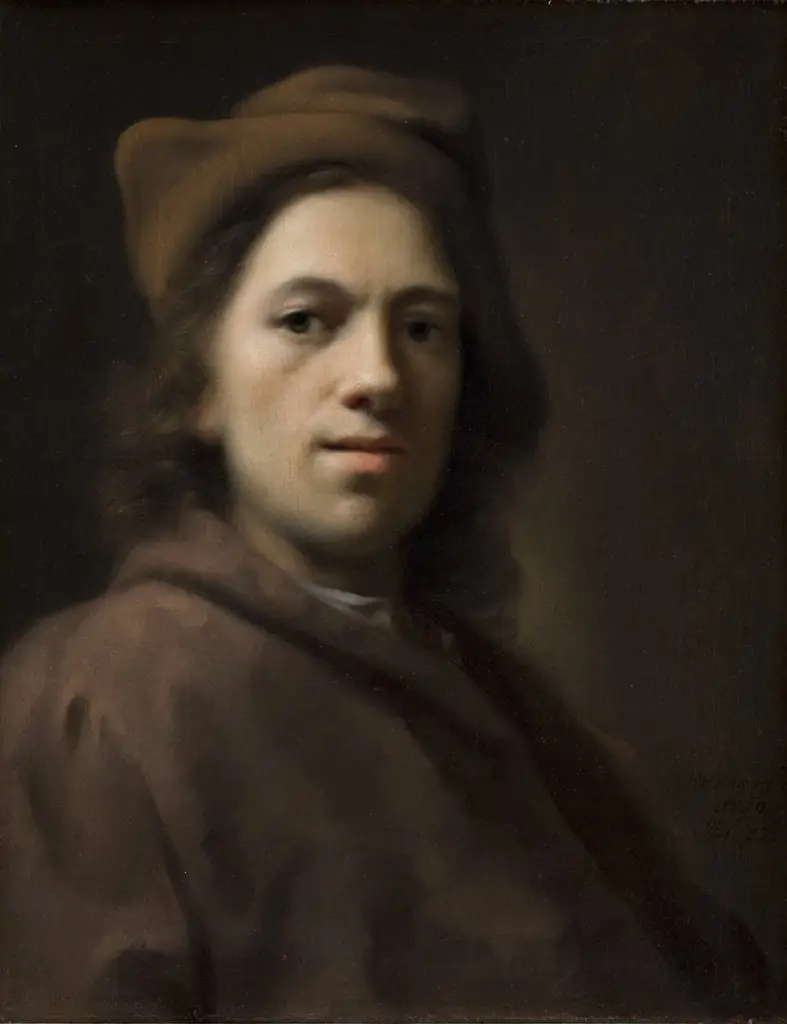
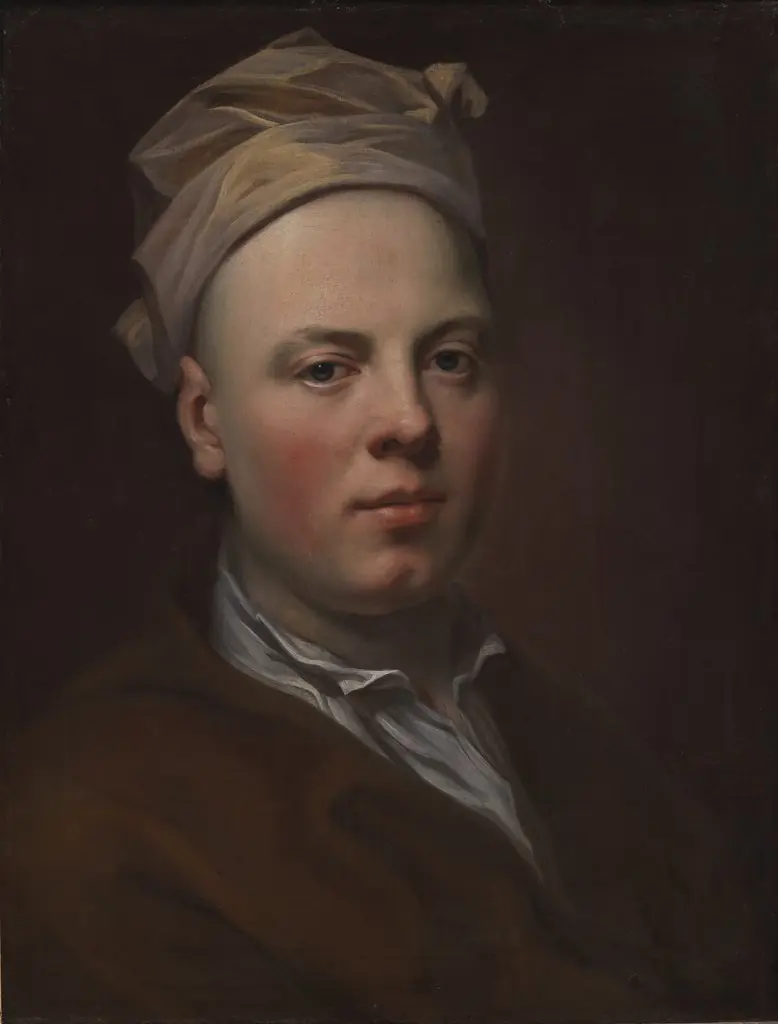
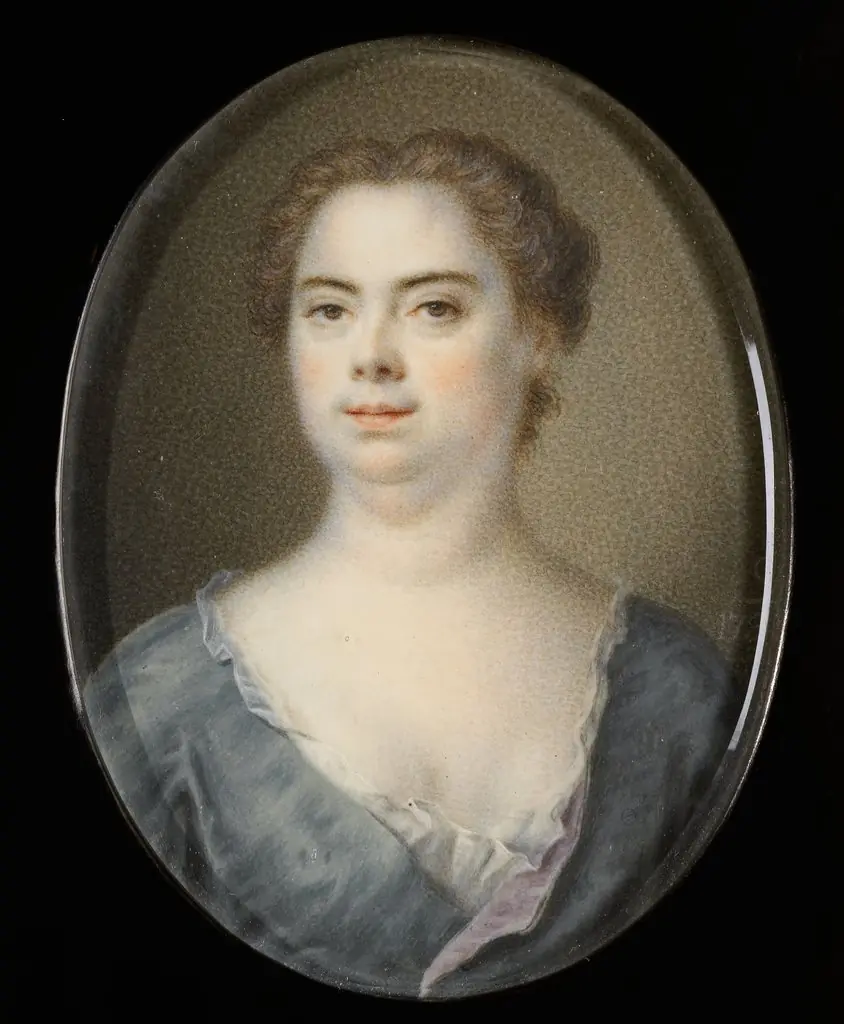
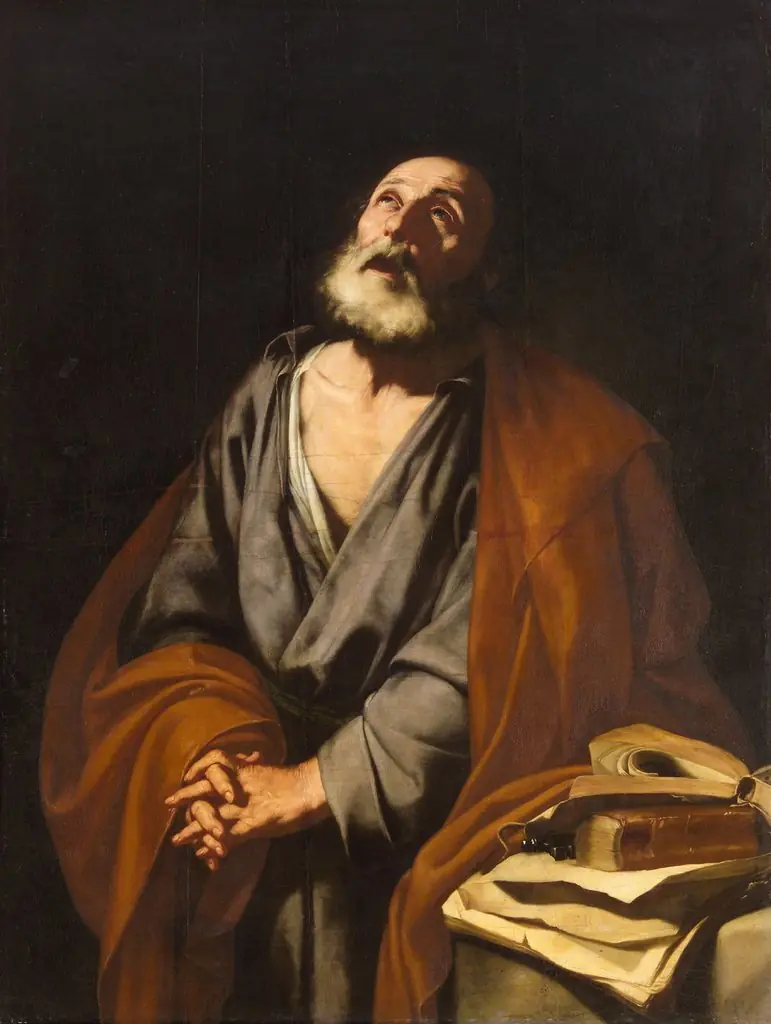
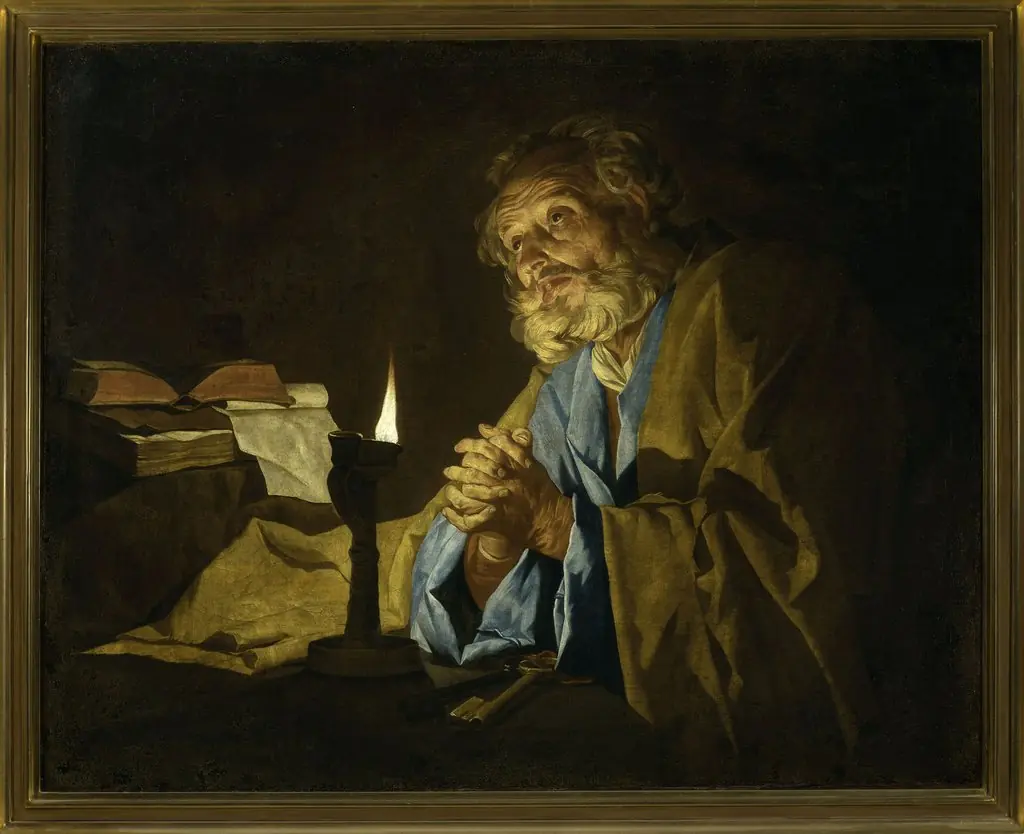
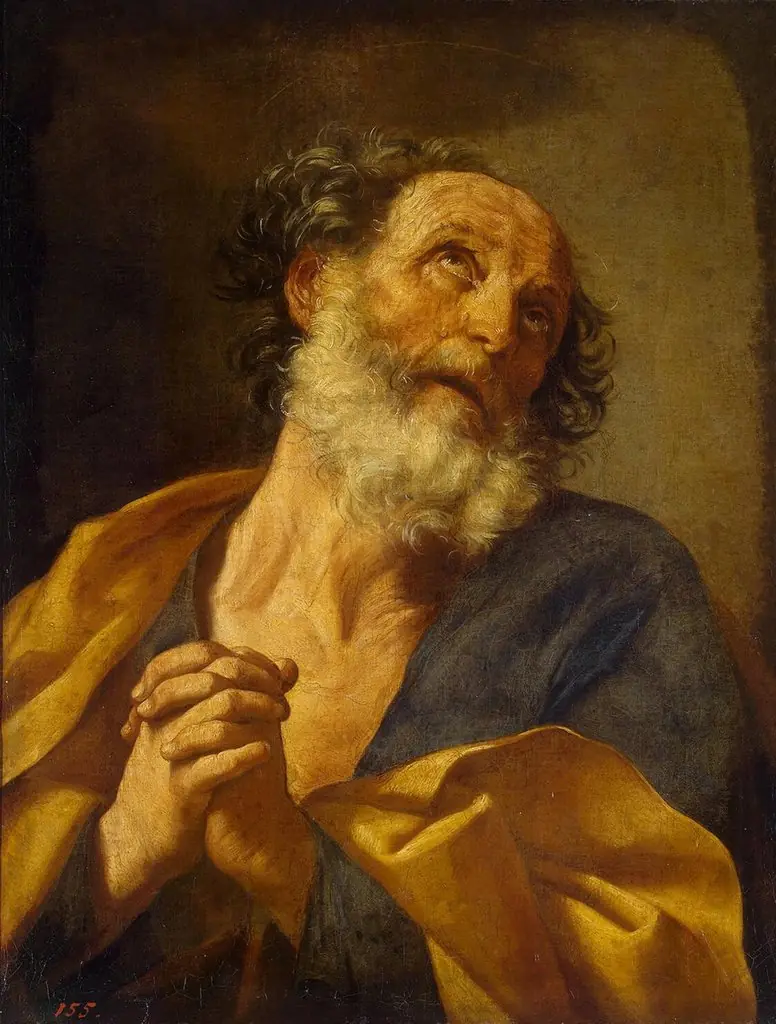
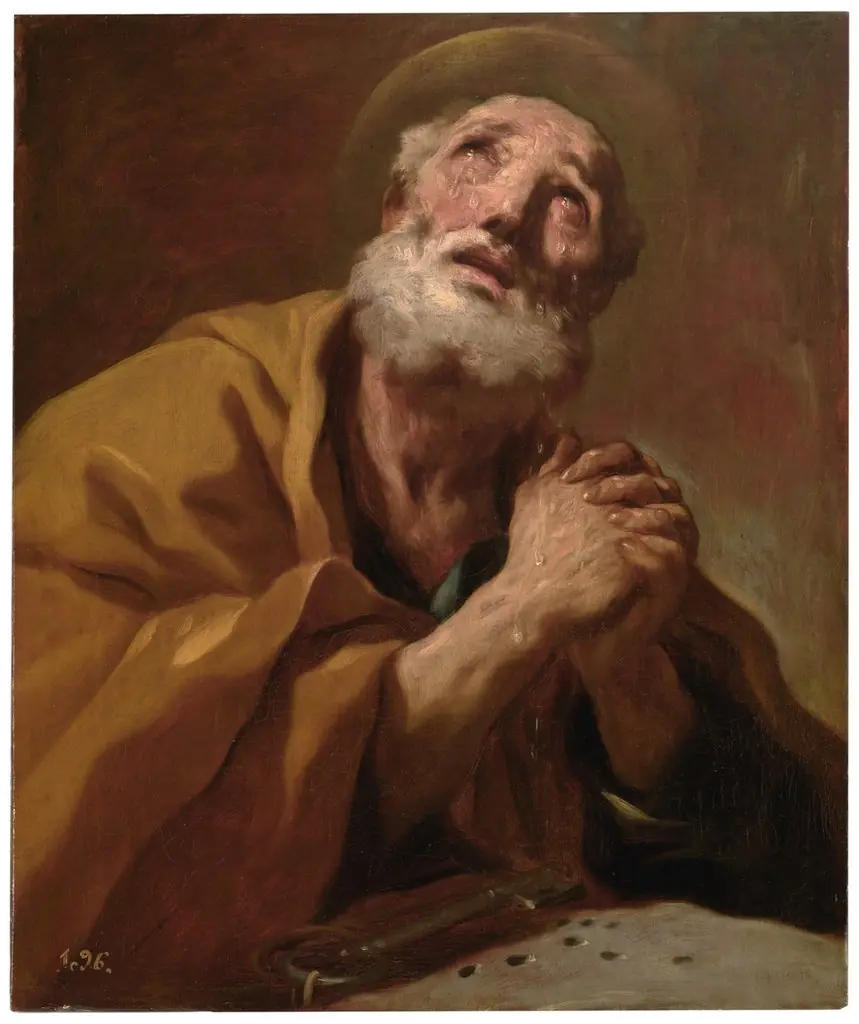
Painted in 1742 by the German artist Balthasar Denner, this oil-on-canvas portrait depicts Saint Peter in a half-length format. Denner, known for his precise rendering of human features, focused here on a contemplative religious figure. The composition is tightly framed, isolating the subject against a dark, unmodulated background to heighten psychological presence. The work exemplifies Denner’s preference for intimate, head-and-shoulders studies rooted in observational realism.
Subject & Meaning
The figure is identified as Saint Peter, one of Christ’s apostles and traditionally regarded as the first pope. His bald head, long white beard, and upward gaze suggest a moment of spiritual reflection or divine communion. Clasped hands reinforce an attitude of prayer or supplication. The serene expression and stillness convey inner devotion rather than dramatic action, aligning with devotional portraiture of the period that emphasized quiet piety over theatricality.
Technique & Style
Denner employed oil paint with exceptional finesse to capture subtle textures: the softness of aged facial hair, the sheen of fabric, and the translucency of skin. Chiaroscuro is used deliberately to model the face and hands, creating volume and emotional depth. The dark background eliminates distraction, directing focus to the play of light across the subject’s features. This approach reflects a blend of Northern European realism with the refined elegance characteristic of early Rococo portraiture.
History & Provenance
The painting entered the collection of the National Museum in Kraków, where it remains today. While its early ownership history is not fully documented, its presence in Kraków suggests it may have been acquired during the 18th or 19th century through European art markets or ecclesiastical collections. Denner’s works were sought after by collectors across Germany and Eastern Europe, facilitating its eventual transfer to Poland.
Context
In the mid-18th century, religious portraiture retained relevance even as secular themes gained prominence. Denner’s focus on individualized, emotionally restrained figures aligned with a broader trend among German and Dutch artists who prioritized psychological depth over grand narrative. His technique drew from the legacy of Dutch Golden Age portraiture, adapting its precision to the quieter, more introspective tastes of the Rococo era.
Legacy
Denner’s *Saint Peter* exemplifies the quiet power of observational portraiture in religious contexts. Though not widely exhibited outside Poland, the work stands as a testament to his skill in capturing spiritual stillness through meticulous detail. It contributes to the understanding of how Protestant and Catholic devotional imagery evolved in Central Europe, emphasizing personal piety over institutional symbolism.
Own this work as a print
Artist & collection
Artist
Balthasar Denner (15 November 1685 – 14 April 1749) was a German painter, highly regarded as a portraitist.