Artwork
Calligraphy (Zen Master's Staff)
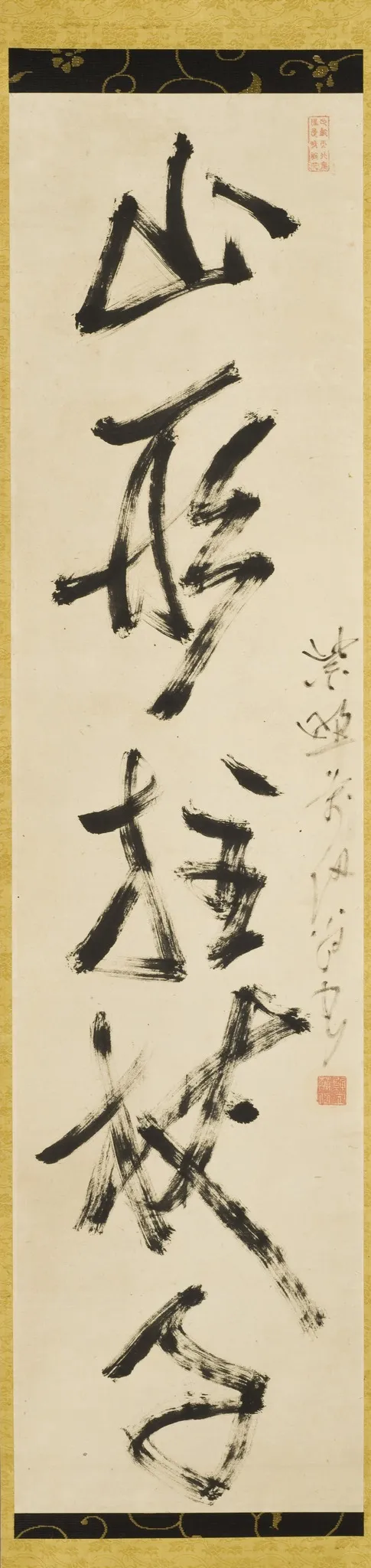
Calligraphy (Zen Master's Staff) is an unspecified painting by the Rococo painting artist Banjin Dōtan. It dates from 1750 and is held in the collection of the Los Angeles County Museum of Art.
About this work
Overview
Created around 1750 by the Japanese artist Banjin Dōtan, this ink painting, titled Calligraphy (Zen Master's Staff), exemplifies the minimalist aesthetic of Edo‑period brushwork. The work is part of the permanent collection of the Los Angeles County Museum of Art, where it is displayed among other examples of Japanese calligraphic art.
Subject & Meaning
The composition centers on a single, sweeping brushstroke that evokes the staff of a Zen master, a symbol of authority and spiritual guidance in Zen practice. By reducing the subject to an abstract line, the piece invites contemplation of the balance between form and emptiness central to Zen philosophy.
Technique & Style
Executed with traditional sumi ink on paper, Dōtan employs a single, fluid stroke that demonstrates mastery of pressure, speed, and brush control. The work reflects the wabi‑sabi sensibility of the period, emphasizing simplicity, naturalness, and the beauty of imperfection in the gesture itself.
History & Provenance
The painting was produced in the mid‑18th century and later entered the collection of the Los Angeles County Museum of Art. Documentation traces its acquisition to a mid‑20th‑century donation, linking the work to the broader movement of Japanese art entering Western institutions during that era.
Artist & collection
Artist
A Zen monk’s brush work in the 1700s, Banjin Dōtan left only a single scroll titled Calligraphy (Zen Master’s Staff).

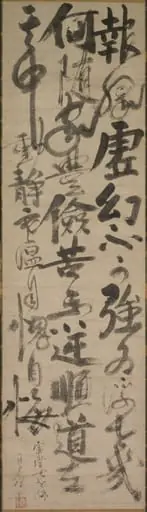 Reflections of Priest Foyen
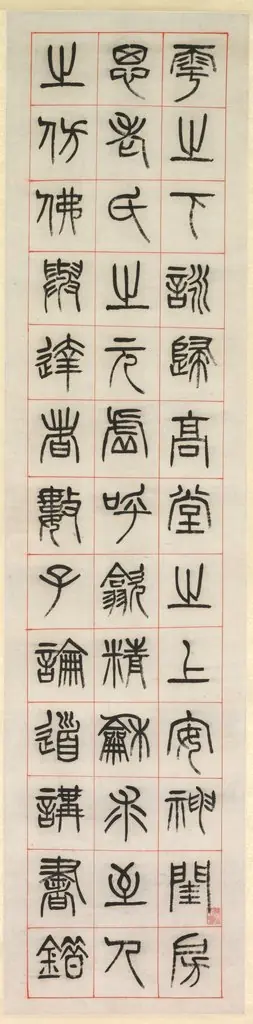 On Happiness, Calligraphy in Seal Script Style (zhuanshu)
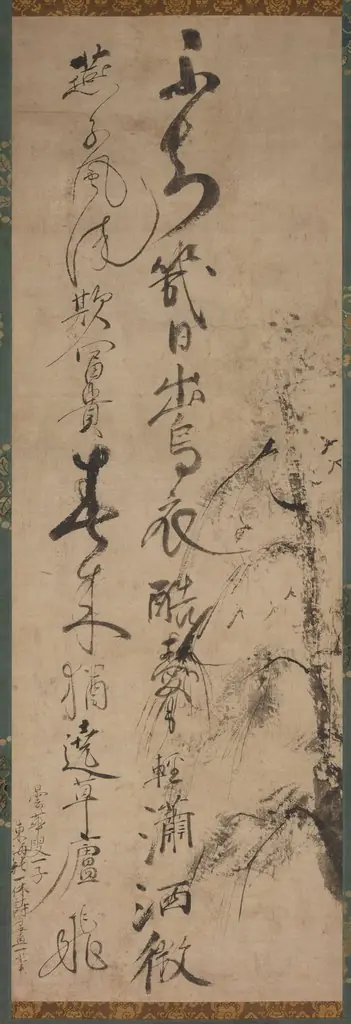 Calligraphy with Willow and Swallows
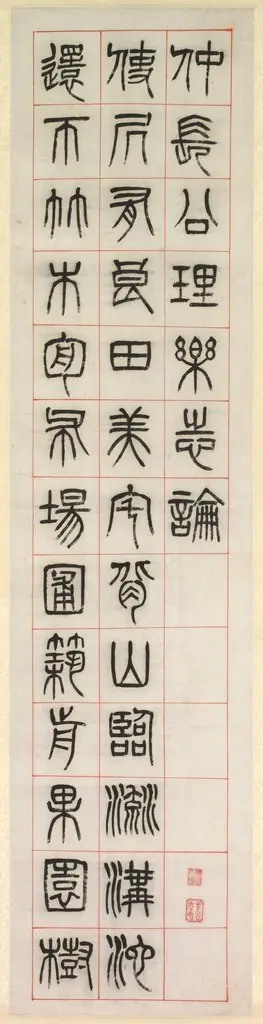 On Happiness, Calligraphy in Seal Script Style (zhuanshu)
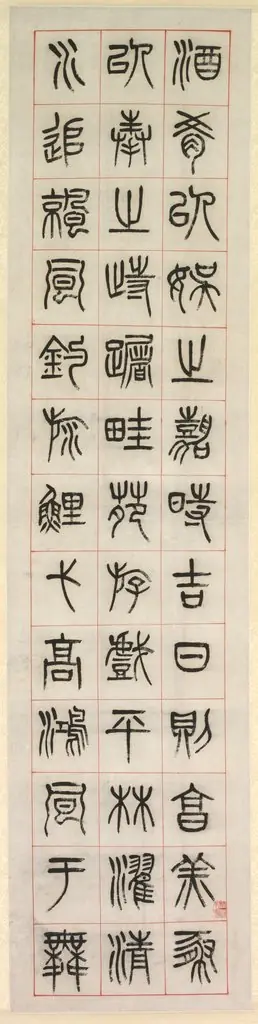 On Happiness, Calligraphy in Seal Script Style (zhuanshu)
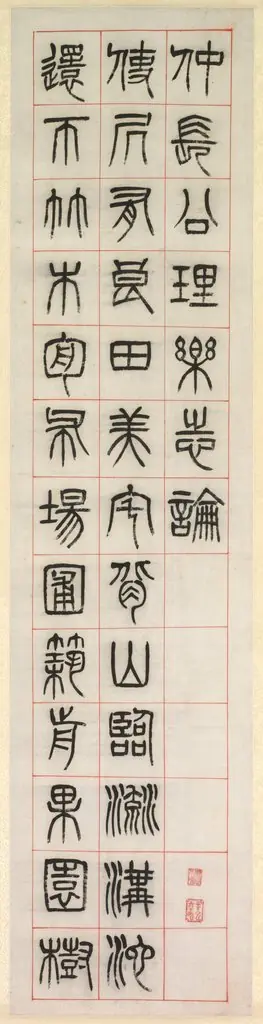 On Happiness, Calligraphy in Seal Script Style (zhuanshu)
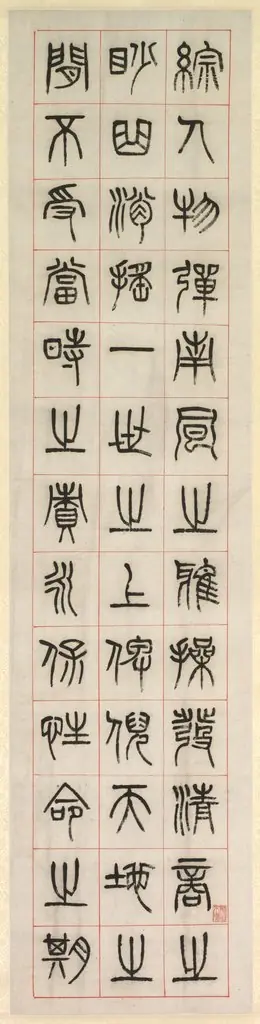 On Happiness, Calligraphy in Seal Script Style (zhuanshu)
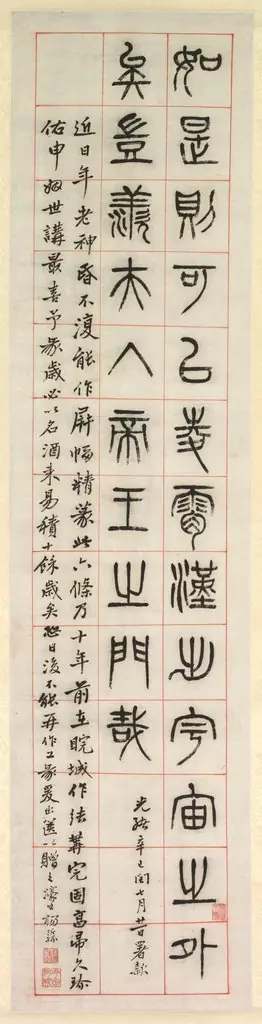 On Happiness, Calligraphy in Seal Script Style (zhuanshu)