Artwork
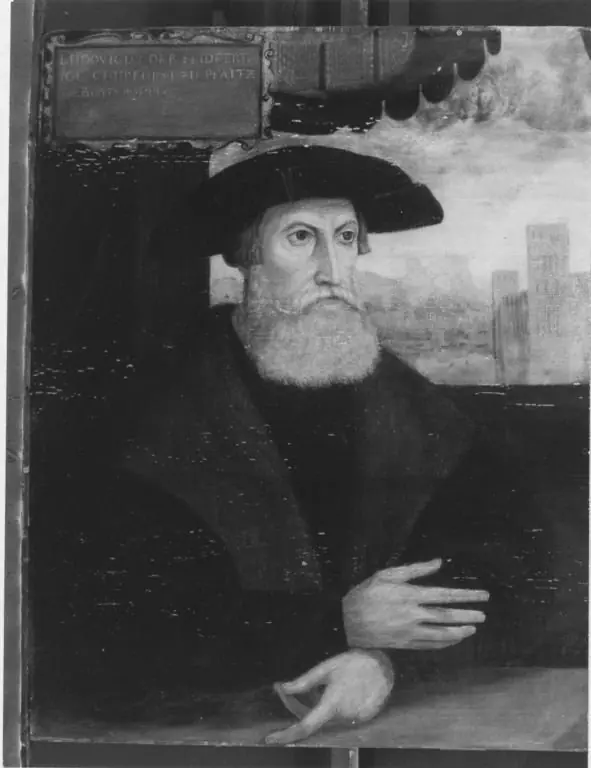
Kurfürst Ludwig V. der Friedfertige, Pfalzgraf bei Rhein
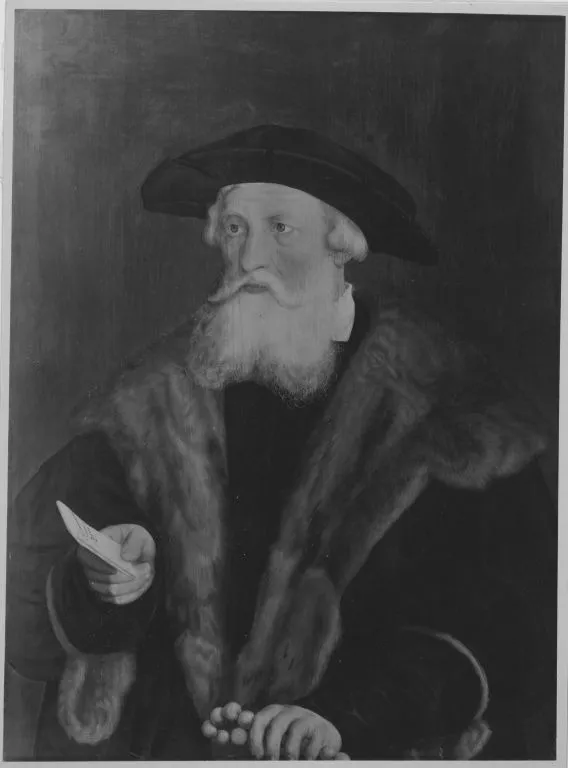
Kurfürst Ludwig V. der Friedfertige, Pfalzgraf bei Rhein is an unspecified painting by the Mannerist artist Barthel Beham. It dates from 1533 and is held in the collection of the Bavarian State Painting Collections.
About this work
Overview
In his right hand, he holds a folded letter, while his left hand rests upon a rosary, a detail that underscores his piety and the religious context of the era.
Painted in 1533 by the German artist Barthel Beham, this panel portrait depicts Elector Ludwig V of the Palatinate, known as 'the Peaceful.' The work presents a half-length view of the ruler against a dark, neutral background, emphasizing his status and age. Ludwig is shown with a long white beard and mustache, wearing a dark, fur-lined robe and a soft black hat, attire befitting his high rank. A heavy gold chain hangs around his neck. In his right hand, he holds a folded letter, while his left hand rests upon a rosary, a detail that underscores his piety and the religious context of the era. The composition relies on precise linear definition and subtle tonal modeling characteristic of the Danube School tradition and Beham's graphic sensibility. Created during the height of the Elector's reign, this portrait serves as a formal record of the ruler's authority and personal devotion, reflecting the artist's skill in capturing the dignified presence of the German nobility during the early 16th century.
Subject & Meaning
The sitter, Ludwig V, is presented as a dignified ruler, his long white beard and solemn expression suggesting both authority and a contemplative temperament. The inclusion of a folded document in his right hand hints at his administrative duties, while the modest chain and fur-lined mantle convey his noble status without overt extravagance.
Technique & Style
Beham employs a subdued chiaroscuro, allowing light to fall gently across the figure’s features while the surrounding darkness recedes. Soft transitions between light and shadow give the portrait a quiet, introspective atmosphere, and the delicate rendering of the beard and fabric demonstrates the artist’s skill in modeling texture through subtle tonal shifts.
History & Provenance
Created in 1533, the painting entered the Bavarian royal collection before being transferred to the Alte Pinakothek, where it remains on display. Its provenance reflects the typical trajectory of German court portraits, moving from private noble ownership to public museum holdings during the nineteenth‑century consolidation of state art collections.
Artist & collection

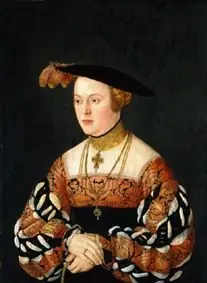 Portrait of Marie of Baden
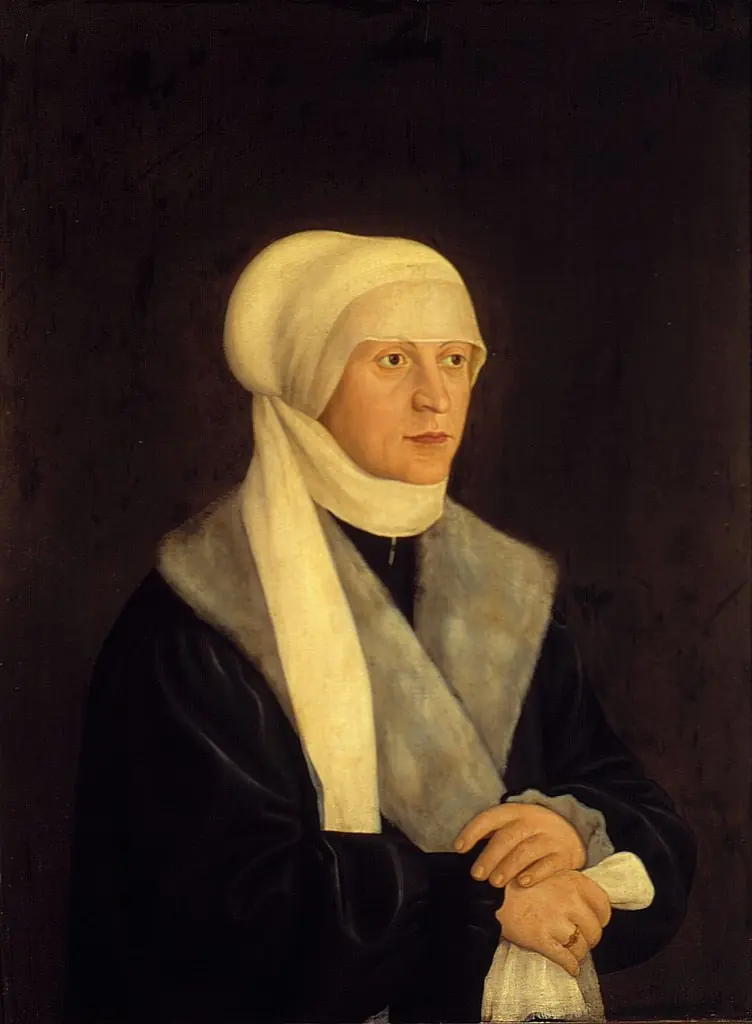 Portrait of Sabina of Bavaria
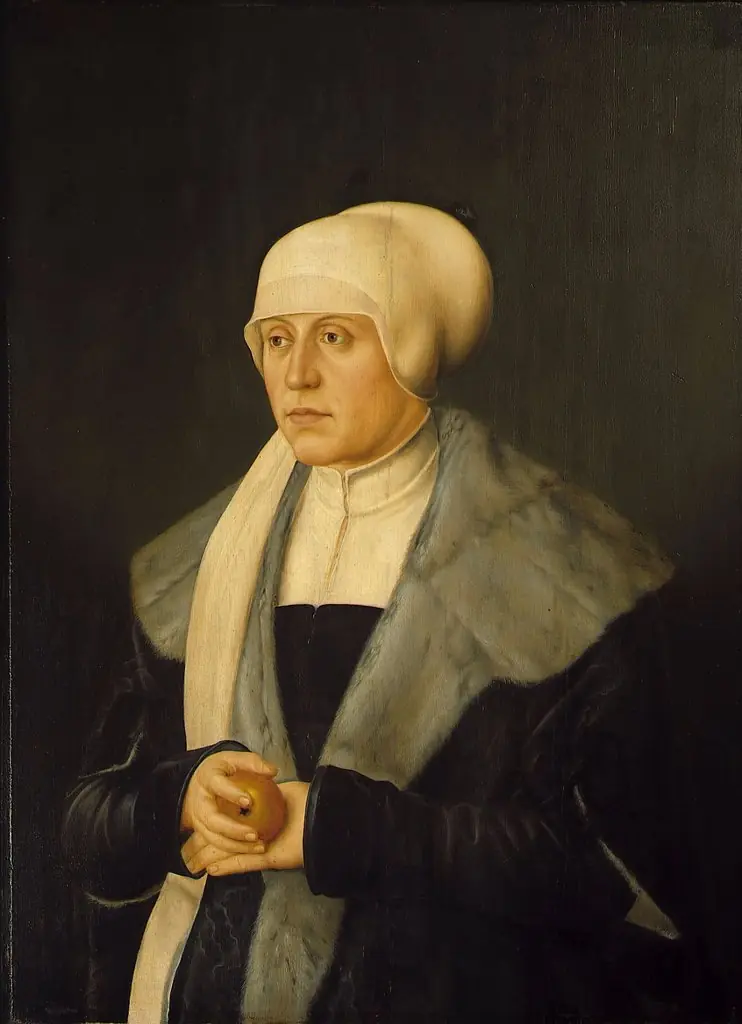 Kunigunde of Austria, wife of Duke Albrecht IV of Bavaria
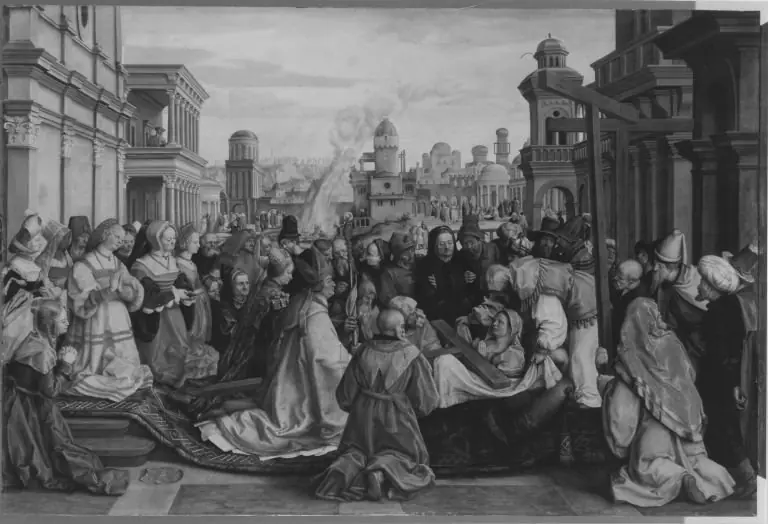 Historienzyklus: Kreuzauffindung der hl. Helena
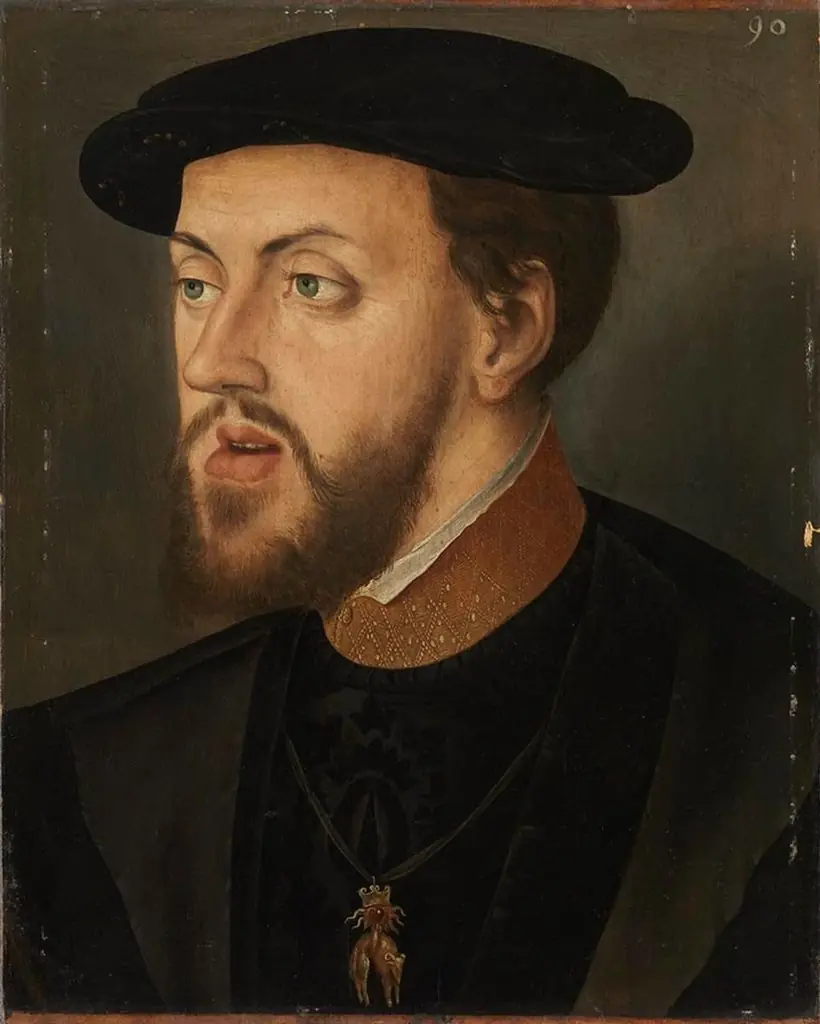 Emperor Charles V
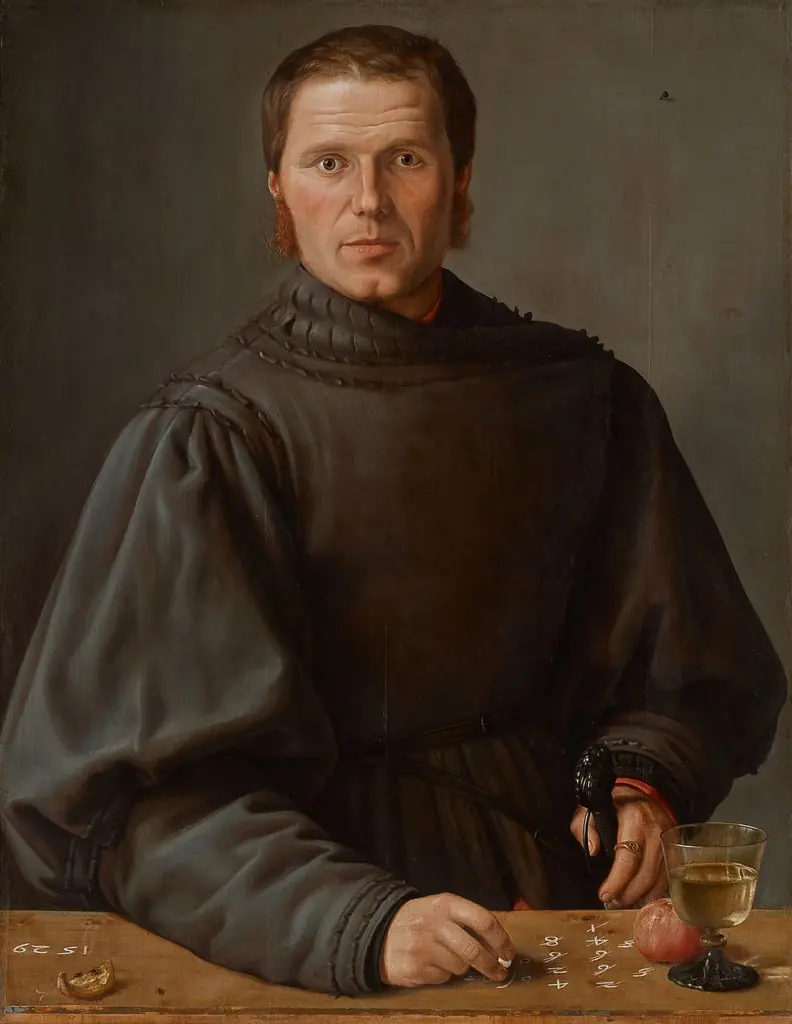 Portrait of a Man
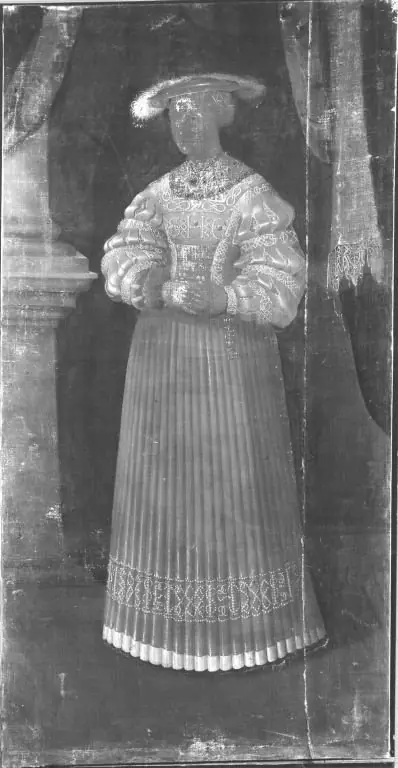 Susanna von Brandenburg, Gemahlin Ottheinrichs (Seitenverkehrte Kopie nach Inv.-Nr. 2450) (Kopie nach)
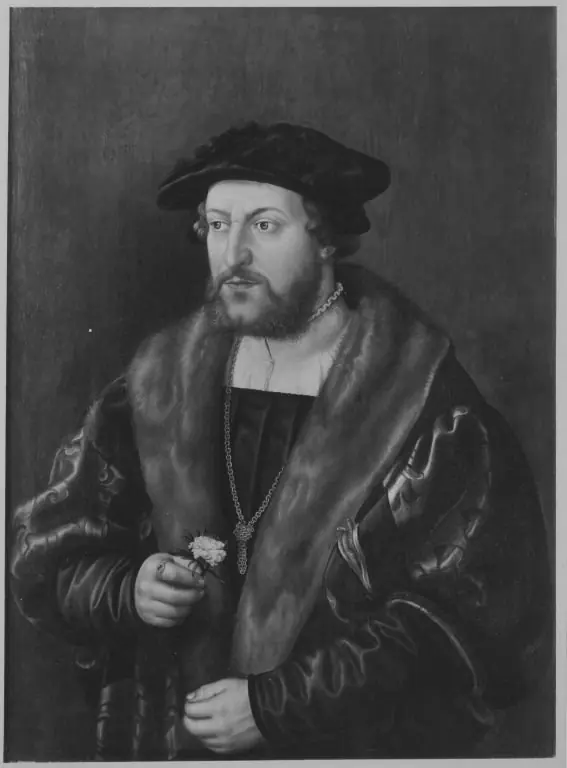 Portrait of Herzog Johann III, Paltzgraf bei Rhein (1488-1538)
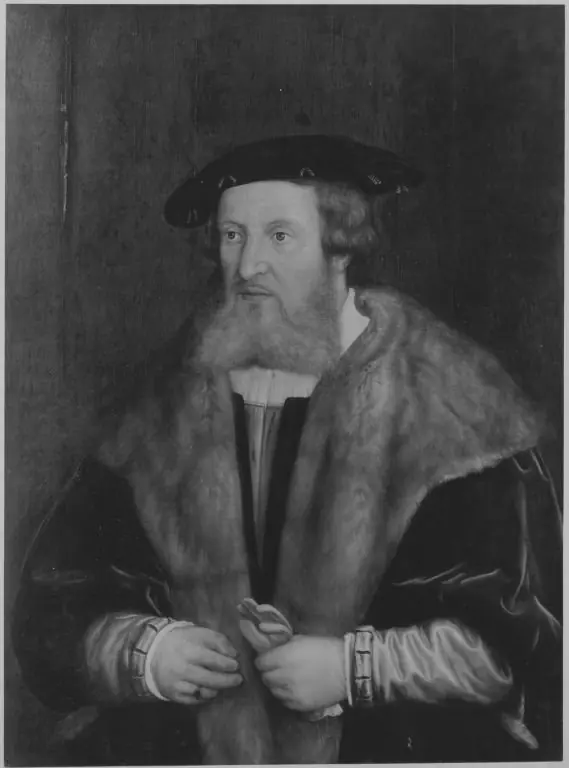 Kurfürsten Friedrich II. der Weise, Pfalzgraf bei Rhein
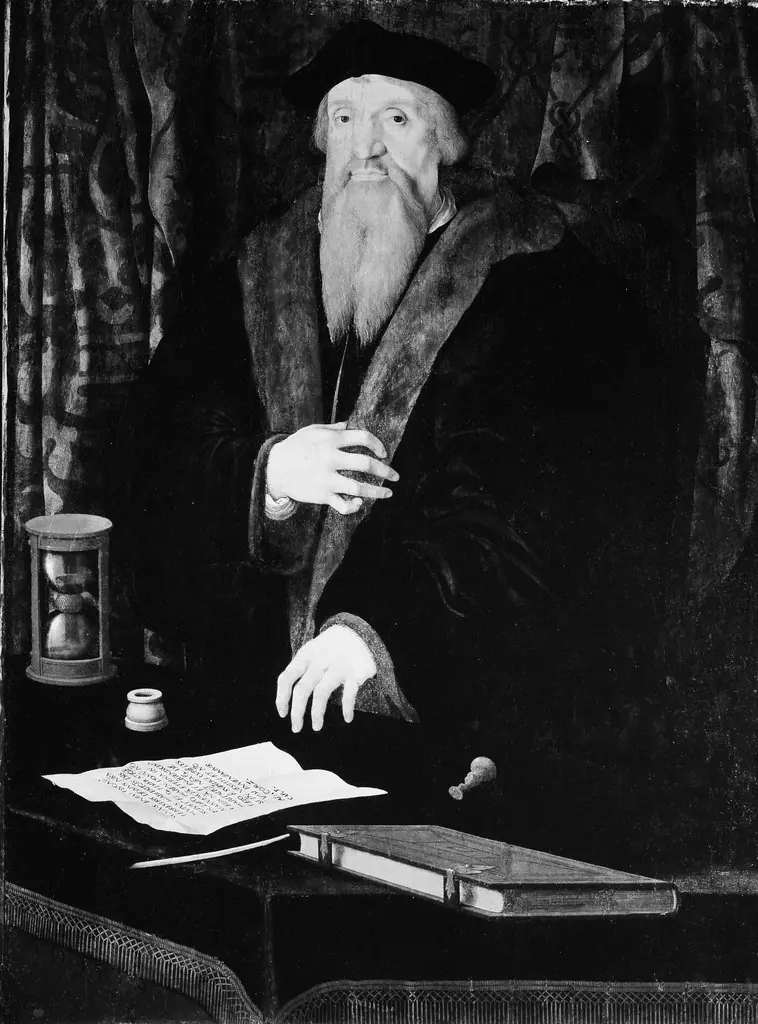 Portrait of a Man, Possibly Jean de Langeac (died 1541), Bishop of Limoges
 Portrait of Elector Ludwig V von der Pfalz, the Peacefull
 Gelehrter
 Portrait of Louis X of Bavaria
 Bildnis eines alten Mannes (Kopie nach)
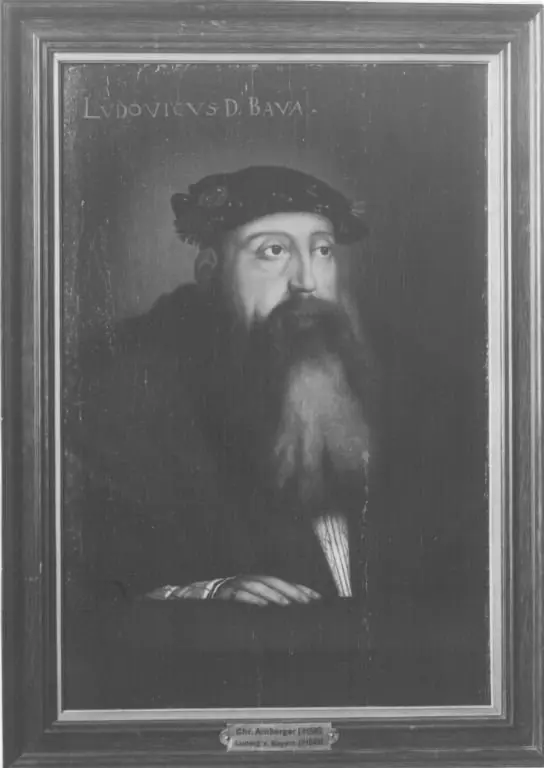 Portrait of Duke Ludwig X von Landshut (1495-1545)
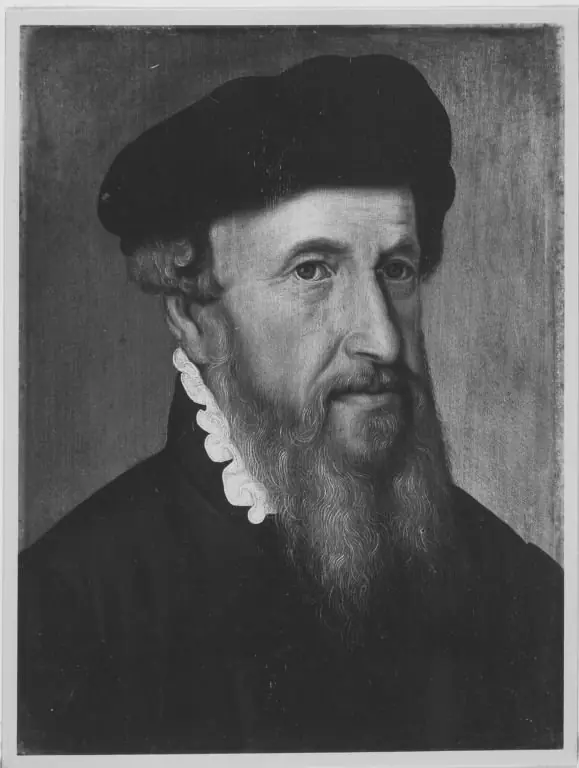 Self portrait
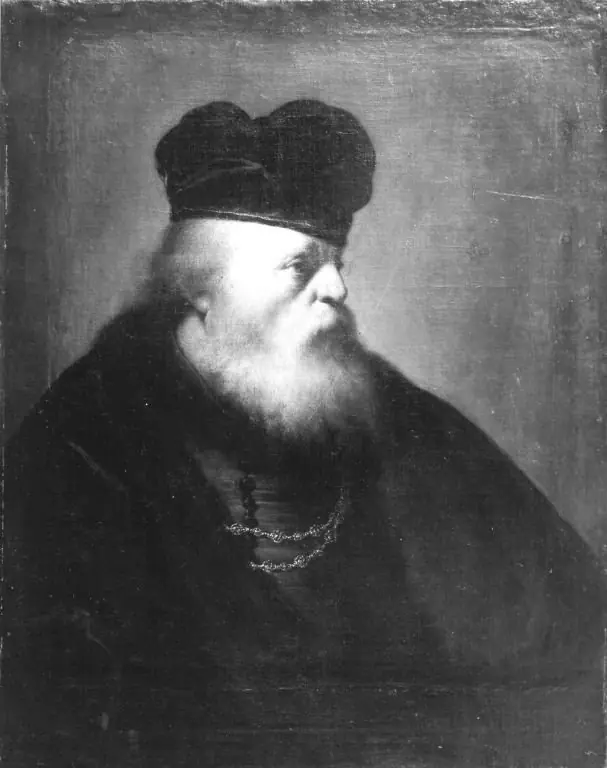 Alter Mann
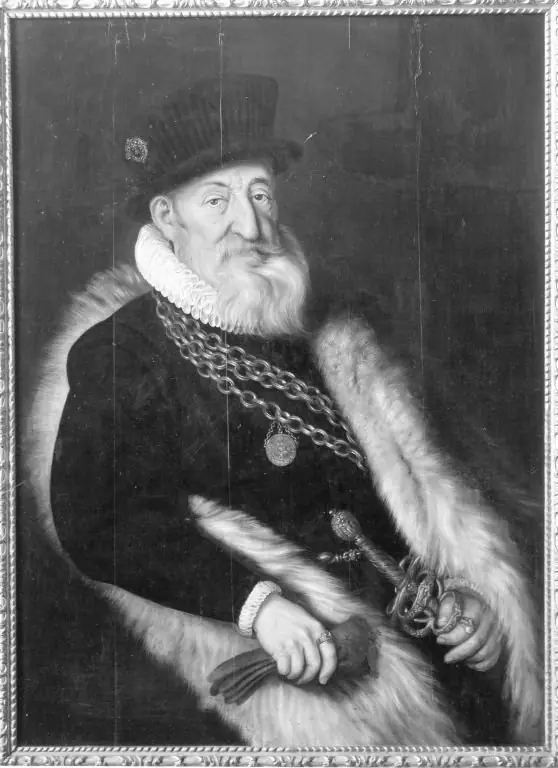 Bildnis eines Mannes
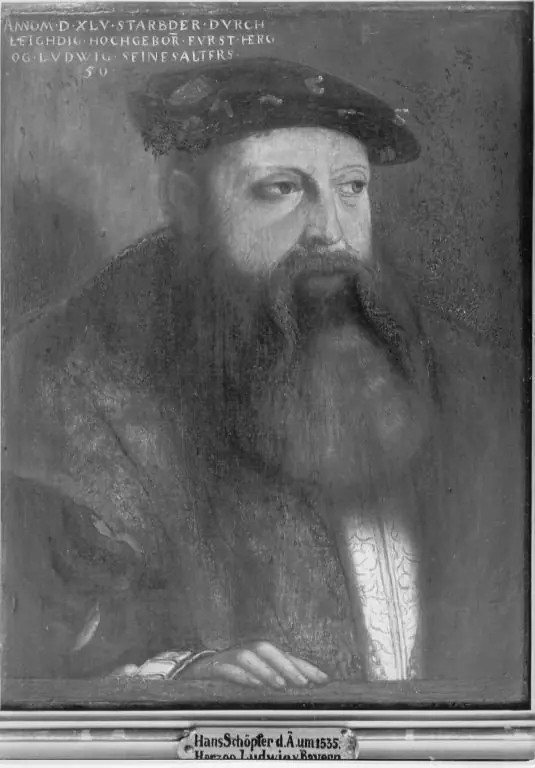 Herzog Ludwig X. von Bayern
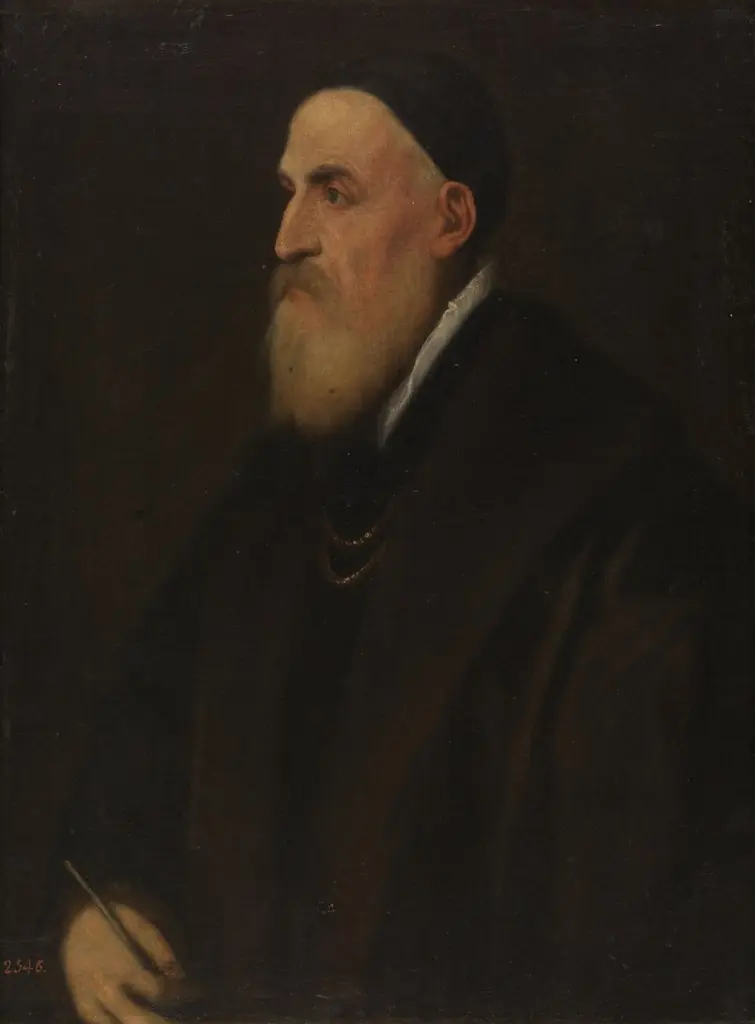 Self-portrait of Titian