Artwork
Portrait of Herzog Johann III, Paltzgraf bei Rhein (1488-1538)
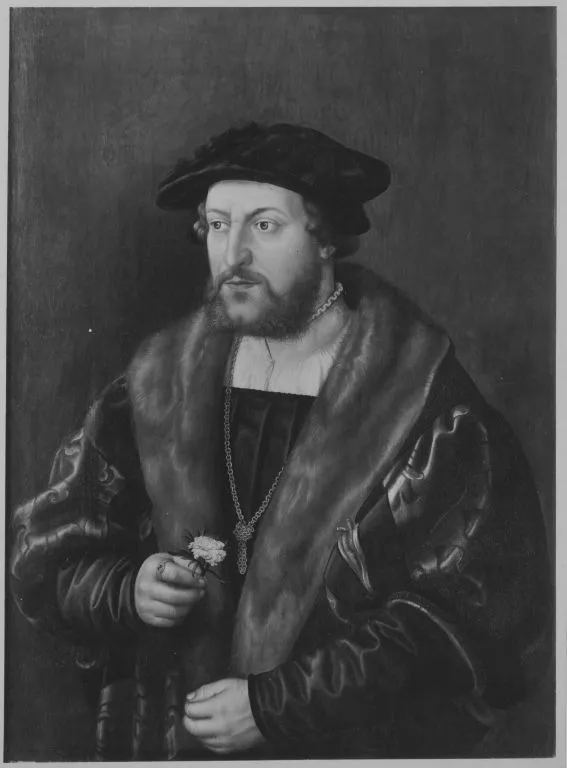
Portrait of Herzog Johann III, Paltzgraf bei Rhein (1488-1538) is a paint painting by the Early Baroque Italian artist Barthel Beham. It dates from 1533 and is held in the collection of the Bavarian State Painting Collections.
About this work
Overview
This 1533 portrait by Barthel Beham depicts Herzog Johann III, Paltzgraf bei Rhein, a noble figure from 15th-16th century Europe. The work is part of the Alte Pinakothek's collection.
Subject & Meaning
Herzog Johann III is portrayed in attire indicative of his high status, including a dark fur-lined coat, black hat, and cross necklace. His dignified demeanor and neatly trimmed beard further emphasize his noble rank. A small, simply rendered white flower (possibly a rose) in his hand adds a subtle, enigmatic element.
Technique & Style
The painting utilizes chiaroscuro, a technique characterized by strong contrasts between light and dark. This creates deep shadows, particularly in the plain, dark background, which serves to focus attention on the subject. The overall style is marked by detailed, realistic rendering of the figure's clothing and accessories.
History & Provenance
Created in 1533 by Barthel Beham, the portrait has been part of the Alte Pinakothek's holdings. Specific details about its commission or earlier ownership are not provided in the available information.
Context
The portrait reflects the artistic and social conventions of early 16th-century Europe, where such works served to affirm the status and authority of nobility. The use of chiaroscuro aligns with emerging artistic trends of the time.
Legacy
While the portrait's direct influence on later art is not detailed here, it contributes to the broader legacy of 16th-century portraiture and the evolution of chiaroscuro in European art. Its preservation in a major museum ensures ongoing study and appreciation.
Artist & collection

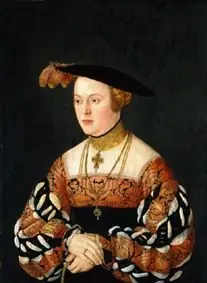 Portrait of Marie of Baden
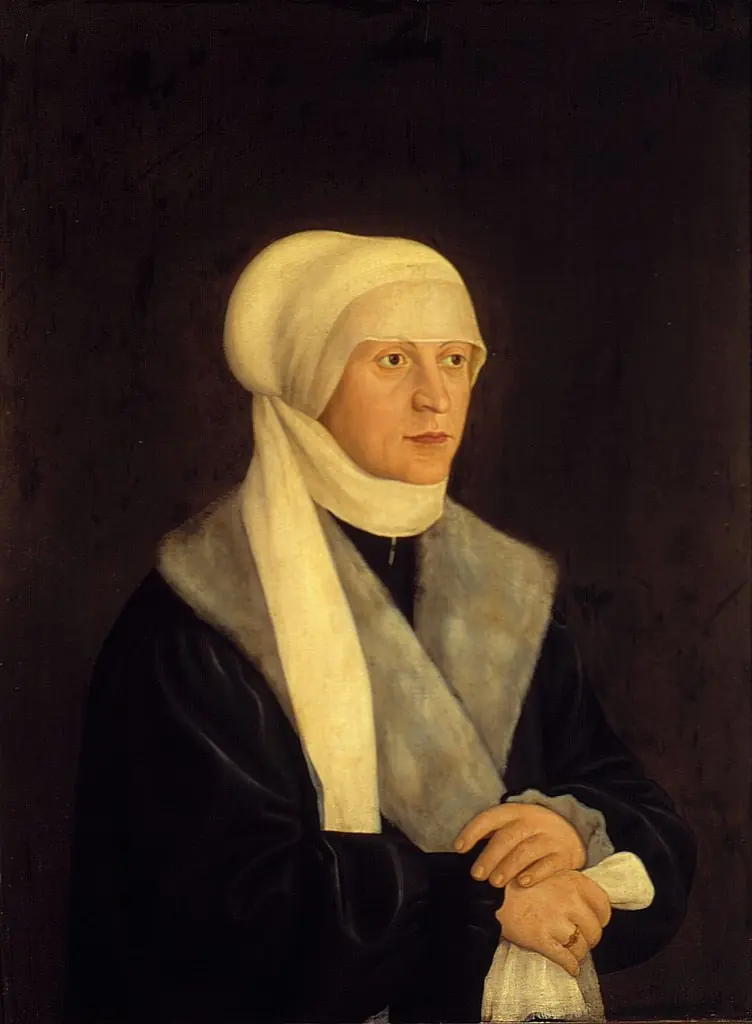 Portrait of Sabina of Bavaria
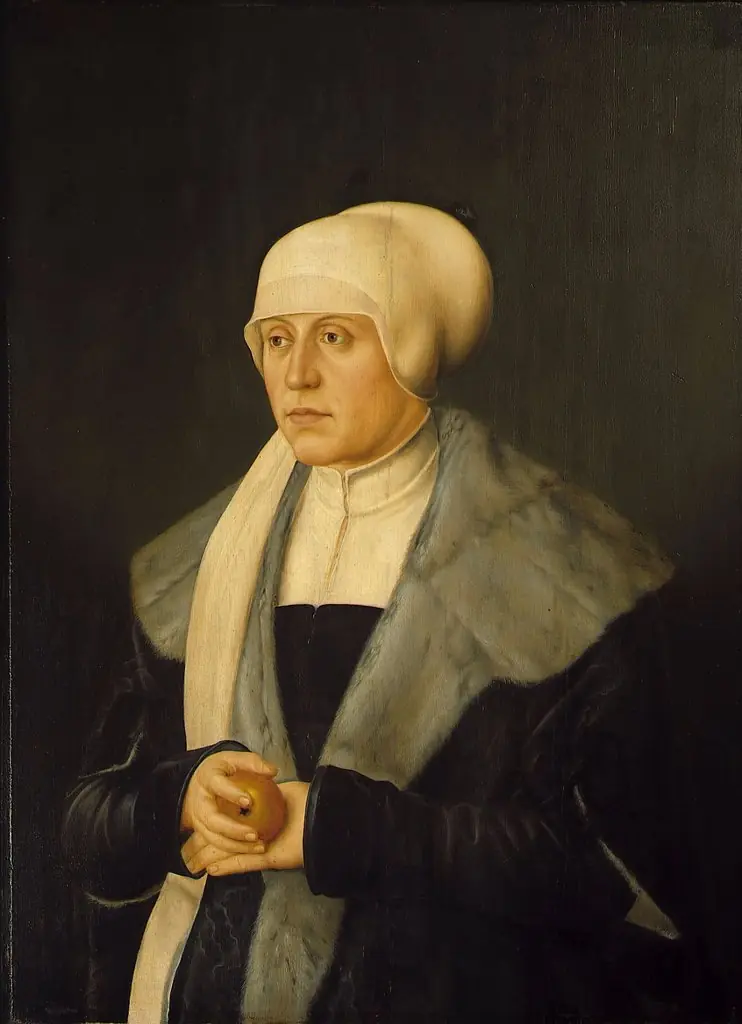 Kunigunde of Austria, wife of Duke Albrecht IV of Bavaria
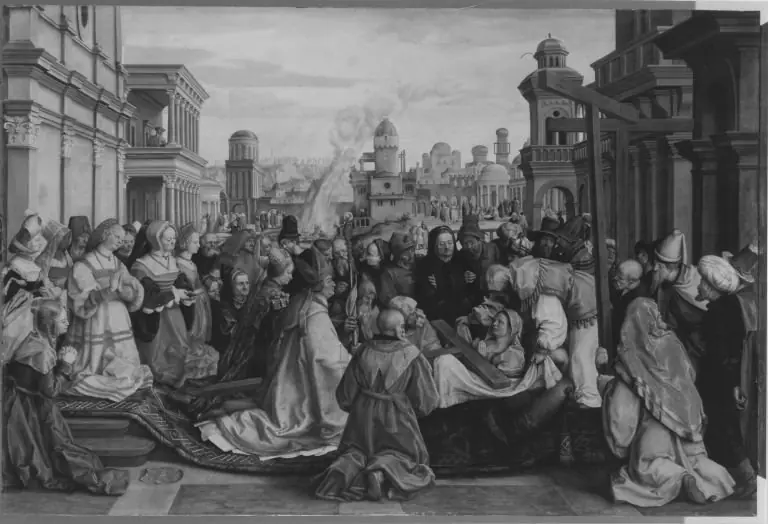 Historienzyklus: Kreuzauffindung der hl. Helena
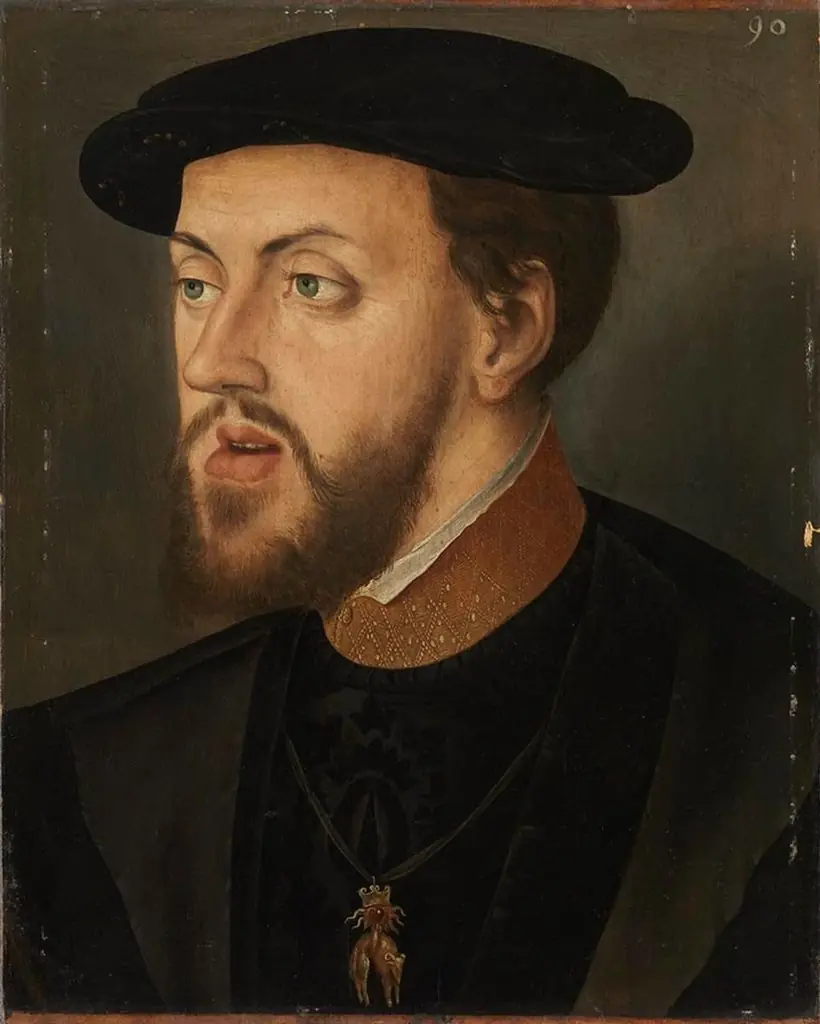 Emperor Charles V
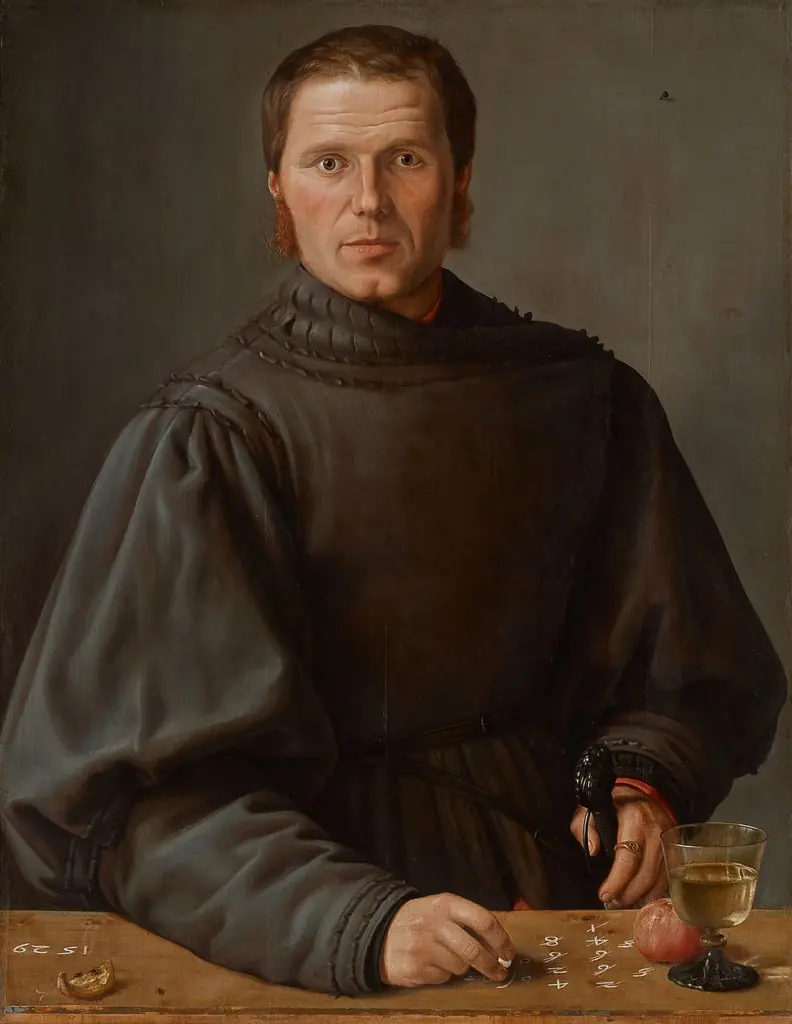 Portrait of a Man
 Susanna von Brandenburg, Gemahlin Ottheinrichs (Seitenverkehrte Kopie nach Inv.-Nr. 2450) (Kopie nach)
 Maria mit dem Kind (zugeschrieben)
 Kurfürsten Friedrich II. der Weise, Pfalzgraf bei Rhein
 Portrait of Jakob Omphalius
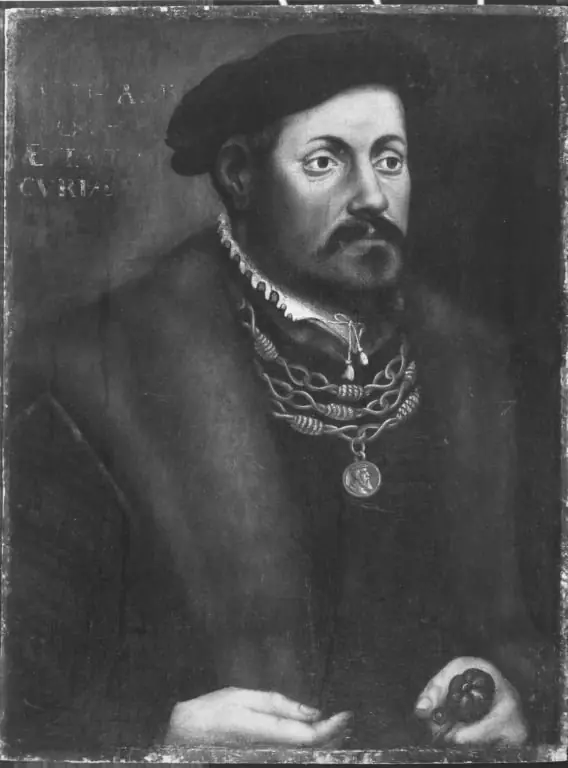 Portret of the councillor Wilhelm Lösch of Bavaria
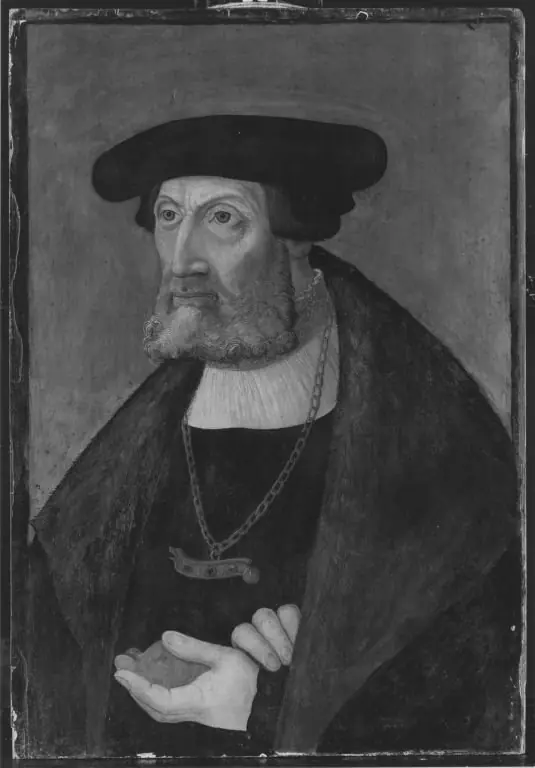 Bildnis eines vornehmen Herren (angeblich Ruprecht Stüpf, Bürgermeister von München)
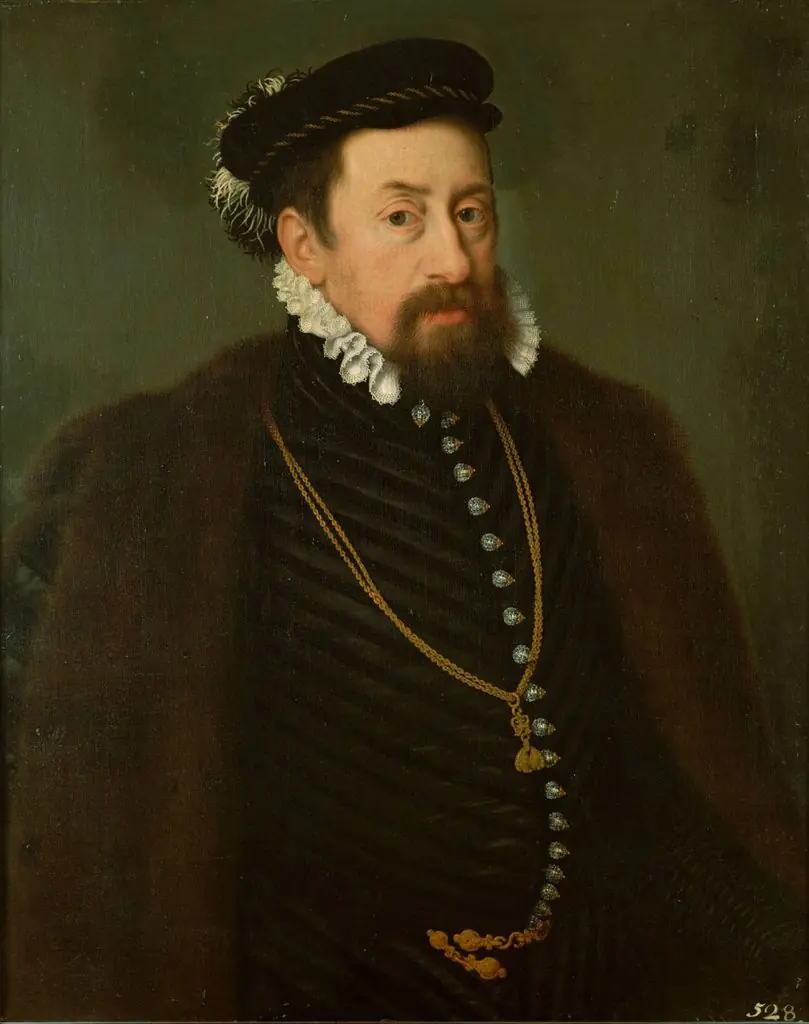 Kaiser Maximilian II. (1527-1576) als etwa Vierzigjähriger
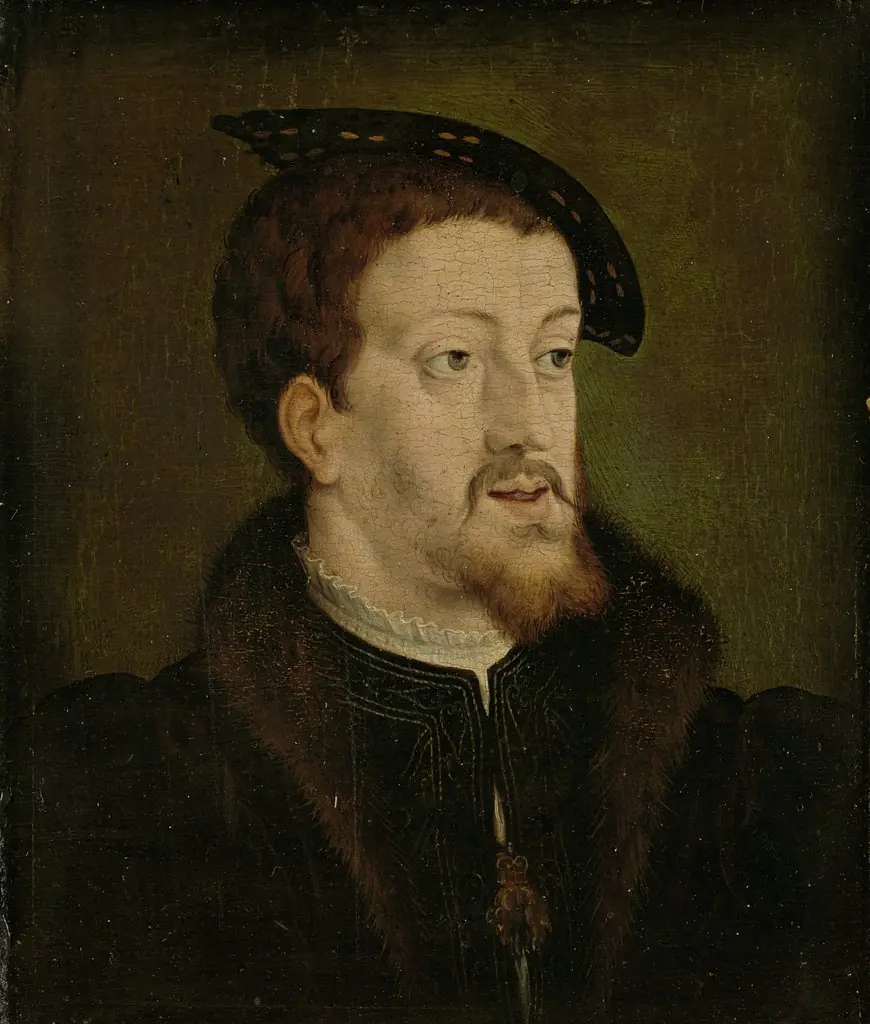 Portrait of Charles V (1500-58), emperor of the Holy Roman Empire
 Portrait of Johannes the Steadfast, Elector of Saxony
 Pfalzgraf Philipp, Bischof von Freising
 Portrait of Leonhard Fuchs
 Bildnis des herzoglichen Kammerdieners Johann Grebmer zu Neuenhaus
 Portræt af Knipperdolling
 Portrait of Henry III, Count of Nassau