Artwork
Portrait of Elisabeth Bellinghausen
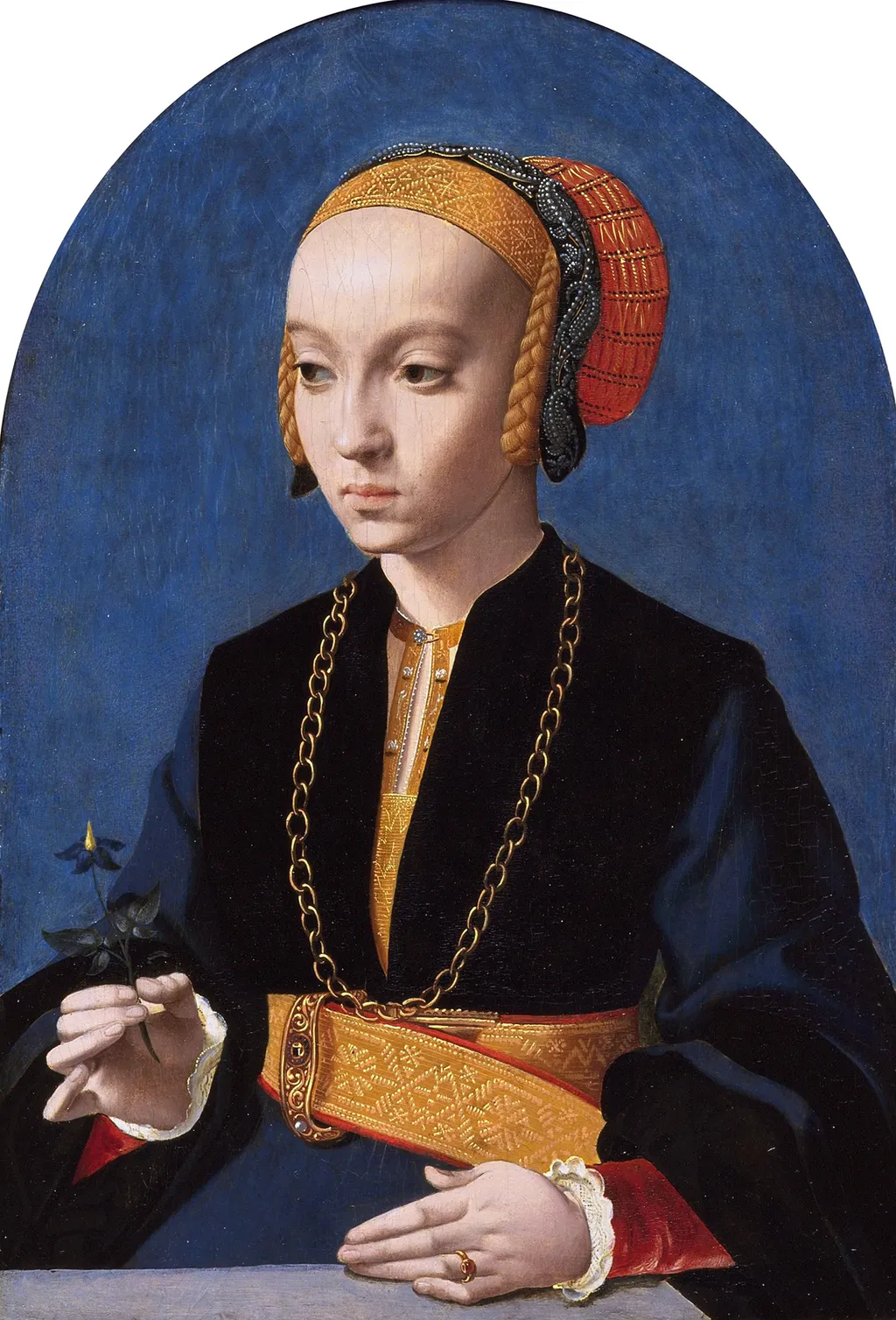
Portrait of Elisabeth Bellinghausen is an oil painting by the Northern Renaissance artist Bartholomaeus Bruyn the Elder. It dates from 1530 and is held in the collection of the Rijksmuseum.
About this work
Overview
Bartholomaeus Bruyn the Elder, a prominent Cologne portraitist of the early sixteenth century, painted this oil portrait in 1530. The work belongs to the Northern Renaissance tradition and is currently part of the Rijksmuseum’s collection. It presents a seated woman rendered with careful detail, set against a dark, oval background that isolates the figure.
Subject & Meaning
The sitter, identified as Elisabeth Bellinghausen, is shown holding a sprig of nightshade, a plant often associated with both medicinal and poisonous qualities. Her attire—rich black fabric trimmed with gold, a tall patterned hat, and a heavy gold chain—signals her social standing, while the calm expression and composed pose convey a sense of dignified restraint.
Technique & Style
Bruyn employs a subtle chiaroscuro, allowing light to model the folds of the black dress and illuminate the sitter’s skin. The oil medium enables fine rendering of textures, from the sheen of the gold chain to the delicate blue flowers on the nightshade sprig. The dark blue oval backdrop creates a shallow spatial depth, focusing attention on the figure.
History & Provenance
Created in Cologne during the German Renaissance, the portrait reflects Bruyn’s reputation for both altarpieces and secular portraiture. After remaining in private hands for several centuries, it entered the Rijksmuseum’s holdings, where it is displayed as an example of Northern Renaissance portraiture and Bruyn’s contribution to Cologne’s artistic heritage.
Artist & collection
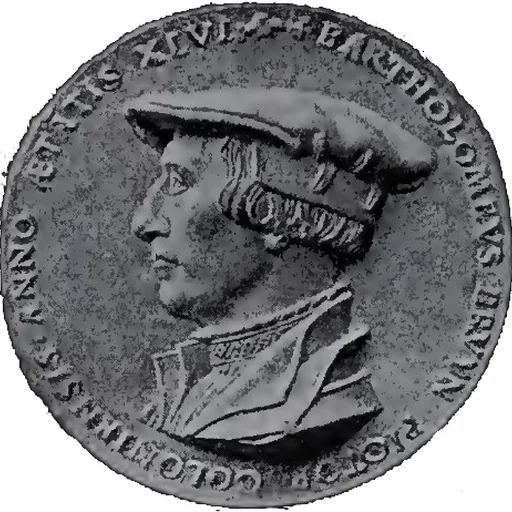
Artist
Bartholomäus Bruyn (1493–1555), usually called Barthel Bruyn or Barthel Bruyn the Elder, was a German Renaissance painter active in Cologne. He painted altarpieces and portraits, and was Cologne's foremost portrait painter of his day.

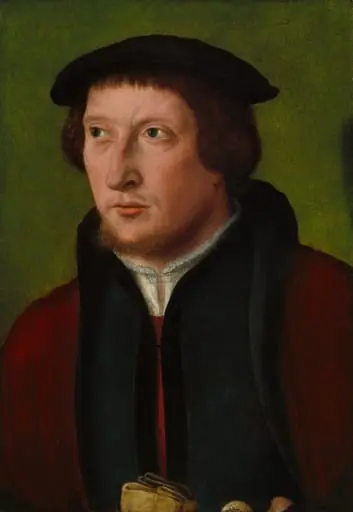 Portrait of a Man
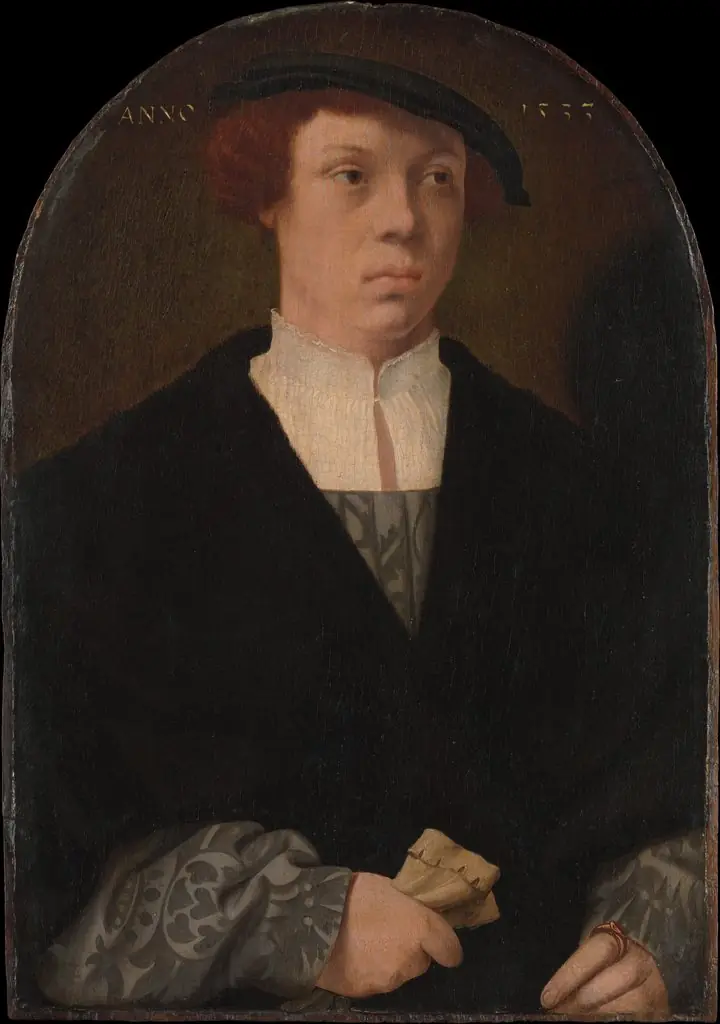 Portrait of a Man
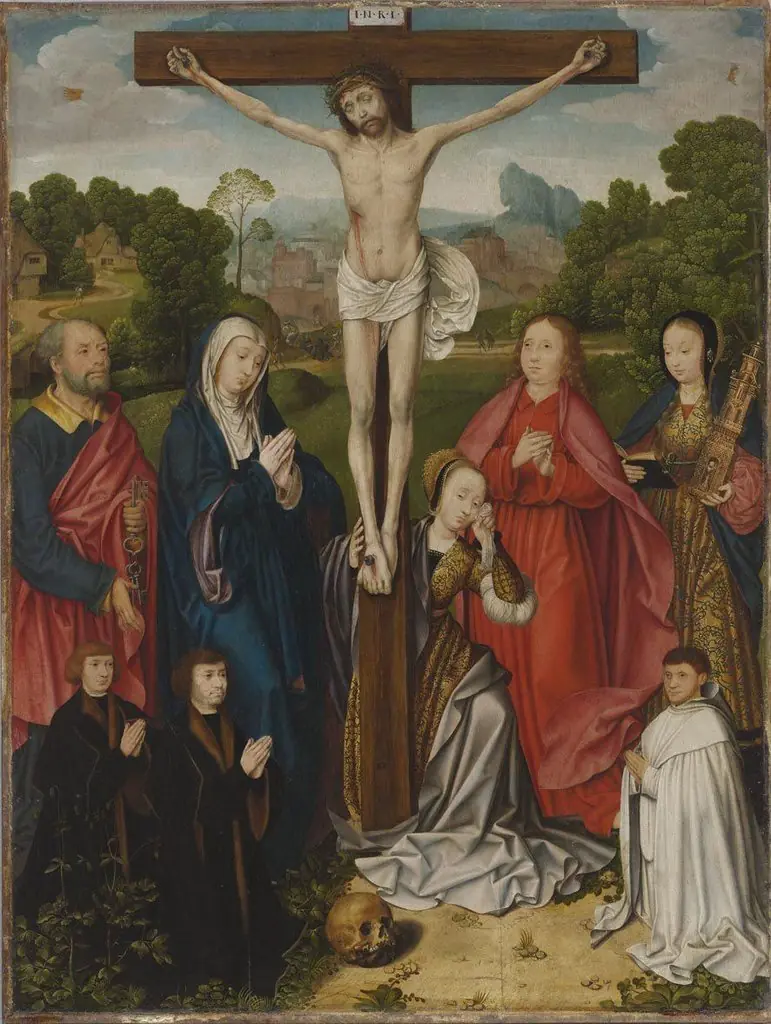 Christ on the cross with the saints Peter, Mary, Mary Magdalene, John the Evangelist and Barbara, with three donors
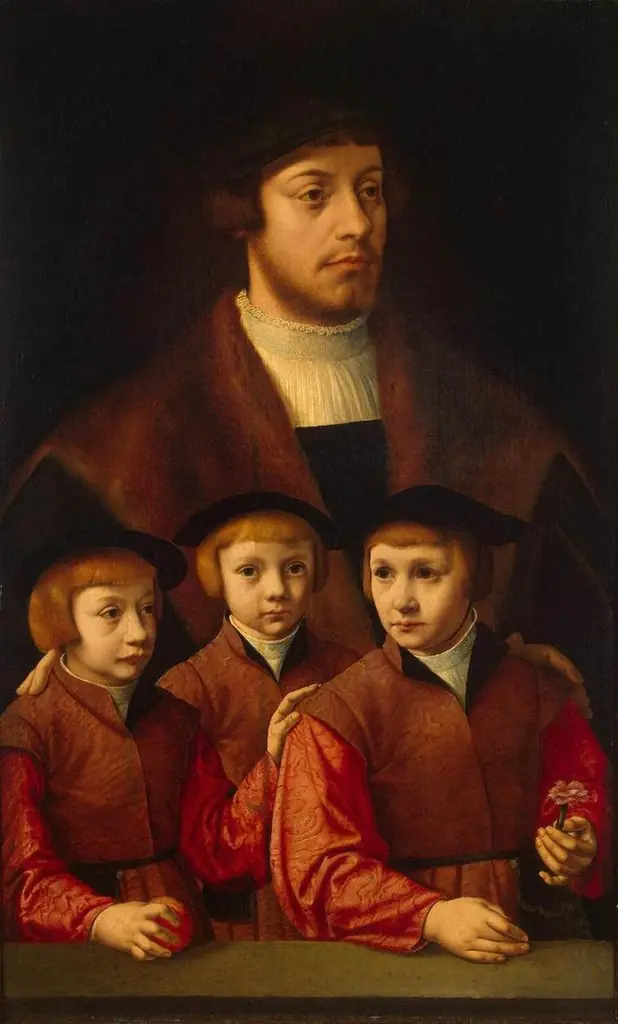 Portrait of a Man and His Three Sons
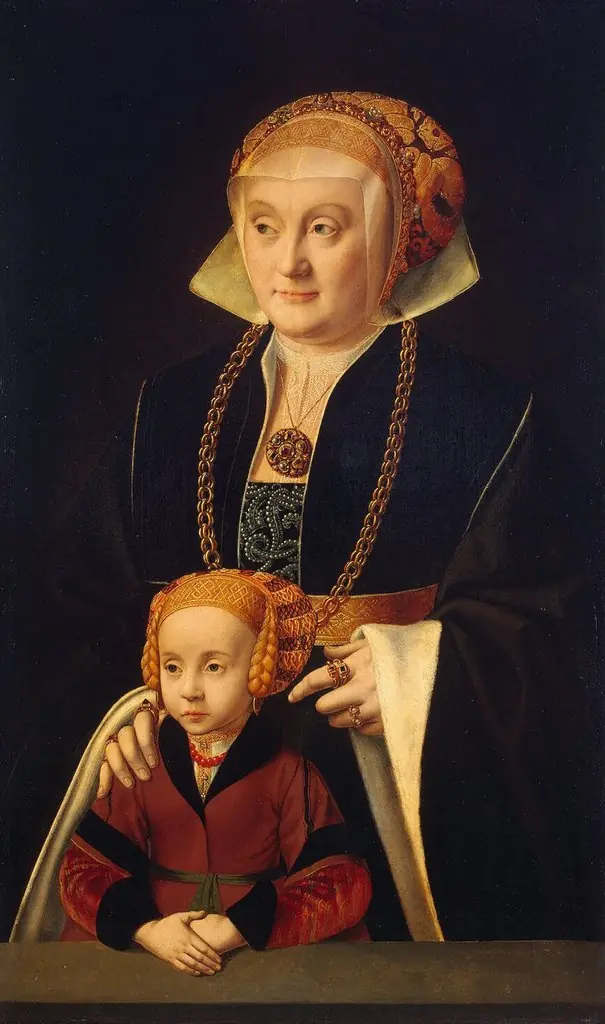 Portrait of a Lady and Her Daughter
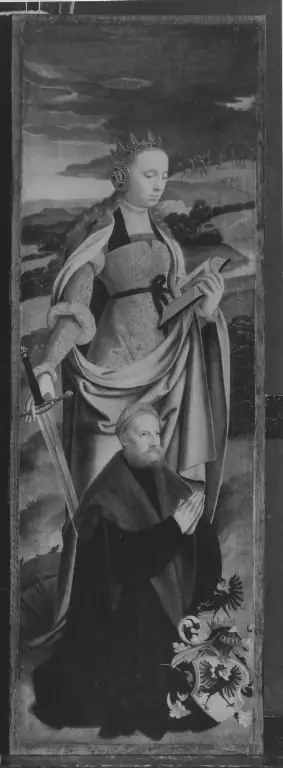 Rinck-Altar II:Saint Catherine with donor Hermann Rinck
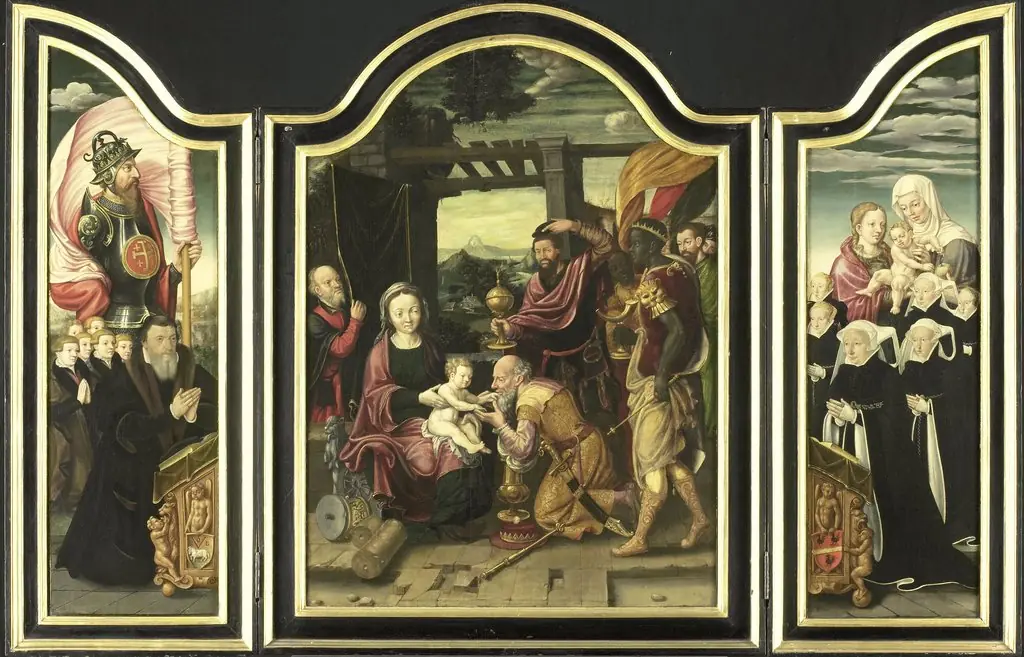 Triptych with the Adoration of the Magi