Artwork
Portrait of a Man
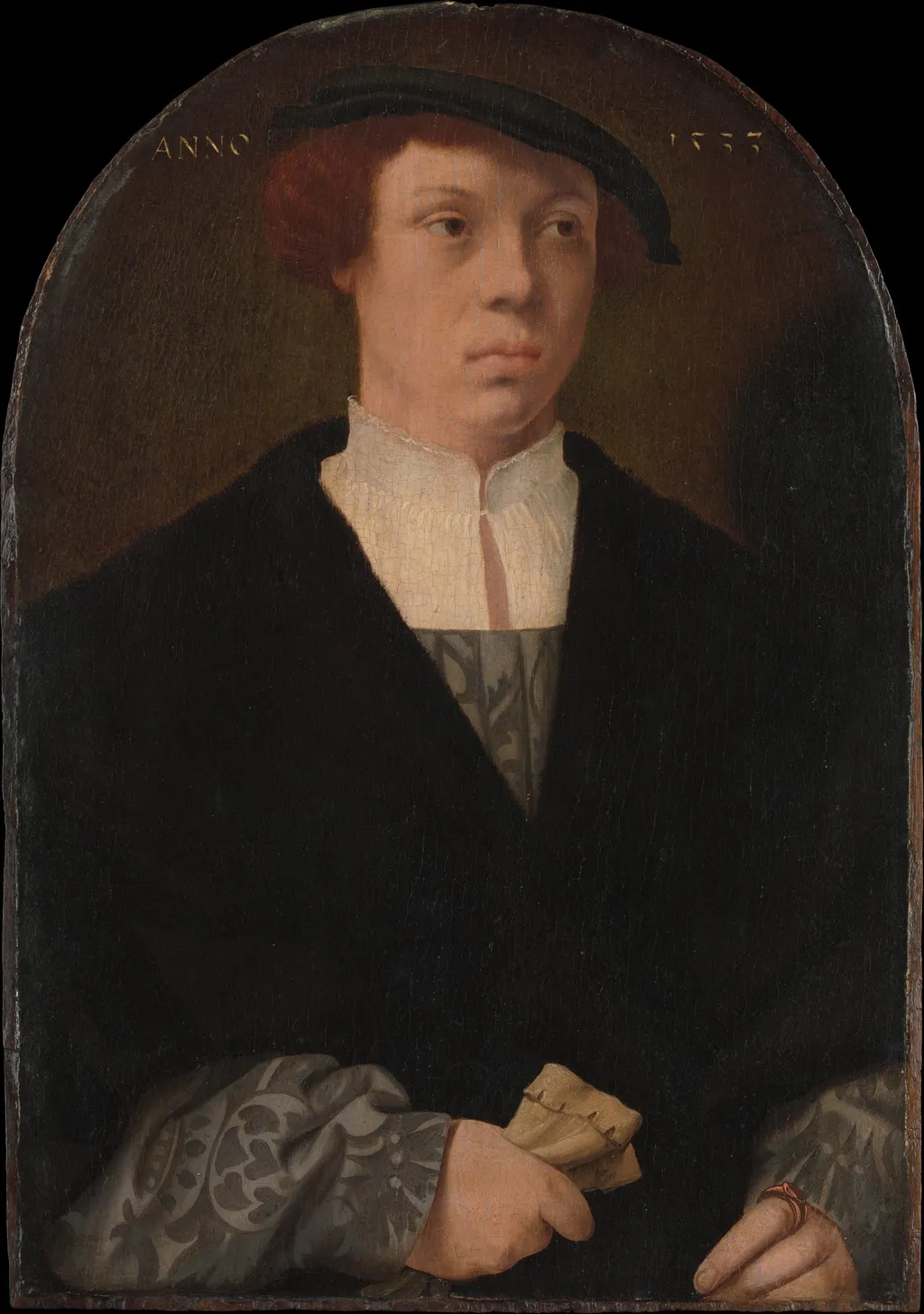
Portrait of a Man is an oil painting by the Northern Renaissance artist Bartholomaeus Bruyn the Elder. It dates from 1533 and is held in the collection of the Metropolitan Museum of Art.
About this work
His face is framed by a dark background, and the top of the painting has faded writing that looks like the year "1533.
This painting shows a serious-looking man in a black robe with a white collar. He’s holding a folded piece of paper in one hand and resting his other hand on a patterned sleeve. His face is framed by a dark background, and the top of the painting has faded writing that looks like the year "1533."
The man’s outfit suggests he might have been someone important, like a scholar or official. The way the light hits his face and the dark background creates a strong contrast, making him stand out.
If you like this style, look up *chiaroscuro*.
Overview
Bartholomaeus Bruyn the Elder, a prominent painter in Cologne during the German Renaissance, created this oil painting titled Portrait of a Man in 1533. The work exemplifies his established reputation for capturing individual likenesses, a key aspect of Northern Renaissance portraiture. Bruyn was known for both his altarpieces and his numerous portraits, and this piece demonstrates the refined skill that made him a leading figure in his artistic community.
Subject & Meaning
The painting depicts a somber man dressed in a dark robe with a crisp white collar, suggesting a figure of some social standing, possibly a scholar or civic official. He holds a folded document in one hand, while the other rests upon a sleeve adorned with a subtle pattern. This pose, combined with his direct gaze, conveys a sense of quiet authority and intellectual engagement, characteristic of portraits from this period that aimed to reflect the sitter's character.
Technique & Style
Bruyn's use of oil paint allowed for a meticulous rendering of textures and details, from the folds of the man's attire to the subtle contours of his face. The artist employed a stark contrast between the illuminated features of the sitter and the deep, undifferentiated background, a technique that draws the viewer's attention directly to the subject. This approach emphasizes the individual's presence, a hallmark of Bruyn's contribution to Northern Renaissance portraiture, with the year 1533 faintly visible at the top.
History & Provenance
This oil painting, completed in 1533, is a notable example of Bartholomaeus Bruyn the Elder's work from the German Renaissance. It is presently housed within the collection of The Metropolitan Museum of Art, where it contributes to the institution's holdings of Northern European art.
Artist & collection
Artist
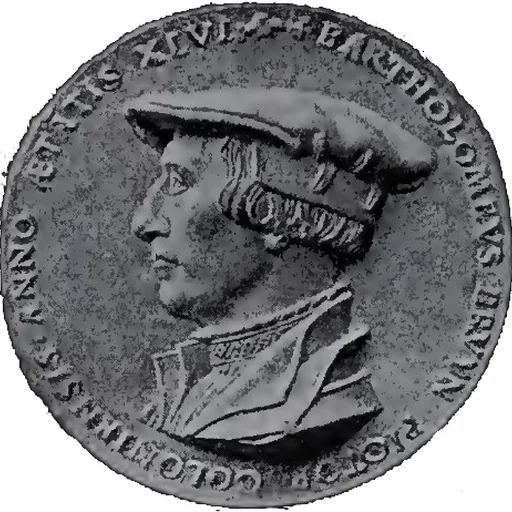
Bartholomäus Bruyn (1493–1555), usually called Barthel Bruyn or Barthel Bruyn the Elder, was a German Renaissance painter active in Cologne. He painted altarpieces and portraits, and was Cologne's foremost portrait painter of his day.

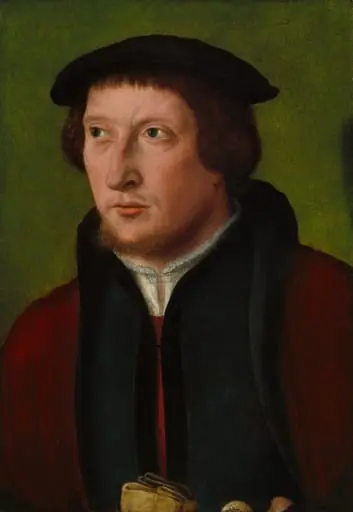 Portrait of a Man
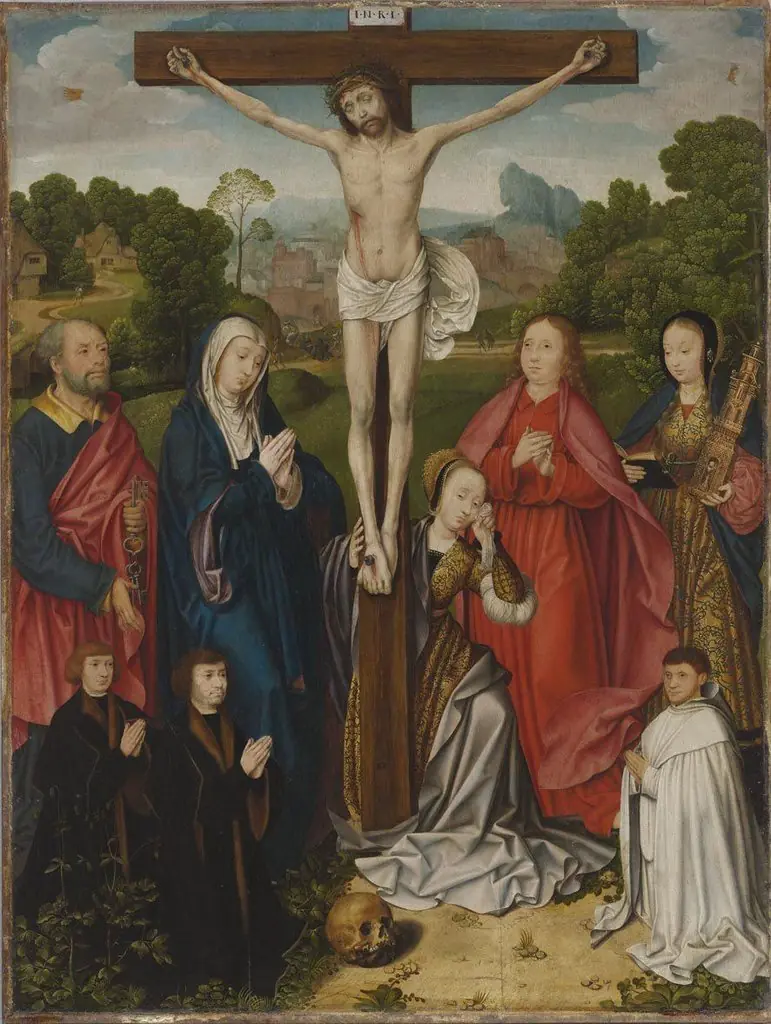 Christ on the cross with the saints Peter, Mary, Mary Magdalene, John the Evangelist and Barbara, with three donors
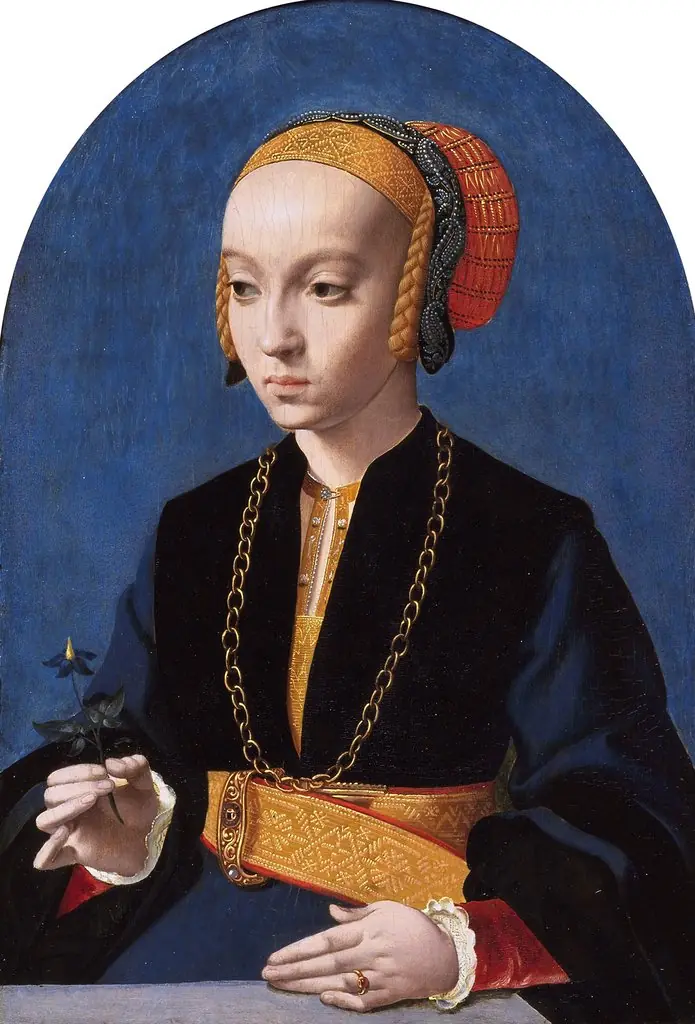 Portrait of Elisabeth Bellinghausen
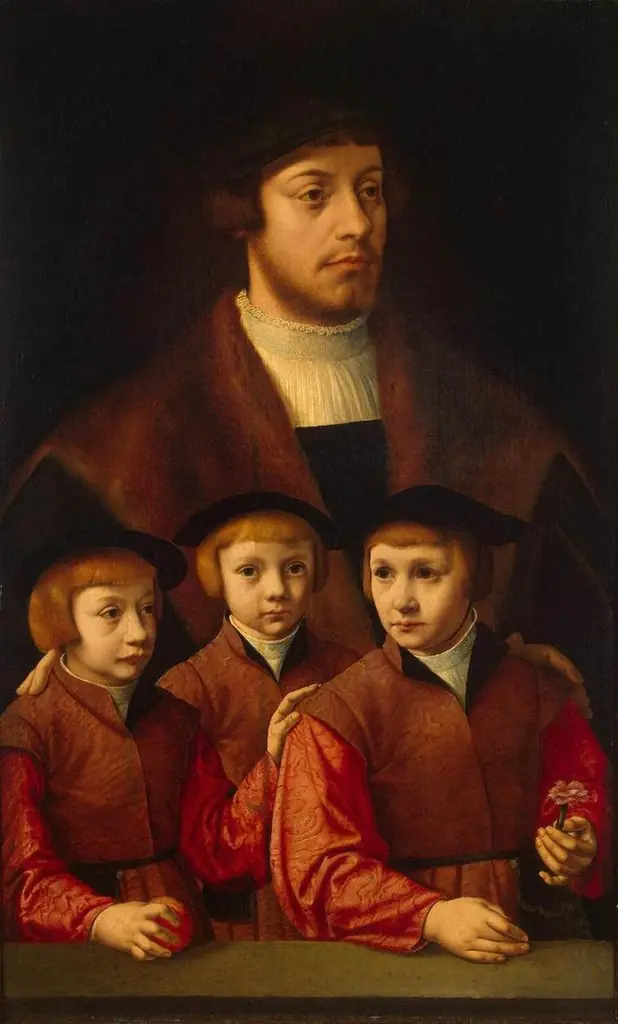 Portrait of a Man and His Three Sons
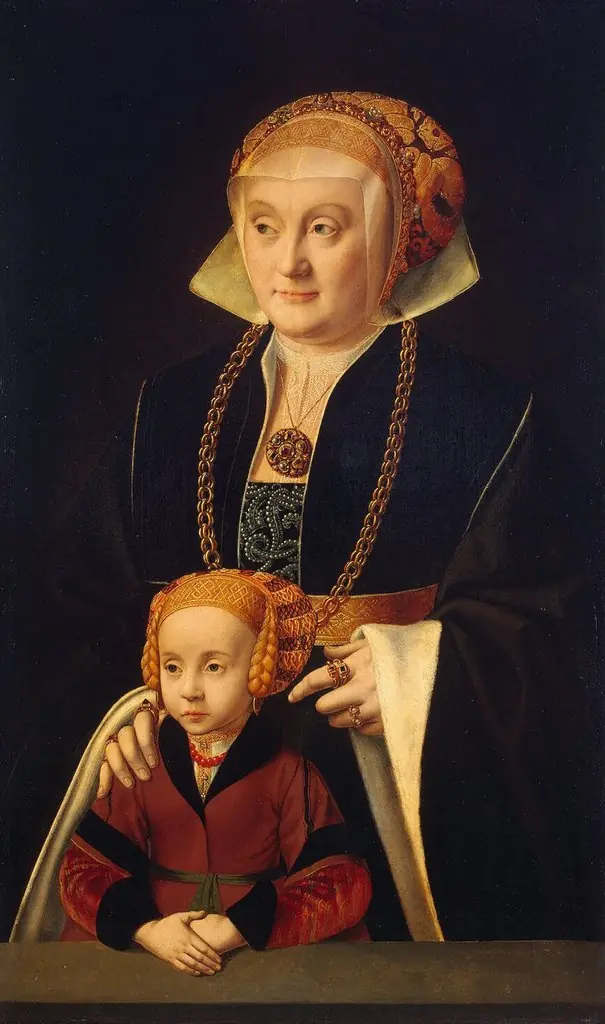 Portrait of a Lady and Her Daughter
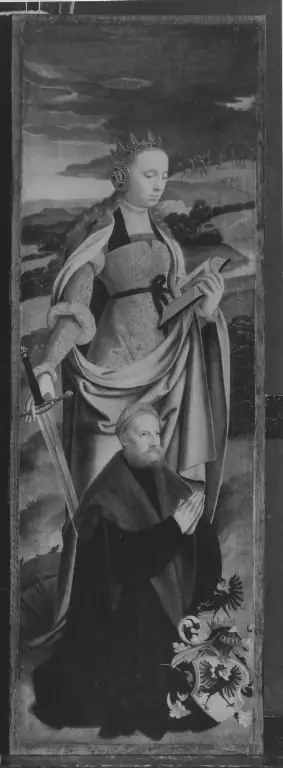 Rinck-Altar II:Saint Catherine with donor Hermann Rinck
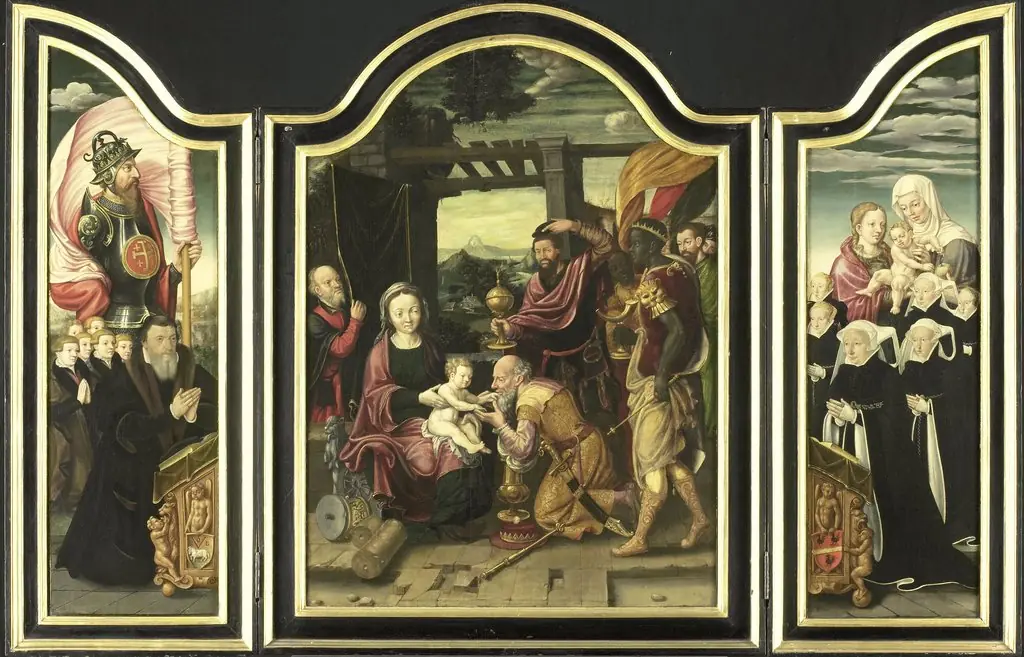 Triptych with the Adoration of the Magi