Artwork
Elijah's Sacrifice
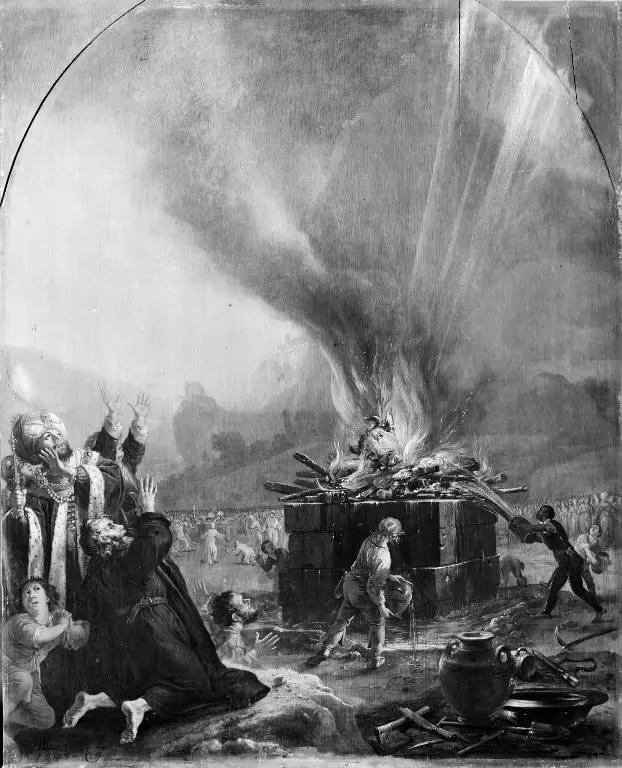
Elijah's Sacrifice is an unspecified painting by the Dutch Golden Age artist Bartholomeus Breenbergh. It dates from 1645 and is held in the collection of the Statens Museum for Kunst.
About this work
Overview
Bartholomeus Breenbergh’s 1645 canvas entitled *Elijah’s Sacrifice* presents a turbulent biblical episode. Central to the composition is a fierce blaze consuming a wooden structure, surrounded by a crowd of onlookers whose gestures range from supplication to alarm. Dark, swirling clouds dominate the sky, while the ground is strewn with debris, heightening the sense of disorder.
Subject & Meaning
The painting captures the moment in the Old Testament when the prophet Elijah confronts the worshippers of Baal, demanding that their altar be consumed by fire. The central flame symbolizes divine intervention, while the varied reactions of the figures—kneeling, standing, arms raised—reflect the tension between faith and fear inherent in the narrative.
Technique & Style
Breenbergh employs a pronounced chiaroscuro, juxtaposing the luminous fire against a tenebrous sky to amplify drama. The handling of light recalls the influence of his Roman period, where he absorbed Italianate compositional principles, while the detailed rendering of figures and landscape aligns with Dutch Golden Age realism.
History & Provenance
Created after Breenbergh’s return to Amsterdam, the work reflects the synthesis of his Italian experiences with his native Dutch sensibilities. *Elijah’s Sacrifice* entered the collection of Denmark’s Statens Museum for Kunst, where it remains part of the museum’s holdings of 17th‑century European painting.
Artist & collection
Artist
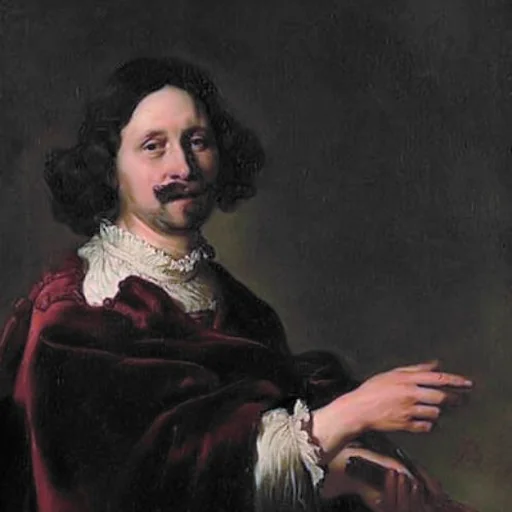
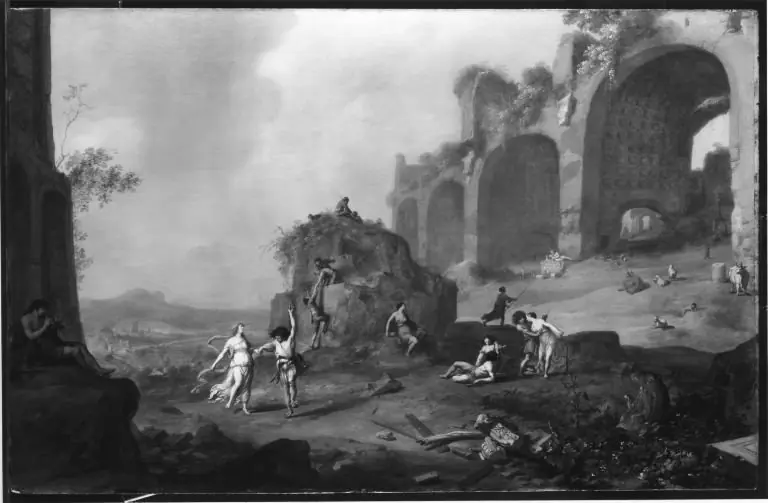
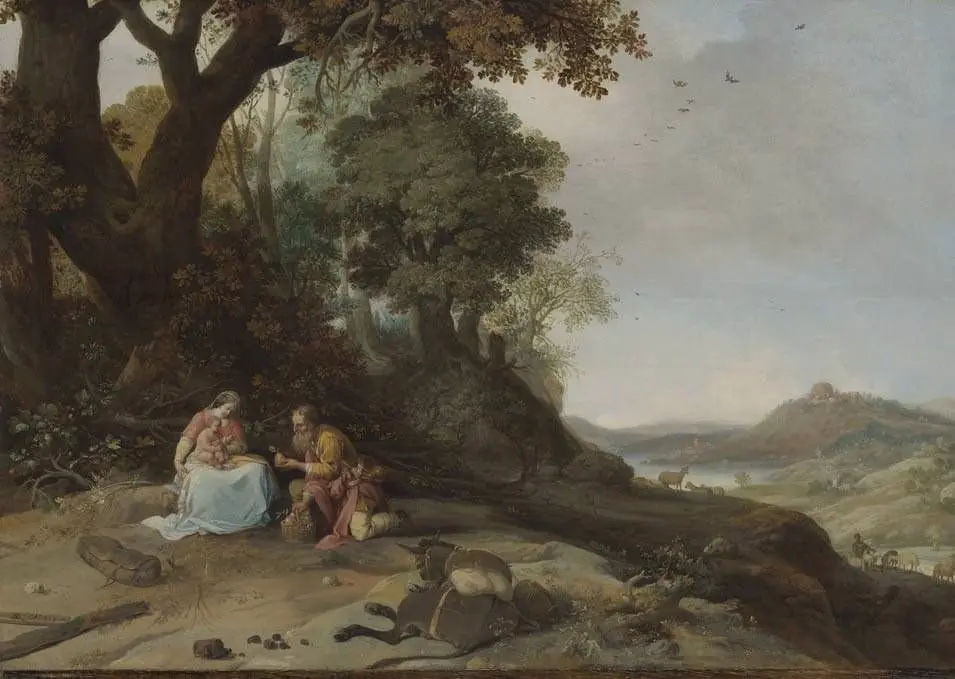
Bartholomeus Breenbergh (before 13 November 1598 – after 3 October 1657) was a Dutch Golden Age painter of Italian and Italianate landscapes, in Rome (1619-1630) and Amsterdam (1630-1657).

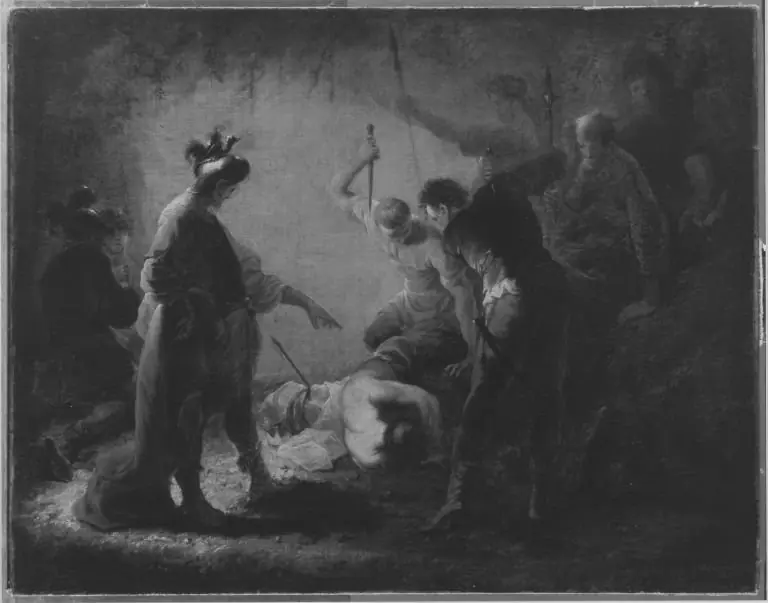 Die Ermordung des hl. Severus
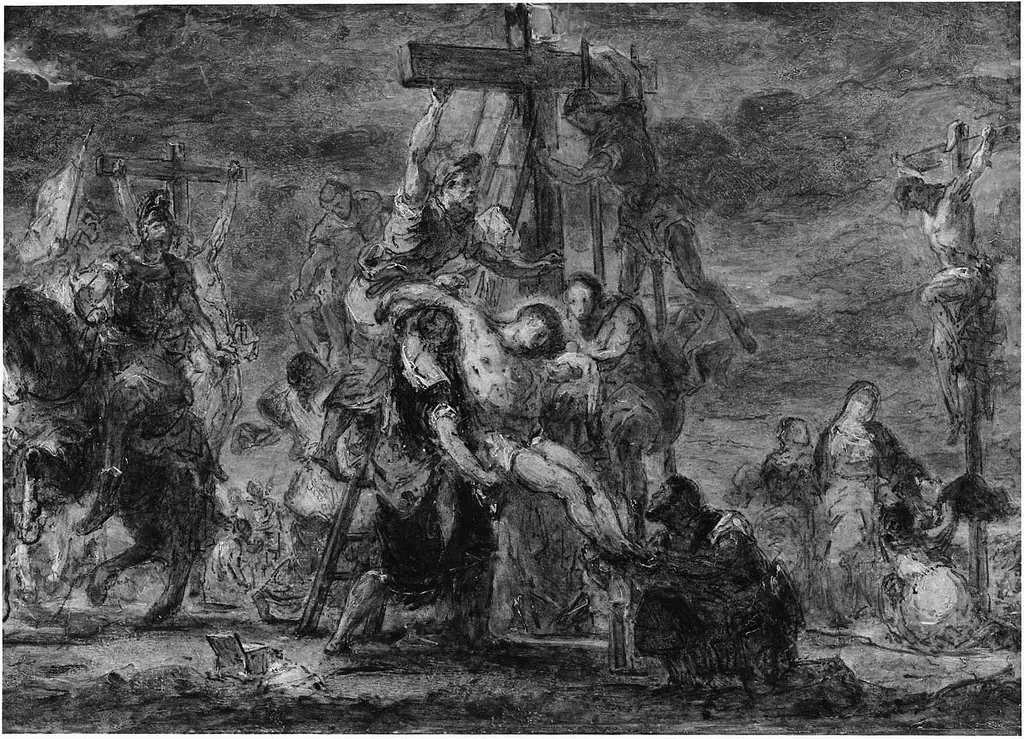 The Descent from the Cross
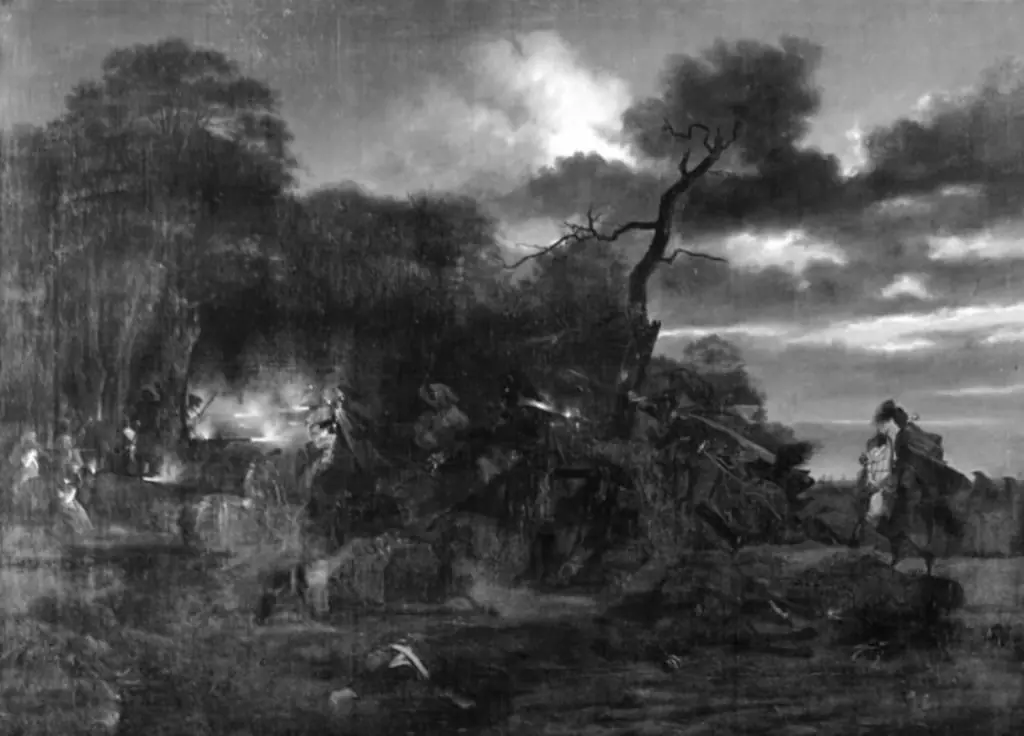 Franske kyrasserer, som angriber en russisk forpost
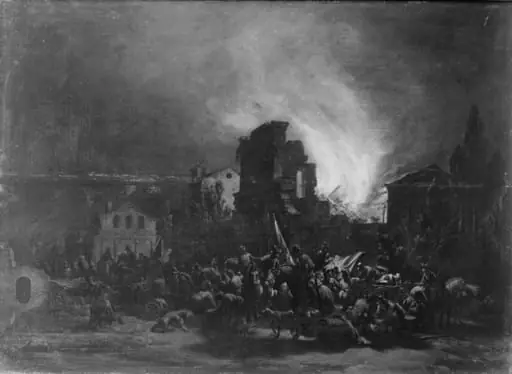 Nocturnal Fire and Looting in a Town
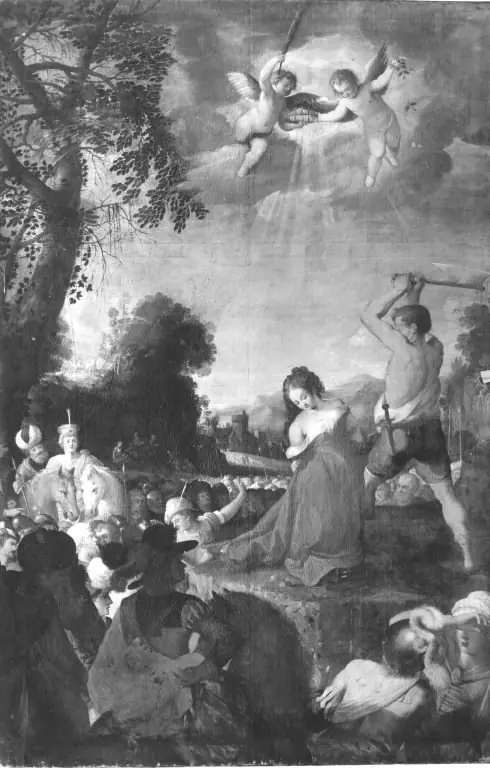 Enthauptung der hl. Katharina (?)
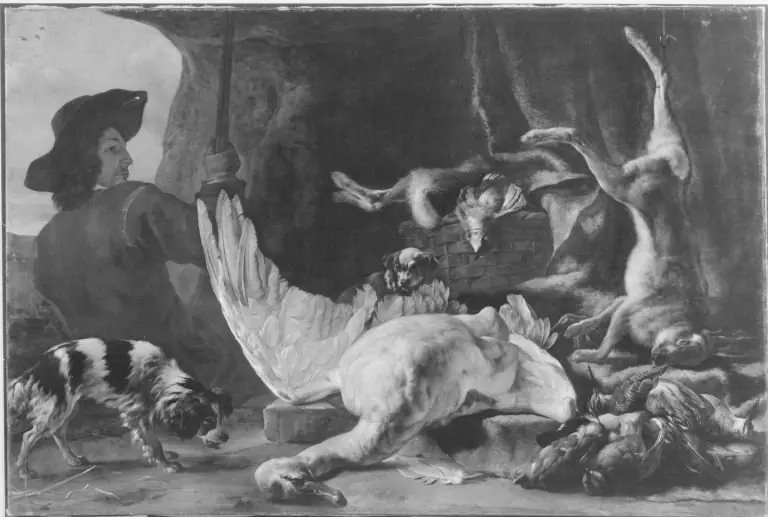 Jagdbeutestillleben mit Jäger und zwei Hunden
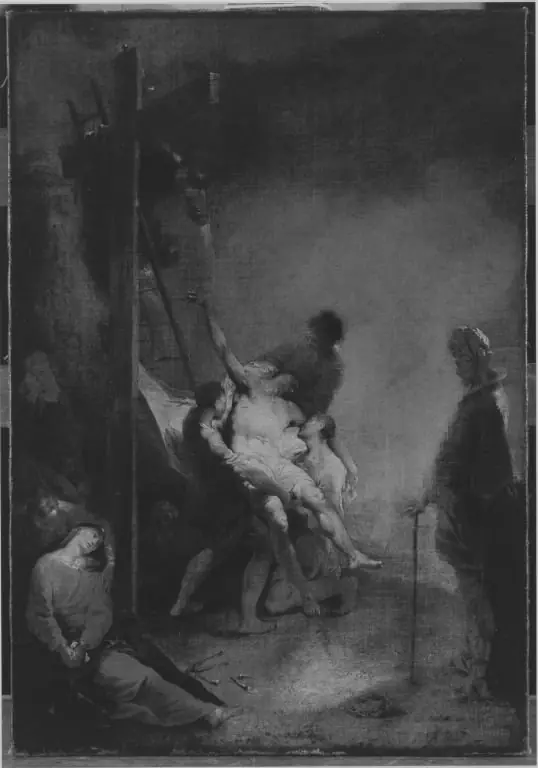 The descent from the Cross
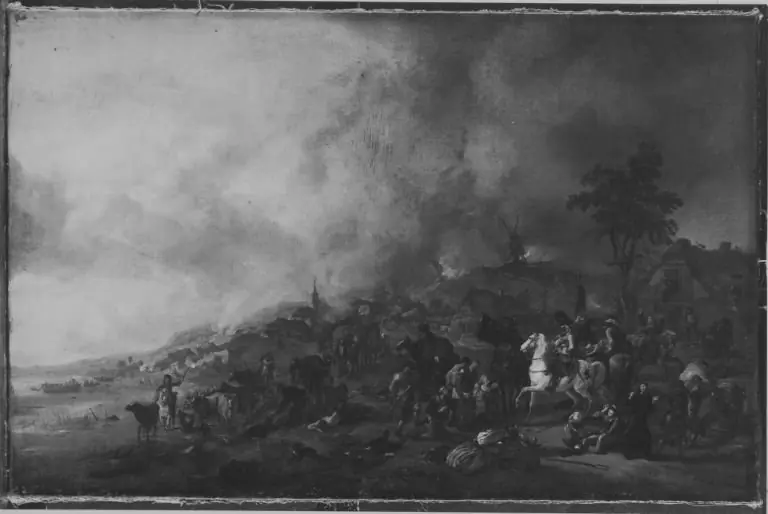 Soldiers plundering a Village
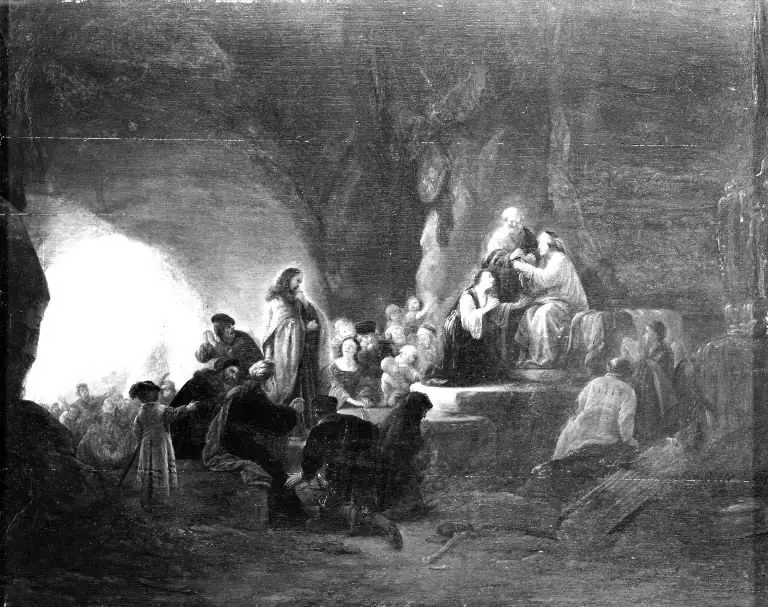 The Raising of Lazarus
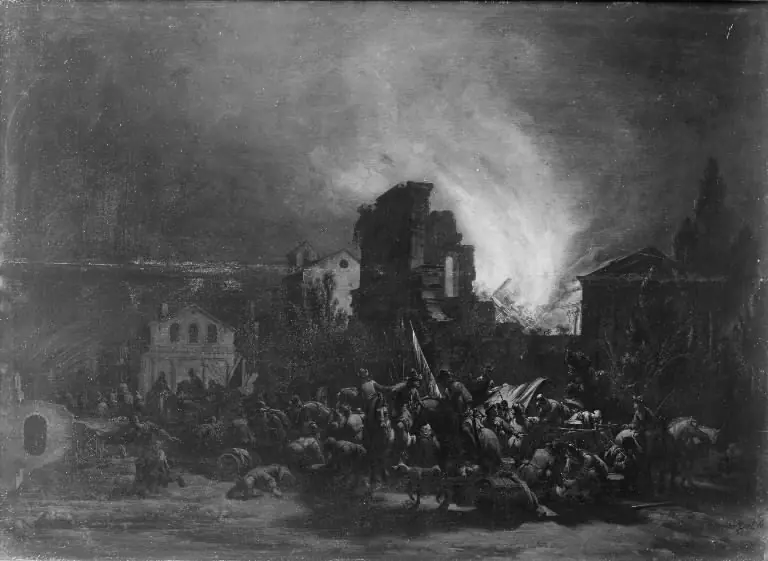 Nocturnal Fire and Looting in a Town
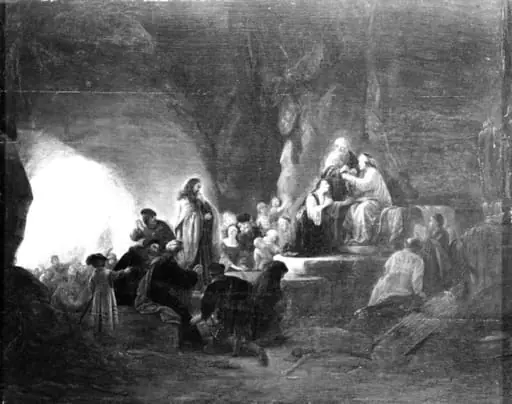 The Raising of Lazarus
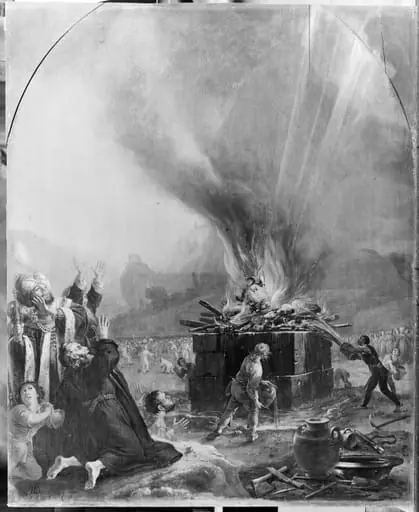 Elijah's Sacrifice