Artwork
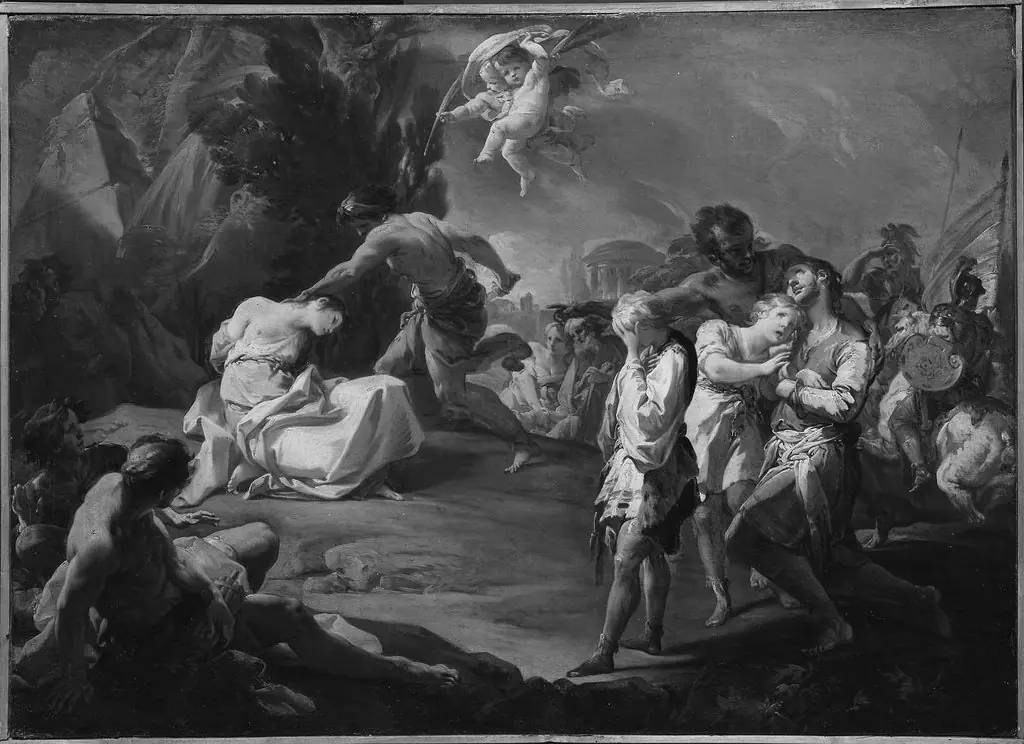
Die Ermordung des hl. Severus
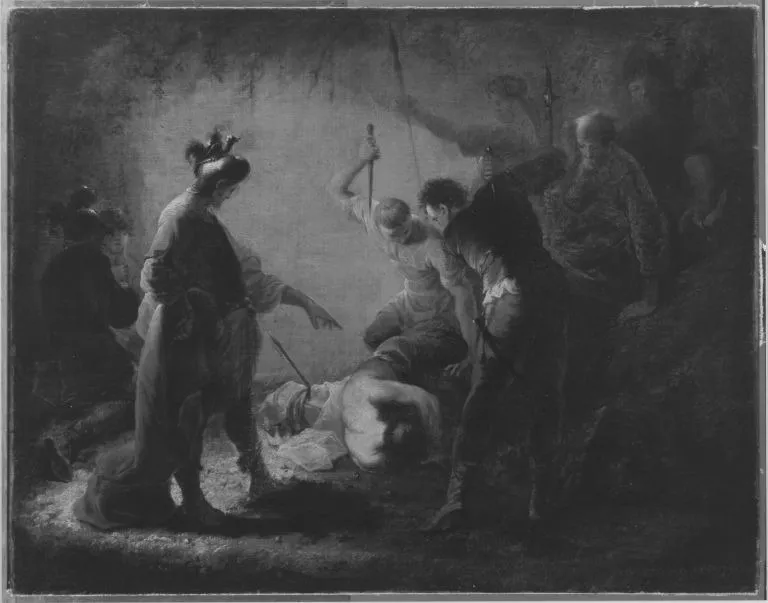
Die Ermordung des hl. Severus is an unspecified painting by the Rococo painting artist Johannes Zick. It dates from 1754 and is held in the collection of the Bavarian State Painting Collections.
About this work
Overview
Painted in 1754 by Johannes Zick, this work portrays the violent death of Saint Severus. Zick, a German artist known for his frescoes in southern Germany, worked within the Late Baroque tradition while incorporating the softer tonalities of Rococo. The painting is part of the Alte Pinakothek’s collection in Munich, reflecting its significance in regional religious art of the mid-18th century.
Subject & Meaning
The composition centers on his lifeless body, surrounded by figures in moments of action or stillness, suggesting both violence and solemnity.
The scene captures the martyrdom of Saint Severus, a figure venerated for his faith under persecution. The composition centers on his lifeless body, surrounded by figures in moments of action or stillness, suggesting both violence and solemnity. The absence of overt divine intervention underscores the human brutality of the event, aligning with devotional themes of sacrifice and endurance in Christian iconography.
Technique & Style
Zick employs chiaroscuro to model forms and direct attention toward the fallen saint, using stark contrasts between shadow and muted light. The figures are rendered with restrained color, their garments in earthy tones that enhance the scene’s gravity. Background elements remain indistinct, deepening the spatial focus and emotional weight of the central moment without narrative distraction.
History & Provenance
Commissioned for a religious setting, the painting entered the Alte Pinakothek’s holdings in the 19th century as part of broader efforts to consolidate Bavarian ecclesiastical art. Its survival through secularization and museum reorganization reflects its enduring recognition as a work of regional importance, though it was never widely reproduced or exhibited beyond southern Germany.
Context
Created during the waning years of the Baroque, the painting reflects a transitional moment in German religious art. While retaining dramatic intensity, it softens the theatricality typical of earlier Baroque works, aligning with Rococo’s preference for subdued emotion. Zick’s approach bridges devotional tradition and emerging aesthetic sensibilities in 18th-century Catholic regions.
Legacy
Johannes Zick’s influence extended through his family and regional workshops, but this painting remains one of his few documented secular-altarpiece subjects. It is studied today as an example of how Late Baroque narrative painting adapted to evolving tastes, preserving spiritual gravity while embracing tonal restraint and psychological subtlety.
Artist & collection
Artist
Johannes (Johann) Zick (10 January 1702 – 4 March 1762) was a German painter of frescoes in southern Germany and active during the Baroque period.

 The Entombment of Christ
 Apollo tötet die Kinder der Niobe
 Martyrdom of Saint Marta
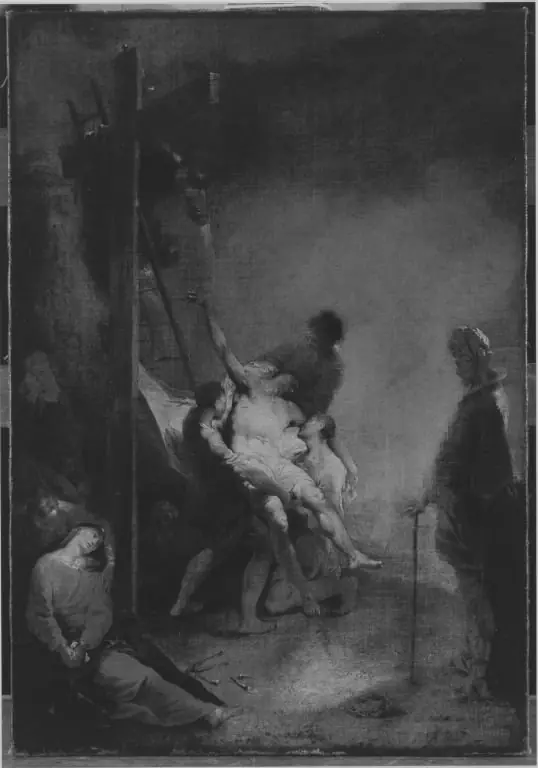 The descent from the Cross
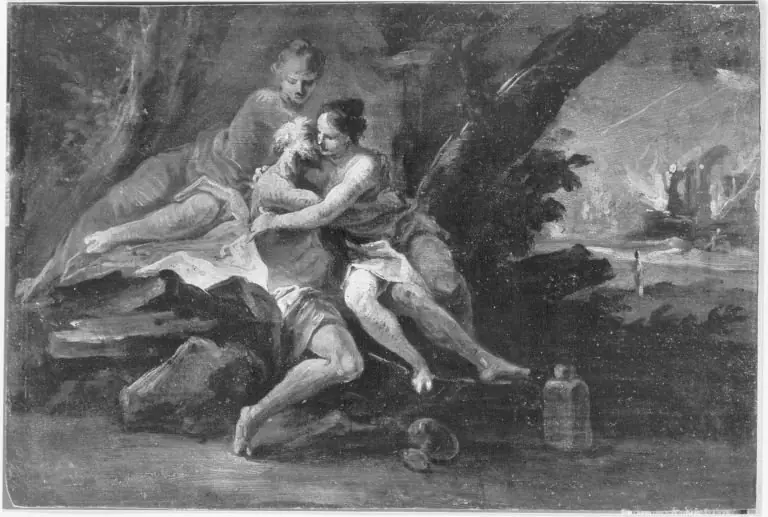 Lot und seine Töchter
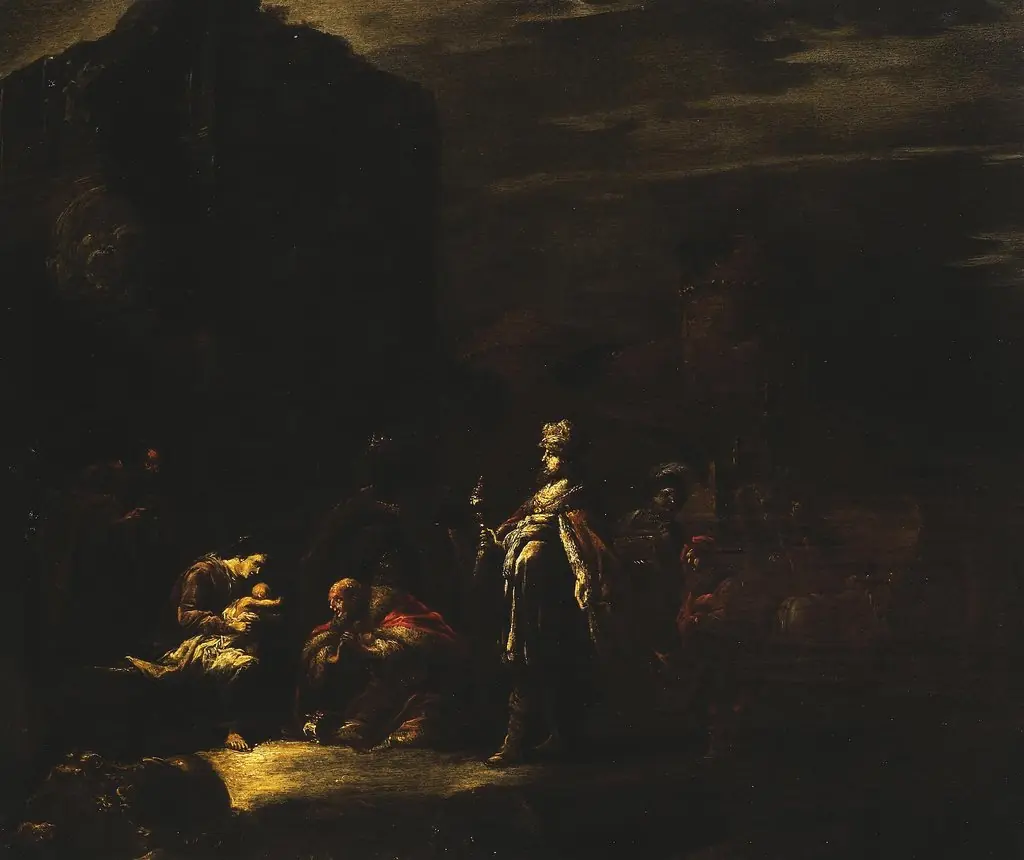 Adoration of the Magi
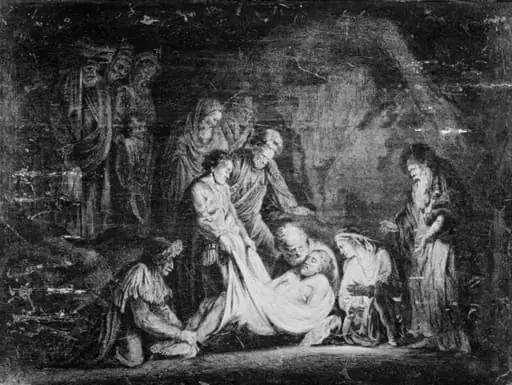 The Entombment of Christ
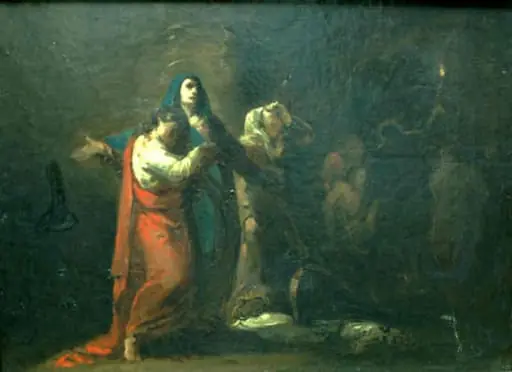 Scenă biblică
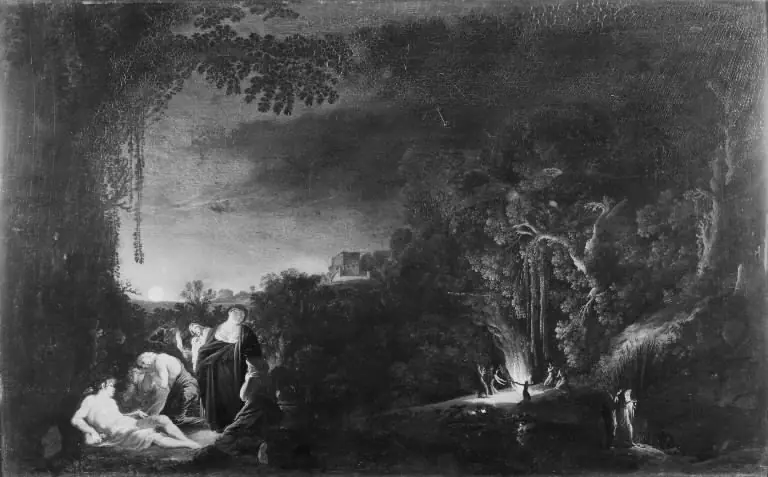 Måneskinslandskab med mytologisk (?) motiv
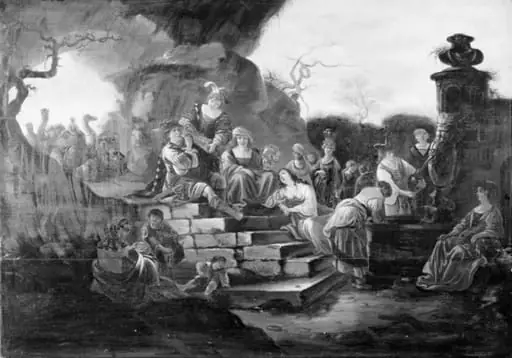 Merry Company by a Fountain
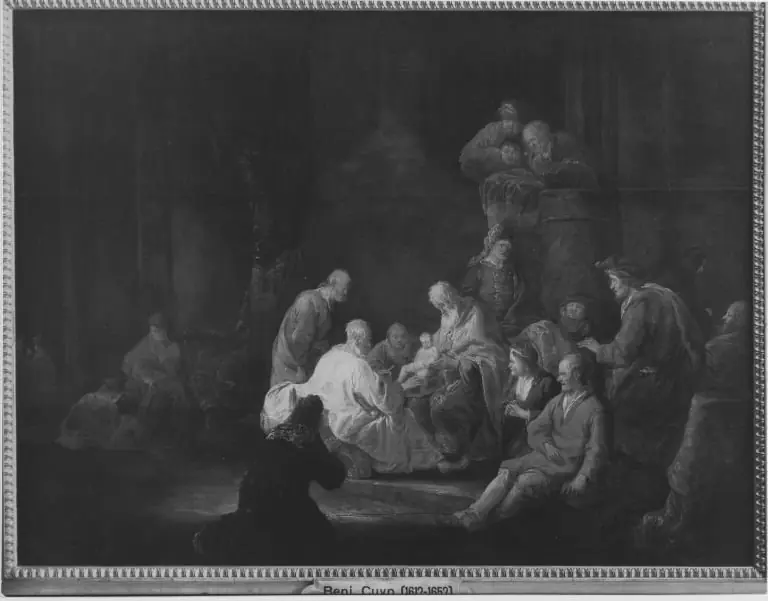 Beschneidung Christi (Circumcisio)
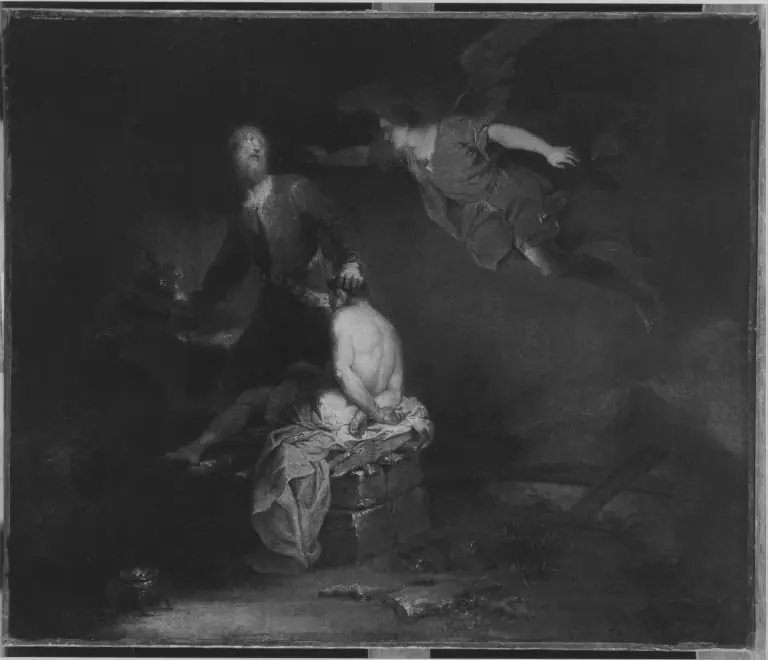 Abrahams Opfer