Artwork
The Death of Abel
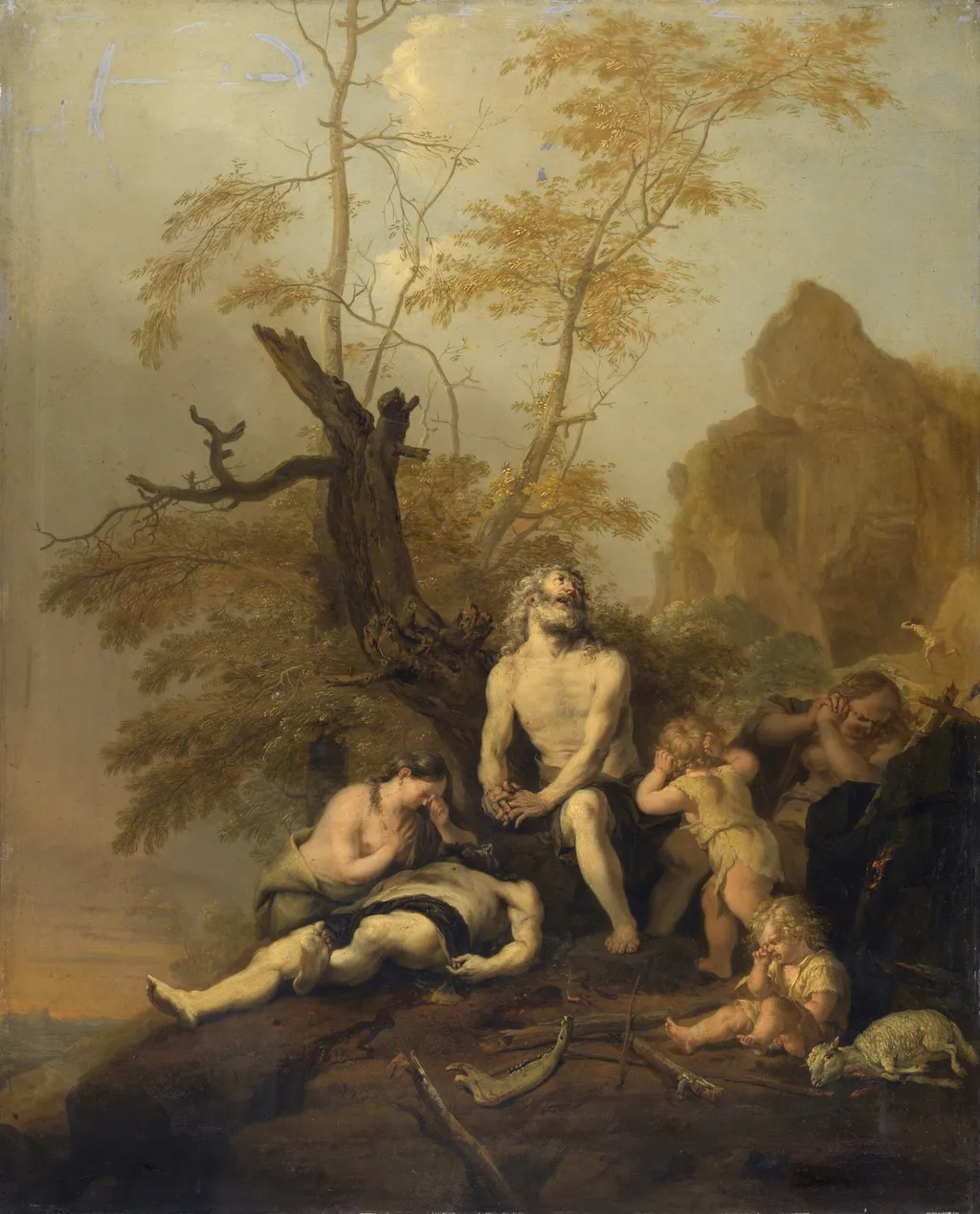
The Death of Abel is an oil painting by the Dutch Golden Age artist Bartholomeus Breenbergh. It dates from 1645 and is held in the collection of the Royal Museum of Fine Arts Antwerp.
About this work
Overview
Painted in 1645 on copper, *The Death of Abel* is a religious narrative by Bartholomeus Breenbergh, a Dutch artist shaped by his years in Italy.
Painted in 1645 on copper, *The Death of Abel* is a religious narrative by Bartholomeus Breenbergh, a Dutch artist shaped by his years in Italy. The small-scale work reflects the influence of Italianate composition and lighting, adapted to a Northern European sensibility. Breenbergh, who returned to the Netherlands in 1630, used the rigid support of copper to achieve fine detail and luminous tonal contrasts, characteristic of his mature style.
Subject & Meaning
The scene illustrates the biblical murder of Abel by his brother Cain, as described in Genesis. Abel lies lifeless on a barren rock, his body exposed and vulnerable, while a woman kneels beside him in grief. The surrounding figures, though not explicitly identified, convey collective mourning. The moment captures not just violence, but the profound rupture of kinship and divine favor, emphasizing human frailty and the weight of sin.
Technique & Style
Breenbergh employed chiaroscuro to model the figures with subtle gradations of light and shadow, enhancing the emotional gravity of the scene. The copper support allowed for precise brushwork and a smooth, enamel-like surface that intensifies the cool, muted palette. Landscape elements—rocky outcrops and sparse trees—are rendered with restrained detail, framing the tragedy without distracting from its emotional core.
History & Provenance
Created after Breenbergh’s return from Rome, the painting entered the collection of the Royal Museum of Fine Arts Antwerp in the 19th century. Its journey from a private Dutch commission to a public institution reflects broader shifts in art patronage and national collecting practices. No earlier records of ownership are known, but its preservation suggests it was valued within collector circles soon after its completion.
Context
In mid-17th century Amsterdam, religious subjects remained relevant despite the Republic’s Protestant ethos, often rendered with psychological depth rather than overt spectacle. Breenbergh’s Italian training informed his approach to composition and emotion, distinguishing his work from more austere Dutch contemporaries. This painting aligns with a trend of intimate biblical scenes that invited quiet contemplation over public devotion.
Legacy
Though not widely reproduced, *The Death of Abel* exemplifies how Dutch artists synthesized Italian visual language with Northern emotional restraint. Breenbergh’s use of copper and controlled lighting influenced minor contemporaries, but his broader legacy lies in bridging two artistic traditions. The painting endures as a quiet testament to the persistence of biblical narrative in a secularizing age.
Own this work as a print
Artist & collection
Artist
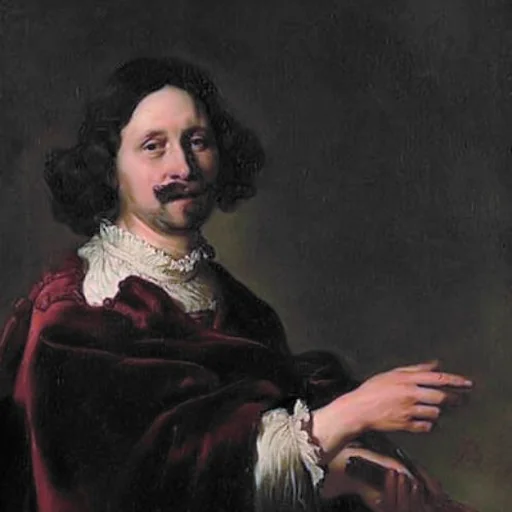
Bartholomeus Breenbergh (before 13 November 1598 – after 3 October 1657) was a Dutch Golden Age painter of Italian and Italianate landscapes, in Rome (1619-1630) and Amsterdam (1630-1657).

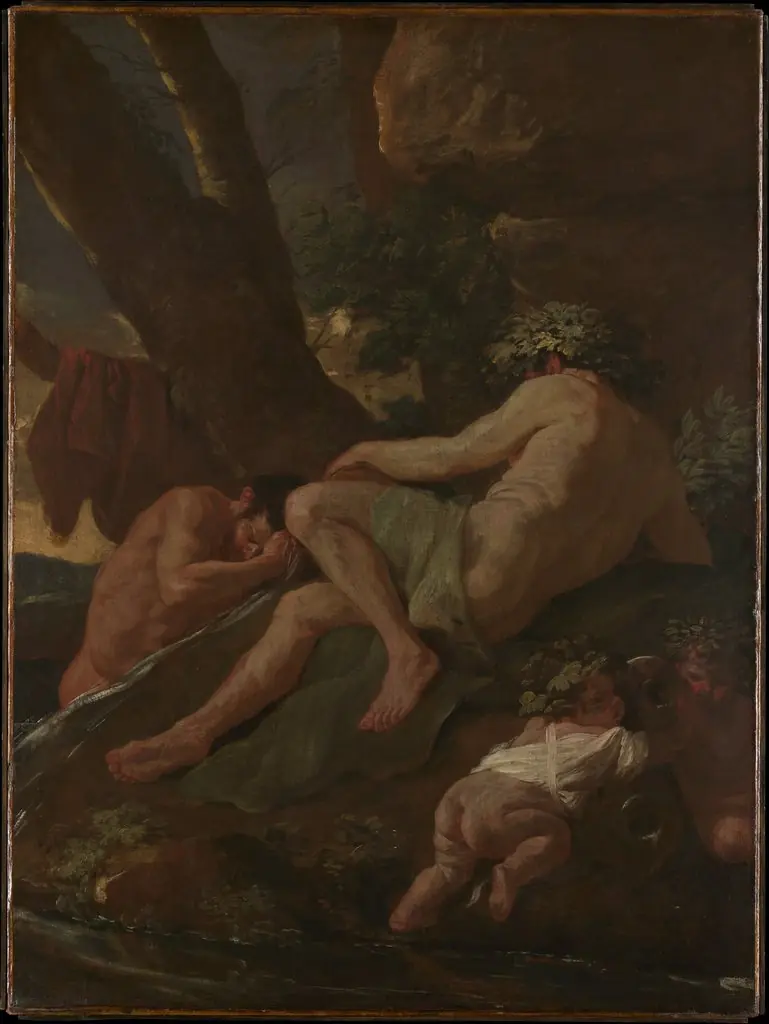 Midas Washing at the Source of the Pactolus
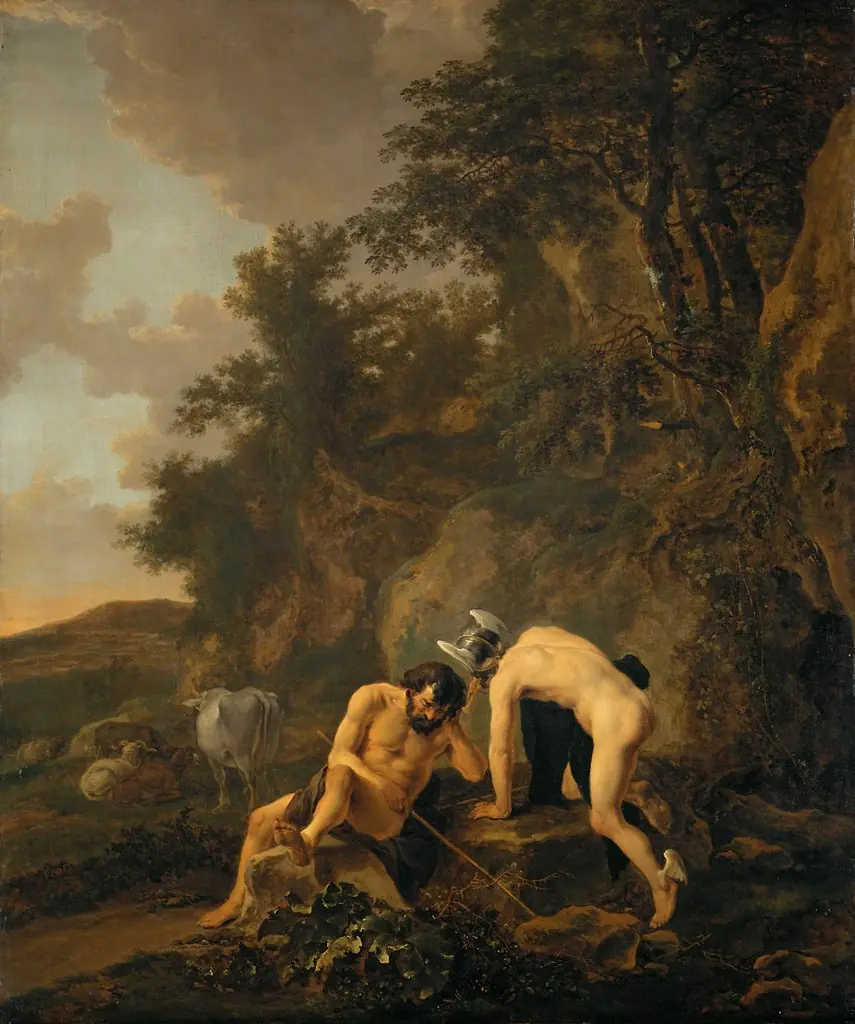 Southern rocky landscape with Mercury and Argus
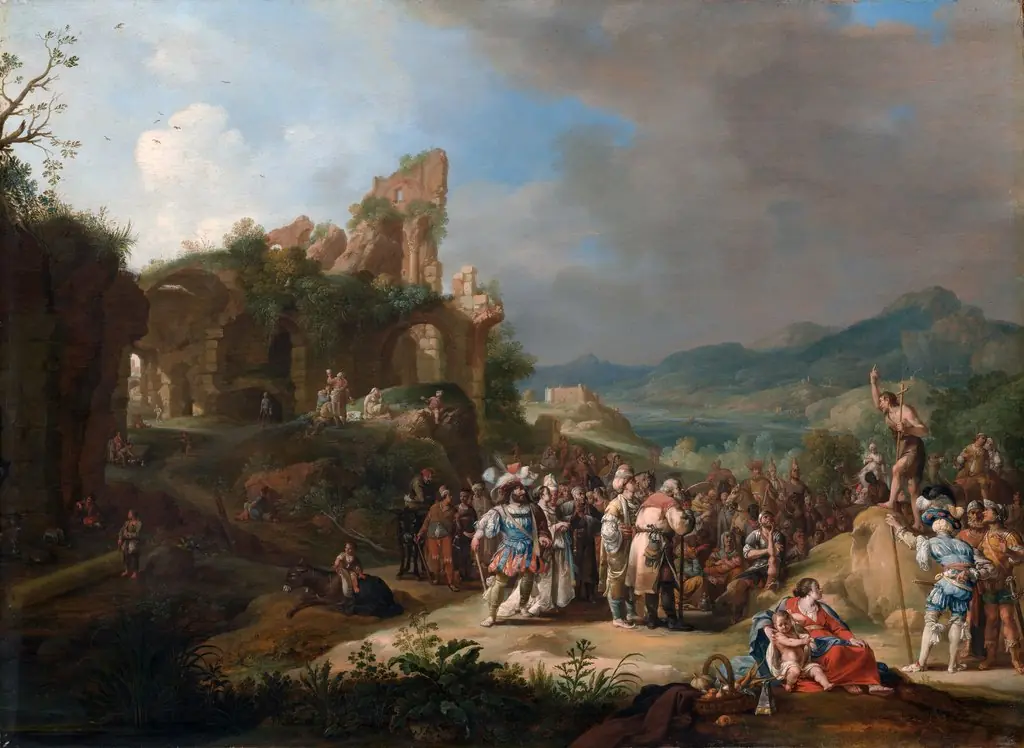
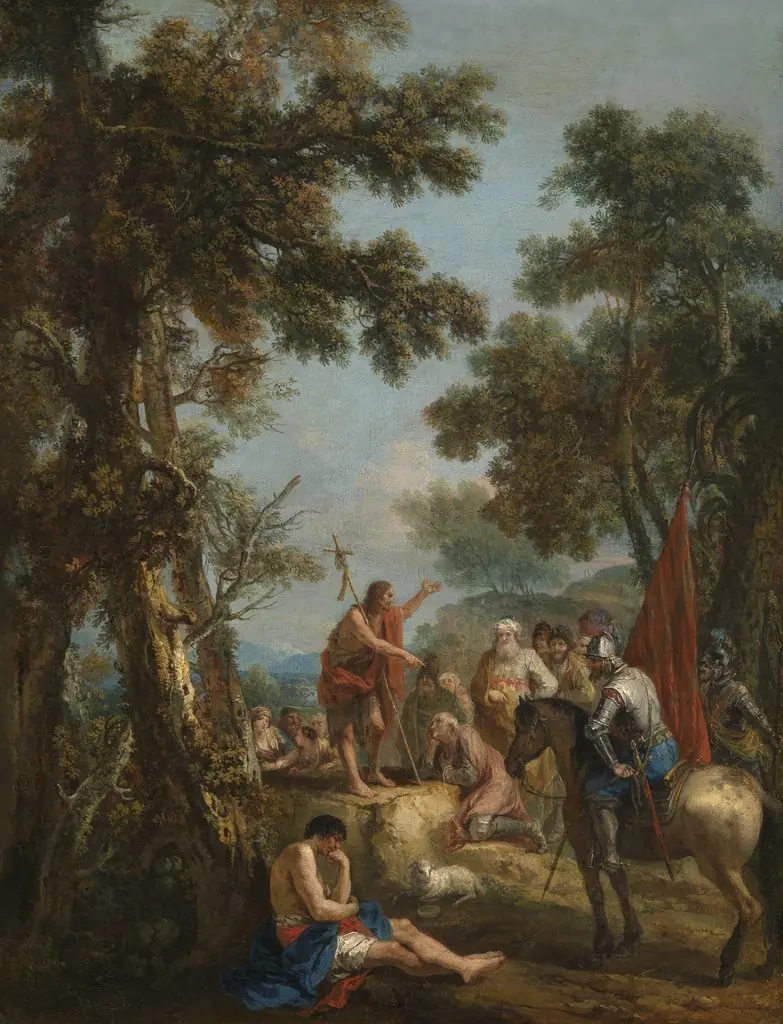 John the Baptist Preaching
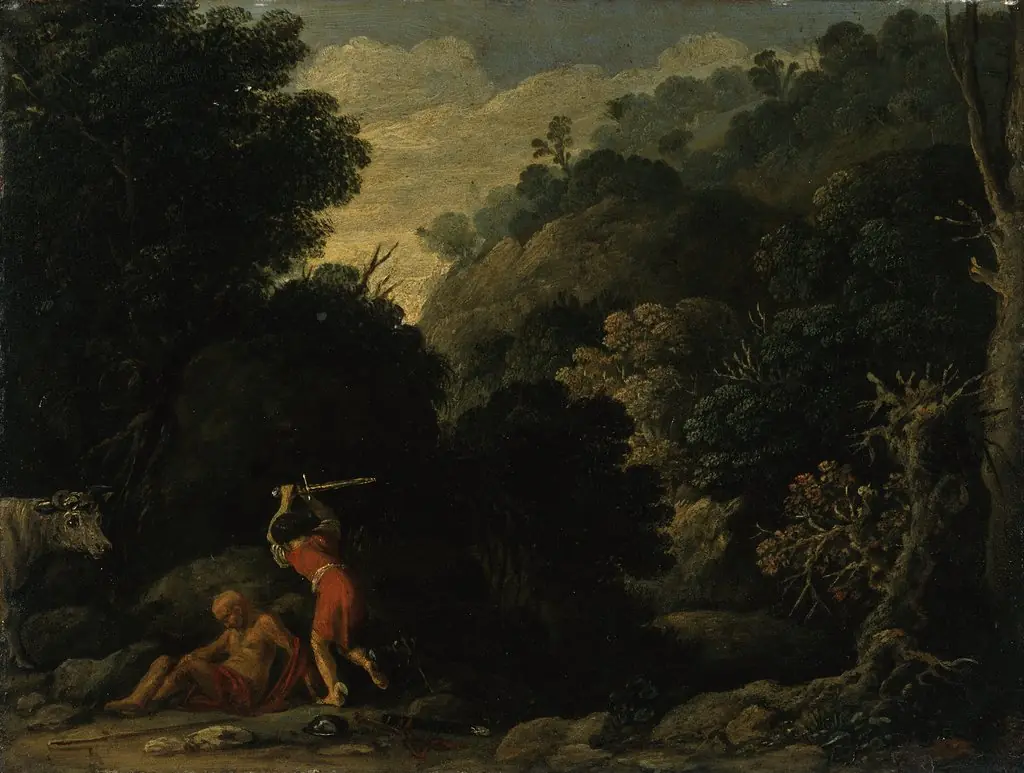 Forest Landscape with the Murder of Argus and Mercury
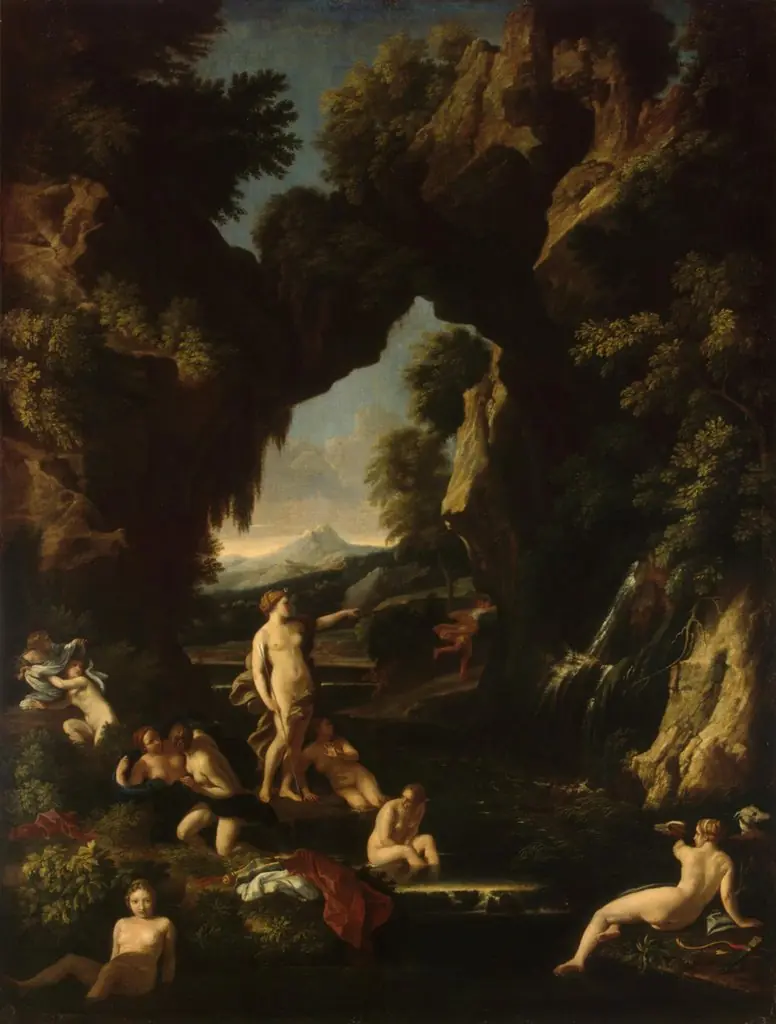 Landscape with Diana and Actaeon
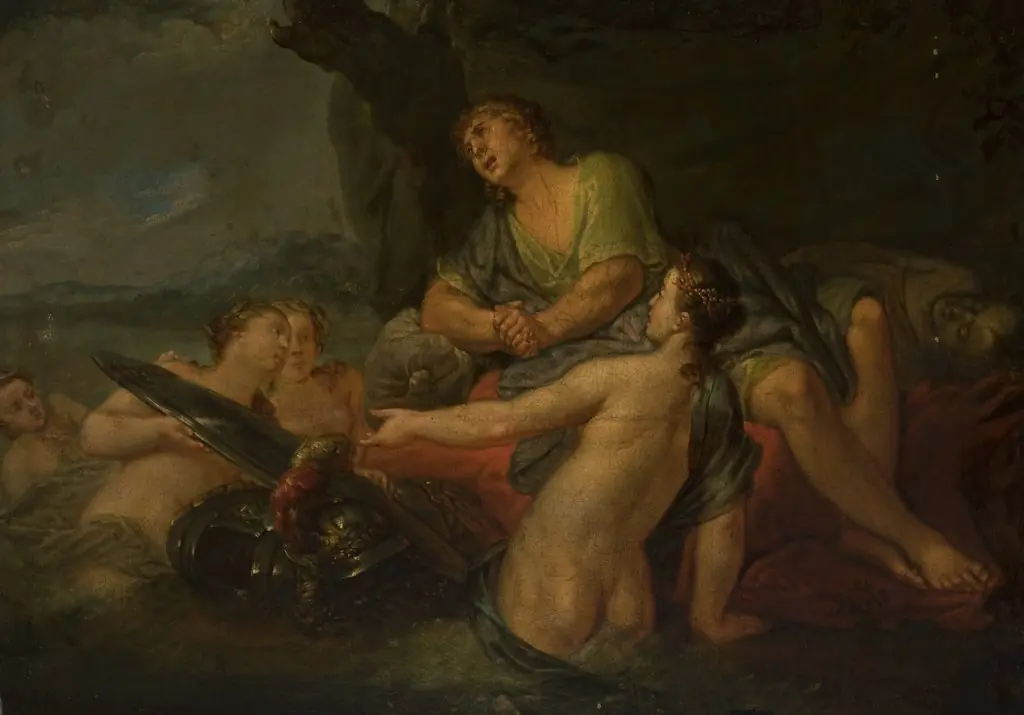 Mythological Scene
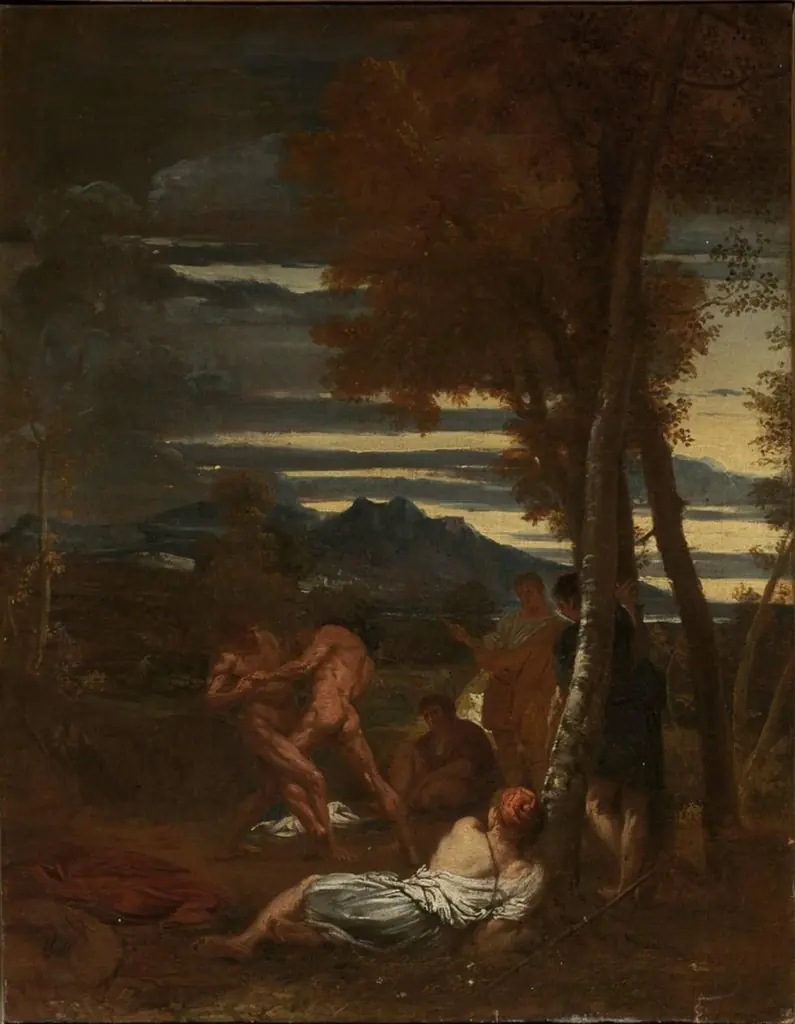 Wrestlers in a Landscape
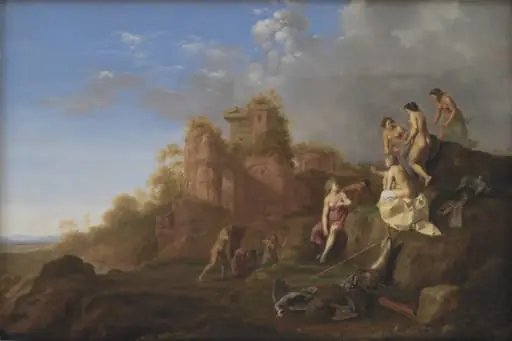 Diana and her Nymphs
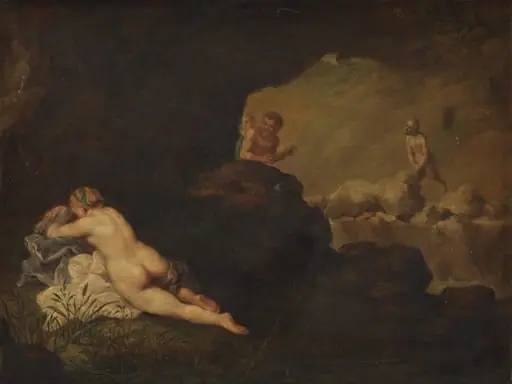 Sleeping Nymph
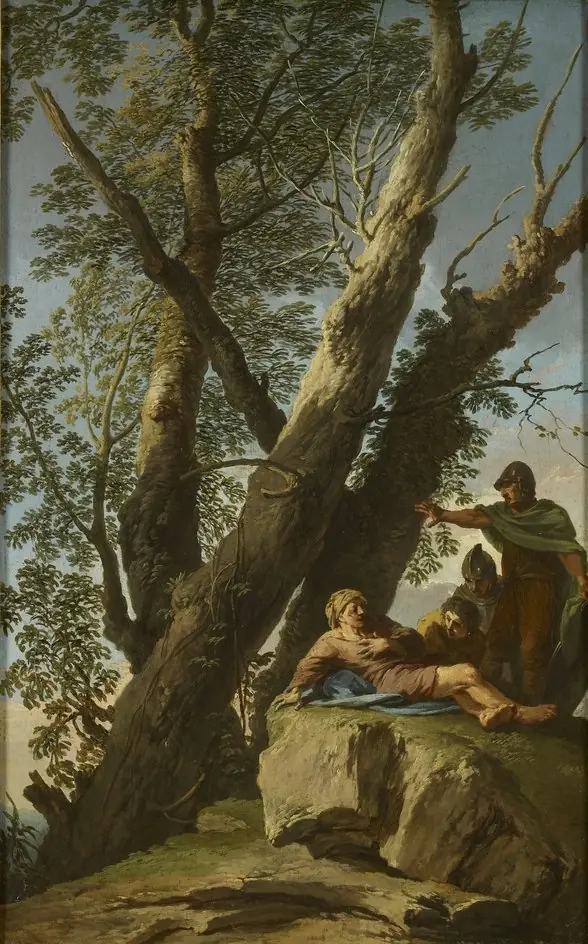 Landscape with a wounded Bandit and other Figures