Artwork
Portrait of Maritge Jansdr. Pesser
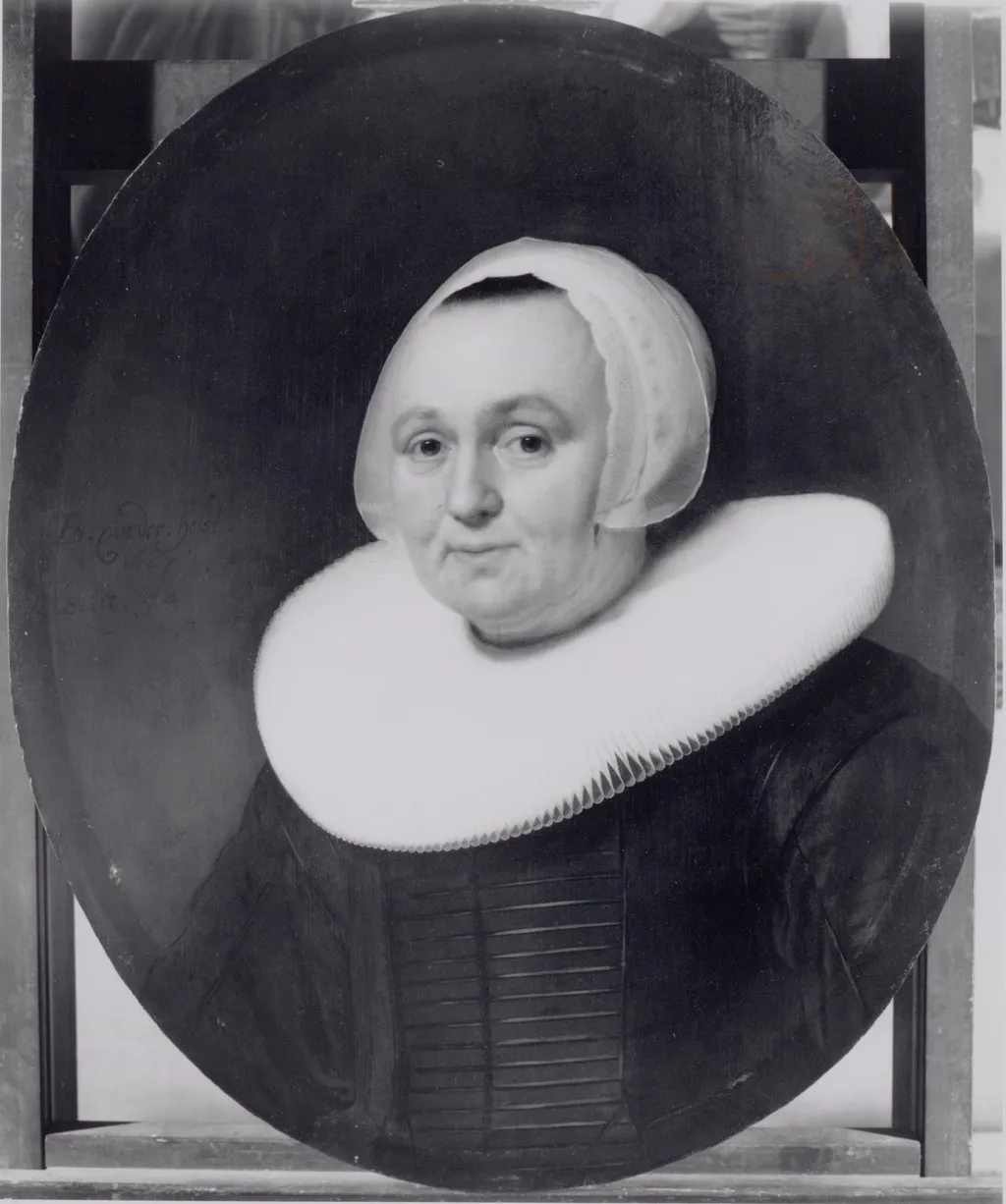
Portrait of Maritge Jansdr. Pesser is an oil painting by the Dutch Golden Age artist Bartholomeus van der Helst. It dates from 1647 and is held in the collection of the National Gallery of Ireland.
About this work
The overall mood of the painting is somber and serious, which was typical of portraits from this time period.
This painting is a portrait of a woman, likely from the 17th century. She is depicted wearing a dark dress with a high neckline and a white collar that covers her shoulders. A white headscarf covers her hair, and she looks directly at the viewer with a neutral expression.
The background of the painting is dark, which helps to highlight the subject's face and clothing. The overall mood of the painting is somber and serious, which was typical of portraits from this time period.
To learn more about the artist who created this painting, look up Bartholomeus van der Helst.
Overview
Painted in 1647 by Bartholomeus van der Helst, this oil portrait depicts Maritge Jansdr. Pesser, a woman of Amsterdam’s merchant class. The work exemplifies van der Helst’s reputation for refined, restrained portraiture favored by the city’s affluent families. It is now part of the National Gallery of Ireland’s collection, where it remains a quiet testament to the visual culture of mid-17th-century Dutch society.
Subject & Meaning
Maritge Jansdr. Pesser is portrayed with solemn dignity, her direct gaze and composed posture suggesting self-possession. Her attire—dark dress, high collar, and white headscarf—reflects modesty and social standing, typical of Protestant burgher women. The absence of ornament or symbolic objects emphasizes personal presence over status display, aligning with the era’s preference for understated virtue in portraiture.
Technique & Style
Van der Helst employed subtle gradations of oil paint to render texture and form with precision. The dark background isolates the figure, drawing attention to the crisp folds of her collar and the softness of her skin. Brushwork is controlled yet fluid, avoiding theatricality. The lighting is even and naturalistic, enhancing the psychological stillness of the sitter without dramatizing her expression.
History & Provenance
Commissioned in 1647, the portrait remained within Dutch private collections before entering the National Gallery of Ireland’s holdings. Its documented history is modest, lacking dramatic transitions or royal associations. Its survival reflects its enduring value as a representative work of van der Helst’s output, preserved through generations of careful stewardship rather than public acclaim.
Context
In 1640s Amsterdam, portraiture served as both personal commemoration and social affirmation. Van der Helst, among the most sought-after painters of his time, catered to a clientele that valued discretion over grandeur. This portrait aligns with a broader trend: middle-class sitters preferred restrained depictions that conveyed moral seriousness and economic stability over aristocratic flourish.
Legacy
Though less celebrated than some contemporaries, van der Helst’s portraits like this one contributed to the evolution of Dutch civic portraiture. The painting’s quiet authority and technical precision influenced later generations of artists seeking to capture individual character without embellishment. It endures as a representative example of how dignity was visually constructed in early modern Dutch society.
Artist & collection
Artist
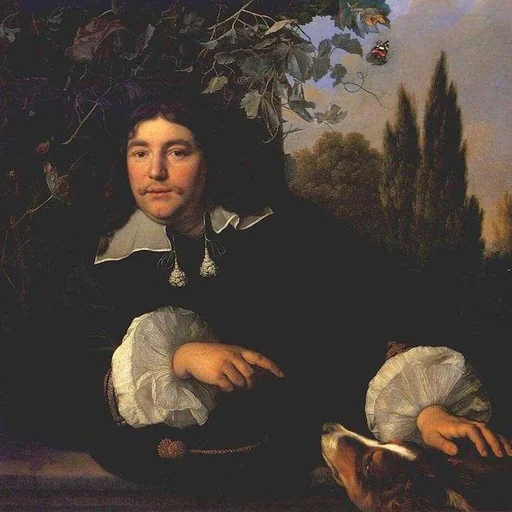
Bartholomeus van der Helst (1613 – buried 16 December 1670) was a Dutch painter. Considered to be one of the leading portrait painters of the Dutch Golden Age, his elegant portraits gained him the patronage of…

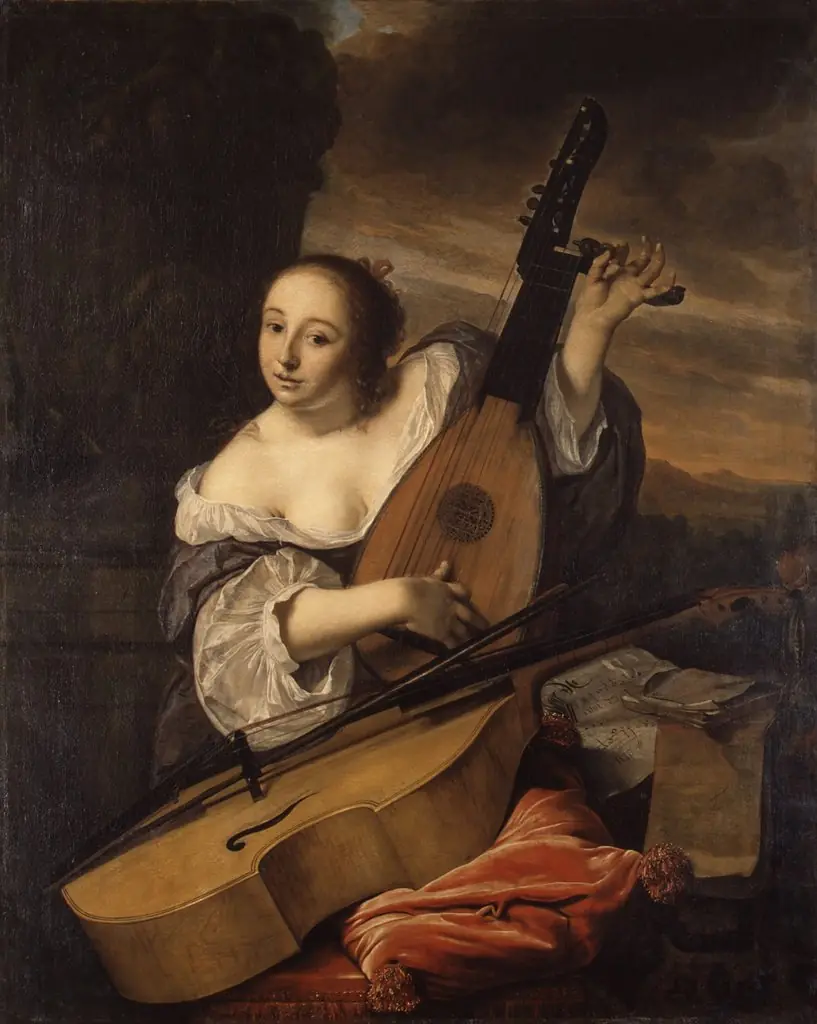 The Musician
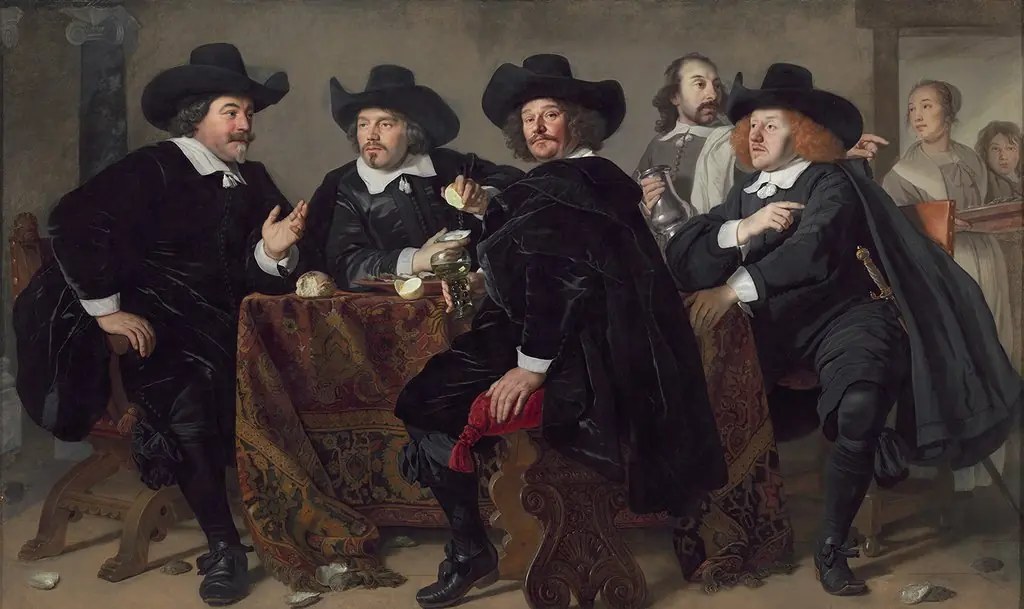 Four directors of the arquebusier's guild, Amsterdam, 1655
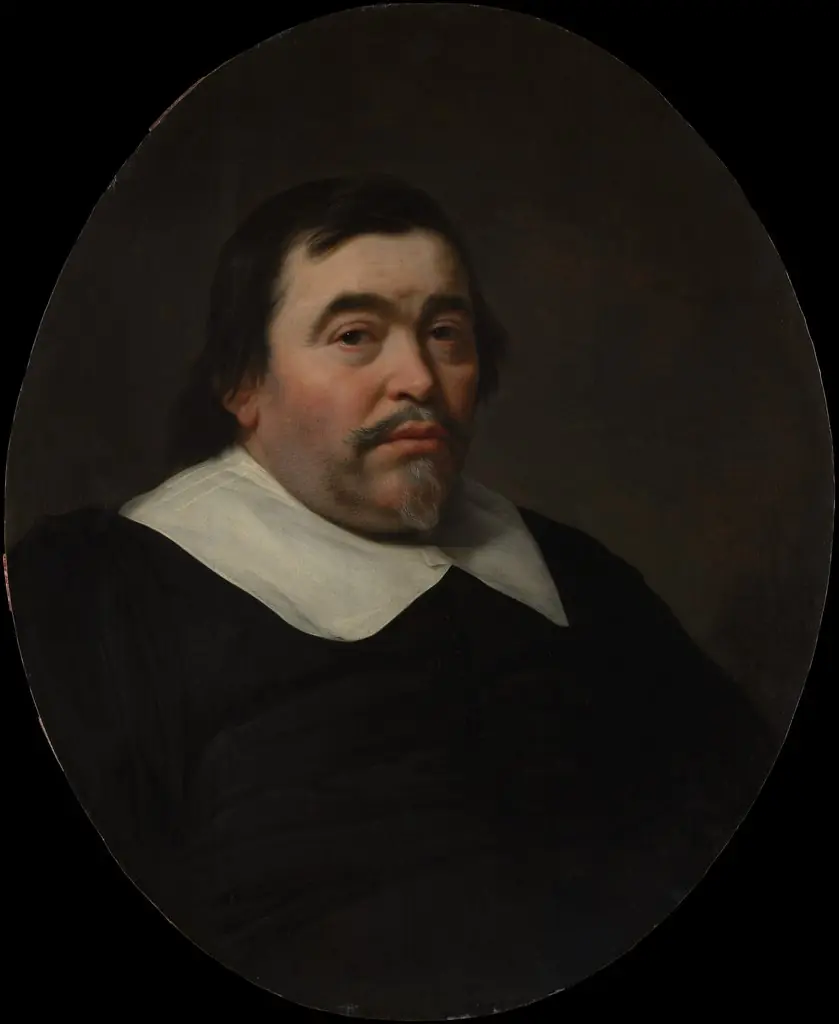 Portrait of a Man
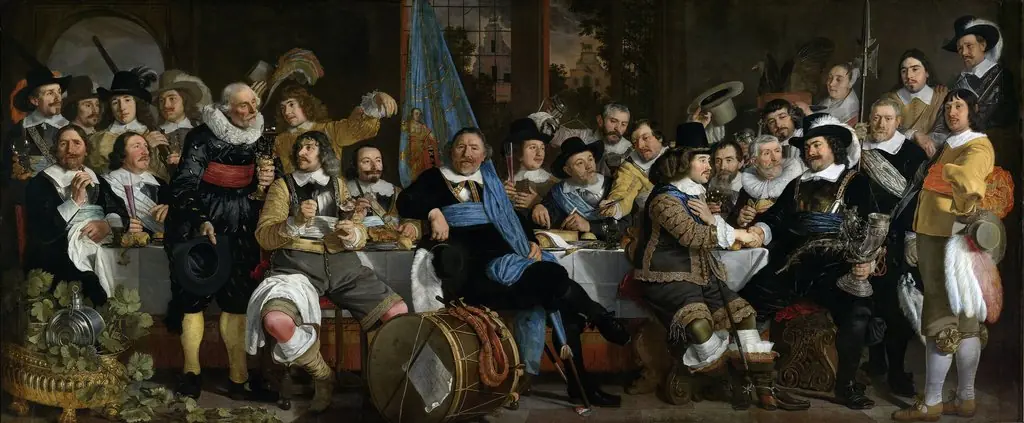 Banquet at the Crossbowmen’s Guild in Celebration of the Treaty of Münster
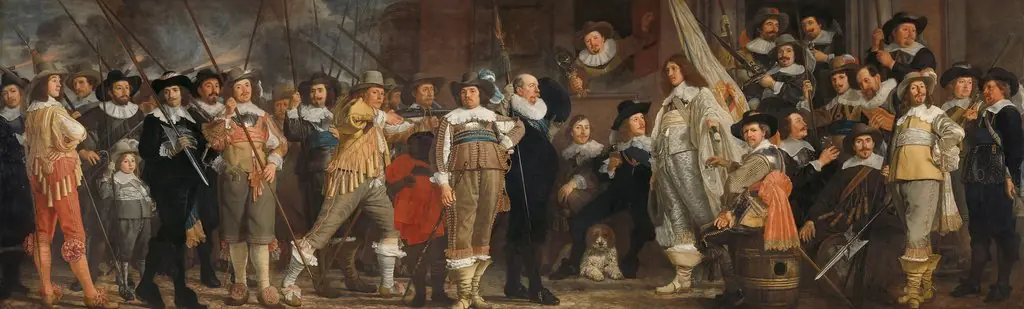 Militia Company of District VIII under the Command of Captain Roelof Bicker
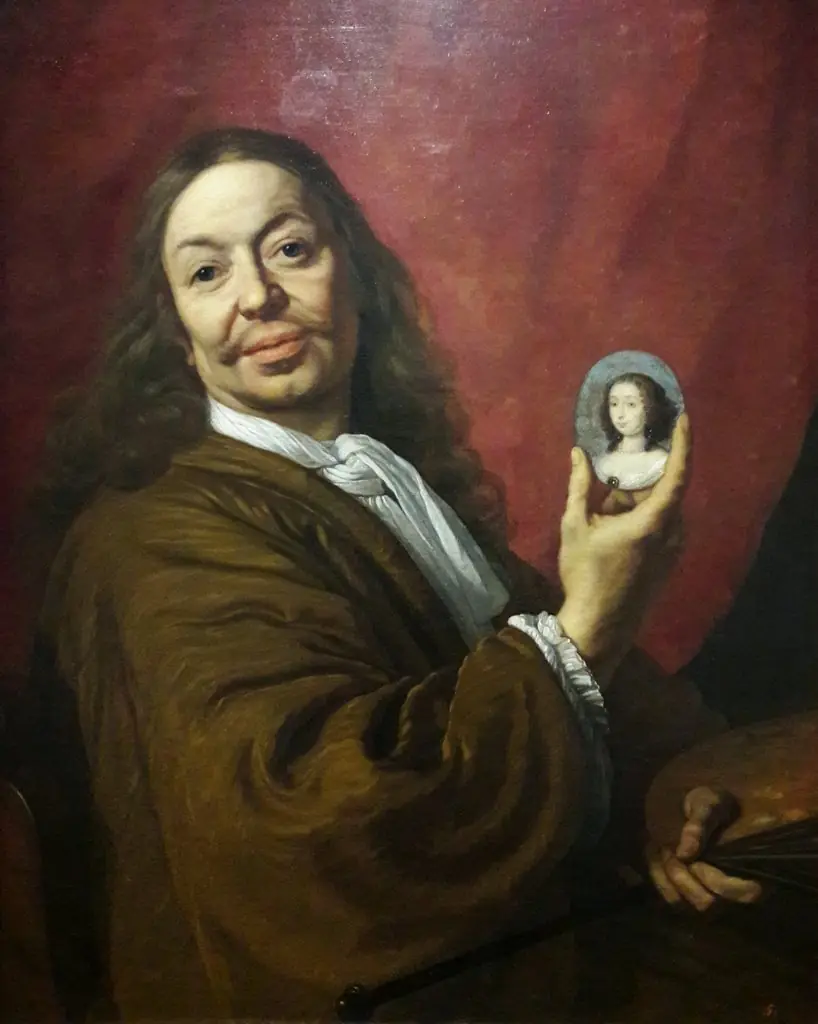 Self-portrait
 Nieuwmarkt in Amsterdam
 Egbert Meeuwsz Cortenaer (1605-65). Vice admiral, admiralty of the Maas, Rotterdam
 Portrait of a Woman
 Portrait of the sister of Dirck Baltus
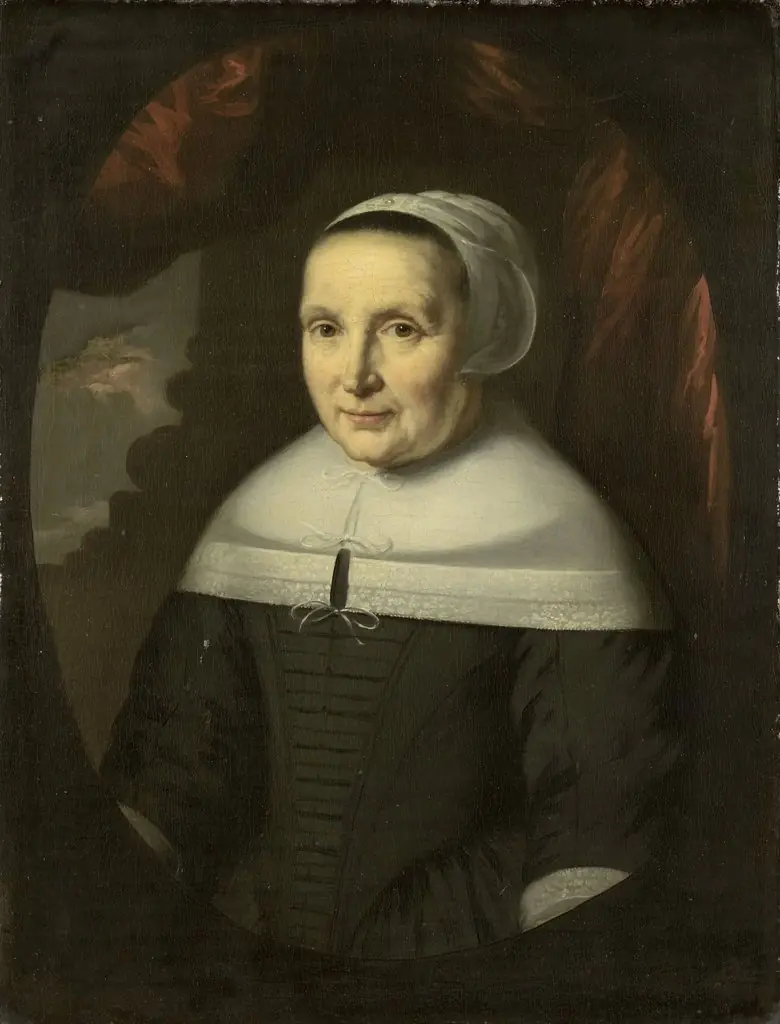 Portrait of Aeltje Denijs (b. 1598/99), wife of Hendrick Wijnands and mother of Dionijs Wijnands
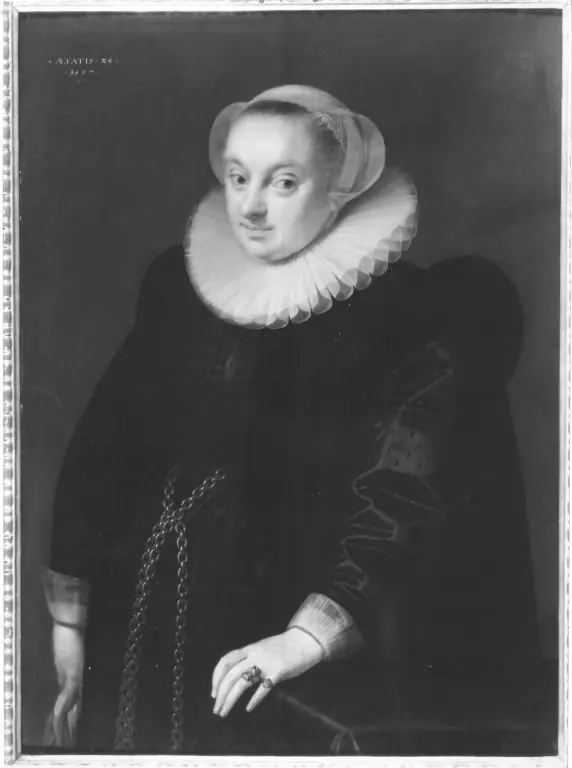 Portrait of a woman
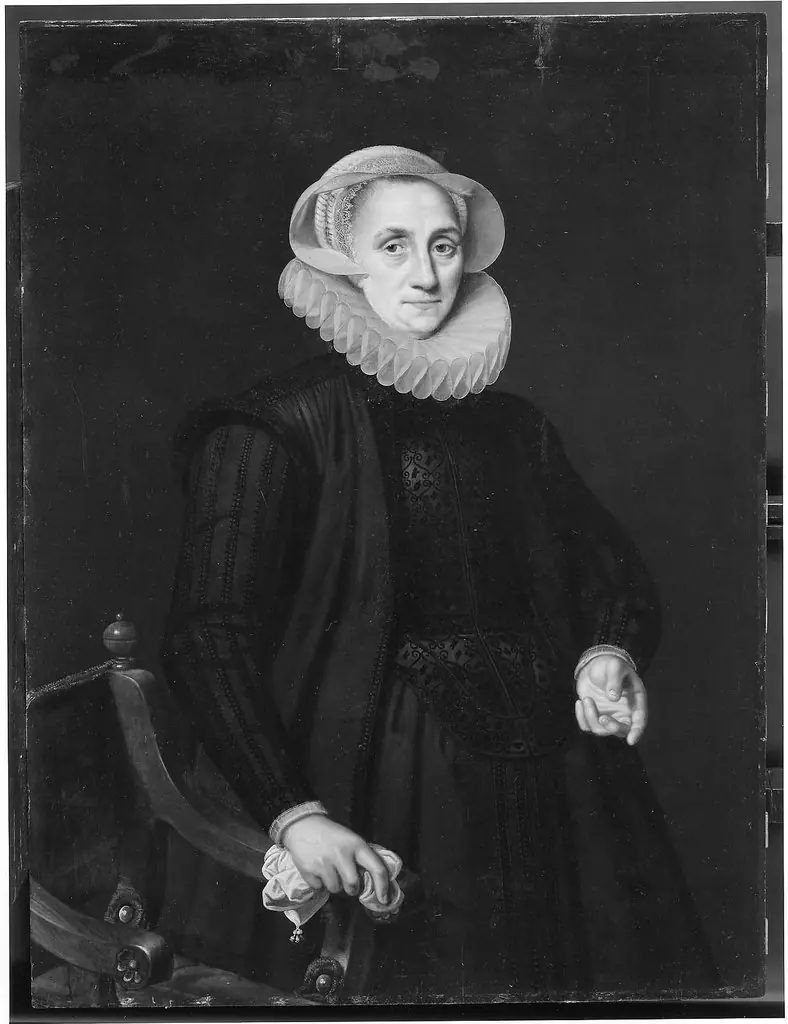 Portrait of a Woman Standing beside a Chair
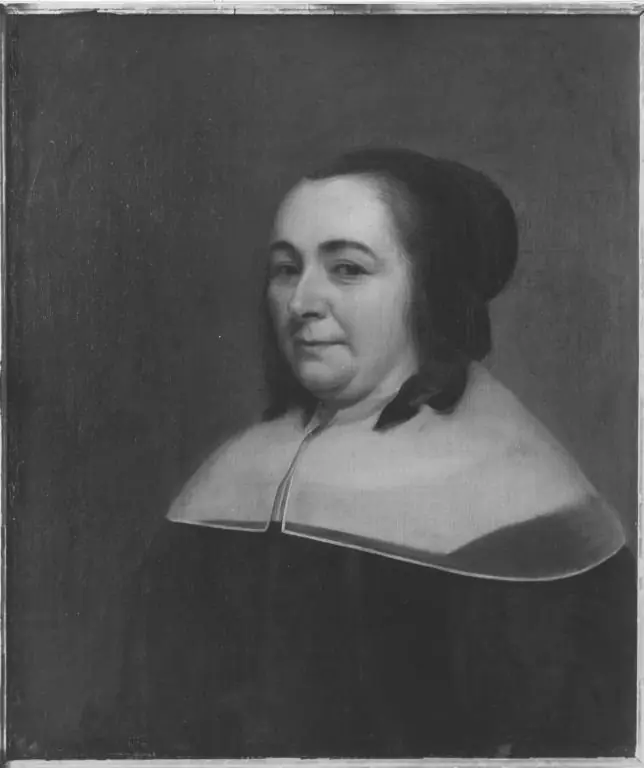 Bildnis einer älteren Dame
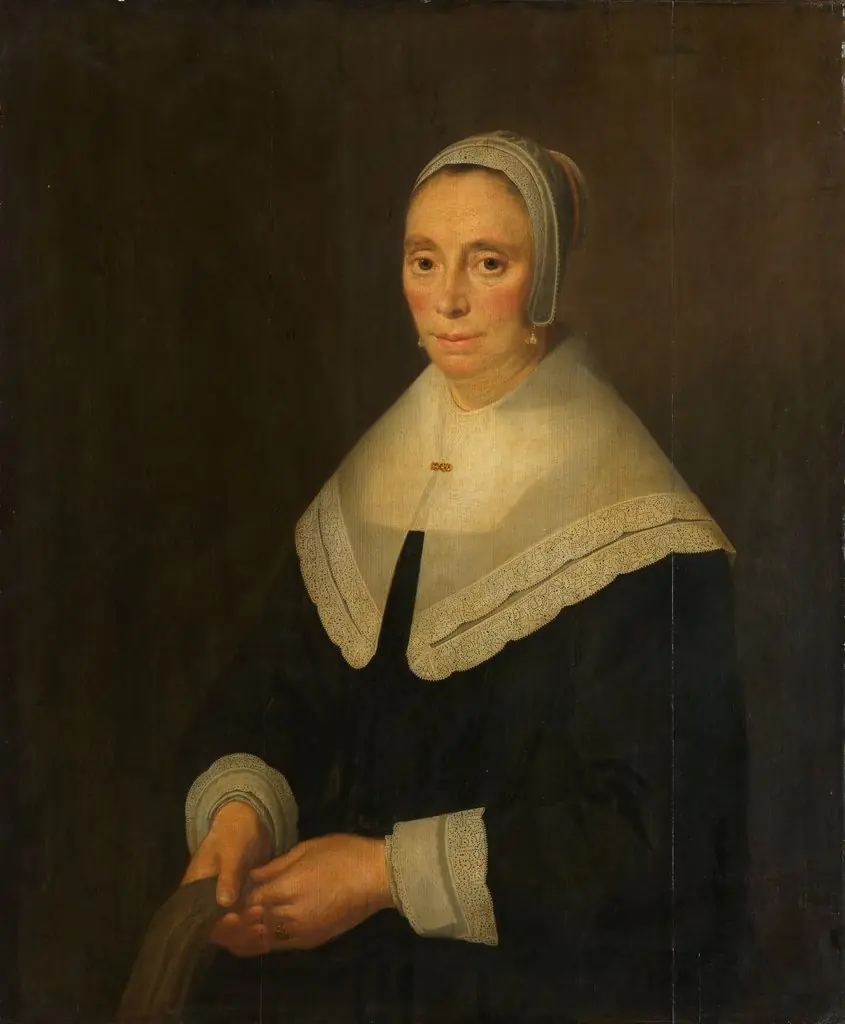 Portrait of a woman
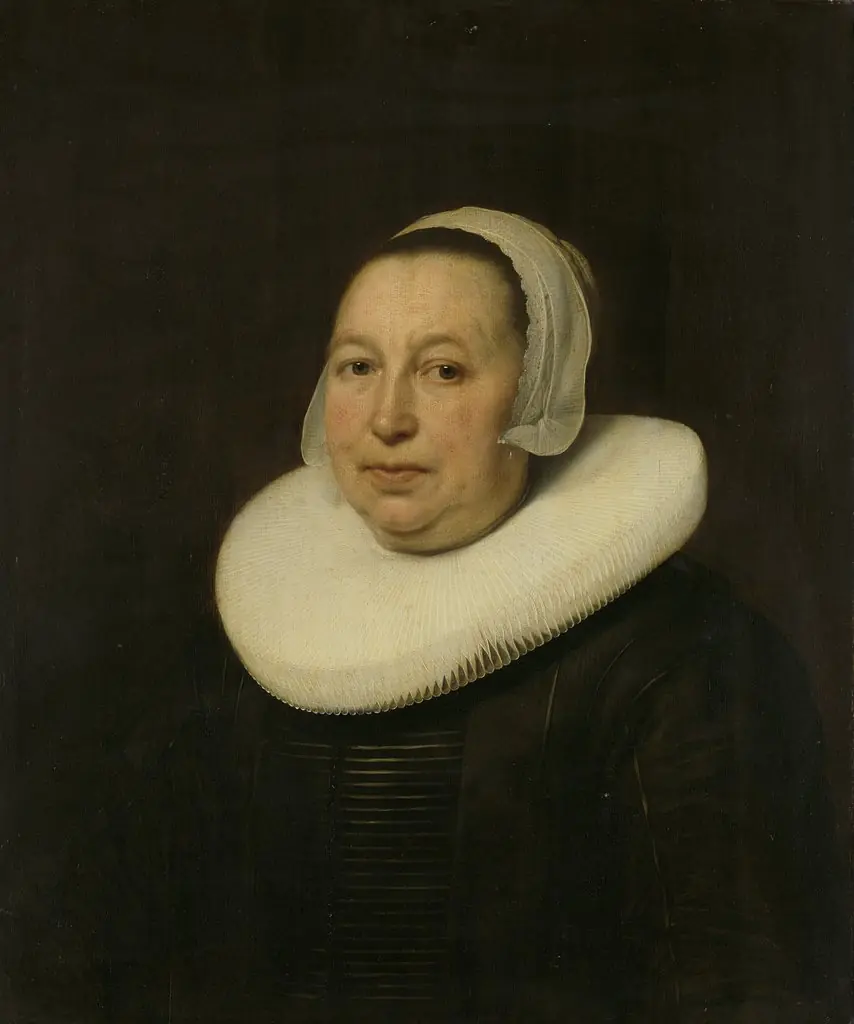 Maria Pietersdr de Leest (d 1652). Wife of Samuel van Lansbergen
 Frauenbildnis
 Portrait of a Woman
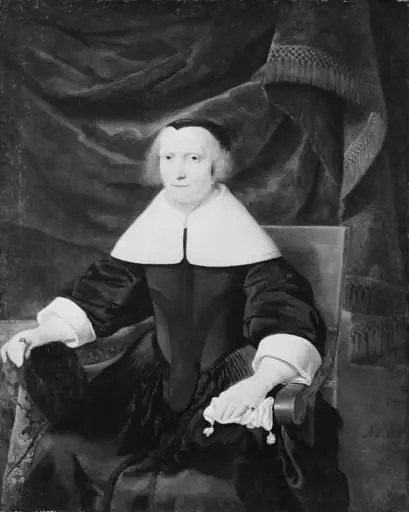 Portrait of a Woman
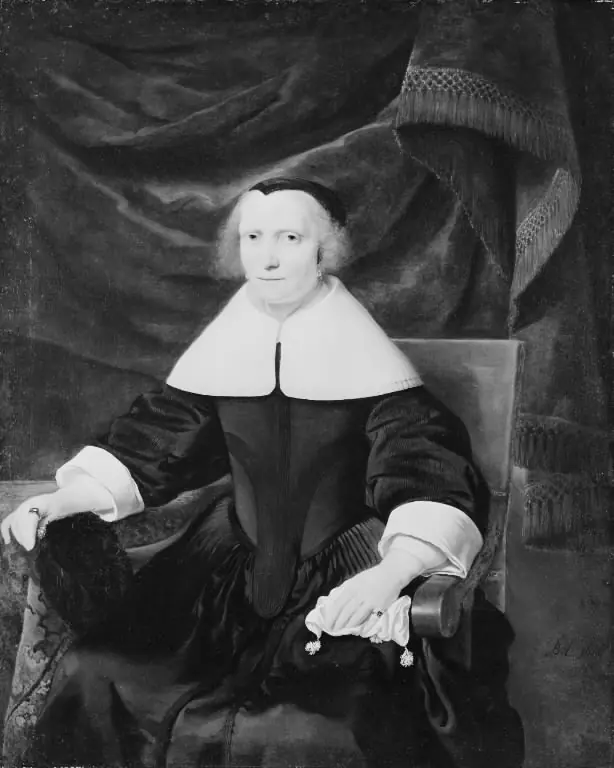 Portrait of a Woman