Artwork
Bildnis einer älteren Dame
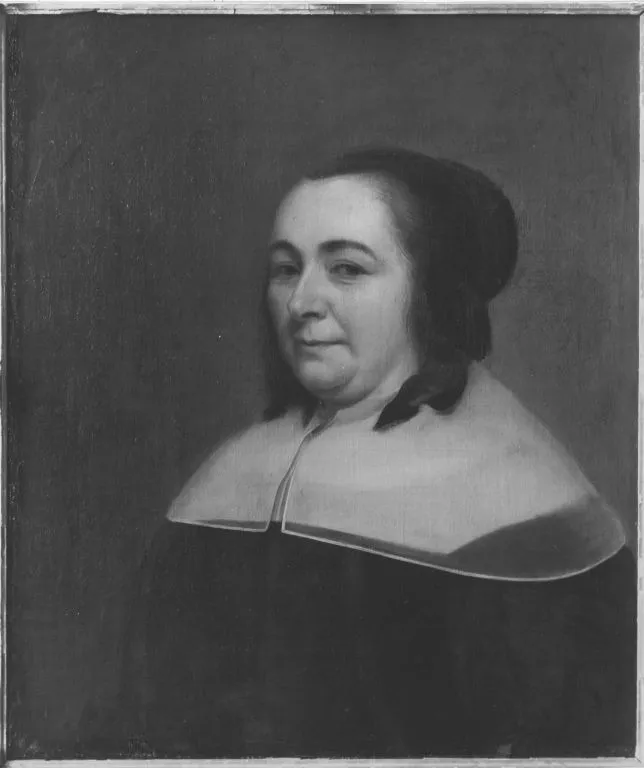
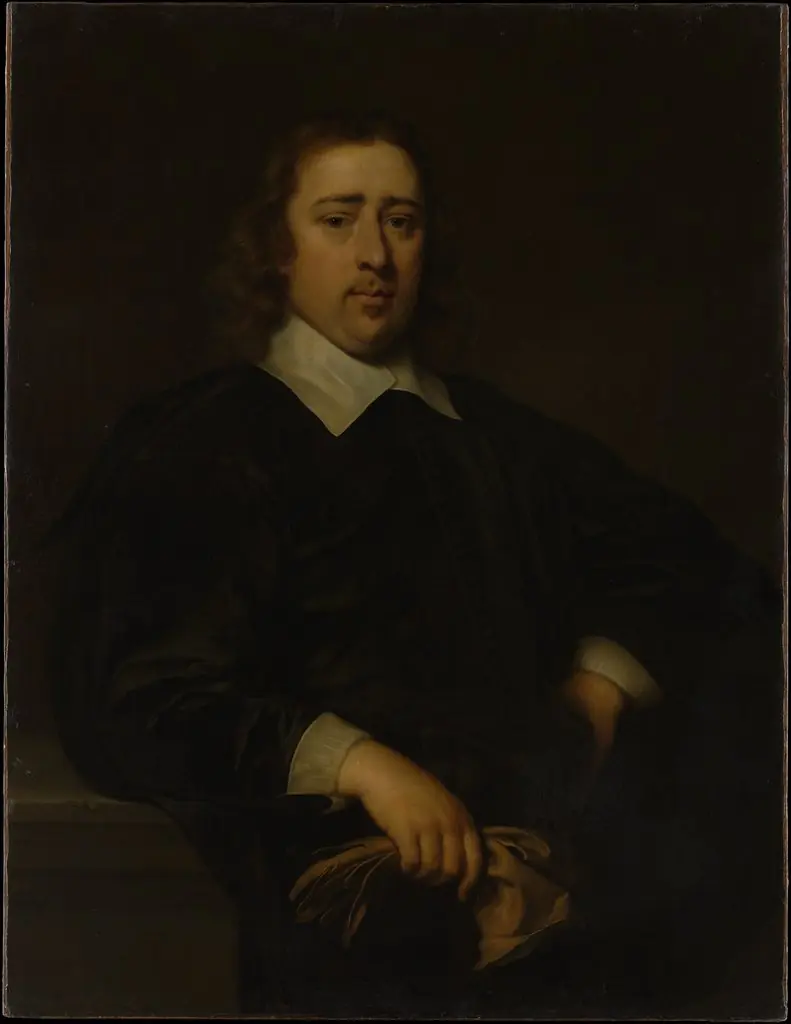
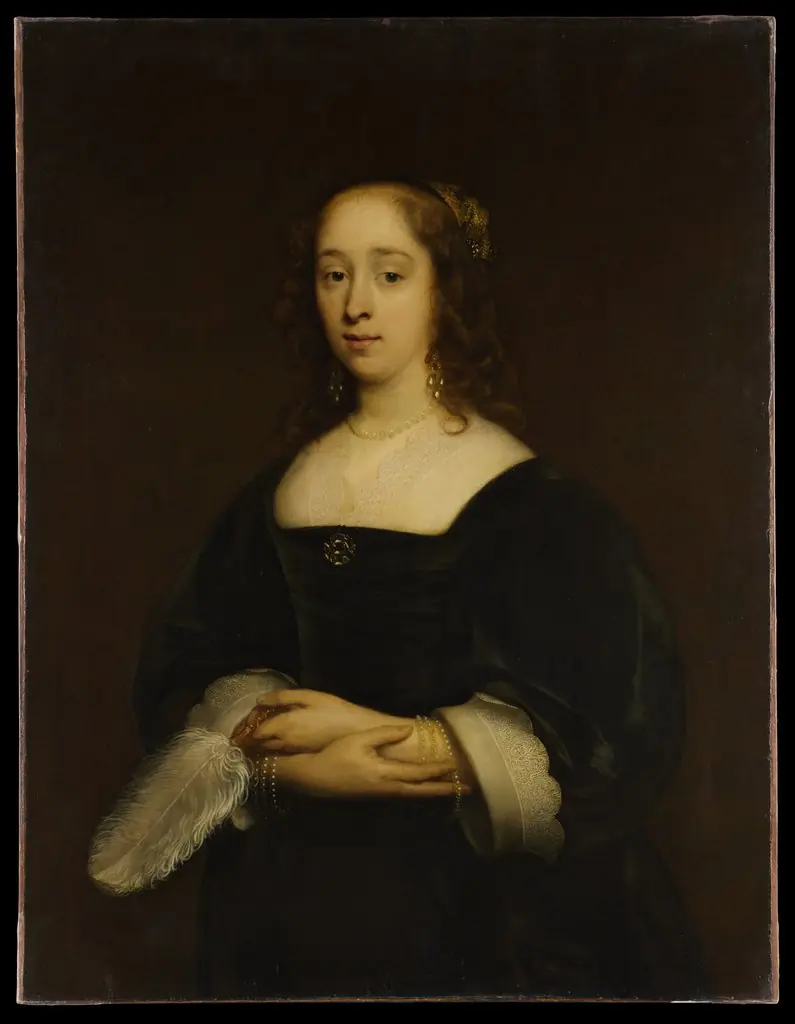
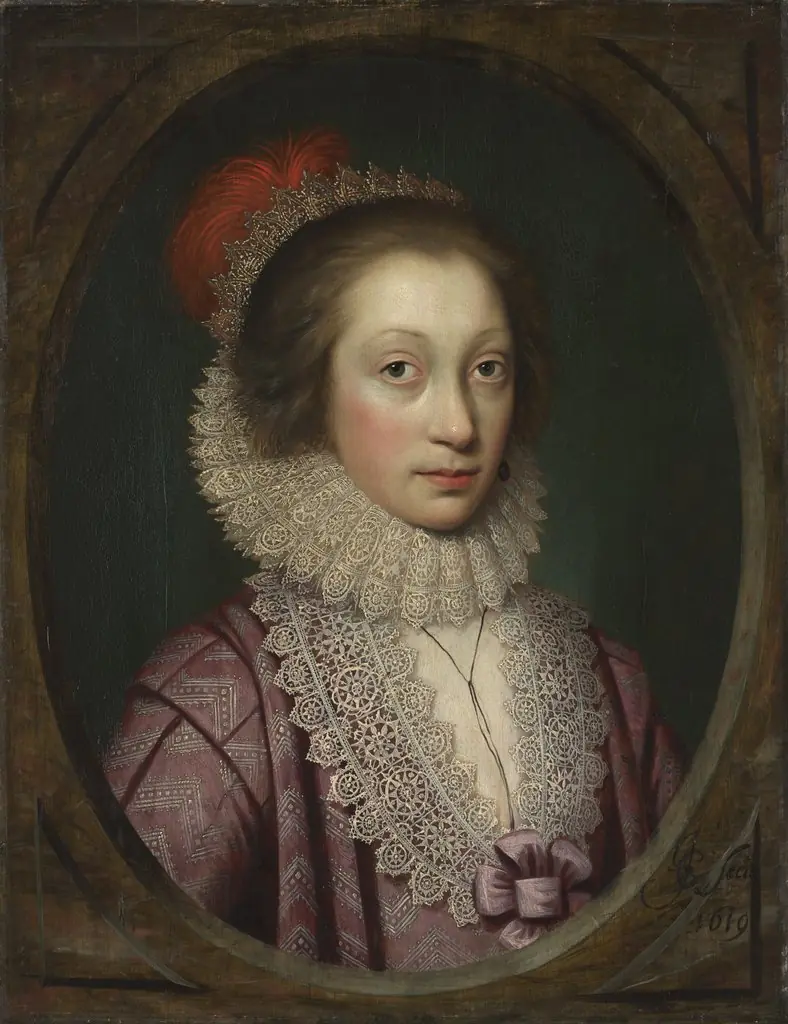
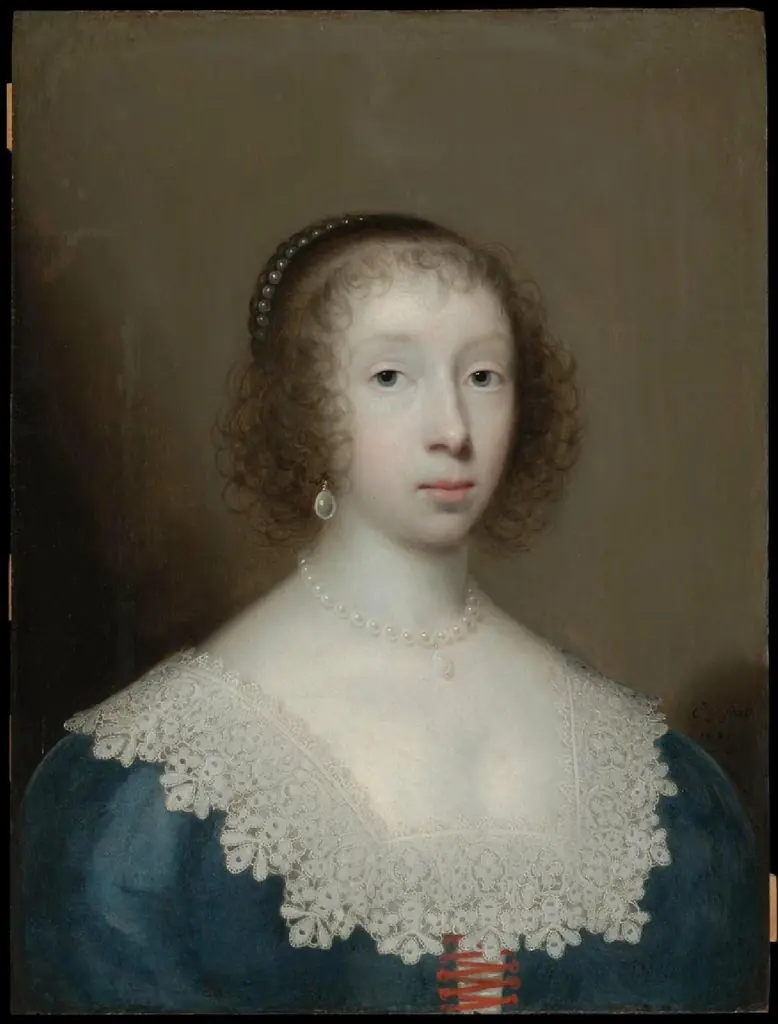
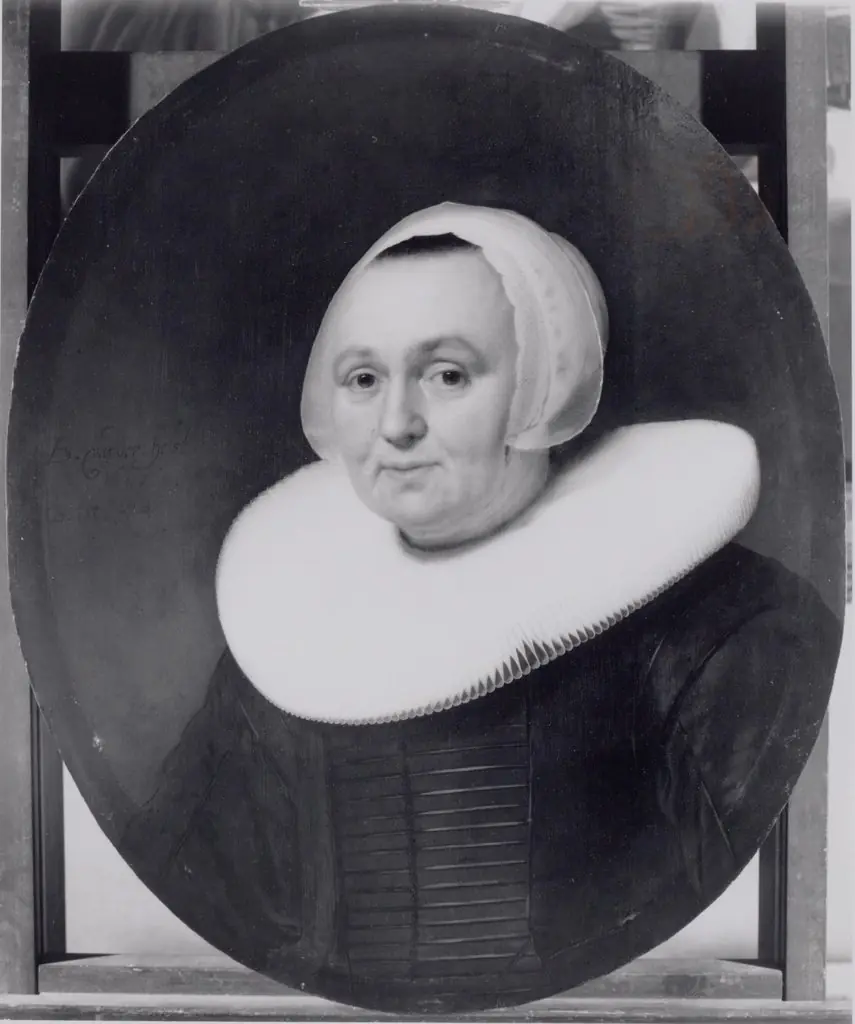
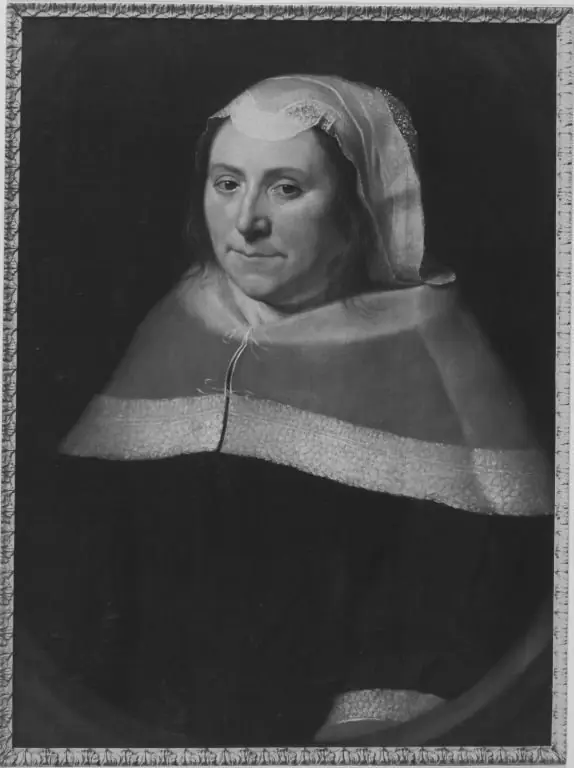
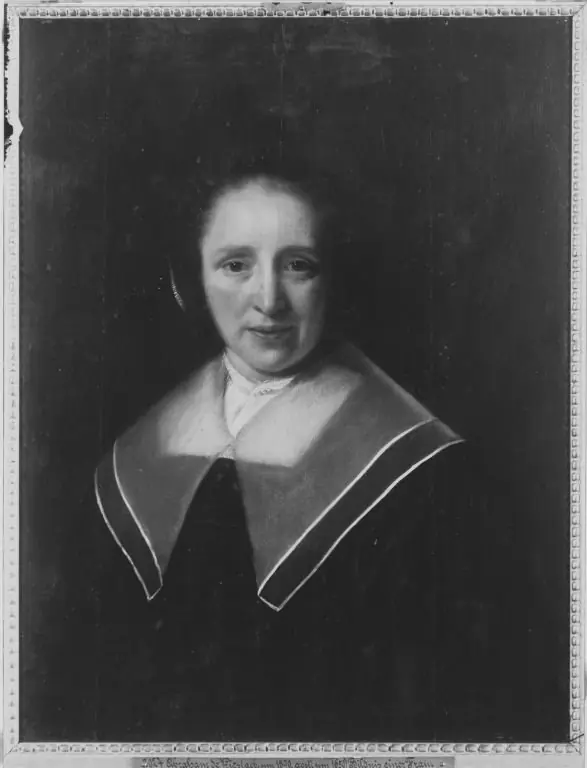
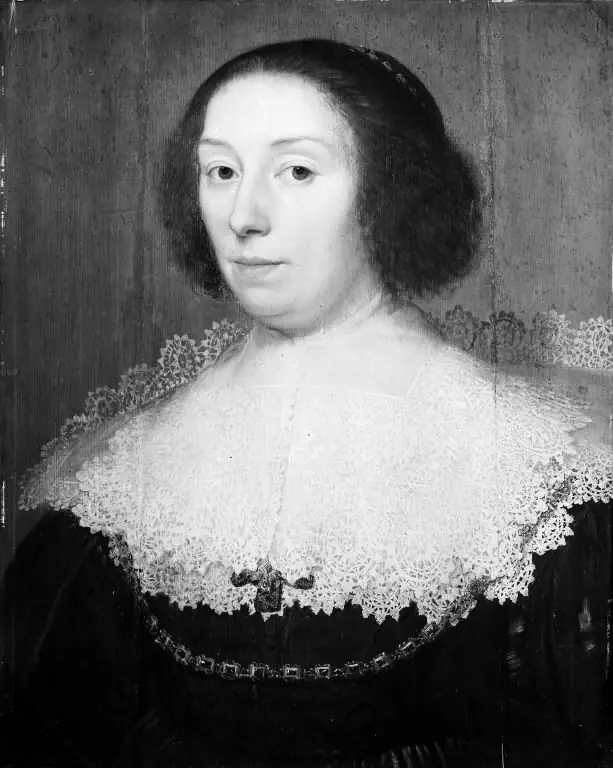
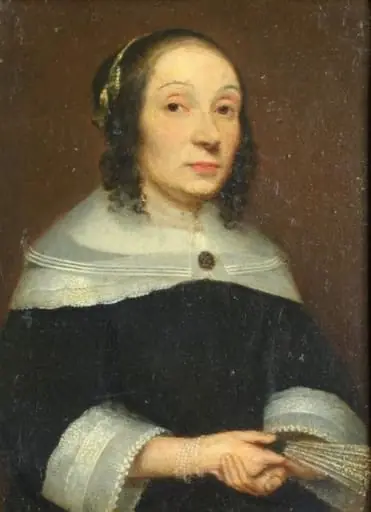
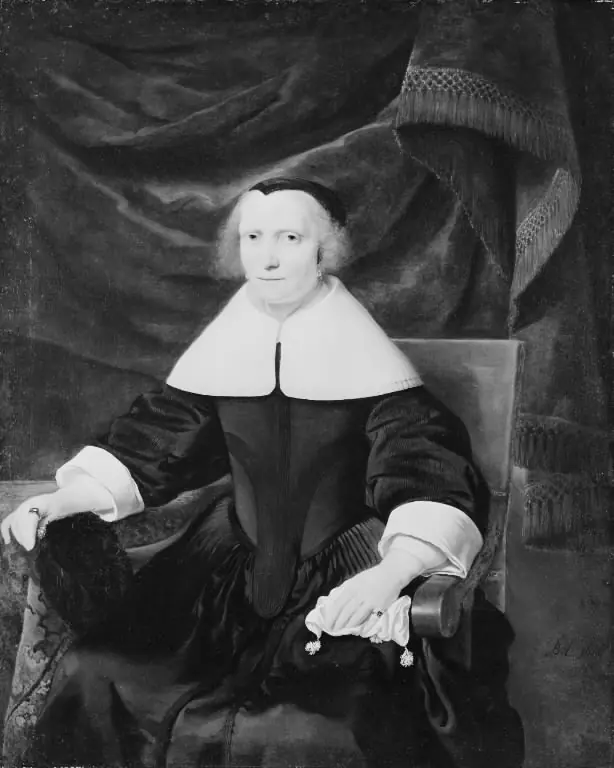
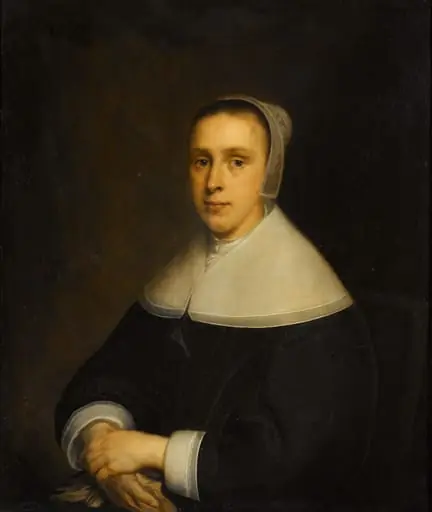
Bildnis einer älteren Dame is an unspecified painting by the Flemish Baroque painting artist Cornelis Janssens van Ceulen. It dates from 1627 and is held in the collection of the Bavarian State Painting Collections.
About this work
Overview
Van Ceulen, born in London to Dutch-speaking parents, worked primarily in England as a portraitist, producing numerous signed works.
Painted in 1627 by Cornelis Janssens van Ceulen, this portrait captures an elderly woman with quiet dignity. Van Ceulen, born in London to Dutch-speaking parents, worked primarily in England as a portraitist, producing numerous signed works. The painting is part of the Alte Pinakothek’s collection and reflects the Flemish Baroque tradition, emphasizing realism and psychological presence over ornamentation.
Subject & Meaning
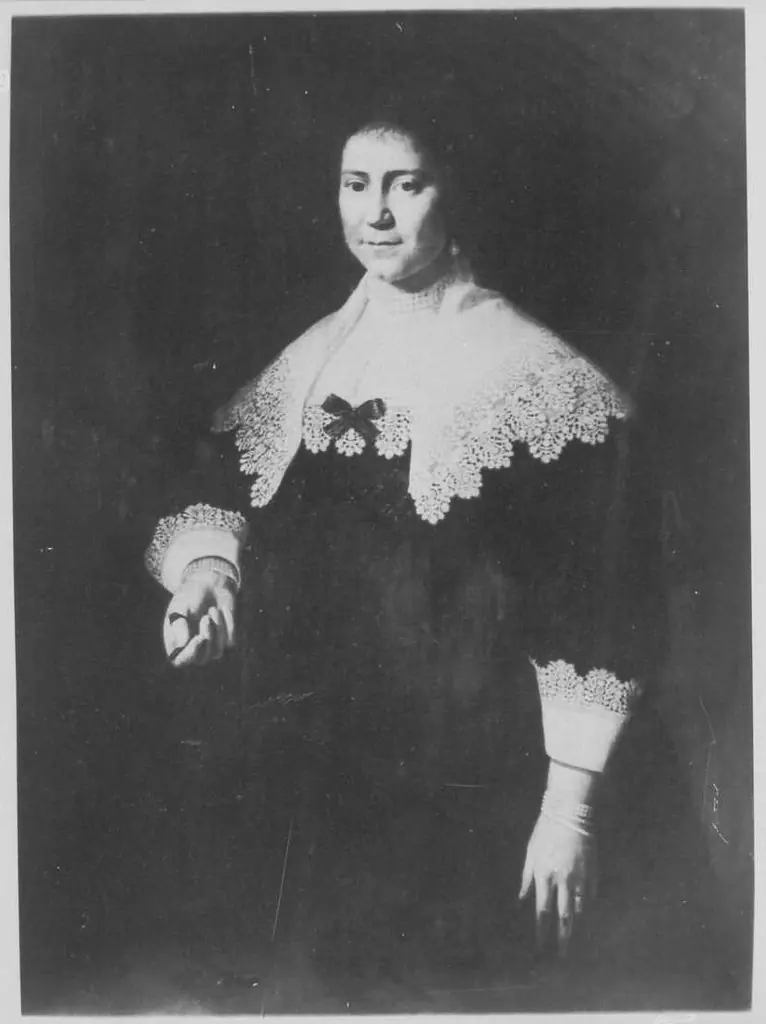
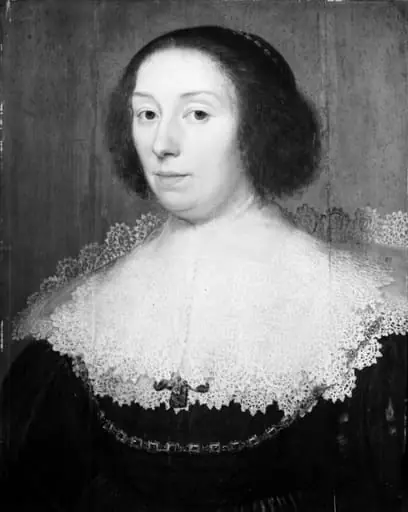
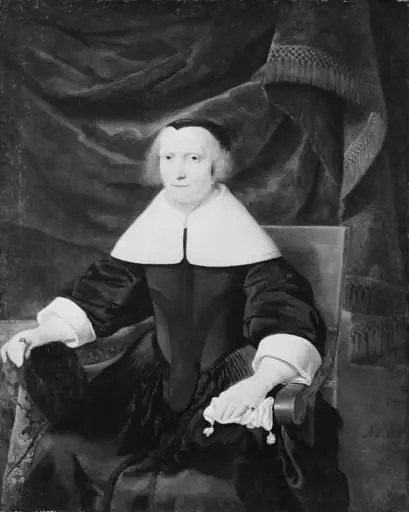
The sitter is an older woman, portrayed without idealization. Her plain features and solemn expression suggest introspection rather than status display. The absence of jewelry or elaborate attire implies a focus on inner character rather than social rank. The restrained composition invites contemplation of age, dignity, and quiet resilience, common themes in Northern European portraiture of the period.
Technique & Style
Van Ceulen employs chiaroscuro to define the woman’s face and collar, using sharp contrasts between light and shadow to model form. The dark, uniform background isolates her figure, enhancing focus on her expression and attire. Her clothing—simple cap, white collar, and dark ribbon—is rendered with precise brushwork, avoiding decorative flourishes. The technique prioritizes clarity and emotional gravity over theatricality.
History & Provenance
The painting has been in the Alte Pinakothek’s collection since at least the 19th century, though its earlier ownership remains undocumented. Van Ceulen’s prolific output in England ensured wide circulation of his works, but few of his portraits entered major German collections. Its preservation in Munich suggests it was acquired during a period of heightened interest in Northern European portraiture.
Context
Created during the early 17th century, this portrait aligns with a broader Northern European trend favoring sober, psychologically nuanced depictions of non-noble subjects. While Italian Baroque art emphasized drama and movement, Dutch and Flemish artists often turned to intimate, understated realism. Van Ceulen’s work reflects this regional preference, bridging English practice with Flemish traditions.
Legacy
Though van Ceulen is not widely known today, his body of work contributed to the development of English portraiture before the rise of Van Dyck. This painting exemplifies the quiet, observational style that preceded the more flamboyant court portraits of the mid-century. Its endurance in a major museum underscores its value as a representative example of early Baroque realism beyond elite circles.
Artist & collection
Artist
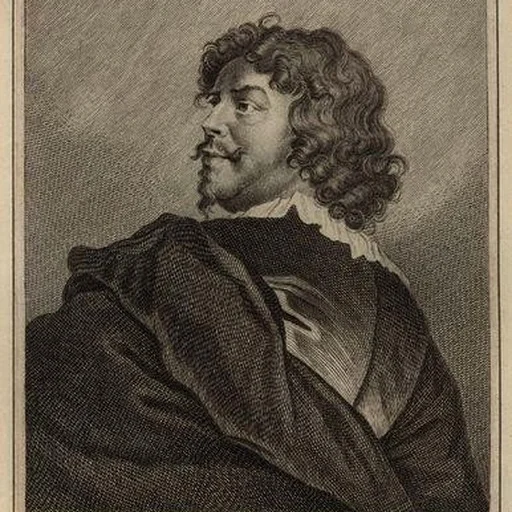
Cornelis Janssens (born Cornelis Janssens van Ceulen, Dutch: ; bapt. 14 October 1593 – bur. 5 August 1661) was an Anglo-Dutch painter of portraits. Born of Dutch or Flemish parents who fled to London from Antwerp to…