Artwork
The Annunciation
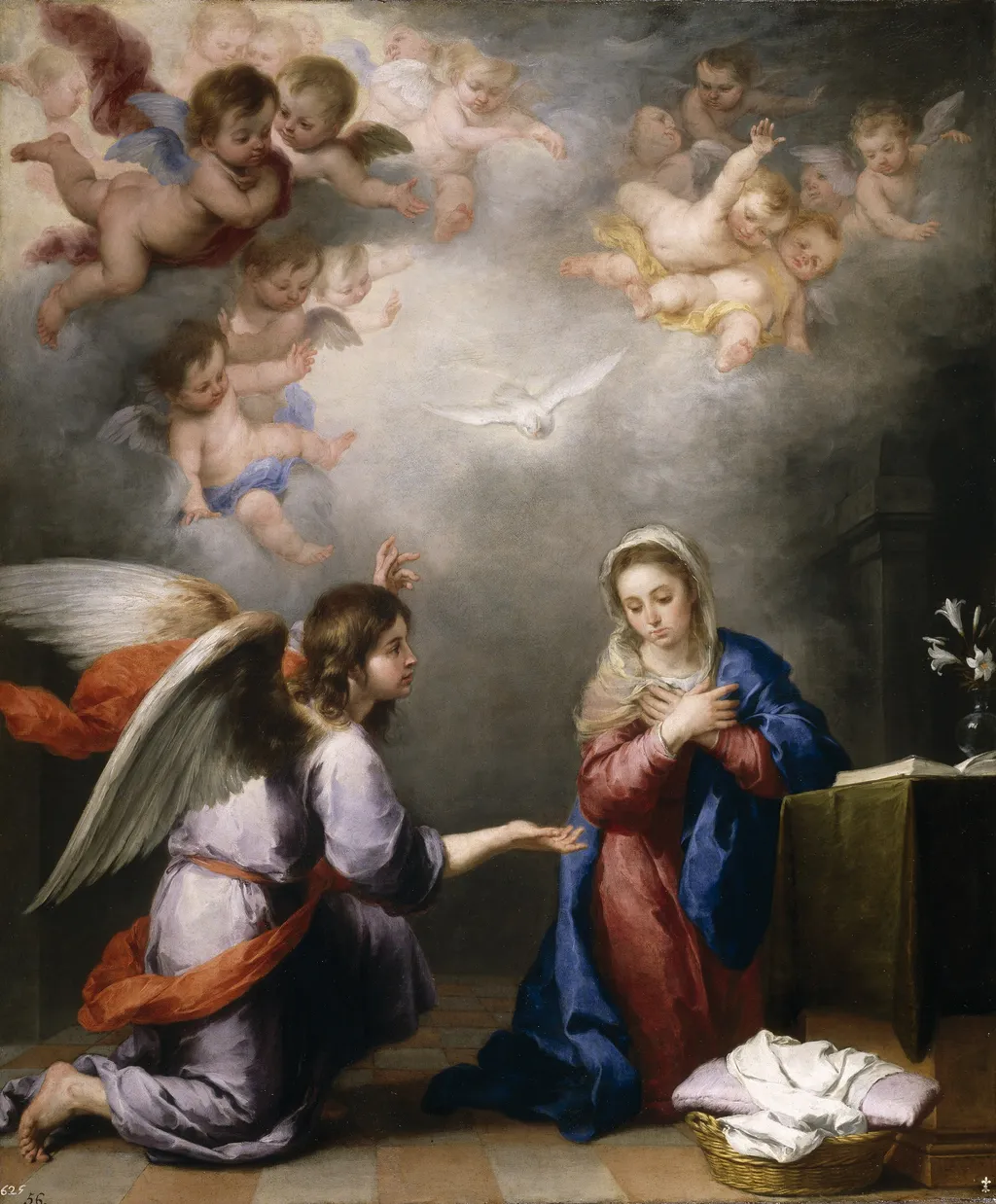
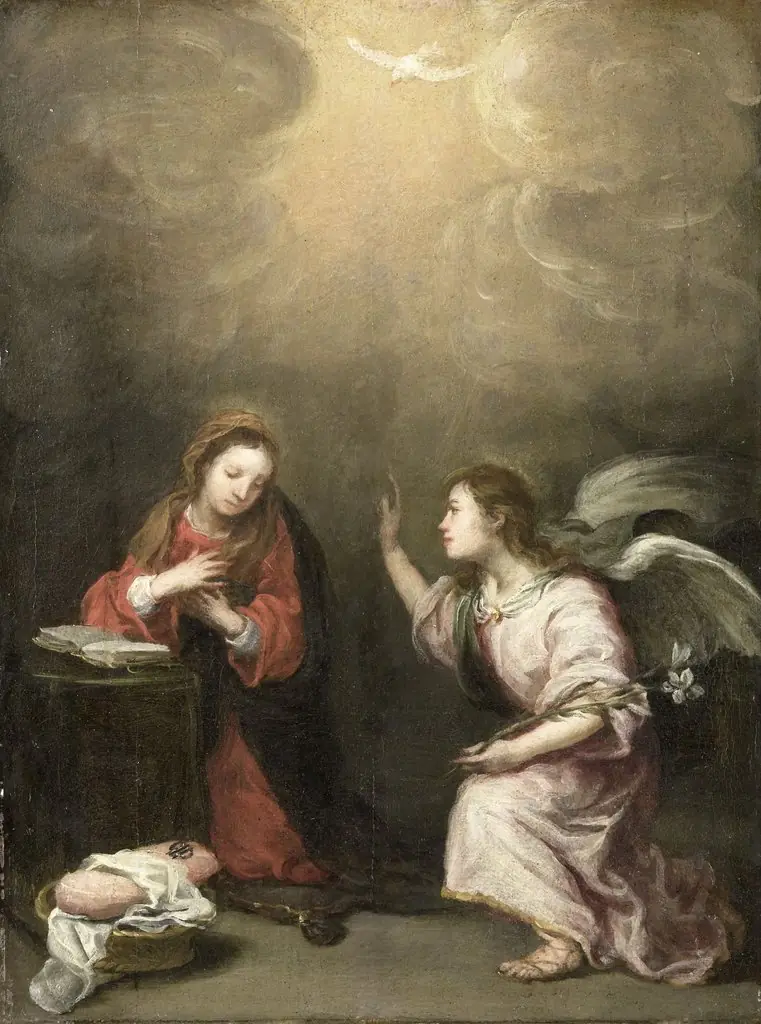
The Annunciation is an oil painting by the Early Baroque Italian artist Bartolomé Esteban Murillo. It dates from 1660 and is held in the collection of the Museo del Prado.
About this work
Overview
This work is characteristic of the Spanish Baroque style, for which Murillo was a leading exponent in the 17th century.
Bartolomé Esteban Murillo’s *The Annunciation*, completed in 1660, is an oil painting that captures the biblical moment when the archangel Gabriel announces to the Virgin Mary that she will conceive the Son of God. This work is characteristic of the Spanish Baroque style, for which Murillo was a leading exponent in the 17th century. The painting is a significant piece within the collection of the Museo del Prado in Madrid.
Subject & Meaning
The composition depicts Mary, clad in a blue robe, kneeling by a basket and clutching a book, appearing visibly startled by the divine message. Gabriel, with wings and a white robe, kneels opposite her, gesturing upward to convey the profound news. Above them, a celestial host of small, winged figures emerges from a cloud, accompanied by two luminous doves, symbolizing the Holy Spirit's presence in this pivotal theological event.
Technique & Style
Murillo employed oil paint to create a scene imbued with dramatic light and emotional depth, hallmarks of the Baroque era. The artist skillfully renders Mary's nervous reaction and Gabriel's emphatic gesture, emphasizing the human experience within a sacred narrative. The ethereal quality of the heavenly figures and the soft glow around the doves contribute to the painting's spiritual and evocative atmosphere, typical of Murillo's devotional works.
Context
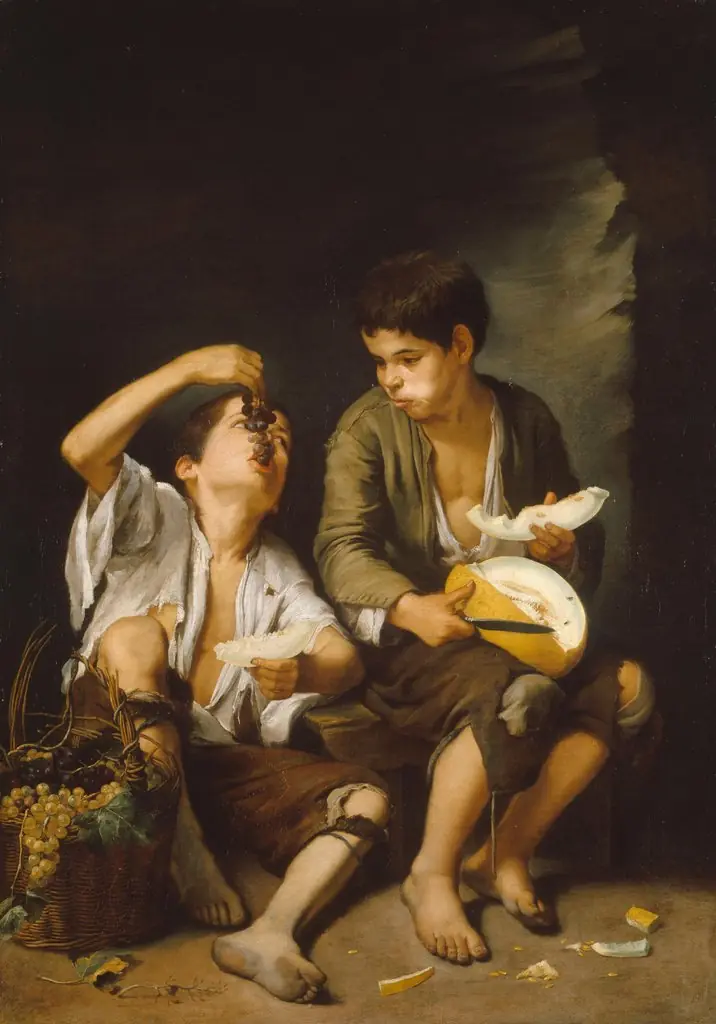
While Murillo is widely recognized for his extensive body of religious paintings, including numerous depictions of the Virgin Mary and saints, his artistic output also encompassed genre scenes. These works often portrayed everyday life, focusing on women and children, offering a glimpse into 17th-century Spanish society. *The Annunciation* exemplifies his mastery in conveying sacred narratives with both reverence and human emotion.
History & Provenance
This painting, created in 1660, is a notable example of Bartolomé Esteban Murillo's work and remains an important piece in the history of Spanish art. It is currently held in the esteemed collection of the Museo del Prado in Madrid, where it continues to be exhibited as a key representation of the artist's prolific career and his contribution to the Baroque tradition.
Own this work as a print
Artist & collection
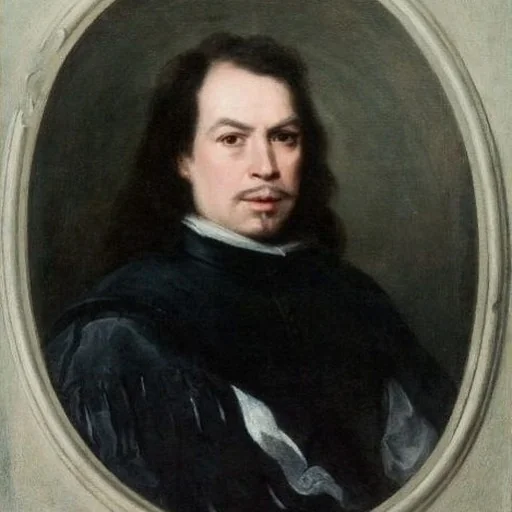
Artist
Bartolomé Esteban Murillo ( mure-IL-oh, m(y)uu-REE-oh, Spanish: ; late December 1617, baptised 1 January 1618 – 3 April 1682) was a Spanish Baroque painter.