Artwork
The Penitent Magdalene
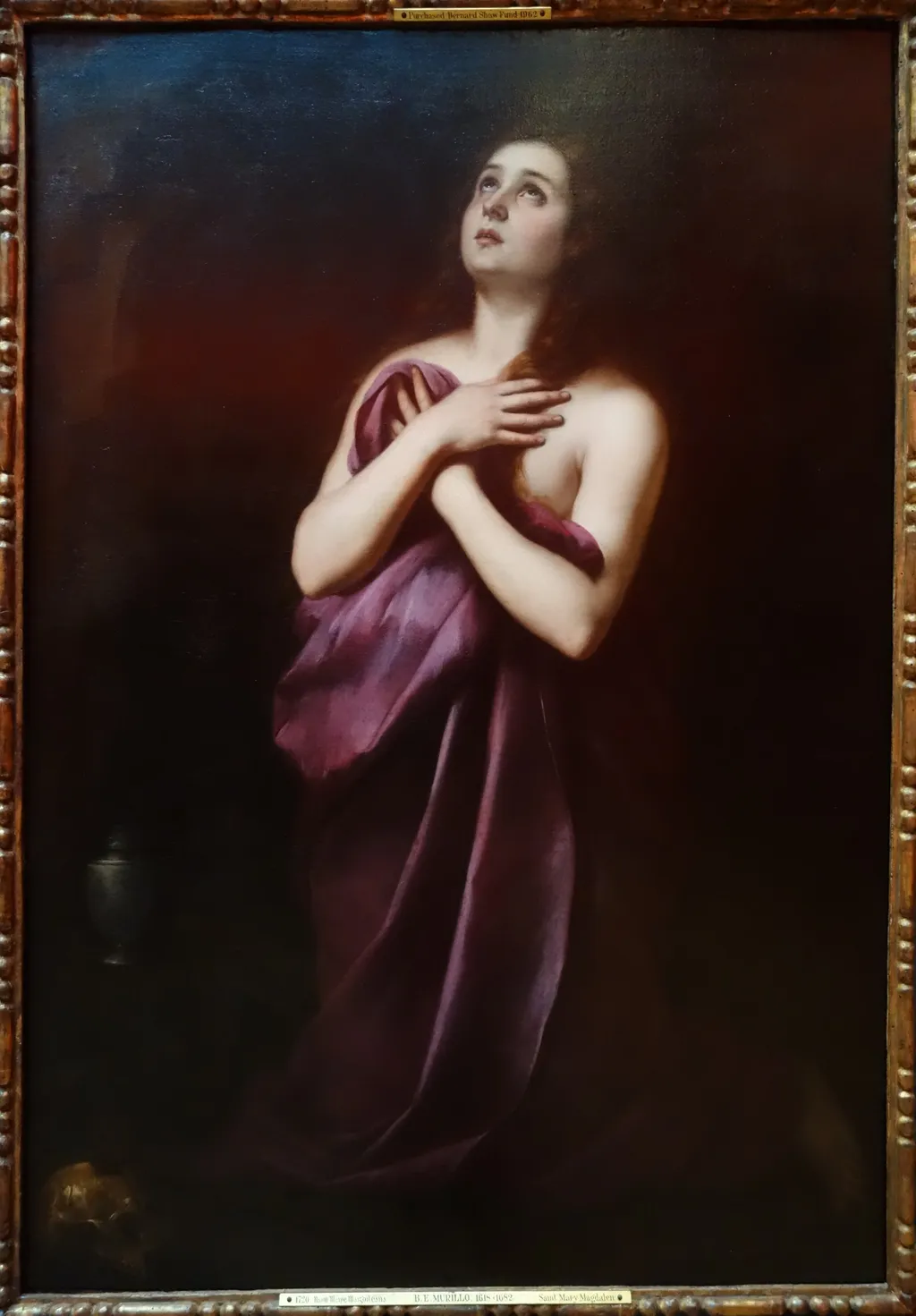
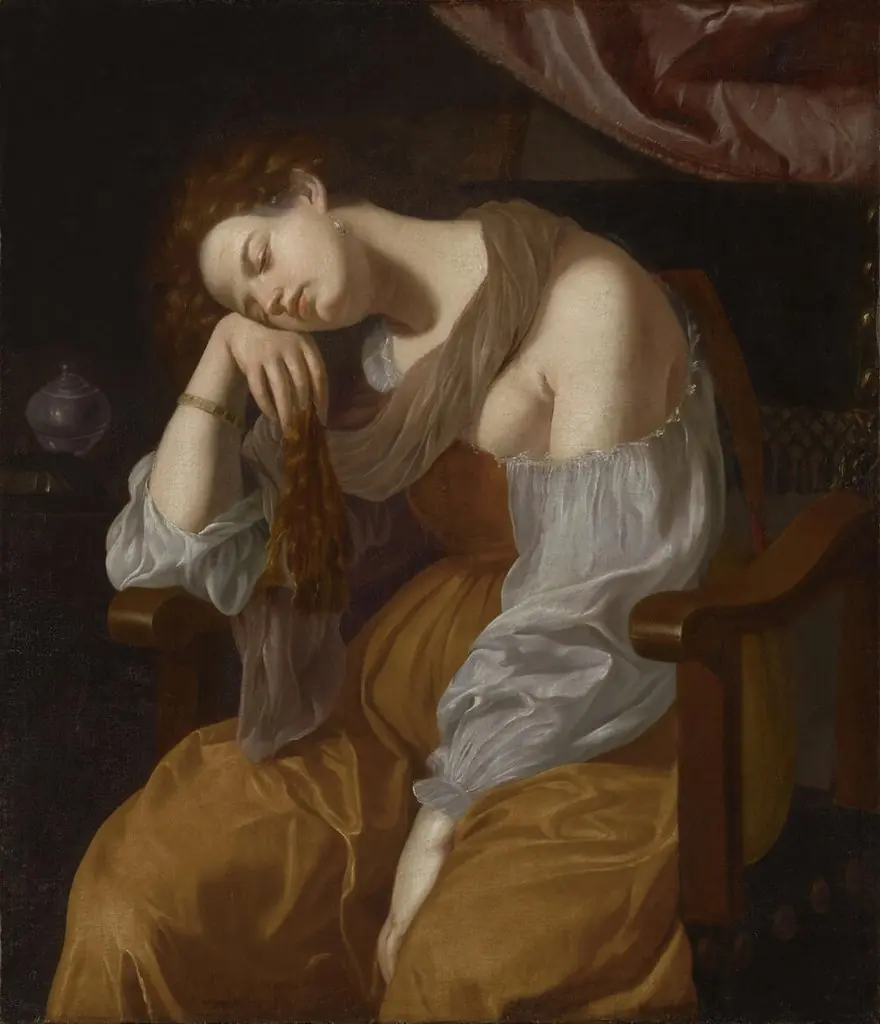
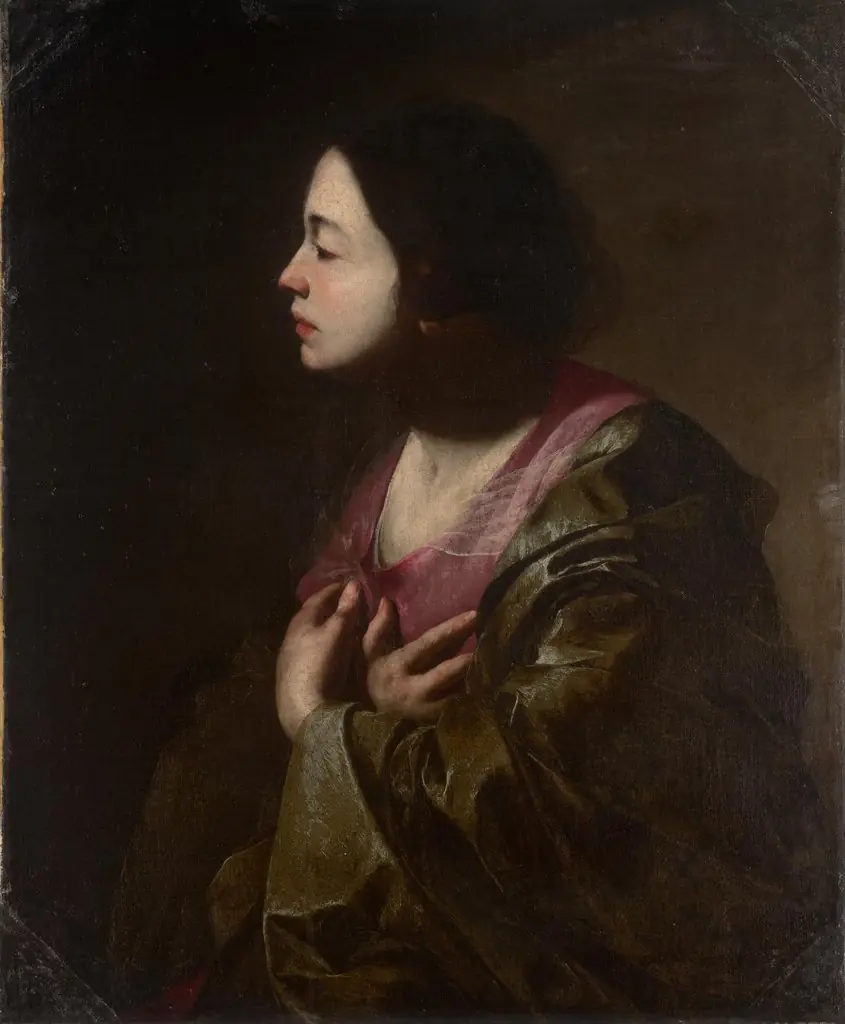
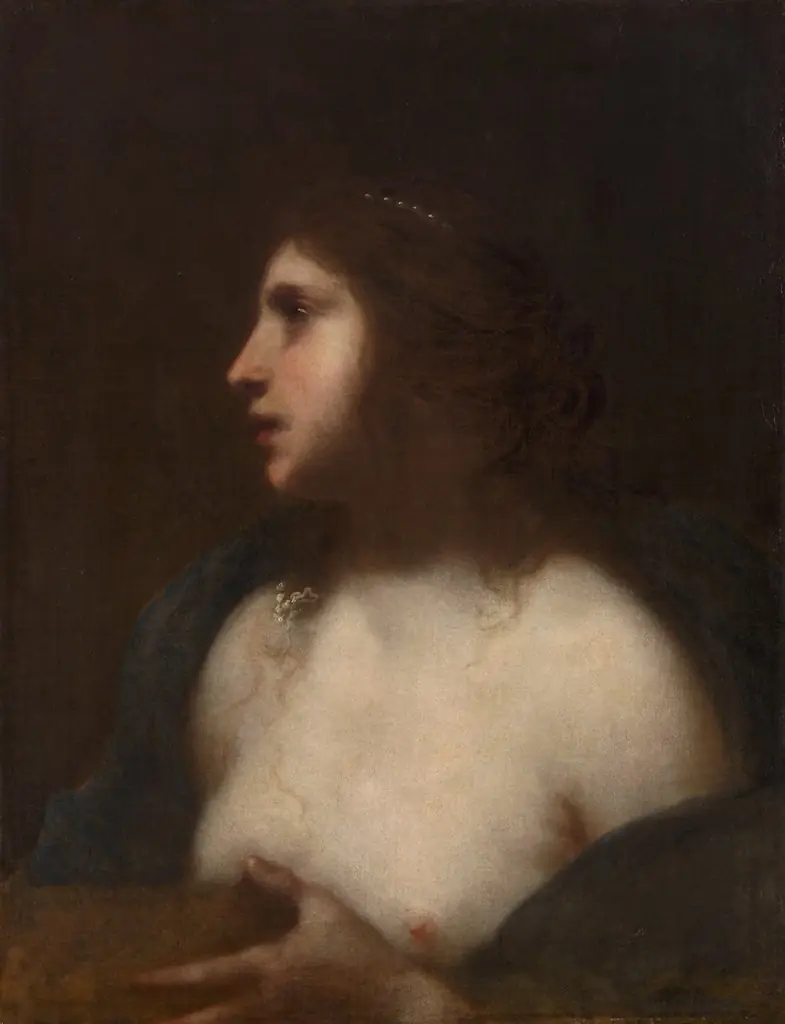
The Penitent Magdalene is an oil painting by the Early Baroque Italian artist Bartolomé Esteban Murillo. It dates from 1650 and is held in the collection of the National Gallery of Ireland.
About this work
Overview
It resides today in the National Gallery of Ireland, where it continues to draw attention for its emotional restraint and technical precision.
Painted around 1650 by Spanish artist Bartolomé Esteban Murillo, this oil on canvas depicts Mary Magdalene in a moment of quiet reflection. Part of a broader series of religious subjects Murillo produced during his career, the work exemplifies his ability to merge spiritual themes with intimate, humanized portrayals. It resides today in the National Gallery of Ireland, where it continues to draw attention for its emotional restraint and technical precision.
Subject & Meaning
The figure represents Mary Magdalene as a penitent, withdrawn from the world and absorbed in contemplation. Her posture—hand resting on the chest, gaze lifted—suggests inner sorrow and spiritual yearning rather than overt anguish. Murillo avoids theatricality, instead emphasizing solitude and humility. The absence of traditional symbols like skulls or jars directs focus to her emotional state, reinforcing a personal, introspective form of devotion.
Technique & Style
Murillo employs chiaroscuro to model the figure with soft, sculptural light, enhancing volume without harsh edges. The dark, near-black background isolates her form, heightening the sense of intimacy. His brushwork is subtle, blending tones to render skin and fabric with quiet realism. The purple robe, draped loosely over one arm, adds texture and movement, while the restrained palette underscores the painting’s meditative tone.
History & Provenance
The painting entered the National Gallery of Ireland’s collection in the 19th century, likely through private acquisition or donation. Its presence in Ireland reflects broader European interest in Spanish Baroque art during that period. While its early ownership history is not fully documented, its condition and style align with Murillo’s mid-career output, placing it among his most refined religious portraits from the 1640s–1650s.
Context
Created during Spain’s Counter-Reformation, the image responds to Church efforts to promote personal piety and emotional engagement with sacred figures. Murillo’s approach diverged from the grandeur of Italian Baroque, favoring quiet dignity over spectacle. His depictions of Magdalene, common in Spanish devotional art, resonated with audiences seeking accessible, emotionally resonant religious imagery grounded in everyday humanity.
Legacy
The painting exemplifies Murillo’s influence on later Spanish and European religious art through its emphasis on psychological depth and restrained emotion. While less overtly dramatic than contemporaries like Caravaggio, its quiet power contributed to a broader shift toward intimate devotional imagery. It remains a key example of how Baroque spirituality could be conveyed through subtlety rather than spectacle.
Artist & collection
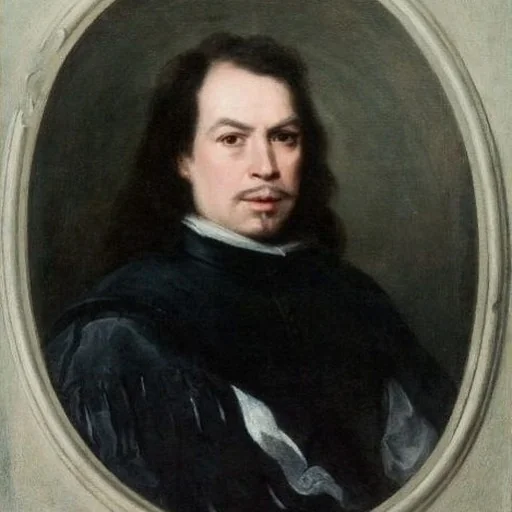
Artist
Bartolomé Esteban Murillo ( mure-IL-oh, m(y)uu-REE-oh, Spanish: ; late December 1617, baptised 1 January 1618 – 3 April 1682) was a Spanish Baroque painter.