Artwork
The Suicide of Cleopatra
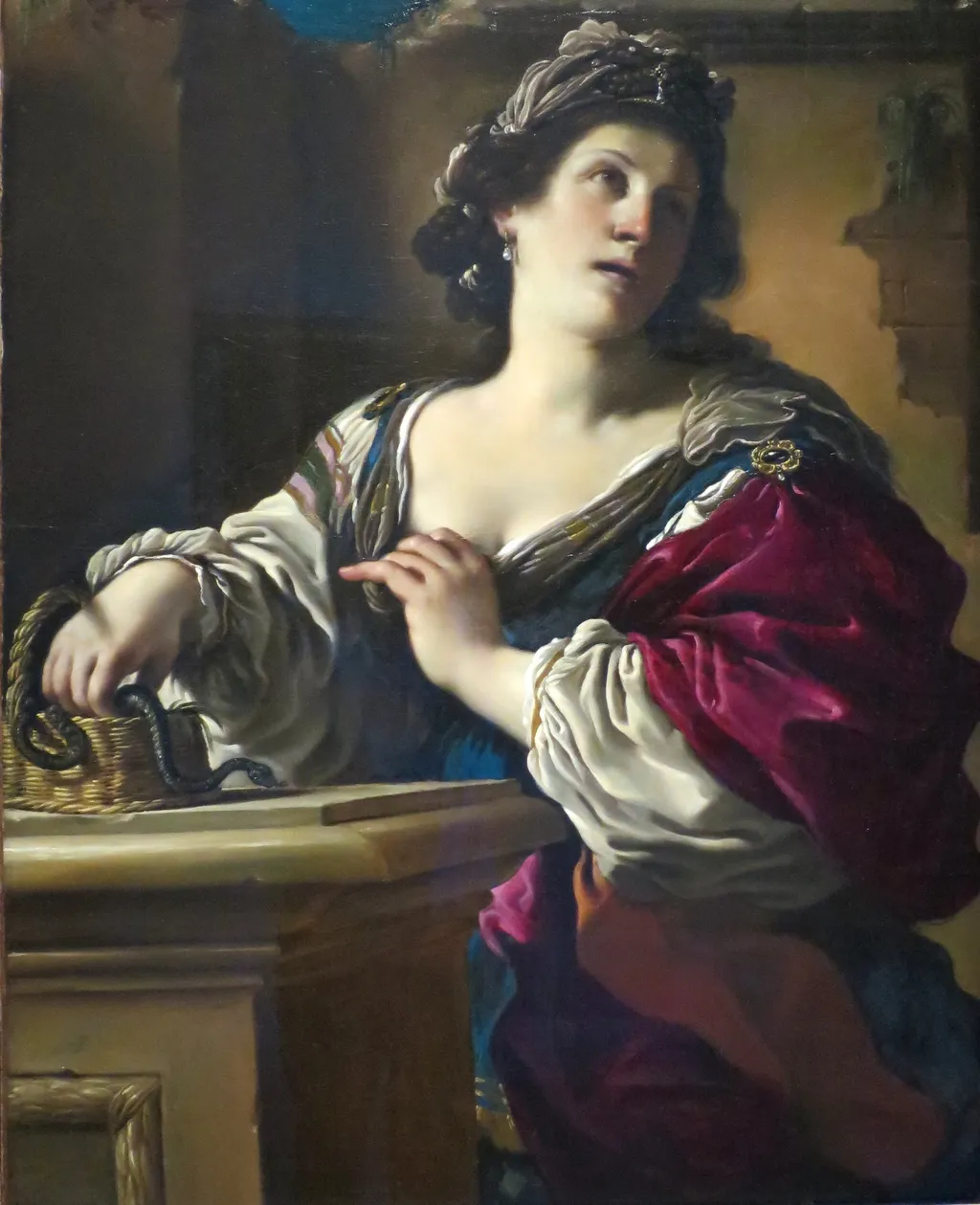
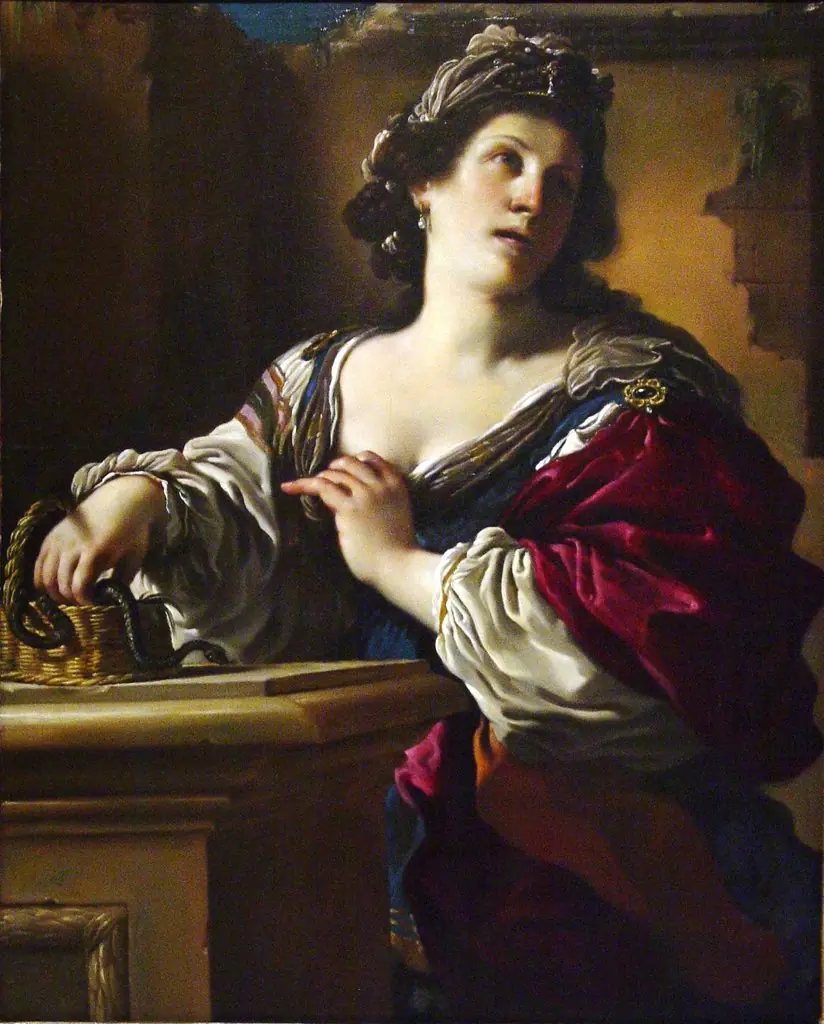
The Suicide of Cleopatra is an oil painting by the Early Baroque Italian artist Guercino. It dates from 1621 and is held in the collection of the Norton Simon Museum.
About this work
Overview
Painted in 1621 by Giovanni Francesco Barbieri, known as Guercino, this oil on canvas work captures the final moments of Cleopatra’s life.
Painted in 1621 by Giovanni Francesco Barbieri, known as Guercino, this oil on canvas work captures the final moments of Cleopatra’s life. Created during the artist’s early phase, it reflects a dynamic, emotionally charged style rooted in naturalism rather than the classical restraint he later adopted. The painting is part of the Norton Simon Museum’s collection, where it remains a key example of early Baroque narrative painting in Italy.
Subject & Meaning
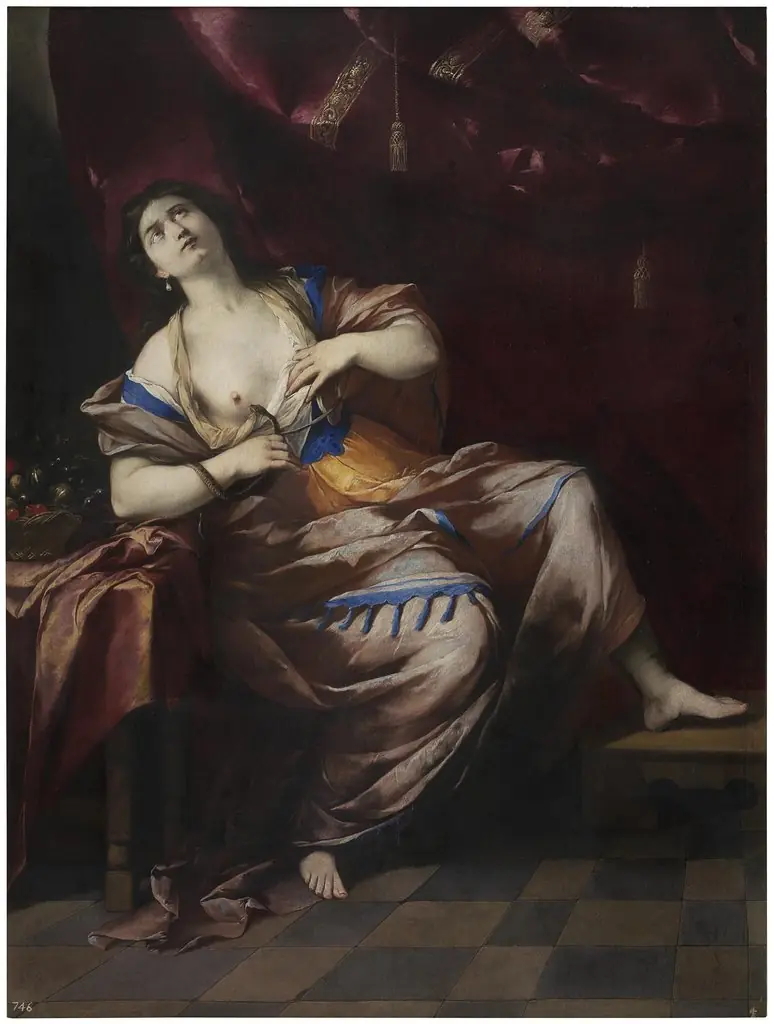
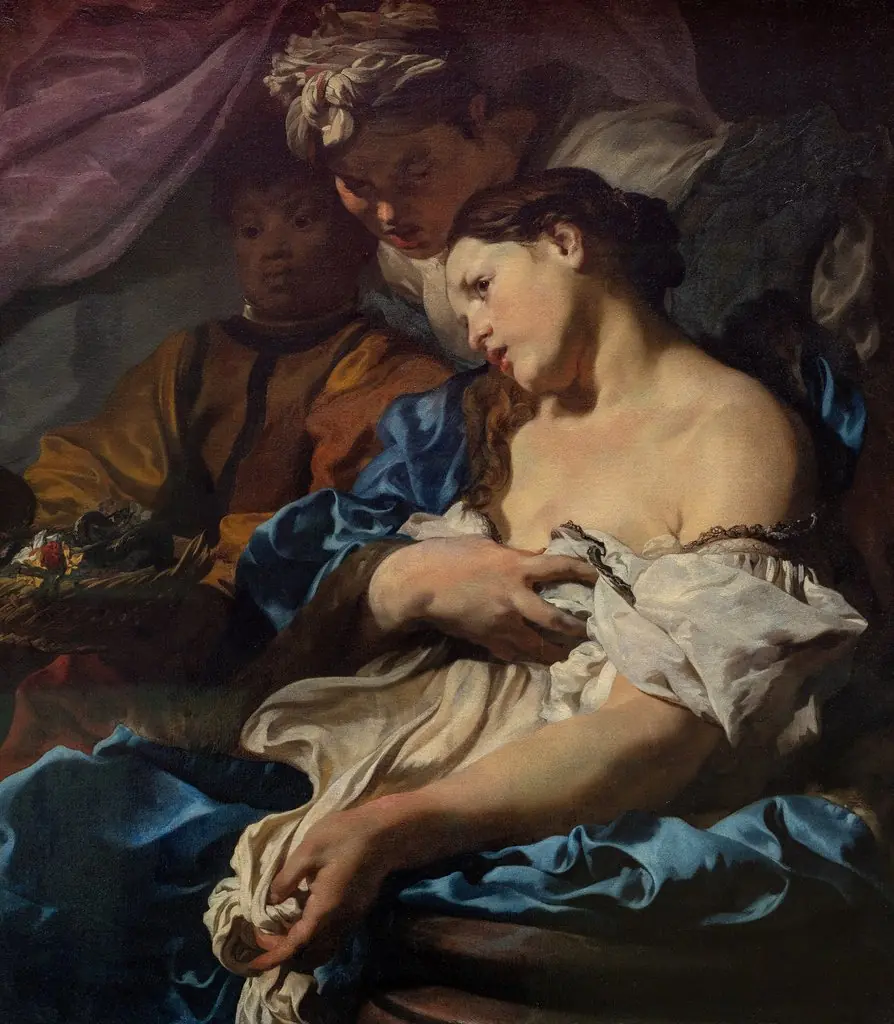
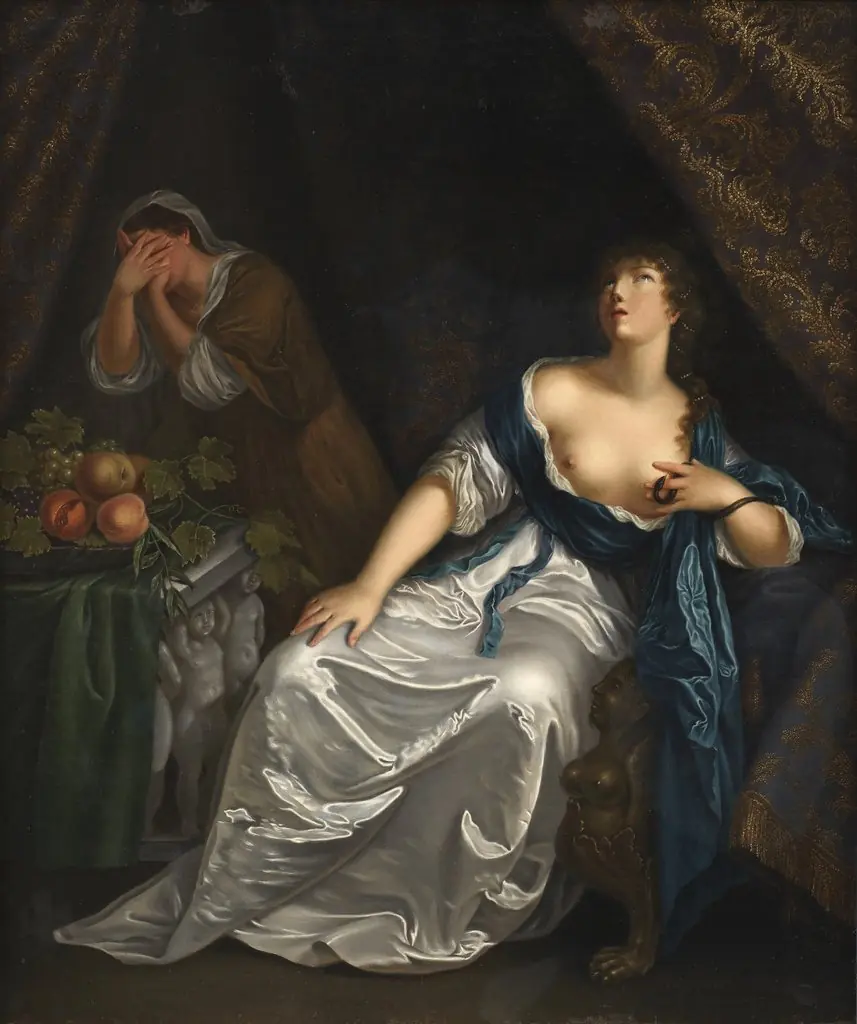
The scene portrays Cleopatra at the instant of her death, her body collapsing against a stone base as she bites into an asp. Her face, twisted in anguish, conveys both physical suffering and psychological surrender. The moment is not glorified but rendered with raw intensity, emphasizing the tragic weight of her choice—death over capture. The inclusion of opulent details suggests the dignity of her station even in ruin.
Technique & Style
Guercino employs strong chiaroscuro to model the figure against a deep, shadowed background, heightening the drama of the moment. The flesh tones are rendered with tactile realism, while the folds of fabric and the texture of stone are carefully observed. Brushwork is energetic yet controlled, capturing the tension in her limbs and the slackness of her posture. Subtle highlights in gold and crimson suggest the lingering presence of royal splendor.
History & Provenance
Commissioned during Guercino’s formative years, the painting likely originated in Bologna, where he was active before moving to Rome. It passed through private collections in Italy before entering the Norton Simon Museum’s holdings. Its survival in relatively intact condition offers insight into early 17th-century collecting practices and the enduring appeal of classical tragedy in Baroque art.
Context
In the early 1620s, Italian painters were redefining historical subjects through emotional immediacy, influenced by Caravaggio’s innovations. Guercino’s depiction aligns with this trend, rejecting idealized forms for visceral realism. Cleopatra’s suicide was a popular theme in this era, symbolizing resistance to Roman domination and the tragic end of Hellenistic royalty, resonating with contemporary political anxieties.
Legacy
Though less widely known than later Baroque works, this painting illustrates Guercino’s evolution from raw naturalism toward classical harmony. It stands as a testament to the period’s fascination with psychological depth in historical subjects. Its preservation allows ongoing study of how early Baroque artists translated literary and mythological narratives into compelling visual drama.
Own this work as a print
Artist & collection
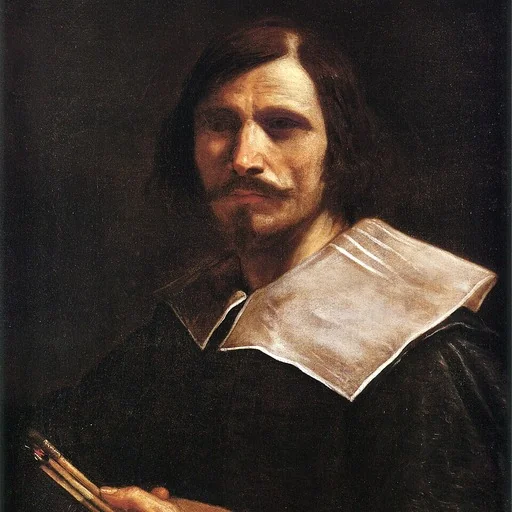
Artist
Giovanni Francesco Barbieri (8 February 1591 – 22 December 1666), better known as (il) Guercino (Italian pronunciation: ), was an Italian Baroque painter and draftsman from Cento in the Emilia region, who was active in Rome and Bologna.