Artwork
Untitled
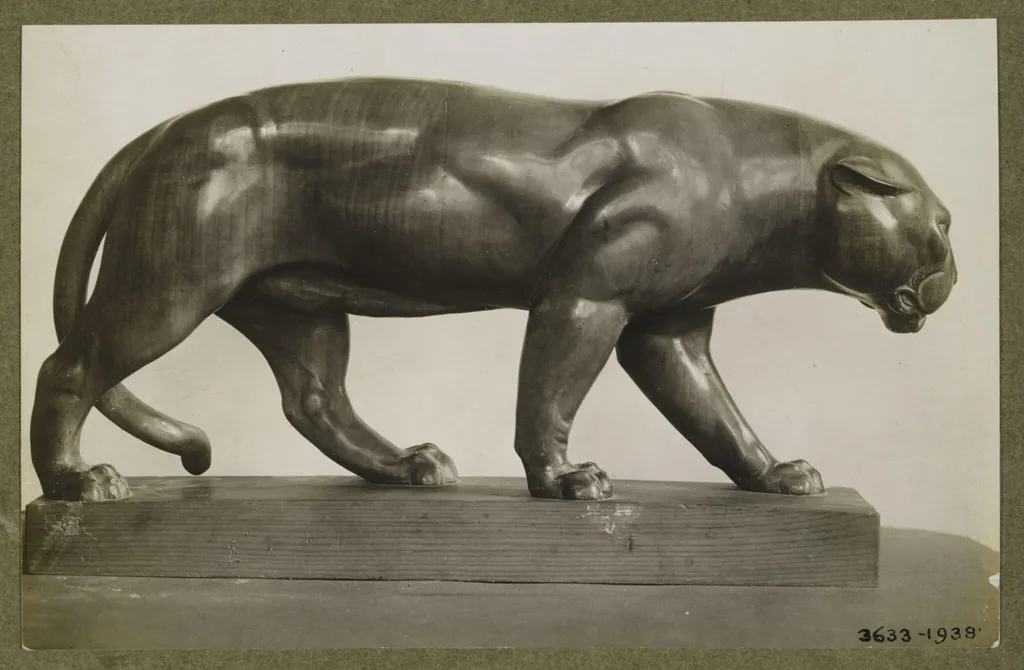
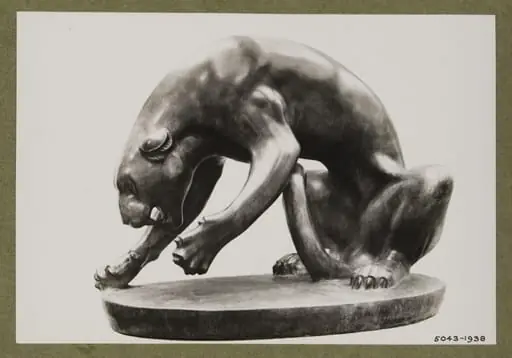
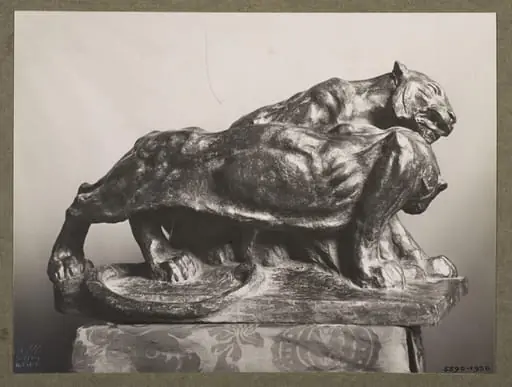
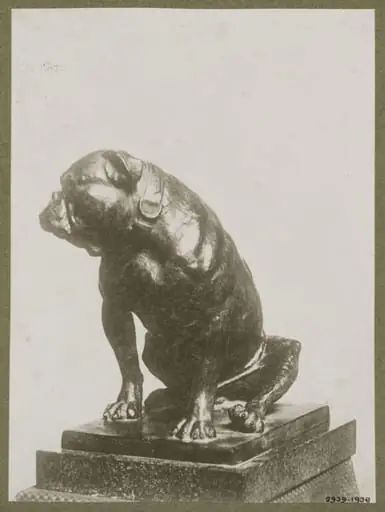
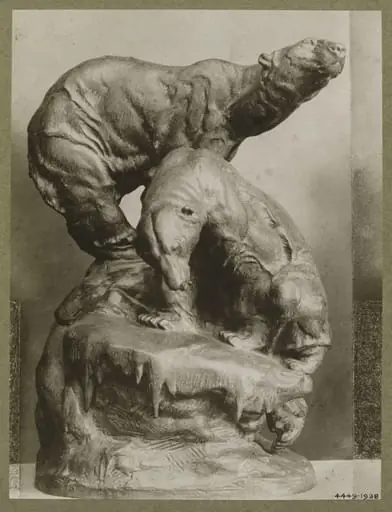
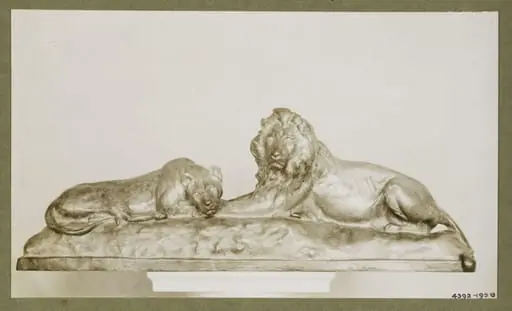
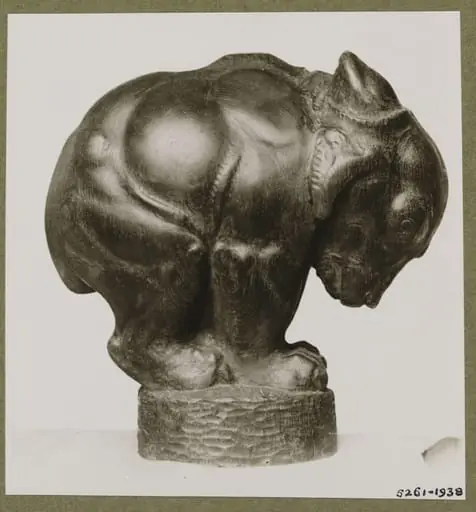
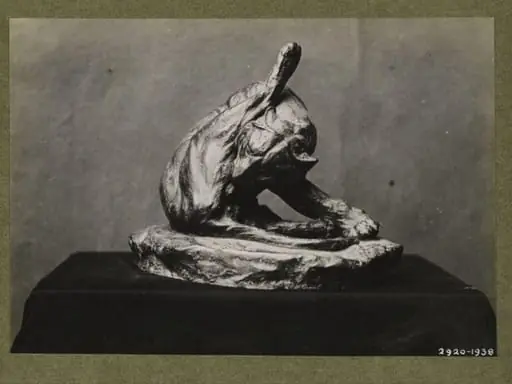
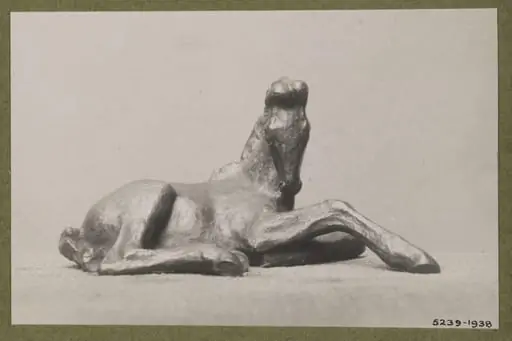
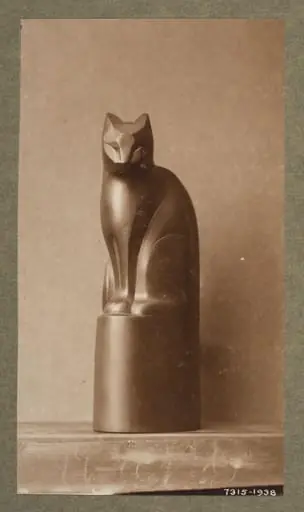
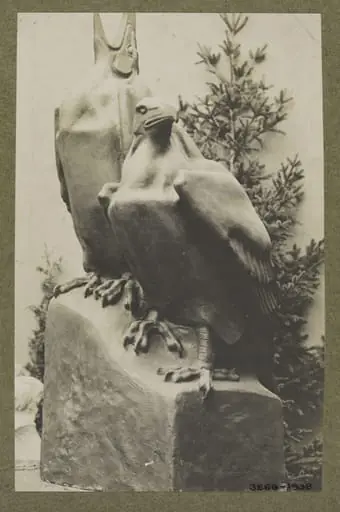
Untitled is a photographic photography by the Impressionist artist Franz the Elder Barwig. It dates from 1890 and is held in the collection of the Victoria and Albert Museum. This photograph captures a bronze sculpture of a cougar, mounted on a green card as part of the Archive of Art and Design.
About this work
Overview
This photograph captures a bronze sculpture of a cougar, mounted on a green card as part of the Archive of Art and Design. It was among materials collected by William Kineton Parkes in the 1920s, sent to him by sculptors responding to his inquiries. The photograph itself was bequeathed to the archive in 1938, preserving a record of early 20th-century sculptural practice.
Subject & Meaning
The sculpture depicts a cougar in a coiled, alert posture, its body tense yet motionless. Musculature is rendered with quiet precision, emphasizing latent power rather than aggression. The absence of exposed teeth or claws suggests restraint, focusing attention on the animal’s physical presence and stillness. The wooden base, rough and unpolished, grounds the form in a naturalistic context.
Technique & Style
The bronze surface is smoothly modeled, contrasting with the textured wooden platform. The sculptor uses subtle contours to convey anatomical accuracy without excessive detail, favoring a sense of controlled energy. The composition avoids dramatic gestures, instead achieving presence through balance and volume. The photograph faithfully records these tonal and textural contrasts.
History & Provenance
The photograph originated from a correspondence initiated by William Kineton Parkes, who sought documentation of contemporary sculpture in the 1920s. Sculptors sent him images and models in response, forming a unique archive of artistic practice. This particular item entered the collection through his 1938 bequest, preserving its context as part of a broader scholarly effort.
Context
During the 1920s, artists and scholars increasingly documented animal forms as symbols of primal strength, often influenced by modernist simplification. Parkes’s initiative reflected a growing interest in recording sculptural work outside institutional channels. This photograph is one of many that capture the intersection of artistic production and archival documentation in early modern Britain.
Legacy
Its preservation within the Archive of Art and Design underscores the value of informal networks in shaping art historical knowledge.
The photograph remains a primary record of a now-unlocated sculpture, offering insight into the range of animal-themed works produced in early 20th-century Britain. Its preservation within the Archive of Art and Design underscores the value of informal networks in shaping art historical knowledge. It continues to serve researchers studying the reception and documentation of sculpture during this period.
Artist & collection
Artist
Franz the Elder Barwig likely spent time in a darkroom, carefully developing his photos.