Artwork
The Honest Model
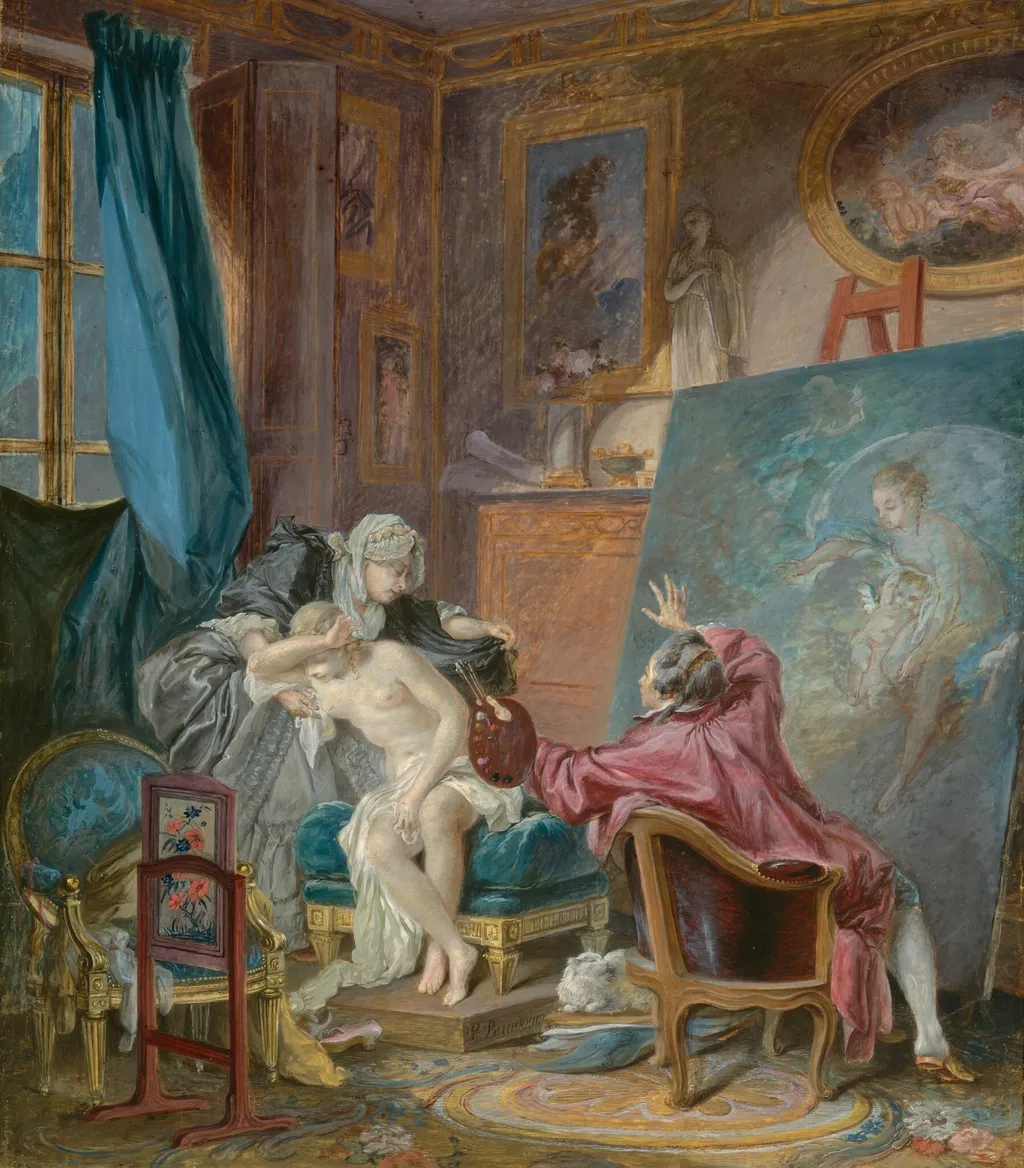
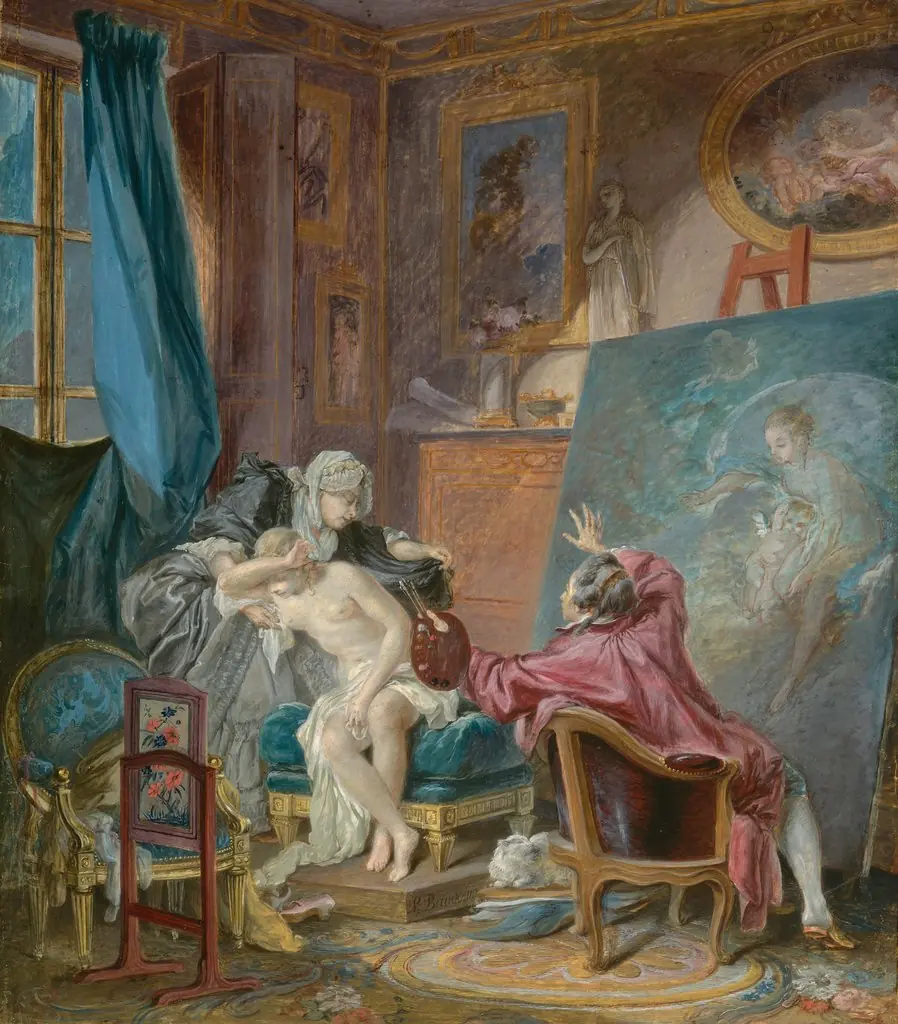
The Honest Model is a gouache drawing by the Romanticist artist Pierre-Antoine Baudouin. It dates from 1769 and is held in the collection of the National Gallery of Art.
About this work
Overview
Created in 1769, *The Honest Model* is a drawing by French Rococo artist Pierre‑Antoine Baudouin. Executed in gouache and graphite on vellum and later mounted on paperboard, the work measures a modest size yet presents a richly detailed interior scene that typifies the decorative sensibility of its period.
Subject & Meaning
The composition depicts an opulent chamber where a clothed woman adjusts the hair of a nude sitter placed on a chair, while a gentleman in a red robe watches, violin in hand. A small dog lies on the floor. The nude figure is rendered with confidence, suggesting a light‑hearted, perhaps allegorical treatment of artistic creation rather than moral commentary.
Technique & Style
Baudouin employed the opaque qualities of gouache alongside delicate graphite lines, allowing for both vivid coloration and fine modeling. The soft palette of whites, golds, and muted reds, combined with loose, fluid strokes, creates a sense of immediacy and movement characteristic of Rococo’s playful elegance.
History & Provenance
Pierre‑Antoine Baudouin, a pupil and son‑in‑law of François Boucher, produced this drawing in the final year of his brief career; he died later in 1769. The work has remained in private collections before entering its current institutional setting, where it is displayed as an example of late Rococo drawing practice.
Context
The piece reflects the Rococo fascination with aristocratic interiors, music, and the interplay of clothed and nude figures—a motif also explored by Boucher and his circle. Its emphasis on decorative detail, gilded furnishings, and a casual, intimate atmosphere aligns it with the broader French decorative arts of the mid‑18th century.
Artist & collection
Artist
Pierre-Antoine Baudouin (French pronunciation: ; 17 October 1723 – 15 December 1769) was a French painter. He worked in the same Rococo style of his father-in-law, François Boucher.

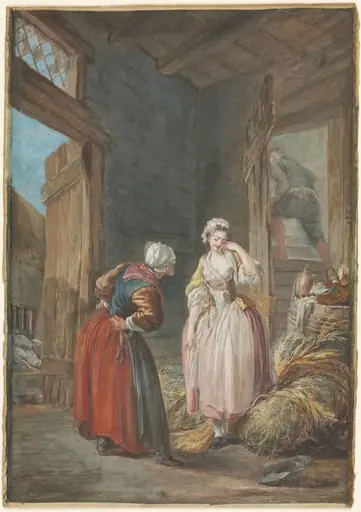
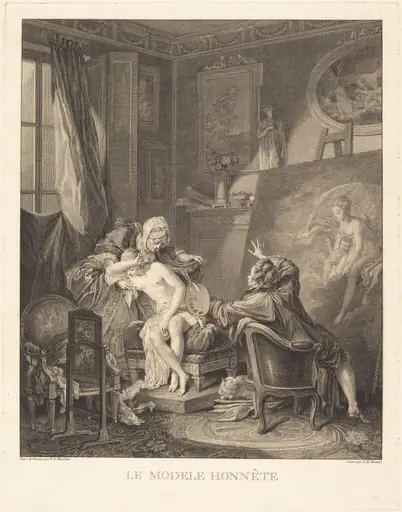 Le modèle honnête
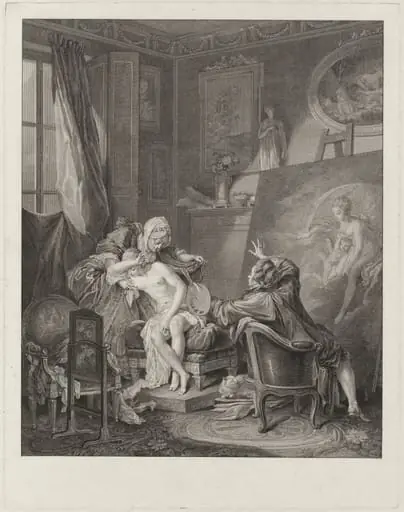 Le modèle honnête
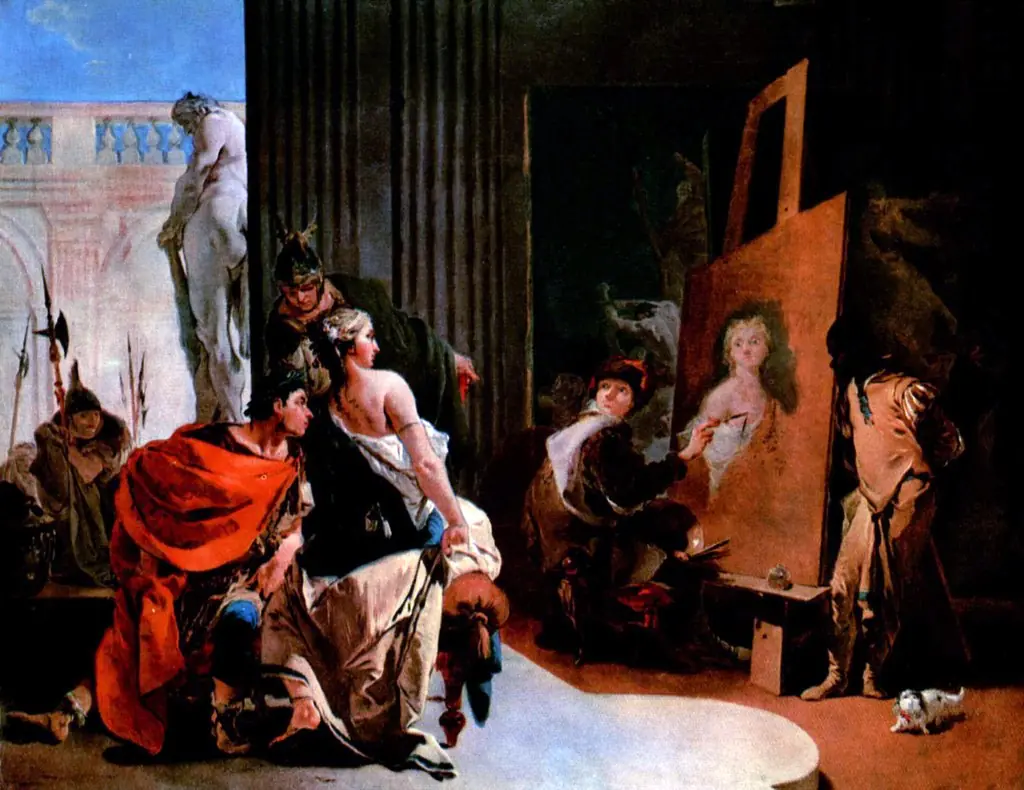 Apelles Painting Campaspe
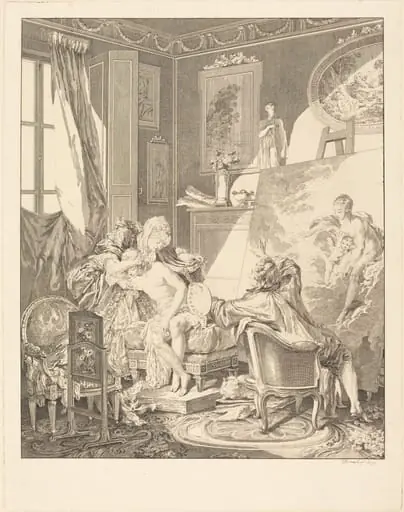 Le modèle honnête
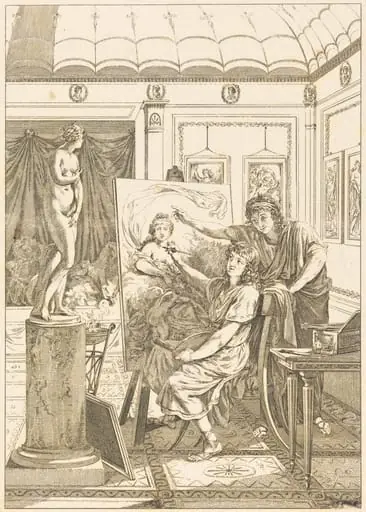 Imitation d'anacreon: Le portrait d'iris
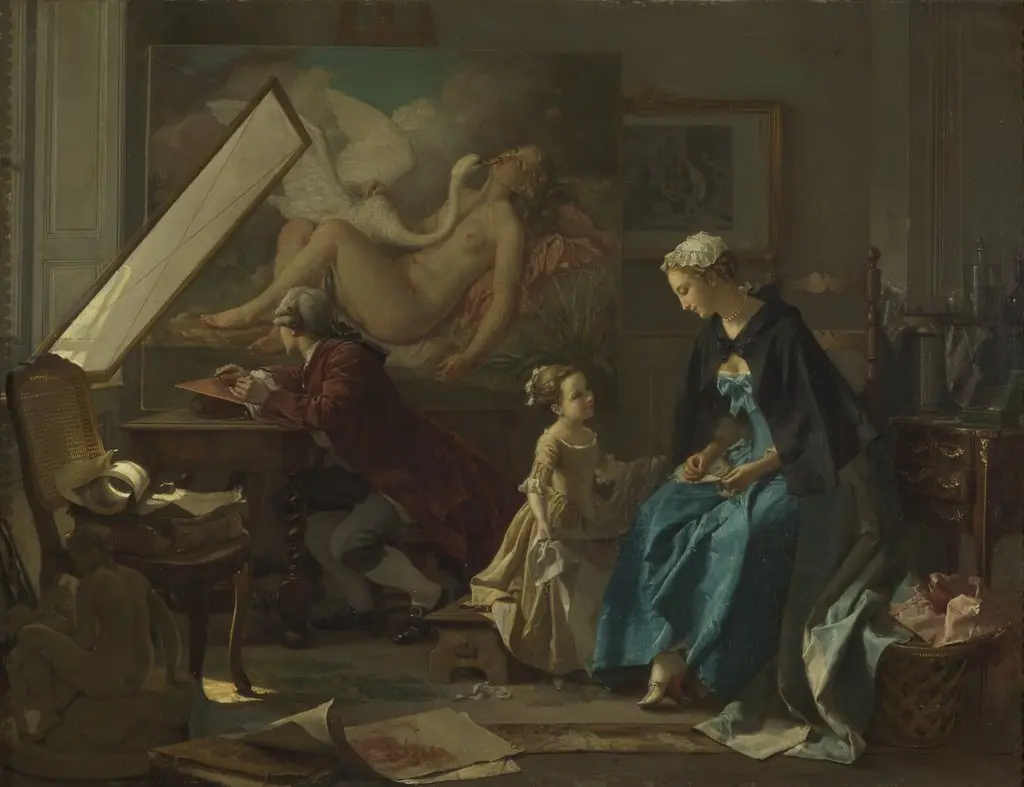 The Studio of the Engraver
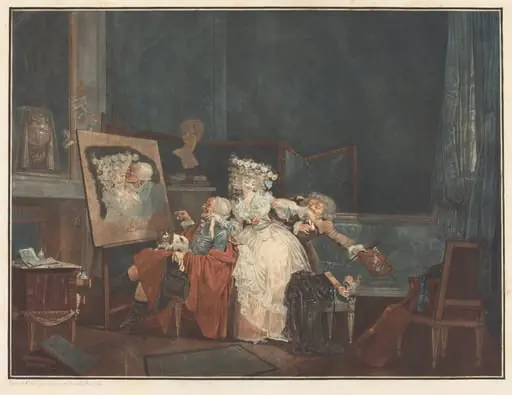 Les Deux Baisers (The Two Kisses)
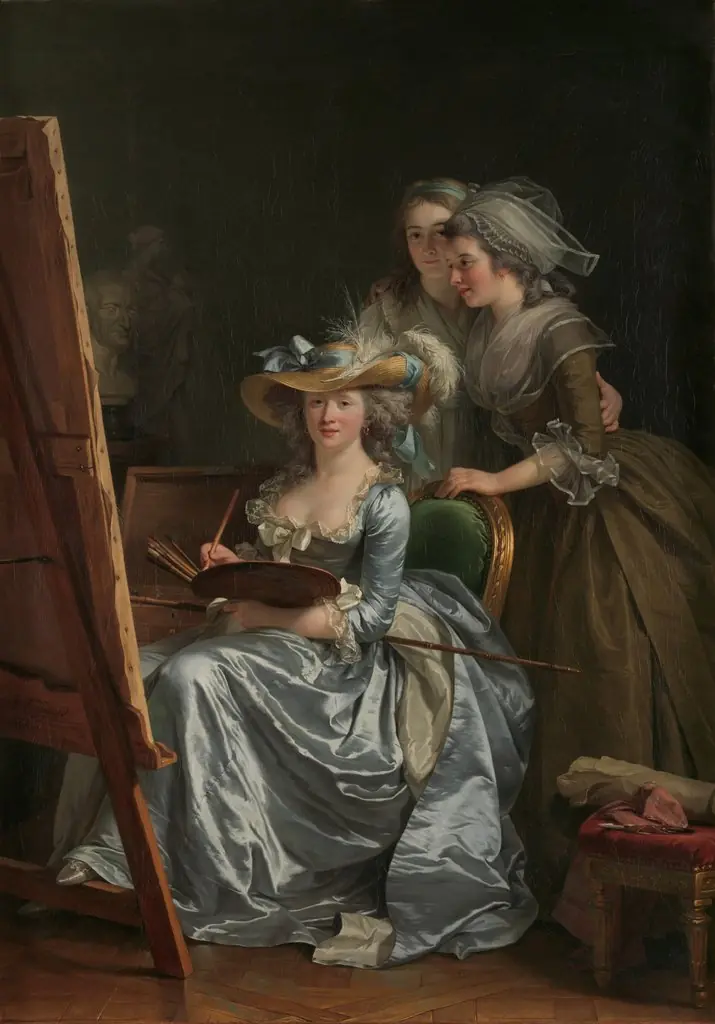 Self-Portrait with Two Pupils
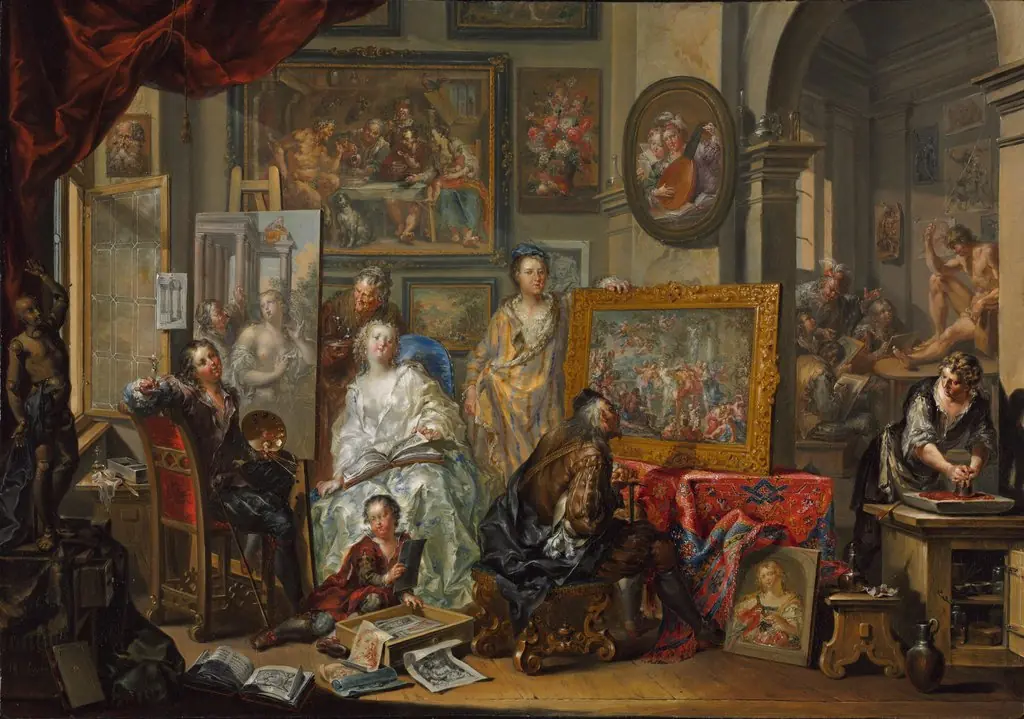 The Artist's Studio
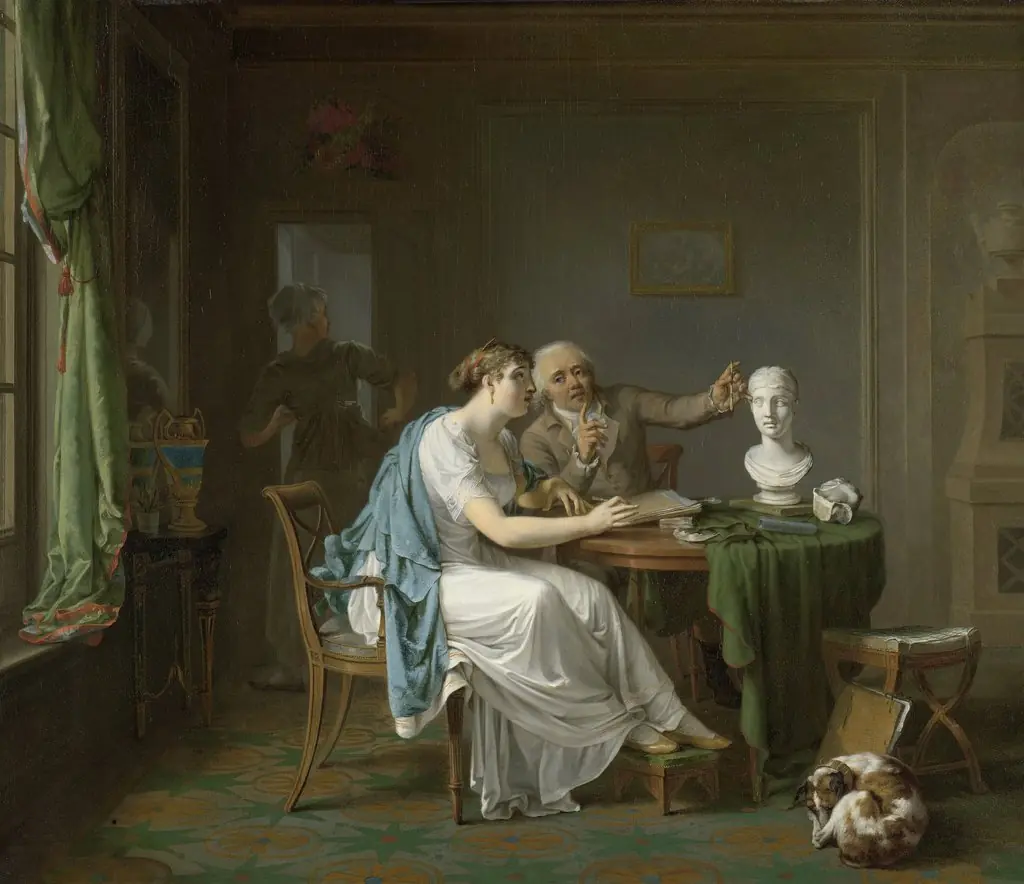 The Drawing Lesson
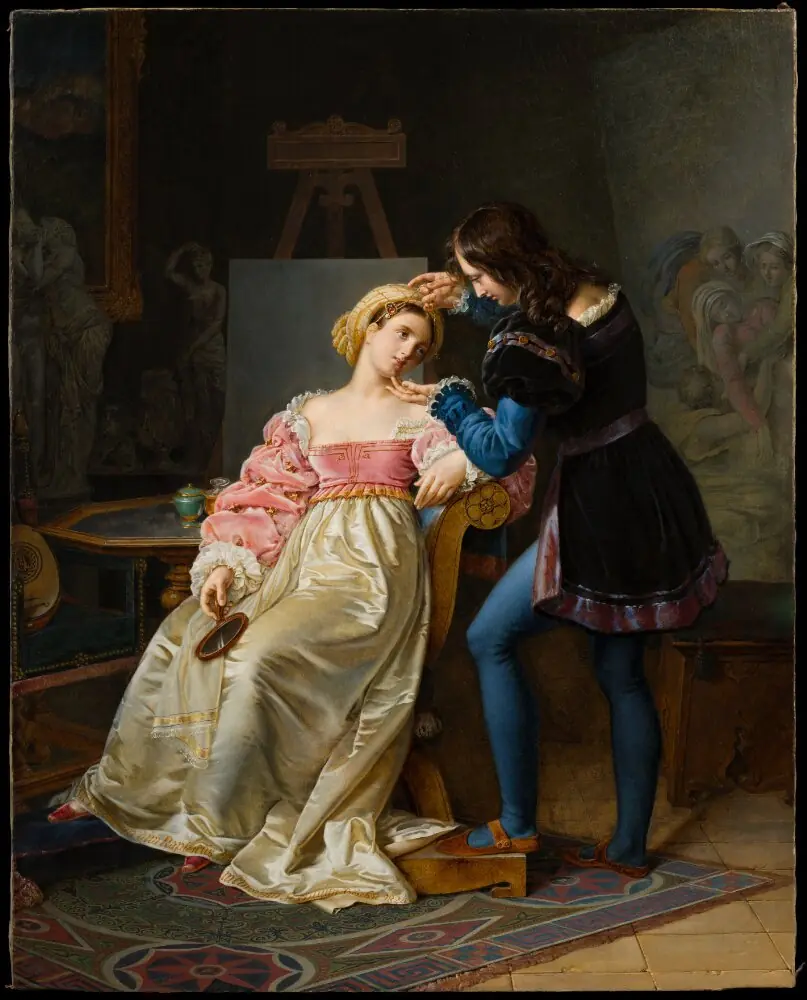 Raphael Adjusts Fornarina’s Hair Before Painting her Portrait